






















HVAC Glossary
Clear definitions for residential and commercial HVAC terms. Whether you are troubleshooting a home unit or managing a commercial facility, use this resource to understand your system and find the right professional supplies.
A
A2L refrigerants are a new class of "mildly flammable" cooling agents designed to replace high-GWP (Global Warming Potential) refrigerants like R-410A.
An ACI-Q AC Coil is a fundamental part of a high-performing residential cooling strategy, specifically engineered to provide maximum heat transfer and durability in harsh environments.
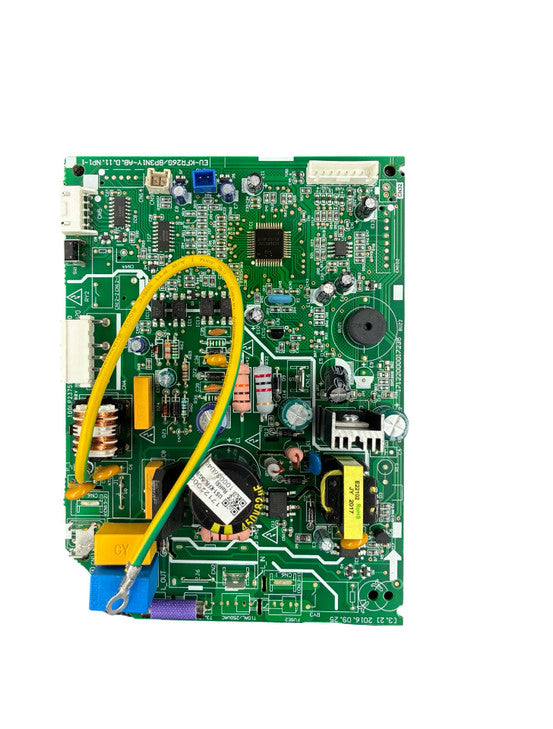
The ACI-Q Smart Control Board represents a critical innovation in HVAC intelligence, focused on providing the advanced "brains" needed to manage complex inverter and fan speed logic.
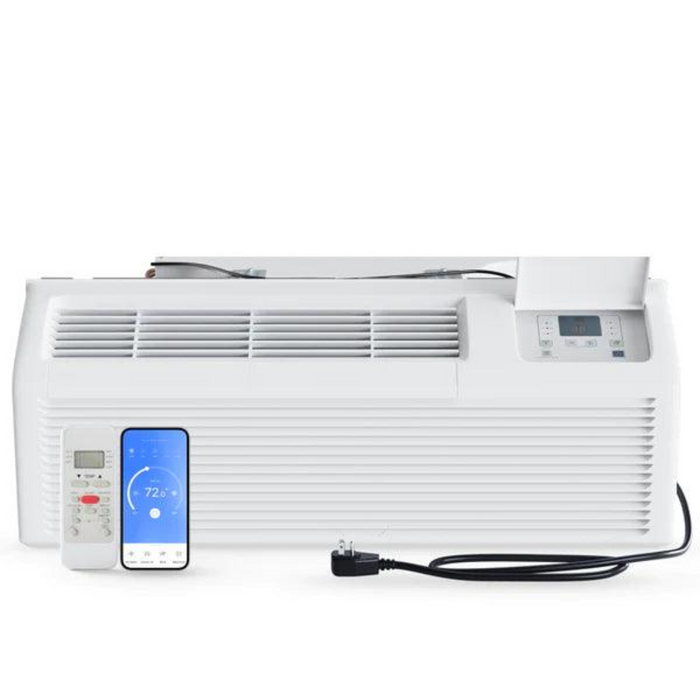
The ACIQ PTAC System represents a critical innovation in climate control for the hospitality and multi-family housing sectors, focused on providing high-efficiency heating and cooling in a self-contained unit.
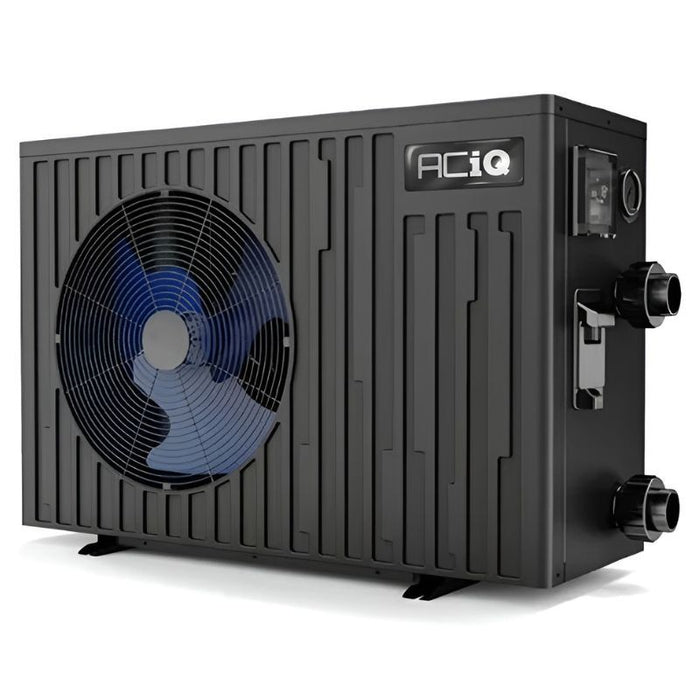
In the world of pool maintenance, the ACIQ Pool Heater serves as a specialized mechanism that provides ultra-efficient heating by utilizing advanced inverter technology.
AHRI Certified means that a specific combination of HVAC equipment has been independently tested and verified by the Air-Conditioning, Heating, and Refrigeration Institute.
A suction line accumulator is a tank-like component installed before the compressor to prevent liquid refrigerant from entering the compressor's intake.
An acid test is a chemical field test performed on a system's refrigerant oil to see if it has been contaminated by moisture or high heat.
The Air Change Rate, or ACH, measures how many times the total volume of air in a room is replaced by filtered or conditioned air within one hour.
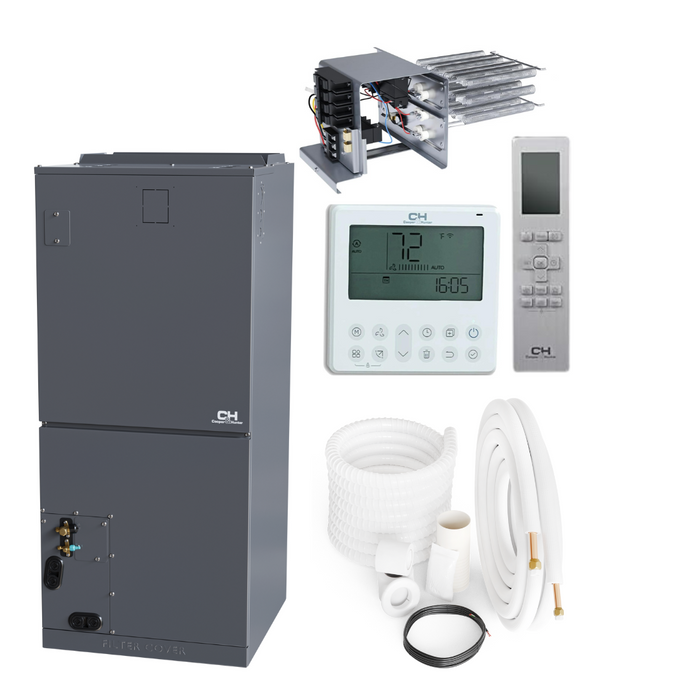
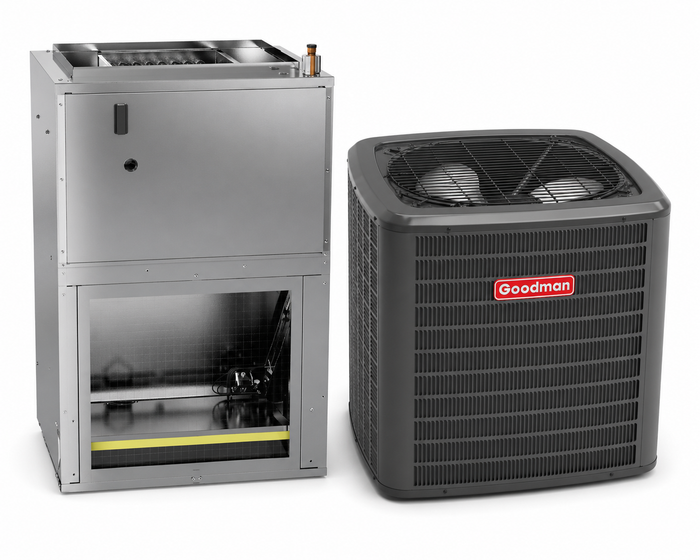
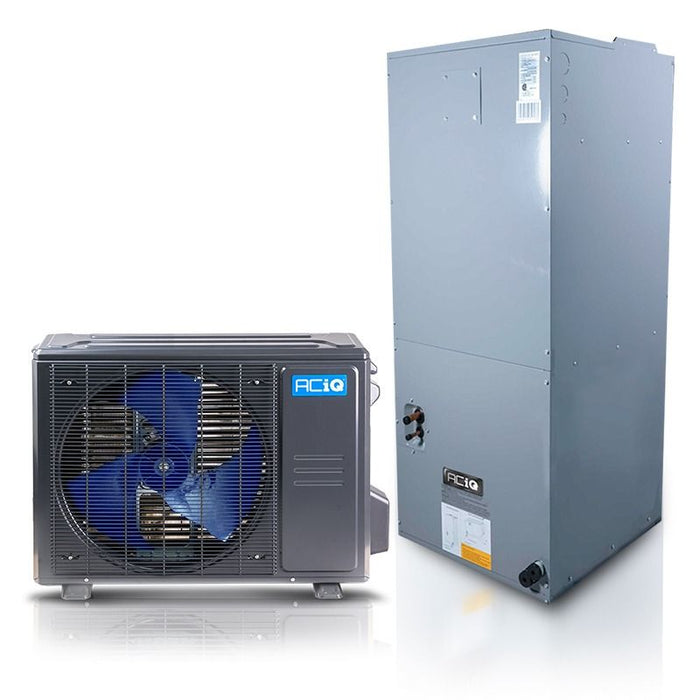
An air handler is a primary indoor component of a split HVAC system designed to regulate and circulate air as part of a heating or cooling system.
The air handler blower is the heavy-duty fan located inside the indoor unit that is responsible for pushing conditioned air through your home’s duct system.
An air scrubber is a specialized IAQ device that uses NASA-inspired technology to send out "scrubbing" molecules that actively seek out and neutralize pathogens on surfaces and in the air.
In the world of indoor air quality, the Air-to-Air Heat Exchanger serves as a specialized mechanism that bridges the gap between fresh air ventilation and thermal efficiency.
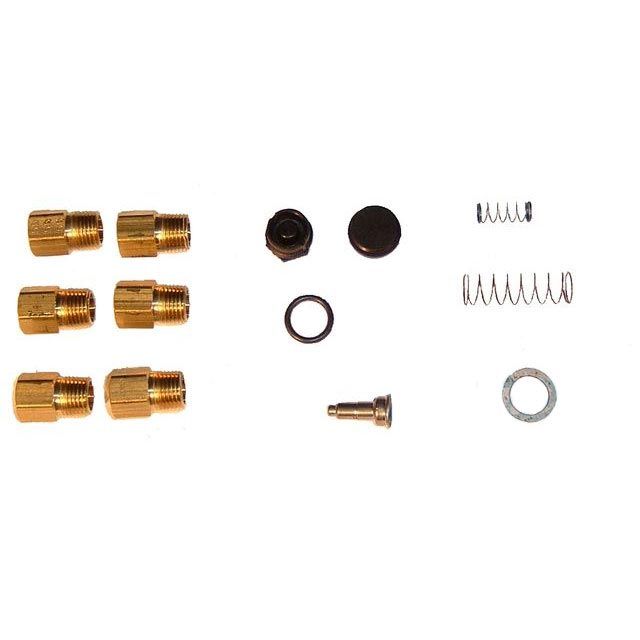
An altitude adjustment kit is a specialized set of components, often including gas orifices or pressure switches, designed to help a furnace operate safely at high elevations.
Ambient temperature refers to the temperature of the air surrounding a piece of HVAC equipment, which directly impacts its performance and efficiency.
Amperage in HVAC terms usually refers to Rated Load Amps (RLA) and Locked Rotor Amps (LRA), which indicate the electrical current draw of the compressor.
An anemometer is a precision instrument used by HVAC professionals to measure the velocity or speed of airflow at a register or inside a duct.
Anodic protection is a method used to prevent corrosion in water-bearing HVAC components, such as those found in water heaters or boilers.
Aperture area refers to the total surface area of an opening through which air or solar energy can pass, such as the face of a grille or the surface of a collector.
In the world of modern connectivity, the Armbridge Smart Gateway serves as a specialized mechanism that bridges the gap between your HVAC equipment and your mobile device.
The Armbridge Smart Thermostat represents a critical innovation in home automation, focused on providing the user with remote control and advanced scheduling for their HVAC system.
Automatic changeover is a thermostat feature that allows an HVAC system to switch between heating and cooling modes automatically based on the indoor temperature.
The Auxiliary Installation Kit represents a critical innovation for ensuring that every AC or furnace installation is completed with all the necessary specialized hardware and fasteners.
B
A BTU is a traditional unit of heat measurement defined as the amount of energy required to raise the temperature of one pound of water by one degree Fahrenheit.
Back-drafting is a dangerous condition where combustion gases, such as carbon monoxide, are pulled back into the home instead of being exhausted through the flue.
A barometric damper is a device installed in the flue pipe of a furnace or boiler to maintain a constant draft by automatically adjusting to pressure changes.
A base pan heater is an electric heating element installed in the bottom of an outdoor condenser unit to prevent ice from accumulating in the drain pan.
A belly board is a protective rigid or semi-rigid barrier installed underneath a mobile home to support insulation and protect the ductwork from pests and moisture.
A bi-flow filter drier is a specialized refrigeration component designed specifically for heat pump systems that move refrigerant in two directions.
A bleed-off valve is a device used in evaporative cooling systems or boilers to periodically remove a small amount of water to prevent the buildup of mineral scale.
Blow-through design refers to an HVAC configuration where the blower fan is positioned "upstream" of the heating or cooling coils, pushing air through them.
The blower housing, often called a "scroll" or "volute," is the protective metal or plastic casing that surrounds the blower wheel and motor.
A branch duct is a smaller pipe or flexible duct that splits off from the main "trunk" line to deliver conditioned air to individual rooms.
The Bravo Series AC is a fundamental part of a high-performing residential cooling strategy, specifically engineered to provide reliable performance in demanding climates.
The Bravo-1 Series Heat Pump represents a critical innovation in high-performance heating and cooling, focused on providing reliable temperature control in extreme seasonal shifts.
Brazing is a metal-joining process used by HVAC technicians to connect copper refrigerant lines using a high-temperature torch and a filler metal.
A bridge rectifier is an electronic component found on Control Boards that converts alternating current (AC) into direct current (DC).
A bubble leak test is a simple but effective method of finding refrigerant leaks by spraying a specialized, high-viscosity soap solution on copper joints and valves.
A bypass damper is a pressure-relief component used in zoned HVAC systems to manage excess air pressure when only one or two zones are calling for air.
A bypass humidifier is a device that adds moisture to the air by diverting a portion of the heated air from the supply plenum through a water-soaked pad and back into the return air.
C
CFM is the standard measurement of airflow volume, indicating how many cubic feet of air pass a fixed point in one minute.
A capacitor is a small cylindrical device that stores an electrical charge to provide the "jumpstart" needed to get motors and compressors running.
A capillary tube is the simplest type of refrigerant metering device, consisting of a long, thin copper tube with a very small internal diameter.
The carbon steel chassis is the heavy-duty structural frame that supports all the internal components of an outdoor HVAC unit, including the compressor and coils.
Cascade control is an advanced HVAC strategy where one control loop provides the setpoint for another, allowing for much more precise temperature management.
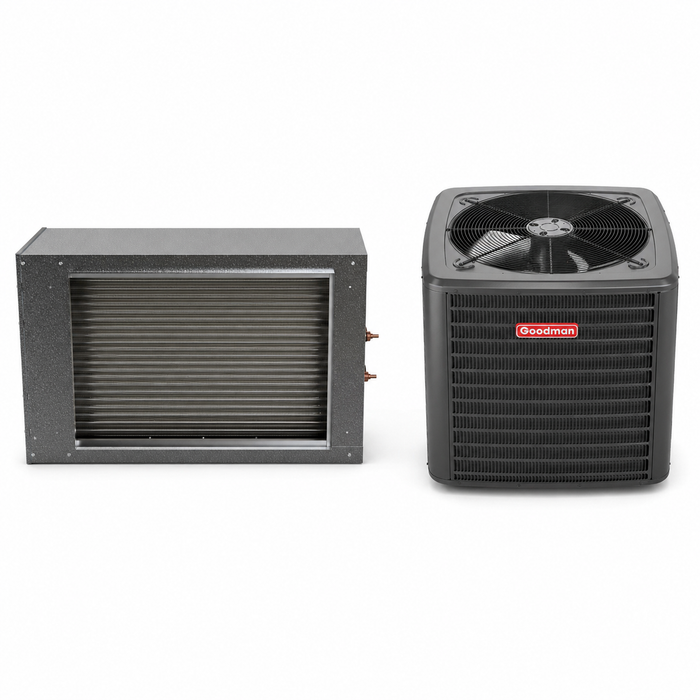
A Cased Evaporator Coil is a fundamental part of a high-performing split system, specifically designed to be housed in a pre-fabricated metal cabinet for easy installation with a furnace.
A cased coil comes pre-installed in a factory-insulated metal cabinet that is designed to match the dimensions of your furnace perfectly.
In the world of recessed HVAC units, a Ceiling Cassette Drain Pan serves as a specialized mechanism that collects the moisture removed from the air during the cooling process.
In the world of recessed HVAC units, the Ceiling Cassette Lift Pump serves as a specialized mechanism that lifts condensate water from the unit up into the ceiling plenum for drainage.
A ceiling plenum is the pressurized space above a dropped ceiling that is used for the distribution of conditioned air or as a path for return air.
A centrifugal blower, also known as a "squirrel cage" fan, is the most common type of fan used to move air through ductwork in residential homes.
A charging scale is a high-precision electronic scale used to weigh refrigerant as it is added to or removed from an HVAC system.
In the context of HVAC, a check rail refers to the structural frame or mounting rail used to secure a window-mounted unit or a specific internal component within a chassis.
A cleanout port is a specialized access point installed in the primary condensate drain line of an HVAC system.
Clearance to combustibles refers to the minimum safe distance required between a heating appliance and any flammable materials like wood, drywall, or insulation.
A closed-loop system is an HVAC or plumbing configuration where the working fluid is completely sealed within the piping and never comes into contact with the outside air.
The coefficient of heat transfer is a quantitative measure of how effectively heat moves from one substance to another through a material.
A cold header is a manifold pipe that collects refrigerant from various individual circuits within an evaporator or condenser coil.
Combustion analysis is a diagnostic procedure where a technician uses a digital analyzer to measure the flue gases of a furnace or boiler.
The combustion chamber is the specific area within a furnace where the fuel is ignited and burned to create heat.
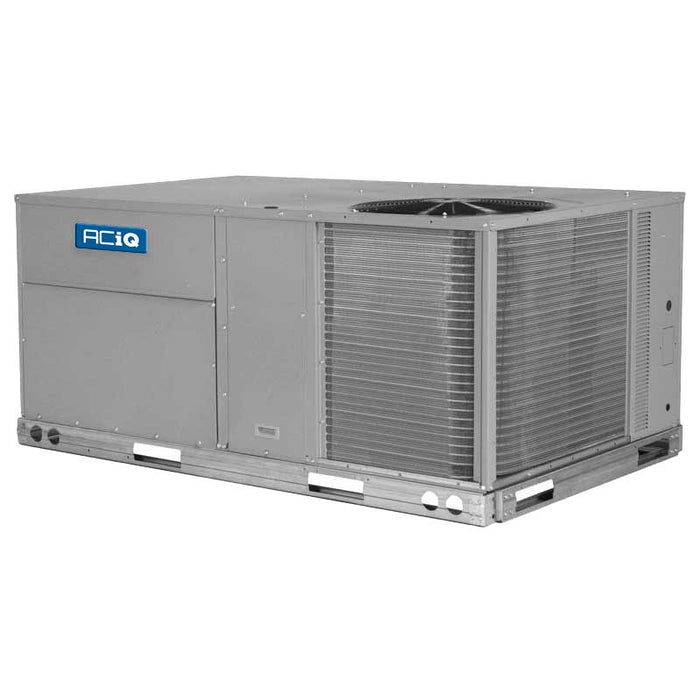
The Commercial Packaged Heat Pump represents a critical innovation in business-grade HVAC, focused on providing all-electric heating and cooling from a single rooftop or ground-level unit.
A Commercial Packaged Unit is a fundamental part of a high-performing business environment, specifically designed to house all heating and cooling components in one massive rooftop or ground-mount cabinet.
A compensating valve is a type of regulation device that adjusts the flow of a fluid based on changes in temperature or pressure elsewhere in the system.
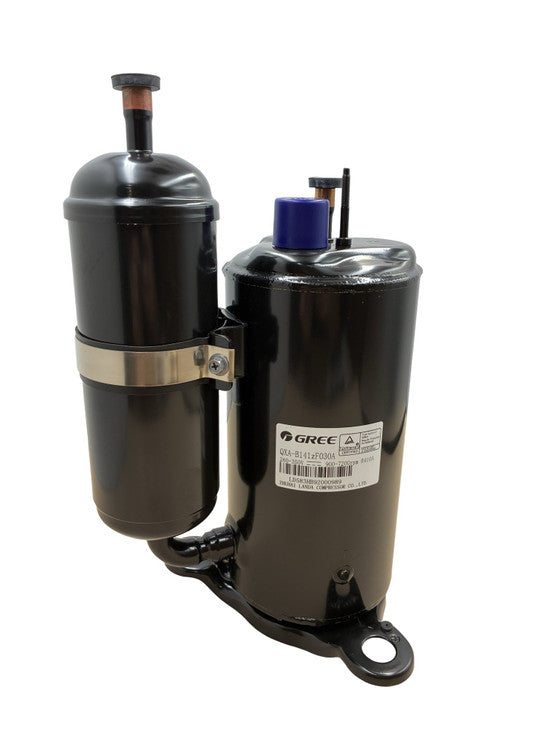
The compressor is often described as the "heart" of an HVAC system, responsible for pumping refrigerant throughout the entire cooling loop.
The contactor is a high-voltage relay that acts as the switch to turn the outdoor compressor and fan motor on and off.
Compressor mounts are heavy-duty rubber or spring-loaded vibration isolators that secure the compressor to the unit's chassis.
The condensate drain pan is a collection tray located underneath the indoor evaporator coil that catches the water that drips off during the cooling process.
A condensate pump is a small, motorized device used to pump wastewater from an HVAC system when a gravity drain is not available.
The Condensate Removal Pump represents a critical innovation for HVAC installations where gravity-fed drainage is not an option for the system's moisture runoff.
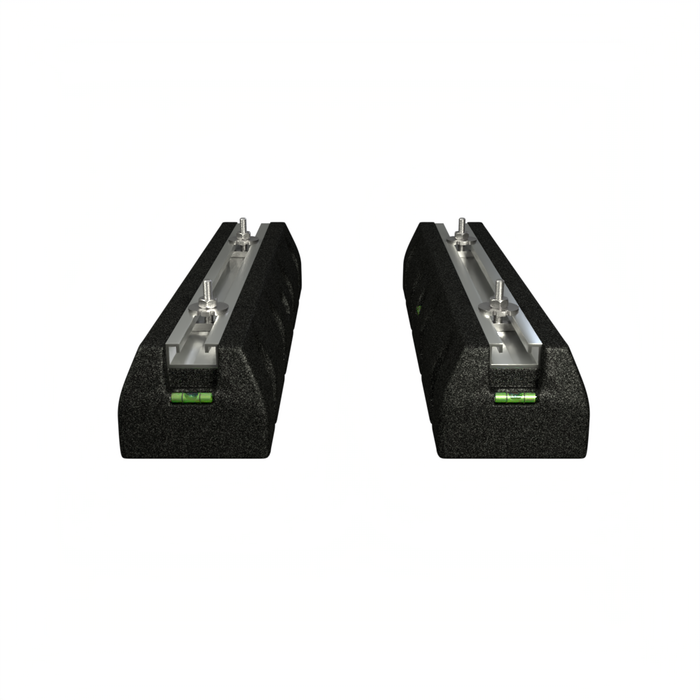
Condenser Brackets serve as a specialized mechanism designed to support the weight of an outdoor HVAC unit when ground space is limited or unavailable.
Conductor insulation is the protective non-conductive coating that surrounds electrical wires to prevent short circuits and electric shocks.
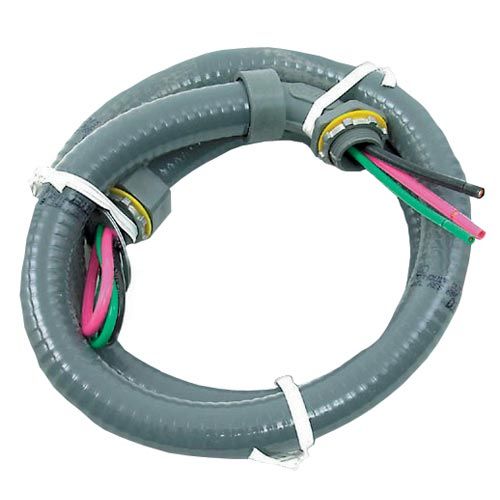
Electrical conduit is a protective tube, usually made of metal or plastic, that houses and protects electrical wiring from physical damage and the elements.
A constant torque motor, often marketed as an X13, is a type of high-efficiency blower motor that bridges the gap between basic PSC motors and premium variable-speed ECMs.
A contactor is an electromechanical switch used to control the flow of high-voltage power to the compressor and outdoor fan motor.
A control relay is a smaller electrical switch that allows a low-current signal to control a higher-current circuit elsewhere in the HVAC system.
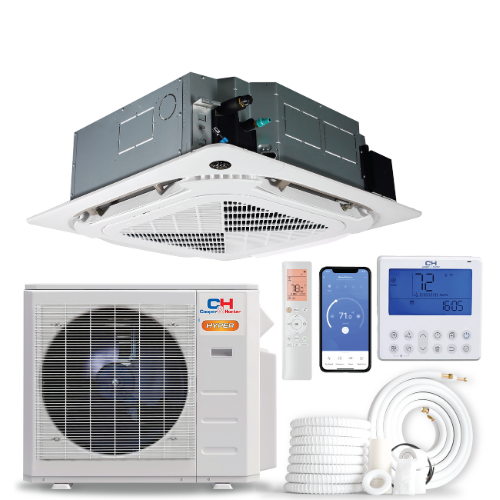
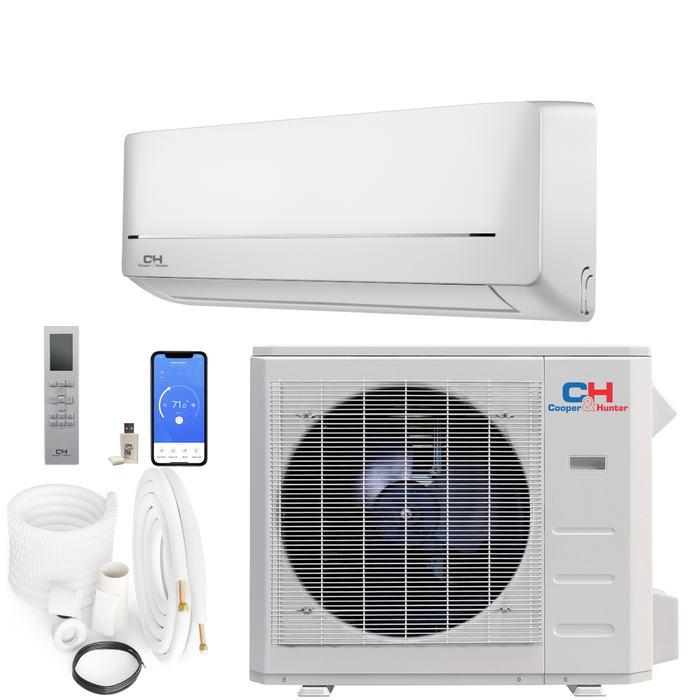
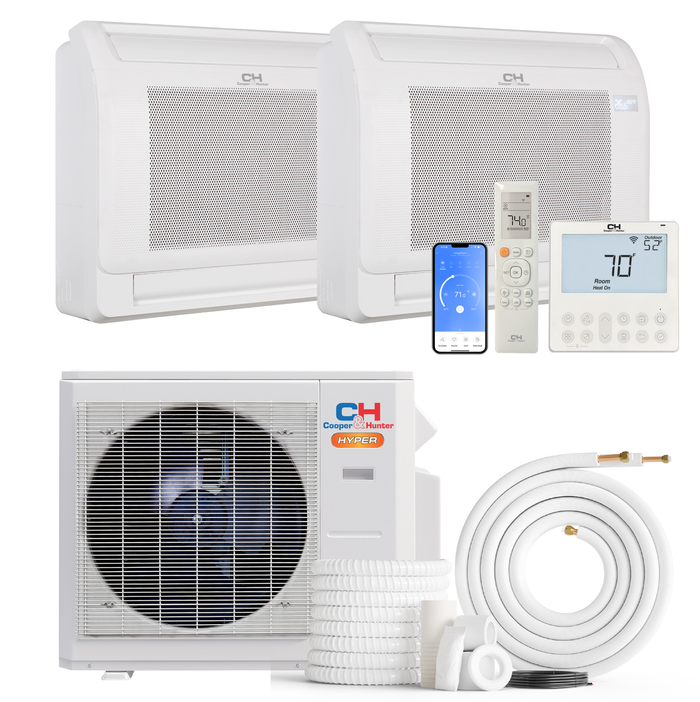
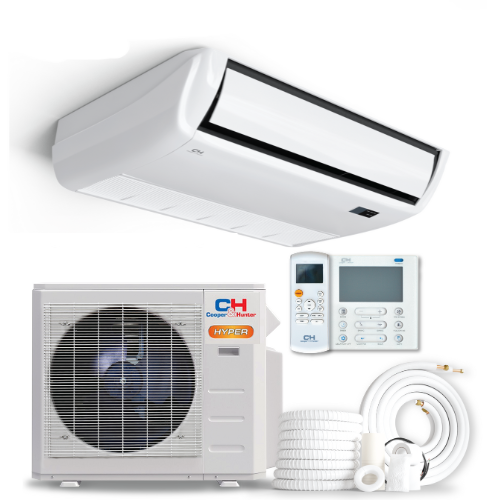
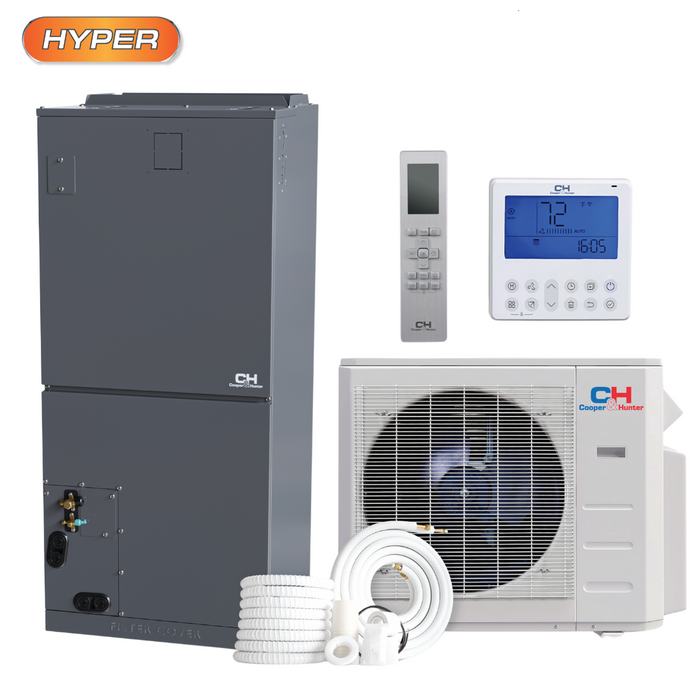
The Cooper & Hunter Mini-Split represents a critical innovation in ductless technology, focused on providing whisper-quiet operation and elite energy efficiency for both residential and light commercial spaces.
The Cooper & Hunter PTAC represents a critical innovation in the commercial heating and cooling market, focused on providing elite durability and energy efficiency in a compact wall-sleeve format.
A counter-flow heat exchanger is a highly efficient design where two fluids move in opposite directions to maximize the transfer of thermal energy.
A crankcase heater is a small electrical heating element wrapped around the bottom of the compressor to keep the oil warm.
A crossover duct is a large-diameter flexible duct used in multi-section manufactured homes to connect the main air distribution systems of each section.
A cupronickel heat exchanger is a specialized component made from a copper-nickel alloy that offers superior resistance to corrosion and chemical erosion.
D
A damper is a movable plate or valve located inside the ductwork that regulates the volume of air flowing to specific rooms or zones.
The deadband is a temperature range set in a thermostat to prevent the heating and cooling systems from conflicting with one another or short-cycling.
The defrost cycle is a temporary reversal of the refrigeration process used by heat pumps to melt ice that has formed on the outdoor coils.
Dehumidification mode is a specialized setting on many modern air conditioners that focuses on removing moisture from the air rather than just lowering the temperature.
Delta T, or temperature split, is the difference in temperature between the air entering the return vent and the air exiting the supply register.
A desiccant wheel is a rotating component found in advanced air purification and dehumidification systems that uses a specialized drying agent to pull moisture from the air.
A dielectric union is a specialized plumbing fitting used to connect two pipes made of different metals, such as copper and galvanized steel.
Diffuser throw refers to the distance that conditioned air travels from a register or grille before it slows down to a specific speed.
The Digital Control Board represents a critical innovation in HVAC diagnostics, focused on providing the "brains" of the system to manage everything from ignition sequences to fan speeds.
A digital manifold is an advanced tool used by HVAC technicians to measure the pressures and temperatures of a refrigeration system with extreme precision.
A Direct Drive Blower Motor is a fundamental part of a high-performing air handler, specifically designed to turn the fan wheel without the need for belts or pulleys.
A Direct Expansion (DX) system is a type of HVAC setup where the evaporator coil is in direct contact with the air stream, cooling it immediately via refrigerant.
A disconnect switch is a safety device located near the outdoor HVAC unit that allows the power to be completely cut off during service or emergencies.
A double-shaft motor is a specialized electric motor that features an output shaft on both ends, allowing it to drive two different components at the same time.
A downflow furnace is a heating unit designed to pull air from the top and blow it out through the bottom into ductwork located in the floor.
A draft inducer is a small motorized fan that clears the combustion chamber of residual gases before the furnace ignites and then pulls the exhaust out through the flue.
A drip leg, also known as a sediment trap, is a short vertical section of pipe installed in the gas line just before it enters the furnace.
An auxiliary drip tray is a secondary safety pan placed underneath an indoor air handler or evaporator coil, specifically for units installed in attics or upper floors.
A dry contact is a type of electrical relay output that does not provide any voltage itself but simply opens or closes a circuit for another device to use.
A dual-fuel system, also known as a hybrid system, combines an electric heat pump with a gas furnace to provide the most efficient heating possible in any weather.
A duct booster fan is an auxiliary fan installed inside a duct run to help push air to a room that is too far from the main air handler.
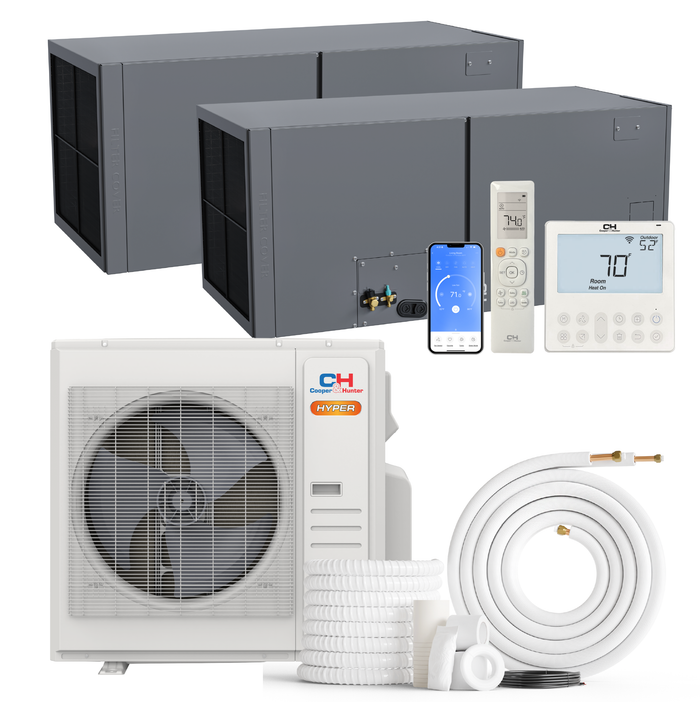
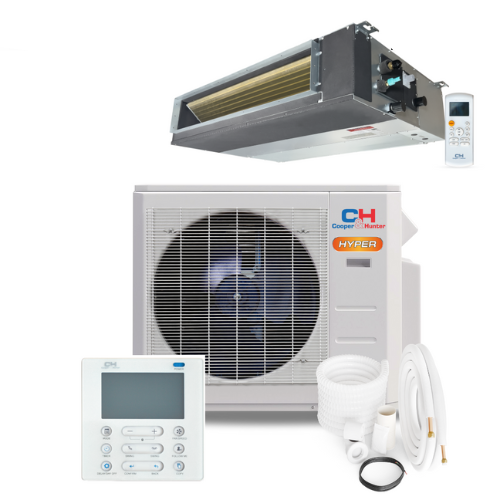
The Multi-Zone Ducted Indoor Unit serves as a specialized mechanism that allows for a "hidden" HVAC installation within a multi-room mini-split system.
The Ducted Mini-Split represents a critical innovation for homeowners who want the efficiency of a ductless system but prefer the discrete appearance of traditional hidden vents.
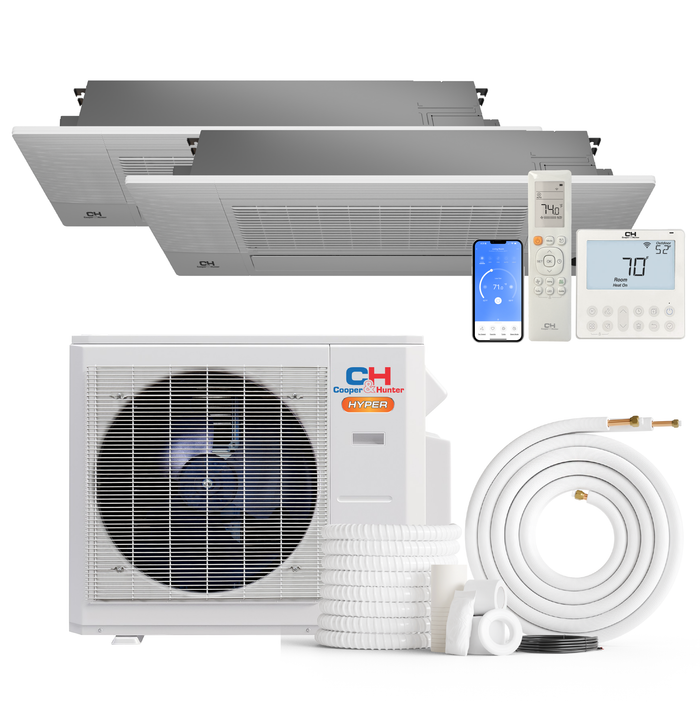
In the world of high-end interior design, a 1-Way Ductless Ceiling Cassette serves as a specialized mechanism that provides directional cooling from a recessed, ceiling-mounted position.
In the world of mini-split setup, the Ductless Installation Kit serves as a specialized mechanism that provides all the essential hardware needed to connect an indoor unit to an outdoor condenser.
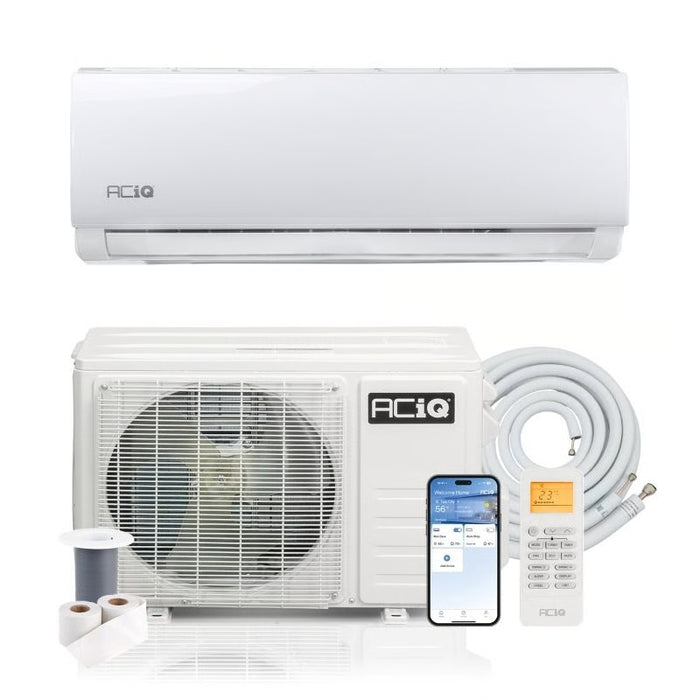
A ductless mini-split is a highly efficient heating and cooling system that consists of an outdoor condenser and one or more indoor units mounted on the wall or ceiling.
A Ductless Multi-Zone System is a fundamental part of a high-performing climate control strategy, specifically designed to connect several indoor units to a single, high-capacity outdoor condenser.
A dynamically balanced fan is a blower wheel or propeller that has been precision-tested and weighted at the factory to ensure it spins without any wobbling or vibration.
E
EER2 is a metric that measures the cooling efficiency of an air conditioner at a specific, high-stress outdoor temperature (usually 95°F).
EPA 608 Certification is a mandatory federal license required for anyone who maintains, services, repairs, or disposes of equipment that could release refrigerants into the atmosphere.
An economizer cycle is a control strategy used in commercial buildings that pulls in cool outdoor air to provide "free cooling" when the outside temperature is lower than the indoor setpoint.
Effective length is a calculation used in duct design that accounts for the friction loss of every elbow, tee, and fitting in your Ducted system.
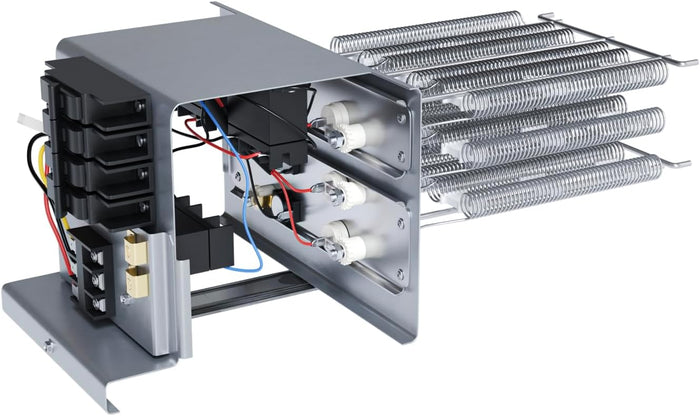
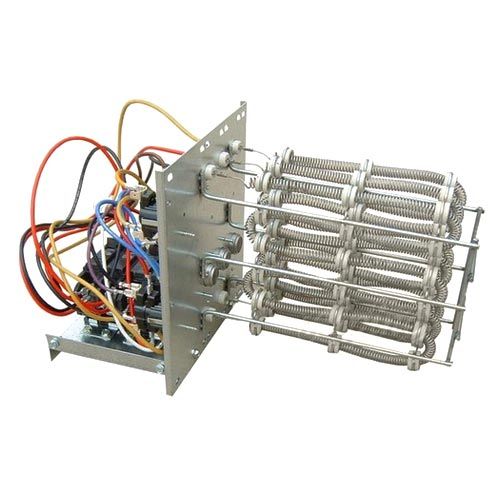
An electric heat strip is a resistive heating element installed inside an air handler to provide supplemental or "emergency" heat.
An electronic air cleaner is a high-performance filtration device that uses an electric field to "trap" dust, smoke, and allergens on collector plates.
An Electronic Expansion Valve (EEV) is a sophisticated metering device that uses a small stepper motor to precisely control the flow of refrigerant into the evaporator coil.
An electrostatic filter is a type of permanent, washable air filter that uses self-charging fibers to attract and hold dust and particles from the air.
An end-of-line resistor is a small electronic component used in the communication wiring of Commercial HVAC and high-end residential systems to prevent signal "echo.
An enthalpy sensor measures both the temperature and the humidity of the air to determine its total heat content, which is a much more accurate measurement than temperature alone.
An equalizer line is a small-diameter copper tube used with a Thermal Expansion Valve (TXV) to help it sense the actual pressure at the evaporator coil's outlet.
Evacuation is the process of using a Vacuum Pump to remove all air and moisture from a refrigeration system before it is charged with refrigerant.
Evaporative cooling, also known as "swamp cooling," is a method of lowering air temperature by evaporating water into the air stream.
The evaporator coil is the indoor component of an air conditioner that absorbs heat from your home's air.
An Evaporator Pressure Regulator (EPR) is a valve used in systems with multiple evaporators to prevent the pressure in one coil from dropping too low.
An expansion tank is a small safety tank used in closed-loop hydronic heating and Water Heaters systems to protect against excessive pressure.
External Static Pressure (ESP) is a measurement of the resistance that the Air Handlers blower must overcome to move air through the ductwork, filters, and registers.
F
A factory charge refers to the precise amount of refrigerant pre-loaded into an outdoor unit by the manufacturer at the factory.
A fail-safe switch is a critical safety component designed to shut down an HVAC system immediately if a dangerous condition is detected.
Fan blade pitch refers to the angle at which the blades of a condenser fan or blower wheel are set relative to the air stream.
A Fan Coil Unit (FCU) is a compact indoor device that consists of a heating or cooling coil and a fan to condition the air in a specific space.
A fan delay timer is a control feature that keeps the blower fan running for a short period after the heating or cooling cycle has finished.
A feedback loop is a control system mechanism where sensors provide real-time data back to the Control Boards to adjust the system's output.
A field-installed accessory is any additional component that is added to an HVAC system at the job site rather than at the factory.
A filter drier is a safety device installed in the refrigerant line to remove moisture, acid, and solid contaminants from the system.
A filter grille is a specialized air vent that allows a filter to be placed directly at the return air opening rather than at the furnace.
A fin comb is a specialized tool used by HVAC technicians to straighten the delicate aluminum fins on an evaporator or condenser coil.
A fixed-post mount is a heavy-duty support system used to elevate outdoor HVAC units above the ground, often utilized in areas with high snow accumulation or uneven terrain.
A flame sensor is a vital safety device located near the burner of a gas furnace that detects the presence of a pilot or burner flame.
A flange connector is a flat, rimmed fitting used to create a strong, airtight seal between the HVAC unit and the Ducted system.
A flare nut is a specialized brass fitting used to join copper refrigerant tubing to the indoor and outdoor units of a Ductless Mini Splits system.
In the HVAC industry, the flash point refers to the lowest temperature at which a liquid (usually a lubricant or a specific refrigerant oil) can vaporize to form an ignitable mixture in air.
Flex duct is a flexible, insulated tube used for air distribution that consists of a wire coil covered by a durable plastic liner and fiberglass insulation.
A flue pipe is the exhaust vent that carries the dangerous combustion byproducts of a furnace or water heater safely out of the home.
A fossil fuel kit is a control device used in Dual-Fuel System setups to manage the handoff between an electric heat pump and a gas furnace.
A freeze-stat is a protective temperature sensor installed on an Evaporator Coil that shuts down the compressor if the coil temperature drops below freezing.
G
Galvanic corrosion is an electrochemical process where one metal corrodes faster than another when they are in electrical contact and exposed to an electrolyte like water.
In the world of heating technology, the Gas Furnace Manifold serves as a specialized mechanism that distributes fuel to the individual burners within the heat exchanger.
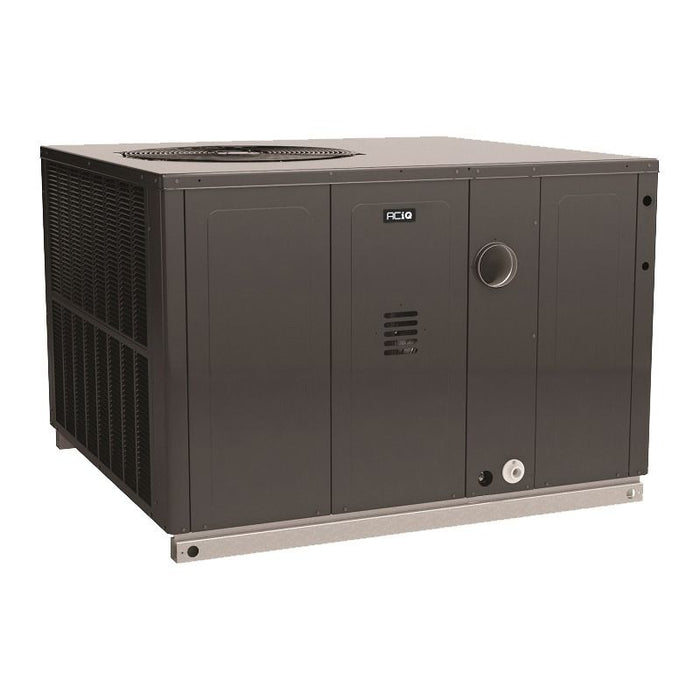
A 4-Ton Gas/Electric Package Unit is a fundamental part of a high-performing residential or light commercial HVAC system, specifically designed to handle larger cooling loads while providing powerful gas heating.
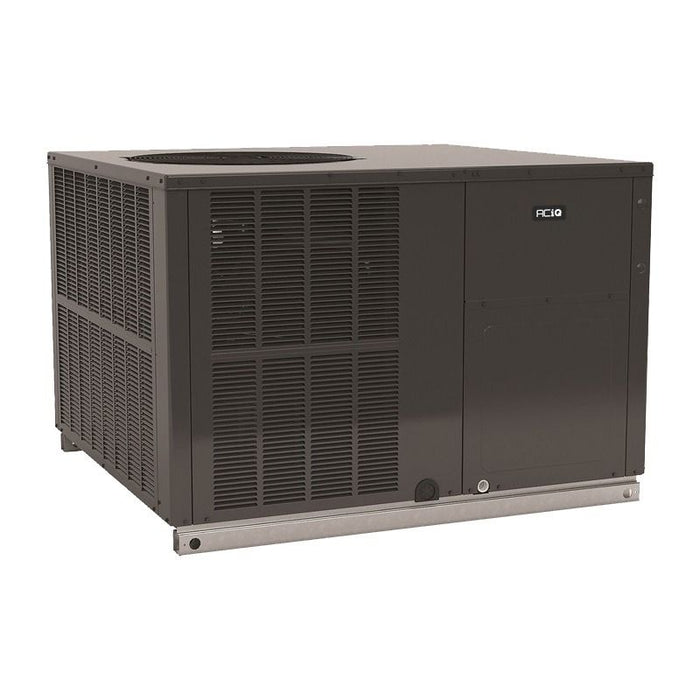
A Gas/Electric Packaged Unit is a fundamental part of a high-performing HVAC system, specifically designed to provide high-capacity cooling via electricity and powerful heating via a gas furnace within a single exterior cabinet.
Gasket sealing is the process of using flexible, heat-resistant materials like rubber, cork, or silicone to create an airtight and watertight bond between two HVAC components.
A gate valve is a type of plumbing valve that uses a sliding plate to completely start or stop the flow of water through a pipe.
A gauge manifold is the primary diagnostic tool used by technicians to monitor the high-side and low-side pressures of a refrigeration system simultaneously.
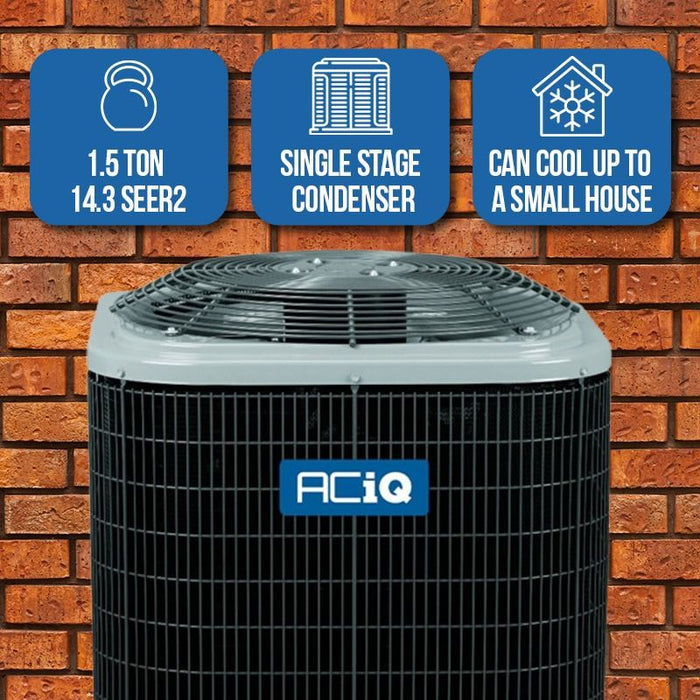
Gold Fin coating is a specialized anti-corrosive treatment applied to the aluminum fins of an ACIq outdoor condenser.
Gravity drainage refers to a condensate removal system that relies solely on the natural pull of gravity to move water from the Condensate Drain Pan to the outside.
A ground loop is a network of underground pipes used in geothermal heat pump systems to exchange heat with the earth.
H
An H-frame support is a structural bracket system, shaped like the letter "H," used to mount Air Handlers or ductwork in attics or crawlspaces.
HSPF2 is the standardized rating used to measure the heating efficiency of a heat pump over an entire winter season.
In the world of high-efficiency cooling, an HVAC Condensate Pump serves as a specialized mechanism that automatically removes water from the system's drain pan when gravity drainage is not possible.
In the world of ductless installation, an HVAC Wall Inlet Cover serves as a specialized mechanism that protects the hole where refrigerant lines and wires enter the building's exterior.
A hard start kit is a field-installed accessory that includes a start capacitor and a potential relay to give a compressor extra "torque" during startup.
The heat exchanger is the most critical part of a furnace, responsible for transferring heat from the burning gas to the air in your Ducted system.
A heat pump is a versatile HVAC system that can both heat and cool a home by moving heat from one place to another using refrigerant.
A Heat Recovery Ventilator (HRV) is a smart ventilation system that provides fresh outdoor air to a home while exhausting stale indoor air.
A hermetic compressor is a fully sealed unit where the motor and compressor are housed together inside a welded steel shell.
A high limit switch is a critical safety sensor located inside a furnace that monitors the temperature of the Heat Exchanger.
A high pressure switch is a safety device installed in the refrigerant line that shuts down the Compressor if the internal pressure exceeds safe operating limits.
A High-Efficiency Fan Motor is a fundamental part of a modern air handling system, specifically designed to move large volumes of air while consuming minimal electrical power.
A High-Static Ducted Indoor Unit is a fundamental part of a high-performing multi-zone strategy, specifically designed to push conditioned air through longer and more complex ductwork systems.
A humidistat is a control device similar to a thermostat that allows you to set and maintain a specific humidity level in your home.
Hydronic heating is a system that uses a Water Heater or boiler to circulate warm water through pipes in the floor or through baseboard radiators.
I
An igniter is a small electrical component in a gas furnace that heats up to an extremely high temperature to light the burner.
Indoor Air Quality (IAQ) refers to the cleanliness and health of the air inside your home, specifically regarding pollutants, humidity, and allergens.
The Inverter Compressor represents a critical innovation in the HVAC industry, focused on providing targeted environmental control with minimal energy waste.
Inverter technology allows an HVAC system to vary its motor and compressor speeds in real-time rather than just turning "fully on" or "fully off.
An isolation valve is a plumbing or refrigerant fitting used to shut off the flow of fluid to a specific part of the system for maintenance.
J
In the context of HVAC and mobile home siding, a J-channel is a trim piece used to hide the edges of Line Covers-Guards or wall-mounted equipment.
K
A kilowatt is a unit of power equal to 1,000 watts, used to measure the electrical energy consumption of your HVAC system.
L
Latent heat is the energy absorbed or released by a substance during a change of state (such as water vapor turning into liquid) without a change in temperature.
A Light Commercial Mini-Split is a fundamental part of a high-performing business climate strategy, specifically designed to handle the increased cooling demands of offices, retail shops, and server rooms.
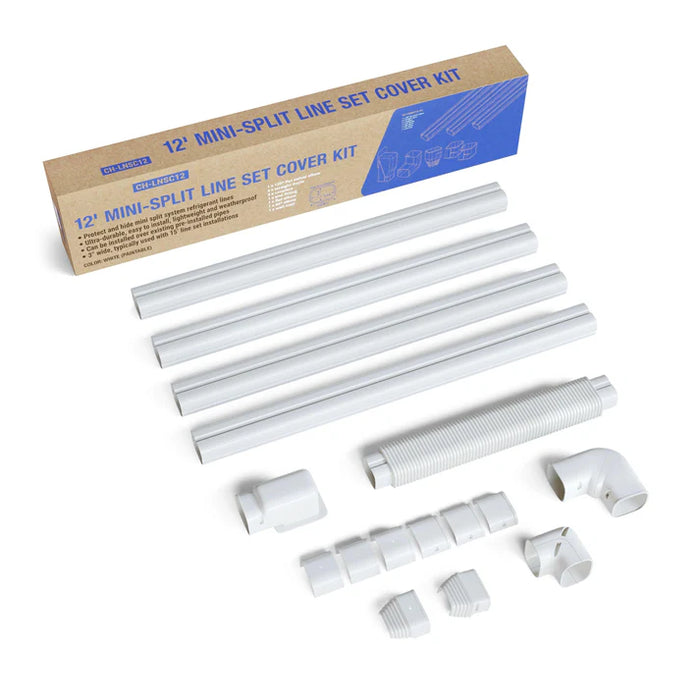
In the world of ductless installations, the Line Cover System serves as a specialized mechanism that protects the copper line sets, communication wires, and drain lines from physical damage and UV degradation.
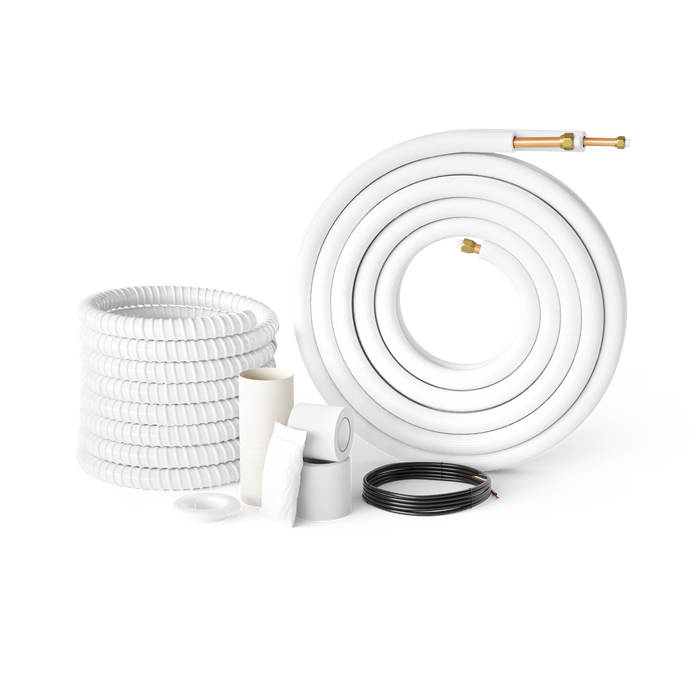
A line set is a pair of insulated copper tubes used to carry refrigerant between the indoor and outdoor units of an ACIq or MrCool system.
In the world of HVAC installation, Line Set Insulation serves as a specialized protective barrier that prevents energy loss and protects the refrigerant lines from external elements.
In the world of climate control, Low Ambient Cooling serves as a specialized mechanism that allows air conditioning systems to operate effectively even when outdoor temperatures drop below freezing.
A low ambient kit is a field-installed accessory that allows an air conditioner or heat pump to operate in cooling mode even when the outside temperature is very low.
A low pressure switch is a safety device that shuts down the Compressor if it detects that the refrigerant pressure has dropped too low.
M
MERV is the standard scale used to measure the effectiveness of an air filter at trapping particles between 0.
A plumbing manifold is a central hub that distributes water from a single source to multiple individual lines throughout the home.
A manometer is a precision instrument used to measure the pressure of gases or liquids, most commonly used in HVAC to check External Static Pressure (ESP).
A Manual J calculation is the industry-standard method for determining the exact heating and cooling "load" of a home based on its size, insulation, and windows.
Manual S is the companion protocol to Manual J, used specifically to select the actual HVAC equipment based on the load requirements calculated previously.
Mechanical ventilation is the use of fans and Ducted systems to intentionally move outdoor air into a building and stale air out.
A micron (micrometer) is a unit of length equal to one-millionth of a meter, used in HVAC to measure both airborne particles and Vacuum levels.
A Mini Floor Console is a fundamental part of a high-performing mini-split system, specifically designed for rooms where wall space is occupied by windows, art, or shelving.
In the world of ductless HVAC, a Mini-Split Drain Line serves as a specialized mechanism that carries away the moisture removed from the indoor air during the cooling process.
The Mini-Split Indoor Unit is the fundamental part of a ductless system, specifically designed to deliver conditioned air directly into a living space without the need for extensive ductwork.
In the world of ductless technology, a Mini-Split Refrigerant Line Set serves as a specialized mechanism that acts as the "arteries" of the system, carrying refrigerant between the indoor and outdoor units.
A mini-split wall bracket is a heavy-duty steel frame used to mount the outdoor Ductless Mini Splits unit to the side of a building rather than on the ground.
In the world of modern AC installation, a Mini-Split Wall Bracket serves as a specialized mechanism that allows the outdoor condenser to be mounted securely to the side of a building.
A Mobile Home AC Coil is a fundamental part of a high-performing cooling system for manufactured homes, specifically designed to fit the narrow dimensions of mobile home furnace cabinets.
The Mobile Home AC Condenser is a fundamental part of a high-performing cooling strategy for manufactured housing, specifically designed to withstand the high-static environments often found in mobile home ductwork.
The Mobile Home Air Conditioner represents a critical innovation for manufactured housing, focused on providing high-efficiency cooling that matches the specific electrical and structural limits of these homes.
A mobile home air handler is a specialized indoor unit designed to fit into the tight closets and alcoves found in manufactured housing.
The Mobile Home Air Handler represents a critical innovation in the manufactured housing industry, focused on providing high-static airflow within the unique structural constraints of mobile homes.
The Matched Mobile Home Cased Coil represents a critical innovation in manufactured housing cooling, focused on providing a factory-matched evaporator that fits perfectly into standard mobile home furnace cabinets.
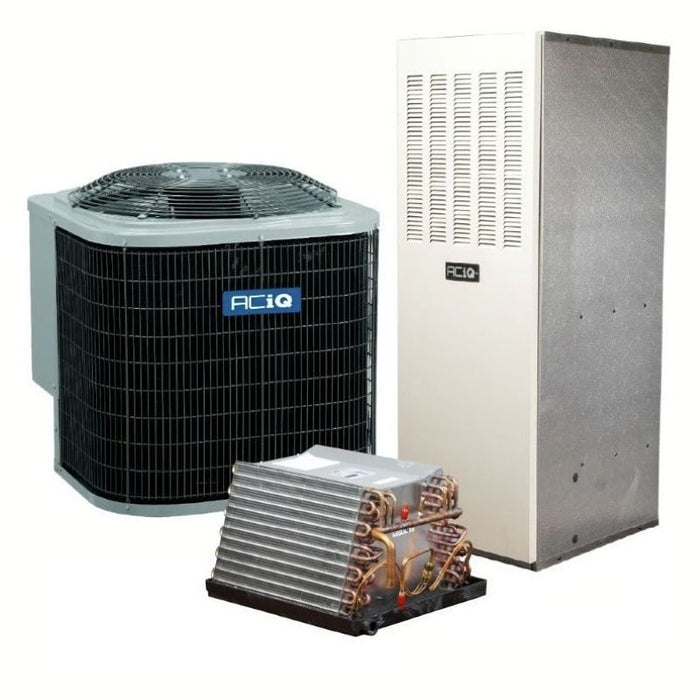
The Mobile Home Complete System represents a critical innovation in simplified housing climate control, focused on providing a matched indoor and outdoor unit specifically engineered for manufactured homes.
The Mobile Home Furnace represents a critical innovation in the manufactured housing sector, focused on providing powerful heating while fitting into the narrow utility closets common in mobile home floor plans.
An Electric Mobile Home Furnace is a fundamental part of a high-performing heating strategy for manufactured homes located in areas without access to natural gas or propane.
In the world of specialized heating, the Mobile Home Furnace Gas Conversion kit serves as a specialized mechanism that allows a furnace to switch between natural gas and liquid propane.
A Gas-Fired Mobile Home Furnace is a fundamental part of a high-performing heating strategy for manufactured housing, specifically designed to fit the narrow footprints required by HUD-standard utility closets.
A Gas/LP Mobile Home Furnace represents a critical innovation for manufactured homes that require flexible fuel options for reliable winter heating.
The Mobile Home Gas Manifold represents a critical innovation in safe fuel distribution for manufactured home furnaces, focused on delivering the correct pressure to the burner assembly.
The Mobile Home Heat Pump represents a critical innovation for energy-conscious residents of manufactured homes, focused on providing both heating and cooling from a single efficient outdoor unit.
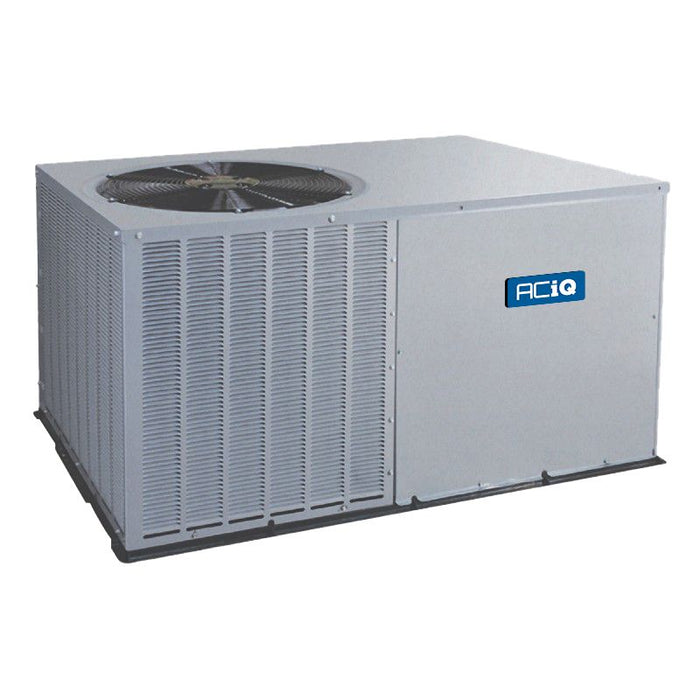
A Mobile Home Package AC is a fundamental part of a high-performing cooling strategy for manufactured housing, specifically designed to house both the compressor and the blower in one exterior cabinet.
A 2-Ton Mobile Home Package AC (24k BTU) represents a critical innovation for cooling smaller manufactured homes where yard space is at a premium and interior closet space is unavailable.
A 3-Ton Mobile Home Package AC (36k BTU) is a fundamental part of a high-performing cooling strategy for mid-sized manufactured homes, specifically designed to fit the limited exterior spaces common in mobile home parks.
A 4-Ton Mobile Home Package AC (48k BTU) represents a critical innovation for cooling large double-wide manufactured homes where high-tonnage cooling is required from a single outdoor cabinet.
A 2-Ton Mobile Home Package Heat Pump is a fundamental part of a high-performing all-electric climate strategy for smaller manufactured homes or single-wide units.
A 3-Ton Mobile Home Package Heat Pump is a fundamental part of a high-performing all-electric climate strategy for mid-sized manufactured homes or double-wide units.
A 4-Ton Mobile Home Package Heat Pump is a fundamental part of a high-performing all-electric climate strategy for larger manufactured homes or modular offices.
The Mobile Home Packaged Heat Pump represents a critical innovation in all-electric comfort for manufactured housing, focused on providing both heating and cooling from a single outdoor cabinet.
A modulating gas valve is an advanced component in a furnace that can adjust the amount of gas burned in tiny increments, rather than just being "on" or "off.
In the world of home improvement, the MrCool DIY Series serves as a specialized mechanism that empowers homeowners to install their own high-efficiency HVAC system without the need for specialized tools like vacuum pumps.
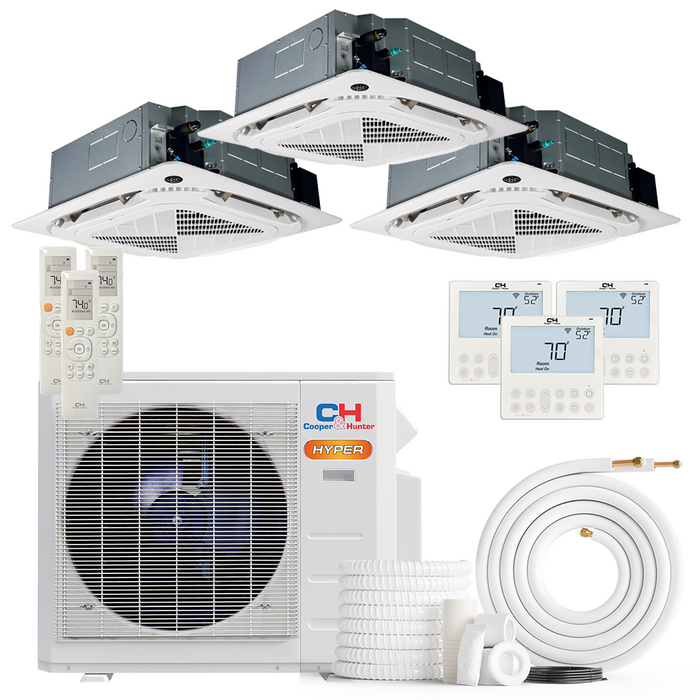
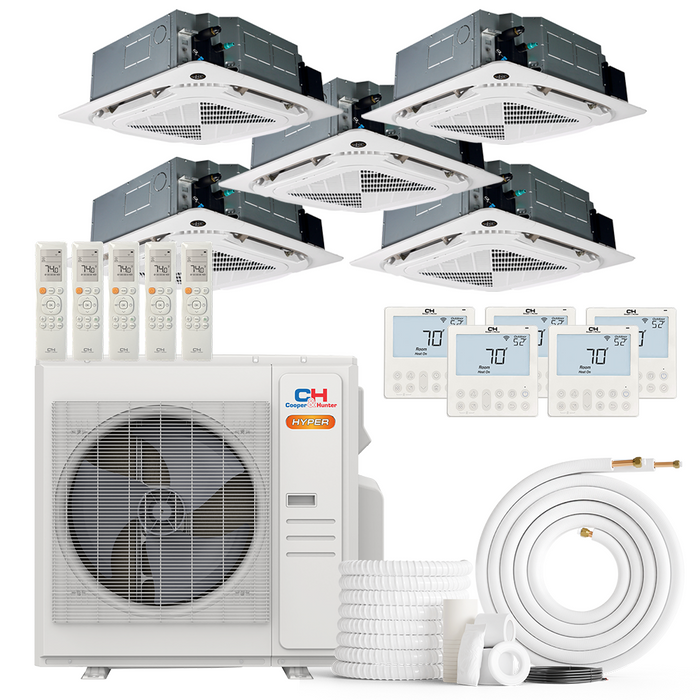
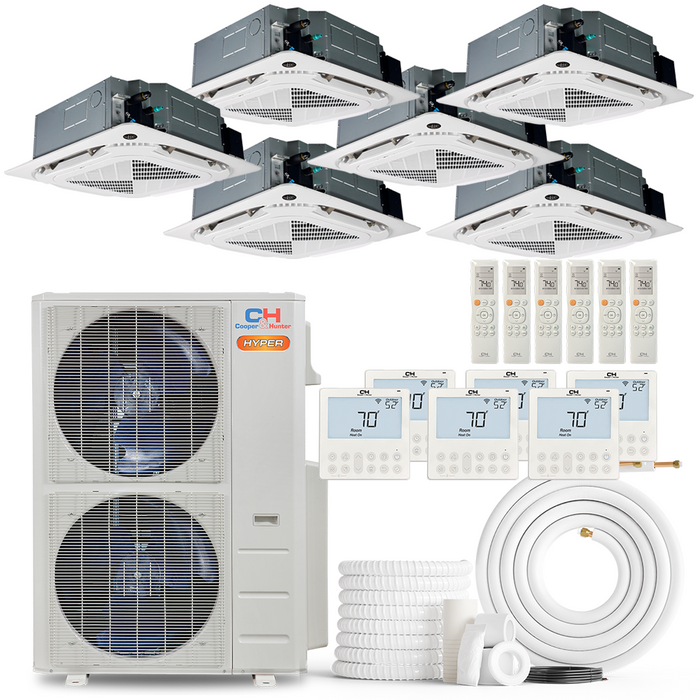
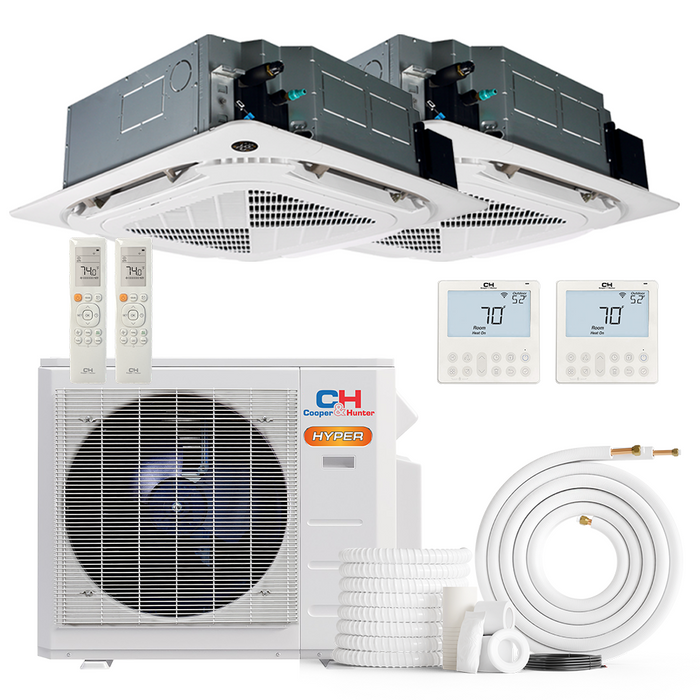
The Multi-Zone Cassette represents a critical innovation for large homes or offices, focused on providing independent temperature control for multiple rooms from a single outdoor condenser.
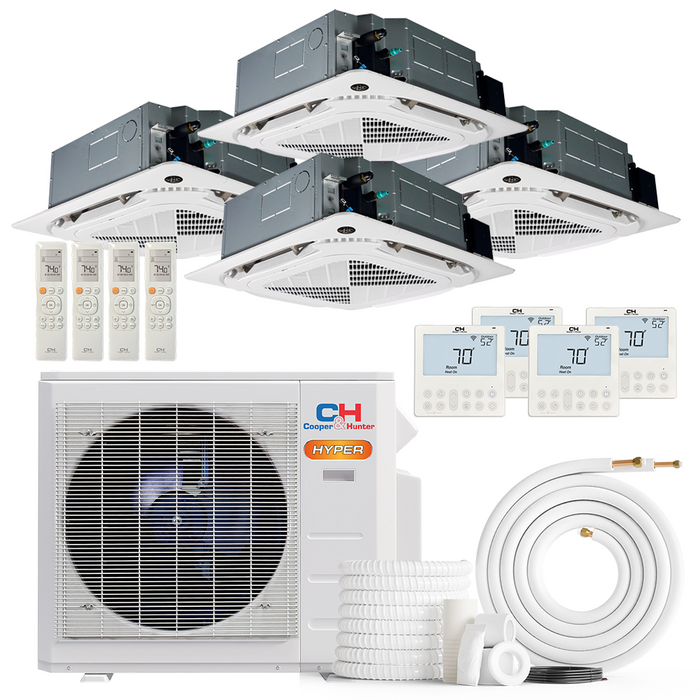
In the world of open-concept design, the 4-Way Multi-Zone Ceiling Cassette serves as a specialized mechanism that distributes conditioned air in four different directions simultaneously.
A Multi-Zone Configuration is a fundamental part of a high-performing HVAC system, specifically designed to allow independent temperature control in different areas of a building.
The Multi-Zone High-Wall Unit represents a critical innovation in residential comfort, focused on providing sleek, independent climate control for individual rooms within a larger multi-zone system.
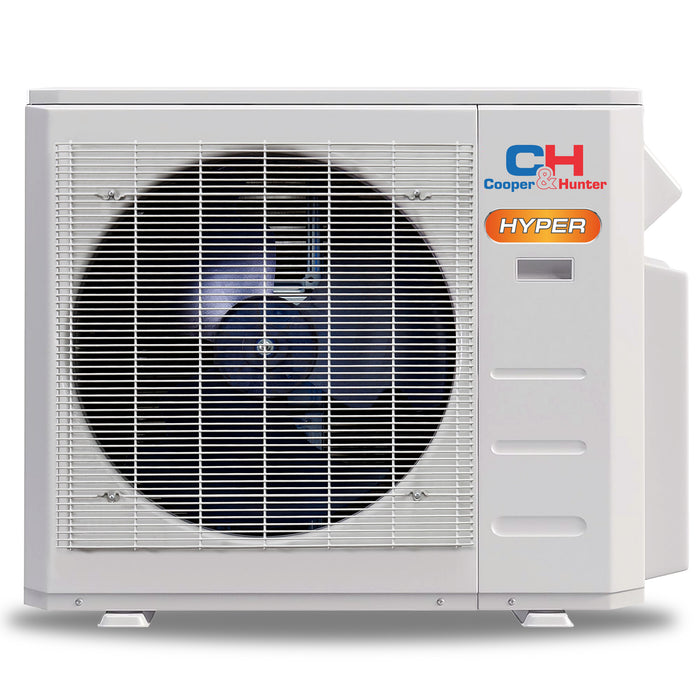
The Multi-Zone Outdoor Condenser is a fundamental part of a high-performing multi-room HVAC strategy, specifically designed to power several indoor units from a single exterior footprint.
The Multi-Zone Shop All collection represents a critical innovation for professional contractors, focused on providing a comprehensive inventory of condensers and indoor units in one easy-to-navigate location.
A multi-zone system is an HVAC setup that allows you to control the temperature of different rooms independently using a single outdoor unit.
A Multi-Zone UFC (Universal Floor-Ceiling) Unit is a fundamental part of a high-performing multi-room HVAC strategy, specifically designed to offer mounting flexibility in spaces with unique architectural layouts.
The Multi-Zone UFC unit represents a critical innovation in high-end HVAC, focused on providing mounting flexibility for one or more rooms in a multi-zone system.
N
A NEMA 3R enclosure is a standard rating for electrical boxes that are designed to be used outdoors and are resistant to rain, ice, and dust.
Negative pressure occurs when the air pressure inside a home or a duct is lower than the outside atmospheric pressure, often caused by a leaking Return Plenum.
Nitrogen purging is the process of flowing dry nitrogen through copper refrigerant lines while they are being Brazed.
Non-condensables refer to air, nitrogen, or other gases that become trapped inside a refrigeration system and cannot be turned back into a liquid.
O
An occupancy sensor is an infrared or ultrasonic device that detects if a person is in a room and adjusts the ACIq system accordingly.
Off-cycle defrost is a passive method of removing frost from an evaporator coil by keeping the fan running while the compressor is turned off.
An oil separator is a component used in large-scale Commercial HVAC and complex Multi-Zone Systems to keep the compressor's oil where it belongs.
The Olmo Mini-Split System represents a critical innovation in affordable climate control, focused on providing high-efficiency heating and cooling for budget-conscious homeowners and contractors.
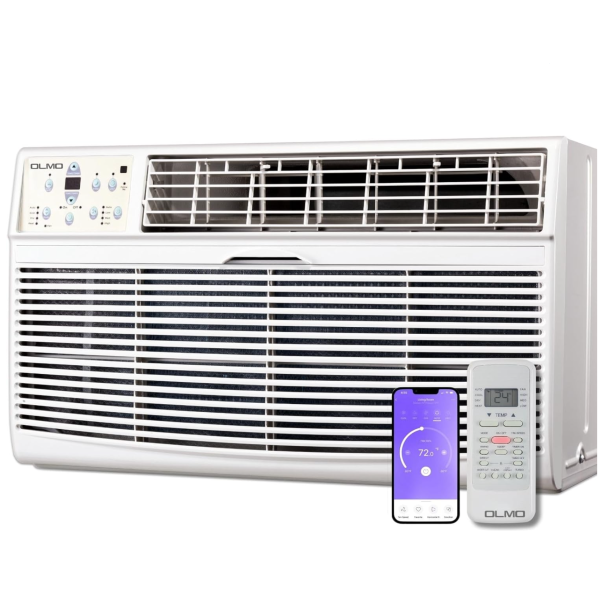
In the world of cost-effective commercial cooling, the Olmo PTAC Unit serves as a specialized mechanism that bridges the gap between high performance and budget-friendly pricing.
The Multi-Zone One-Way Ceiling Cassette represents a critical innovation for zoned climate control in narrow spaces like hallways, bedrooms, or walk-in closets.
A one-way valve, or check valve, allows refrigerant or water to flow in only one direction, preventing backflow that could damage the Compressor or pump.
An open-loop geothermal system is a type of heating and cooling that pulls water directly from a well or pond, passes it through a heat exchanger, and then discharges it back into the ground.
An orifice is a small, precisely sized hole inside a metering device that regulates the flow of refrigerant into the Evaporator Coil.
Being out-of-phase refers to an electrical timing issue where the voltage and current are not synchronized, often causing motors to run hot and inefficiently.
An outdoor reset control is an intelligent system that adjusts the temperature of the water in a boiler or the air in an Air Handler based on the actual temperature outside.