























Why Your High-Efficiency Inverter AC is a "Sitting Duck" Without Whole-Home Surge Protection
Share
HVAC SUPPLIES
Electrical Protection Guide
Securing Your High-Efficiency HVAC Investment: Inverter Technology Vulnerabilities
The transition to high-efficiency climate control has fundamentally transformed the heating, ventilation, and air conditioning landscape. Homeowners and commercial property managers regularly invest in cutting-edge mechanical platforms to slash monthly utility expenses, minimize operational noise, and achieve unprecedented levels of indoor temperature zoning. At the very center of this green efficiency revolution is inverter technology, a sophisticated system of variable-speed operation that has largely replaced traditional single-stage, on-and-off compressors across millions of modern installations.
While these premium systems offer unparalleled energy performance and precision comfort under ideal conditions, real-world deployment has exposed a severe vulnerability. Because modern variable-speed inverter air conditioners are essentially high-powered computers exposed to the elements, they are incredibly sensitive to electrical grid instability. During the peak summer cooling months, when lightning storms rage and regional electrical grids groan under heavy cooling demands, an unprotected variable-speed system faces significant risks. Without a dedicated layer of electrical defense, an expensive high-efficiency comfort system is incredibly vulnerable to unexpected power surges.
The Technology Gap: How Inverters Differ from Legacy HVAC
To understand why modern cooling systems require specialized electrical safeguards, it is necessary to examine the engineering differences between traditional systems and modern inverter units. Conventional air conditioners operate on a binary principle: when the indoor thermostat calls for cooling, the system draws a massive initial spike of electrical current to start the compressor motor, running it at 100 percent capacity until the temperature target is satisfied. The system then shuts down entirely. These rugged, legacy motors rely on simple magnetic contactors and heavy copper windings. While they consume considerable amounts of electricity, their mechanical simplicity allows them to absorb brief voltage spikes or minor grid fluctuations without experiencing immediate, total component failure.
Inverter-driven systems alter this operating method completely. Instead of turning on and off abruptly, an inverter system utilizes a variable-speed compressor that continuously scales its operating frequency up or down in tiny increments to precisely match the real-time cooling load of the home. This fluid adjustment is made possible by a sophisticated array of onboard microprocessors, insulated-gate bipolar transistors (IGBTs), power inverter modules, and sensitive electronic printed circuit boards. These components work together to convert incoming alternating current (AC) from the utility grid into direct current (DC), and then modulate it back into a highly controlled three-phase variable frequency AC signal.
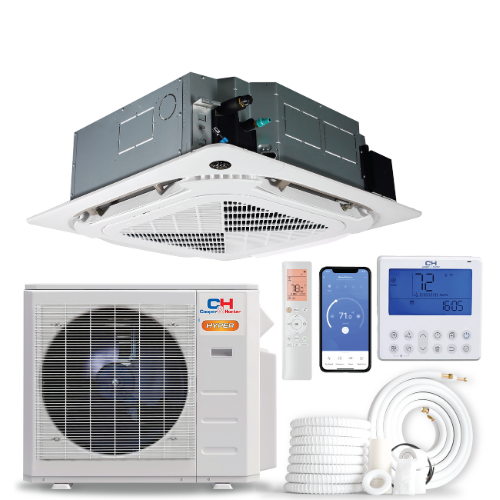
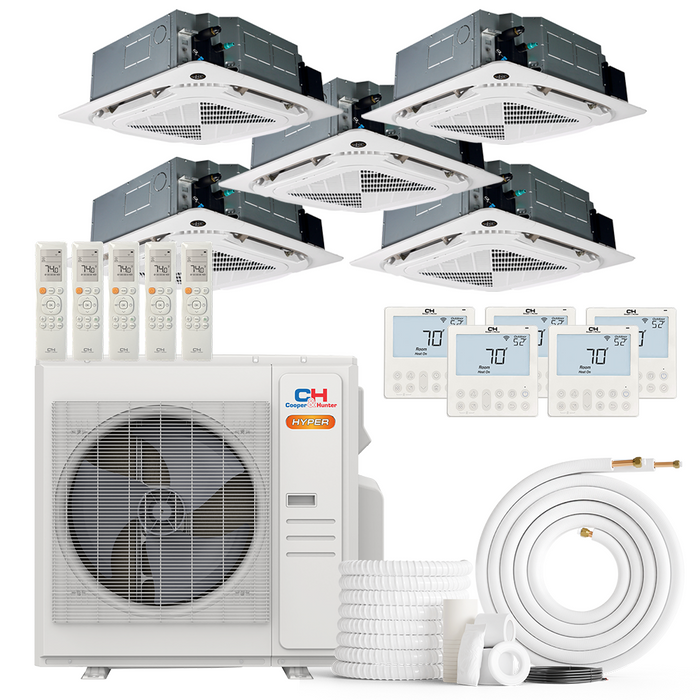
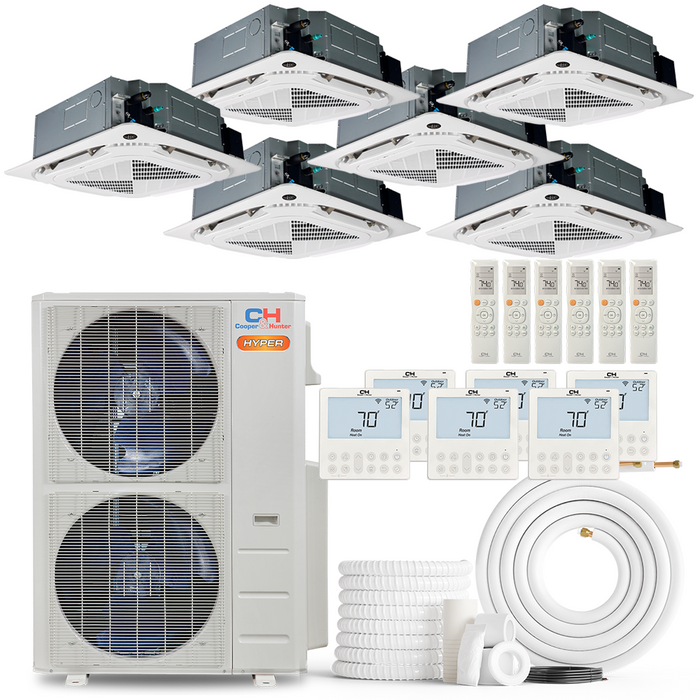
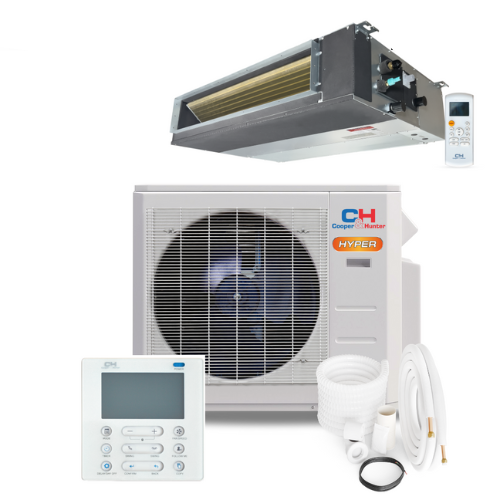
This advanced technology allows manufacturers to engineer incredibly quiet, highly efficient residential and commercial systems. These platforms include everything from versatile multi-zone arrays to modern ducted shop all split systems, compact ceiling cassettes, and premium residential ducted heat pumps. However, adding highly sensitive computers to an outdoor condensing unit changes how the equipment interacts with the local power grid. The micro-electronics that make inverter systems exceptionally efficient also make them vulnerable to electrical anomalies, transforming a robust piece of mechanical machinery into a sensitive electronic device that requires specialized protection.
The Hidden Threat of Micro-Surges and Summer Grid Stress
When most property owners think of electrical surges, they imagine catastrophic, dramatic events like a direct lightning strike during a severe summer storm. While a lightning strike carries millions of volts that can easily incinerate residential wiring, these massive events represent only a small fraction of the total electrical hazards an air conditioner faces. The more frequent and insidious threat comes from transient micro-surges and voltage fluctuations that occur silently within the electrical grid every single day.
THE SILENT COMPONENT KILLER
│
▼
[ Grid Brownout / Sag ] ──► Transistors Strain under High Amps
│
▼
[ Internal Micro-Surge ] ──► Degradation of Silicon Substrates
│
▼
[ Total Power Restored ] ──► Inrush Current Pierces Board Traces
During peak summer operation, regional power grids experience severe stress as millions of air conditioning units cycle simultaneously. This immense demand leads to brief voltage drops, known as brownouts or sags, followed immediately by momentary over-voltage spikes when inductive loads drop off the grid. Furthermore, over 80 percent of transient surges are generated internally within the property itself. Every time a refrigerator compressor kicks on, a powerful pool pump cycles, or a heavy laser printer runs, small voltage spikes ripple backward through the home's electrical panel.
For a traditional single-stage compressor, these minor variations are negligible. For a high-efficiency inverter board, however, these repetitive micro-surges inflict cumulative degradation on the silicon substrates inside the microprocessors. Over time, these tiny voltage spikes create microscopic pathways through the internal insulation of the chips, eventually leading to sudden electronic breakdown during a minor grid event.
The Real Cost of Inverter Control Board Failure
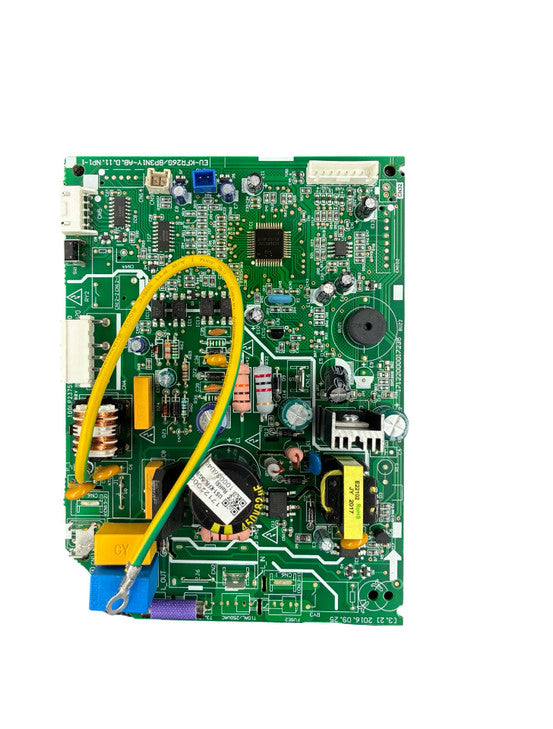
When an unprotected variable-speed air conditioner falls victim to an electrical surge, the financial and logistical consequences extend far beyond a standard service call. On a traditional air conditioner, an electrical anomaly might burn out a low-cost run capacitor or a basic contactor—parts that a field technician can quickly diagnose and replace from a standard service truck. On an inverter-driven system, a voltage spike traveling through the line directly hits the main electronic control hub.
Because inverter control modules feature intricate circuits and surface-mounted microchips, they cannot be repaired or patched in the field. A compromised board requires a complete replacement of the factory electronic assembly. During peak summer heat waves, a sudden system failure leaves occupants stranded in uncomfortable interior conditions. If the damaged asset belongs to a commercial property or forms a vital part of a business's commercial hvac infrastructure, the stakes escalate quickly, potentially leading to operational downtime, data room overheating, and lost revenue.
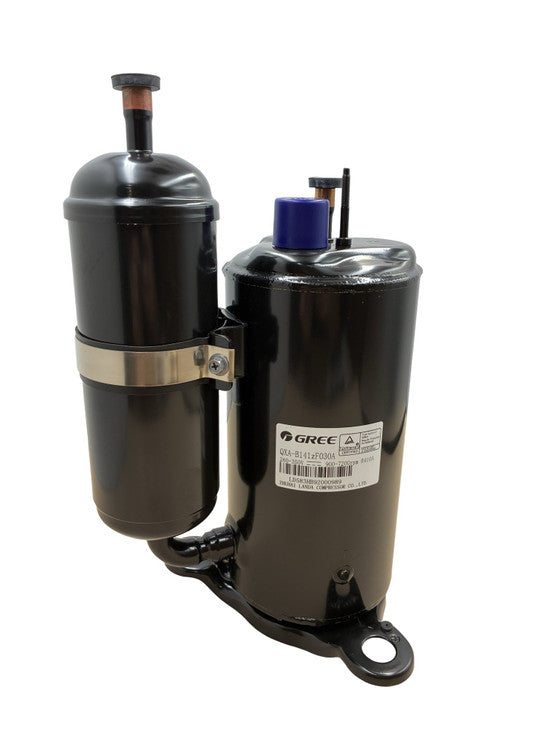
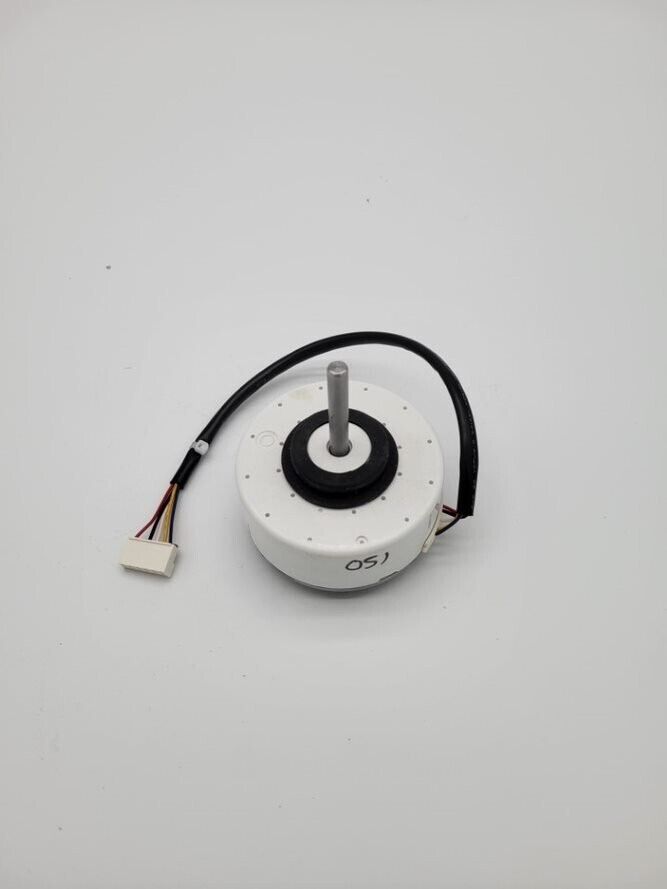
Even in standard residential applications, replacing an inverter mainboard is an expensive fix. The combined cost of specialized diagnostic labor, proprietary factory parts, and shipping logistics can easily equal a significant percentage of the unit's original purchase price. Furthermore, if a voltage surge is powerful enough to break through the mainboard's built-in fuses, it can travel down the DC bus lines directly into the variable-speed compressor motor windings, destroying the heart of the system. This can ruin primary air moving devices like motors fans or damage key processing modules like main system control boards, turning a preventable electrical issue into a major system replacement.
Establishing Comprehensive Protection: Whole-Home Surge Mitigation
Protecting your climate control investment from grid instability requires a multi-layered defense strategy that combines point-of-use surge protection with comprehensive, panel-level mitigation. Relying solely on the small, built-in varistors on an equipment board is not enough; an effective defense requires a dedicated system designed to safely intercept and divert excess electrical energy before it reaches sensitive components.
MULTI-STAGE OVER-VOLTAGE MITIGATION
│
▼
[ STAGE 1: PANEL METRIC ] ──► Diverts Large Exterior Anomalies
│
▼
[ STAGE 2: DISCONNECT DEVICE ] ──► Clamps Local Line Transients
│
▼
[ STAGE 3: ONBOARD FILTERS ] ──► Absorbs Low-Level Harmonic Noise
Type 1 and Type 2 Surge Protective Devices (SPDs)
The foundation of a reliable electrical defense begins at the primary electrical service panel using an industrial-grade Type 1 or Type 2 Surge Protective Device (SPD). A Type 1 SPD is mounted on the line side of the main service disconnect, providing a robust barrier against massive external surges from utility switching or distant lightning strikes.
A Type 2 SPD is installed directly onto a dedicated two-pole breaker inside the main branch circuit panel. These devices utilize arrays of heavy-duty Metal Oxide Varistors (MOVs) paired with gas discharge tubes. They act as ultra-fast, voltage-sensitive switches, establishing a low-resistance pathway to the ground whenever incoming voltage exceeds a safe threshold (typically around 15 percent above normal line voltage). This safely channels thousands of amps of excess current away from home appliances and sensitive inverter electronics.
Point-of-Use Equipment Protection
While panel-level surge protection is essential, full protection for a high-efficiency inverter requires an additional layer of defense right at the outdoor equipment location. Installing a dedicated Type 3 HVAC surge protector inside or directly adjacent to the outdoor electrical disconnect box provides excellent point-of-use security.
This localized placement allows the device to respond instantly to high-frequency transients that develop along the long wire runs between the main electrical panel and the outdoor unit. It also helps isolate the air conditioner from internally generated surges produced by other heavy appliances on the property.
Navigating Part Replacement and Component Sourcing
When a major electrical storm or a severe utility fault breaks through an unprotected system and causes a control board failure, sourcing an exact matching replacement component is vital to safely restoring system operation. Because variable-speed compressors and electronic expansion valves operate on precise communication protocols, installing an incorrect or incompatible control module can lead to immediate communication errors, improper motor timing, or premature component failures.
Contractors and service technicians looking to restore damaged systems can browse the comprehensive catalog at hvacsupplies.com to quickly locate the exact OEM or direct-replacement ac coil systems and electronics packages required to safely bring high-efficiency systems back online.
For complex commercial projects or unique multi-zone systems where verifying communication compatibility and surge tolerance is critical, consulting an expert is highly recommended. Reaching out through the hvacsupplies.com contact page connects mechanical contractors and property engineers directly with technical product specialists. These specialists can verify equipment specifications, cross-reference part numbers, and help arrange for robust, surge-protected replacement electronics tailored to demanding regional power grids.
Sourcing High-Efficiency, Durable Systems
If an existing system has suffered repeated electrical component failures or compressor damage due to local grid instability, upgrading to a complete system engineered with robust electrical design and durable component protection is often the most sensible long-term decision. Modern manufacturers have responded to power reliability challenges by building advanced diagnostic functions, heavy-duty line reactors, and robust electrical enclosures into their latest equipment lines.
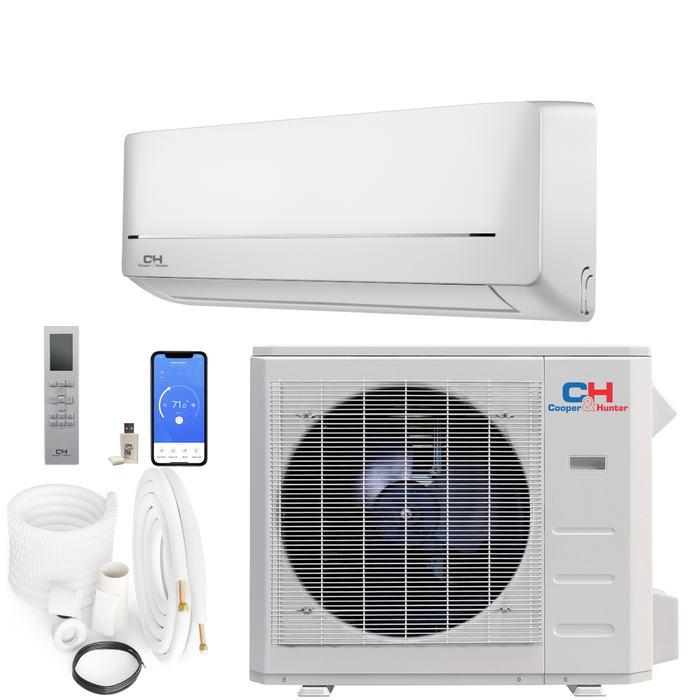
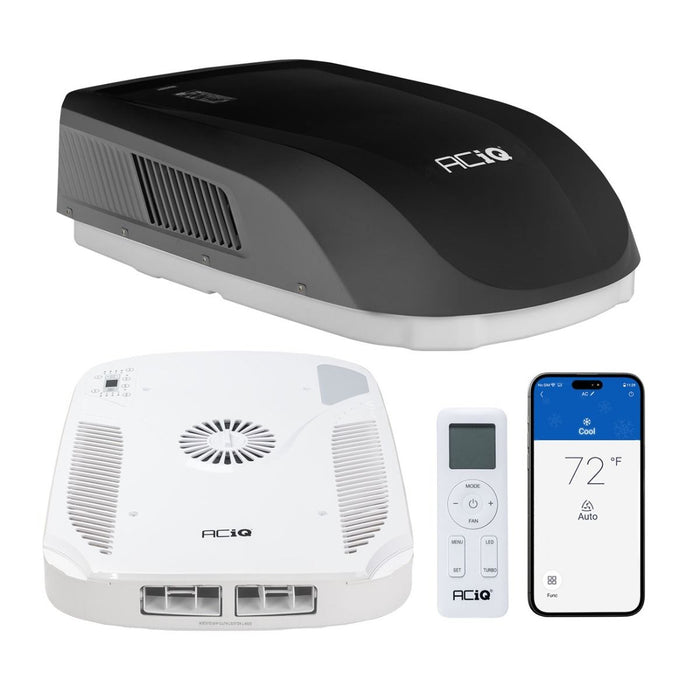
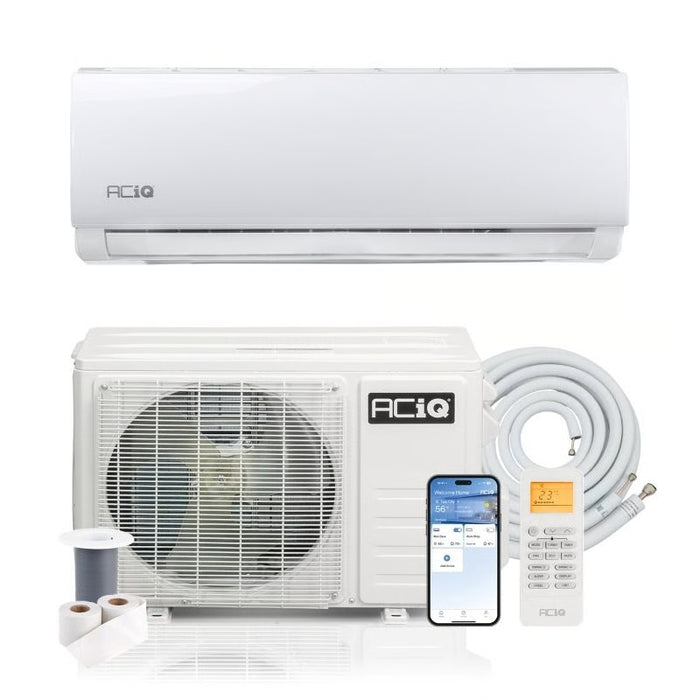
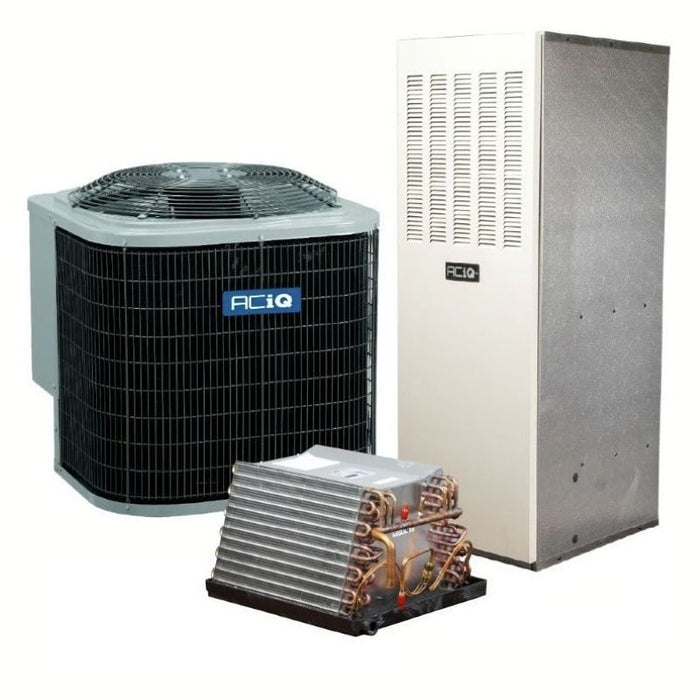
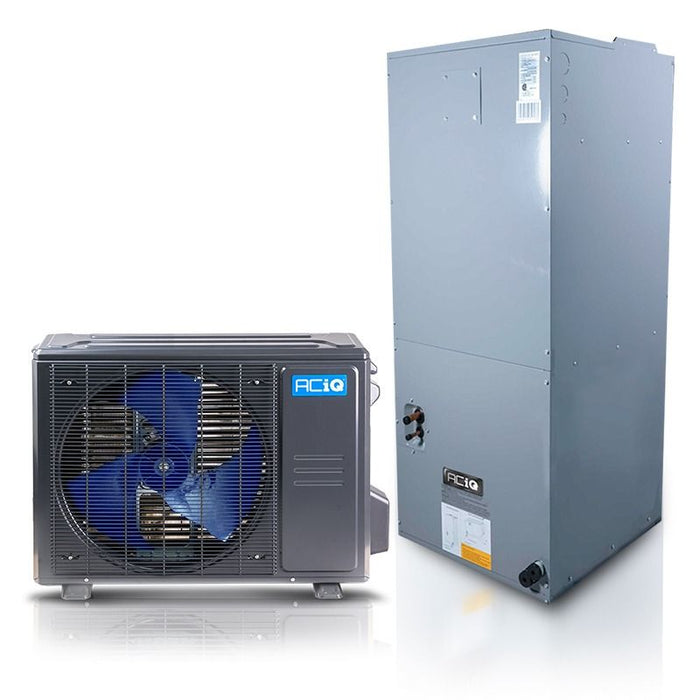
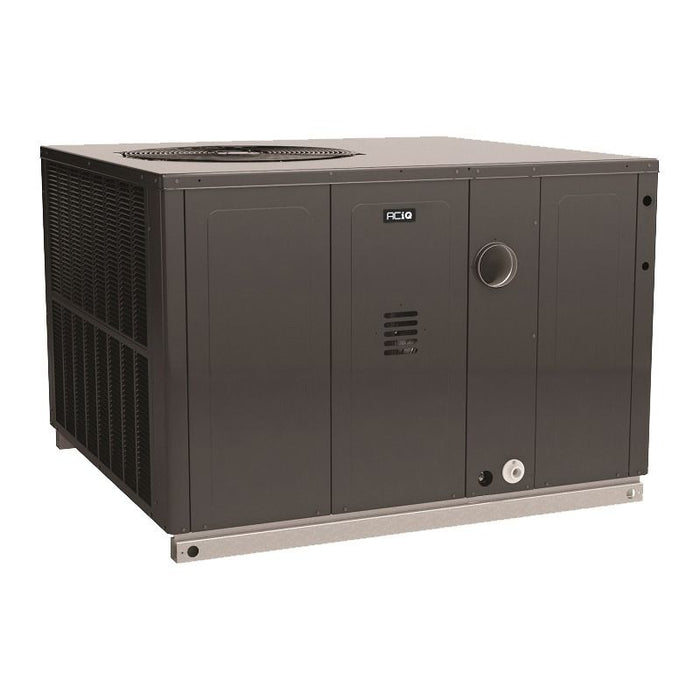
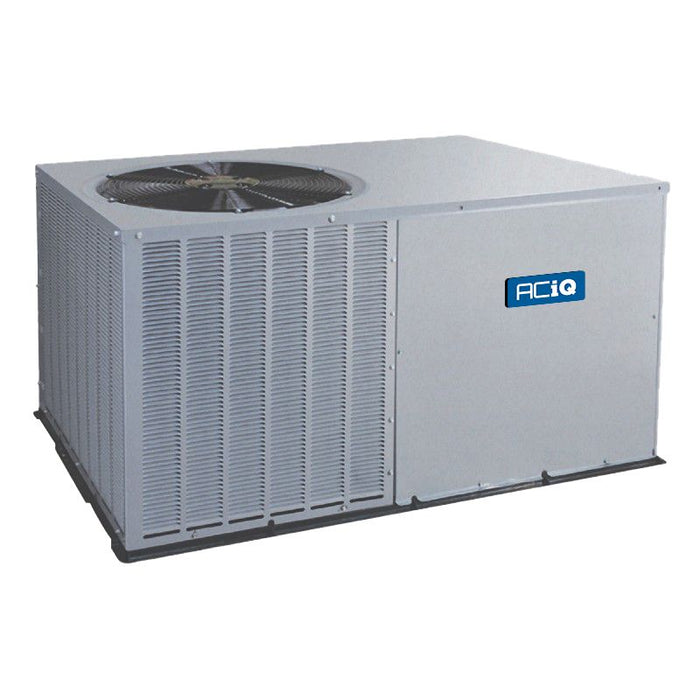
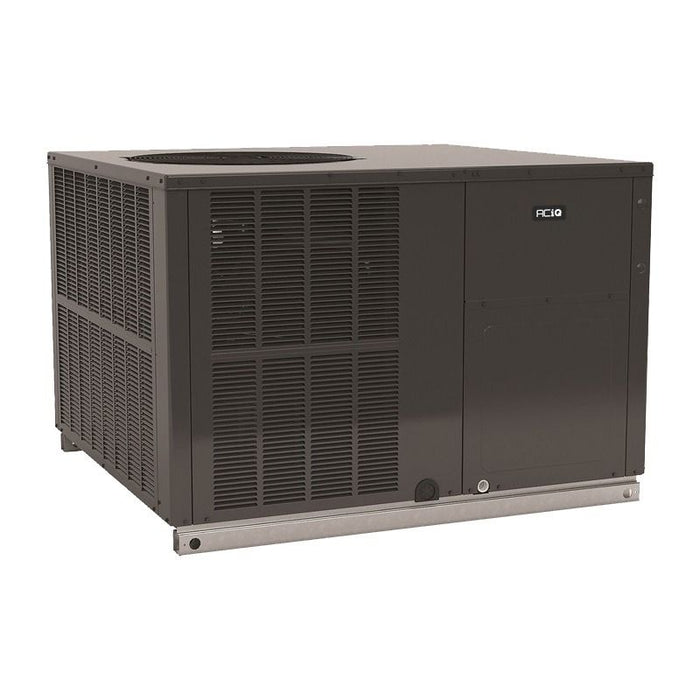
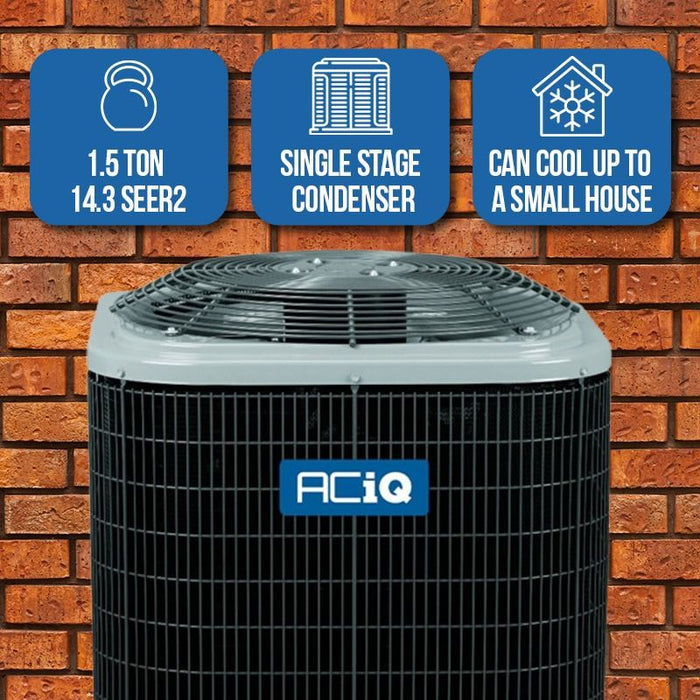
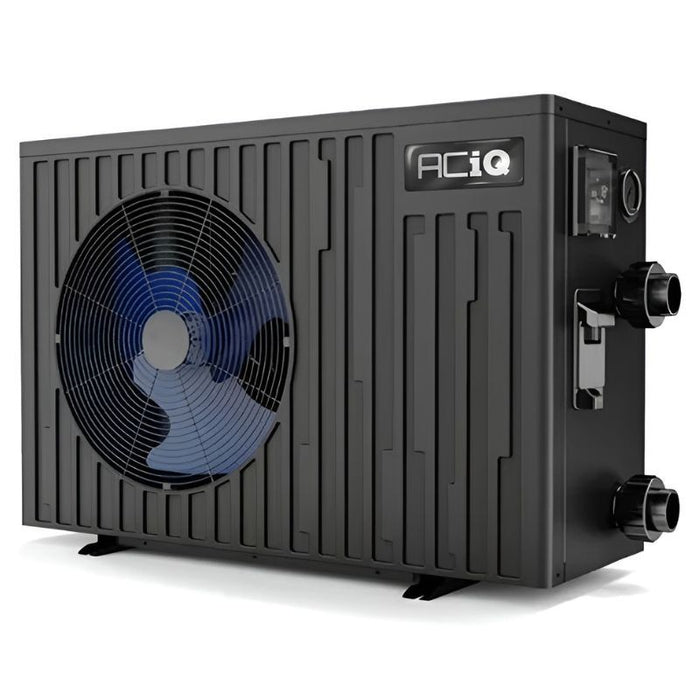
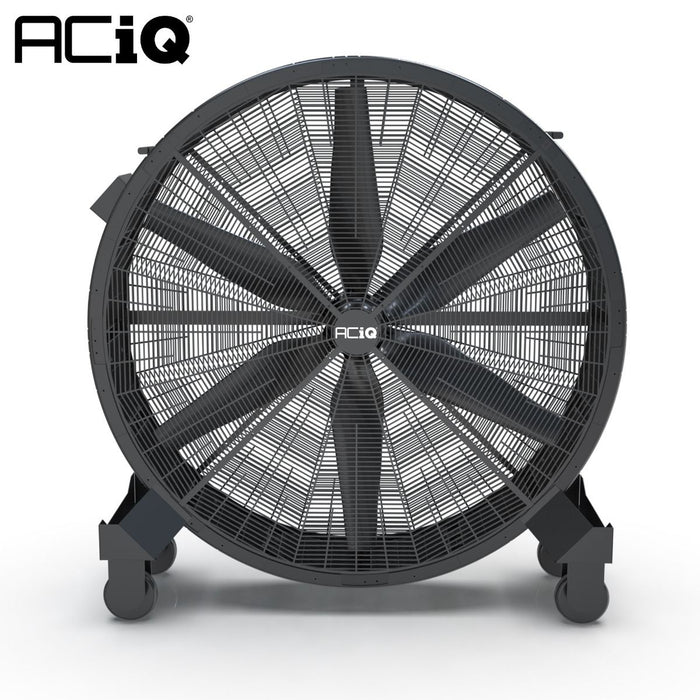
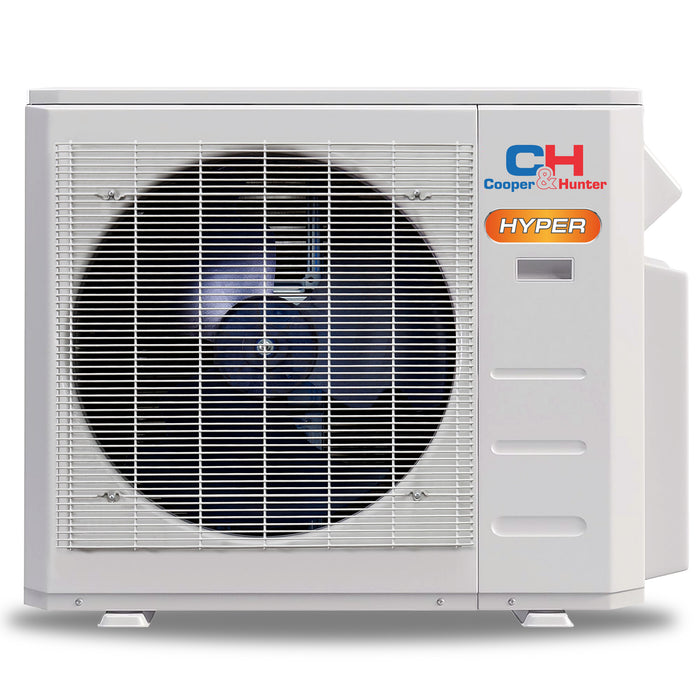
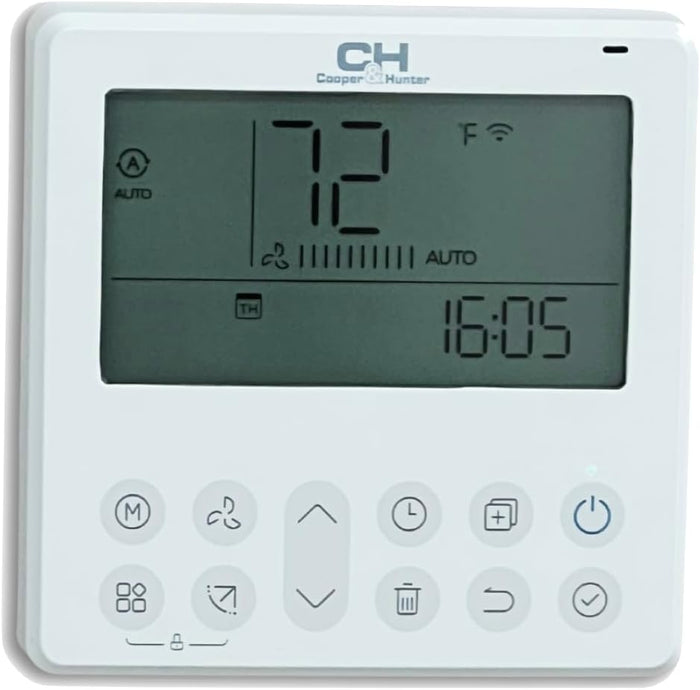
For residential and commercial property managers looking to upgrade to dependable, high-efficiency equipment, exploring the premium aciq collection provides access to systems designed with enhanced component protection. Similarly, the cooper hunter product line delivers exceptional electrical reliability and high performance, making it well-suited for regions with unstable power grids or severe summer weather.
If your specific building layout or zoning needs require a flexible, ductless configuration to optimize indoor comfort without running heavy ductwork through unconditioned spaces, exploring the mrcool brand reveals advanced multi-zone systems engineered to handle demanding conditions.
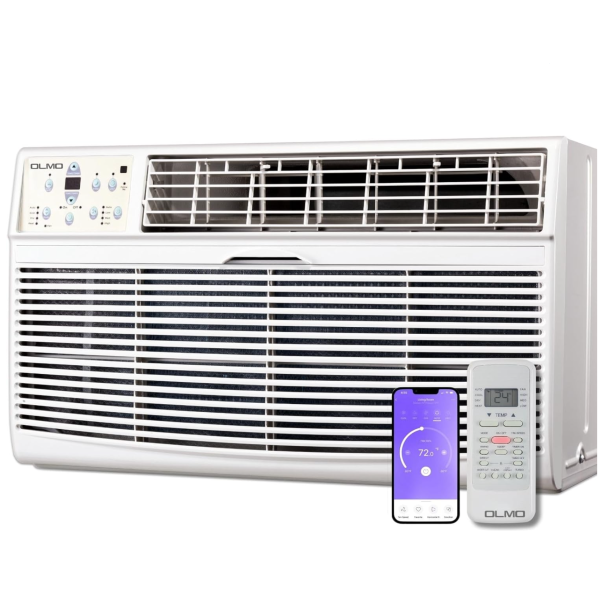
For projects that require specialized multi-room zoning, checking the multi-zone systems and specialized olmo equipment lines ensures you find an ideal balance of thermal performance, component longevity, and built-in protection.
Regional Electrical Risk Analysis Across North America
The risk level for electrical surge damage varies significantly depending on your geographic location. Regional weather patterns, the age of the local utility infrastructure, and industrial power demands all influence the stability of the power entering your property.
The Lightning Belts and High-Humidity Core
The Gulf Coast and Southeast regions see some of the most frequent and severe lightning activity in North America. In cities like miami fl, regular afternoon thunderstorms generate powerful cloud-to-ground lightning strikes that can cause major power grid disruptions. When this intense weather combines with high summer humidity, local systems run long, heavy cycles, making robust surge protection an absolute necessity.
Moving west into Texas, major metropolitan centers like houston/dallas tx, austin tx, and san antonio tx experience intense summer heat waves. These extended periods of high heat place massive demands on regional electrical grids, leading to frequent voltage fluctuations, brownouts, and rolling sags that strain unprotected inverter electronics.
The West Coast: Grid Imbalances and Environmental Stress
Along the Pacific coast, direct lightning strikes are less common, but high-efficiency inverter systems face other significant power stability challenges. Major California metropolitan areas, including san diego ca, los angeles ca, san jose ca, and san-francisco ca, navigate complex energy management challenges, including seasonal fire-prevention power shutdowns and grid voltage adjustments. These abrupt changes in power status create significant inductive voltage spikes when lines are energized or de-energized.
Further inland, in areas like fresno ca, heavy agricultural and industrial power demands create significant electrical noise on rural power lines, making panel-level surge protection a critical safeguard for sensitive residential heat pumps.
Pacific Northwest and Northern Infrastructure
In northern regions like portland or and seattle wa, homes are increasingly retrofitted with advanced inverter heat pumps to handle changing seasonal weather. However, these older urban areas often rely on overhead power lines that are vulnerable to tree limbs, windstorms, and winter ice, which can cause sudden power interruptions and subsequent voltage spikes when power is restored.
Northeast Industrial Corridor
The high-density urban corridors of the Northeast present unique electrical challenges. Dense cities like new york city ny, boston ma, buffalo ny, and worcester ma rely on complex, aging underground grid infrastructures. The sheer density of electrical consumers, combined with heavy industrial equipment switching, creates significant harmonic distortion and ongoing electrical transients that can gradually degrade unprotected inverter electronics.
Midwestern Industrial Basins
In major interior industrial and manufacturing centers like chicago il and nearby municipal hubs like aurora il, large manufacturing facilities cycle massive electrical loads throughout the day. This regular industrial switching introduces continuous micro-surges into the local power grid, making proper surge protection essential for residential and commercial systems alike.
Proactive Mechanical Installation and Structural Hardware Solutions
Successfully protecting an inverter air conditioning system requires utilizing premium installation hardware, secure mounting accessories, and layout tools designed for long-term reliability. Simply purchasing a high-grade surge protector is only part of the equation; the entire physical installation must be engineered to prevent moisture accumulation, manage structural vibrations, and ensure clean, reliable air paths.
Structural Isolation and Foundation Protection
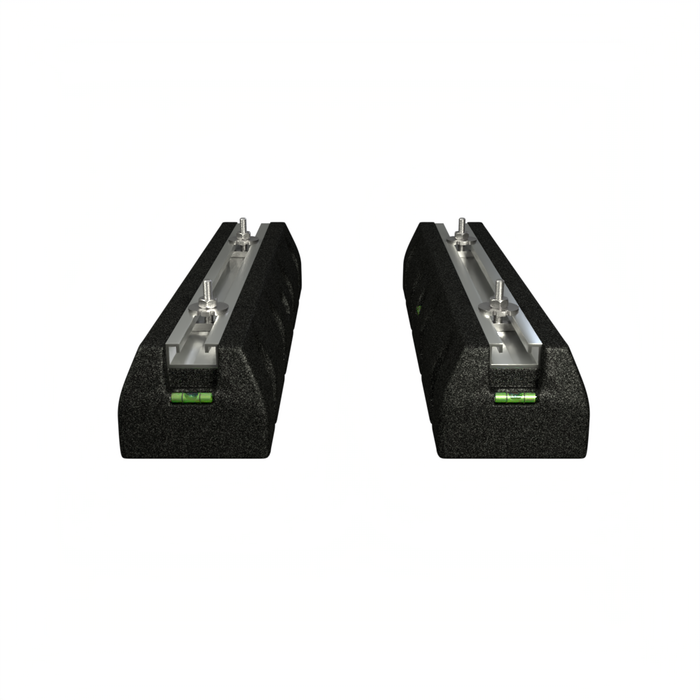
When installing a modern outdoor inverter condenser, choosing the right structural foundation is critical to its performance. Placing a high-efficiency system directly onto unstable ground can expose it to standing water, soil shifting, and excessive physical vibration, which can stress delicate internal electrical solder joints over time.
Contractors can source heavy-duty, weather-resistant support hardware from the brackets stands pads collection. Elevating the unit off the ground ensures proper drainage, dampens compressor vibrations, and keeps the lower components clear of standing water during heavy summer downpours.
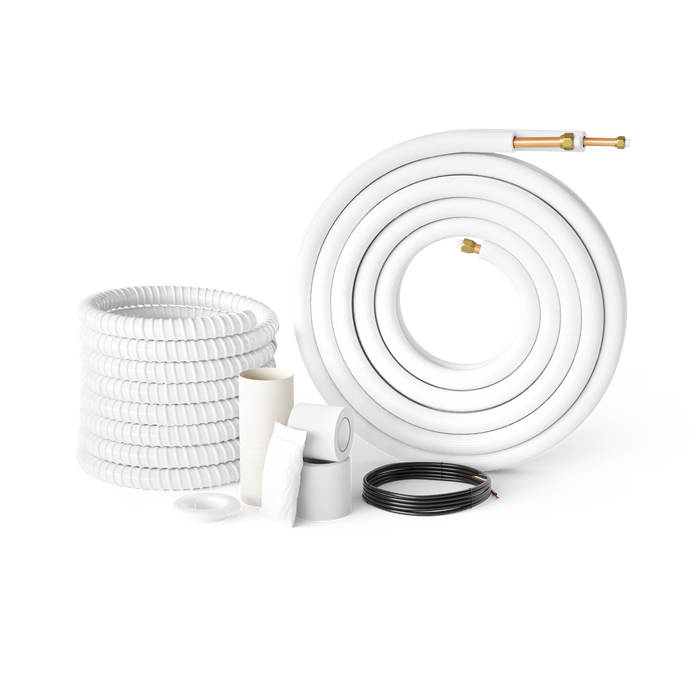
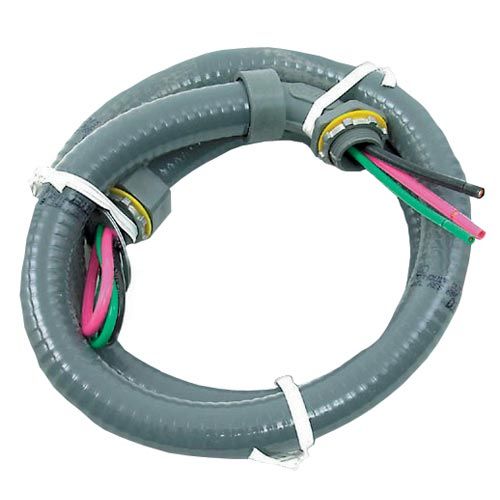
Managing a successful installation or field component replacement also requires matching high-quality auxiliary parts to the new equipment. Inferior copper piping connections, low-grade wiring, or poorly sealed electrical lines can introduce moisture and create resistance issues that trigger localized electrical faults near the main control boards.
Sourcing complete installation packages from the accessories kits or the unified installation kits collections ensures that technicians have access to high-quality linesets, premium wiring, and robust disconnect components needed for a secure installation.
PROTECTED INVERTER SITE LAYOUT
│
▼
[ Inverter Condenser ] ──► Sensitive Control Boards
│
▼
[ Type 3 Surge SPD ] ──► Localized Disconnect Shield
│
▼
[ Elevating Platform ] ──► Brackets Stands Pads Base
Lineset Insulation and Exterior Barriers
The copper piping and control communication lines connecting the indoor evaporator to the outdoor compressor must be completely shielded from ambient moisture, UV rays, and physical wear. Damaged insulation or cracked control wire jackets can cause short circuits that send voltage spikes straight back into the main control module.
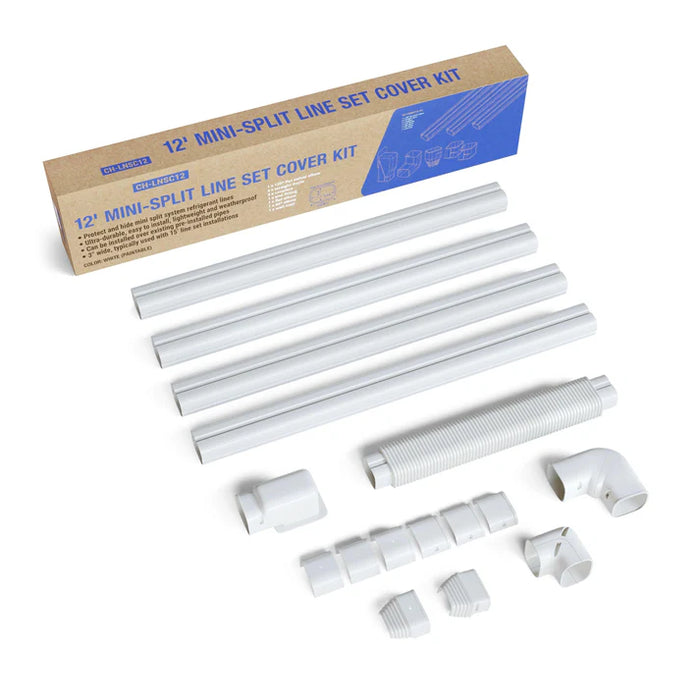
Utilizing durable protective enclosures from the line covers guards line protects copper linesets, communication cables, and insulation blocks from the elements, ensuring consistent performance and clean installations.
Tailoring Solutions Across Diverse Equipment Platforms
Modern cooling systems vary greatly depending on the property type, space constraints, and zoning requirements. Whether managing a single-family home, a multi-family commercial complex, or a manufactured housing structure, tailoring your electrical defense to your specific equipment platform is essential to extending system lifespan.
Central Split and Packaged Systems
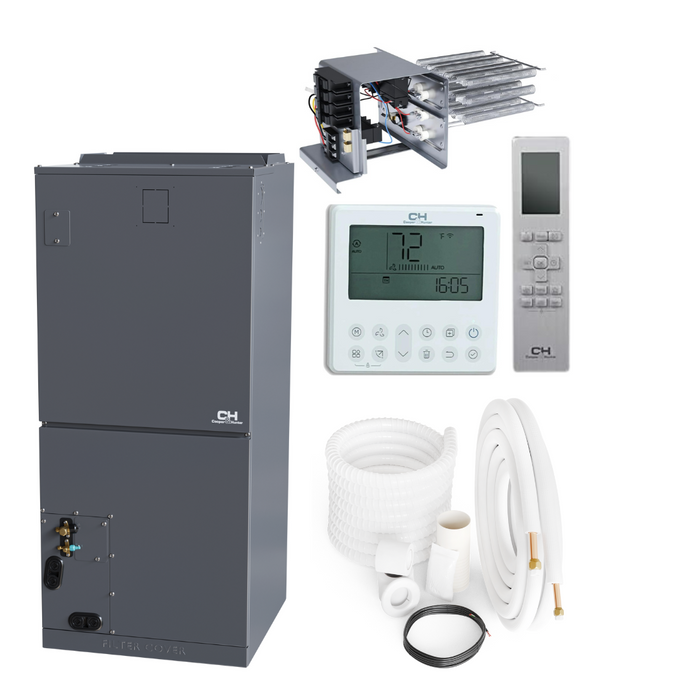
For standard residential installations utilizing traditional central layouts, ensuring reliable power delivery to the indoor air mover is just as critical as protecting the outdoor compressor. Sourcing high-efficiency indoor equipment from the air handlers collection helps maintain balanced performance throughout the system.
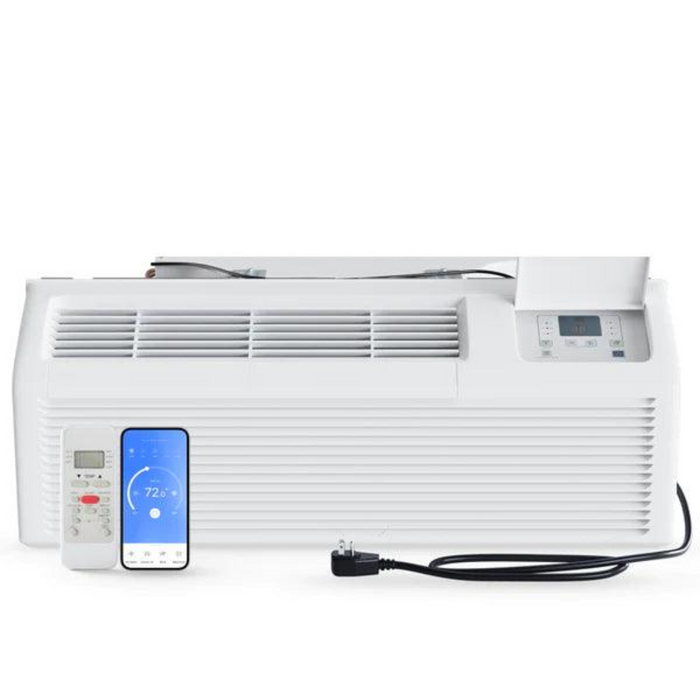
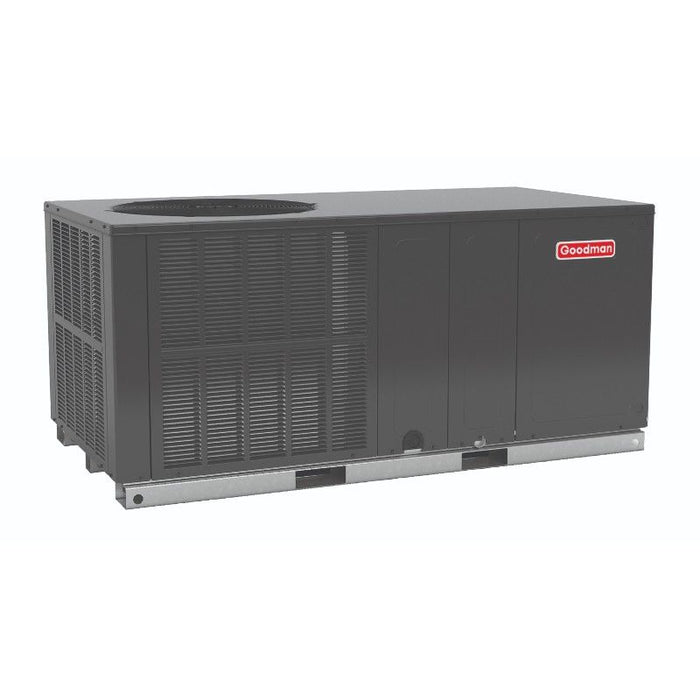
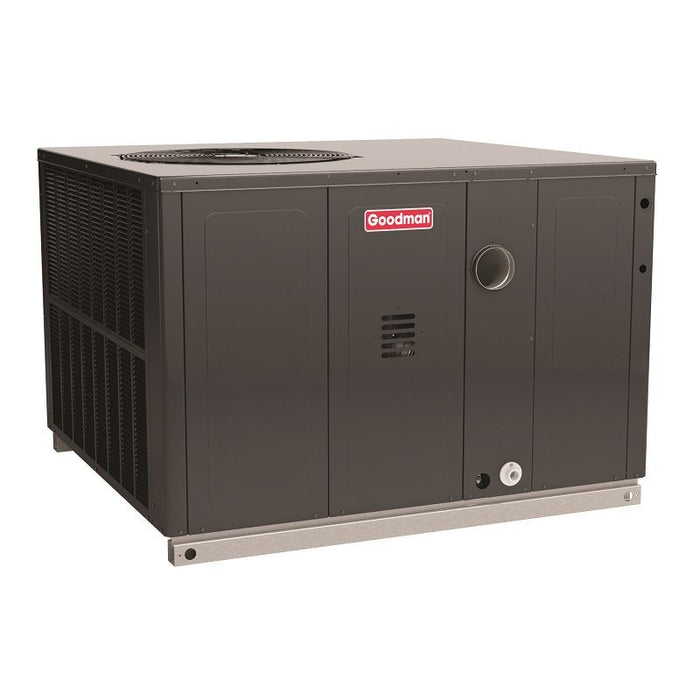
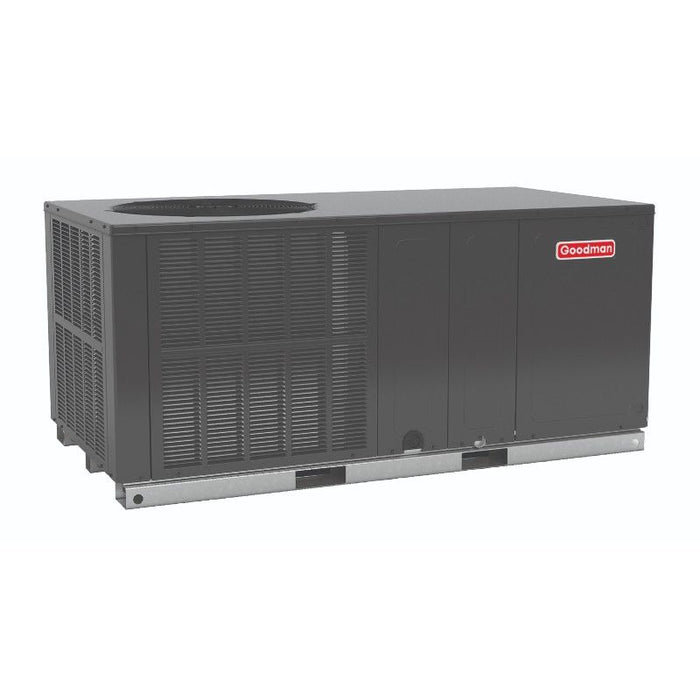
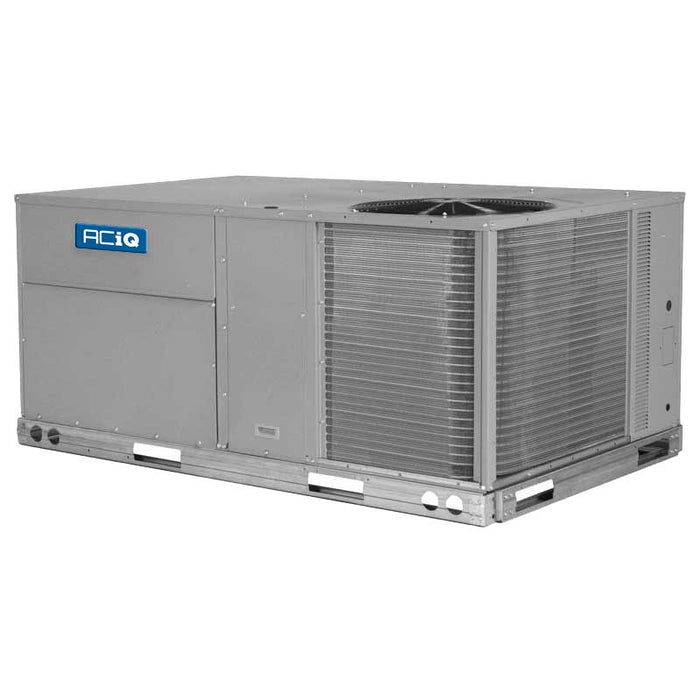
If your property utilizes an all-in-one configuration commonly found in commercial applications, selecting an efficient system from the packaged units line or the high-capacity commercial packaged units collection ensures your mechanical setup is built for heavy-duty operation.
Ductless Mini-Splits and Multi-Zone Configurations
Properties that require targeted zone control often utilize advanced multi-split arrays. Sourcing compact systems through the ductless mini-splits and light commercial mini-splits catalogs provides access to high-efficiency equipment with small footprints.
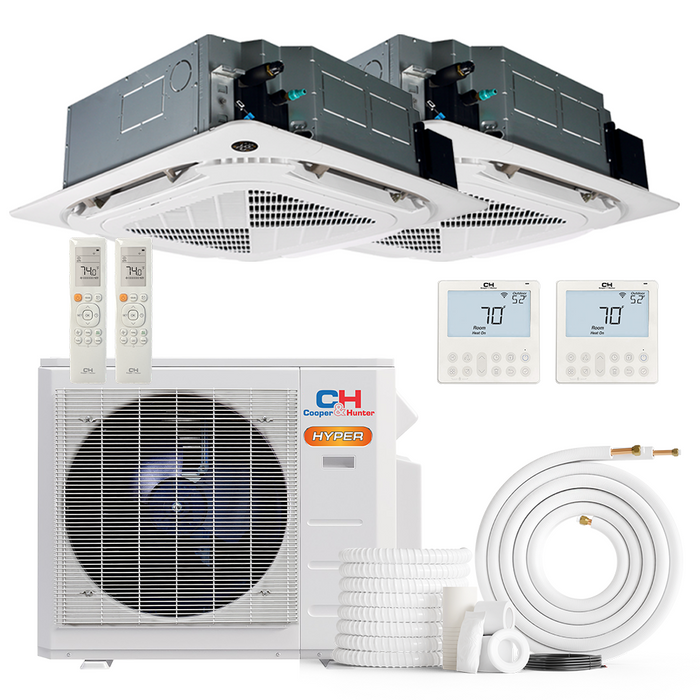
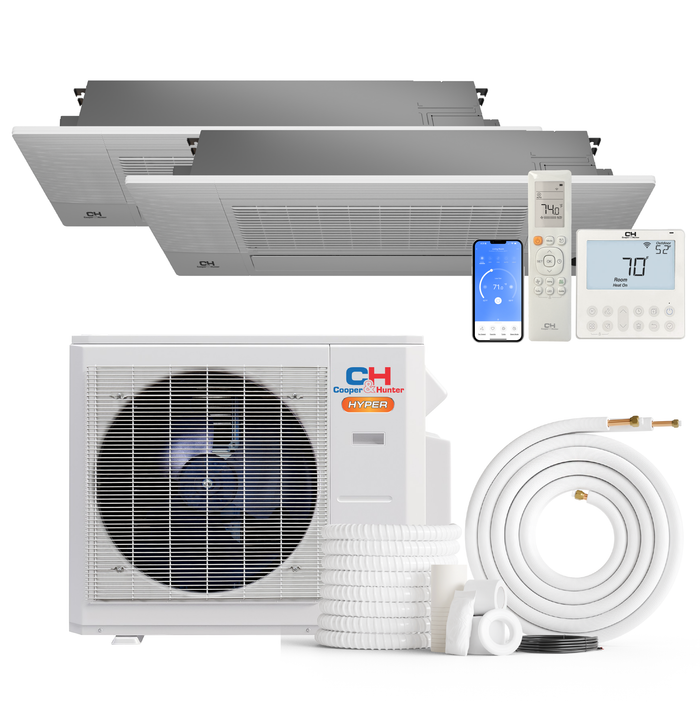
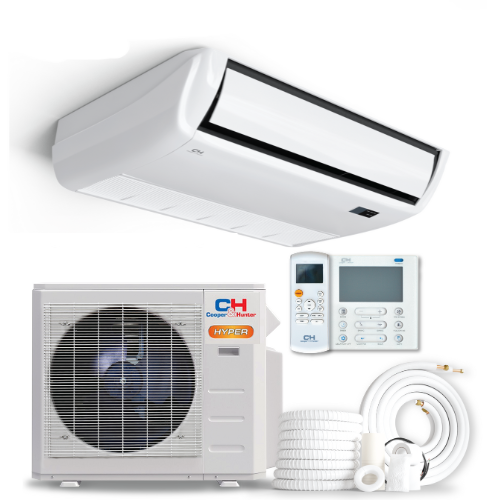
Whether configuring a premium 6 zone wall mounts network for a multi-family building, opting for discrete single zone one way ceiling cassettes, or setting up high-capacity multi-zone ceiling cassettes, ensuring these outdoor inverter condensers receive protective anti-corrosion coatings is essential for coastal longevity.
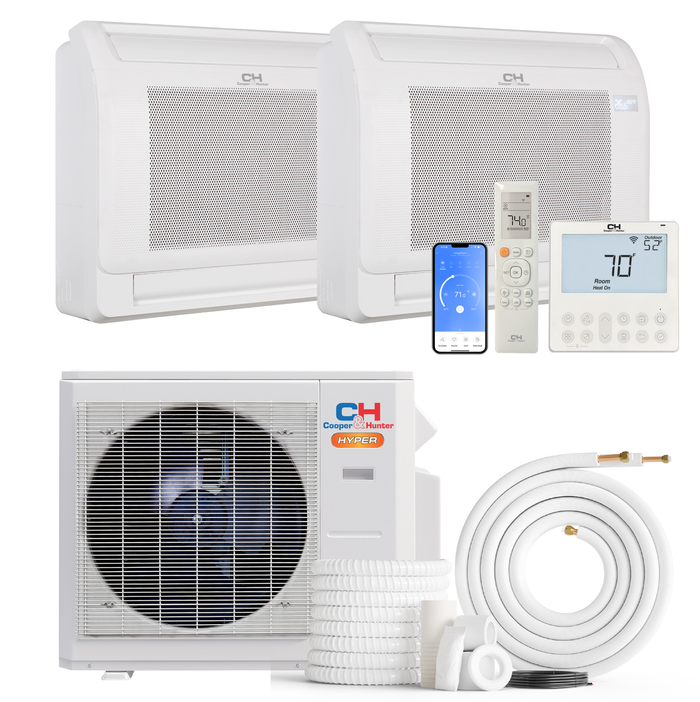
Furthermore, optimizing specific room styles with options like a mini floor console or a versatile ductless multi zone universal floor ceiling ufc units array provides flexible indoor airflow options while keeping your outdoor multi-channel components running efficiently.
Specialized Manufactured Housing Equipment
Manufactured housing and mobile homes require specialized mechanical configurations engineered to interface safely with narrow duct designs and specific electrical footprints. Standard residential cooling components cannot simply be dropped into a manufactured home without risking major airflow restrictions and electrical safety code violations.
Property owners and maintenance managers working in this niche can explore the dedicated mobile home store page to locate certified equipment designed for these applications. Sourcing from specialized collections like mobile home air conditioners or mobile home air handler components guarantees seamless mechanical compatibility.
For comprehensive retrofits or complete change-outs during a remodel, selecting unified systems from the mobile home complete systems or mobile home ac furnace systems catalogs ensures that every component is engineered to perform reliably under high-efficiency standards.
Securing Your High-Efficiency HVAC Investment
Modern variable-speed inverter air conditioners represent an incredible leap forward in HVAC technology, delivering exceptional energy efficiency, whisper-quiet operation, and precise zone control. However, operating these advanced, computer-driven systems on unstable power grids during peak summer months without proper electrical protection is a major risk. A single severe power surge or the cumulative wear from daily grid fluctuations can easily destroy sensitive control modules, resulting in expensive repairs and unexpected downtime.
By implementing a multi-layered defense strategy, including high-quality Type 2 panel surge protectors, point-of-use equipment filters, and premium structural installation hardware, you can safeguard your valuable climate control system from unexpected power anomalies. Whether you are replacing a single control board or managing a complete multi-zone commercial upgrade, taking proactive steps to secure your electrical infrastructure ensures your high-efficiency system delivers reliable comfort and energy savings for years to come.
Are you ready to safeguard your home and upgrade your cooling system's electrical management infrastructure? Explore the extensive collection of professional-grade components by visiting the HVAC Supplies Marketplace today.