























Why Condenser Cleaning is the Secret to Doubling Your AC’s Lifespan
Share
HVAC SUPPLIES
Seasonal Maintenance
Breath of Fresh Air
Why Spring is the ultimate season for AC preservation.
As the winter frost recedes and the first buds of spring begin to appear, homeowners everywhere start their seasonal rituals of renewal. Traditionally, "spring cleaning" brings to mind images of organized closets, scrubbed windows, and dusted baseboards. However, while indoor organization is satisfying, the most critical cleaning task for your home’s comfort and financial health is actually happening outdoors. Your air conditioning system has sat dormant through the winter, and as it prepares for the grueling heat of the coming months, its most vital component, the outdoor condenser, needs your attention.
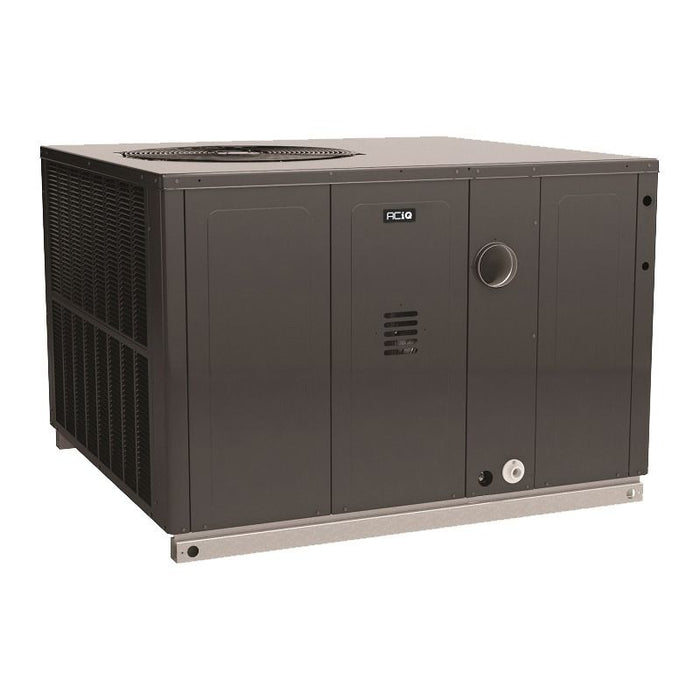
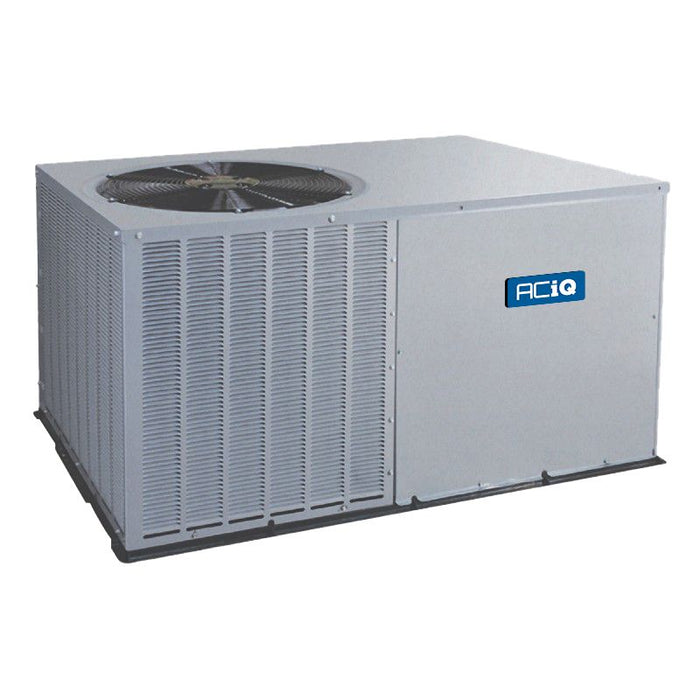
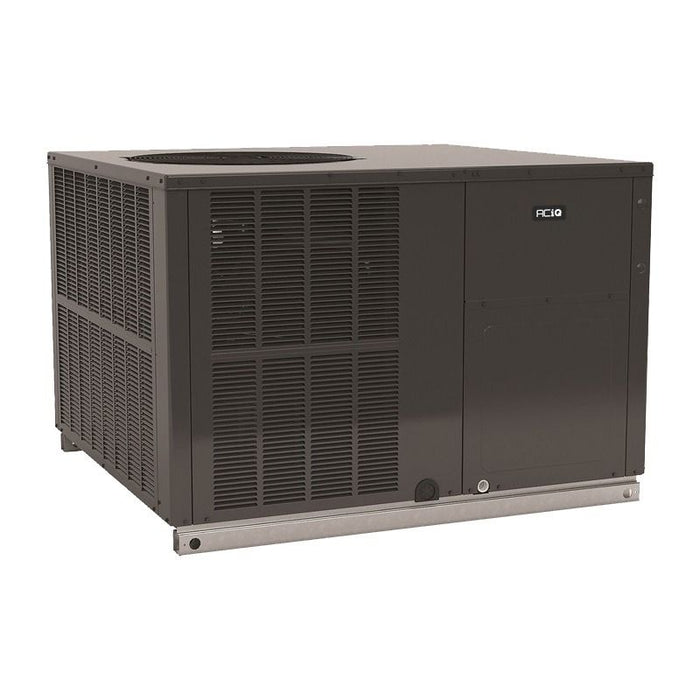
The arrival of spring brings more than just warmer weather; it introduces a barrage of environmental debris that can cripple your cooling system's efficiency. Pollen, grass clippings, cottonwood seeds, and even "mud nests" from local insects begin to accumulate. Over time, this mixture acts like a thick, suffocating blanket wrapped tightly over your AC unit. This buildup is a silent efficiency killer. A dirty condenser can force your system to increase its energy consumption by 30% or more, leading to skyrocketing utility bills and unnecessary mechanical strain. Whether you rely on traditional packaged units or modern mini-splits-systems, a neglected exterior is the fastest way to invite a mid-summer breakdown.
What is Condenser Cleaning and Why Does it Matter?
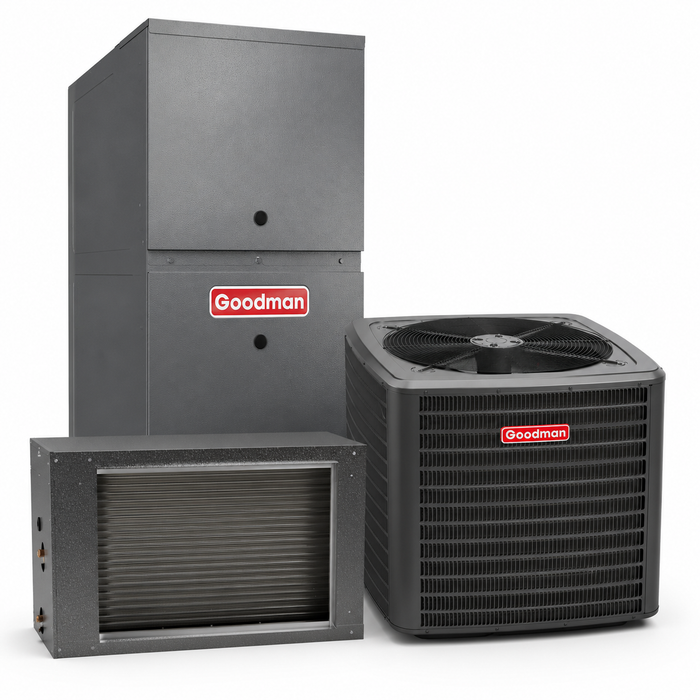
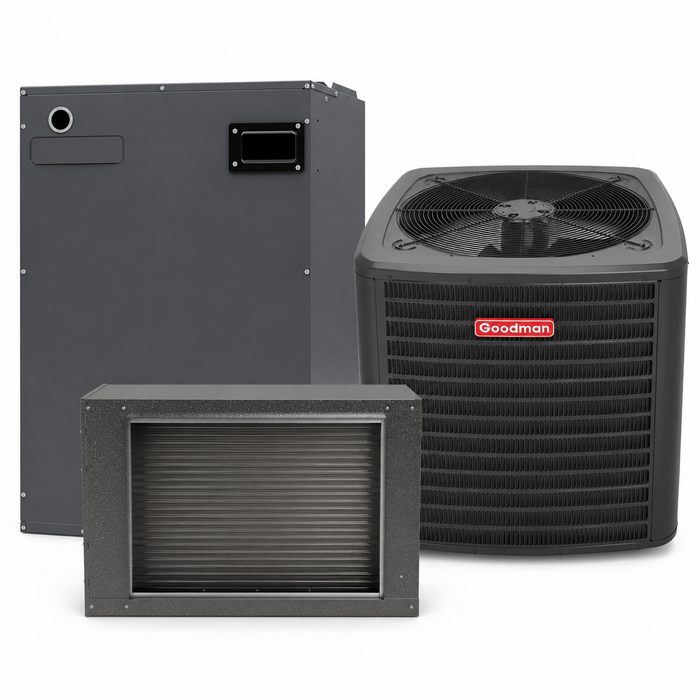
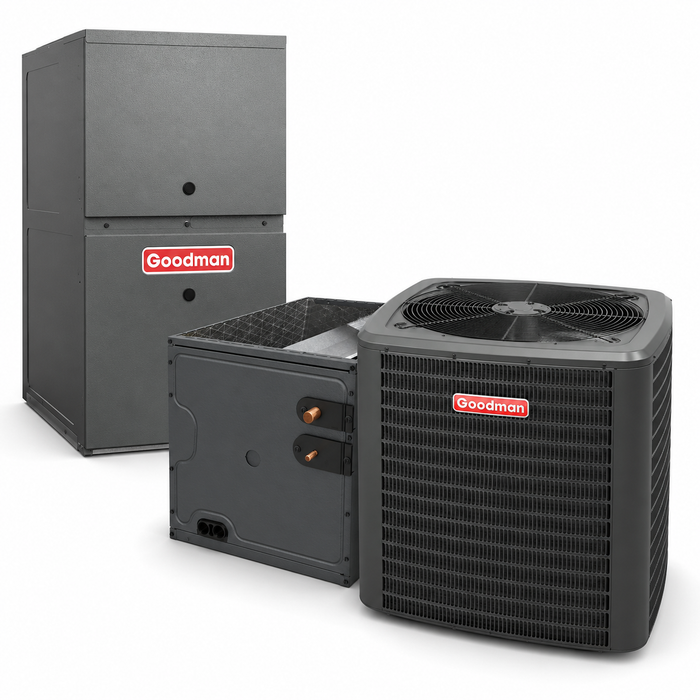
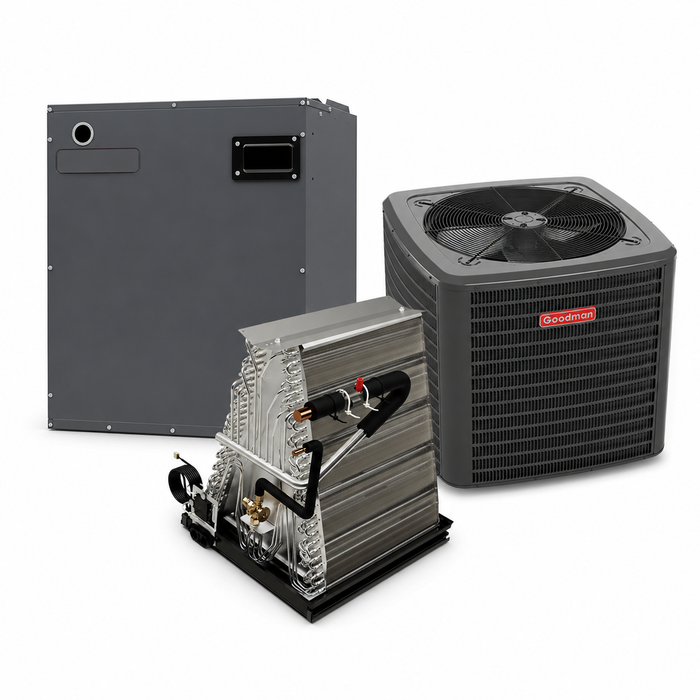
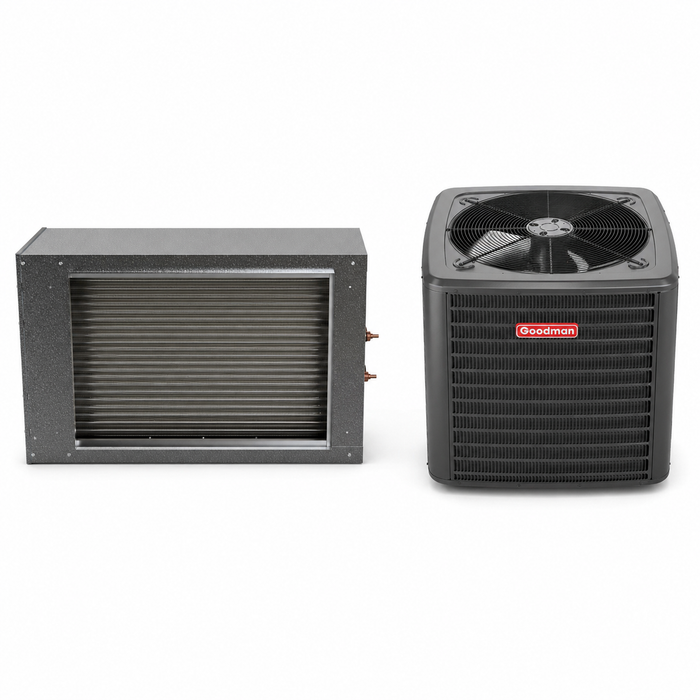
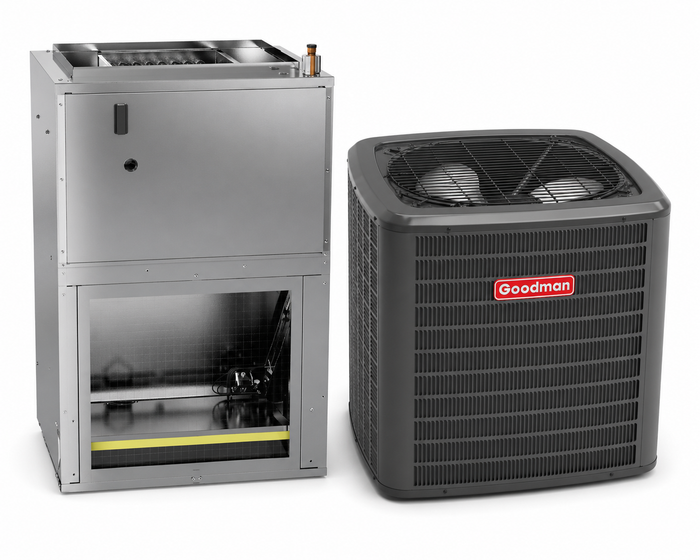
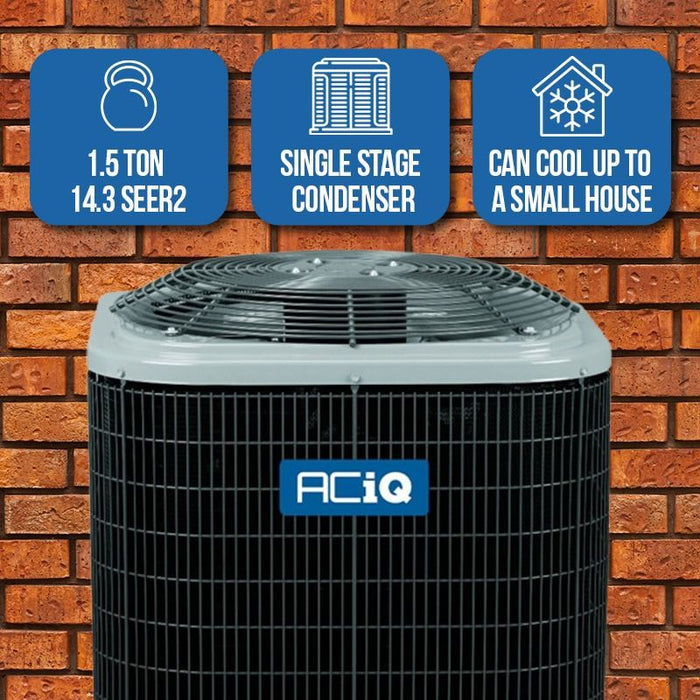
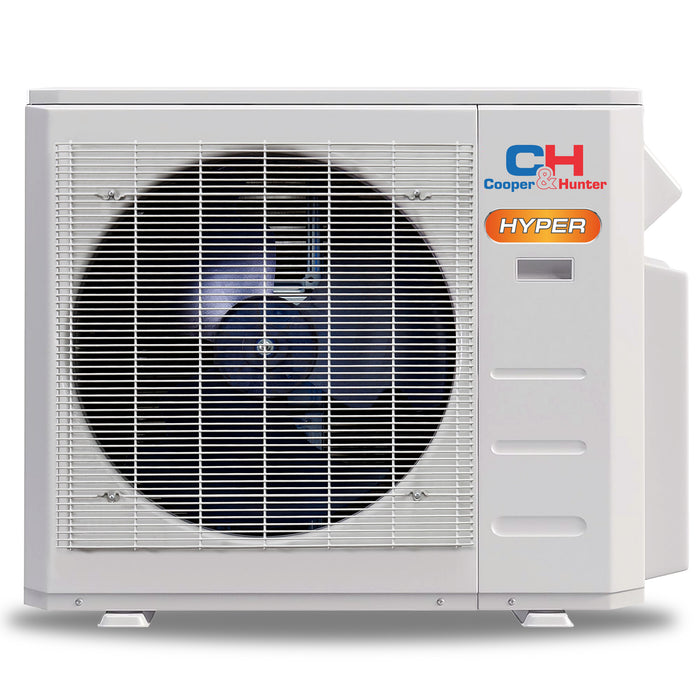
To appreciate the necessity of condenser cleaning, one must first understand the basic physics of heat exchange. Your air conditioner does not technically "create" cold; rather, it removes heat from your indoor air and dumps it outside. The outdoor condenser is the primary site of this heat rejection. You can think of the condenser as the "lungs" of your HVAC system. Just as a person struggles to breathe through a heavy mask, your AC system struggles to "exhale" heat when the condenser coils are clogged with dirt and debris.
The Physics of Cooling:
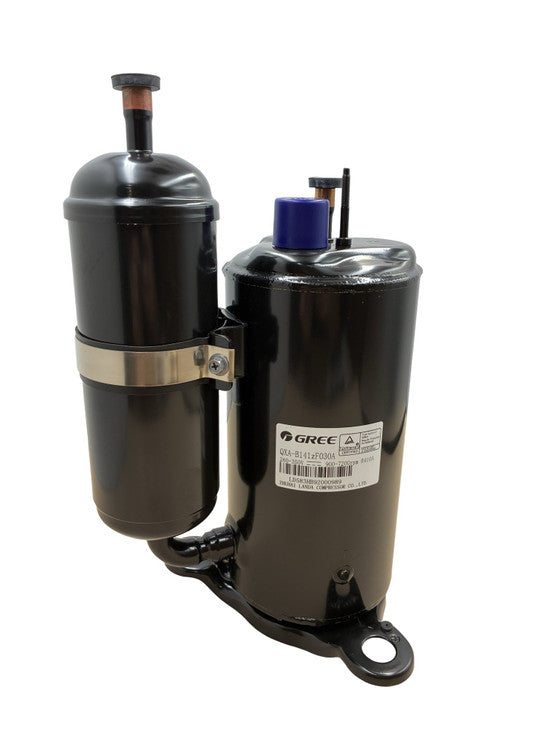
When these coils are dirty, the heat has nowhere to go. This causes the internal pressure and temperature of the system to rise far beyond its design limits. The consequences of this thermal backup are severe. A dirty coil forces the compressor—the heart of the system—to work twice as hard to move refrigerant.
This is true for all configurations, from single zone mini split systems and single zone wall mount units to large-scale packaged air conditioners. Over time, this constant overexertion leads to premature compressor burnout.
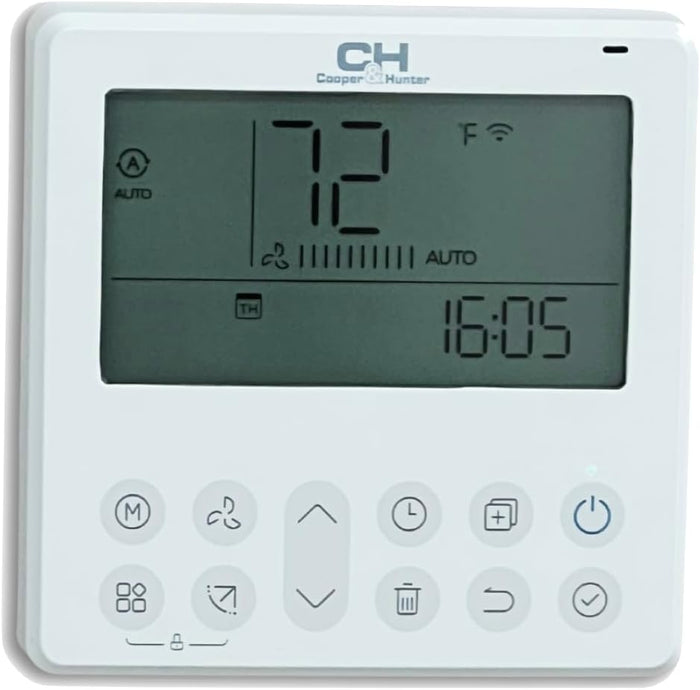
Furthermore, the lack of airflow doesn't just damage the compressor. It affects the entire cooling loop, leading to poor humidity control and inconsistent temperatures. If you find your dehumidifiers working overtime or your single zone floor console struggling to keep a room cool, the culprit is often a lack of maintenance at the outdoor unit. By ensuring a clear path for heat rejection, you allow every component, including the thermostats and low-voltage wiring, to operate within their optimal parameters.
Step-by-Step Spring Cleaning Checklist
Performing a thorough spring cleaning of your condenser is a manageable task for most homeowners, provided they follow a logical sequence. Safety is the absolute priority. Before you ever touch the unit, you must ensure all power is disconnected. This usually involves switching off the thermostat inside and then pulling the disconnect block or flipping the breaker at the outdoor electrical box. Working on a unit that is still receiving power from your thermostats and low-voltage wiring is extremely dangerous.
Once the power is confirmed off, begin by removing large debris. Use your hands or a soft brush to clear away leaves, twigs, and clumps of grass that have gathered against the fins. After the large obstructions are gone, use a garden hose with a gentle spray to rinse the coils. It is vital to avoid using a high-pressure power washer, as the intense pressure can easily bend and damage the delicate aluminum fins, further restricting airflow.
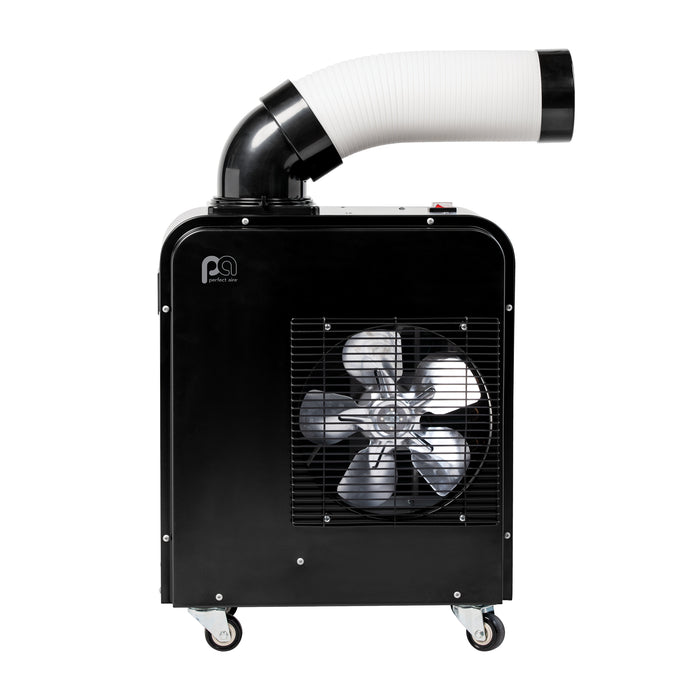
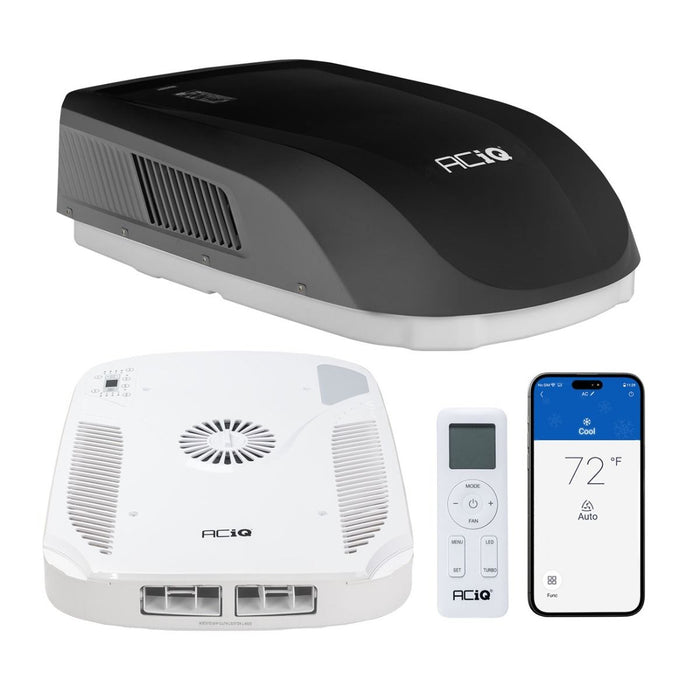
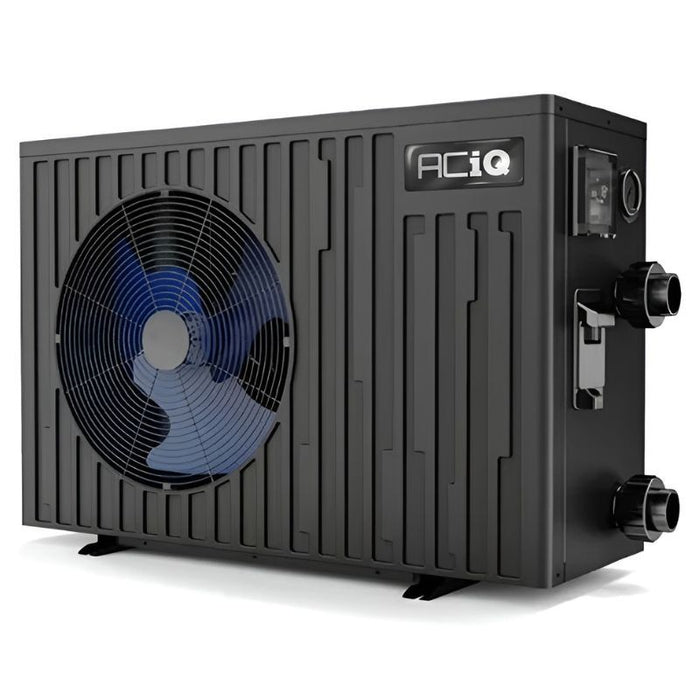
While you are cleaning, take the opportunity to perform a visual inspection of the surrounding components. Check the refrigerant piping and fittings for any signs of vibration damage or oily residue, which could indicate a leak. This level of care shouldn't be limited to your primary home system. Specialty units like the rv ac on your camper or portable ac units also need "airflow love." Even pool heat pumps benefit immensely from a spring rinse.
Recognizing the Need for an Upgrade
Sometimes, despite your best efforts, a simple cleaning isn't enough to restore a system to its former glory. Years of exposure to the elements can lead to "coil rot" or significant corrosion, where the aluminum fins begin to crumble or separate from the copper tubing. In these cases, the metal is too damaged for a wash to be effective.
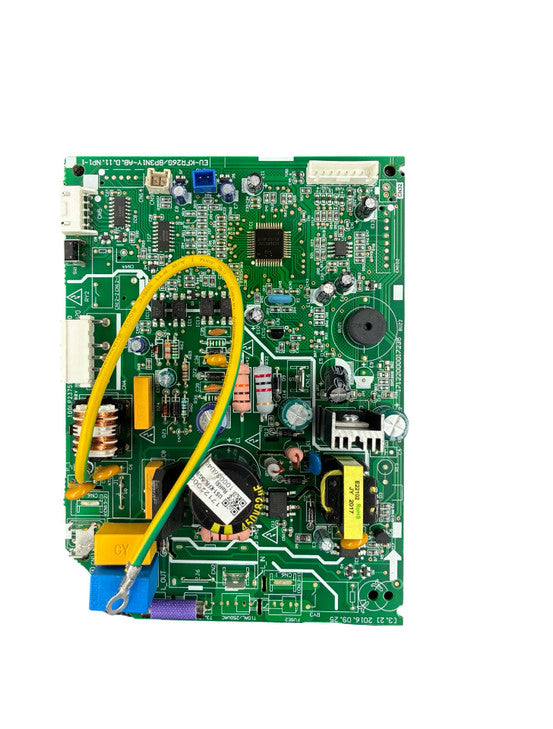
If you find that your packaged units or single zone olmo systems are constantly requiring repairs despite regular maintenance, it may be time to pivot from maintenance to an investment in modern efficiency. Modern brands like Olmo and Perfect Aire offer units that are specifically designed for easier maintenance and higher resistance to the elements. Newer systems also utilize advanced control board subassembly technology to better monitor and protect the system.
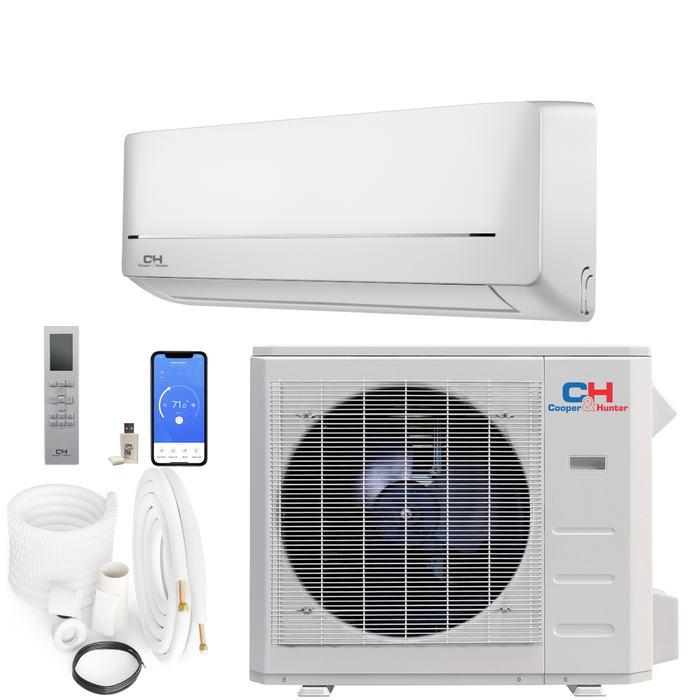
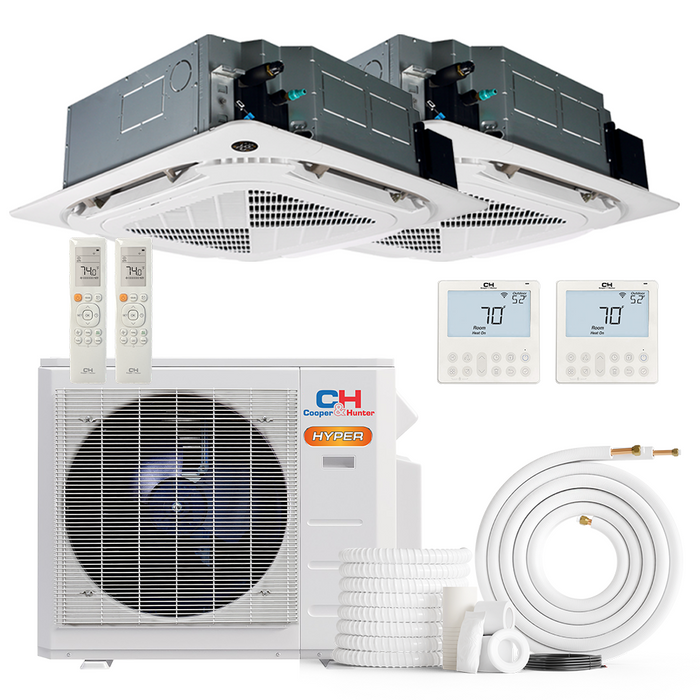
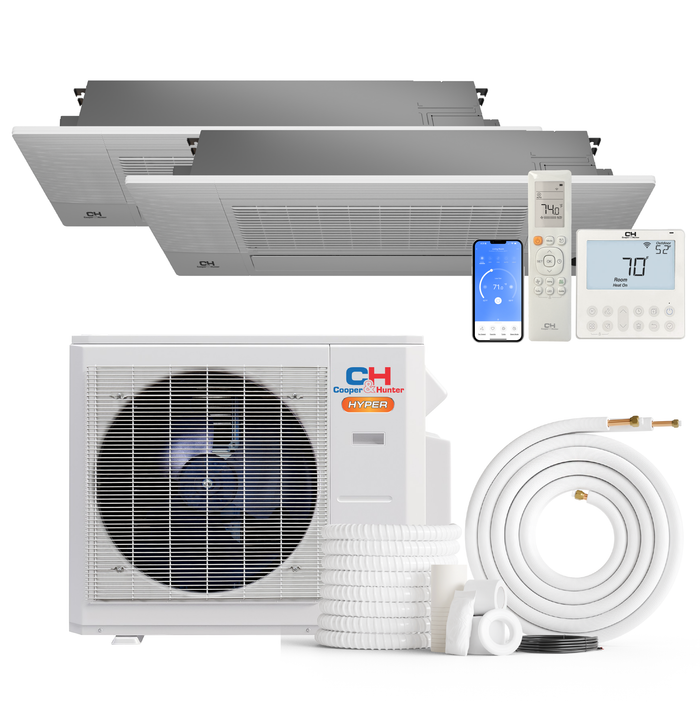
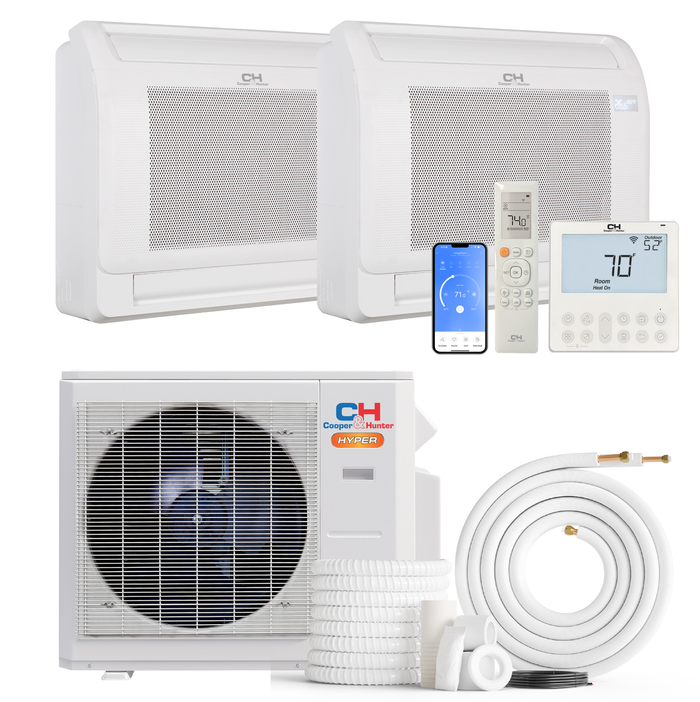
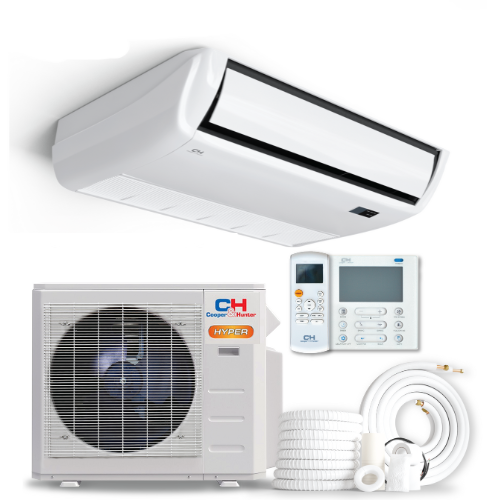
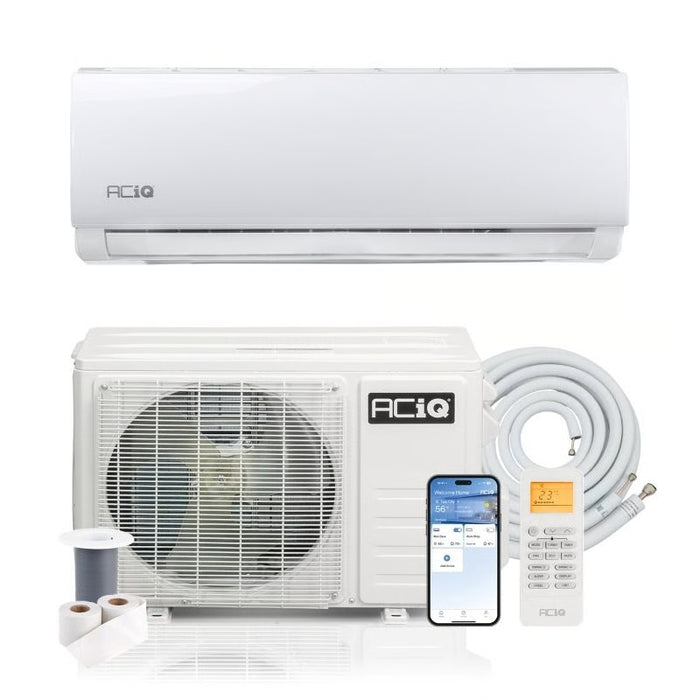
Upgrading to a new single zone diy system or a single zone mini-split-systems can offer immediate relief in the form of lower energy bills and superior comfort. For those with specific architectural needs, exploring single zone one-way ceiling cassette or single zone four-way ceiling cassette options can provide high-efficiency cooling without the bulky wall presence.
Diverse Systems, Same Maintenance Truths
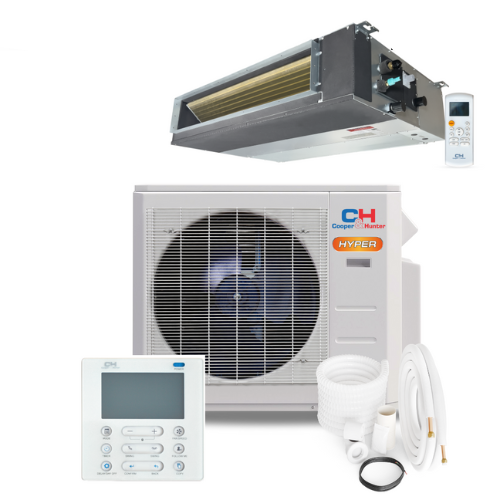
While the physical appearance of HVAC equipment varies wildly, the physics of the condenser remains a universal truth. High-efficiency mini-splits, such as single zone wall mount and single zone slim duct concealed systems, have much smaller physical footprints than traditional central air units. However, this smaller size actually makes them more sensitive to dirt. Because there is less surface area for heat exchange, even a thin layer of dust can significantly degrade the performance of your single zone bravo or single zone perfect aire unit.
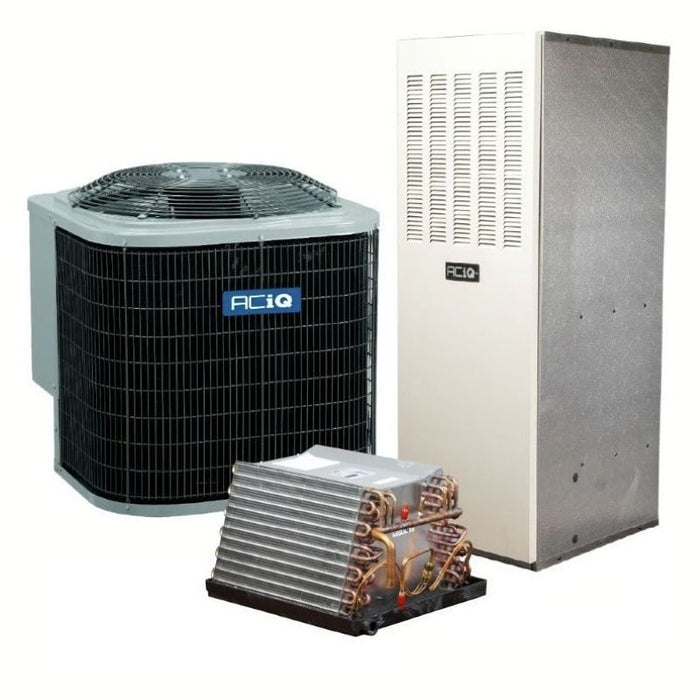
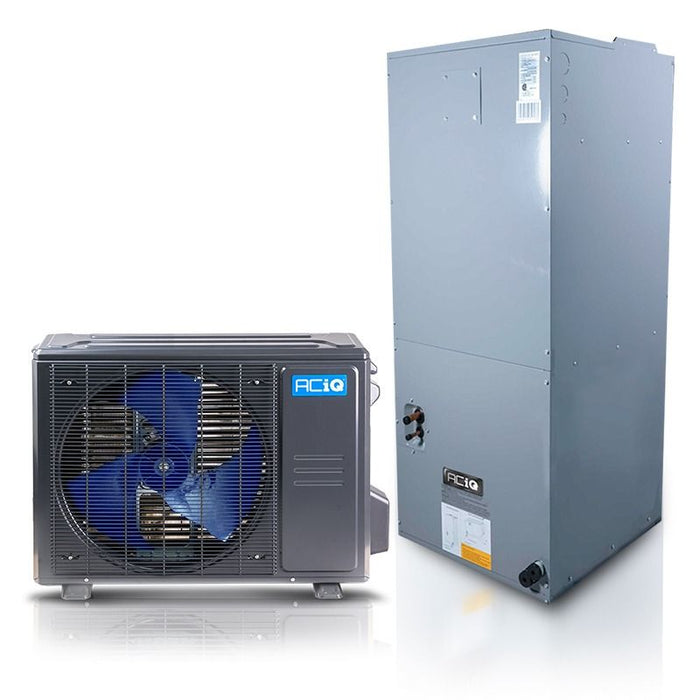
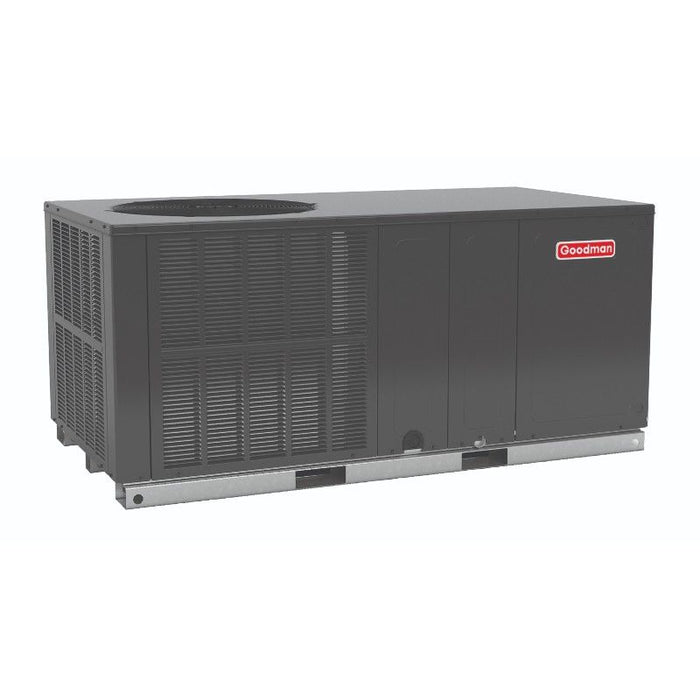
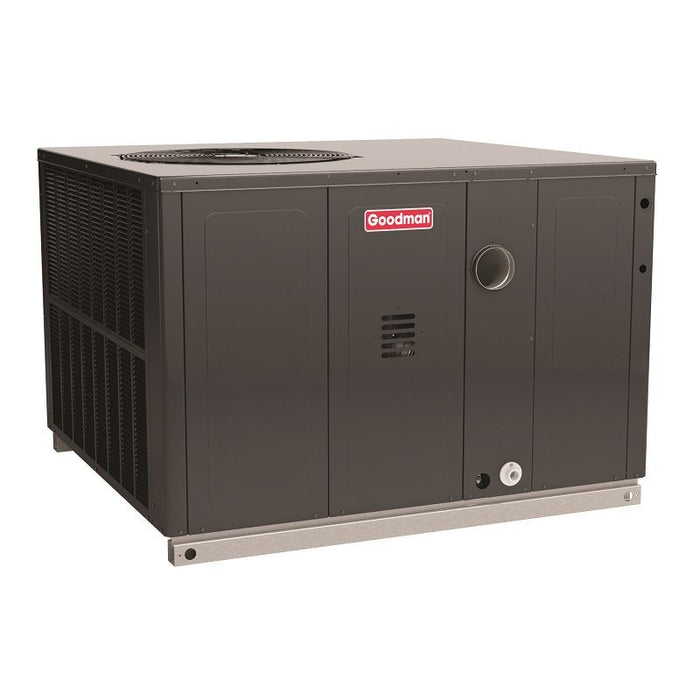
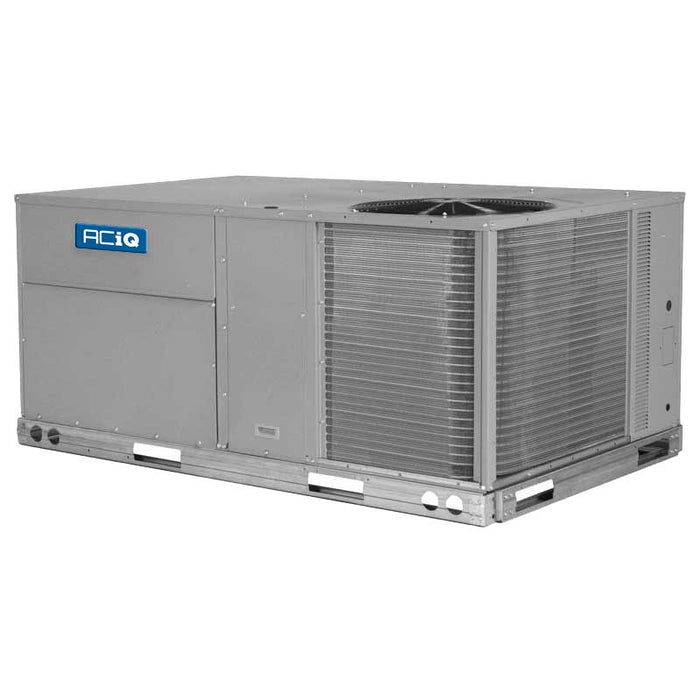
Commercial and large-scale residential applications face even greater challenges. Systems like packaged heat pump units and multi-zone olmo configurations process a massive volume of air every hour. This high air volume means they act like giant vacuum cleaners, pulling in significantly more debris than a smaller unit. Consequently, these systems require more frequent checks throughout the season to ensure their larger packaged air conditioners coils aren't becoming clogged.
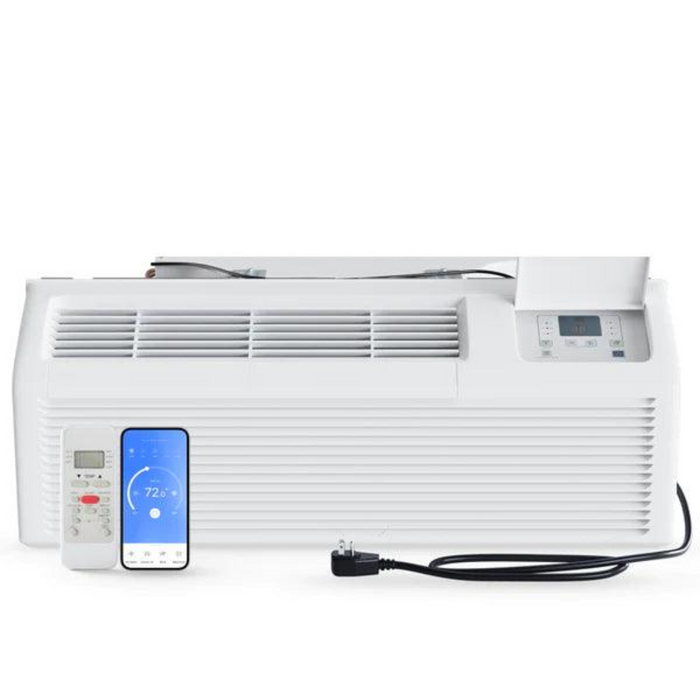
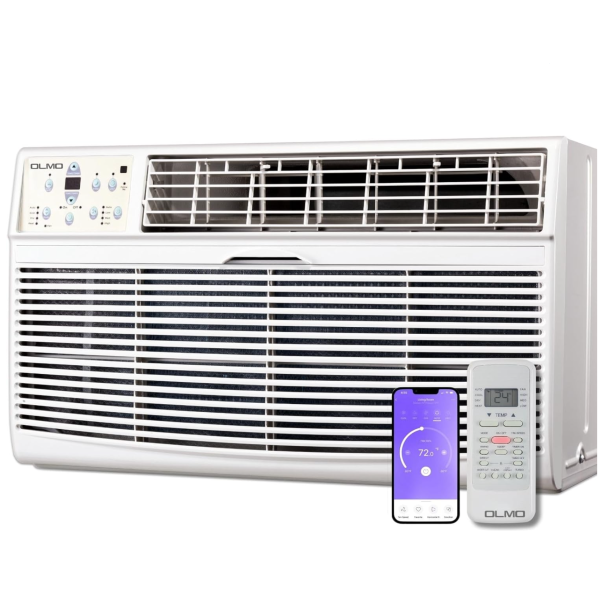
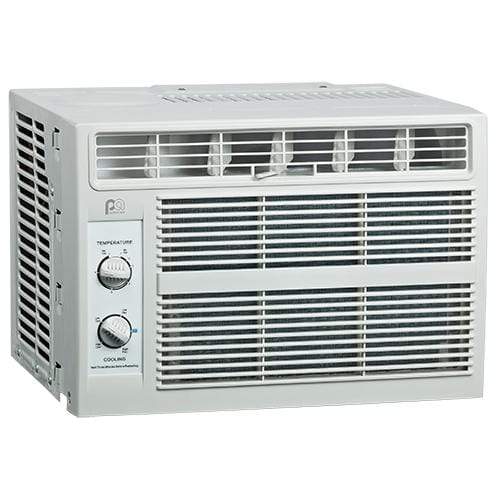
The same principles apply to specialty heating and cooling. Whether you are using ttw (Through-The-Wall) units, ttw-cooling-only, or ttw-cooling-and-heating systems, the portion of the unit that breathes outside must be kept clear. Even interior comforts like water heaters, water and plumbing, and smart toilets rely on a home with stable humidity and temperature. From window ac units to universal floor ceiling ufc systems, every system needs a clean start in the spring.
Conclusion
The transition from spring to summer is often shorter than we expect. A 30-minute cleaning session in April can literally be the difference between a comfortable home and a $500 emergency repair in the sweltering heat of July. By taking the time to clear away the "blanket" of winter debris and spring pollen, you aren't just cleaning a machine; you are performing an essential act of home preservation. Condenser cleaning is the single most effective way to protect your compressor, lower your monthly overhead, and double the lifespan of your cooling investment.
Ready for Summer?
At HVAC Supplies, we are committed to helping you maintain a perfect indoor climate all year round. Explore our maintenance gear and high-efficiency systems.