























Upgrading to an Efficient Heat Pump Package Unit Before the First Freeze
Share
HVAC SUPPLIES
Manufactured Housing Winter Guide
Winterizing Your Homes: Package Units & Heat Kits
As autumn temperatures begin to decline across the nation, manufactured home owners, property managers, and park operators face the pressing challenge of preparing their climate control systems for severe winter weather. Manufactured and mobile homes present unique structural heat loss characteristics compared to site-built, single-family houses. Because manufactured homes are elevated on pier-and-beam foundations, cold winter air circulates continuously beneath the floor belly wrap, rapidly leeching heat from living spaces and uninsulated supply ductwork. Furthermore, thinner exterior wall framing and lower overall thermal insulation values mean manufactured structures lose heat far more rapidly when ambient outdoor temperatures plunge into sub-freezing ranges.
Delaying heating system retrofits until the first major freeze creates significant financial and physical risks. Aging electric furnaces or legacy split systems operating in sub-zero weather are prone to sudden heating element burnouts, seized blower bearings, and frozen condensate lines. During a severe winter cold front, heating equipment failures can cause water supply pipes inside unheated crawlspaces to freeze and burst, leading to thousands of dollars in structural property damage. Additionally, waiting for a mid-winter breakdown forces property owners to compete for scarce contractor availability during peak emergency service periods, resulting in higher labor rates and extended delivery delays.
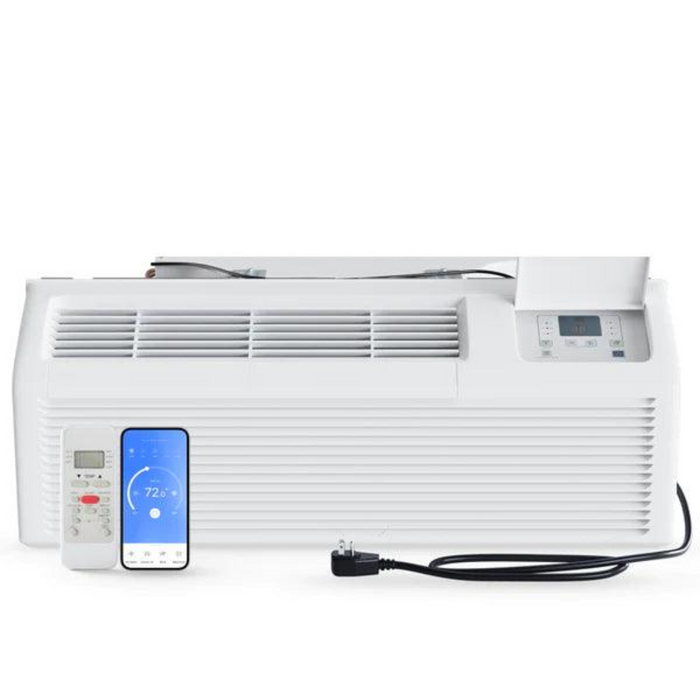
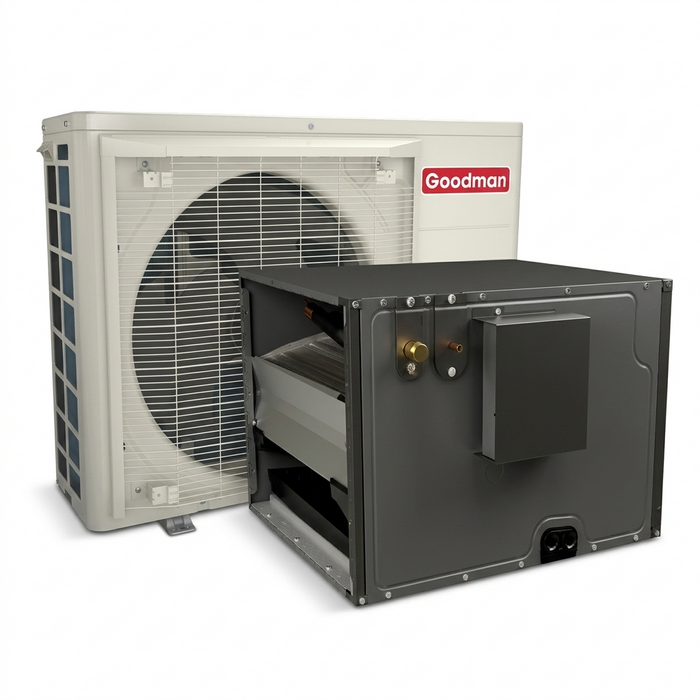
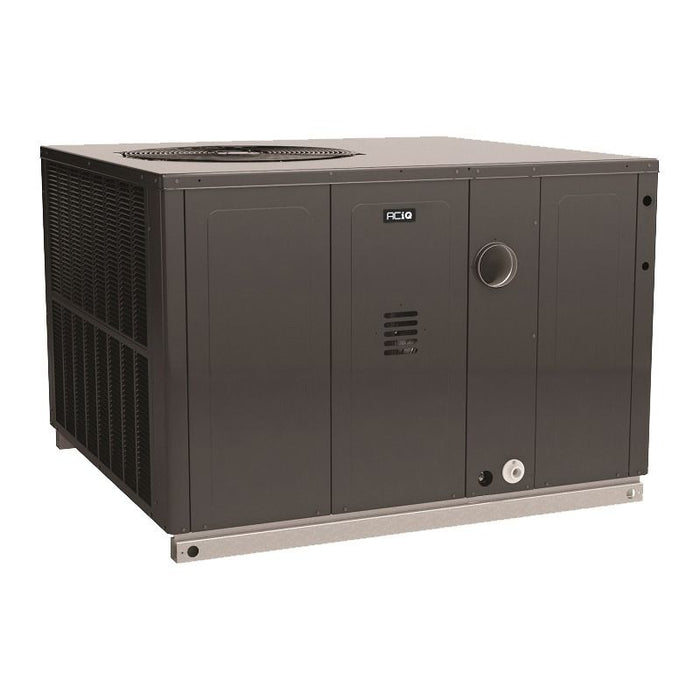
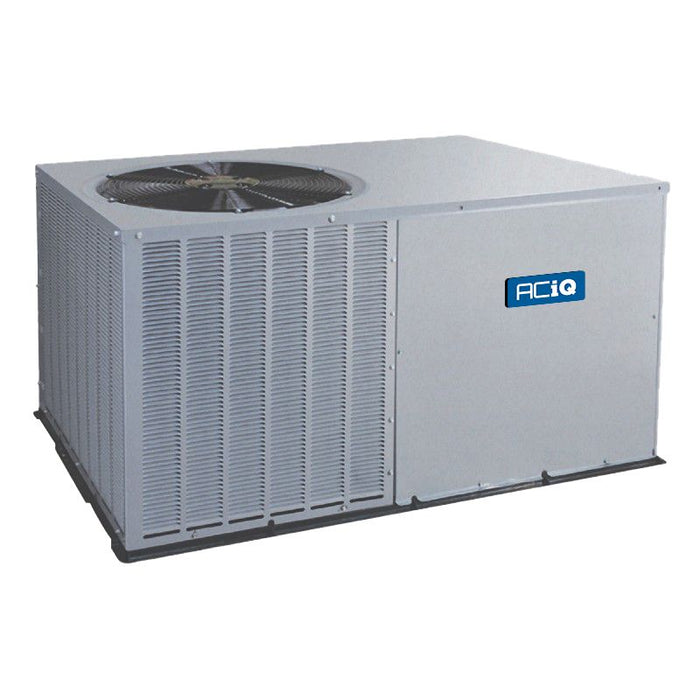
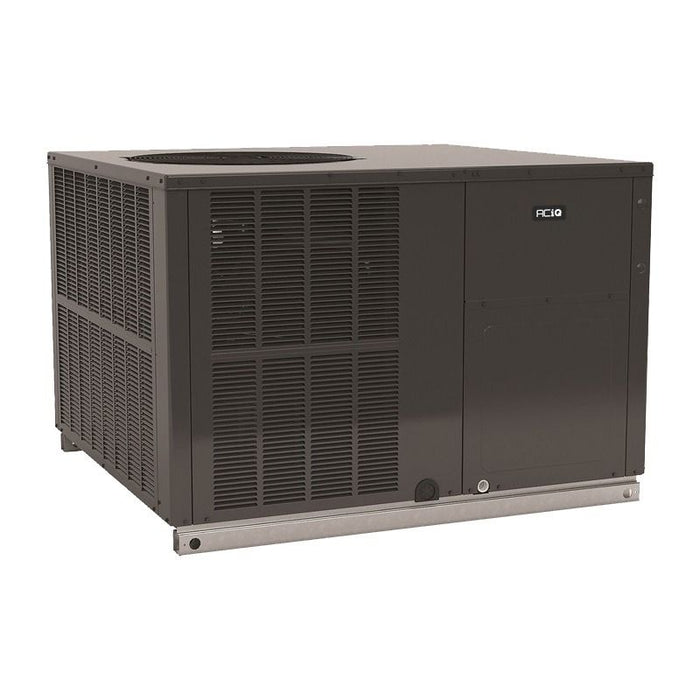
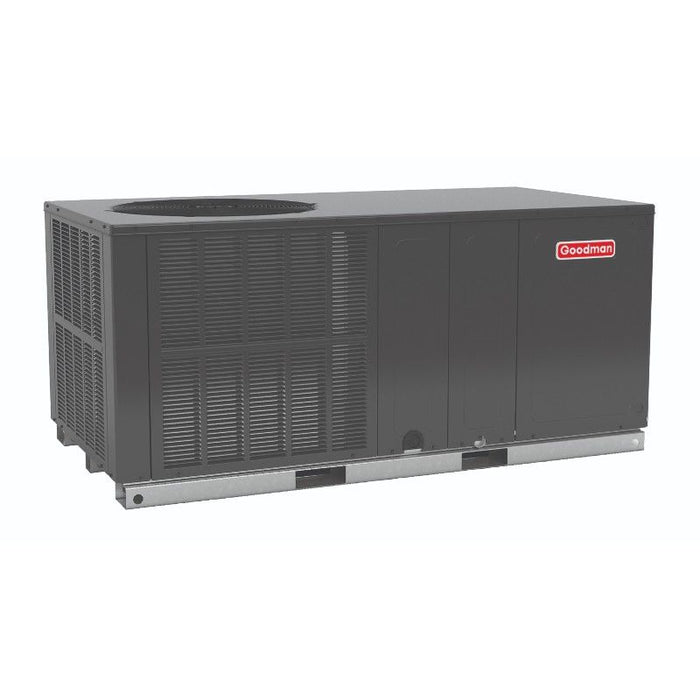
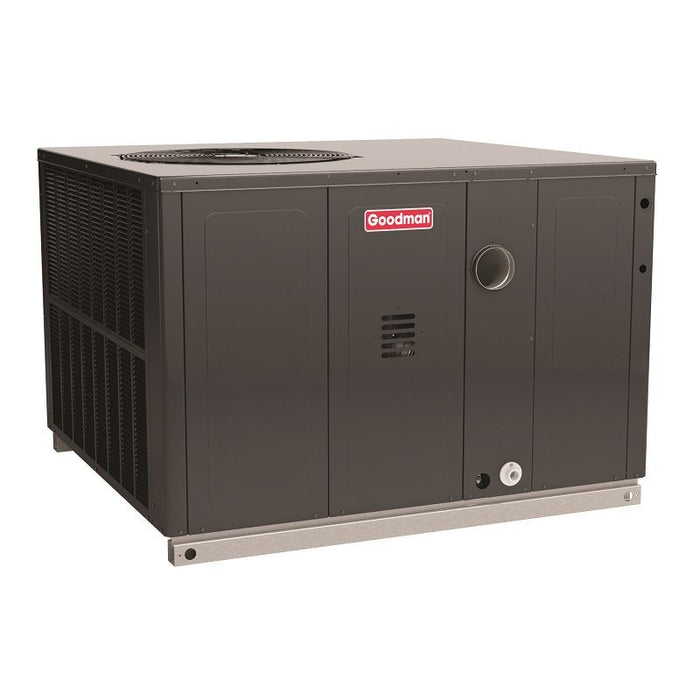
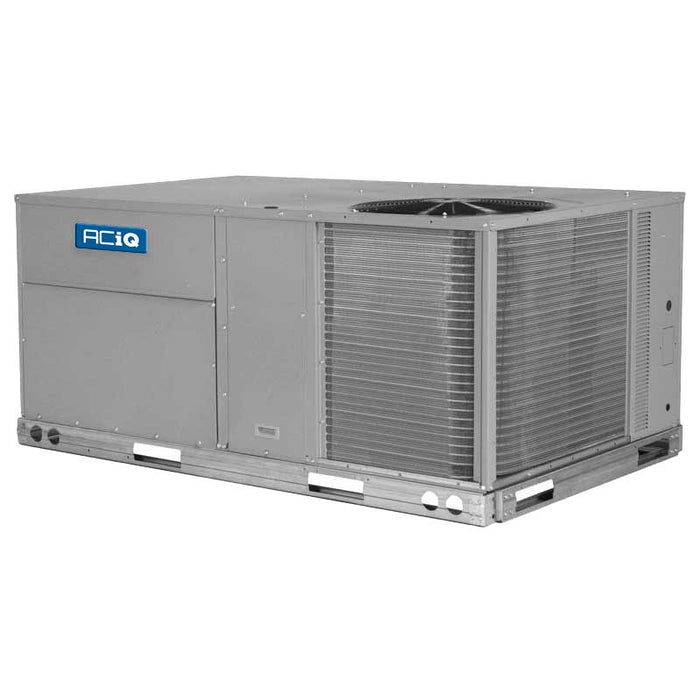
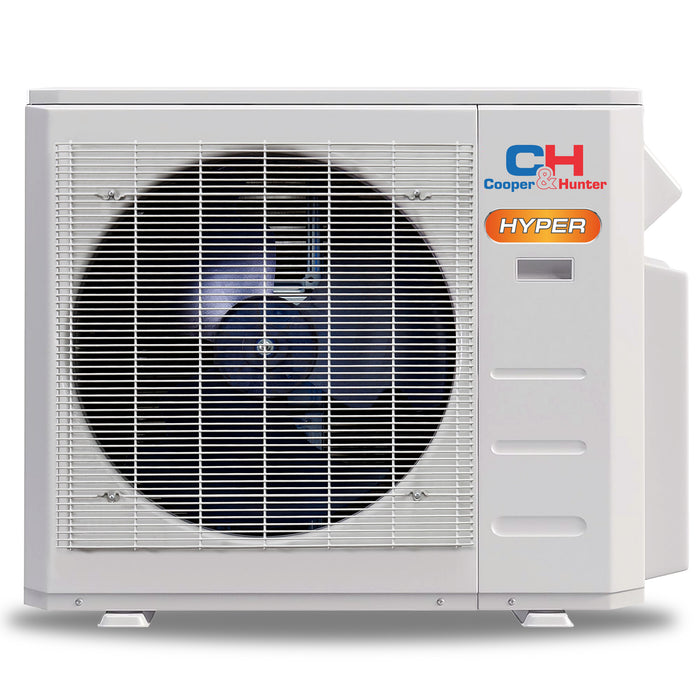
The most practical, cost-effective solution for winterizing manufactured housing is installing a high-efficiency mobile home heat pump package unit winter upgrade. An all-in-one exterior packaged system consolidates all refrigeration, heating elements, and air blowing components into a single weather-resistant cabinet mounted outside the home. Sourcing pro-grade mobile home equipment from direct distribution platforms like HVAC Supplies allows property owners to secure HUD-compliant heating solutions before winter sets in. Modern packaged heat pumps paired with supplemental auxiliary heat kits deliver dependable winter warmth, eliminate indoor mechanical noise, and drastically lower monthly electric bills compared to outdated resistance heating setups.
HUD Compliance & Technical Requirements: Static Pressure & Airflow
Installing climate control equipment on manufactured housing requires strict adherence to regulations established by the U.S. Department of Housing and Urban Development (HUD). HUD safety standards mandate that all heating and cooling equipment installed on mobile homes must be certified specifically for manufactured housing applications. The primary technical difference between site-built residential HVAC systems and mobile home systems centers on ductwork engineering and external static pressure limits. Standard residential site-built homes are constructed with wide, low-resistance supply ducts designed to operate under an external static pressure threshold of 0.50 inches water column (in. w.c.).
In contrast, manufactured homes utilize narrow, concentrated floor supply trunks that run down the center of the structure beneath the floor belly. These restrictive duct systems create substantially higher air resistance, operating under strict HUD design limits of 0.30 in. w.c. external static pressure. Installing a standard residential split system or non-HUD-compliant package unit on a mobile home duct network causes severe static pressure imbalances. When an improperly matched blower attempts to push air through a restrictive mobile home duct trunk, airflow CFM drops drastically, causing high head-pressure trips on heat pump compressors, noisy supply grilles, and premature blower motor burnout.
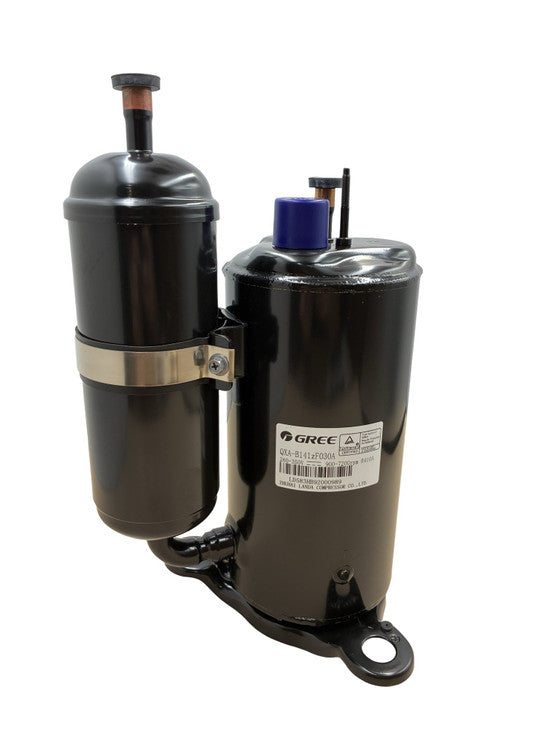
HUD-compliant packaged heat pumps solve these airflow challenges through factory-engineered, high-static blower motors. These heavy-duty blowers are calibrated to overcome tight duct resistance while delivering continuous, rated CFM airflow across the indoor evaporator coil. Consolidating all system components, including the compressor, outdoor condenser coil, indoor evaporator coil, and centrifugal blower, into a single exterior footprint frees up valuable indoor living space previously occupied by bulky interior furnace closets. Furthermore, outdoor cabinet installation eliminates combustion gas risks indoors while isolating mechanical sound outside the living space.
Supplemental Heating: Sizing Electric Heat Kits for Sub-Zero Weather
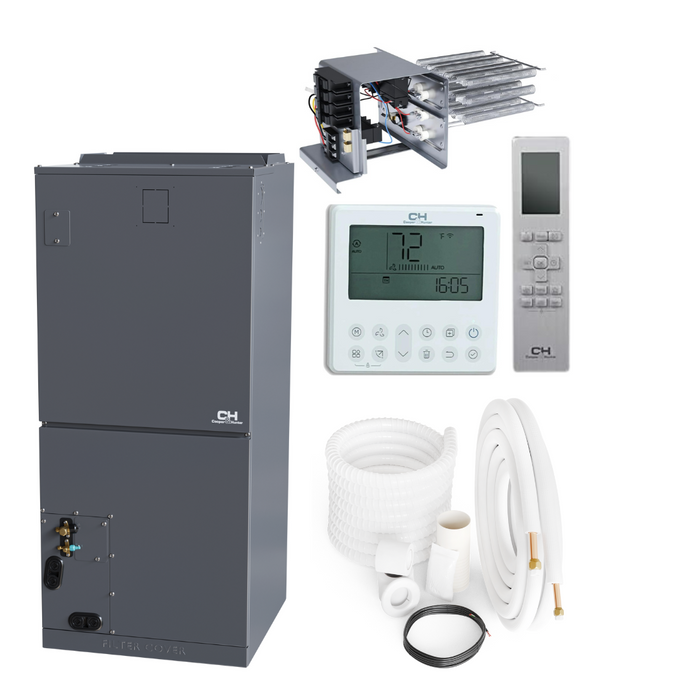
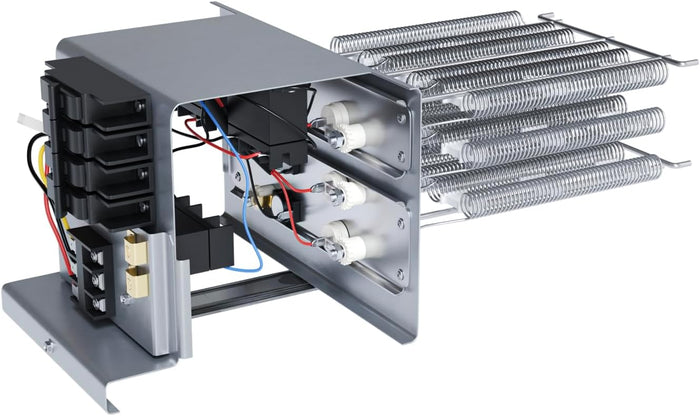
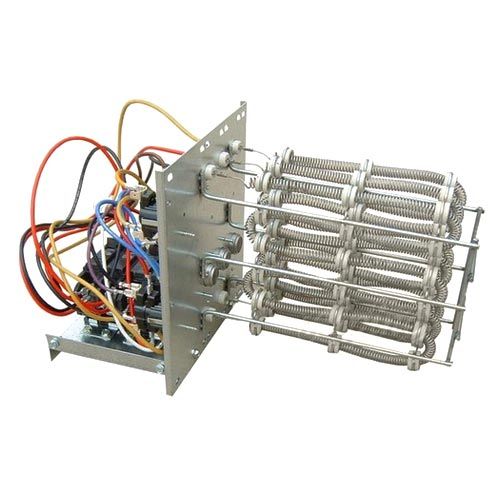
While air-source packaged heat pumps operate with remarkable efficiency during mild autumn and early winter weather, their heating capacity naturally drops as outdoor ambient temperatures fall below freezing. In sub-zero conditions, cold outdoor air contains less latent heat for the refrigeration cycle to extract. To ensure continuous indoor comfort during severe freezes, packaged heat pumps designed for manufactured homes utilize supplemental electric resistance heater kits (heat kits) installed directly inside the outdoor cabinet.
Electric heat kits serve as secondary emergency heat during extreme weather and supply temporary warm air while the outdoor heat pump undergoes its automated defrost cycle. When outdoor coils accumulate frost in winter, the heat pump briefly reverses its cycle into cooling mode to melt the ice; during this period, the electric heat kit energizes to prevent freezing outdoor air from blowing through interior floor registers. Electric resistance heating converts electrical energy to thermal energy at a direct physical conversion rate where 1 kilowatt (kW) produces 3,412 BTUs of heat per hour (1kW=3,412BTU/hr). Standard heat kit capacities for packaged units range from 5 kW (17,060 BTU/hr) up to 12 kW (40,944 BTU/hr).
Selecting the correct auxiliary kW capacity requires evaluating home square footage, regional winter design temperatures, and electrical service panel limits. Many older mobile home parks operate on 100-amp main electrical pedestals, which restricts the maximum allowable electric heat kit size. Installing an oversized 12 kW heat kit on a 100-amp service panel can trip the main exterior breaker when heating elements energize simultaneously with water heaters or kitchen appliances. Property owners must verify panel capacity and select a heat kit equipped with staged sequencers that energize heating elements incrementally to prevent sudden electrical inrush spikes.
| Mobile Home Size | System Tonnage | Auxiliary Heat Kit Size (kW) | Thermal Output (BTU/hr) | Recommended Electrical Breaker (240V) |
|---|---|---|---|---|
| Single-Wide (700 - 1,000 sq. ft.) | 2.0 - 2.5 Ton | 5 kW - 7.5 kW | 17,060 - 25,590 BTU/hr | 30A - 45A |
| Double-Wide (1,100 - 1,500 sq. ft.) | 3.0 - 3.5 Ton | 8 kW - 10 kW | 27,296 - 34,120 BTU/hr | 45A - 60A |
| Triple-Wide / Large Multi-Section (1,600+ sq. ft.) | 4.0 - 5.0 Ton | 10 kW - 12 kW | 34,120 - 40,944 BTU/hr | 60A / Dual Breakers |
Exterior Installation Essentials: Pads, Snow Risers & Duct Connections
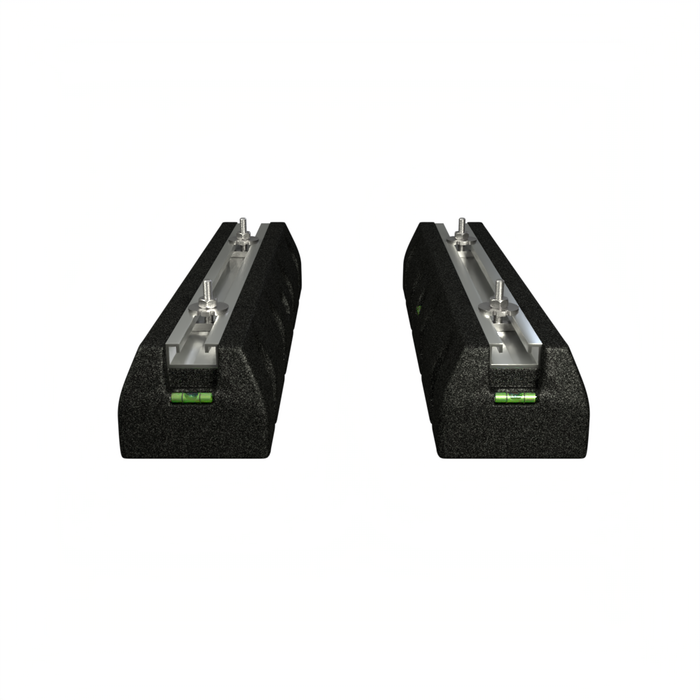
Proper outdoor equipment pad installation is critical when preparing a mobile home packaged heat pump for winter operations. Exterior package units should never rest directly on bare soil or unlevel ground, as settling soil causes mechanical stress on refrigerant lines and prevents proper condensate drainage. Installers must set the unit on a heavy-duty, UV-stabilized composite equipment pad level with the exterior foundation. In northern climate zones subject to heavy snowfall, raising the package unit on 6 to 12-inch heavy-duty snow risers or brackets is essential. Elevating the unit keeps the outdoor condenser coil above drifting snow lines, ensuring unimpeded airflow during winter defrost cycles and preventing ice damming in the base pan.
The connection between the exterior package unit and the under-home supply and return ductwork represents the most critical thermal interface in a manufactured home setup. Air distribution is handled through heavy-duty insulated flexible ducting connected to supply and return transition boots attached to the home's belly pan. To prevent massive winter heat loss beneath the crawlspace, installers must use flexible ducting rated at minimum R-8 thermal insulation. Flex duct runs must be secured to package unit collar boots using heavy-duty nylon draw bands, sealed with mastic duct sealant, and wrapped with foil tape to create an airtight, vapor-sealed joint.
Protecting under-home crossover ductwork and belly wrap insulation is equally important for winter readiness. On double-wide manufactured homes, flexible crossover ducts bridge supply air from the primary home section to the secondary section beneath the floor. If the crossover duct sags onto bare ground or develops tears in its outer jacket, freezing winter air enters the supply stream, causing drastic heat loss and condensation buildup. Installers should elevate crossover ductwork off the ground using wide nylon support straps, repair any belly wrap fabric tears with specialized belly-repair tape, and ensure exterior skirting panels provide adequate ventilation while blocking direct wind gusts.
Specialized Mobile Home Packages, Split Alternatives & Accessory Integration
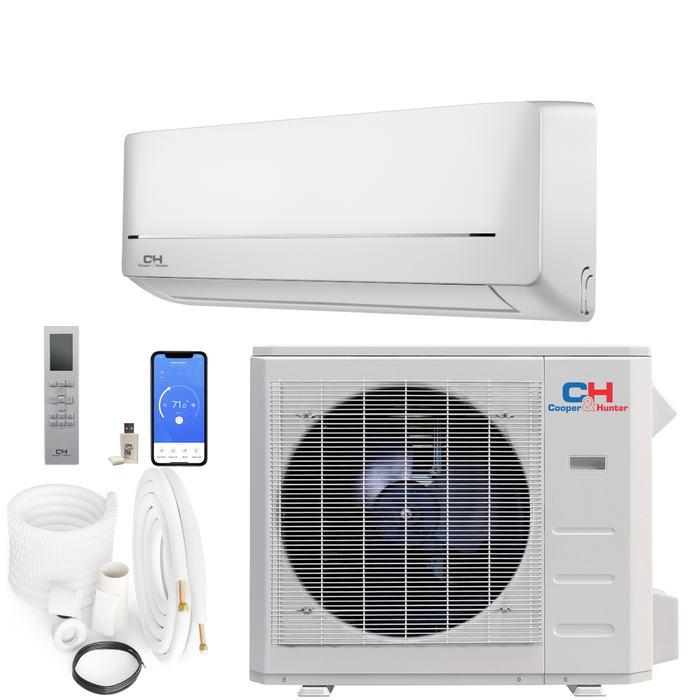
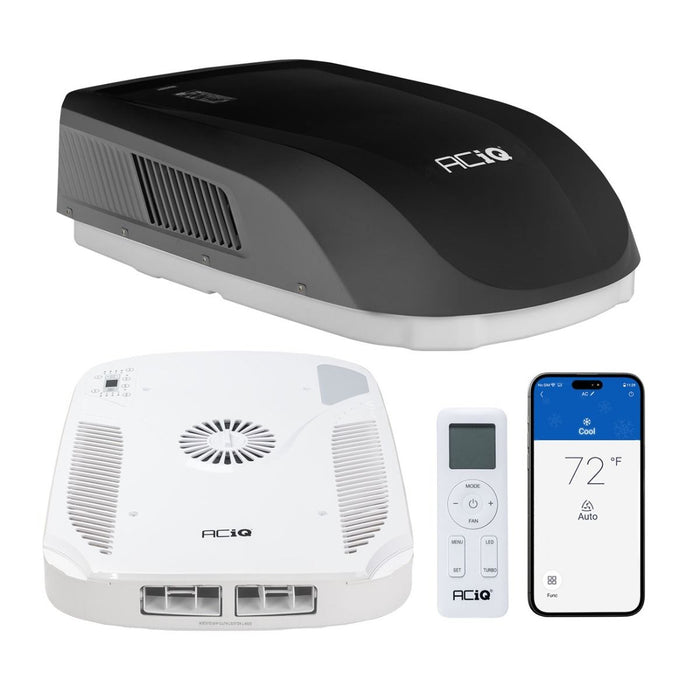
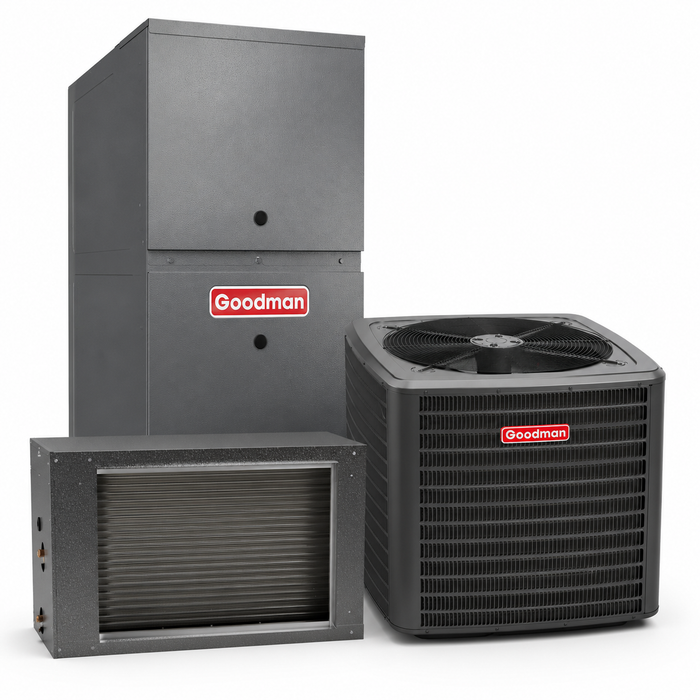
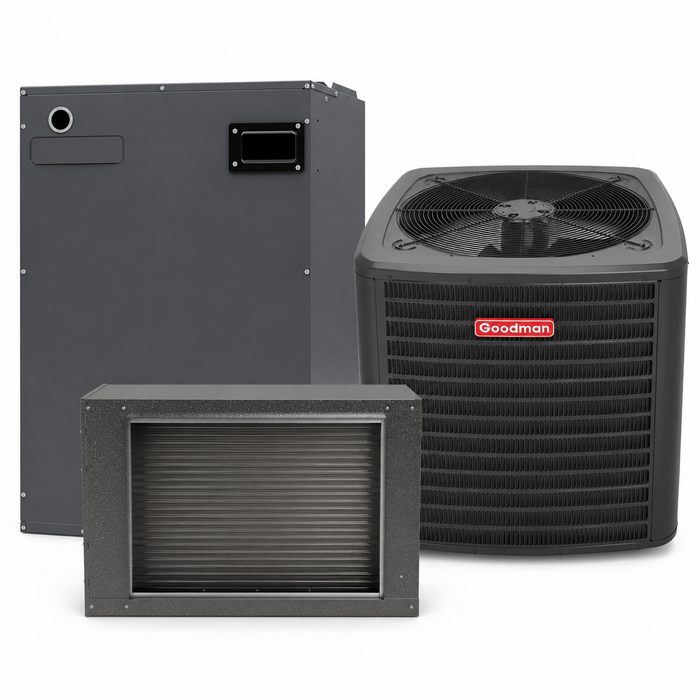
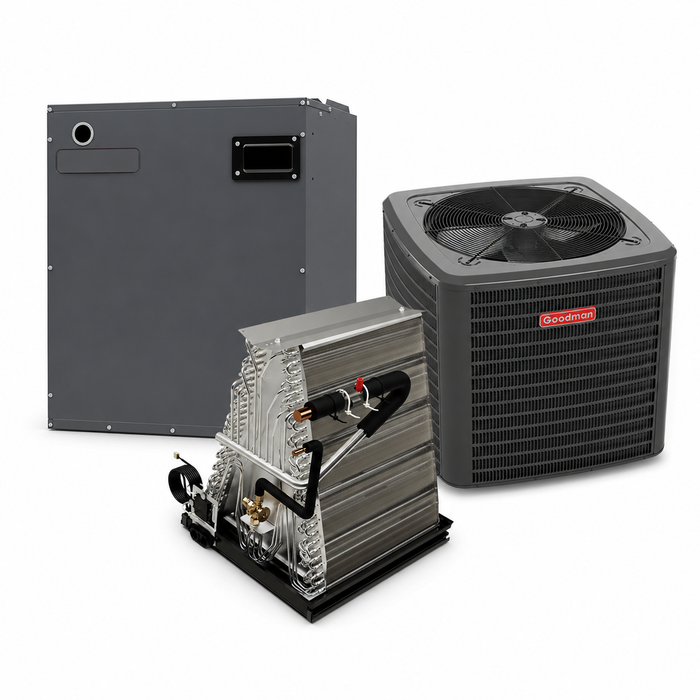
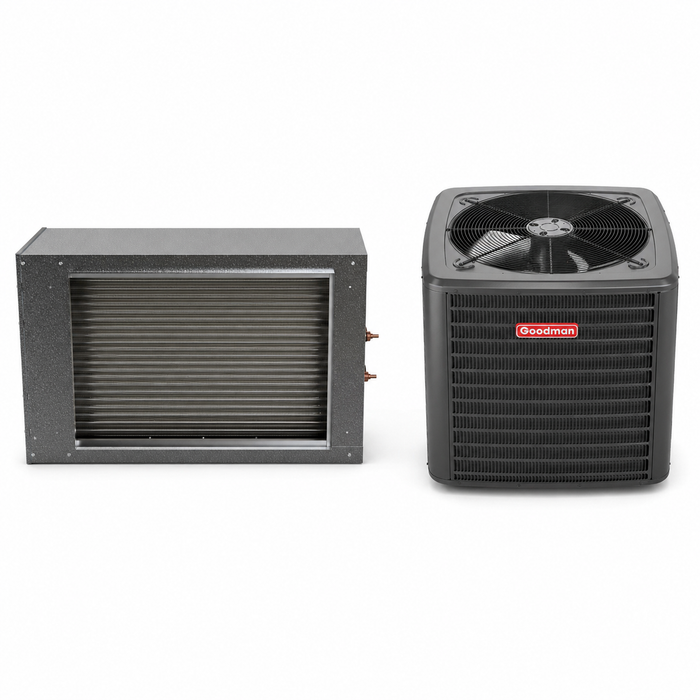
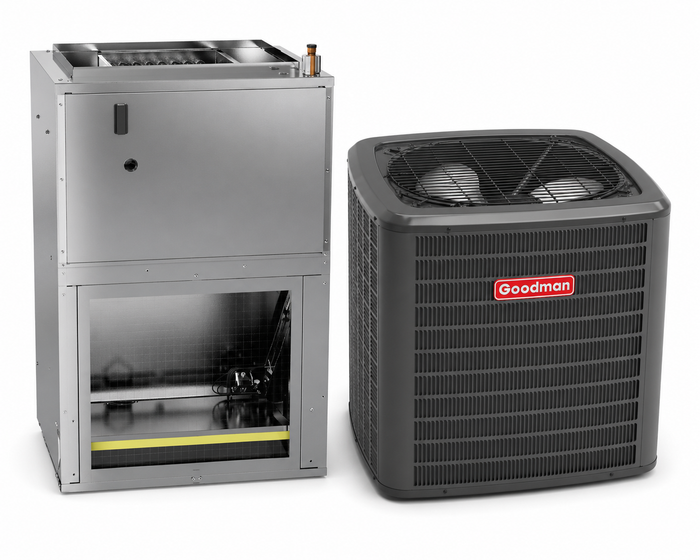
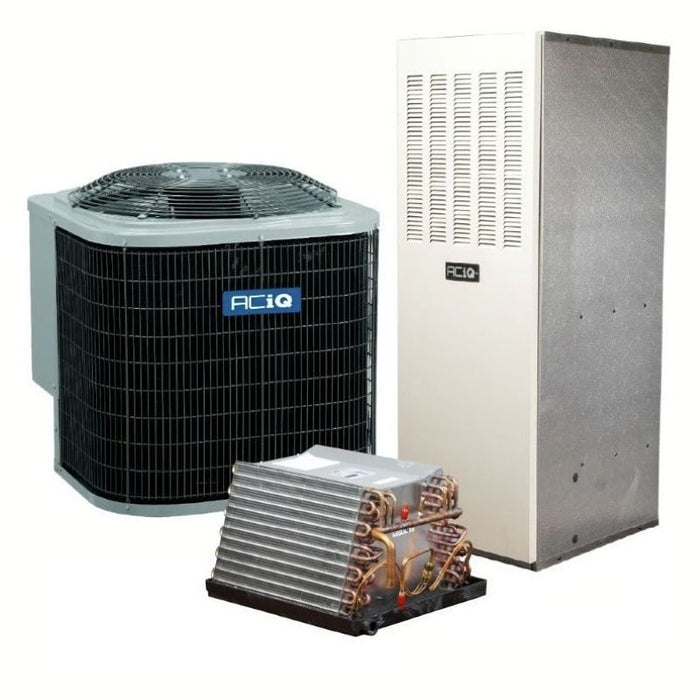
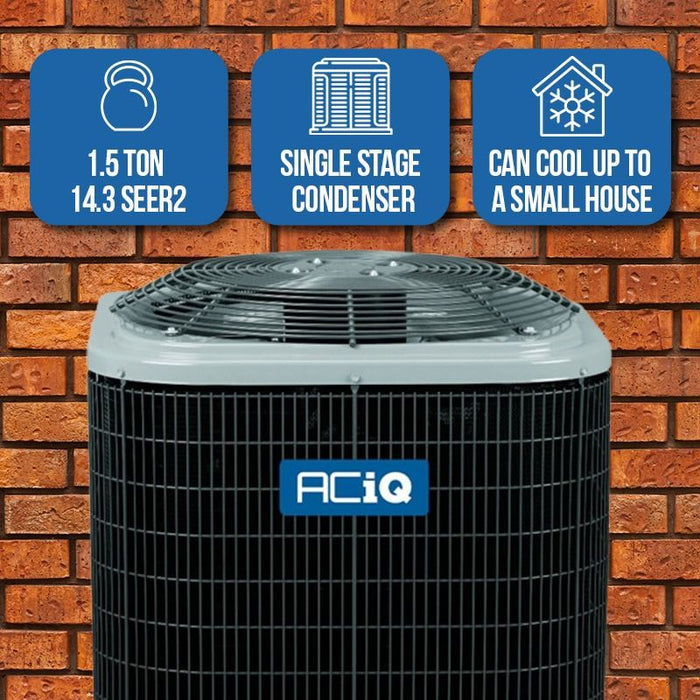
Property managers and contractors upgrading manufactured home HVAC systems can choose between packaged outdoor heat pumps and specialized central split options engineered specifically for HUD static pressure limits. For properties equipped with interior utility closets, homeowners can examine the complete Mobile Home AC and Coil Systems collection. Sizing options cover various floor plan square footages across brackets such as 18k–24k BTU, 24k–30k BTU, 30k–36k BTU, 36k–48k BTU, and 48k–60k BTU. Matched system options like ACiQ mobile home AC and coil systems deliver reliable high-static airflow matched to mobile home furnace cabinets.
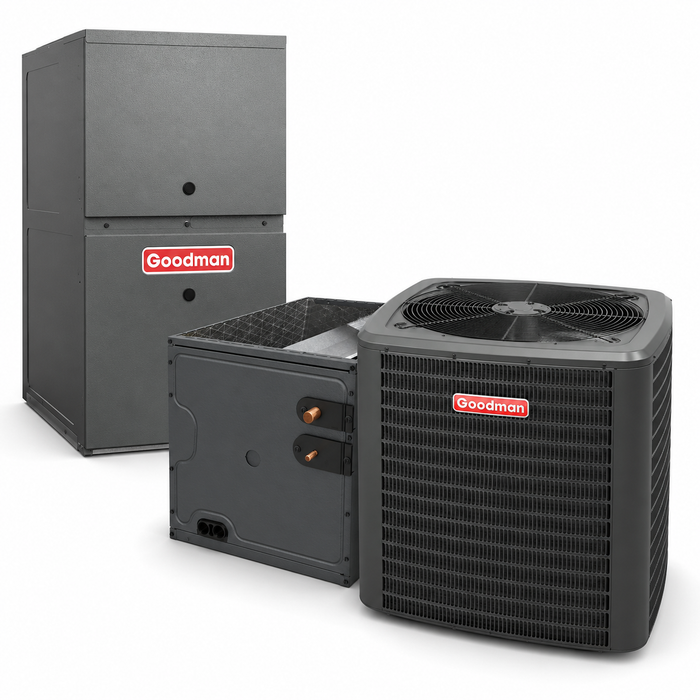
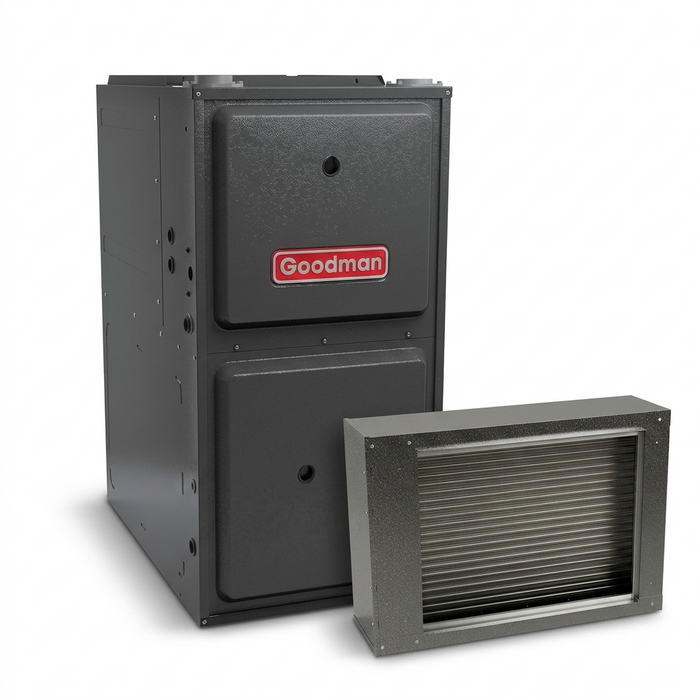
For standard site-built structures or central ducted retrofits requiring split condenser and coil assemblies, property owners can evaluate central AC plus coil lineups. Sizing brackets span small residential footprints up to large commercial footprints: 15k–18k BTU, 18k–24k BTU, 24k–30k BTU, 30k–36k BTU, 36k–48k BTU, 48k–60k BTU, and 60k–72k BTU. Homeowners can select matched system packages such as ACiQ AC plus coil equipment, cased ACiQ evaporator coils, dual-fuel hybrid ACiQ furnace plus coil packages, and high-efficiency ACiQ heat pump plus coil systems.
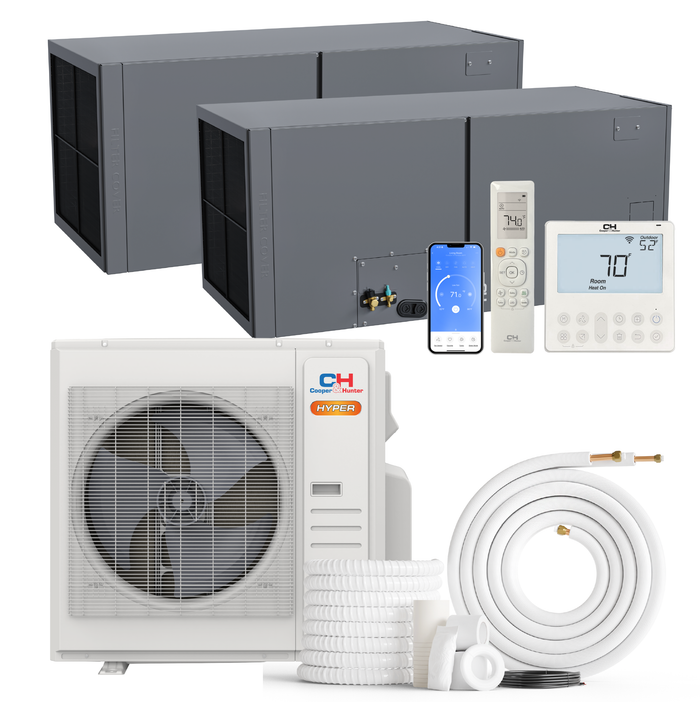
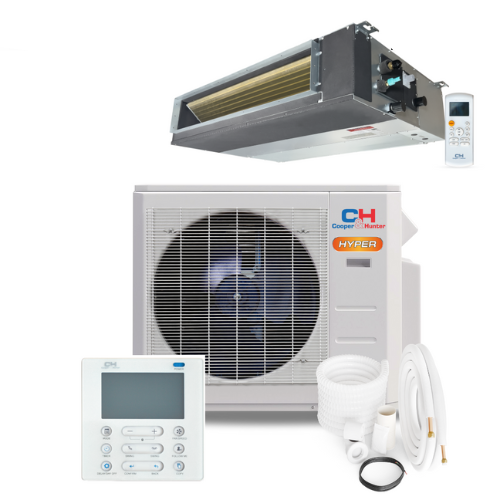
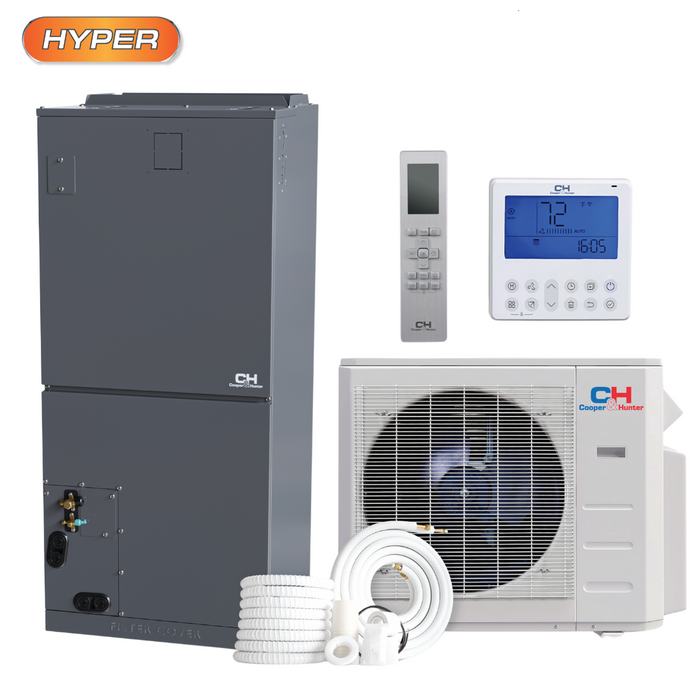
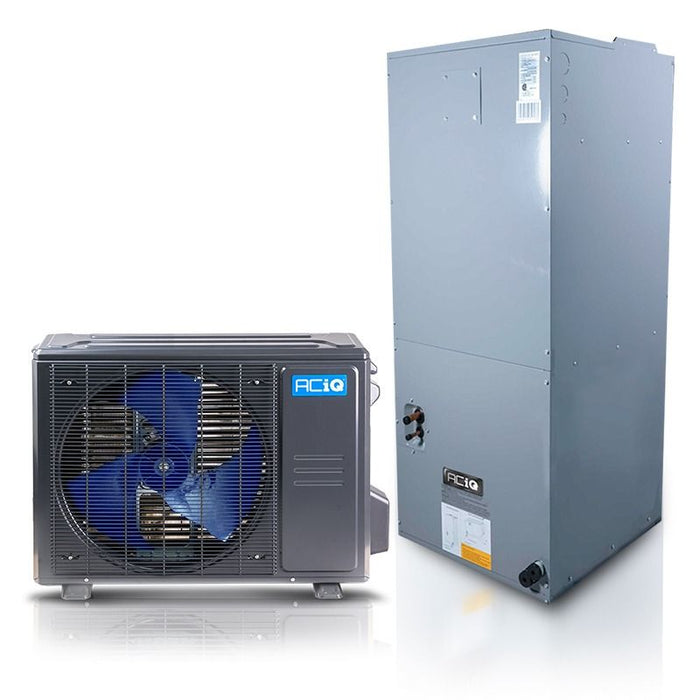
Matching central split or package units with reliable blower cabinets is essential for maintaining design CFM. Property owners can source high-performance indoor units from broad air handlers collections, featuring brand lines like ACiQ air handlers, Cooper & Hunter air handlers, and MRCOOL air handlers.
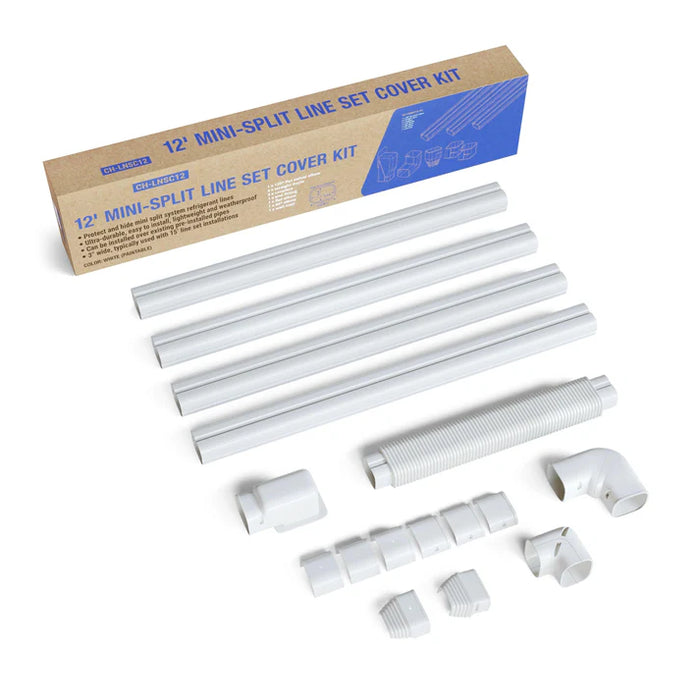
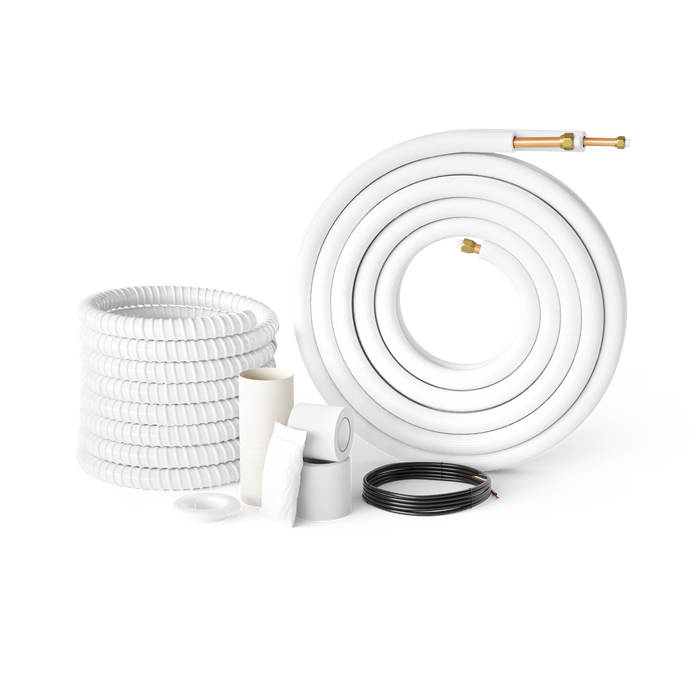
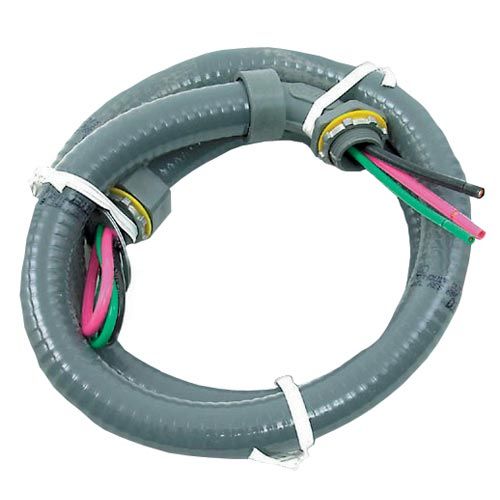
Completing a professional winter installation requires sourcing pro-grade mounting accessories, line sets, and electrical safety components. Installers can find items across specialized catalog collections: general parts and accessories, dedicated AC electrical accessories, high-grade air quality accessories, engineered central ducted accessories, specialized mini splits accessories, manufactured mobile home accessories, package units accessories, and specialized specialty units accessories. Additional installation components include protective line set covers and mounting brackets from Armbridge, along with durable parts from Bravo and ACiQ.
Integrating Mini-Split Zoning & Regional Climate Considerations
In addition to primary packaged heating, many manufactured home owners install supplemental ductless mini-split systems to resolve localized temperature imbalances in room additions, master suites, or sunrooms.
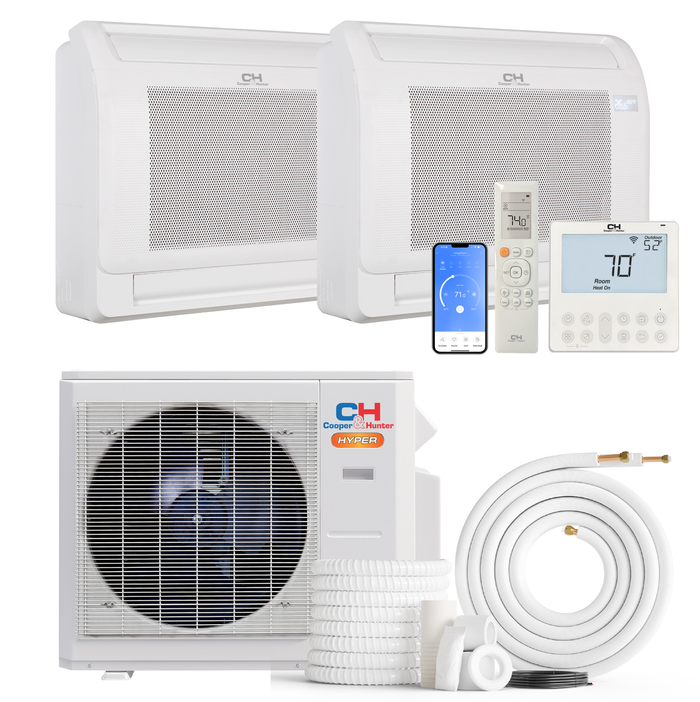
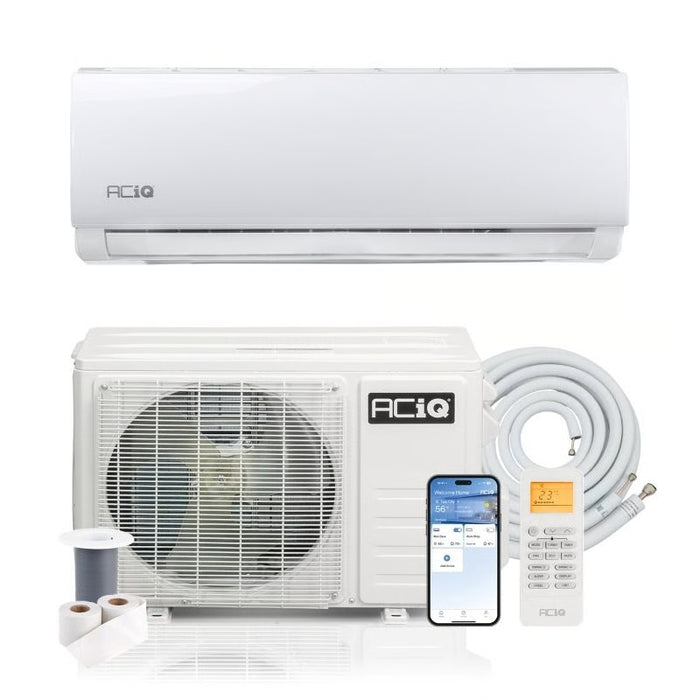
High-wall ductless mini-splits deliver targeted room heating without extending under-home ductwork. For multi-room additions or full-home ductless heating, property owners can browse the comprehensive 6-Zone Wall Mount collection across capacity brackets 36k–48k BTU, 48k–60k BTU, and 60k–72k BTU. Top choices include ACiQ 6-zone wall mounts, Cooper & Hunter 6-zone wall mounts, and MRCOOL 6-zone wall mounts.
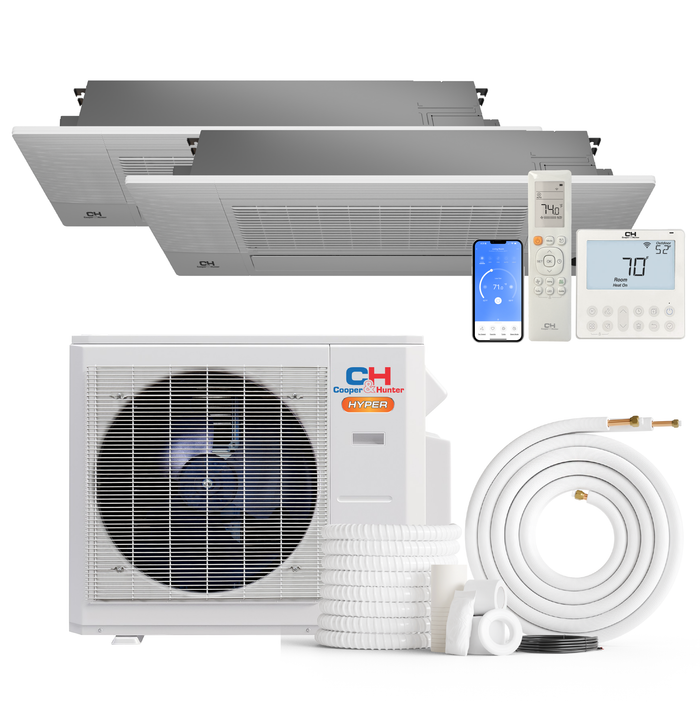
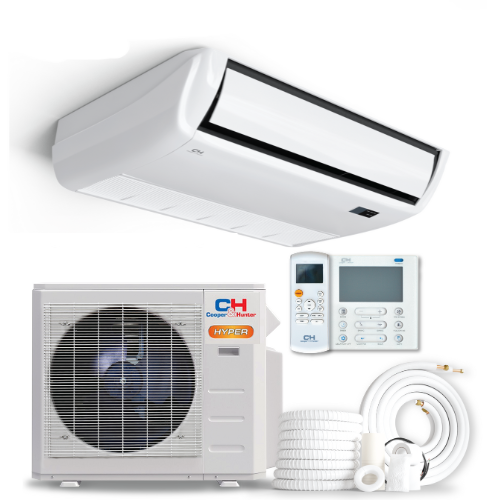
Flush-mounted ceiling cassettes offer space-saving, ceiling-recessed air distribution. Single-zone 1-way ceiling cassettes can be selected from the Single Zone 1-Way Ceiling Cassette catalog across capacity sizes 5k–9k BTU, 9k–12k BTU, 12k–15k BTU, 15k–18k BTU, and 18k–24k BTU. Featured 1-way lines include ACiQ 1-way cassettes, Cooper & Hunter 1-way cassettes, and MRCOOL 1-way cassettes.
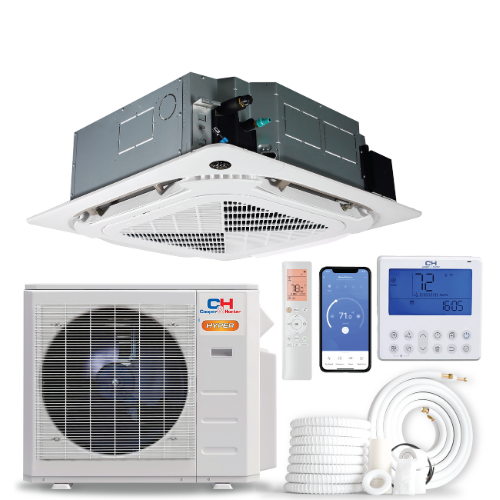
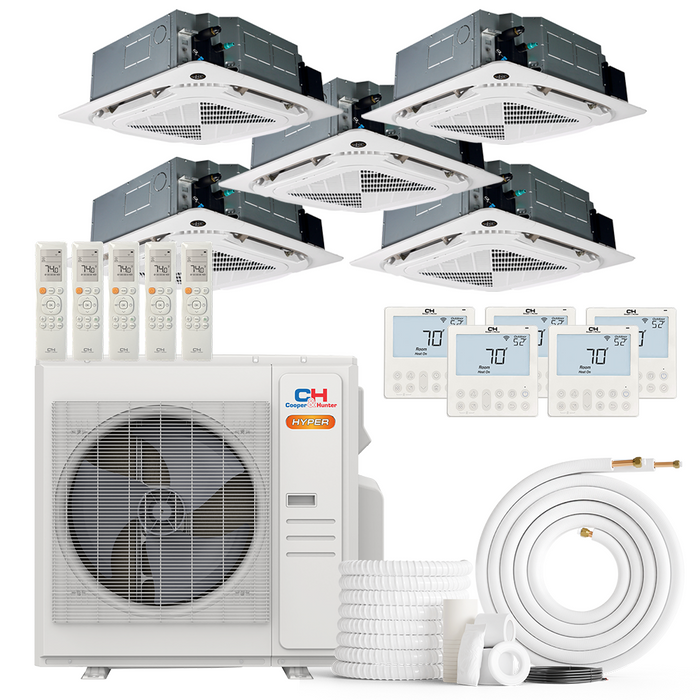
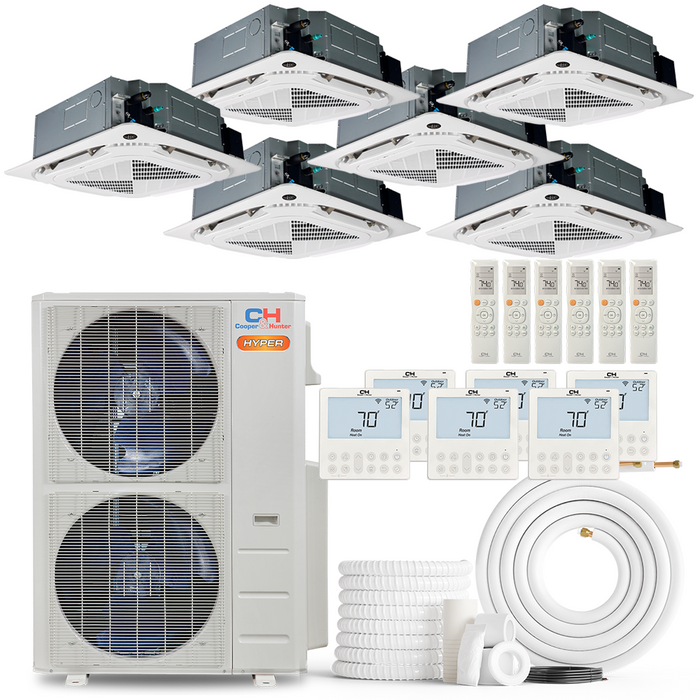
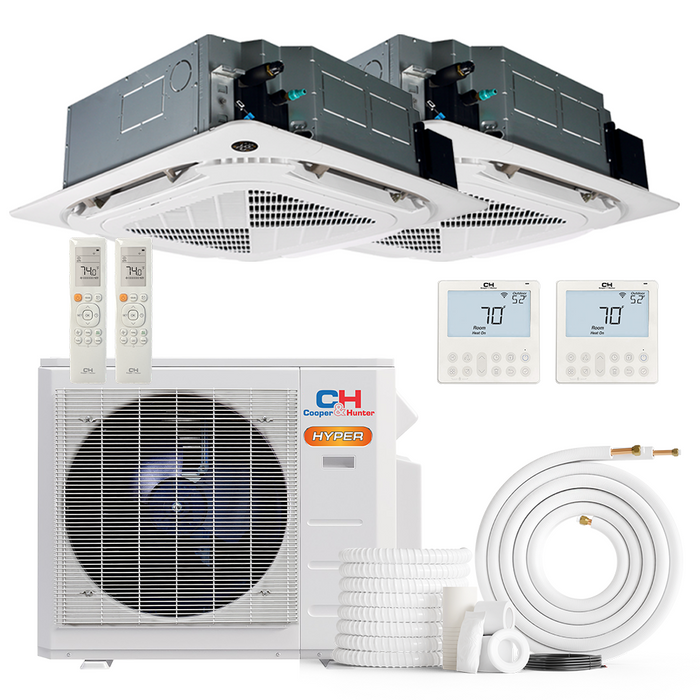
Single-zone 4-way cassettes deliver wide 360-degree heat dispersion across capacity options including 5k–9k BTU, 9k–12k BTU, 36k–48k BTU, and 48k–60k BTU. Premium 4-way lines feature choices from ACiQ 4-way cassettes, Cooper & Hunter 4-way cassettes, Daikin 4-way cassettes, and MRCOOL 4-way cassettes.
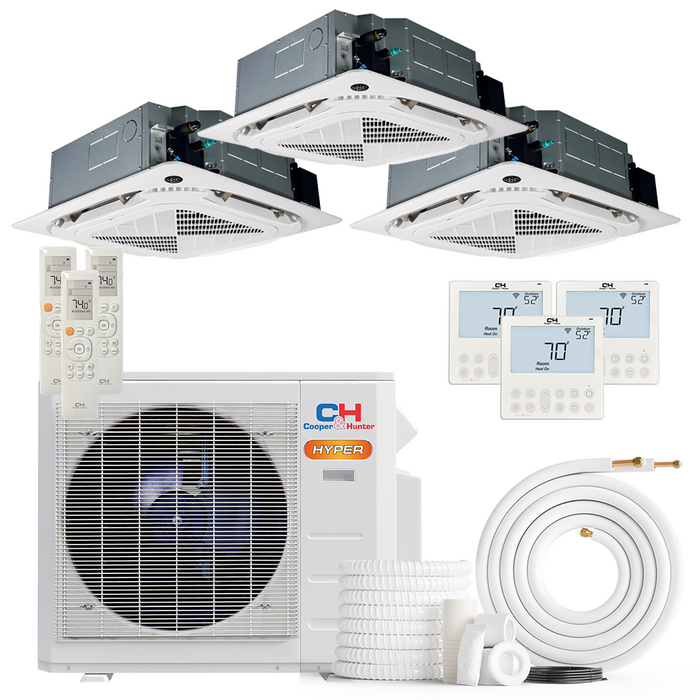
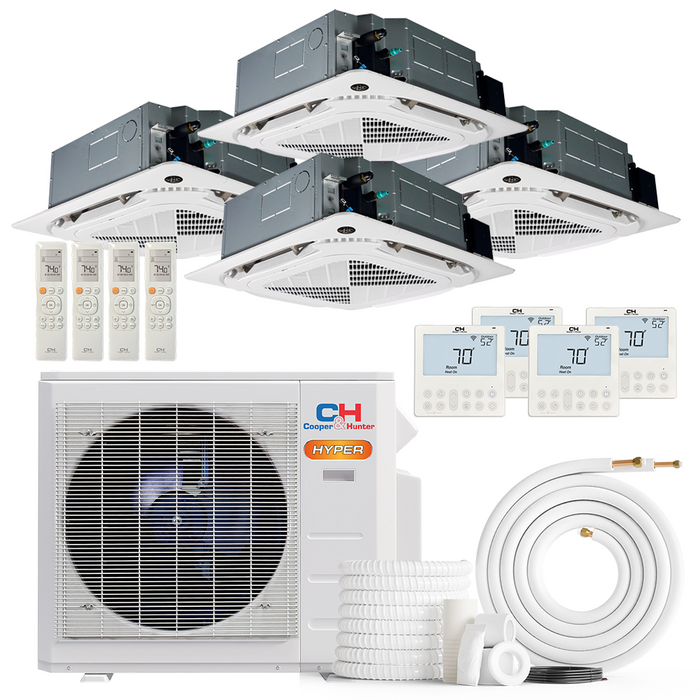
Multi-room ductless zoning can also be configured using multi-zone ceiling cassette collections. General multi-zone options are listed under Ductless Multi-Zone 4-Way Ceiling Cassettes, featuring matched lines from ACiQ, Bravo, and Cooper & Hunter.
Pre-Winter Checklist & Seasonal Maintenance
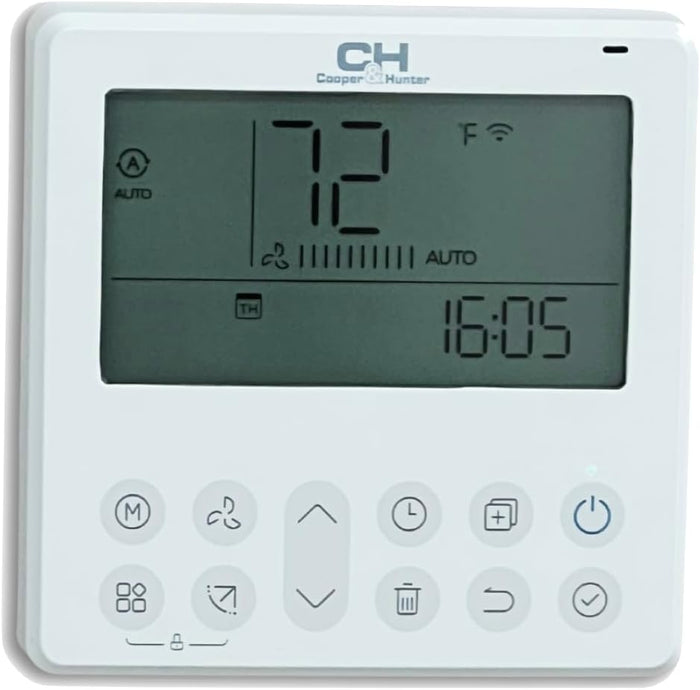
Performing a thorough autumn maintenance inspection on a mobile home packaged heat pump ensures trouble-free winter operation before temperatures plummet. Property owners should begin by running an autumn heating test from the indoor thermostat. Switch the thermostat mode to "Heat" and raise the target setpoint 5 degrees above current room temperature to verify that the outdoor heat pump compressor ignites smoothly. Next, increase the setpoint further to trigger a second-stage heat call (W2) to confirm that the auxiliary electric heat kit energizes without tripping main circuit breakers.
Inspecting the under-home crawlspace and crossover ductwork is the single most effective maintenance step for lowering mobile home heating bills. Property owners should examine the bottom belly wrap fabric for tears, sags, or rodent damage, sealing any exposed insulation with heavy-duty belly repair tape. Verify that flexible crossover ducts are suspended off the ground using wide nylon straps and confirm that duct collars are tightly clamped and sealed with mastic.
Clearing outdoor cabinet clearances and inspecting interior return grilles completes the pre-winter checklist. Ensure that leaves, dry grass, and garden debris are cleared at least two feet away from the outdoor condenser coil to allow unrestricted airflow during winter defrost cycles. Indoors, replace all floor register air filters and confirm that interior return air grilles remain unblocked by furniture or carpeting to maintain proper design CFM airflow across the indoor coil.
Upgrading a manufactured home to a HUD-compliant, high-efficiency heat pump package unit before the first freeze provides quiet, dependable winter heating, eliminates cold crawlspace drafts, and delivers substantial monthly energy savings. Combined with auxiliary electric heat kits, proper pad elevation, and sealed under-home crossover ducting, an outdoor packaged heat pump ensures year-round comfort and long-term protection for manufactured housing infrastructure.
Ready to secure your property's heating system before the temperature drops? Contact us now and explore top-rated mobile home package units, HUD-approved split systems, multi-zone ceiling cassettes, and pro-grade installation accessories, or you can browse our complete catalog at HVAC Supplies.