

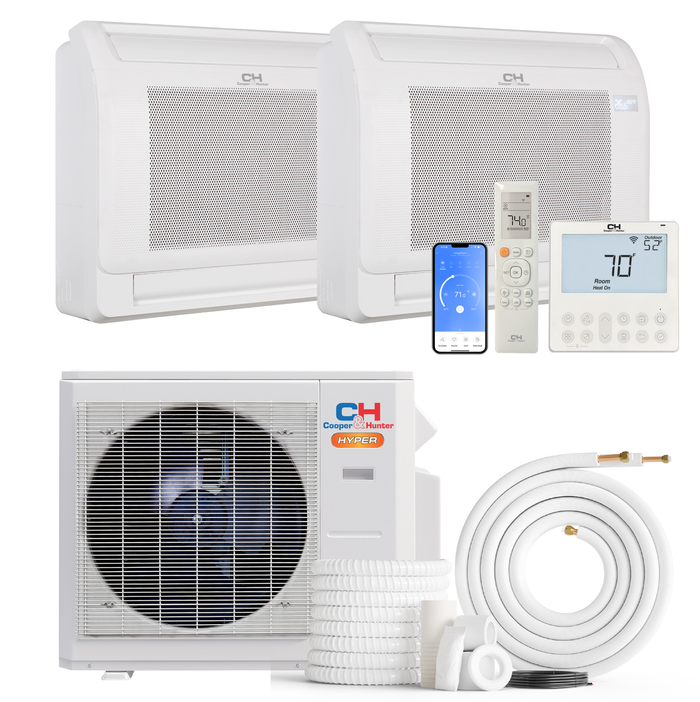
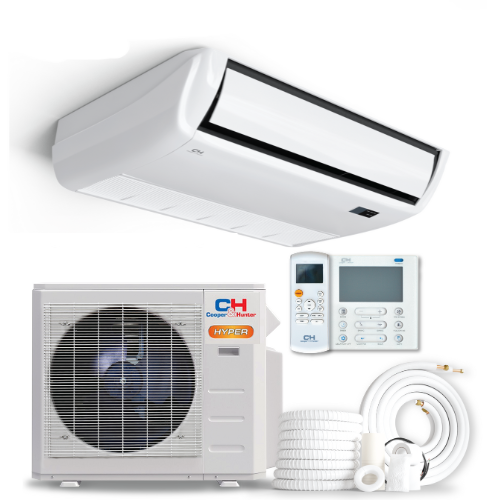
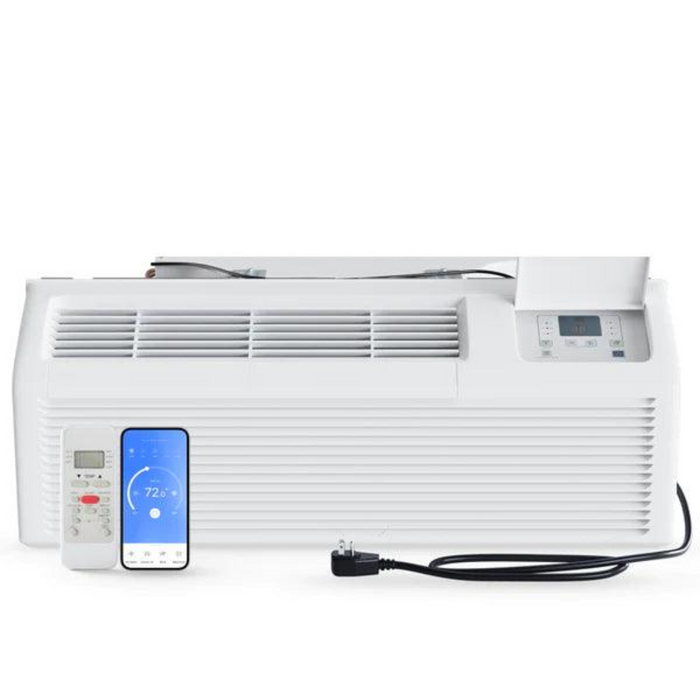
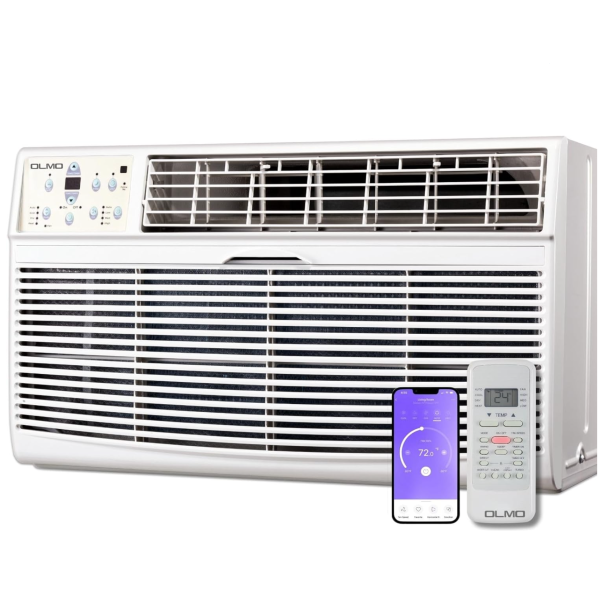














The Winter Heating Solution: Why Cold Climate Multi Zone Mini Splits Outperform Traditional Systems
Share
HVAC SUPPLIES
Cold Climate Heating Guide
Mastering Winter Efficiency: Cold Climate Multi-Zone Mini Splits & Hyper-Heat Technology
As freezing winter weather settles across northern and coastal regions alike, homeowners and commercial property managers face the annual challenge of maintaining comfortable indoor temperatures without incurring exorbitant utility bills. Traditional residential heating infrastructure, dominated by aging fuel oil boilers, propane furnaces, and inefficient electric resistance baseboards, presents inherent operational drawbacks. Fuel combustion systems are subject to volatile commodity pricing, require frequent maintenance, and often result in significant energy losses through uninsulated ductwork or piping. Meanwhile, electric baseboard systems draw immense amounts of power, generating localized heat that fails to circulate effectively throughout larger floor plans.
The core issue with legacy heating infrastructure is its binary, centralized nature. Standard boilers and central furnaces operate at a single burn rate, cycling full-blast on and off to satisfy a central thermostat. This creates harsh temperature swings, severe air stratification where heat collects along ceilings while floors remain freezing, and unnecessary energy expenditure in unoccupied rooms. For decades, property owners accepted these inefficiencies as an inevitable cost of winter living.
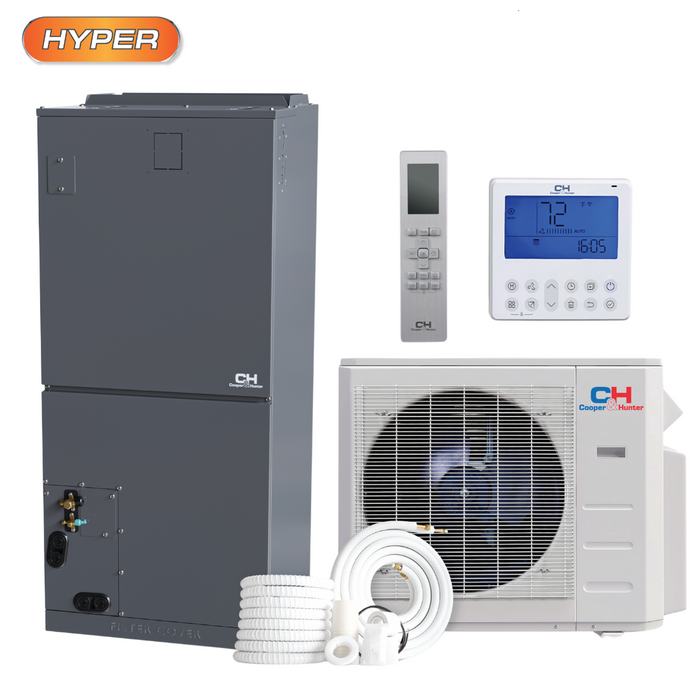
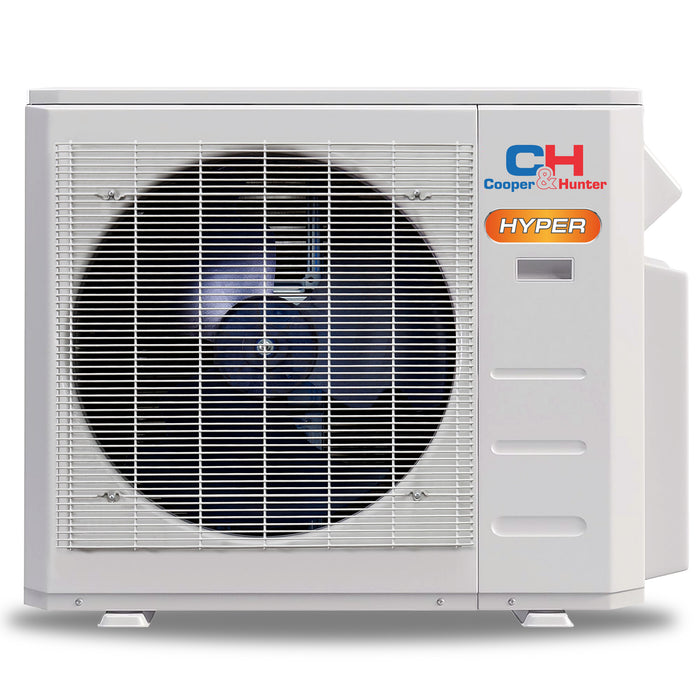
Recent breakthroughs in heat pump engineering have disrupted traditional heating paradigms. A modern cold climate multi zone mini split equipped with hyper-heat inverter technology delivers reliable, high-efficiency heating even when ambient outdoor temperatures plunge far below zero. Rather than burning fuel to create heat, these systems extract thermal energy from outside air and pump it indoors. Leading e-commerce distributor HVAC Supplies supplies contractors and property owners with pro-grade hyper-heat mini splits, central heat pumps, and replacement components engineered to solve complex cold-weather heating challenges.
The Engineering Behind Hyper-Heat Inverter Technology
Understanding why a cold climate multi zone mini split outperforms traditional heating requires an examination of compressor engineering. Standard heat pumps historically earned a reputation for failing in freezing weather because their heating capacity dropped drastically as outdoor temperatures fell below 32°F. As ambient air temperatures decrease, standard refrigerant cycles struggle to absorb sufficient latent heat, forcing traditional heat pumps to rely on auxiliary electric heating strips that consume immense amounts of power.
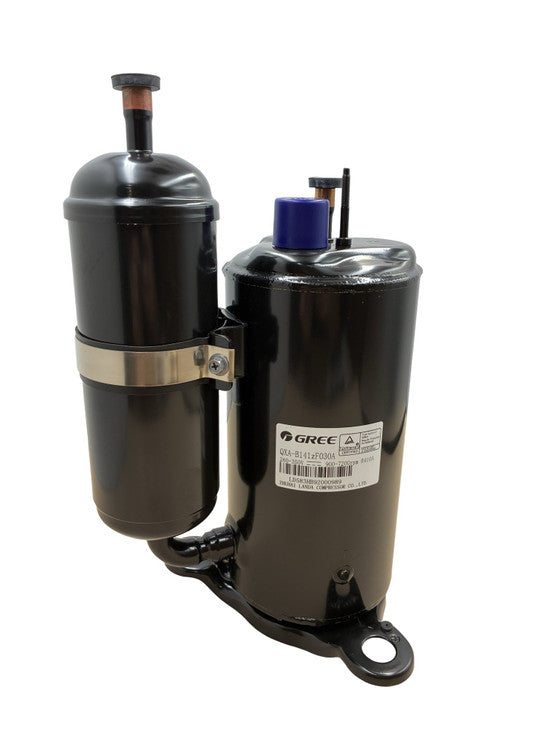
Cold-climate hyper-heat systems overcome ambient temperature limitations through advanced variable-speed inverter compressors paired with flash-injection or vapor-injection refrigerant circuits. Inverter technology allows the compressor motor to continuously adjust its operating frequency in real time, matching exact thermal loads rather than running at an all-or-nothing pace. When outdoor temperatures drop into sub-zero ranges, the inverter ramps compressor speeds beyond standard operating thresholds, maintaining higher refrigerant mass flow rates.
HYPER-HEAT VAPOR INJECTION PROCESS
│
▼
[ Sub-Zero Outdoor Air ] ──► Inverter Ramps Compressor Frequency
│
▼
[ Flash Vapor Injection ] ──► Boosts Mass Flow & Suppresses Discharge Heat
│
▼
[ 100% Heating Output at 0°F ] ──► Continuous Operation Down to -22°F
Vapor-injection technology enhances sub-zero heating output by diverting a portion of liquid refrigerant through an expansion valve into a high-efficiency sub-cooler. This creates a two-phase gas-liquid mixture injected directly into an intermediate port on the compressor. The resulting secondary cooling effect reduces discharge gas temperatures, allowing the compressor to operate safely at higher compression ratios and higher mass flows during severe freezes. Consequently, hyper-heat systems maintain up to 100% rated heating capacity at 0°F and continue delivering dependable warmth at temperatures as low as -13°F or -22°F.
In addition to advanced compression, cold-climate mini splits feature intelligent defrost management. In sub-freezing weather, moisture in the outdoor air condenses and freezes on condenser coils. Legacy systems run rigid, timed defrost cycles that interrupt indoor heating at set intervals whether the coil needs it or not. Hyper-heat units utilize microprocessors and temperature sensors to monitor coil pressure and temperature differentials, initiating defrost cycles only when frost accumulation actually restricts airflow. This minimizes heating interruptions and maintains higher seasonal COP (Coefficient of Performance) ratings throughout the winter.
Multi-Zone Versatility & Architectural Integration
One of the greatest advantages of a cold climate multi zone mini split is its ability to deliver customized, room-by-room climate control from a single outdoor condenser. Residential homes rarely experience uniform heat loss; upper floors absorb rising warmth while subterranean basements and north-facing additions lose heat rapidly through uninsulated foundations and exterior walls. Centralized boilers attempt to address this through motorized zone valves, but they still circulate water at fixed temperatures, consuming high levels of energy regardless of individual room occupancy.
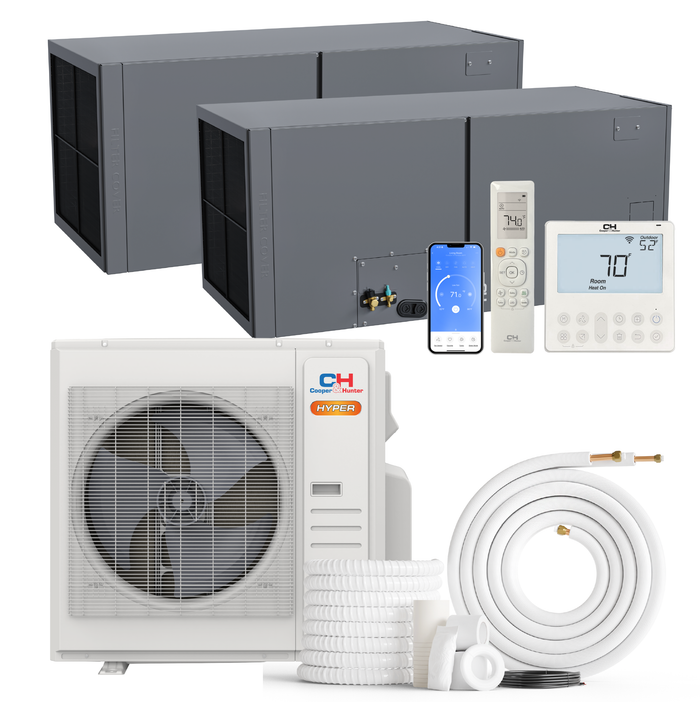
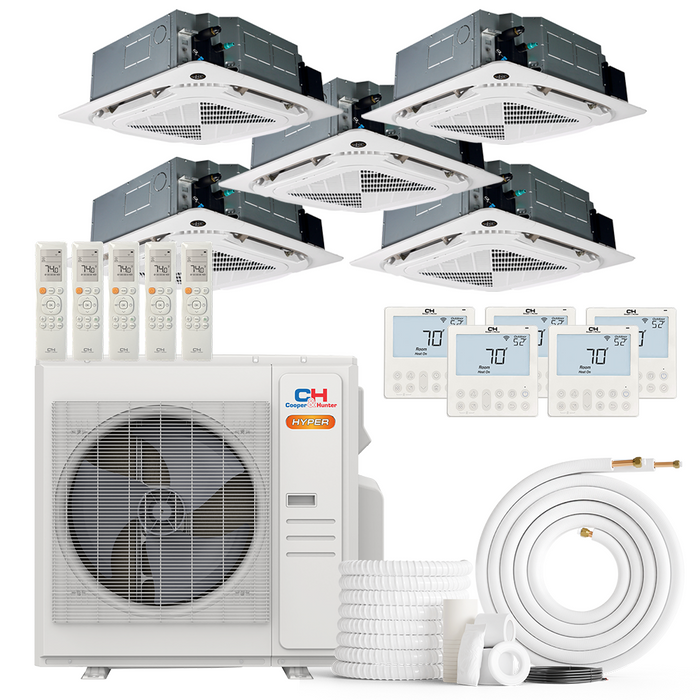
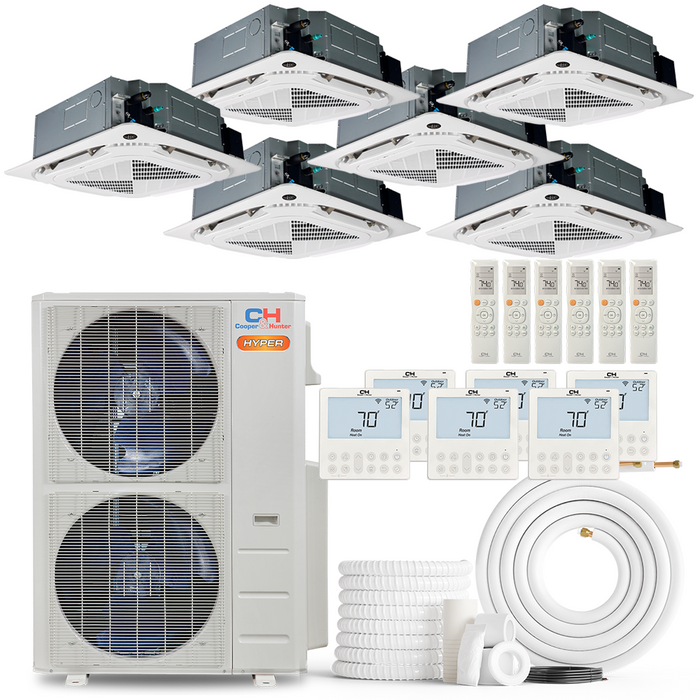
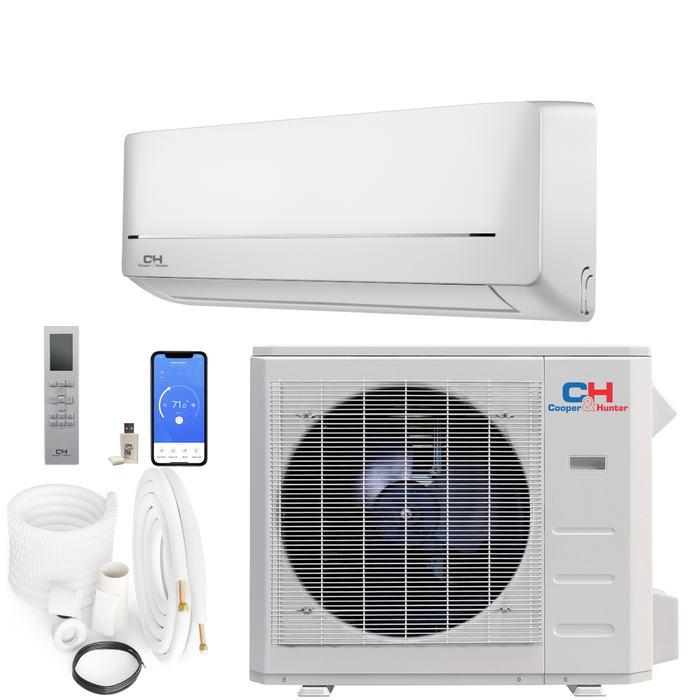
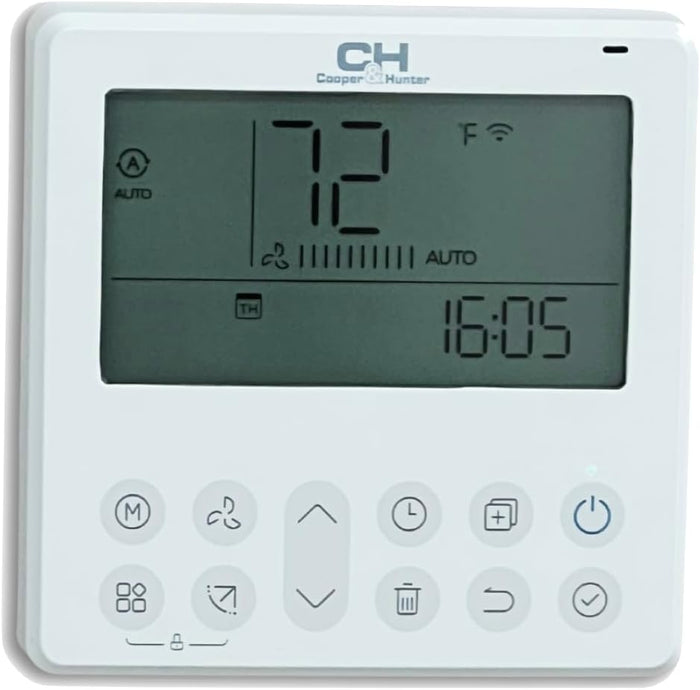
Multi-zone inverter mini splits allow up to six independent indoor handlers to connect to one outdoor unit. Each indoor handler operates on its own thermostat controller, drawing only the precise amount of refrigerant needed to maintain its target setpoint. Unused guest rooms or home offices can be kept at lower, energy-saving temperatures during the day, while active living areas remain perfectly warmed. This targeted zone control eliminates heat waste and can lower overall heating expenses by up to 40% compared to central heating setups.
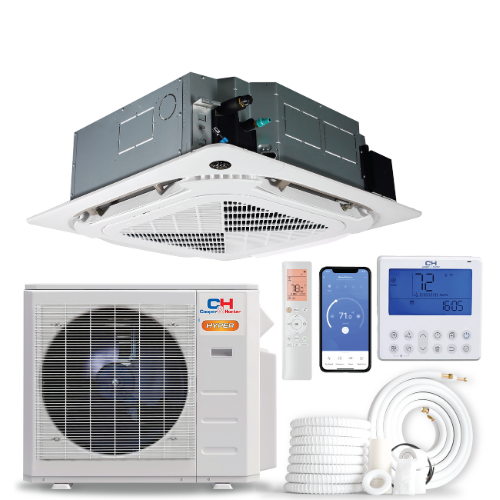
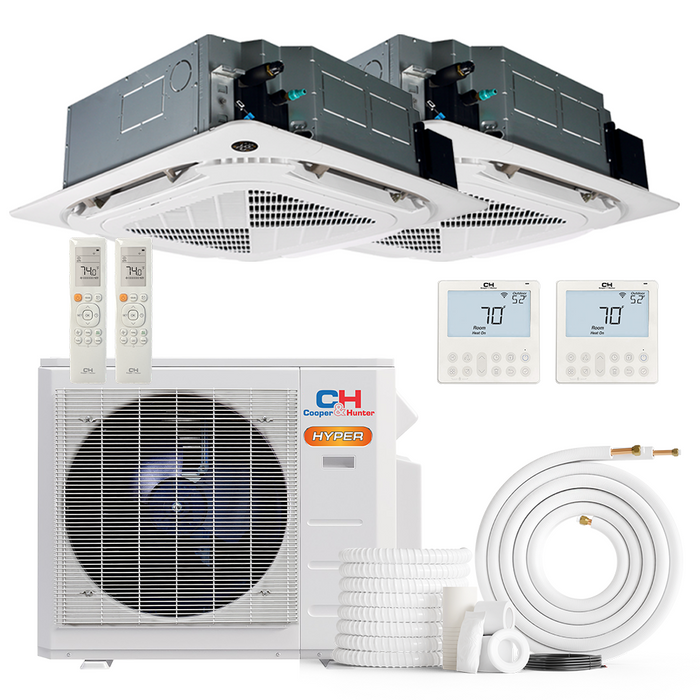
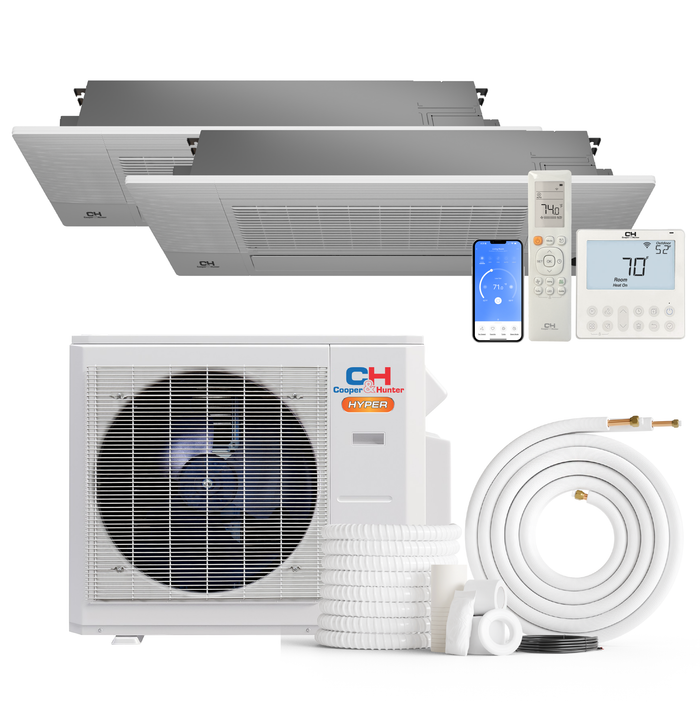
Modern ductless technology also offers unprecedented aesthetic and architectural flexibility through flush-mounted ceiling cassettes. For rooms where wall-mounted air handlers disrupt interior design or lack sufficient wall space, single-zone and multi-zone ceiling cassettes mount flush between standard ceiling joists. Property owners can choose sleek 1-way flow units for directional coverage or 4-way flow cassettes for complete 360-degree heat distribution.
Single-zone ceiling cassette configurations allow tailored heating for individual additions or high-demand rooms. Options include the complete Single Zone 1-Way Ceiling Cassette collection, available across capacity tiers such as 5k–9k BTU, 9k–12k BTU, 12k–15k BTU, 15k–18k BTU, and 18k–24k BTU. Premier 1-way lines feature ACiQ 1-way cassettes, Cooper & Hunter 1-way cassettes, and DIY-oriented MRCOOL 1-way cassettes.
For larger open spaces, single-zone 4-way cassettes deliver multidirectional airflow across sizing options including 5k–9k BTU, 9k–12k BTU, 36k–48k BTU, and 48k–60k BTU. Leading manufacturers offer versatile selections like ACiQ 4-way cassettes, Cooper & Hunter 4-way cassettes, high-efficiency Daikin 4-way cassettes, and MRCOOL 4-way cassettes.
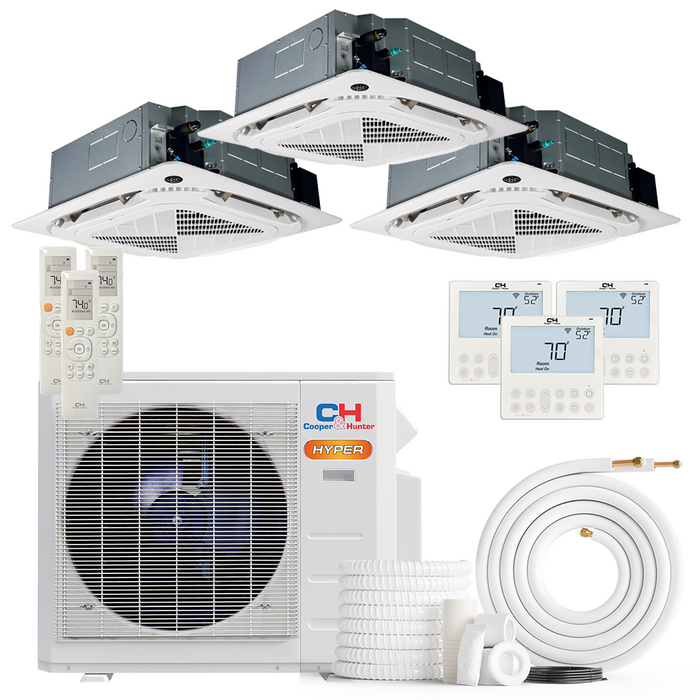
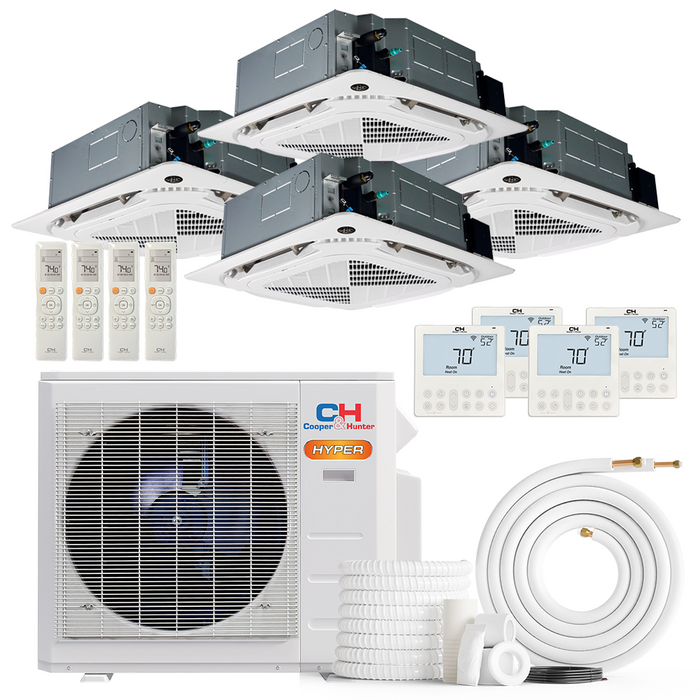
When designing multi-room heating layouts, property owners can combine ceiling cassettes across diverse multi-zone configurations. Broad categories like Ductless Multi-Zone 4-Way Ceiling Cassettes feature matched choices from ACiQ, Bravo, and Cooper & Hunter. Specific zone pairings provide complete design customization:
2-Zone Cassette Systems
- 2-Zone 1-Way: Explore the 2-Zone 1-Way Ceiling Cassette collection in capacity options 15k–18k BTU, 18k–24k BTU, 24k–30k BTU, 30k–36k BTU, 36k–48k BTU, 48k–60k BTU, and 60k–72k BTU. Brands include ACiQ, Cooper & Hunter, and MRCOOL.
- 2-Zone 4-Way: Browse the full 2-Zone 4-Way Ceiling Cassette collection in sizes 15k–18k BTU, 18k–24k BTU, 24k–30k BTU, 30k–36k BTU, 36k–48k BTU, 48k–60k BTU, and 60k–72k BTU. Select top systems from ACiQ, Bravo, Cooper & Hunter, and MRCOOL.
3-Zone Cassette Systems
- 3-Zone 1-Way: Select from the 3-Zone 1-Way Ceiling Cassette collection covering 15k–18k BTU, 18k–24k BTU, 24k–30k BTU, 30k–36k BTU, 36k–48k BTU, 48k–60k BTU, and 60k–72k BTU. Featured lines include ACiQ, Cooper & Hunter, and MRCOOL.
- 3-Zone 4-Way: Review the complete 3-Zone 4-Way Ceiling Cassette collection spanning 15k–18k BTU, 18k–24k BTU, 24k–30k BTU, 30k–36k BTU, 36k–48k BTU, 48k–60k BTU, and 60k–72k BTU. Manufacturers feature ACiQ, Bravo, Cooper & Hunter, and MRCOOL.
4-Zone Cassette Systems
- 4-Zone 1-Way: Access the 4-Zone 1-Way Ceiling Cassette collection across sizing tiers 24k–30k BTU, 30k–36k BTU, 36k–48k BTU, 48k–60k BTU, and 60k–72k BTU. Choose from ACiQ, Cooper & Hunter, and MRCOOL.
- 4-Zone 4-Way: Discover the complete 4-Zone 4-Way Ceiling Cassette collection across capacities 24k–30k BTU, 30k–36k BTU, 36k–48k BTU, 48k–60k BTU, and 60k–72k BTU. Trusted manufacturers include ACiQ, Bravo, Cooper & Hunter, and MRCOOL.
5-Zone Cassette Systems
- 5-Zone 1-Way: Explore high-capacity choices in the 5-Zone 1-Way Ceiling Cassette collection in sizes 30k–36k BTU, 36k–48k BTU, 48k–60k BTU, and 60k–72k BTU. Sourced from ACiQ, Cooper & Hunter, and MRCOOL.
- 5-Zone 4-Way: Review options in the 5-Zone 4-Way Ceiling Cassette collection across brackets 30k–36k BTU, 36k–48k BTU, 48k–60k BTU, and 60k–72k BTU. Brands feature ACiQ, Bravo, Cooper & Hunter, and MRCOOL.
6-Zone Cassette Systems
- 6-Zone 1-Way: Browse whole-home systems in the 6-Zone 1-Way Ceiling Cassette collection covering 36k–48k BTU, 48k–60k BTU, and 60k–72k BTU. Featured lines include ACiQ, Cooper & Hunter, and MRCOOL.
- 6-Zone 4-Way: Experience maximum zoning with the 6-Zone 4-Way Ceiling Cassette collection in capacity tiers 36k–48k BTU, 48k–60k BTU, and 60k–72k BTU. Brands include ACiQ, Cooper & Hunter, and MRCOOL.
For properties utilizing traditional high-wall mount handlers, property owners can browse the comprehensive 6-Zone Wall Mount collection across capacity brackets 36k–48k BTU, 48k–60k BTU, and 60k–72k BTU. These multi-zone systems include trusted choices like ACiQ 6-zone wall mounts, Cooper & Hunter 6-zone wall mounts, and MRCOOL 6-zone wall mounts.
Financial ROI & Winter Energy Savings
The financial justification for installing a cold climate multi zone mini split centers on thermal efficiency metrics known as Coefficient of Performance (COP). COP represents the ratio of heat energy output relative to electrical energy input. Electric resistance heaters—such as baseboard radiators or space heaters, operate at a strict 1:1 ratio, meaning 1 kilowatt-hour (kWh) of electricity produces exactly 1 kWh equivalent of heat energy (COP 1.0). Fuel oil and propane furnaces deliver effective combustion efficiencies ranging between 80% and 95% AFUE, but fuel delivery and storage costs remain high.
Thermal Efficiency & Payload Metrics
In contrast, cold-climate inverter heat pumps move thermal energy rather than creating it through friction or combustion. At moderate winter temperatures (around 47°F), a high-efficiency inverter heat pump operates at a COP of 3.5 to 4.0, delivering up to 4 units of heat energy for every 1 unit of electricity consumed. Even when outdoor temperatures drop to 0°F, hyper-heat systems maintain COP ratings between 2.0 and 2.5. This means a homeowner replacing electric baseboards or an oil boiler with a hyper-heat mini split cuts heating energy consumption by 50% to 70%, yielding rapid payback on initial equipment costs.
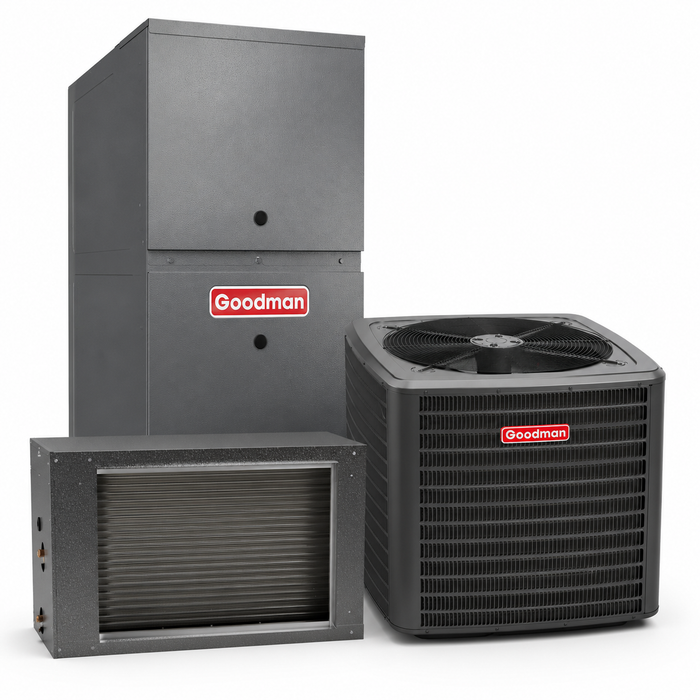
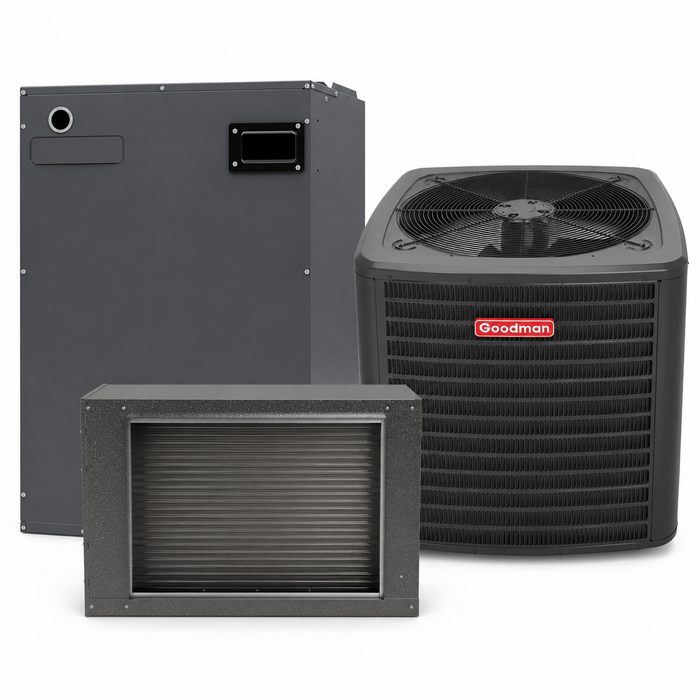
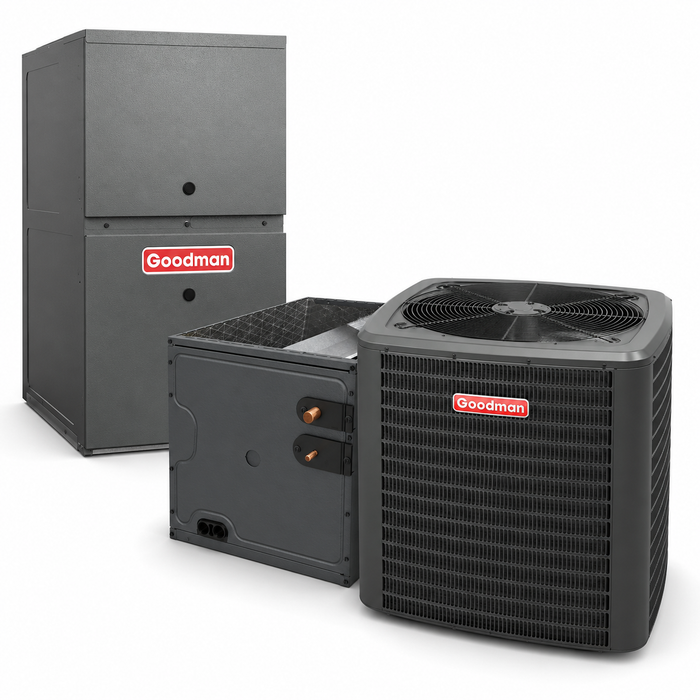
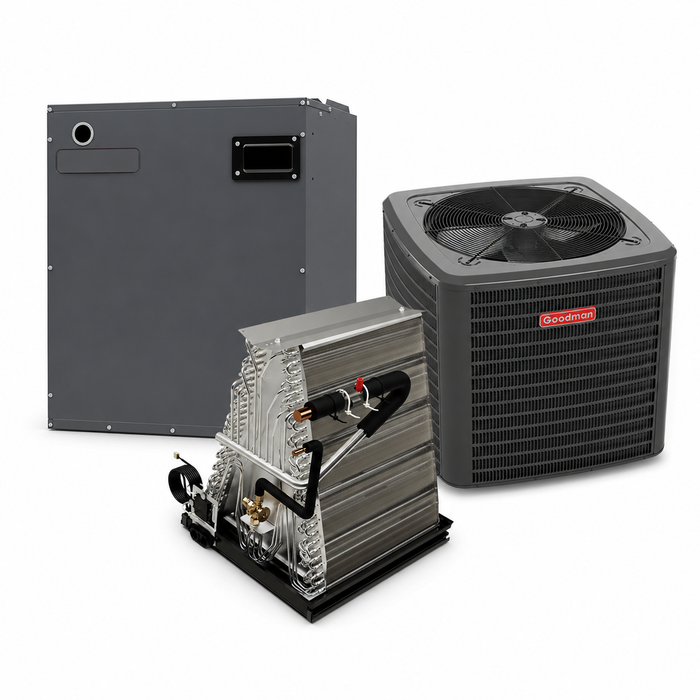
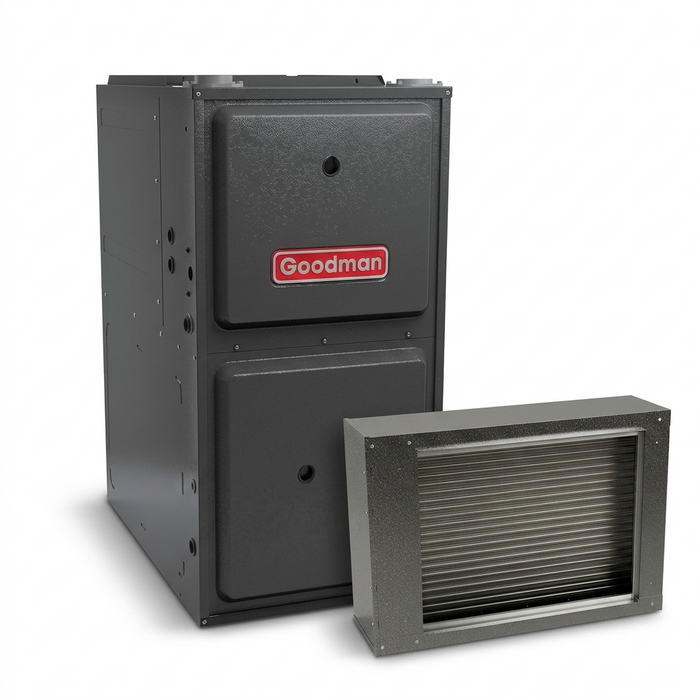
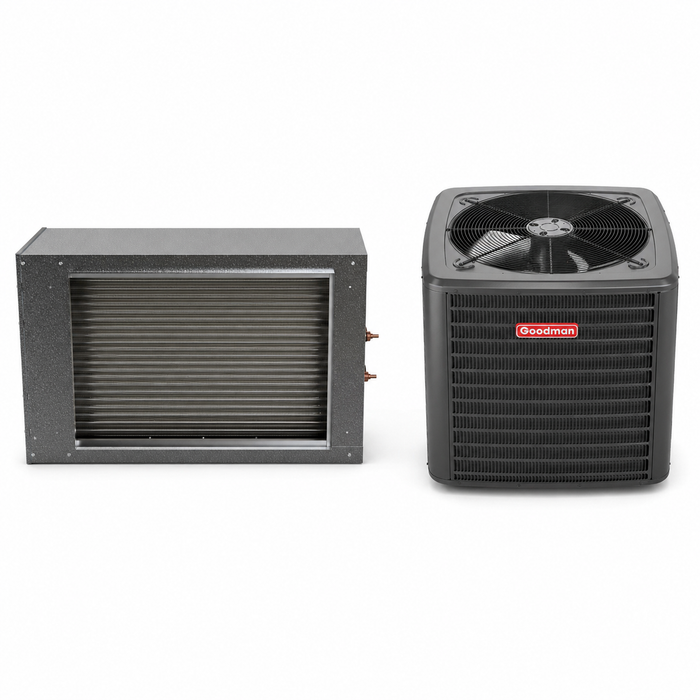
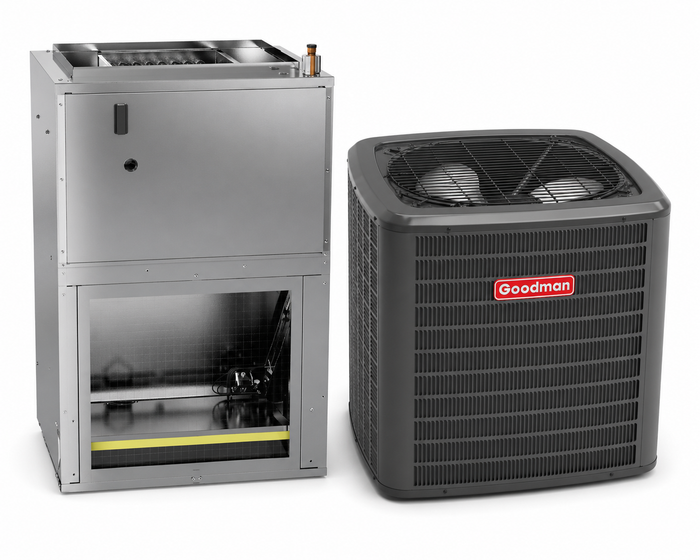
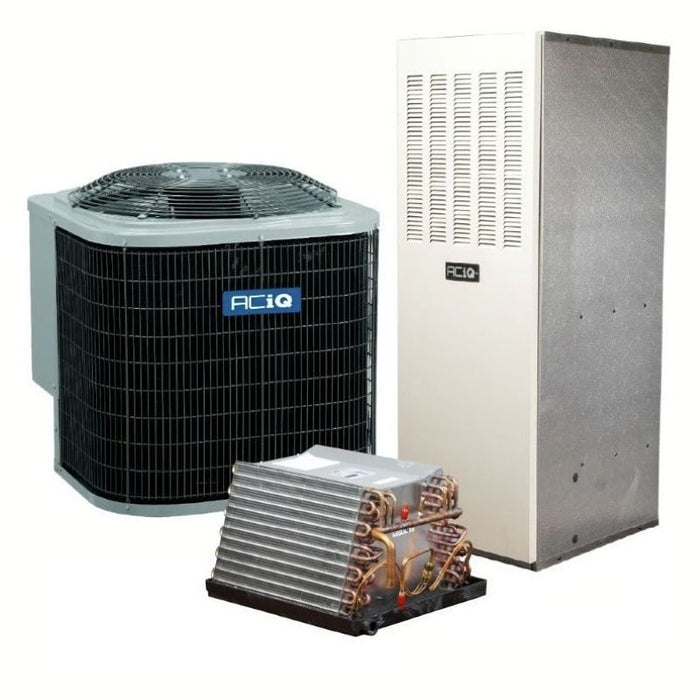
For property owners maintaining or retrofitting existing central ducted systems alongside ductless additions, evaluating total split system components is essential. Homeowners can explore central matched split options such as the central AC plus coil lineups across sizing tiers 15k–18k BTU, 18k–24k BTU, 24k–30k BTU, 30k–36k BTU, 36k–48k BTU, 48k–60k BTU, and 60k–72k BTU. Matched component pairings include ACiQ AC plus coil systems, engineered ACiQ evaporator coils, dual-fuel hybrid ACiQ furnace plus coil packages, and dedicated ACiQ heat pump plus coil systems.
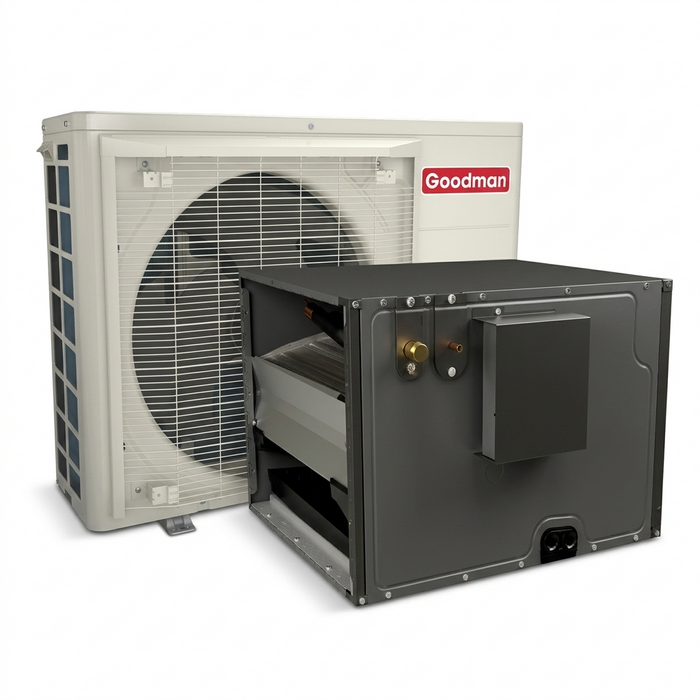
Manufactured and mobile homes also benefit significantly from upgrading to high-efficiency heat pump technology. Specialized HUD-approved heating setups are available through Mobile Home AC and Coil Systems in capacity sizes 18k–24k BTU, 24k–30k BTU, 30k–36k BTU, 36k–48k BTU, and 48k–60k BTU, featuring matched lines like ACiQ mobile home AC and coil systems.
Beyond direct power savings, financial ROI is further accelerated by government energy initiatives and utility incentives. Under the Inflation Reduction Act (IRA) Section 25C Energy Efficient Home Improvement Credit, homeowners who install qualifying cold-climate heat pumps can claim federal tax credits up to 30% of project costs (capped at $2,000 annually). Regional electric utilities in cold-weather states offer additional rebates ranging from $500 to $1,500 per ton, drastically lowering upfront capital requirements.
Regional Application, Sizing & Accessories
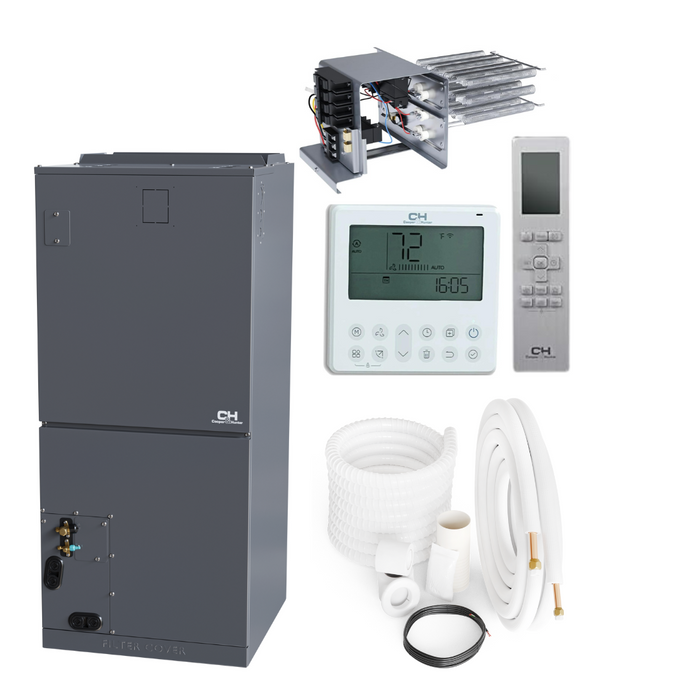
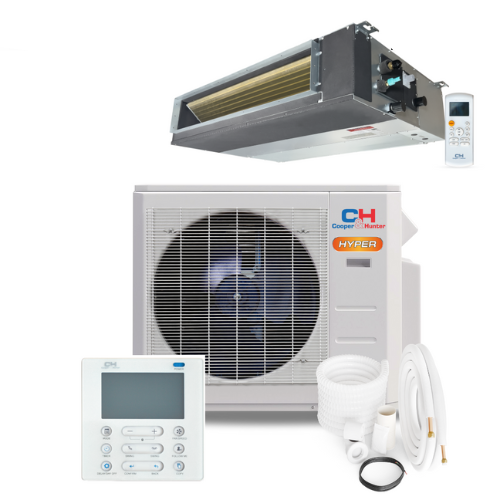
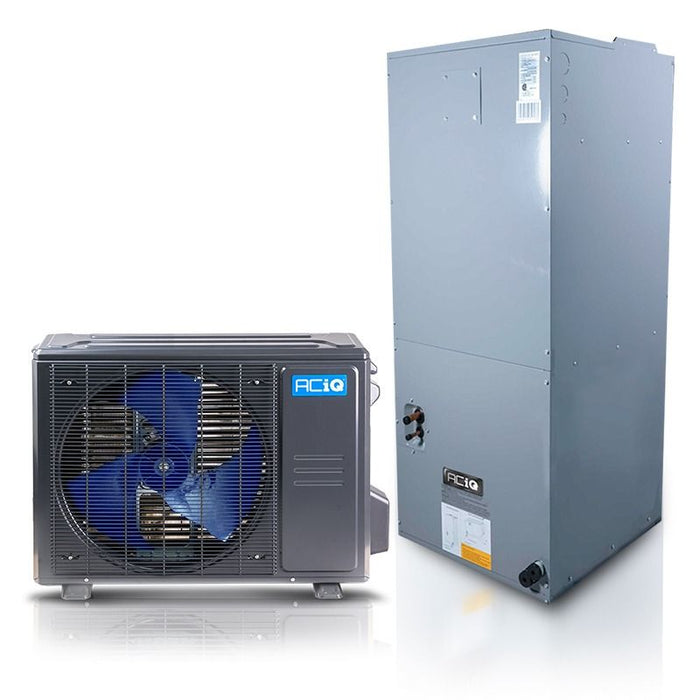
Selecting the right heating system requires matching equipment specifications to localized climate zones and building construction. Air handler selection plays a crucial role in overall system performance. Property owners can select pro-grade indoor blower units from broad air handlers collections, including trusted options like ACiQ air handlers, Cooper & Hunter air handlers, and MRCOOL air handlers.
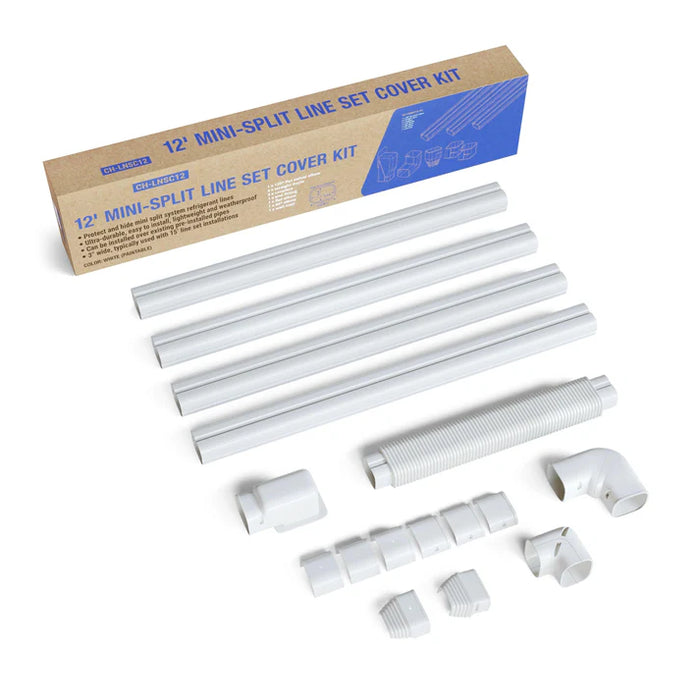
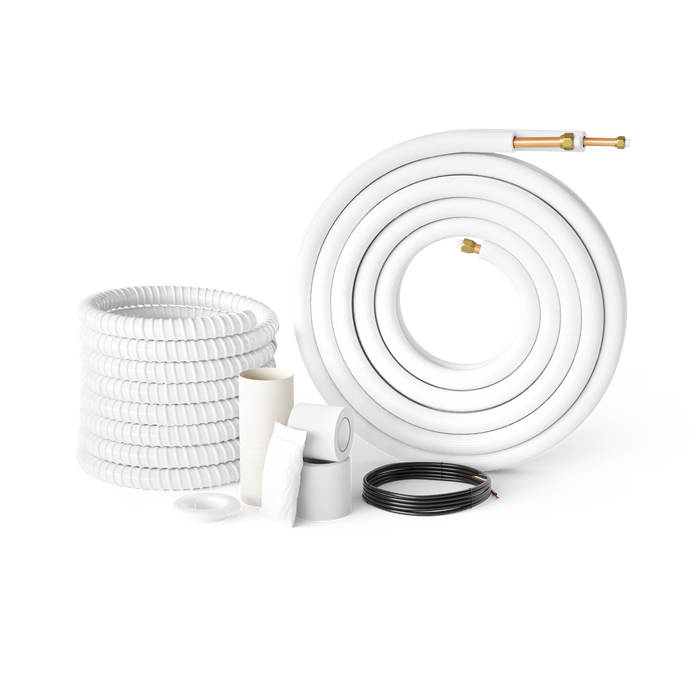
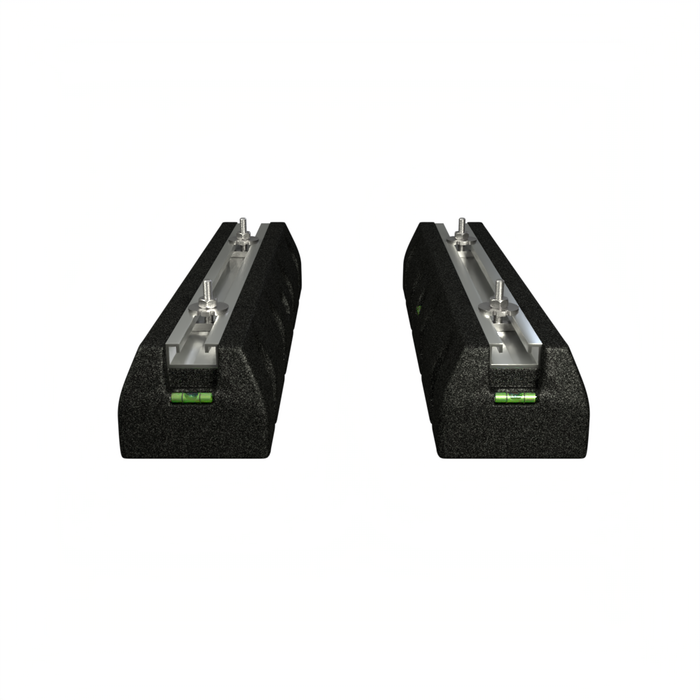
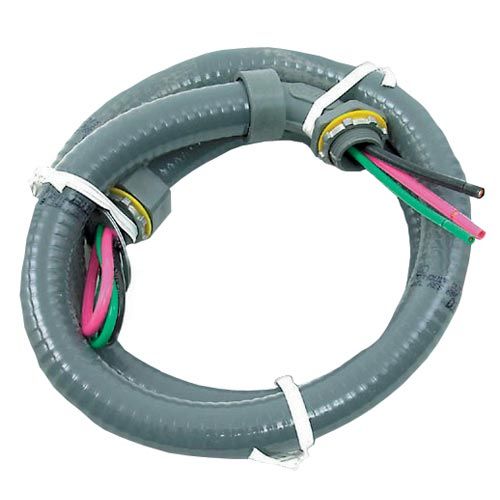
To ensure long-term mechanical reliability in extreme weather, installations should utilize premium mounting hardware, protective line covers, and dedicated electrical components. Essential installation items are available across specialized categories, including general parts and accessories, dedicated AC electrical accessories, high-grade air quality accessories, engineered central ducted accessories, specialized mini splits accessories, manufactured mobile home accessories, package units accessories, and specialized specialty units accessories. Installers can also utilize premium decorative line set covers from Armbridge and dependable components from Bravo and ACiQ.
Climate conditions vary widely by geographic region, making localized sizing and installation guidelines vital. Property owners and contractors can consult region-specific support pages to verify cold-climate specifications:
Northern & Cold Climate Regions
- Massachusetts: Cold-weather heat pump guidelines and rebates are detailed for Boston, MA mini-splits and Worcester, MA mini-splits.
- New York State: Sub-zero heat pump recommendations can be reviewed via Buffalo, NY mini-splits and urban space-saving solutions via New York City, NY mini-splits.
- Midwest Severe Winters: Localized specs for extreme Midwestern freezes are available for Chicago, IL mini-splits and Aurora, IL mini-splits.
Pacific Northwest & Western Microclimates
- Pacific Northwest: High-efficiency heating and damp-climate defrost management are detailed for Seattle, WA mini-splits and Portland, OR mini-splits.
- Northern & Central California: Inverter heating and cooling guides cover Bay Area and Valley regions via San Francisco, CA mini-splits, San Jose, CA mini-splits, and Fresno, CA mini-splits.
- Southern California: Year-round heat pump options for moderate winters are outlined for Los Angeles, CA mini-splits and San Diego, CA mini-splits.
Southern & Southwestern Transitional Climates
- Texas Markets: Heating and cooling specifications for regional temperature swings are detailed for Dallas, TX mini-splits, Austin, TX mini-splits, and San Antonio, TX mini-splits.
- Florida: High-efficiency humidity and supplemental heating guides can be found via Miami, FL mini-splits.
Conclusion
Upgrading to a cold climate multi zone mini split represents a transformative investment for homes and commercial buildings burdened by inefficient legacy heating systems. By combining variable-speed hyper-heat compression, targeted multi-zone temperature control, and flush-mounted indoor design options, these advanced systems deliver reliable warmth in sub-zero weather while significantly reducing monthly operational expenses.
To explore top-rated hyper-heat mini splits, multi-zone ceiling cassettes, central split systems, and installation accessories, visit HVAC Supplies. Contact us now and let us help you with Manual J load calculations, system matching, or order support.
Ready to transform your home with high-efficiency sub-zero heating infrastructure? Discover pro-grade hyper-heat solutions today.