
























The Winter Ghost: Why Your AC Can Leak Refrigerant Even When It’s Off
Share
HVAC SUPPLIES
Seasonal Maintenance Alert
The "Winter Ghost" Leak
Is your AC system silently dying in the sub-zero cold?
Many homeowners believe that once they flip the thermostat to "Heat" and the outdoor condenser falls silent, their air conditioning system is essentially in hibernation—safe from the mechanical trials of the summer months. There is a common misconception that because the system is powered off and the compressor isn't cycling, the internal pressure remains static and the components are under no stress. However, the reality of winter maintenance is much more complex.
What is the "Winter Ghost"?
Even in total dormancy, your cooling system is vulnerable to a phenomenon often called the "Winter Ghost", a slow, silent AC refrigerant leak that can drain your system’s lifeblood during the sub-zero months.
Imagine waking up on a quiet, crisp winter morning and noticing a strange, oily patch in the fresh snow directly beneath your outdoor unit. Perhaps you step outside to clear the driveway and hear a faint, high-pitched hissing sound cutting through the freezing air. These are not just seasonal oddities; they are the warning signs of a system that is losing its charge. Understanding why this happens now is critical, because catching a leak in January prevents you from being met with a "dead on arrival" system during the first scorching week of spring.
The Science: Understanding the "Shrink-Swell" Effect
The primary culprit behind a winter AC refrigerant leak is a scientific principle known as thermal expansion and contraction, or the "Shrink-Swell" effect. HVAC systems are composed of a variety of materials, primarily copper piping, aluminum fins, and rubberized seals or gaskets. Each of these materials reacts differently to extreme temperature drops. When the mercury plunges, these materials contract or "shrink" at different rates.
The Danger Zone:
This physical change creates significant points of failure at the joints, valves, and fittings of the system. As metal pipes pull away from fittings and rubber seals lose elasticity, tiny microscopic gaps emerge.
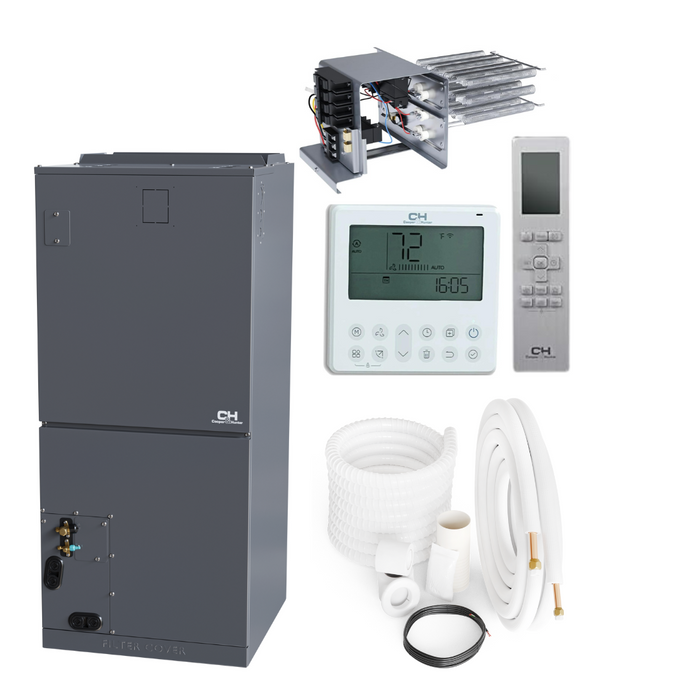
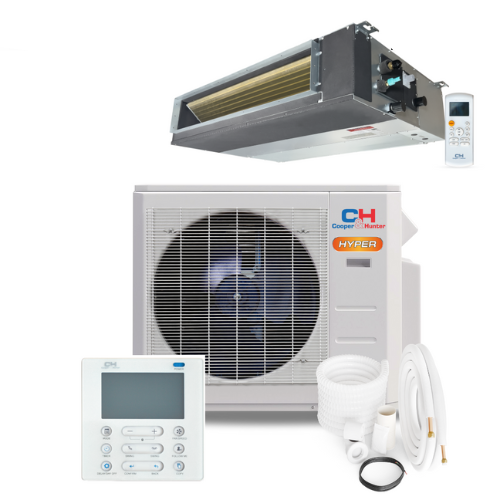
Even the most robust central ducted system components are susceptible to this if they aren't properly maintained. These cold-induced leaks are just as damaging as the wear-and-tear leaks that occur during peak operation, as they allow high-pressure refrigerant to escape slowly but steadily over several months.
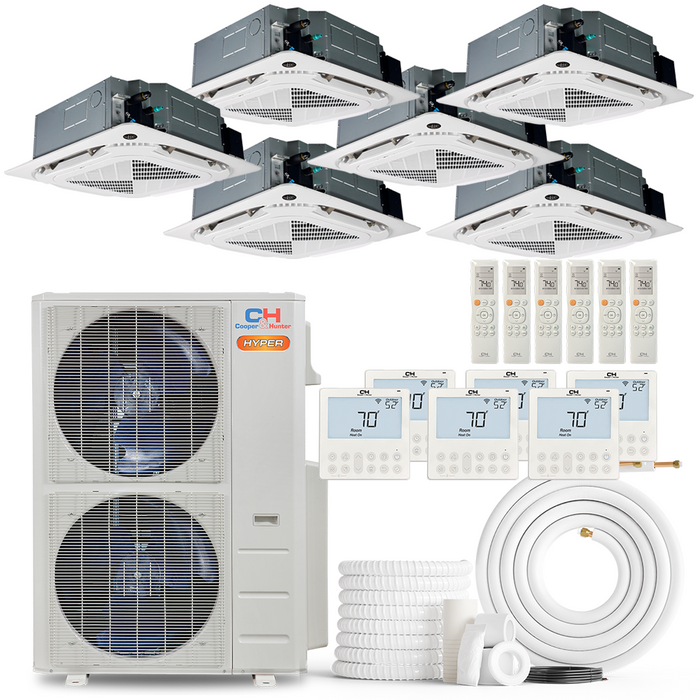
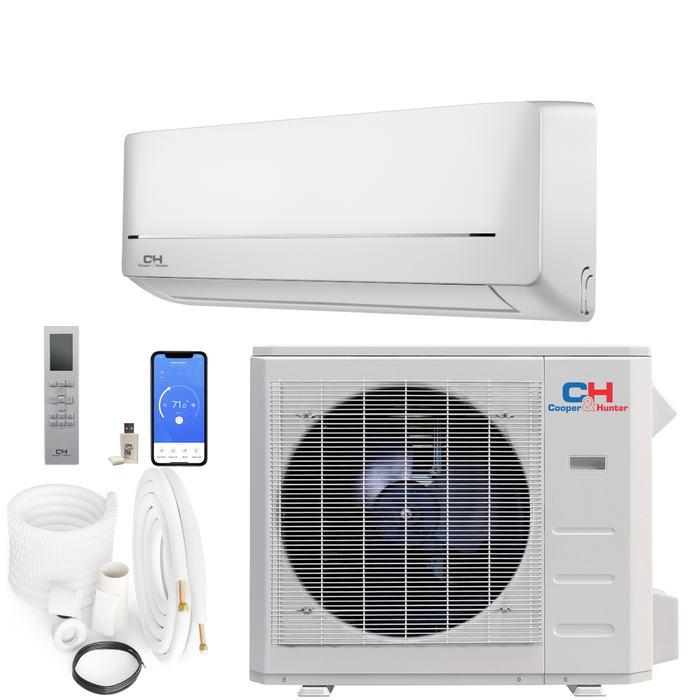
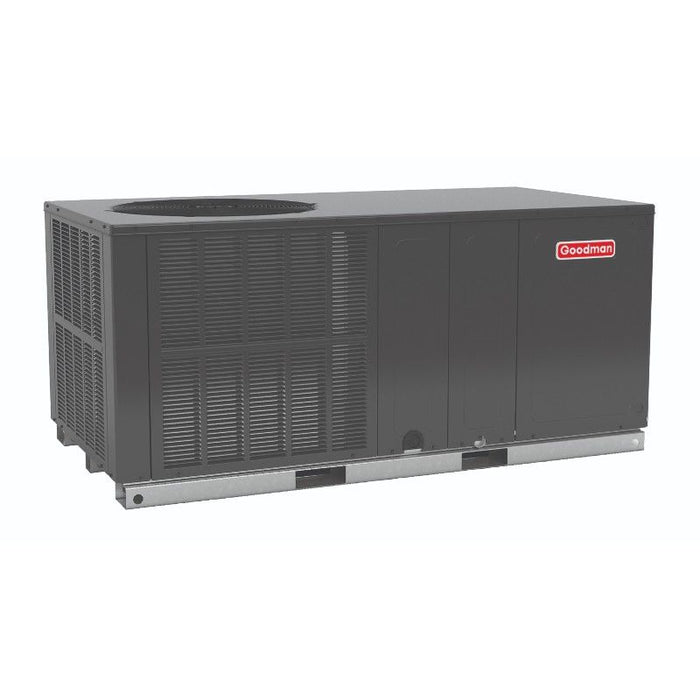
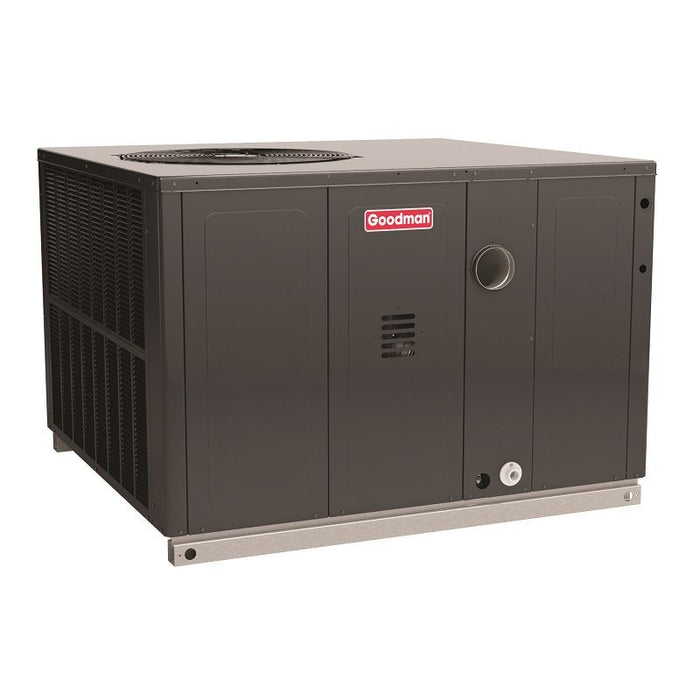
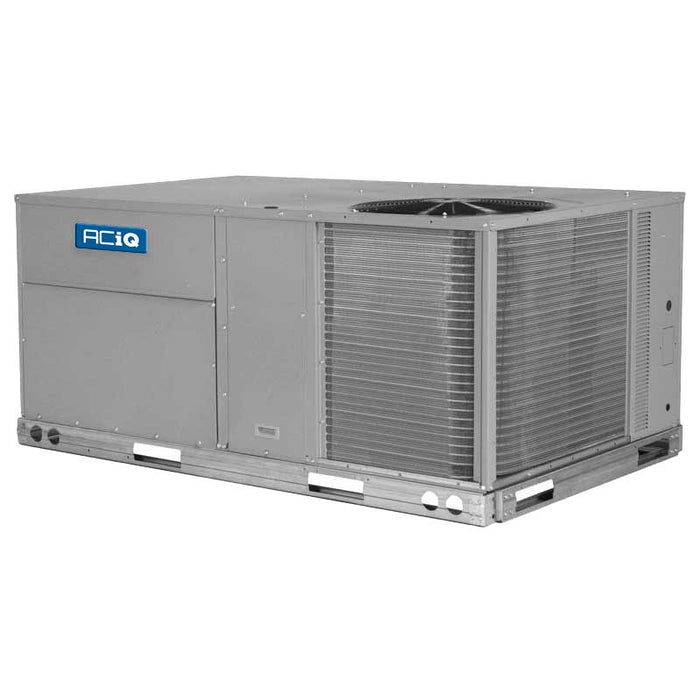
This issue is particularly prevalent in systems that utilize multi-zone technology, where there are more connection points. Whether you are running ductless multi-zone air handler units or a 2-zone wall mount setup, the increased number of flares and valves means there are more opportunities for the "Shrink-Swell" effect to compromise the system. For larger properties using commercial packaged units or commercial packaged units 30k-36k, the sheer volume of refrigerant and the length of the lines can make these winter leaks even more significant and difficult to trace.
Warning Signs: How to Spot a Leak
Identifying an AC refrigerant leak during the winter requires detective work. Refrigerant is mixed with specialized oil; when it leaks, it leaves markers.
Check for Oil
Look for greasy patches on the unit's pad or nearby vegetation. These are highly visible against white snow.
Listen Closely
Stand near the unit on a quiet night. A faint hissing or bubbling indicates gas escaping under pressure.
Inspect Fittings
Look at service valves for moisture that isn't water. Check your central ducted accessories.
Check Electronics
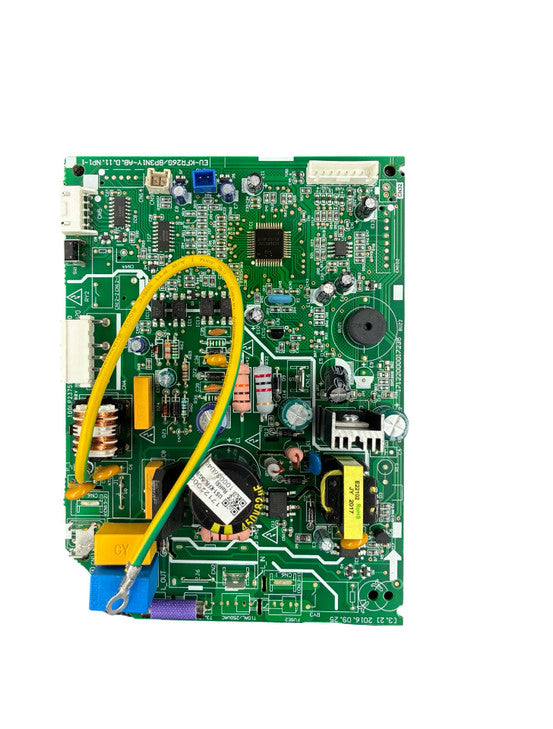
Ensure your control board subassembly areas are free from moisture.
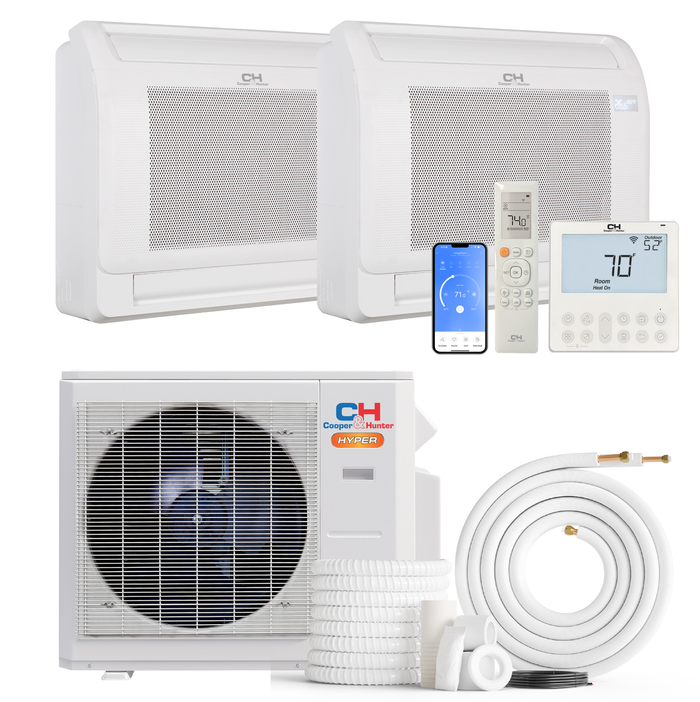
Whether you have a 2-zone slim duct concealed system or a 2-zone universal floor ceiling ufc configuration, these signs remain consistent across the board. Even specialized units like dehumidifiers or 2-zone floor console models rely on the same sealed-loop principles.
The Dangers of Ignoring a Winter Leak
🌍
Environmental Impact
Modern refrigerants are potent greenhouse gases. Ensuring your Cooper and Hunter system is sealed is a vital part of your environmental footprint.
💔
Component Damage
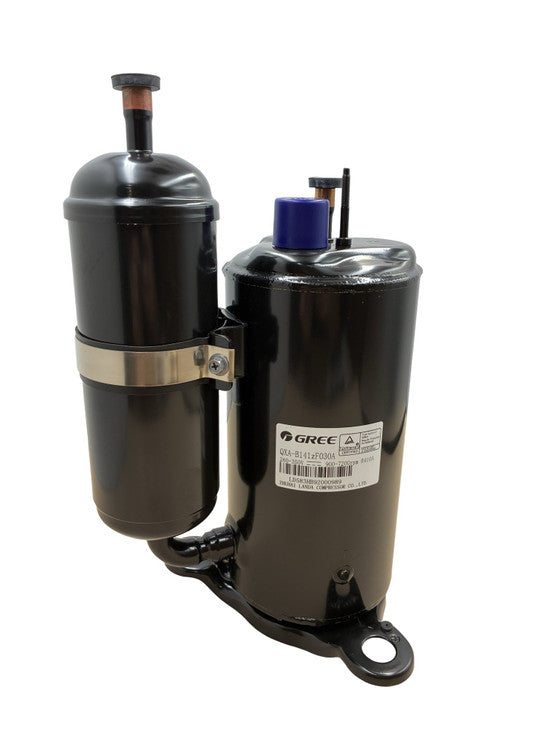
Low refrigerant forces the compressor to overheat and burn out. Replacing one often rivals the cost of a new unit in the 15k-18k BTU or 18k-24k BTU range.
💸
Financial Waste
Recharging without fixing the leak is a band-aid. You are paying for gas that will leak through failing condensate and drain connections.
Solution & Prevention
The best way to combat the "Winter Ghost" is through proactive care. Identify failing seals early to plan for a repair before the spring rush. Investing in high-quality ductless multi-zone components and ensuring your 2-zone air handler is fitted with top-tier seals is the best strategy.
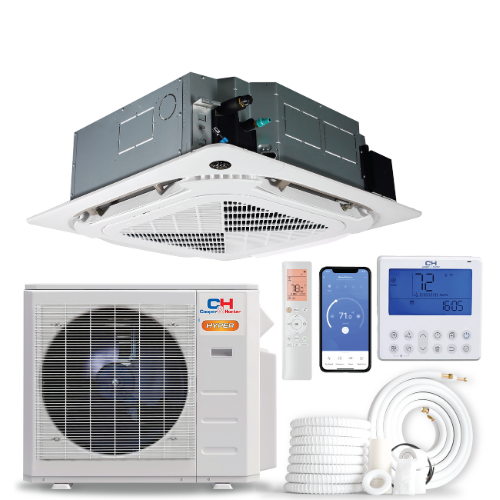
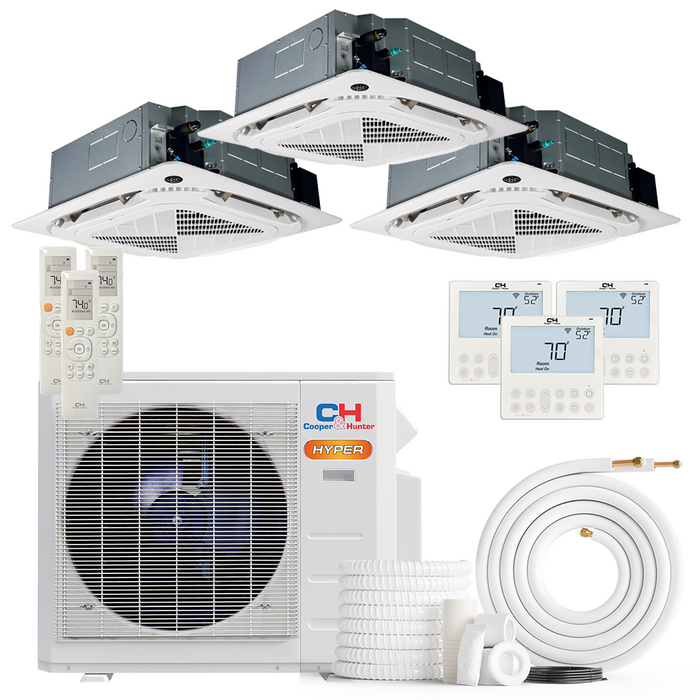
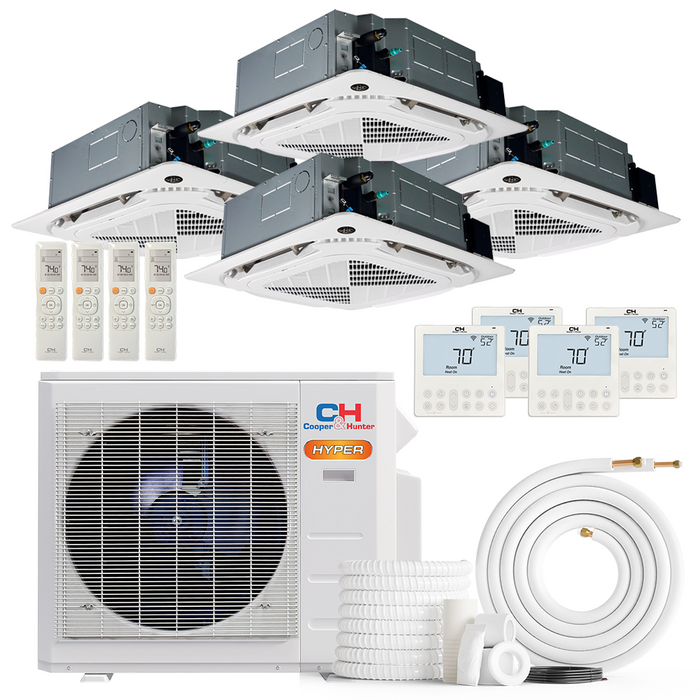
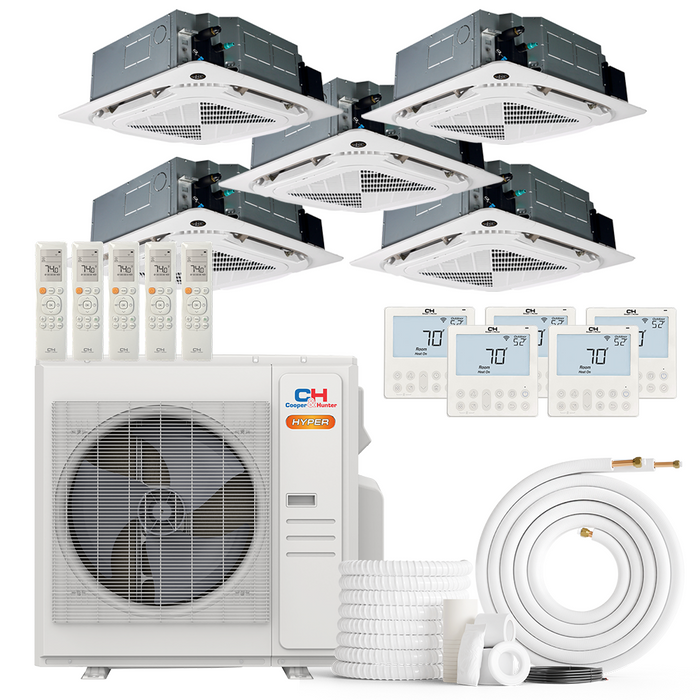
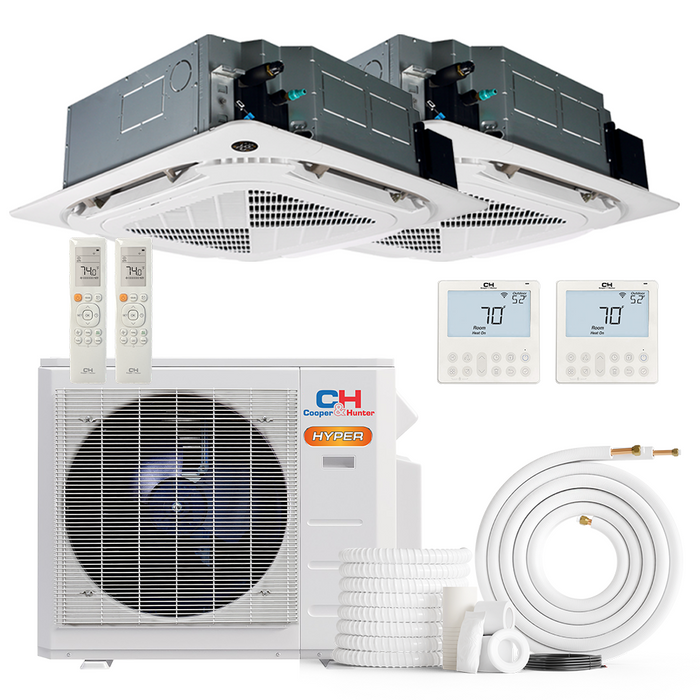
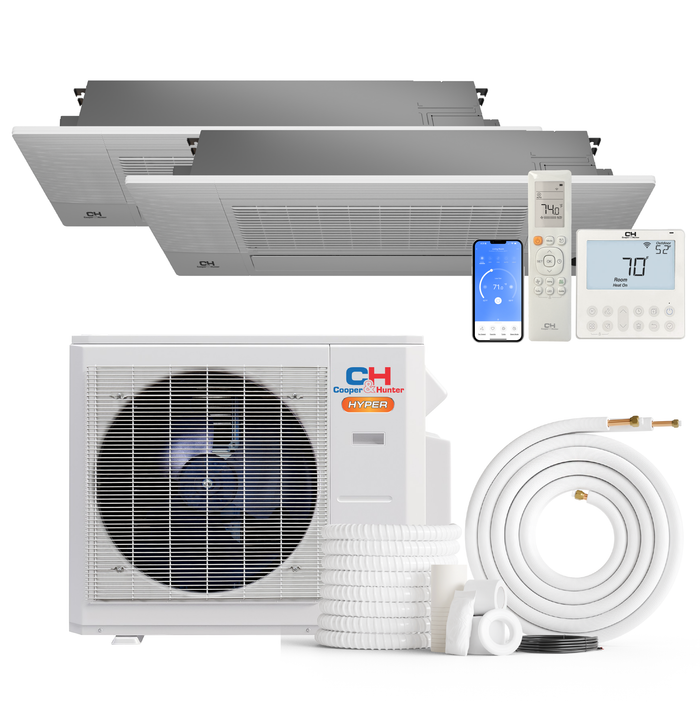
For complex installations—like 2-zone 1-way ceiling cassettes, 4-way ceiling cassettes, or slim duct units—ensuring every flare nut is torqued to spec is vital. At HVAC Supplies, we provide the Cooper Hunter components designed for these harsh fluctuations.
Protect Your Comfort
Don't wait for the first 90-degree day. Browse our ducted components and multi-zone accessories today.
Upgrade Your System