





















The "Summer Puddle" Mystery: Why High Humidity Overwhelms Standard Condensate Pumps
Share
HVAC SUPPLIES
Summer Efficiency Guide
Sensible vs. Latent Heat: Why High Humidity Destroys Standard Condensate Pumps
Imagine coming home after a long, blistering day in the peak of July. You open your front door, expecting to be greeted by a crisp, refreshing wall of cool air. Your air conditioner is humming along smoothly, and the indoor temperature feels perfect. But as you walk across the room, you notice a strange reflection on the floor. You look down only to find a mysterious, expanding puddle of water pooling around the base of your indoor comfort system. It is the classic summer nightmare: an HVAC system that cools perfectly but simultaneously threatens to ruin your home's flooring, baseboards, and drywall.
The instinctive reaction for most homeowners is to assume that the air conditioner itself is broken. However, the root cause is rarely a mechanical breakdown of the cooling system. Instead, the true culprit is a hidden environmental force known as "latent heat". During hot, sticky summer months, your cooling system is forced to pull double duty. It cannot simply lower the air temperature; it must also act as a massive, continuous dehumidifier, extracting gallons of airborne moisture from your home every single day.
This brings us to the core problem: standard condensate pumps are frequently sized and selected based purely on sensible cooling loads, the energy required to drop the number on your thermostat. They are rarely built to handle the intense, relentless moisture generation brought on by high-latent heat environments. When extreme humidity strikes, these standard accessories simply give up under the strain, leading to system failure and domestic flooding. This comprehensive guide will break down the science behind why these condensate pump failures happen, how high humidity actively destroys standard pump motors, and what hidden dangers an unresolved leak poses to your property and your equipment.
More importantly, we will share how upgrading your secondary installation components can permanently protect your household from costly water damage. Whether you are operating a standard residential system or managing complex commercial HVAC setups, understanding moisture management is the ultimate key to worry-free summer comfort. By choosing the right gear from HVAC Supplies, you can keep your property safe and dry no matter how sticky the weather gets outside.
Understanding the Science: Sensible vs. Latent Heat in HVAC
To understand why your drainage system is failing, you first need to understand exactly what your air conditioner does when it runs. In the world of climate control, professional technicians view heat in two distinct categories: sensible heat and latent heat. Balancing these two elements is what makes a home truly feel comfortable. When an installation fails to respect this balance, water management issues quickly surface.
Sensible Heat
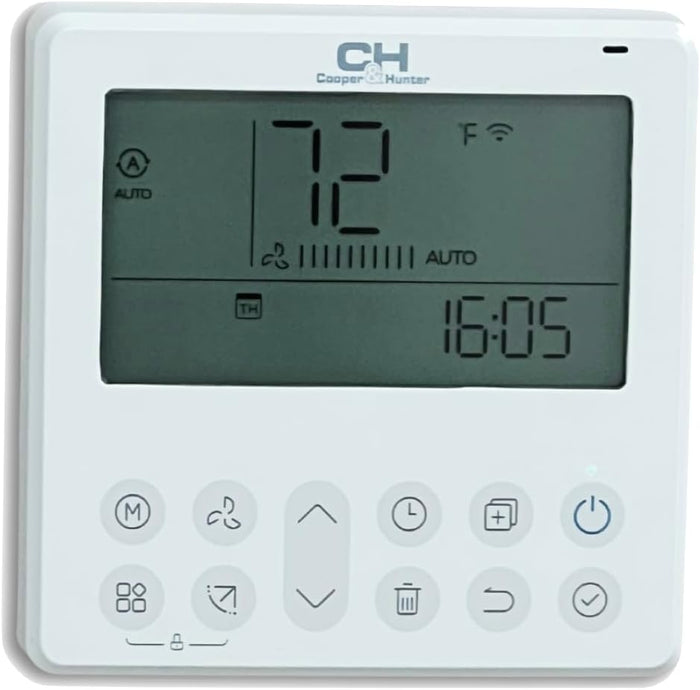
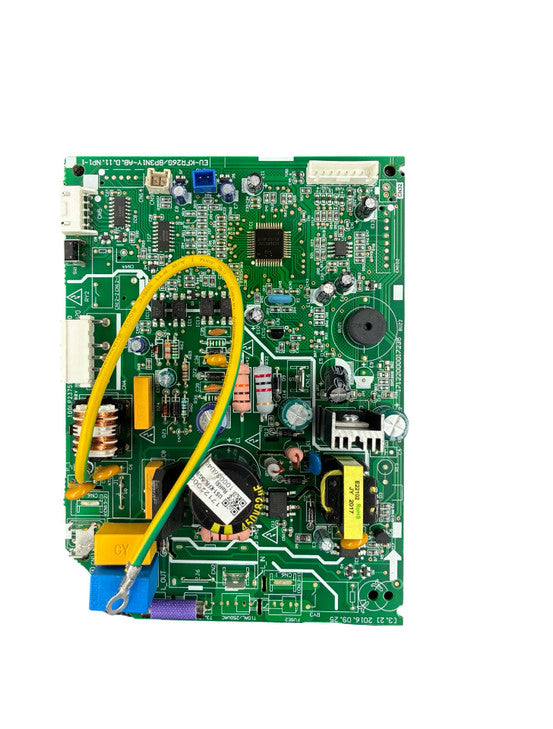
Sensible heat is the thermal energy that you can directly feel and measure. When you look at the digital display on your thermostat, you are looking at a measurement of sensible heat. When an air conditioning system lowers the room's temperature, it is actively removing sensible heat from the indoor air. This type of cooling is straightforward and highly predictable, which is why most basic equipment calculations focus heavily on it. Property owners often monitor this closely through standard control interfaces and responsive control boards that regulate cycle times based on temperature benchmarks.
Latent Heat
Latent heat, on the other hand, is completely hidden. It is the energy bound within the airborne water vapor floating around your living spaces. You cannot read latent heat directly on a standard thermometer, but you can certainly feel it in the form of heavy, oppressive humidity. When indoor humidity levels soar, your air conditioner is forced to expend a massive amount of its total cooling capacity just to remove this moisture before it can even begin to lower the physical air temperature.
The thermodynamic reality can be expressed through a fundamental climate equation:
$$\text{Total HVAC Load} = \text{Sensible Heat (Temperature)} + \text{Latent Heat (Humidity)}$$
This thermodynamic reality leads directly to what industry experts call the summer moisture explosion. On a typical humid July afternoon, standard systems can easily extract several gallons of water out of thin air over a single 24-hour cycle. Whether you are cooling a small apartment or maintaining a massive warehouse, moisture extraction is an unavoidable byproduct of modern cooling. Every single drop of that extracted water relies entirely on one humble, often-overlooked mechanism to escape your home safely: the condensate pump. If that component fails to do its job, the entire system becomes a liability.
Why Standard Condensate Pumps Fail Under High Latent Loads
Standard condensate pumps are highly reliable when environmental conditions remain within normal bounds. However, when peak summer humidity pushes latent heat loads to their absolute limits, these entry-level pumps run into a trio of mechanical and physical barriers that almost guarantee a breakdown. Understanding these vectors of failure is critical for maintaining an efficient residential or commercial HVAC infrastructure.
Volumetric Overload
The first issue is simple mathematics. Entry-level condensate pumps are engineered with relatively small holding reservoirs and modest, low-horsepower motors designed for average regional moisture levels. In a high-latent heat scenario, the volume of water dripping off the indoor AC coil systems is astronomical. Water pours into the pump's plastic holding tank at a faster rate than the small motor can physically discharge it through the vinyl drain lines. Once the reservoir capacity is exceeded, the excess water has nowhere to go but over the sides, creating the dreaded puddle on your floor.
Continuous Duty Cycles
Most basic residential condensate pumps are designed for intermittent duty cycles. They are intended to sit quietly until the reservoir fills up, kick on for 10 to 15 seconds to empty the tank, and then shut down to rest and cool off. However, when severe humidity hits, the continuous stream of water means the internal float switch never drops back down. The pump is forced to run non-stop for hours at a time. Because these small motors rely on short operational bursts to manage their internal heat, continuous operation causes the delicate motor windings to overheat, melt, and short out prematurely.
Bio-Growth Accumulation
High latent heat conditions do not just bring water; they bring warmth and airborne organic material like dust and pet dander. When heavy moisture flow mixes with these particles inside a dark, warm pump reservoir, it creates an ideal breeding ground for biological sludge, algae, and bacterial slime. Over time, this thick goo coats the mechanical float switch, forcing it to stick in the "off" position even when the tank is overflowing. Alternatively, the sludge can clog the small rubber check valve, preventing water from escaping and causing immediate backup issues.
The Hidden Dangers of Pump Failure
A failing condensate pump might seem like a minor plumbing annoyance, but ignoring it can quickly trigger an expensive chain reaction of property damage and total mechanical failure. When moisture has no designated path outside, it follows the path of least resistance, often leaking directly into sensitive structural areas or back into the indoor equipment.
[Pump Overload]
│
▼
[Reservoir Overflow] ──► Ruined Drywall & Flooring
│
▼
[Water Backs Up Air Handler] ──► Shorted Control Boards
│
▼
[System Shutdown]
Severe Property Damage
When an overflowing reservoir goes unnoticed for days—or even just a few hours while you are at work—the water quickly spreads into surrounding building materials. This leads directly to ruined drywall, warped hardwood flooring, rotted floor joists, and structural mold colonies that can ruin your indoor air quality. If your system is installed in an attic or an upper-level closet, a single pump failure can cause thousands of dollars in structural damage to the ceilings below.
System Shutdowns and Electronic Failures
The risks to your actual HVAC equipment are just as severe. When water backs up through the primary drain pan, it can seep directly into the electrical compartments of your indoor units, such as a specialized mobile home air handler or broader residential air handlers. Moisture coming into contact with high-voltage lines or sensitive control boards can instantly short out the entire system. Replacing blown electrical components, internal wiring, or damaged fans and motors fans adds significant, unnecessary expenses to your summer utility budget.
Geographic Risk Zones
While any home can experience latent heat spikes, certain geographic regions require far more vigilance than others. Homeowners living in areas with severe coastal or subtropical humidity profiles face a much higher risk of system strain. If you manage properties or live in hot, humid zones, your cooling infrastructure will face extreme latent loads every single summer. Residents relying on localized cooling solutions in places like the Miami, FL mini splits region, Dallas, TX mini splits zone, Austin, TX mini splits market, or San Antonio, TX mini splits area must prepare for these unrelenting volumetric demands.
Even coastal areas and river valleys encounter dramatic mid-summer humidity spikes that can easily catch an underrated condensate pump completely off guard. This environmental reality is well-documented from the San Diego, CA mini splits coast to the inland Aurora, IL mini splits territory. Similar patterns emerge across the northeast and west, affecting systems detailed in the Boston, MA mini splits, Buffalo, NY mini splits, Chicago, IL mini splits, New York City, NY mini splits, Portland, OR mini splits, Seattle, WA mini splits, and Worcester, MA mini splits deep-dive guides. California's central valley and northern hubs are not exempt either, making proper pump sizing essential for the setups found in San Jose, CA mini splits, San Francisco, CA mini splits, and Fresno, CA mini splits installations.
How To Prevent the "Summer Puddle": Smart Upgrades & Solutions
The good news is that you do not have to live in fear of a sudden domestic indoor flood. By taking a proactive approach to your system's drainage infrastructure and utilizing professional-grade components, you can easily bulletproof your home against heavy latent moisture loads. Investing in dedicated upgrades from an authorized accessories kits provider ensures long-term reliability.
Switch to High-Capacity Condensate Pumps
When it comes to humidity management, you should never settle for baseline, generic installation models. Upgrading to a heavy-duty, high-capacity pump specifically rated for heavy latent heat ensures your drainage system can stay ahead of peak summer moisture extraction. Look for pumps featuring robust internal motors, increased lift performance, and larger reservoir tanks that minimize short-cycling. Renowned industry names like Bravo, Bravo 1, and Armbridge provide exceptional, contractor-grade durability that can handle the toughest residential and light commercial mini-splits applications with ease.
Install Overflow Safety Switches
If you implement only one upgrade this season, make it an overflow safety switch. This critical, inexpensive accessory wires directly into your system's low-voltage control circuit. If your condensate pump fails, loses power, or suffers a severe line clog, the water level in the auxiliary pan or pump reservoir will rise, lifting the safety float. The moment the water crosses a safe threshold, the switch instantly cuts power to the outdoor compressor, halting moisture production before a single drop can spill onto your floor. It is the ultimate insurance policy against catastrophic property flooding.
Perform Routine Drainage Maintenance
A high-performance pump still requires a clear pathway to move water away from your home. To prevent biological growth from choking your system, make a habit of flushing your drain lines with warm water and dropping specialized condensate time-release tablets into the primary pan every spring. This simple step prevents the accumulation of algae and sludge, keeping your lines completely open and free-flowing even during the stickiest weeks of the year.
Comprehensive Equipment Compatibility
Proper moisture management isn't limited to traditional central air systems. Every climate control configuration has its own unique drainage needs during high-humidity seasons. Selecting the right combination of high-capacity pumps and safety switches ensures that your specific setup remains dry and efficient all year long.
| Equipment Type | Common Moisture Challenges | Ideal Drainage Accessories |
|---|---|---|
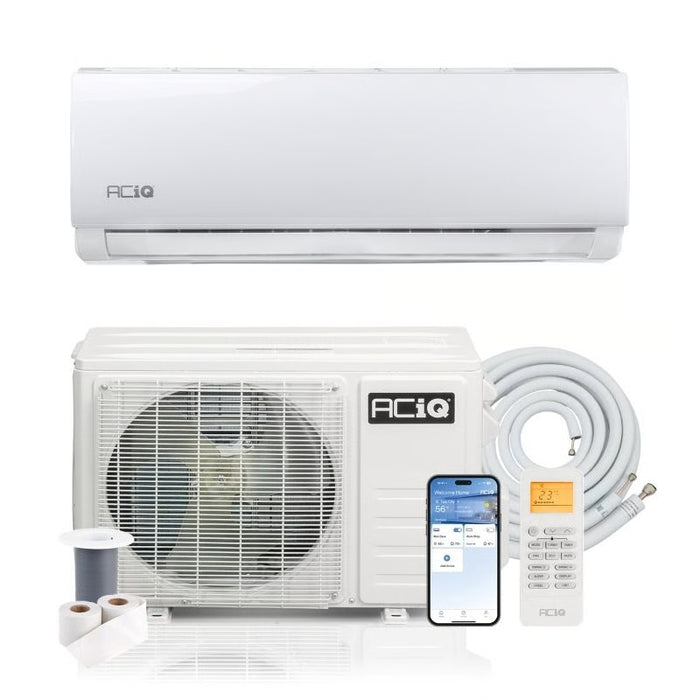
| Ductless Mini-Splits | Gravity drainage is often impossible due to wall placements; small internal clearances make minor clogs problematic. | Micro-condensate pumps, premium line covers guards, and dedicated wall-mount installation kits. |
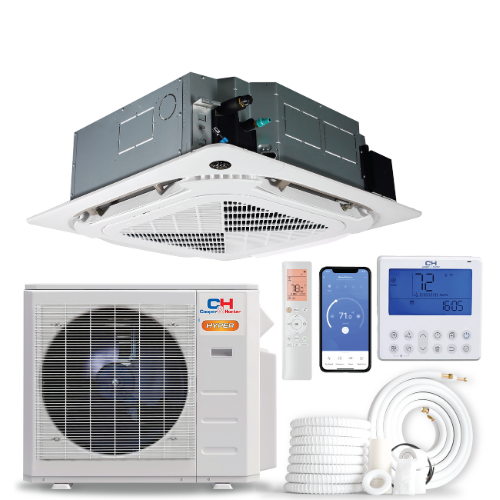
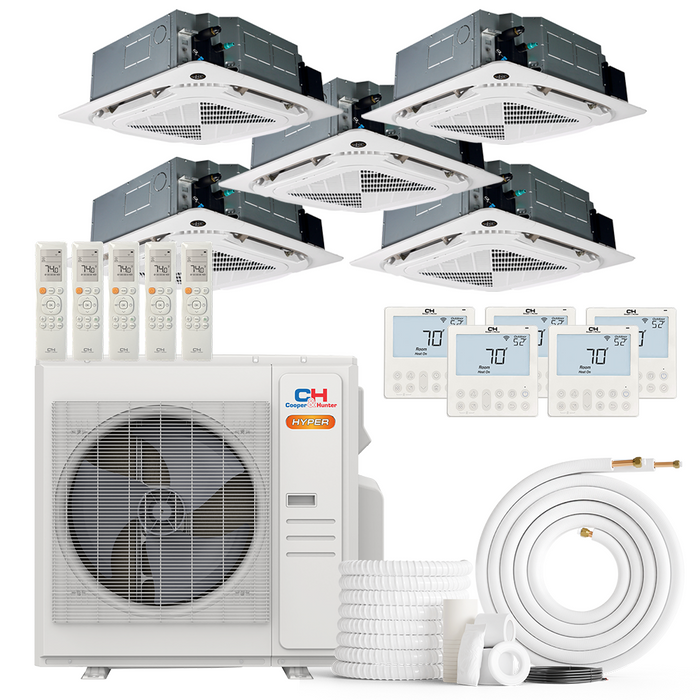
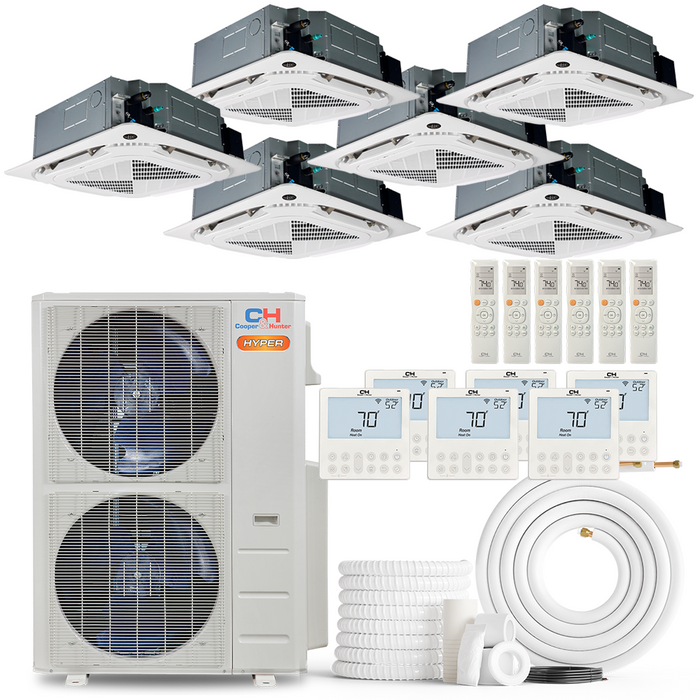
| Multi-Zone Ceiling Cassettes | Built-in lift pumps often have limited vertical head pressure, making them susceptible to backing up if lines are restricted. | External high-capacity secondary pumps, clear vinyl drain tubing, and auxiliary safety overflow switches. |
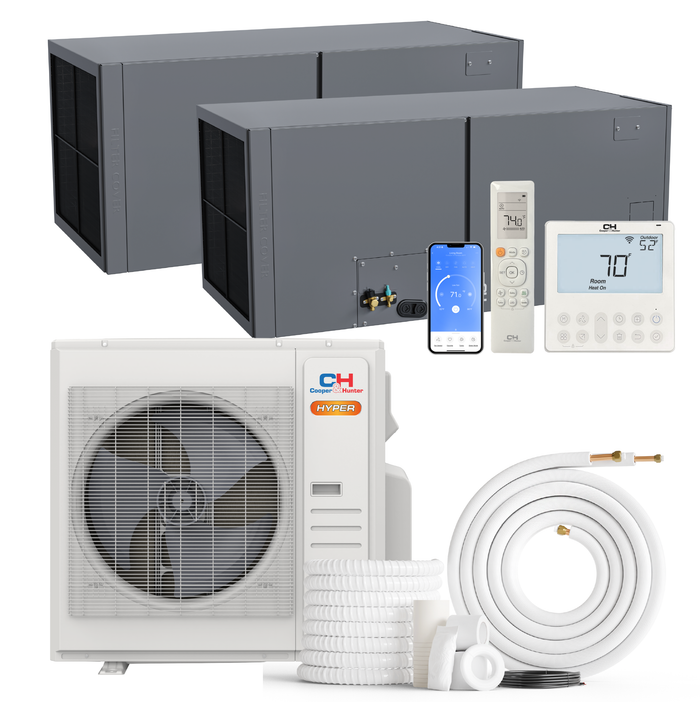
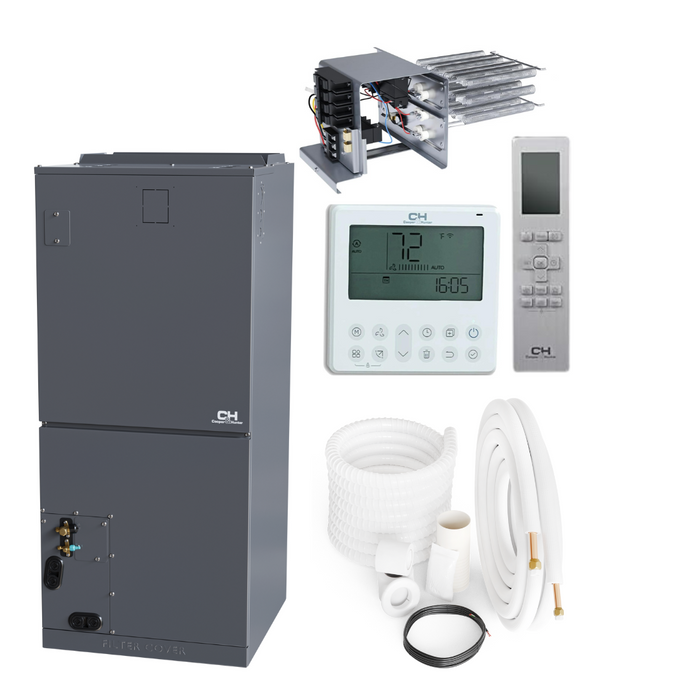
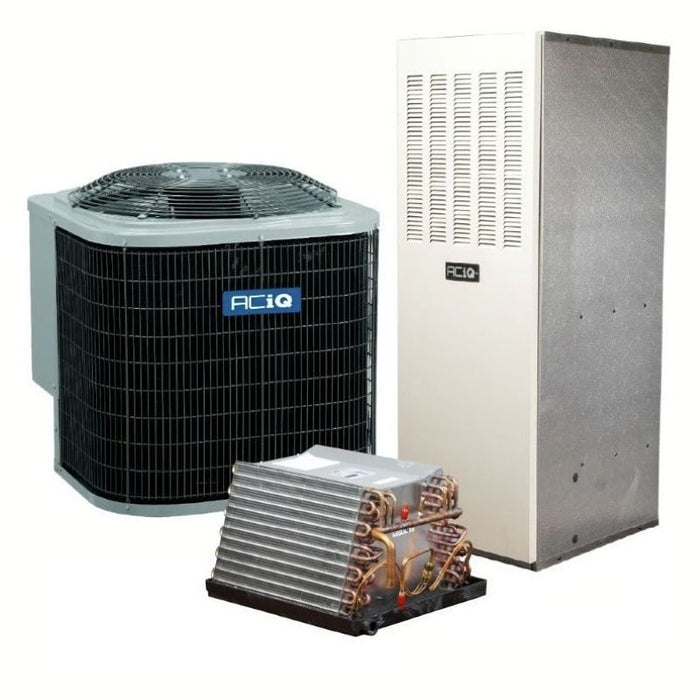
| Mobile Home Complete Systems | Often located in tight indoor closets or utility rooms where overflows immediately impact structural flooring. | Heavy-duty reservoir pumps, sturdy brackets stands pads, and float switches wired to the main air handler. |
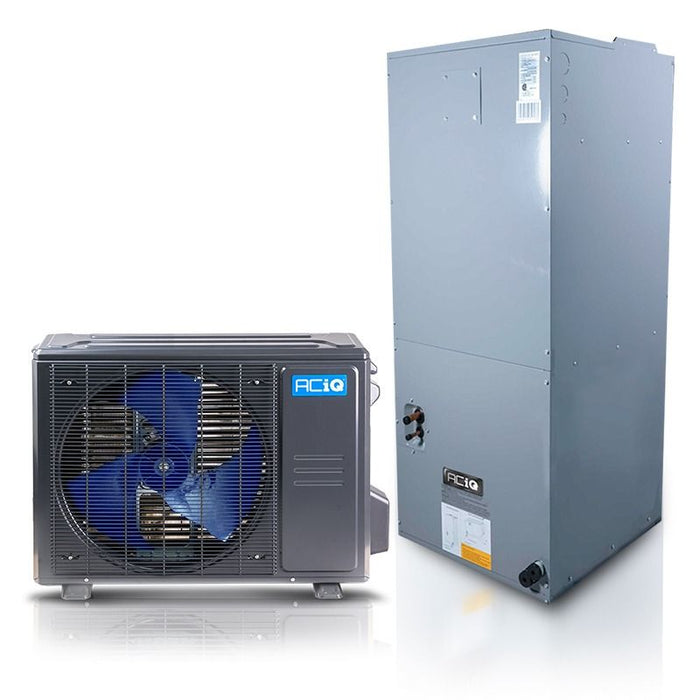
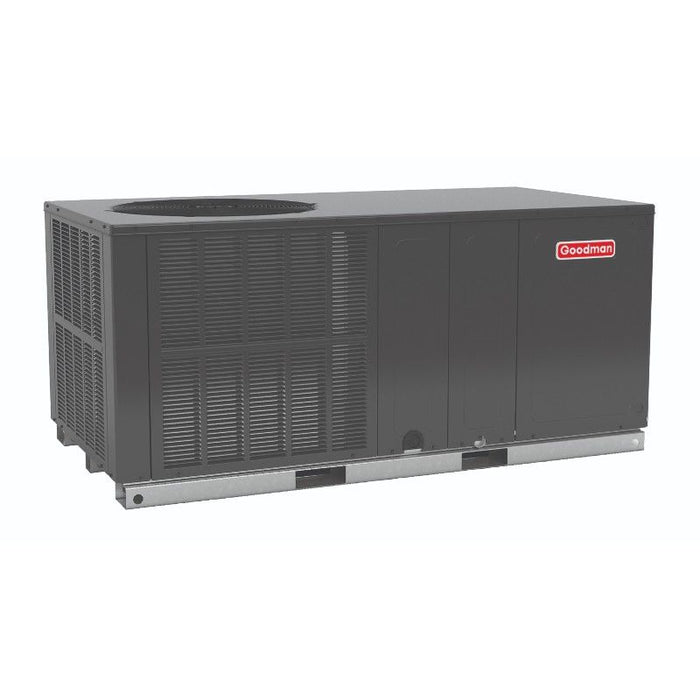
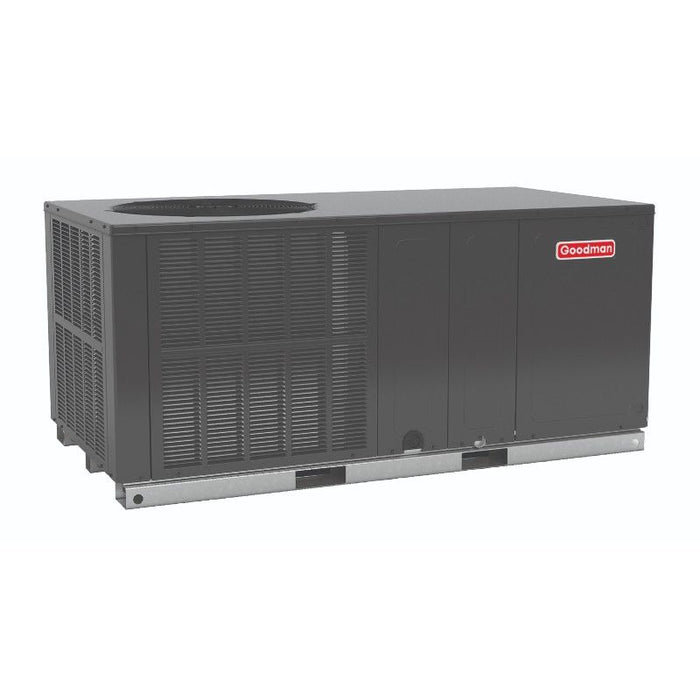
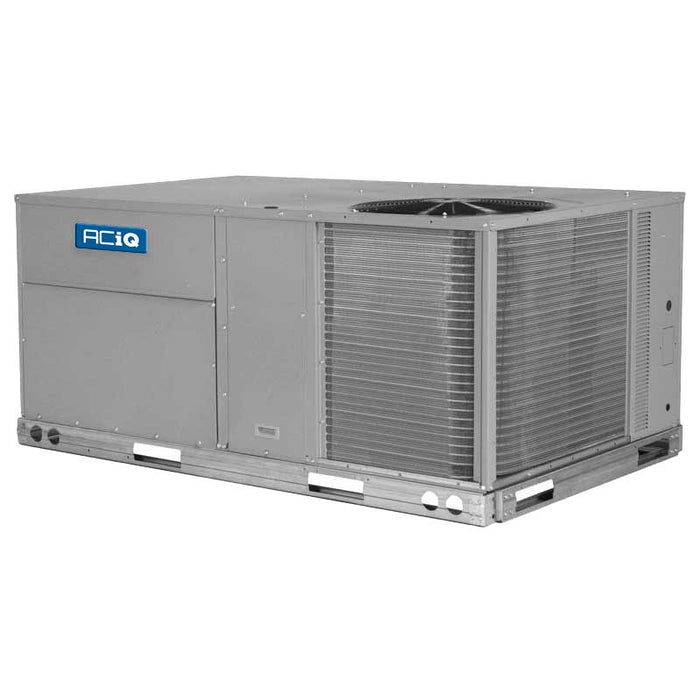
| Packaged Air Conditioners | Exposed to outdoor debris and temperature swings that can accelerate algae growth in the drain lines. | Outdoor-rated high-volume condensate pumps and heavy-duty primary drain pan treatments. |
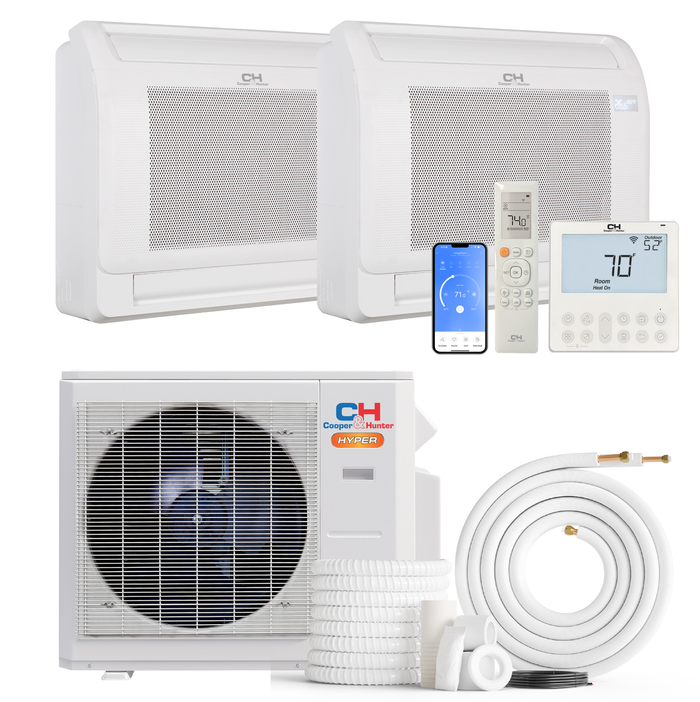
No matter what configuration you choose, whether it is a specialized mini floor console, a complex multi-zone universal floor ceiling network, or a multi-zone systems array featuring premium brands like MRCOOL, Cooper & Hunter, Olmo, or ACiQ, the core rule remains exactly the same: your system must be able to shed water as fast as it creates it. From smaller structural setups to massive multi-ton light commercial packages, managing latent heat is vital to extending the operational lifespan of your mechanical hardware.
Tailoring Drainage Solutions to System Capacity
Sizing your drainage accessories accurately requires checking the cooling capacity and style of your air conditioning units. A mismatch between total moisture generation and pump displacement can speed up mechanical breakdown.
Compact and Mid-Sized Mini-Splits
For smaller zoning layouts utilizing a 12k15k btu 1 01 25 ton system or a 15k18k btu 1 251 5 ton unit, internal space is limited. These systems are frequent choices for localized comfort, often relying on a 2 zone wall mount configuration, a 2 zone floor console setup, or a hidden 2 zone slim duct concealed layout. Because these compact air handlers sit directly within the living space, a failed condensate pump leads to immediate indoor dripping. When configuring a 2 zones mini split build, ensure the micro-pumps match the peak latent load. This remains vital even when stepping up to mid-sized capacities, such as an 18k24k btu 1 52 0 ton or a 24k30k btu 2 02 5 ton design, where the volume of water extracted from the air doubles during heavy humidity spikes.
Multi-Zone Residential Networks
Larger residential properties often deploy expansive multi-zone networks to regulate multiple rooms at once. Systems utilizing a 3 zone wall mount, a 3 zone floor console, or a 3 zone slim duct concealed configuration can generate an enormous cumulative amount of water. When these are grouped into a comprehensive 3 zones mini split network or balanced across higher capacities like 30k36k btu 2 53 0 ton and 36k48k btu 3 04 0 ton setups, a localized drainage clog can impact multiple rooms.
The danger multiplies as you scale up to complex home layouts featuring a 4 zone wall mount, a 4 zone floor console, or a 4 zone slim duct concealed array. Managing the drainage from a 4 zones mini split setup or a high-capacity 48k60k btu 4 05 0 ton system requires dedicated secondary plumbing lines. For maximum home coverage, such as a 5 zone floor console or a 5 zone slim duct concealed network, the collective latent load can overwhelm simple gravity drains, making heavy-duty reservoir pumps mandatory.
Specialized Ceiling and Floor Implementations
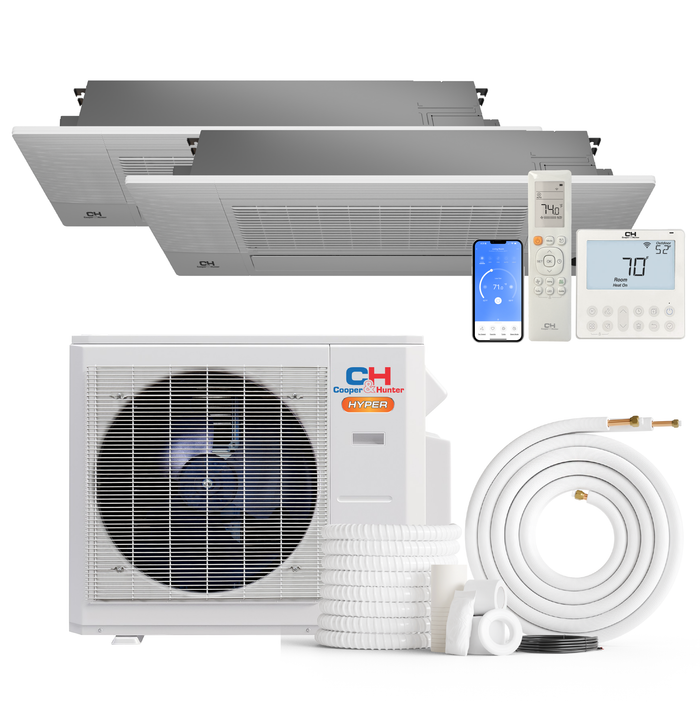
The physical profile of your indoor air handler changes how water collects and drains. For example, a single zone one way ceiling cassettes unit relies on a small internal lift pump to push water upward into a main drainage line. If you run a multi-room setup using a 2 zone 1 way ceiling cassette, a 3 zone 1 way ceiling cassette, a 4 zone 1 way ceiling cassette, or a 5 zone 1 way ceiling cassette network, check that the vertical head pressure ratings on your pumps can handle the lift required by your architectural layout.
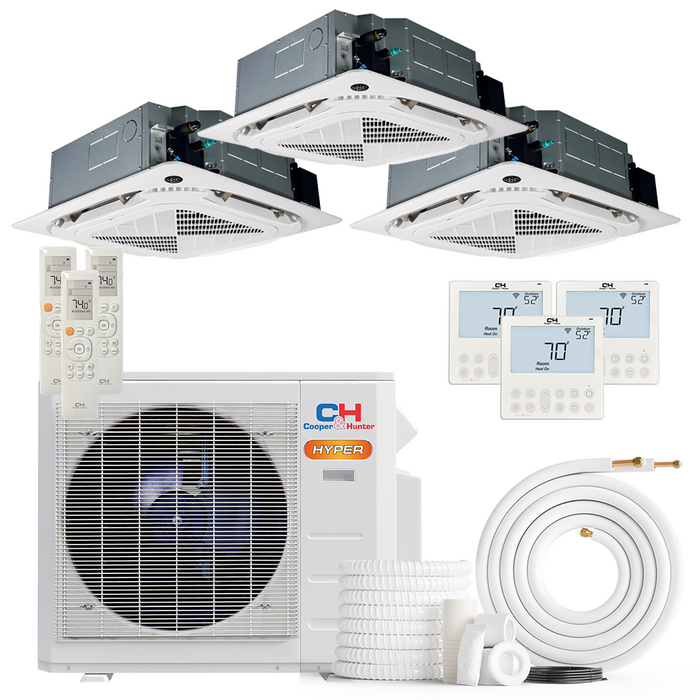
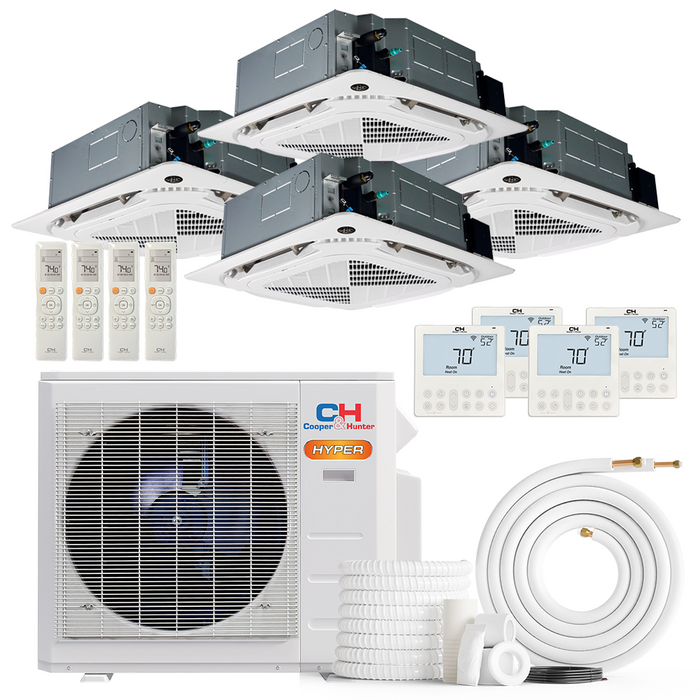
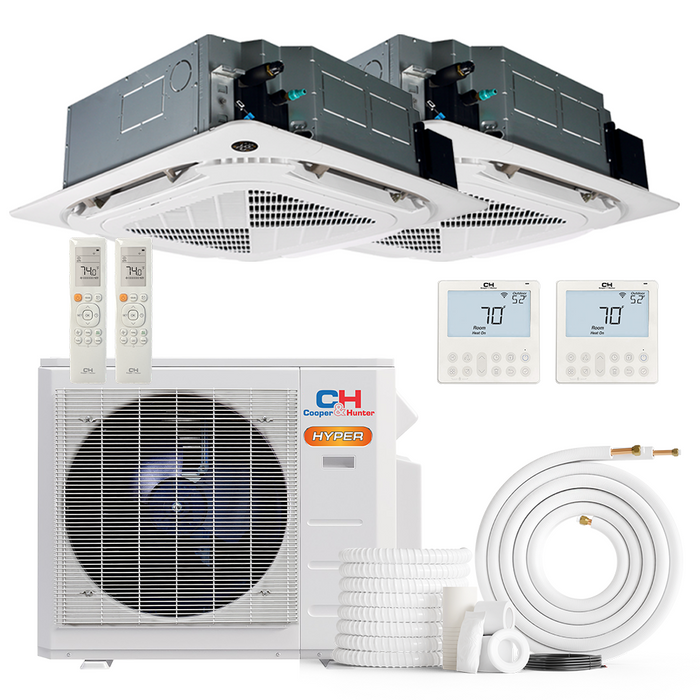
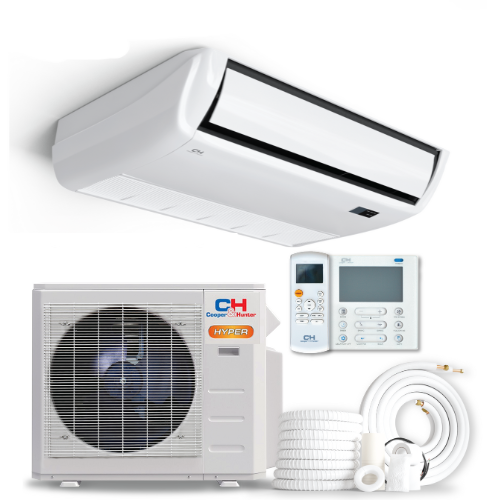
Square ceiling configurations change the drainage calculation further due to their higher surface areas. Systems like a 2 zone 4 way ceiling cassette, a 3 zone 4 way ceiling cassette, a 4 zone 4 way ceiling cassette, or a 5 zone 4 way ceiling cassette drop a steady stream of water into their internal catch basins during humid conditions. This requires pairing them with reliable overflow accessories to avoid structural ceiling damage. The same logic applies to versatile floor/ceiling designs, including a 2 zone universal floor ceiling ufc, a 3 zone universal floor ceiling ufc, a 4 zone universal floor ceiling ufc, or a 5 zone universal floor ceiling ufc array. Protecting these investments means inspecting the entire drain pathway from the internal coil pan out to the exterior walls.
Specialty Infrastructure and High-Capacity Systems
Specific residential structures and commercial projects demand unique environmental configurations. Ignoring moisture management in these settings can result in high repair costs.
Mobile Home Climate Control
Mobile and manufactured homes have distinct structural layouts that make water management critical. Because space is restricted, an overflowing drain pan can quickly rot out structural flooring. Whether you are running a mobile home complete systems package or a specialized mobile home air conditioners setup, secondary containment pans are vital.
[Mobile Home Evaporator Coil]
│
▼ (Moisture Extraction)
[Primary Drain Pan] ──► [Heavy-Duty Reservoir Pump] ──► Clear Exterior Exit
│
▼ (In Case of Pump Failure)
[Auxiliary Safety Switch] ──► Cuts System Power Instantly
If you manage or upgrade these homes, matching your filtration and drainage components to the specific equipment style is essential. This rule applies across multiple standard configurations, including:
- Mobile home furnaces and mobile home gas furnaces integrated with cooling coils.
- Standalone cooling setups built around high-efficiency mobile home ac condensers or alternative mobile home ac condensers copy selections.
- Paired mobile home ac furnace systems or mobile home ac furnace systems copy options designed for year-round temperature control.
- Split setups featuring standard mobile home ac coil systems or versatile mobile home heat pump condensers and mobile home heat pump condensers copy components.
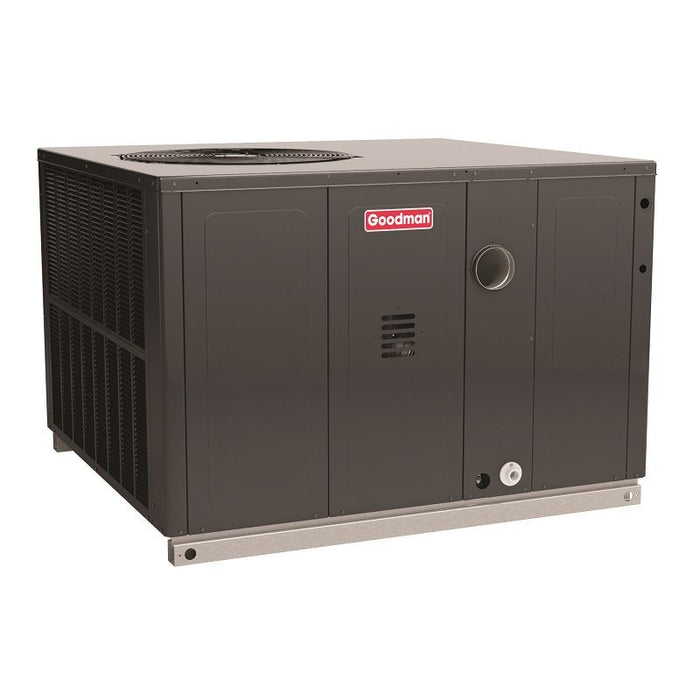
For all-in-one outdoor configurations, mobile home packaged units and modern mobile home packaged heat pump units (including mobile home packaged heat pump units copy and mobile home packaged heat pump units 1 variants) must have their outdoor drain channels kept free of dirt, leaves, and biological growth. Sizing the safety infrastructure to match the exact tonnage of your equipment ensures worry-free performance, whether you run a:
Mobile home packaged heat pump units 18k 24k Mobile home packaged heat pump units 24k 30k Mobile home packaged heat pump units 30k 36k Mobile home packaged heat pump units 36k 48k Mobile home packaged heat pump units 48k 60k Mobile home packaged heat pump units 60k 72k
Commercial and Packaged Powerhouses
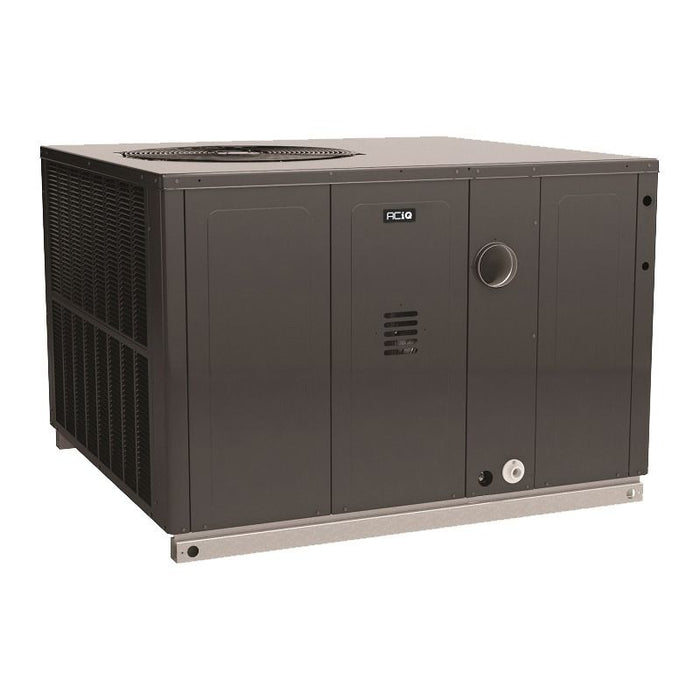
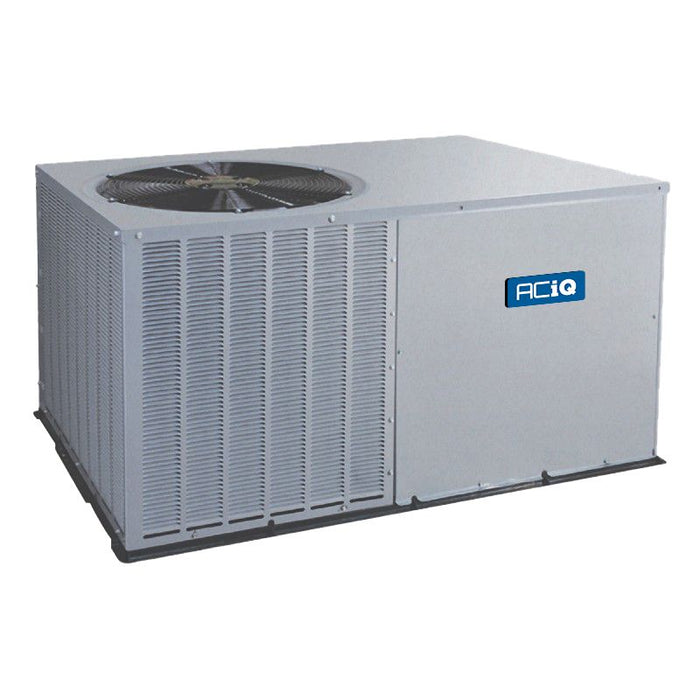
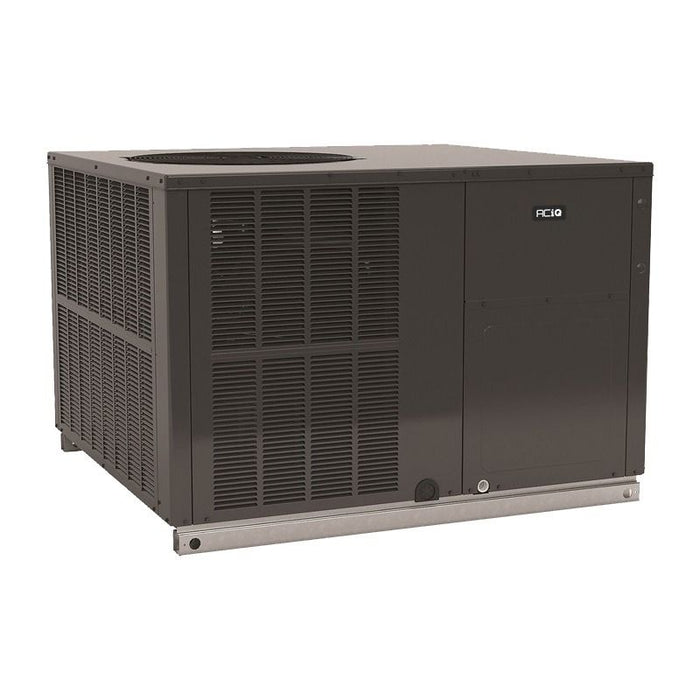
Commercial properties use heavy-tonnage systems to handle large occupancy loads and continuous outdoor air ventilation, generating massive amounts of condensate water. Industrial installations deploying commercial packaged units, heavy-duty packaged air conditioners, or all-weather gas electric packaged units require industrial-grade water removal systems.
This high volume is common across packaged units built for high-occupancy spaces, such as packaged air conditioners aciq configurations. When tracking these large setups by capacity, the drainage infrastructure must scale accordingly:
Conclusion
Do not wait for a hidden ceiling leak or an expanding floor puddle to remind you about the realities of summer humidity. High latent heat is an unavoidable environmental challenge, but pump failure and devastating domestic water damage are completely preventable. By equipping your air conditioning setup with high-capacity condensate removal tools and reactive overflow switches, you can easily protect your property investment and enjoy reliable, worry-free indoor comfort through the hottest days of the year.
Are you ready to safeguard your home and upgrade your cooling system's moisture management infrastructure? Explore the extensive collection of professional-grade components by visiting the HVAC Supplies Accessories & Kits Marketplace today. If you need help finding the perfect fit or configuring a safety layout tailored to your specific regional climate, do not hesitate to reach out directly to the HVAC Supplies Expert Team for professional sizing and system layout advice.