





















The Spring Retrofit: Why 2026 is the Year Commercial Spaces Go Ductless
Share
HVAC SUPPLIES
2026 Strategic Report
The Spring
Retrofit
Why 2026 is the Year Commercial Spaces Go Ductless.
The landscape of commercial climate control is undergoing a seismic shift. As we enter the spring of 2026, property owners and facility managers are finding themselves at a critical crossroads. The traditional methods of cooling and heating large-scale environments are being challenged by a combination of new environmental mandates, rising operational costs, and a demand for more granular control over indoor environments. For those managing office buildings, retail centers, or hospitality venues, the question is no longer just about maintaining a comfortable temperature—it is about future-proofing an asset.
Spring has always been known as the "shoulder season" for HVAC professionals. It is that brief, golden window where the furnace is no longer fighting the winter chill, and the air conditioning hasn't yet been pushed to its limits by the summer sun. This period offers the optimal opportunity for businesses to perform major retrofits without the emergency pressure and inflated labor costs that inevitably arrive with the first major heatwave. However, 2026 brings an added layer of urgency that sets it apart from previous years.
The 2026 Commercial Climate Shift
The primary catalyst for change this year is a significant regulatory milestone. As of January 1, 2026, new EPA regulations regarding high-GWP (Global Warming Potential) refrigerants have officially taken effect. These regulations are designed to phase out older, environmentally harmful chemicals in favor of more sustainable alternatives. For many commercial properties operating on legacy systems, this means that repairs will become increasingly expensive—or in some cases, impossible—as the supply of older refrigerants dwindles.
This regulatory environment creates a natural "why now" for commercial property owners to upgrade to modern, compliant Ductless HVAC Systems. Transitioning to these systems today is not just an environmental choice; it is a strategic business move to avoid the forced, high-cost emergency replacements that will likely occur as older systems fail under the strain of the coming summer. By acting during the spring, businesses can navigate the transition on their own terms, ensuring they remain compliant while simultaneously boosting their property's value.
Why "Ductless" is the Smart Business Move in 2026
When evaluating a major capital expenditure, commercial users are primarily driven by Return on Investment (ROI). Modern Ductless HVAC Systems excel in this area by addressing both immediate and long-term financial concerns. The most immediate benefit is regulatory compliance. By moving to systems designed for the 2026 standards, businesses insulate themselves from the legal and operational risks associated with non-compliant hardware. Furthermore, many of these high-efficiency upgrades qualify for significant energy tax credits, effectively reducing the initial cost of the investment.
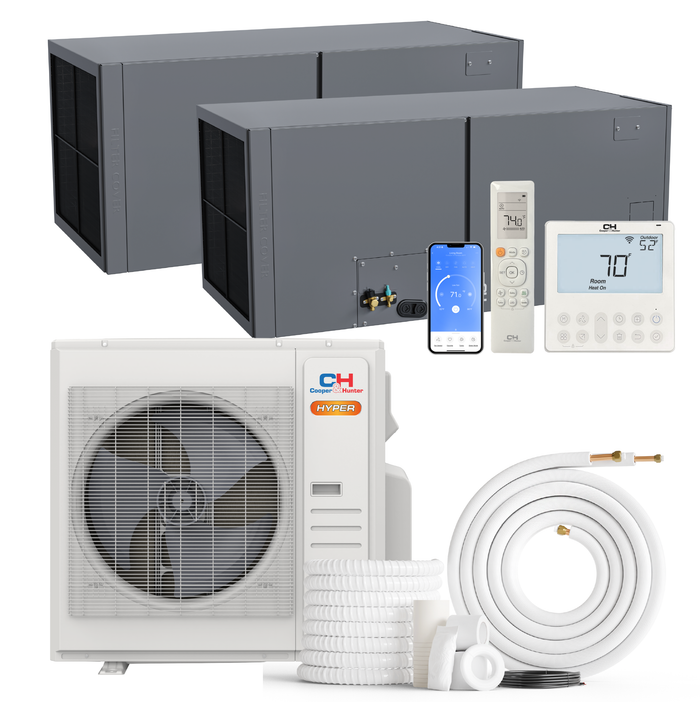
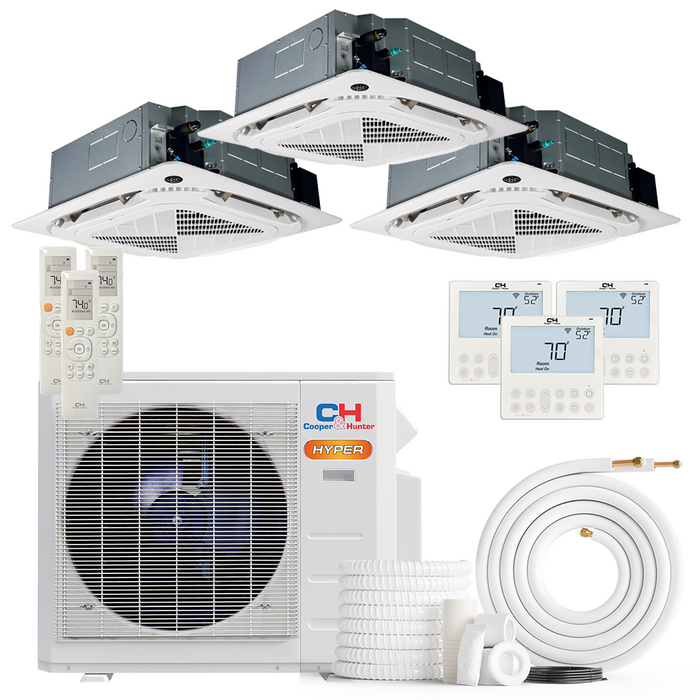
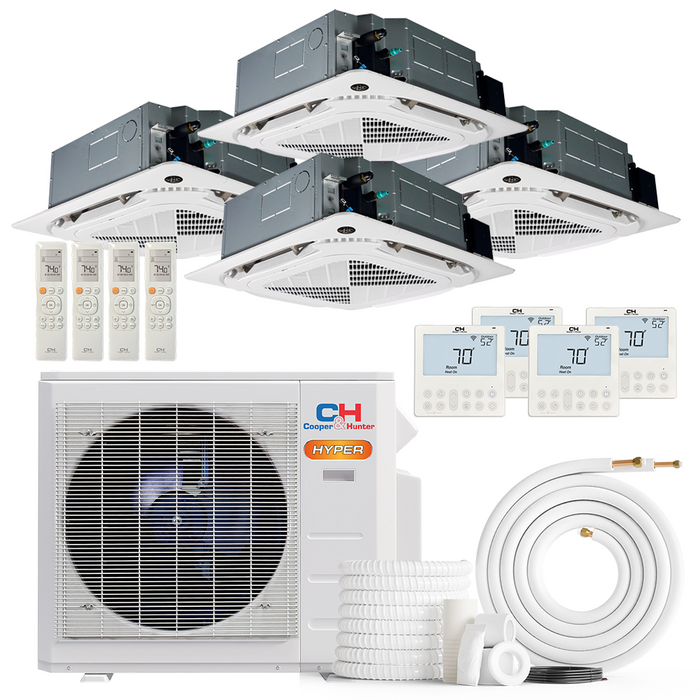
Operational efficiency is the next major pillar of the ductless ROI story. Traditional central air systems are notorious for energy waste, often cooling or heating entire wings of a building that may be unoccupied. In contrast, ductless technology allows for precise zoning. By utilizing Ductless Multi-Zone Indoor Units, a facility manager can ensure that energy is only spent where it is actually needed. This reduction in operational overhead directly impacts the bottom line, often paying for the system upgrade through energy savings alone over a relatively short period.
Finally, the flexibility of installation cannot be overstated, especially for older commercial structures. Retrofitting a building with traditional ductwork often requires invasive construction, lowering ceilings and disrupting daily business operations. Ductless systems bypass these hurdles. Because they require only small refrigerant lines rather than bulky ducts, they can be integrated into existing spaces with minimal disruption. Whether you are upgrading a historic downtown office or a sprawling retail complex, the "no-duct" approach simplifies the logistics of the retrofit significantly.
Tailored Solutions for Commercial Layouts
Every commercial space has unique air distribution needs, and the beauty of the ductless category is its adaptability.
High Traffic
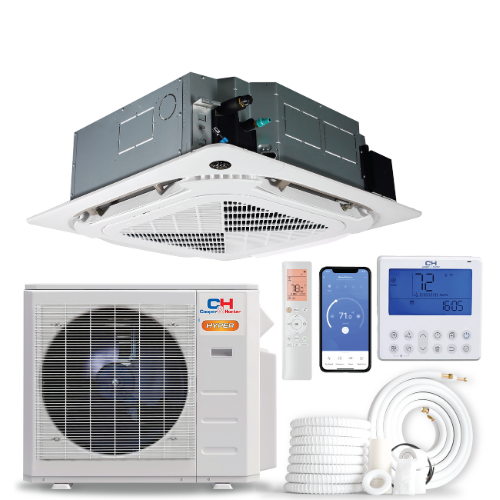
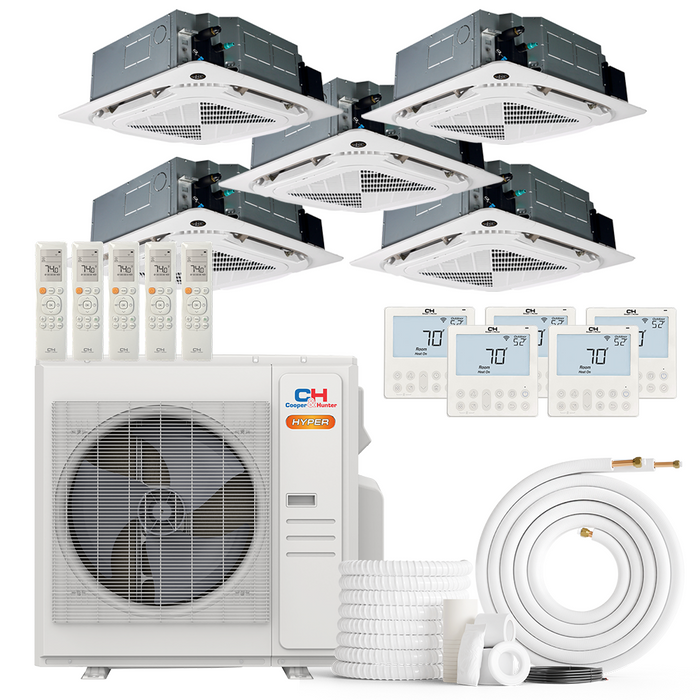
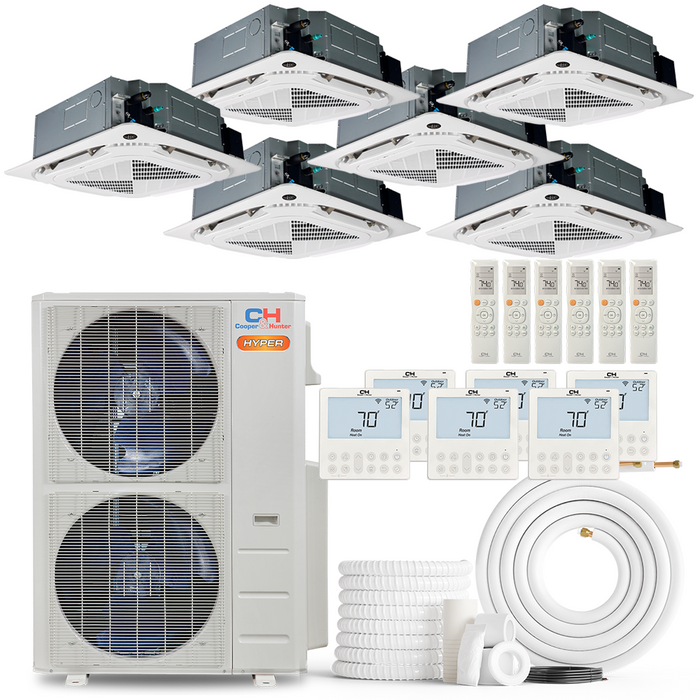
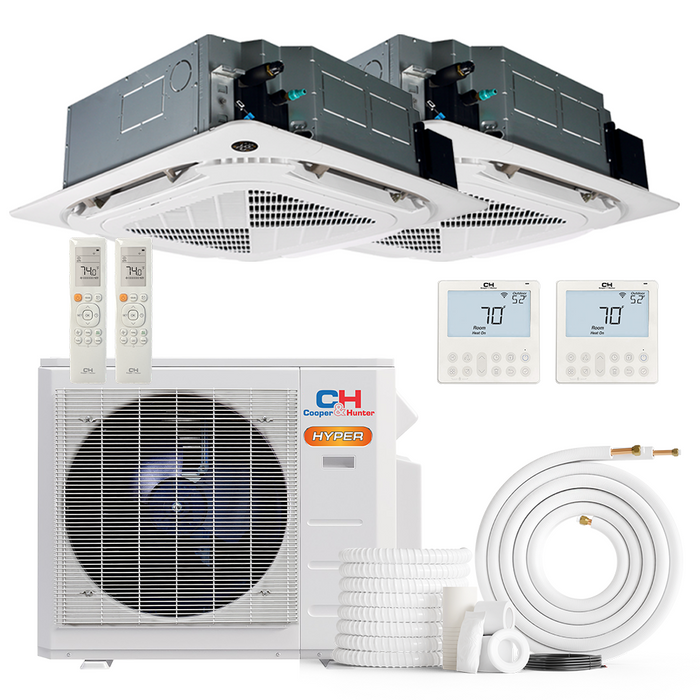
For open-plan offices and showrooms, Four-Way Ceiling Cassette Systems are the gold standard, providing a clean look and 4-way airflow.
Tight Quarters
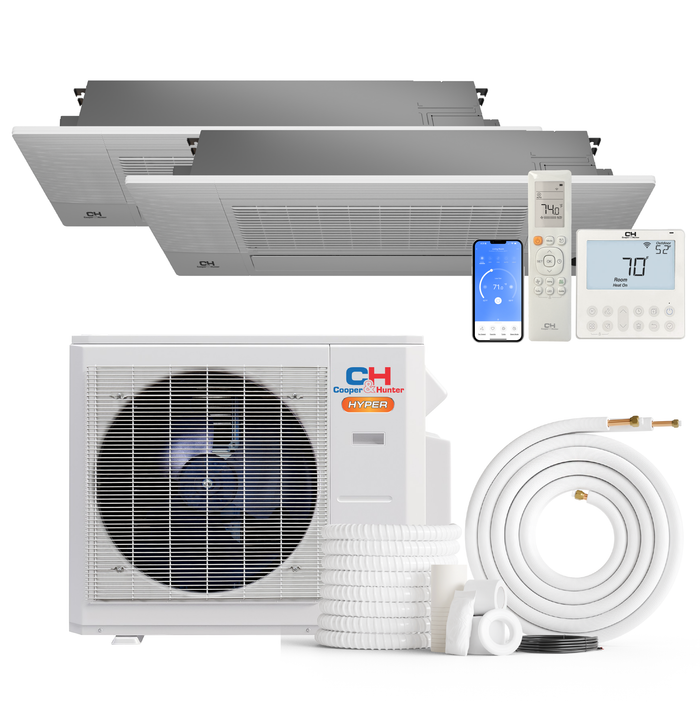
Confined spaces benefit from One-Way Ceiling Cassette Units for optimized directional airflow.
Versatile Mounts
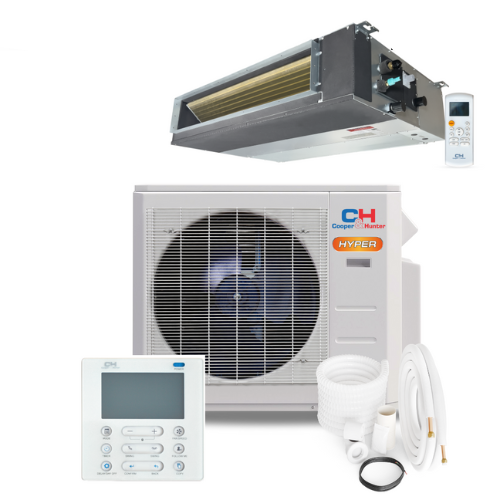
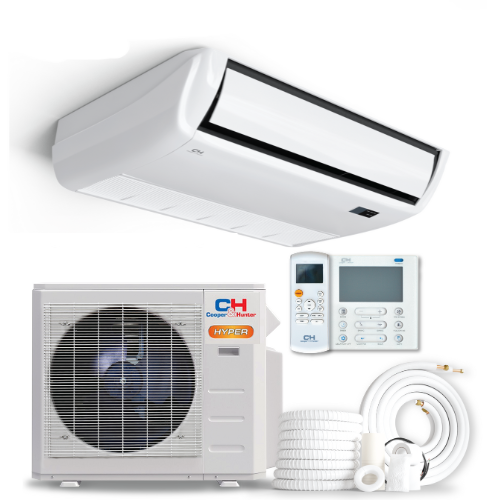
Universal Floor/Ceiling (UFC) Units offer a chameleon solution for limited ceiling access.
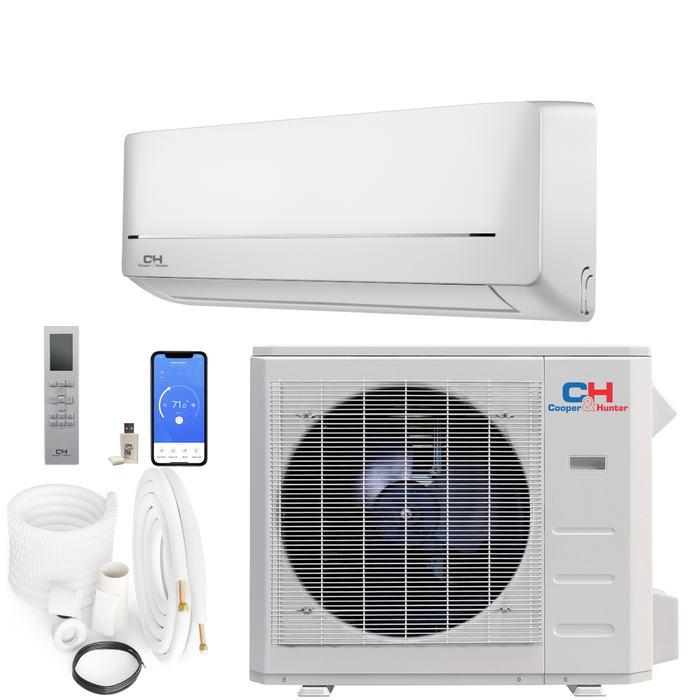
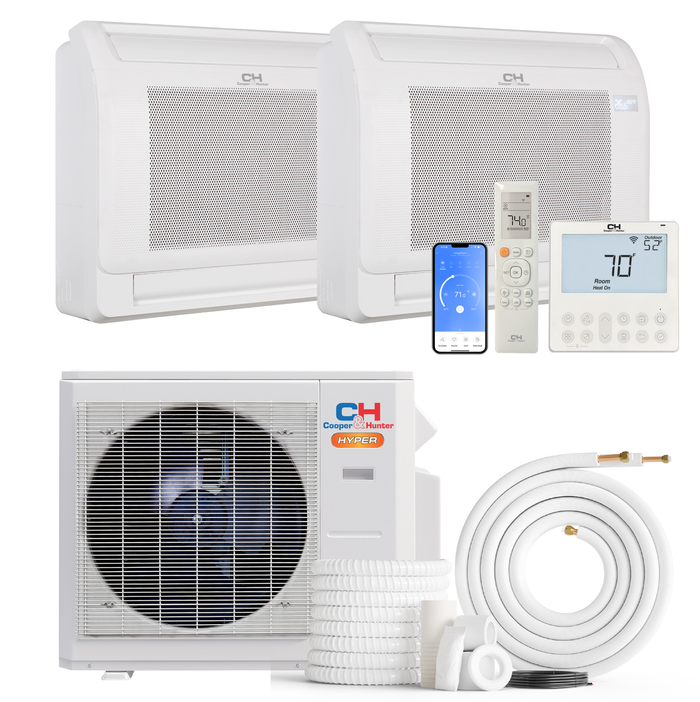
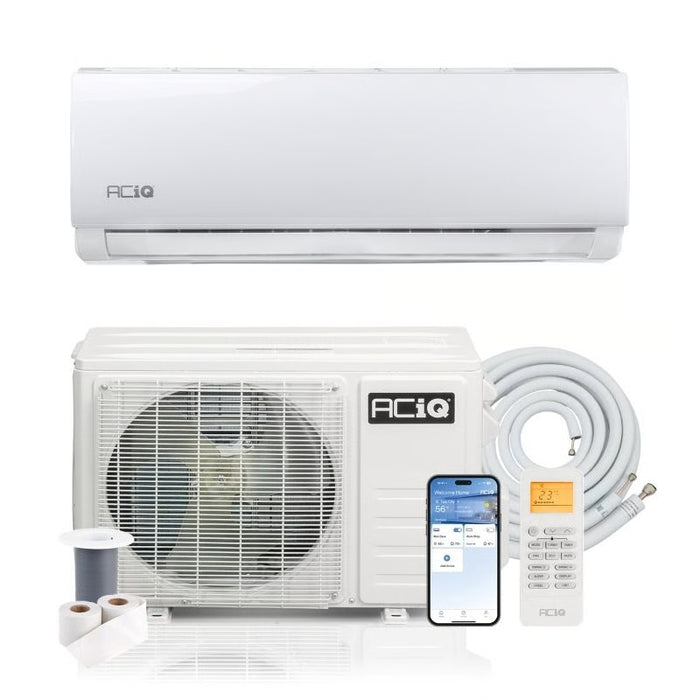
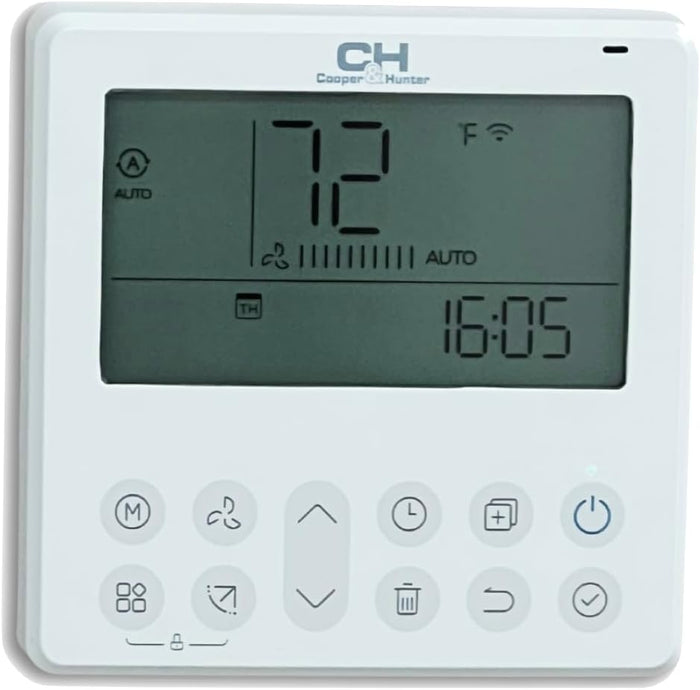
Similarly, Floor Console Systems are an excellent choice for perimeter heating and cooling, often used in buildings with large glass windows where floor-level air distribution is most effective at blocking heat gain or loss. For individual private offices where cost-effectiveness and targeted comfort are the priorities, sleek Ductless Multi-Zone Wall Mount Units remain the most popular and efficient choice.
Engineering the System: Outdoor Power & Components
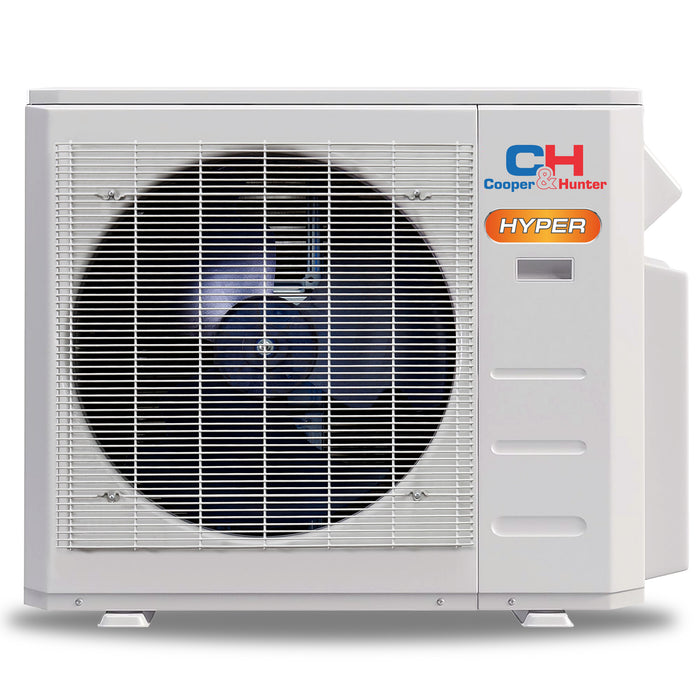
A high-performing indoor environment is only as reliable as the machinery powering it from the outside. The "backbone" of any commercial retrofit is the selection of the outdoor condenser. Depending on the local climate, businesses must choose between Ductless Multi-Zone Standard Outdoor Units and Ductless Multi-Zone Hyper-Heat Outdoor Units.
While standard units are perfect for moderate climates, Hyper-Heat technology is essential for regions where spring mornings or winter nights can drop well below freezing, ensuring the system provides 100% heating capacity even in extreme cold. Scalability is another key factor. By utilizing Ductless Multi-Zone Outdoor Units, a single exterior footprint can power multiple Indoor Units. To ensure long-term reliability, we prioritize stocking trusted brand lines like Olmo and Bravo.
Strategic Add-Ons for a Complete Retrofit
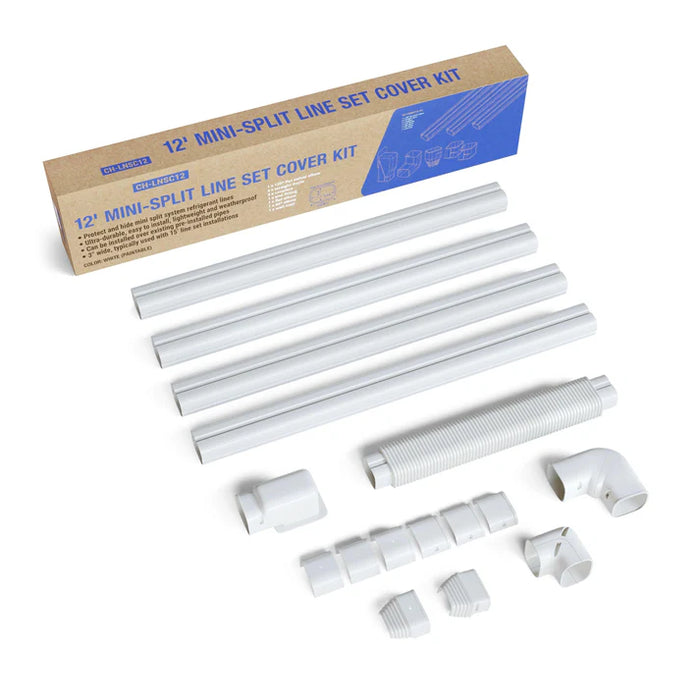
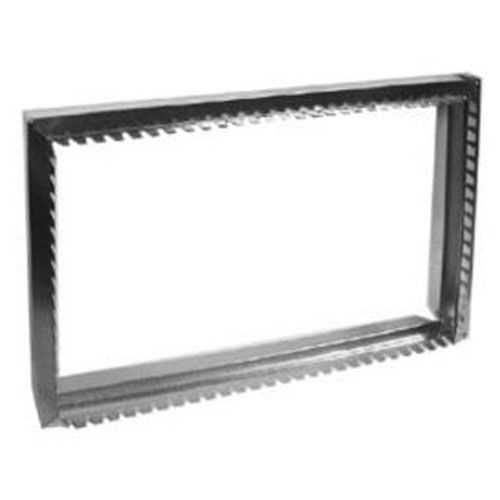
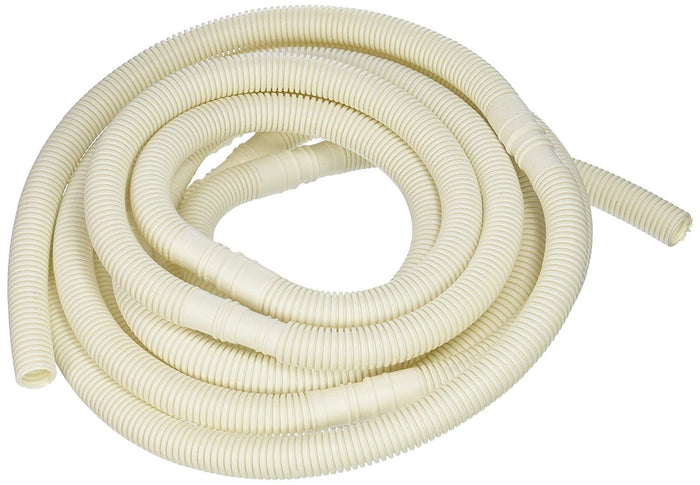
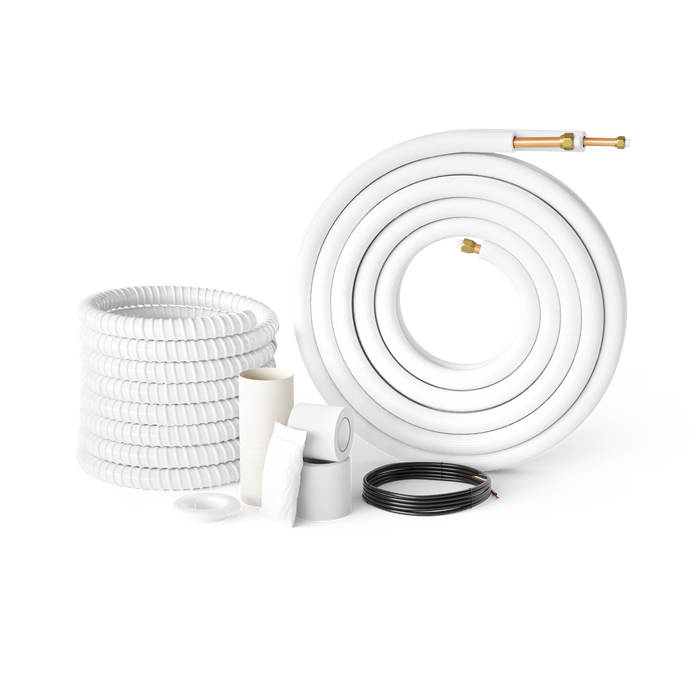
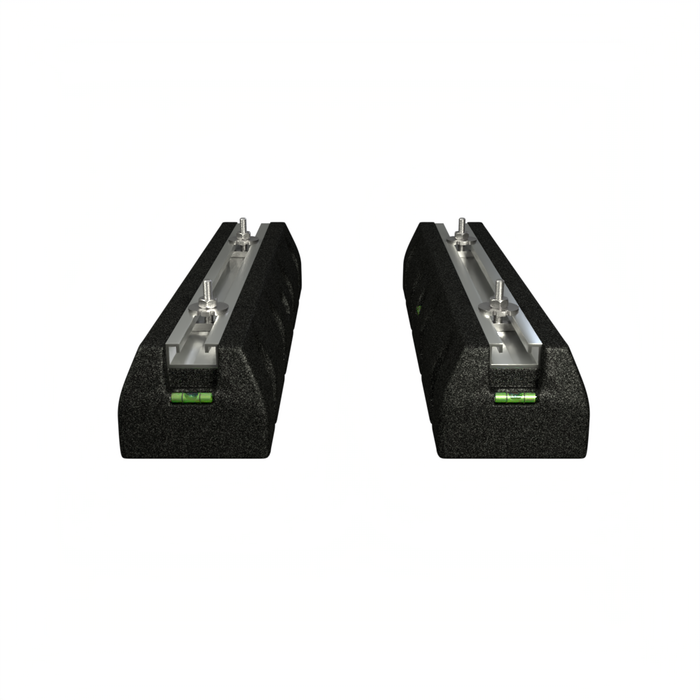
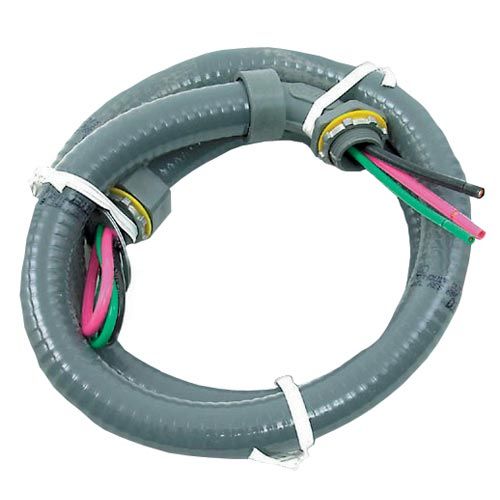
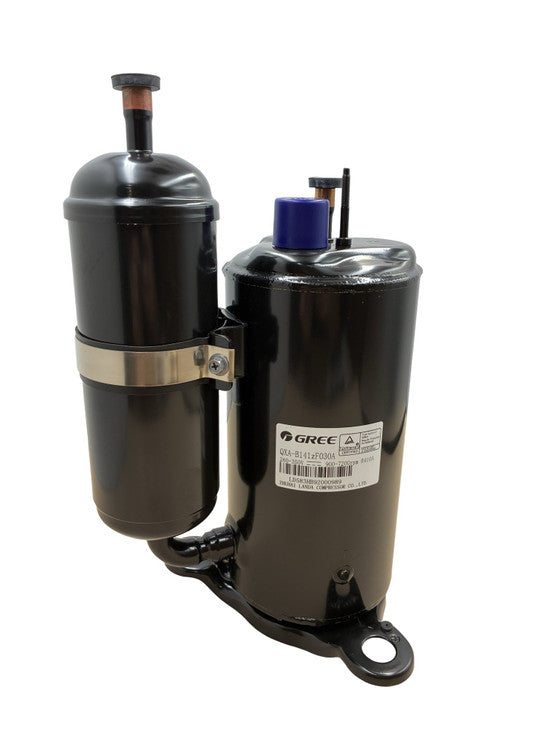
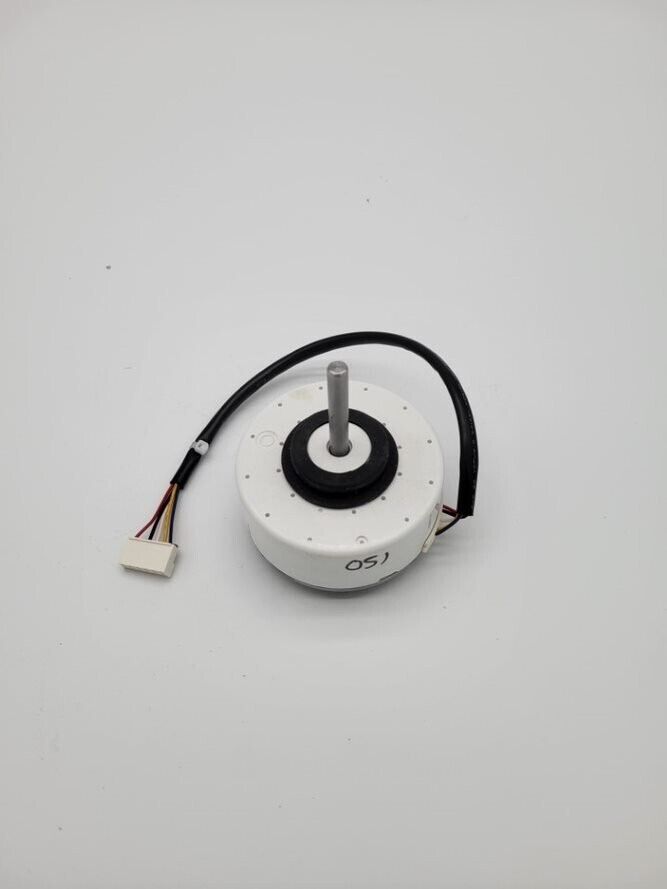
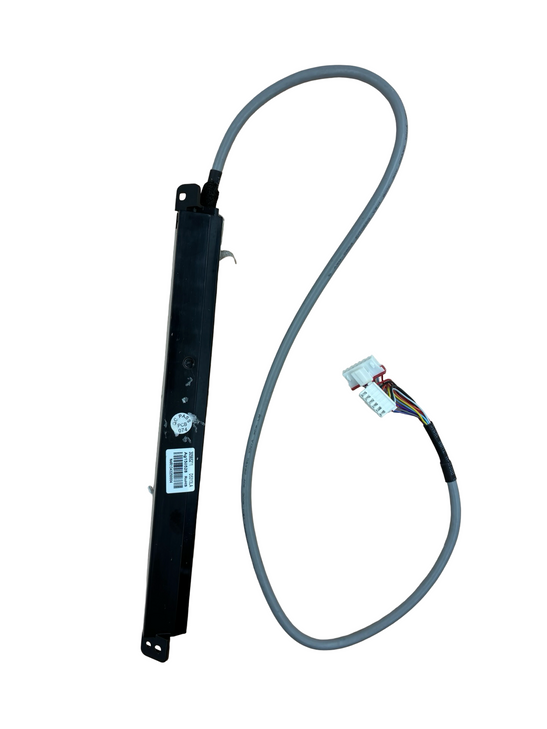
A successful retrofit involves more than just selecting the right air handlers and condensers. Using high-quality Line Covers is essential for ensuring a professional finish that protects the system's vital "veins" from UV damage, pests, and weather. Furthermore, facility managers should ensure that their contractors have access to complete Installation Kits and all necessary Mini-Splits Accessories before the work begins.
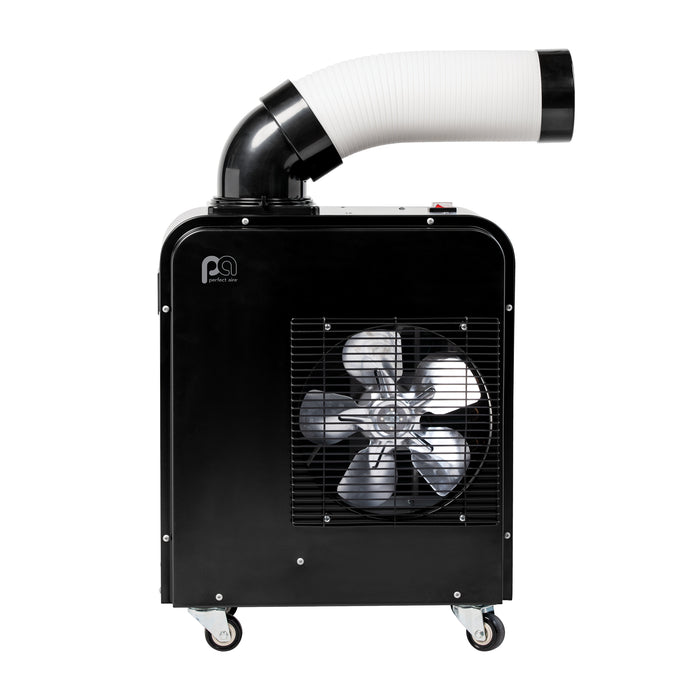
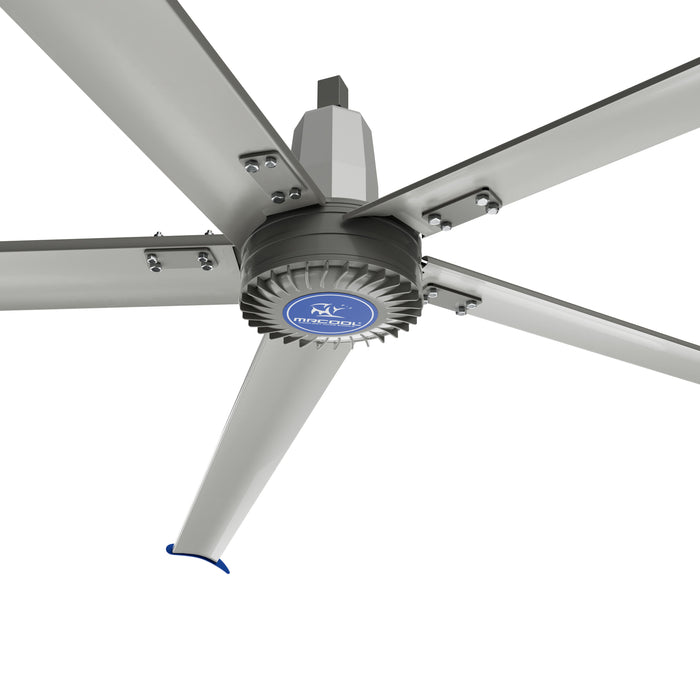
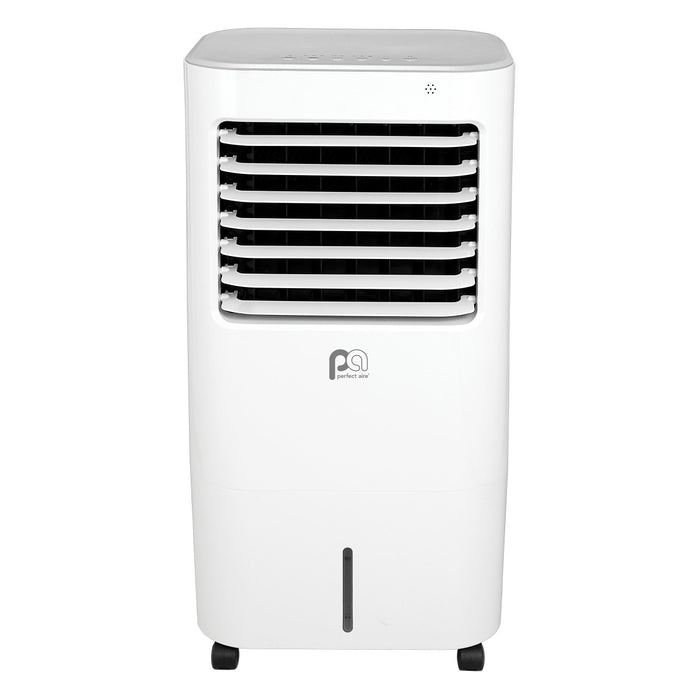
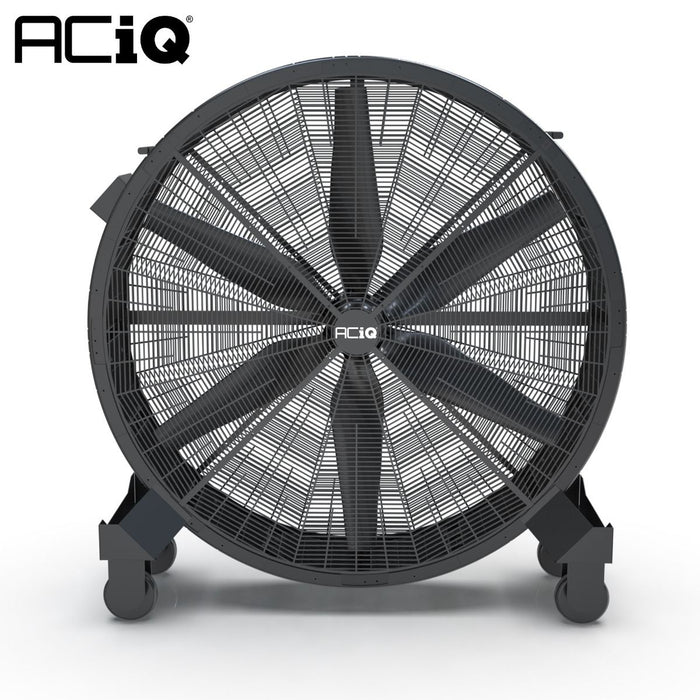
In larger commercial environments, supplemental solutions can enhance effectiveness. For instance, Evaporative Coolers can provide cost-effective spot cooling. Alternatively, installing an HVLS Fan (High-Volume, Low-Speed) can help circulate the air treated by your ductless units, ensuring that large volumes of space remain comfortable without overtaxing the AC.
Diverse Solutions for Diverse Needs
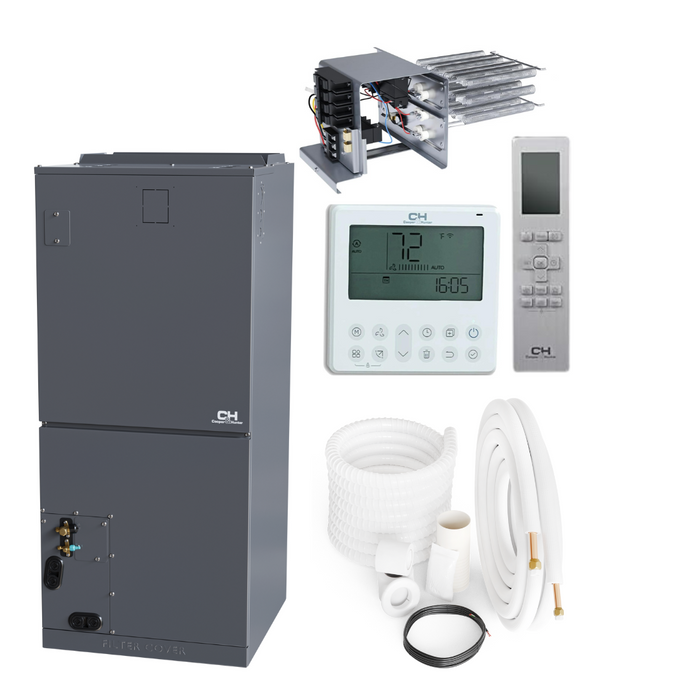
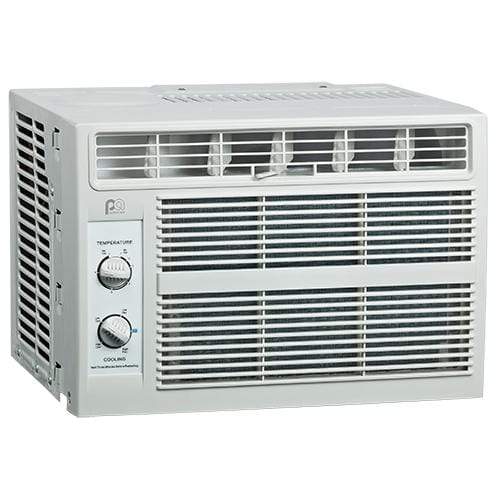
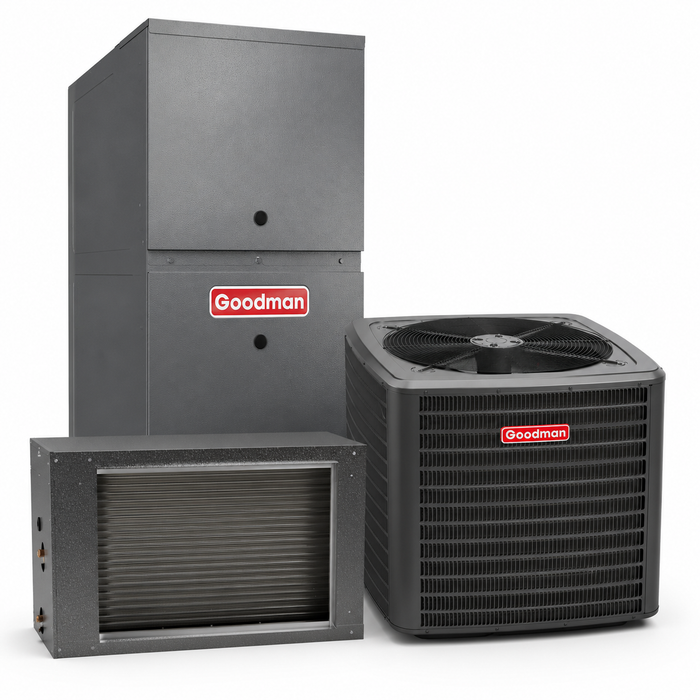
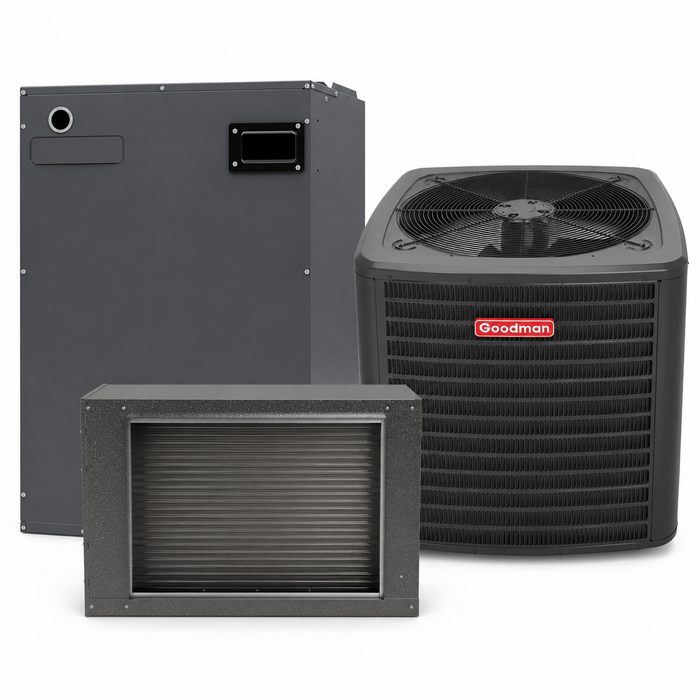
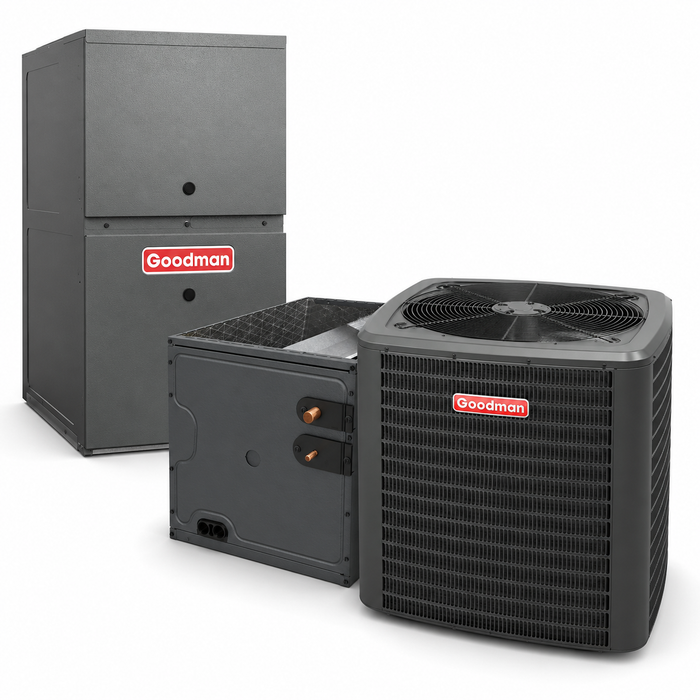
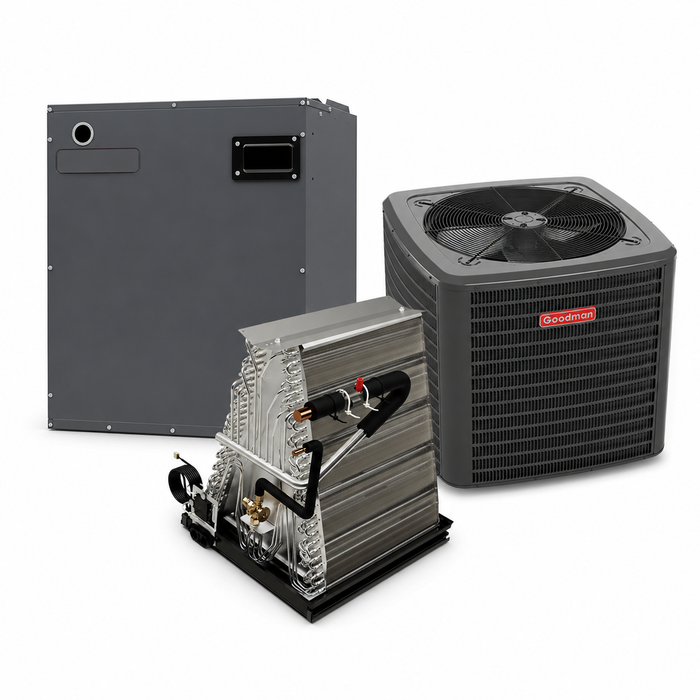
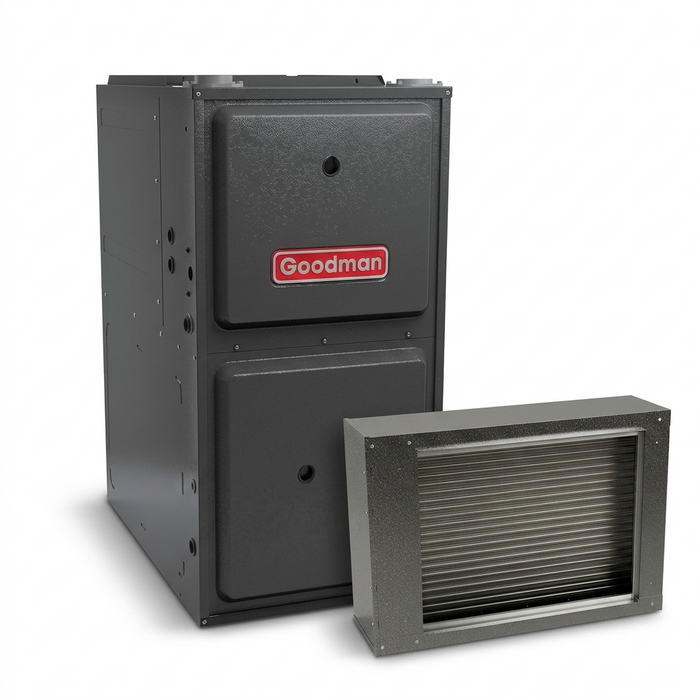
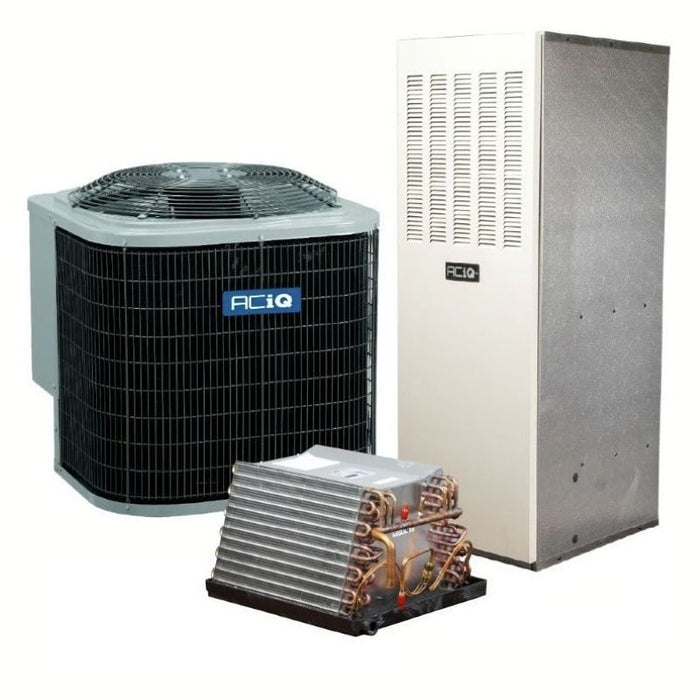
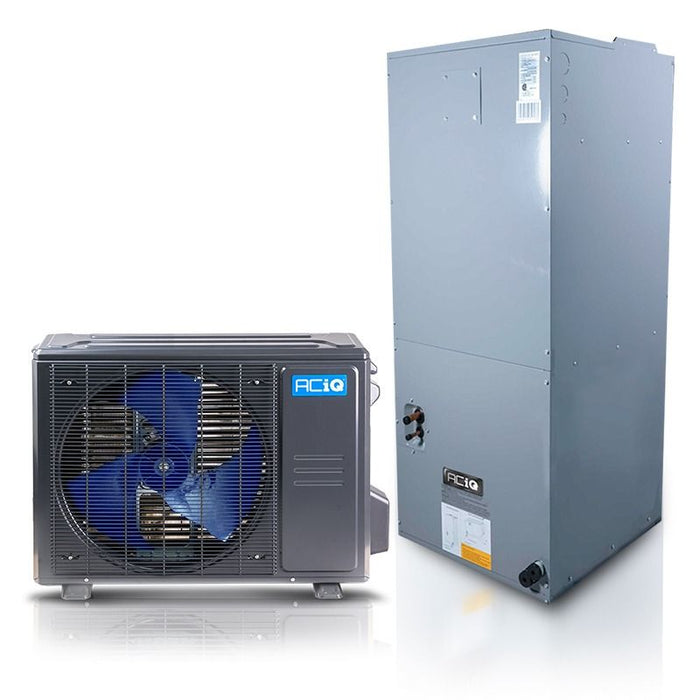
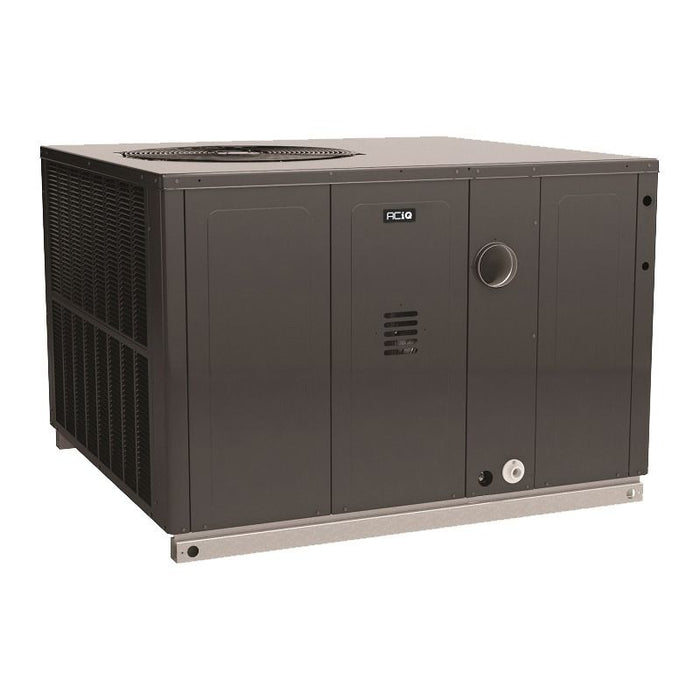
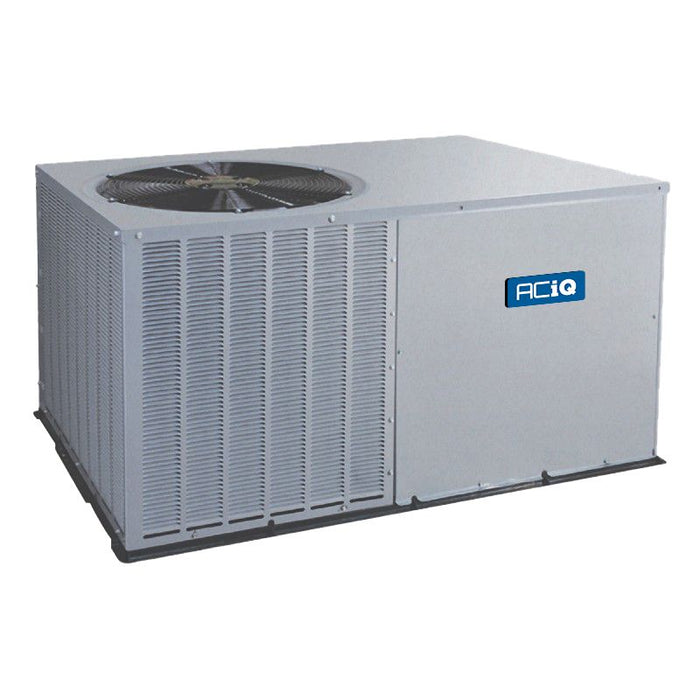
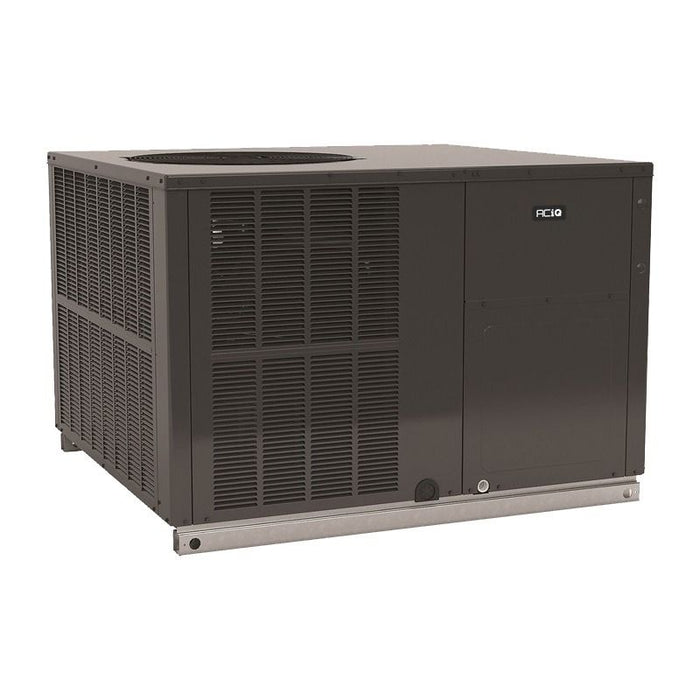
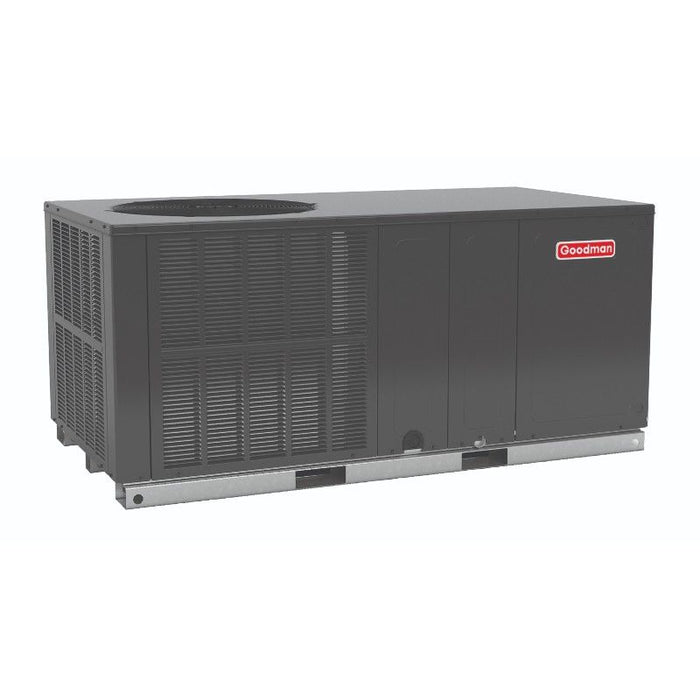
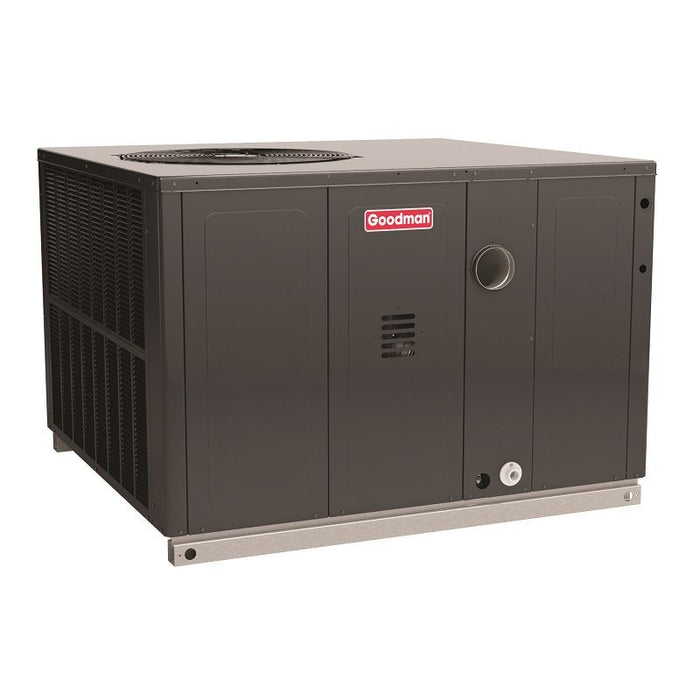
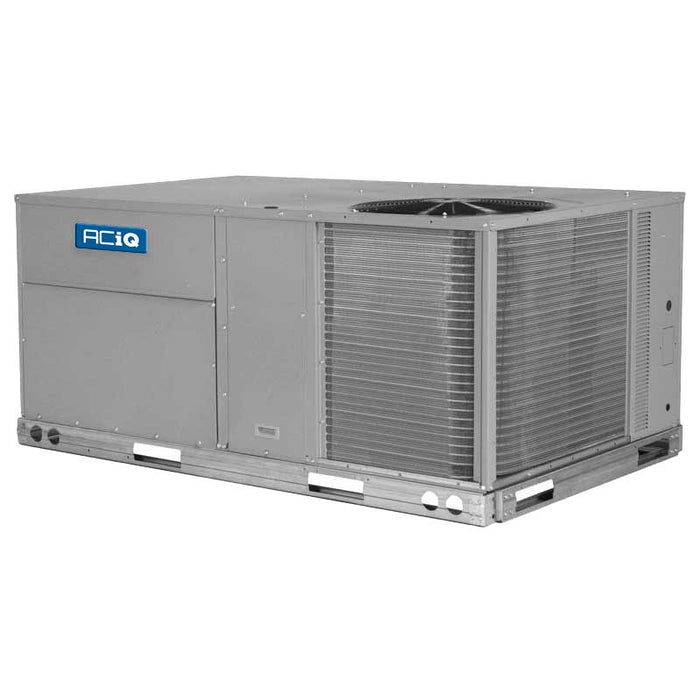
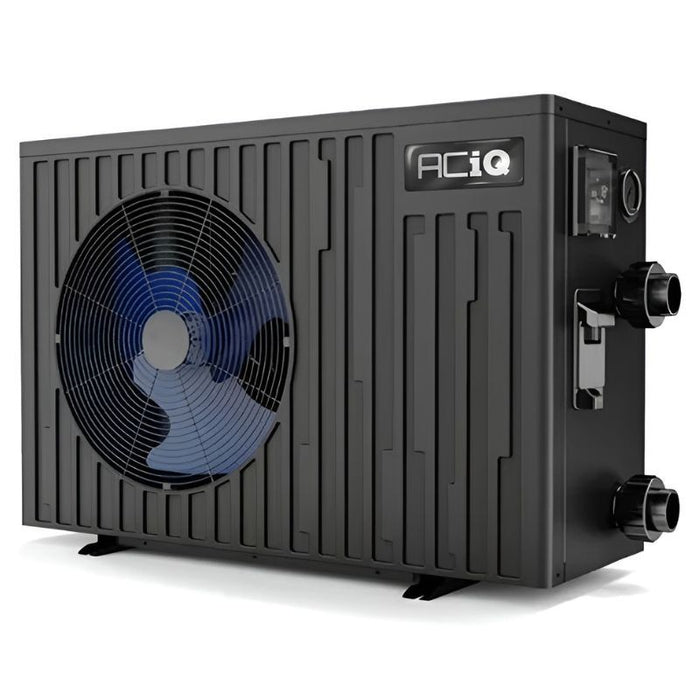
Buildings that already have functional ductwork but need a high-efficiency power source might look into a Heat Pump Air Handler or Heat Pump Condensers. Others may find that a Gas Electric Light Commercial Packaged Unit is the best fit. For those in regions with extreme temperature swings, a Duel Fuel system provides the ultimate safety net. In these scenarios, replacing the Evaporator Coils or upgrading to a Furnace Plus Coil package can significantly improve performance.
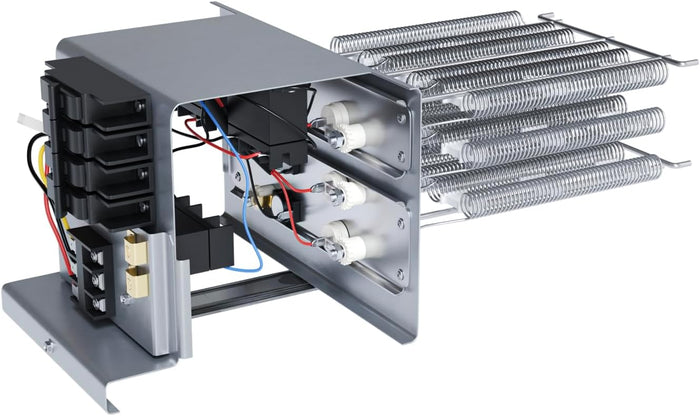
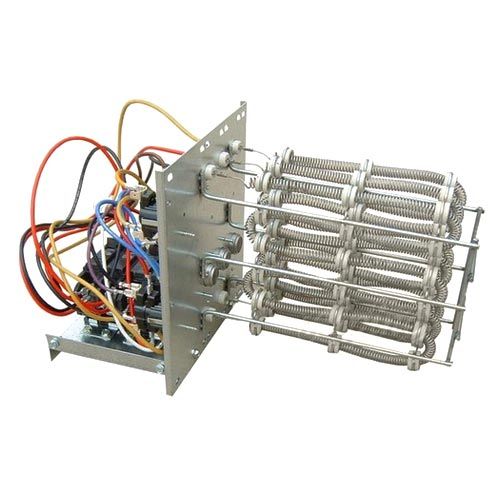
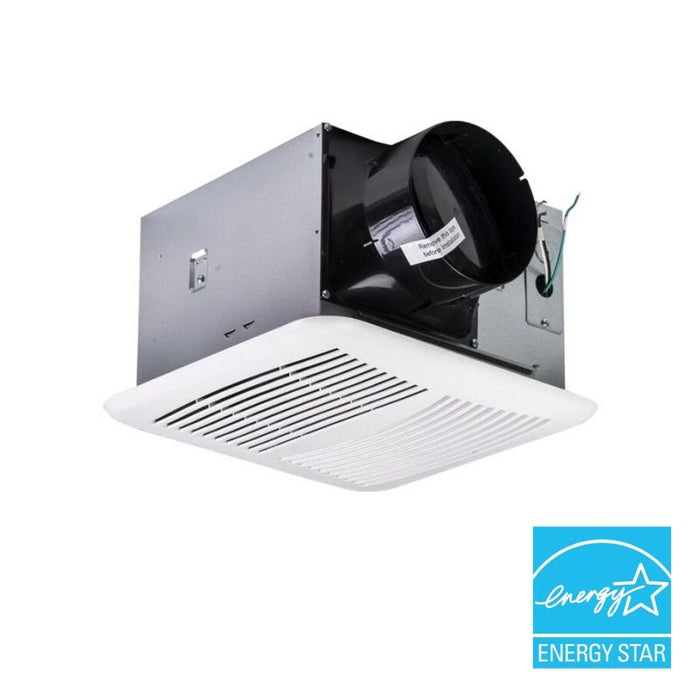
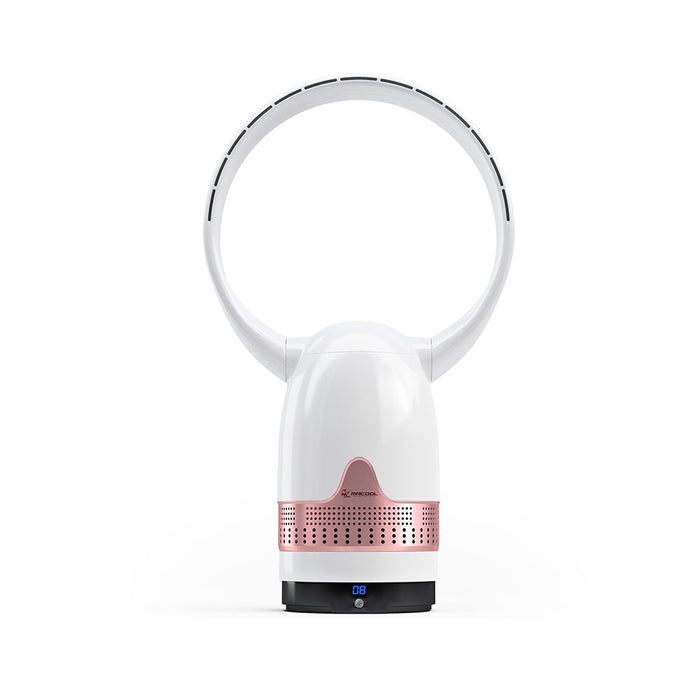
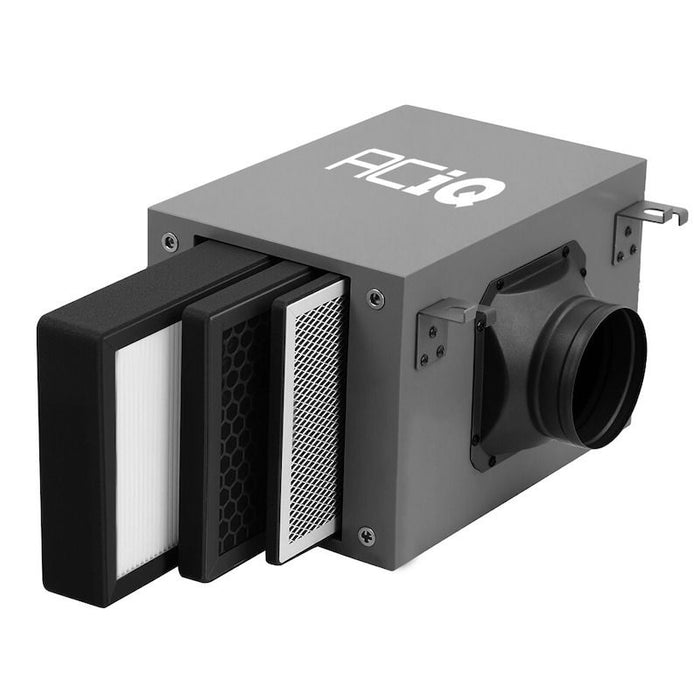
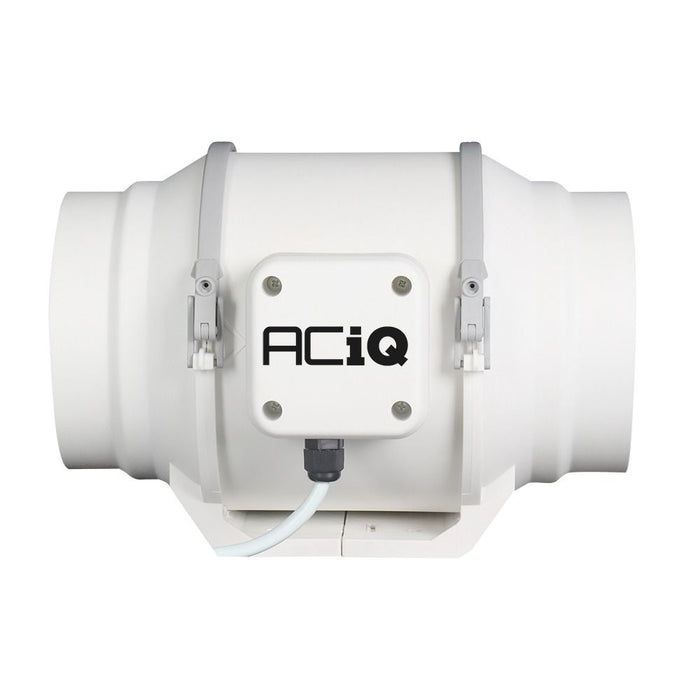
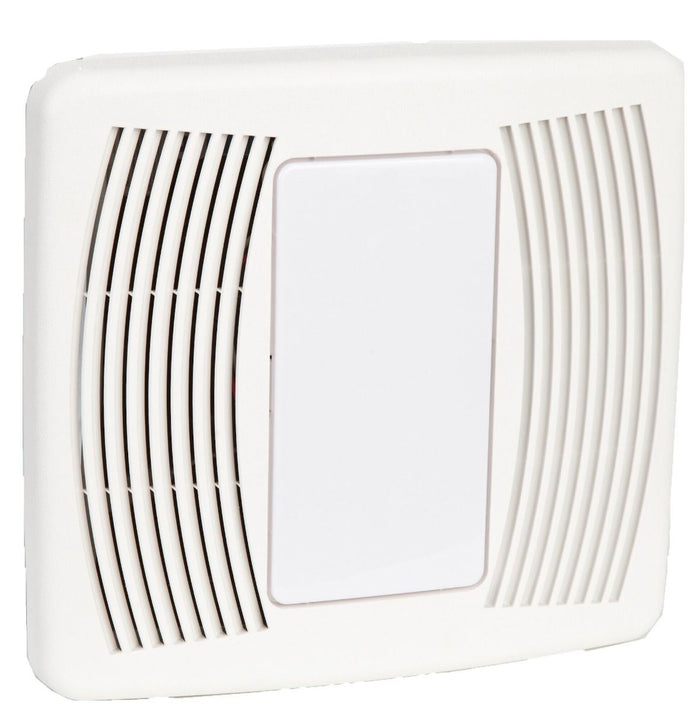
Beyond temperature control, modern spaces must prioritize air quality. Integrating Fans and Air Purifiers helps manage CO2 levels. And for the technical teams, having access to the right Heating Components and Heat Kits ensures that any minor issues can be addressed swiftly.
Act Now to Secure Your ROI
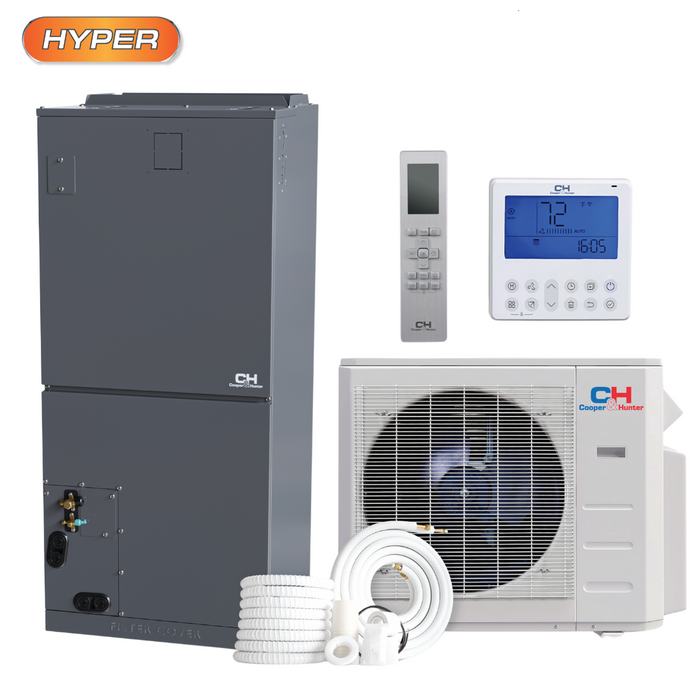
The spring of 2026 represents a unique moment in the HVAC industry. By upgrading now, you avoid the summer rush, ensure compliance with EPA mandates, and begin reaping the benefits of lower operational costs immediately. Whether you are looking for Ductless Multi-Zone Air Handler Units for a boutique office or a comprehensive multi-zone system for a large retail center, the team at HVAC Supplies is here to help.
Don't wait until the first 90-degree day of 2026 to realize your current system is a liability.
Request a Quote Today