

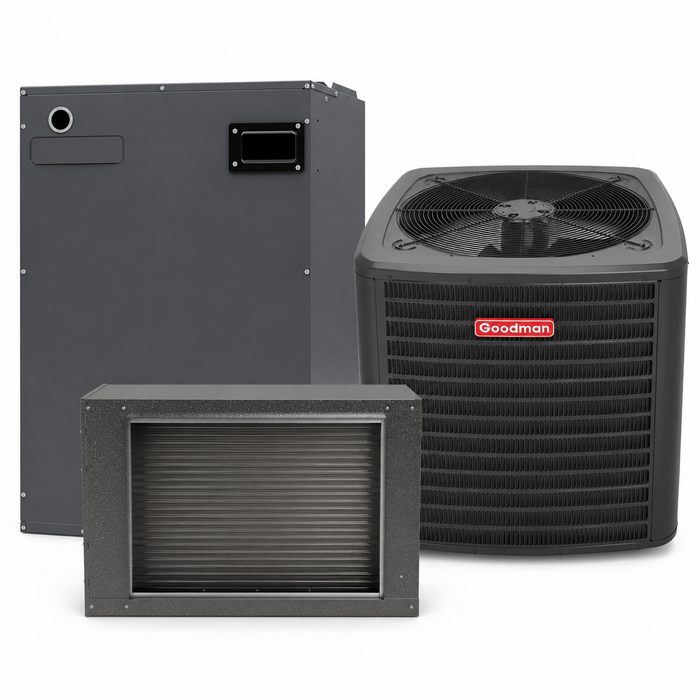
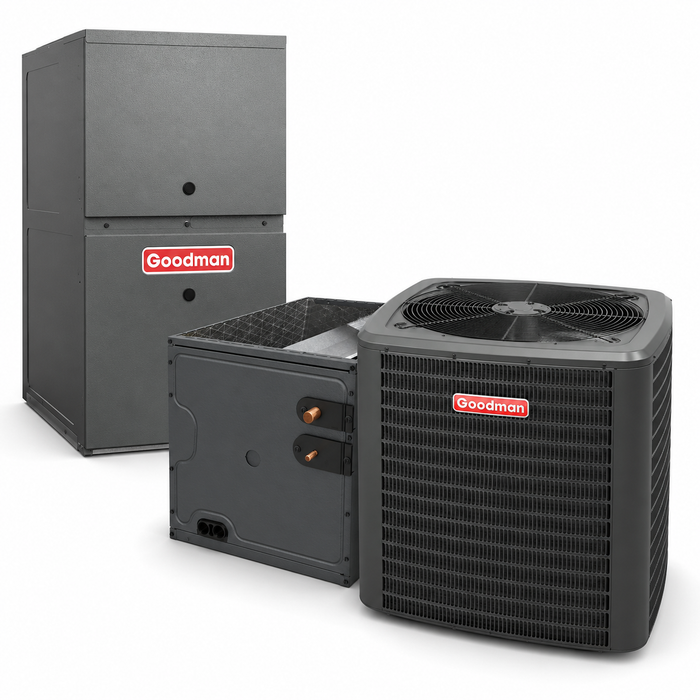
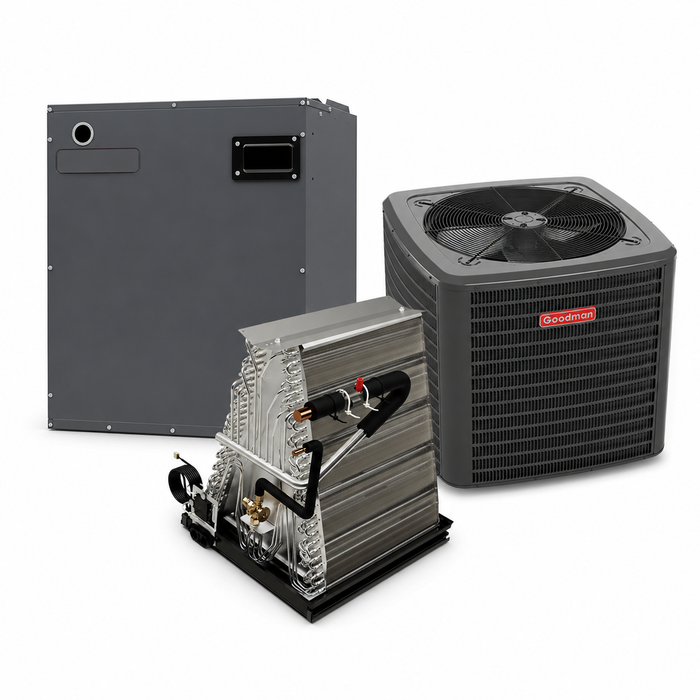
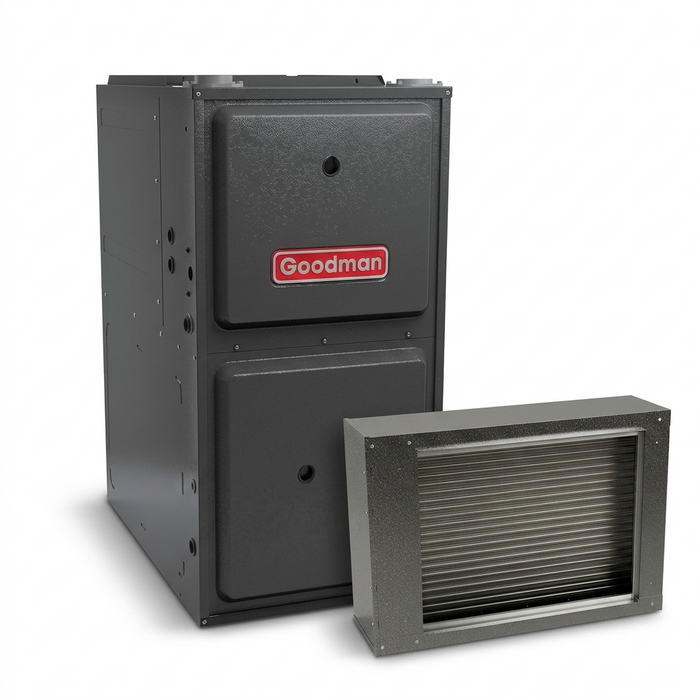






















The Silent HVAC Killer: Why Summer Brownouts/Power Surge Are More Dangerous Than Blackouts
Share
HVAC SUPPLIES
Maintenance Alert ❄️
The Silent HVAC Killer
Why Summer Brownouts/Power Surge Are More Dangerous Than Blackouts
As the summer sun begins to bake the pavement and temperatures climb into the high nineties, your air conditioning system becomes more than just a luxury, it becomes a vital lifeline for your home’s comfort and safety. Whether you are running a high-efficiency multi-zone system or rely on a rugged mobile home packaged unit, the peak of summer puts an incredible strain on the electrical grid. We often prepare for the obvious threats, like a total blackout that leaves us in the dark. However, there is a far more insidious and "silent" threat lurking in the power lines during a heatwave: the brownout.
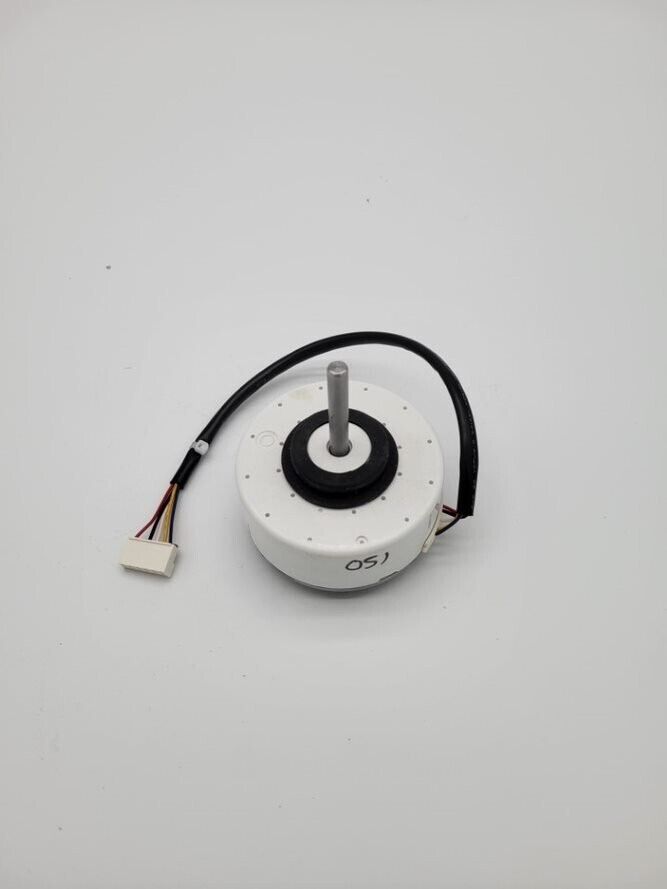
At HVACSupplies.com, we see the aftermath of these electrical events every season. Homeowners often find themselves searching for replacements in our motors and fans collection or needing a completely new AC condenser because their original equipment was "cooked" by unstable voltage. Understanding the difference between a total loss of power and a dangerous dip in voltage is the first step toward protecting your investment. If you suspect your system has already taken a hit, our team is ready to help through our contact page or by using our specialized parts finder tool.
Brownout vs. Blackout: Why the Difference Matters
To protect your home, you must first understand the physics of the threat. A blackout is a complete cessation of electrical power. While sitting in a hot house is miserable, a blackout is actually relatively safe for your HVAC hardware. When the power goes to zero, the electromagnetic fields in your motors collapse, the contactors open, and the system simply sits idle. There is no energy moving through the wires to cause damage.
A brownout, or a "voltage sag," is a different story entirely. During a brownout, the utility company is still providing power, but at a significantly reduced voltage—often 10% to 25% below the standard 240V required for heavy appliances. Imagine trying to run a marathon while breathing through a straw; that is exactly what your packaged air conditioner is doing during a brownout. Because the motor still tries to maintain its speed to meet the cooling demand, it must compensate for the low voltage by pulling significantly more amperage.
According to Ohm's Law, as voltage drops in a loaded motor, the current (amps) must increase to perform the same amount of work. This massive spike in amperage generates intense, localized heat within the copper windings of your compressor and fan motors. This heat can melt the thin layer of insulation on the motor windings, leading to a short circuit or a total motor "burnout." This is why a brownout can kill a heat pump condenser in minutes, whereas a blackout leaves it unharmed.
The "Inrush" Danger: What Happens When Power Returns
The damage from a summer power event often happens in two distinct phases. Phase one is the heat generated during the brownout itself. Phase two is the "Inrush" or power surge that occurs the moment the grid stabilizes. When the utility company finally restores full power, or when a neighborhood transformer clicks back over to full capacity, it often sends a transient voltage spike through the lines.
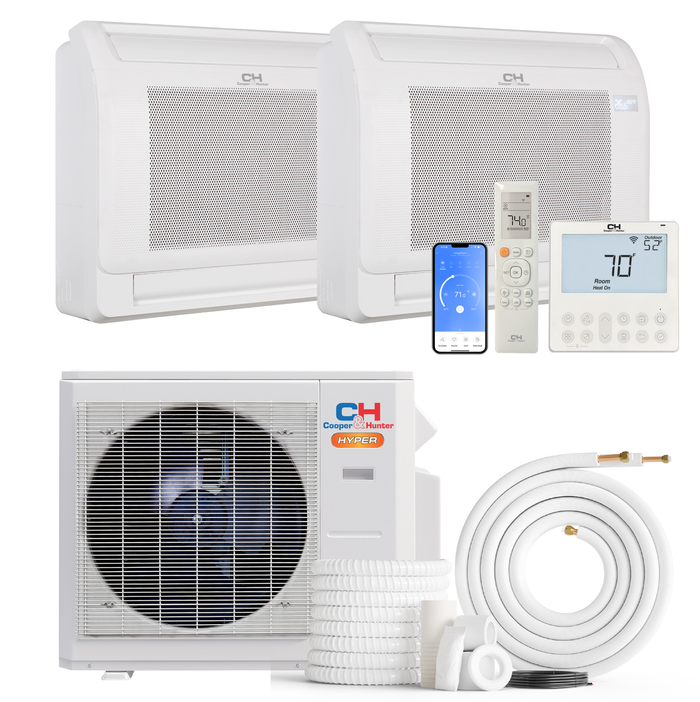
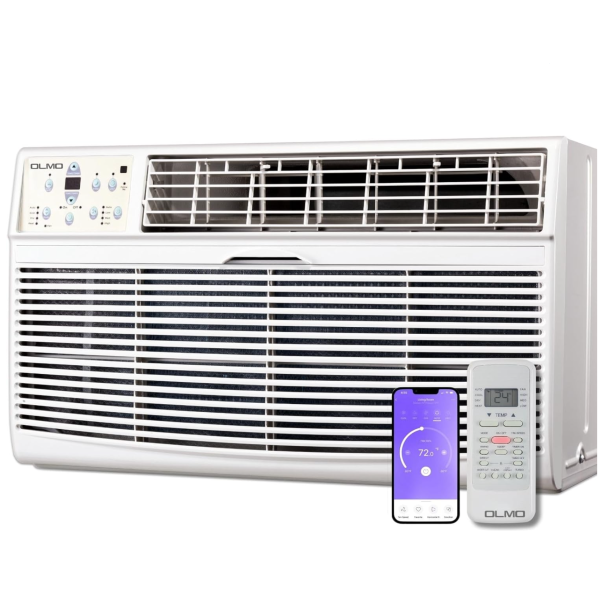
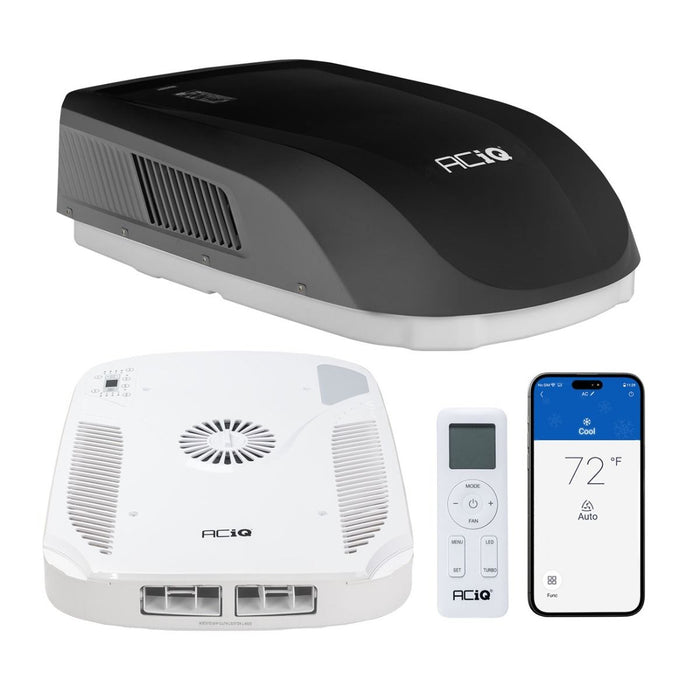
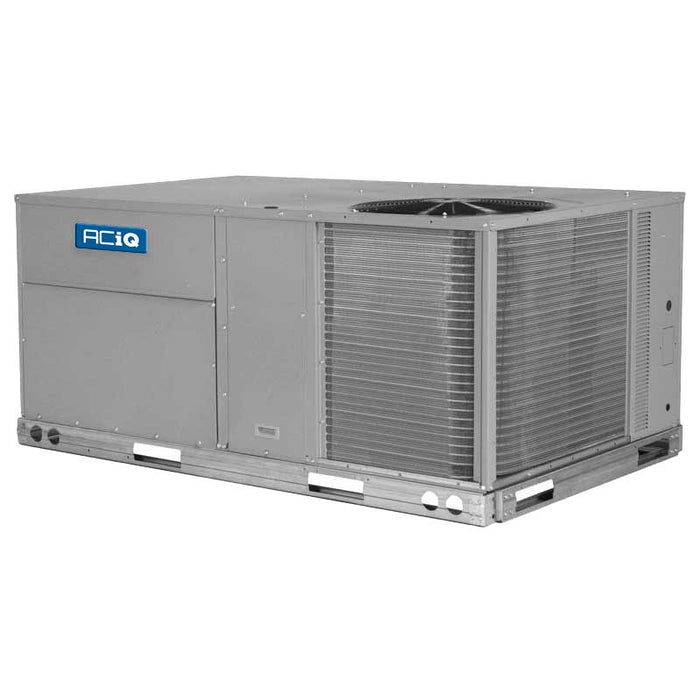
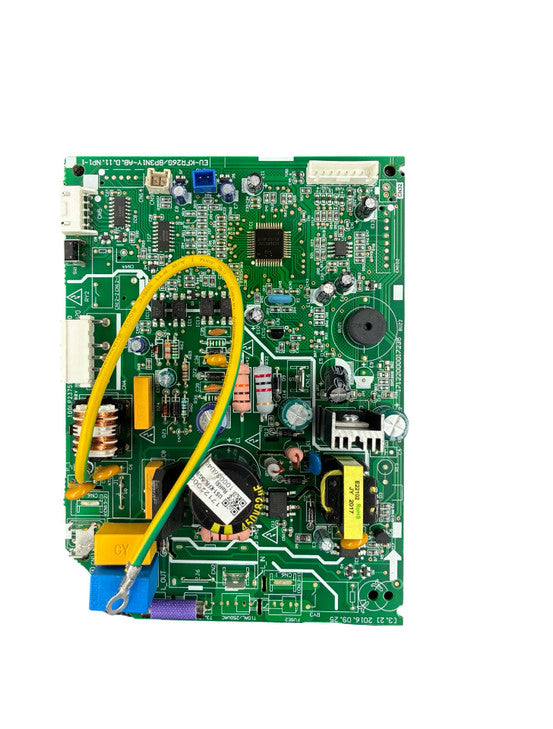
Modern HVAC technology has made incredible leaps in efficiency. Systems like MrCool, ACIQ, and Olmo utilize sophisticated inverter boards and DC motors to achieve high SEER2 ratings. However, this high-tech circuitry is much more sensitive than the "dumb" mechanical systems of twenty years ago. A single surge can fry a control board subassembly, turning a premium multi-zone wall mount unit into an expensive wall ornament.
Think of this as a "Double Whammy." The brownout weakens the motor by overheating the insulation, and the subsequent surge delivers the final knockout blow to the electronics. This is why we see a surge in demand for 48k-60k BTU packaged units and 3-zone mini split replacements immediately following a major regional storm or heat-related grid failure.
Symptoms of Voltage Damage
Recognizing the signs of electrical damage early can be the difference between a simple repair and a full system replacement. If your area has experienced flickering lights or a known brownout, you should audit your equipment. One of the most common symptoms is a "hard start." If your central air and furnace package unit makes a loud groaning or clicking sound and the lights in your home dim significantly when it tries to kick on, your start capacitor may have been weakened.
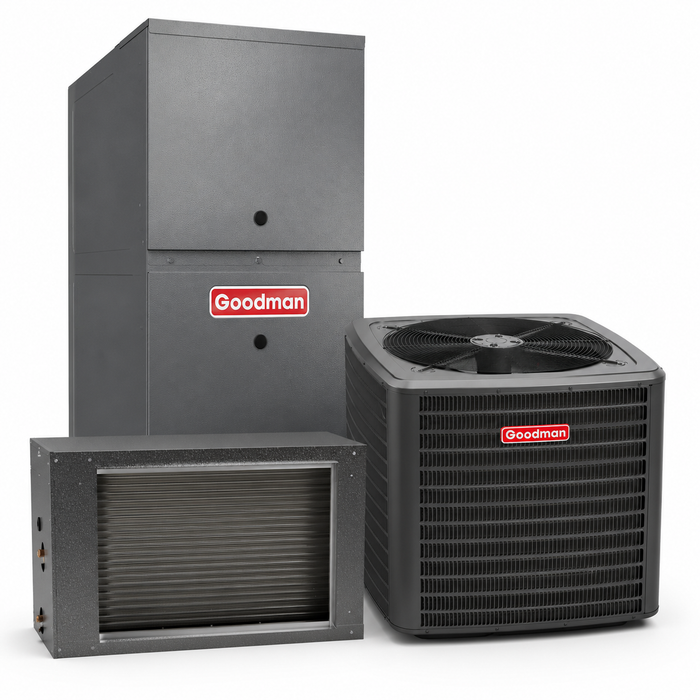
Other short-term symptoms include the outdoor fan spinning while the compressor remains silent, or the unit frequently tripping the circuit breaker. In many cases, the system might seem to run, but it produces very little cooling. This often points to a damaged evaporator coil sensor or a fried inverter board that can no longer communicate with the AC plus air handler inside.
Long-term damage is more subtle. You might notice a steady increase in your monthly energy bills or a strange grinding noise coming from your packaged air conditioner. This usually indicates that the motor bearings or windings were partially damaged during a summer surge, leading to friction and inefficiency. If you notice these signs, it’s best to use our parts finder immediately to identify the correct replacement components before the motor fails completely during a 100-degree afternoon.
Three Tiers of Summer Protection
At HVACSupplies.com, we believe that an ounce of prevention is worth a pound of cure—especially when that "cure" involves replacing a 60k-72k BTU packaged unit. There are three primary ways to safeguard your equipment.
Tier 1: SPDs
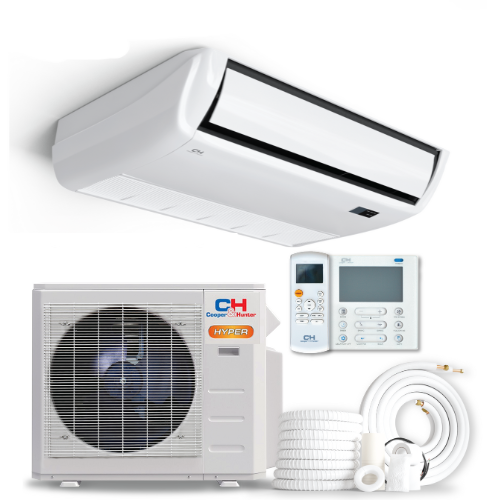
The most basic level of protection is a dedicated HVAC surge protector. These heavy-duty devices are designed to shunt high-voltage spikes to the ground before they reach your single-zone one-way ceiling cassette or heat pump air handler. Check our AC electrical accessories collection.
Tier 2: Voltage Monitors
Often called a "Compressor Defender," these monitor incoming power quality. If voltage drops (brownout) or rises (surge), it physically disconnects your ducted multi-zone slim duct units or mobile home furnaces until power stabilizes.
Tier 3: Professional
Installing protection for commercial packaged units or complex 5-zone wall mount setups requires a professional to ensure your air handlers and gas furnaces are bonded and grounded correctly.
Protecting Specialized Systems
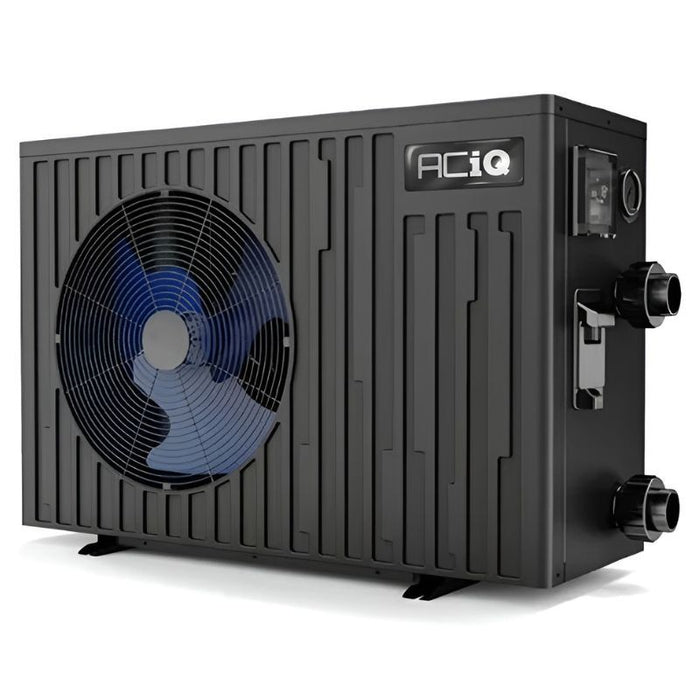
Grid instability doesn't just affect your main house AC. If you have invested in a pool heat pump or a 90k-150k BTU pool heater, these units are equally vulnerable. We highly recommend installing voltage protection on your pool heat pumps ACIQ units to prevent a costly mid-summer repair.
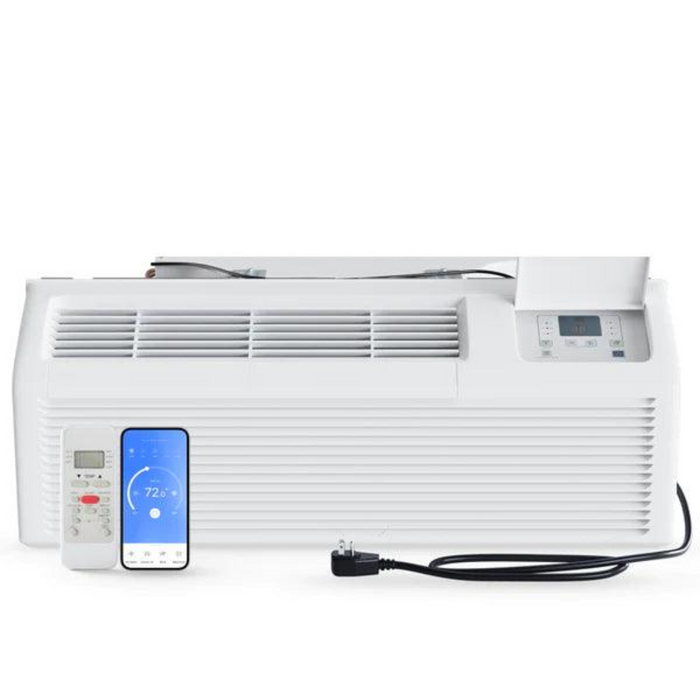
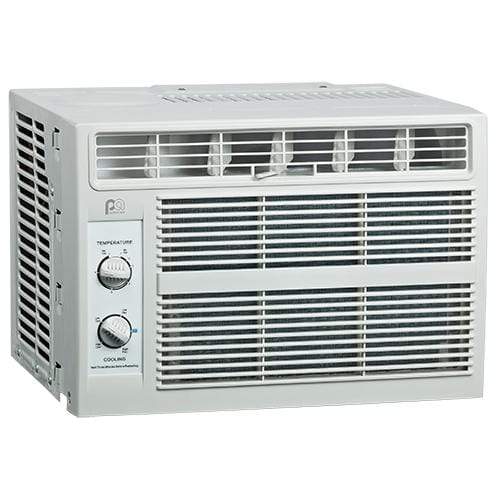
Similarly, multi-family housing or hotels relying on PTAC units from brands like Perfect Aire, Olmo, or Cooper and Hunter face a unique challenge. In a building with dozens of 12k-15k BTU PTACs, a single brownout can trigger a cascading failure. Building managers should look into centralized voltage protection to save their 5k-9k BTU and 15k-18k BTU inventory.
Conclusion: Don’t Leave Your Comfort to Chance
Grid instability is an unfortunate reality of the summer of 2026. As utilities struggle with aging infrastructure and record-breaking demand, the frequency of brownouts is only expected to increase. Whether you are maintaining a standard AC plus furnace setup or a high-end multi-zone universal floor-ceiling system, the electrical components are the heart of your comfort.
Don’t wait for the lights to flicker to think about protection. Take a moment to audit your current setup. If you aren't sure what kind of protection you need for your mobile home gas furnace or your 2-zone floor console, reach out to us at HVACSupplies.com. We stock everything from ductless multi-zone indoor units to the specific condensate and drain accessories you need for a professional install.
Browse our AC electrical accessories today and give your home the "insurance policy" it deserves. Stay cool, stay safe, and remember that when the power gets weird, the best move is to turn the system off and wait for the "clean" power to return. Your compressor—and your wallet—will thank you.
Quick Reference Guide for Summer Protection
| System Type | Recommended Protection | Key Component to Watch |
|---|---|---|
| Mini-Splits (e.g., Olmo) | Surge Protector + Voltage Monitor | Inverter Control Board |
| Packaged Units (36k-48k BTU) | Heavy Duty SPD | Dual-Run Capacitor |
| Mobile Home Systems (Furnaces) | Dedicated Surge Disconnect | Blower Motor |
| Commercial (30k-36k BTU) | Industrial Phase Monitor | Three-Phase Compressor |
By staying proactive and utilizing the tools and parts available at HVACSupplies.com, you can ensure that your summer remains defined by cool indoor breezes rather than costly electrical repairs. For specific sizing questions, such as choosing between 18k-24k BTU or 30k-36k BTU protection, our contact page is always open.