






















The R410A Mini Split Dilemma: Should You Repair or Replace Your System During the 2026 Shift?
Share
HVAC SUPPLIES
Refrigerant Transition Guide
R410A Mini Split Breakdown Decisions: Repair vs Upgrade Decisions
Picture this: It is the peak of a grueling summer heatwave, and your mini split suddenly starts blowing warm, humid air. You call an HVAC technician, hoping for a simple, quick fix to restore your home's comfort. Instead, the technician drops a massive bombshell, your legacy r410a mini split has developed a significant line leak, and refilling the system with fresh refrigerant is going to cost an absolute fortune. The financial shock leaves you reeling, wondering how a standard maintenance issue managed to turn into an expensive homeowner nightmare virtually overnight.
This exact scenario is playing out in living rooms across the country right now. The staggering cost of keeping an older system running isn't just bad luck; it is a direct consequence of a massive, industry-wide regulatory transition. The Environmental Protection Agency (EPA) has enacted strict chemical production phase-outs that effectively halted the manufacturing of new systems reliant on older refrigerants. As a result, the national supply of chemical components is tightening rapidly, causing wholesale costs to skyrocket and catching property owners completely off guard when they require unexpected mechanical service during peak weather events.
Faced with an aging, broken air conditioner, you now stand at a complex financial and operational crossroads. Do you shell out a premium to patch up an outdated, legacy system, or do you cut your losses and invest that capital into an upgrade running on clean, modern engineering? Navigating this choice requires balancing the immediate costs of emergency labor against the long-term economic outlook of energy efficiency. This guide will walk you through the math of evaluating your current setup, understanding market conditions, and choosing a path forward that protects both your indoor comfort and your household budget.
Understanding the 2026 Refrigerant Shift: What’s Happening to R-410A?
To understand why a simple service call has suddenly become so expensive, it helps to look at the broader legislative landscape governing modern climate control equipment. The global HVAC industry is currently undergoing a massive environmental transition aimed at reducing the carbon footprint of structural cooling. For over two decades, R-410A served as the primary refrigerant fluid utilized in residential heat pumps and ductless installations nationwide. However, because of its high Global Warming Potential (GWP), environmental agencies mandated a aggressive phase-out of its production and distribution to pave the way for next-generation eco-friendly alternatives like R-32 and R-454B.
It is vital to emphasize that your existing home cooling equipment hasn't suddenly become illegal to operate or possess. If your older machinery is currently running smoothly, there is absolutely no regulatory requirement forcing you to tear it out of your home. The underlying issue manifests exclusively when your unit suffers mechanical damage or develops a internal fluid leak. Because chemical manufacturers are legally restricted by strict production caps, the sheer availability of legacy gas is dwindling fast. When market supply drops while mid-summer emergency demand remains high, basic economics take over, resulting in hyper-inflated pricing for simple recharges.
Long-time property owners may find this situation incredibly familiar, as it mirrors the historic phase-out of R-22 (commonly referred to by the brand name Freon) over a decade ago. During that transition, homeowners who chose to continually patch up ancient air conditioners eventually found themselves paying astronomical fees for a single pound of legacy gas, only for the system to leak again a year later. History is now repeating itself with the phase-out. Investing heavily in a dwindling chemical compound can quickly turn into throwing good money after bad, trapping you in a cycle of diminishing returns while your equipment continues to age out of its operational prime.
The Math of a Breakdown: Repairing Your R410A Mini Split
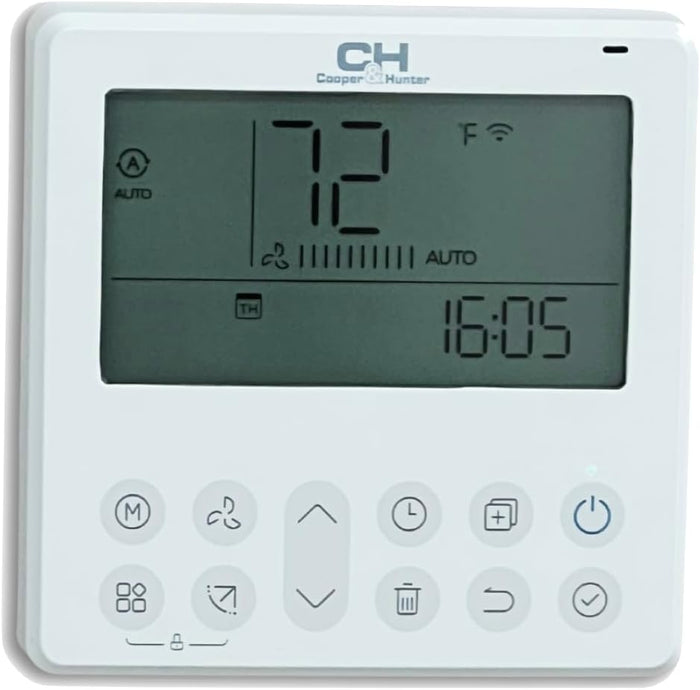
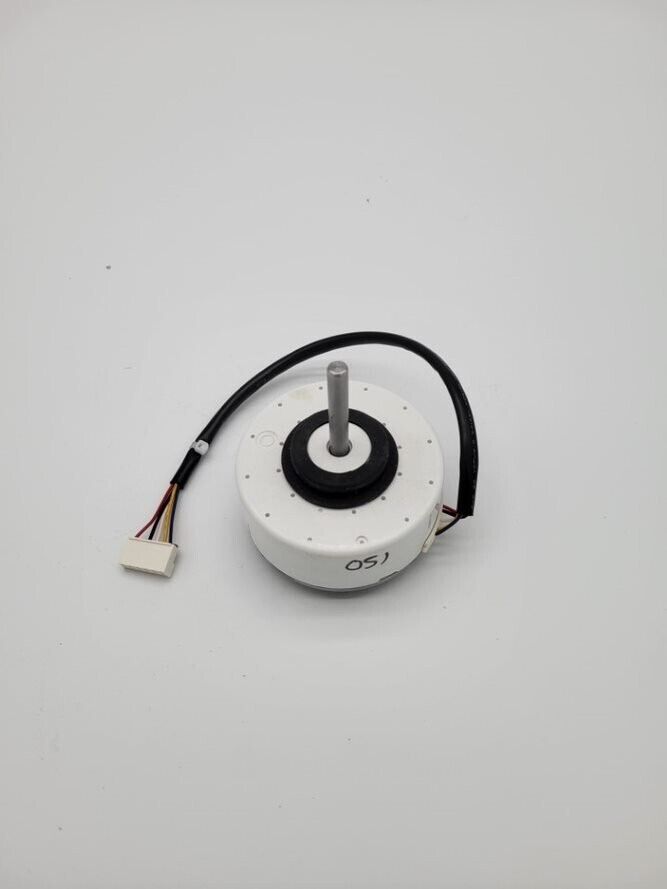
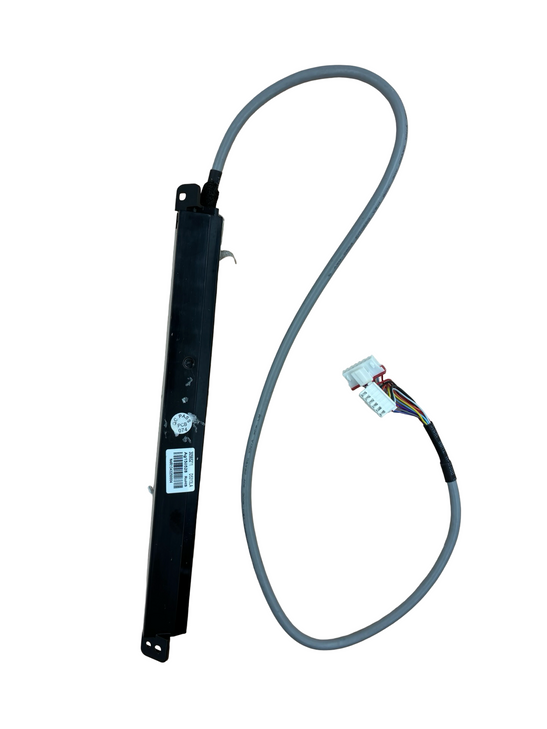
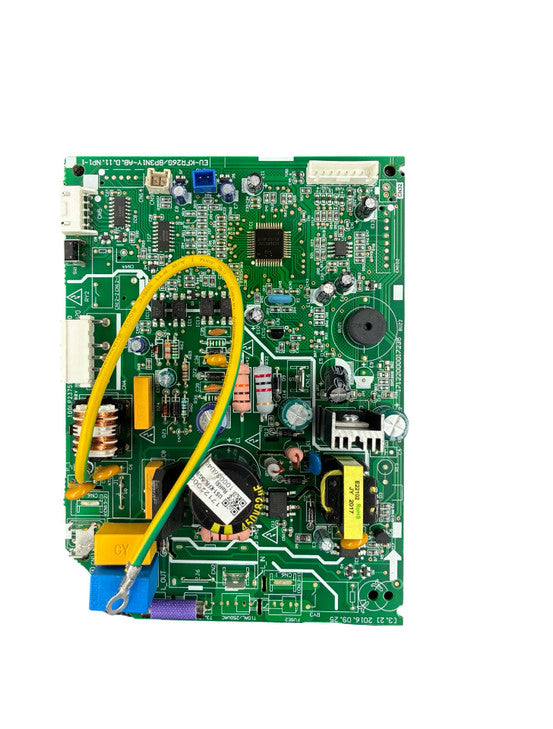
When your climate control equipment fails, deciding whether to repair or replace comes down to analyzing hard numbers, assessing component age, and evaluating warranty coverage. A repair path is often a highly sensible option if your current system is less than five to seven years old and the underlying malfunction is isolated to a non-refrigerant part. If a technician discovers that your cooling loss is caused by a failed electrical capacitor, a faulty control board, or a burnt-out fan motor, the fix is relatively straightforward. These parts remain widely manufactured, inexpensive, and simple to swap out without disturbing the closed chemical loop of your system.
REPAIR VS. REPLACE CHECKLIST
│
▼
[ CHOOSE REPAIR IF: ] • System is < 5–7 years old | • Issue is minor/electrical | • Unit is under warranty | • R-410A circuit is fully intact
│
▼
[ CHOOSE REPLACE IF: ] • System is > 10 years old | • Major refrigerant leak | • Repair bill exceeds 50% of modern system cost
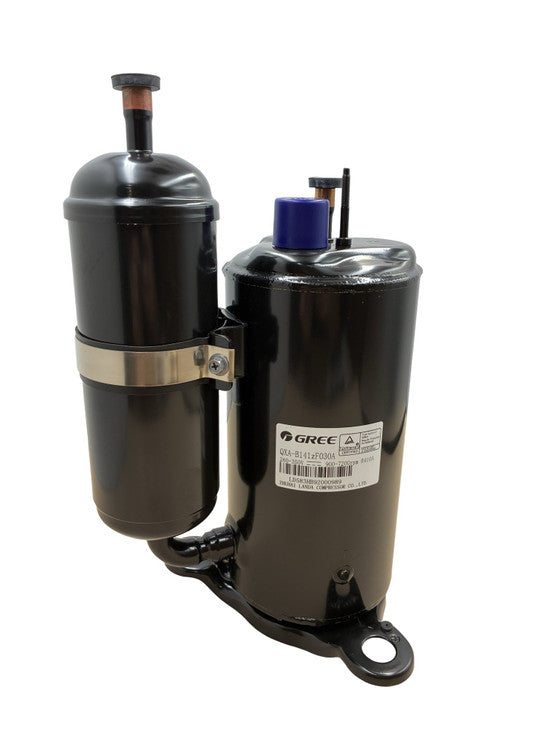
UK or US based manufacturers active warranties, the financial burden of replacing broken parts is largely mitigated, making a professional repair the logical choice. However, the calculation changes completely the moment a technician identifies a structural leak within the copper lines or indoor evaporator coils. Fixing a major leak is never as simple as just adding more gas to the machine. A certified professional must locate the microscopic breach, extract any remaining chemical volume, weld or replace the ruptured copper components, and perform a deep vacuum test before they can even begin the costly process of pumping in fresh, expensive fluid.
This multi-step remediation process requires extensive specialized field labor, which, when combined with the skyrocketing market cost of legacy chemicals, can result in an emergency service bill that easily climbs into thousands of dollars. If your aging equipment is already outside its original warranty coverage, sinking that amount of capital into a single repair is a massive financial gamble. If the system suffers a secondary mechanical failure or develops another leak elsewhere in the circuit next season, you will find yourself right back at square one, having wasted a substantial sum of money that could have been used to secure a brand-new, worry-free system.
The Case for Replacing: Upgrading to Next-Gen Efficiency
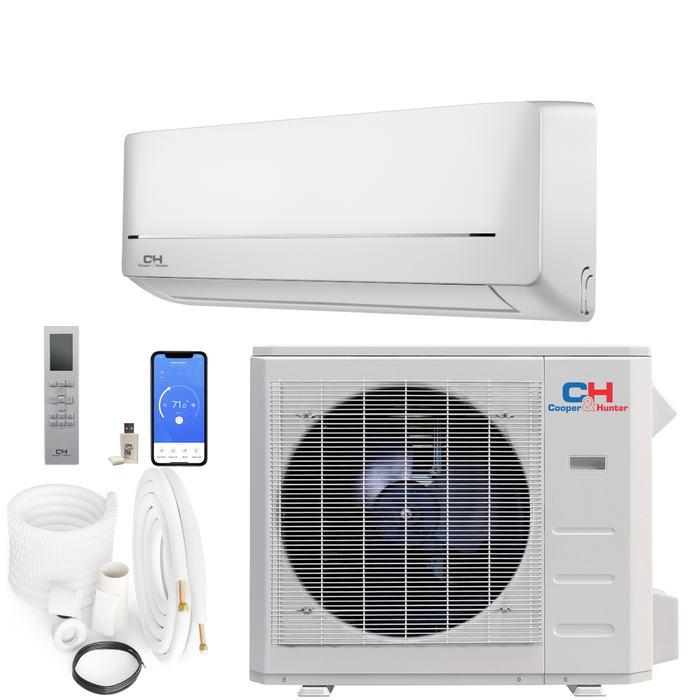
Opting for a complete system replacement provides immediate relief from the financial unpredictability of maintaining obsolete machinery. When you purchase a modern cooling system from a reliable distributor like HVAC Supplies, you are investing in current technologies designed to comply with modern environmental standards. Modern systems utilizing next-generation refrigerants operate with significantly higher Seasonal Energy Efficiency Ratio (SEER2) ratings compared to legacy models. This technological leap means a new unit requires substantially less electrical power to deliver the exact same amount of indoor cooling, manifesting as a noticeables reduction in your monthly household utility bills.
Beyond saving money on your monthly power bill, installing a brand-new system gives you an excellent opportunity to re-evaluate and optimize your entire home’s comfort layout. If your family has expanded, or if you have recently renovated a basement, added a home office, or converted a garage space, your old single-zone setup may no longer cut it. Upgrading your equipment allows you to implement highly customizable zoning strategies, giving you precise, independent temperature control over different areas of your home so you only spend money cooling the rooms you are actively occupying.
NEXT-GEN SYSTEM ADVANTAGES
│
▼
• Drastically lower monthly power bills via high SEER2 efficiency
• Zero exposure to rising legacy chemical service fees
• Comprehensive 5-to-10 year manufacturer parts warranties
• Advanced zoning capabilities for personalized room comfort
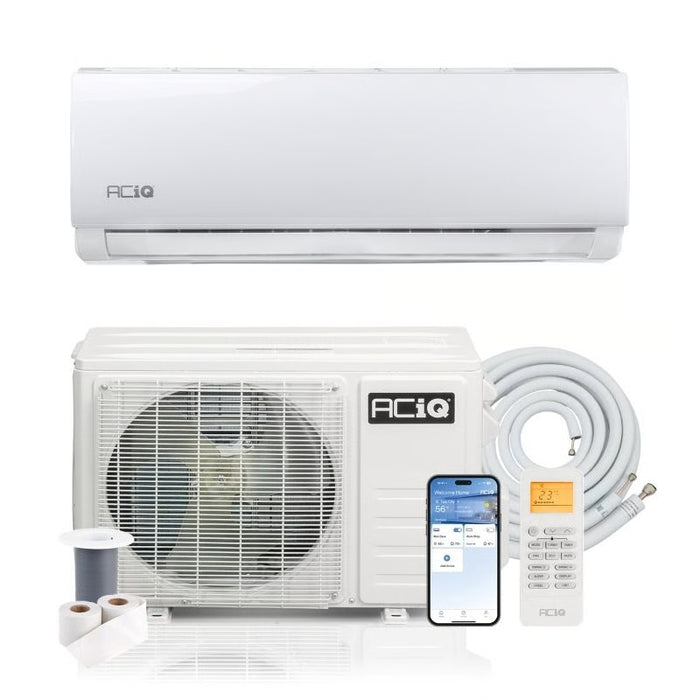
If you are looking for highly dependable equipment that makes this technological transition smooth and cost-effective, exploring the specialized ACIQA Systems and Collections is a fantastic starting point. For homes requiring comprehensive, multi-room coverage, looking into specialized 6-Zone Wall Mount Systems allows you to establish independent climate profiles across six distinct spaces using a single, high-efficiency outdoor condenser. You can easily tailor these extensive multi-zone setups to match your home's total layout by reviewing specific capacity configurations, such as:
-
High-value 6-Zone 36k–48k BTU Kits for compact multi-room layouts.
-
Balanced 6-Zone 48k–60k BTU Kits designed for standard residential floor plans.
-
Maximum-output 6-Zone 60k–72k BTU Kits built to comfortably condition expansive, multi-story properties.
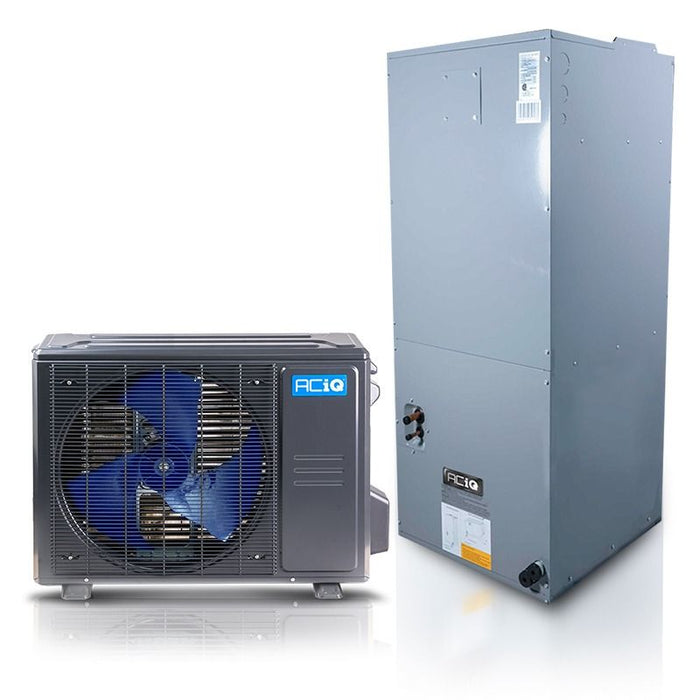
If you have a preferred manufacturer or specific installation requirements, you can browse premium options like specialized 6-Zone ACiQ Systems, rugged 6-Zone Cooper & Hunter Systems, or user-friendly, DIY-ready 6-Zone MrCool Systems. Property owners with standard central ductwork don't have to miss out on these efficiency upgrades either; you can quickly modernize a traditional ducted configuration by upgrading to a high-efficiency AC Plus Coil match. These ducted upgrades are available across a wide range of operational capacities, allowing you to find the perfect fit for your home's existing footprint:
-
Small-footprint 15k–18k BTU Coil Sets and 18k–24k BTU Coil Sets.
-
Medium-capacity 24k–30k BTU Coil Sets and 30k–36k BTU Coil Sets.
-
Heavy-duty residential 36k–48k BTU Coil Sets, 48k–60k BTU Coil Sets, and maximum-scale 60k–72k BTU Coil Sets.
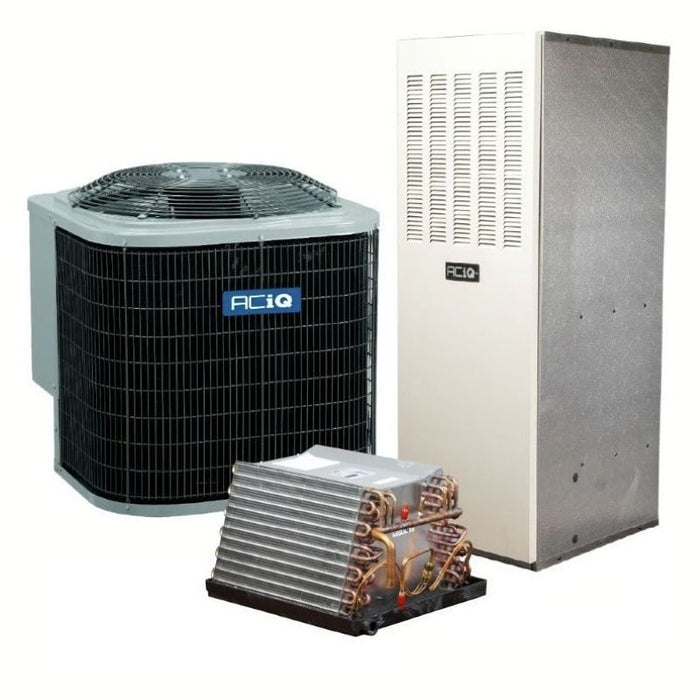
For an exact technological match, check out the specialized AC Plus Coil ACiQ Collections, which combine advanced engineering with accessible price points. If your current indoor air handler or furnace is still in good structural shape but needs a fresh, uncompromised cooling block, you can install dedicated Evaporator Coils by ACiQ. Property owners looking for a total climate overhaul can opt for all-in-one heating and cooling bundles, such as a premium Furnace Plus Coil ACiQ Package for traditional gas heating areas, or an eco-friendly, all-electric Heat Pump Plus Coil ACiQ Configuration.
MULTI-ZONE WALL MOUNT
• 6-Zone 36k-48k BTU Systems
• 6-Zone 48k-60k BTU Systems
• 6-Zone 60k-72k BTU Systems
CENTRAL DUCTED COILS
• AC Plus Coils (15k to 72k BTU)
• ACiQ Evaporator Coils
• Furnace & Heat Pump Bundles
This transition also covers specialized housing needs, ensuring mobile and manufactured home residents have access to high-efficiency climate options. If you are managing a manufactured property, you can replace your old, inefficient air conditioner with an updated system from the Mobile Home AC and Coil Systems Collection. These purpose-built setups are engineered to drop directly into standard mobile home layouts, with capacities spanning from compact 18k–24k BTU Systems and intermediate 24k–30k BTU Systems to high-output systems like 30k–36k BTU Systems, 36k–48k BTU Systems, and maximum-duty 48k–60k BTU Systems. To ensure smooth, stress-free operation, choosing a dedicated Mobile Home ACiQ System Bundle guarantees that your indoor coil matches your outdoor condenser perfectly.
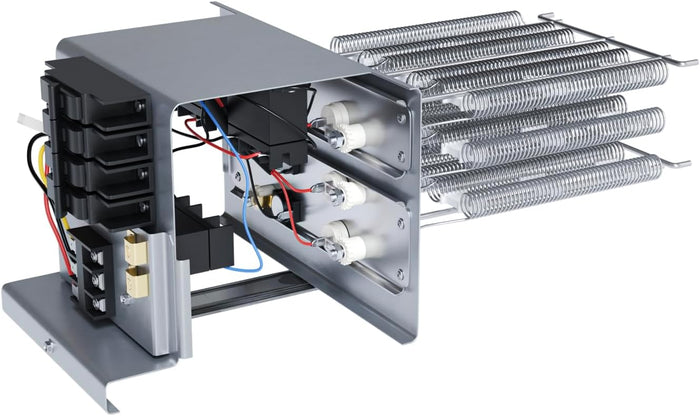
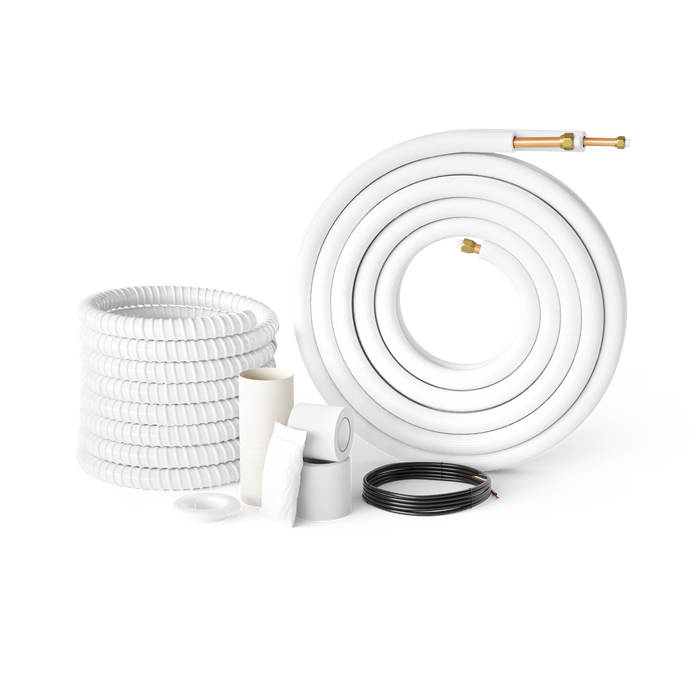
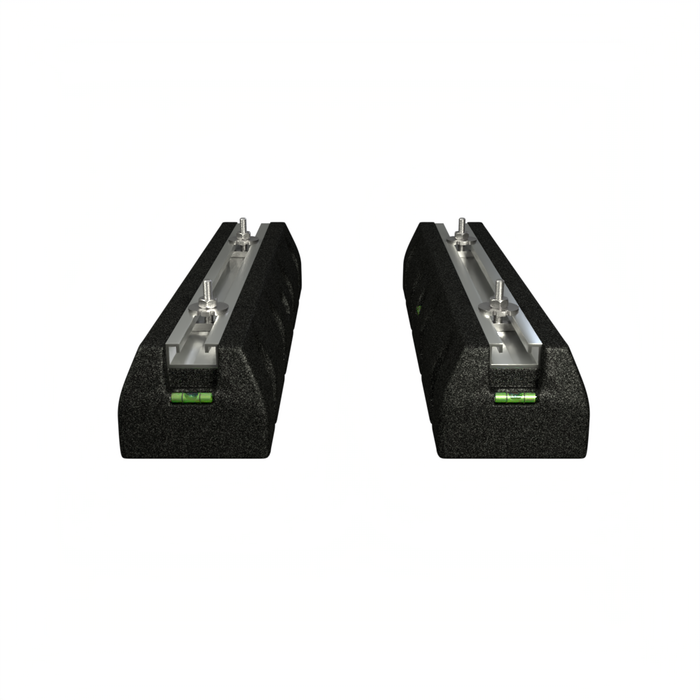
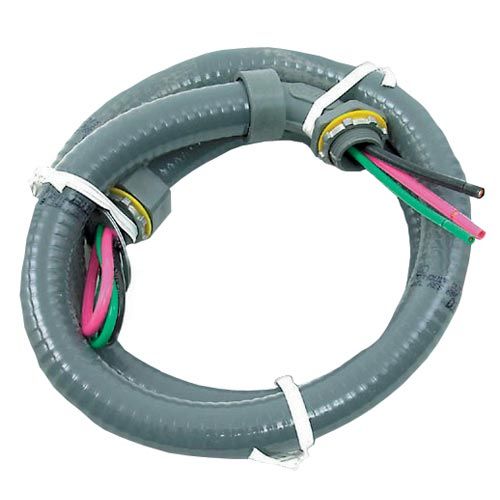
To make sure your new installation goes smoothly, it is highly recommended to bundle your new equipment with professional-grade hardware from our comprehensive parts catalog. Property owners can easily source dedicated AC Electrical Accessories to safely handle high-voltage power cut-offs, or choose advanced Air Quality Accessories like specialized media filters and UV purifiers to keep indoor air clean and healthy. If you are modifying a ducted layout, you can browse specialized Central Ducted Accessories for a seamless fit. Meanwhile, ductless projects can utilize purpose-built Mini Splits Accessories, which include essential components like line set covers, mounting brackets, and condensate pumps.
COMPREHENSIVE ACCESSORIES BUNDLES
• AC Electrical Accessories | • Mini Splits Accessories
• Air Quality Accessories | • Mobile Home Accessories
• Central Ducted Accessories | • Package Units Accessories
Every unique residential structure can find a matching solution by exploring our targeted accessory lines, including specialized Mobile Home Accessories, heavy-duty Package Units Accessories, and versatile Specialty Units Accessories. Sourcing all your replacement equipment alongside our general Parts and Accessories Catalog ensures your installation team has everything they need on day one, avoiding project delays and helping you get your cooling back up and running as quickly as possible.
Exploring Alternative Indoor Layouts
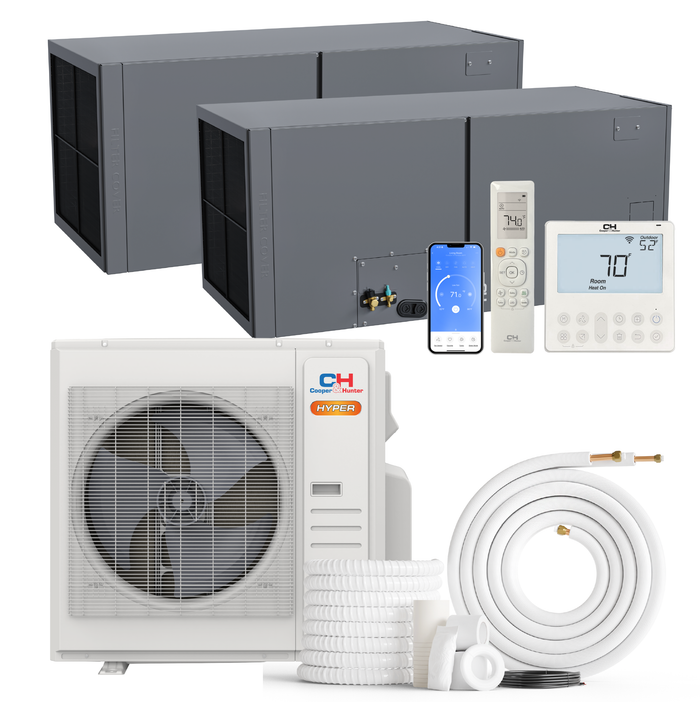
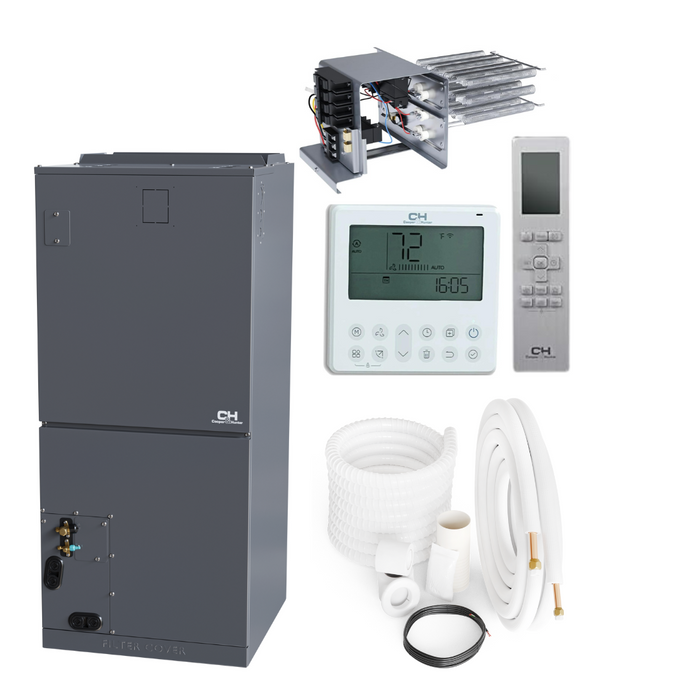
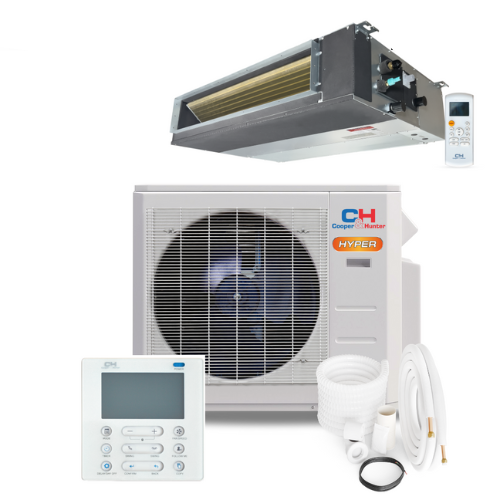
When you decide to replace a broken, legacy cooling system, you aren't restricted to reinstalling the exact same style of wall-mounted equipment you had before. A total system replacement gives you the perfect opportunity to rethink your home's aesthetic look and select indoor air handler profiles that blend seamlessly into your interior design. For instance, if you prefer an un-intrusive, clean look that leaves your wall space completely clear, you can upgrade your home's comfort by browsing high-performance, modern Air Handlers. You can quickly narrow down your search by browsing top-rated manufacturing lines, such as high-efficiency ACiQ Air Handlers, heavy-duty Cooper & Hunter Air Handlers, or smart, variable-speed MrCool Air Handlers.
INDOOR CONFIGURATION MATRIX
│
▼
[ WALL-MOUNTED UNITS ] • Visible on living space walls | • Directional airflow | • Traditional build
│
▼
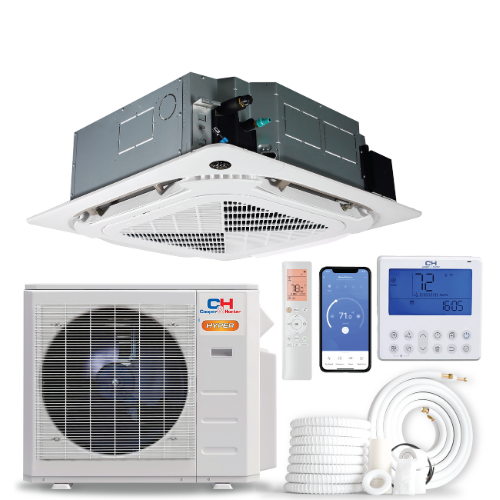
[ CEILING CASSETTES ] • Flushed clean with ceiling | • 1-Way or 4-Way air paths | • Minimal visual footprint
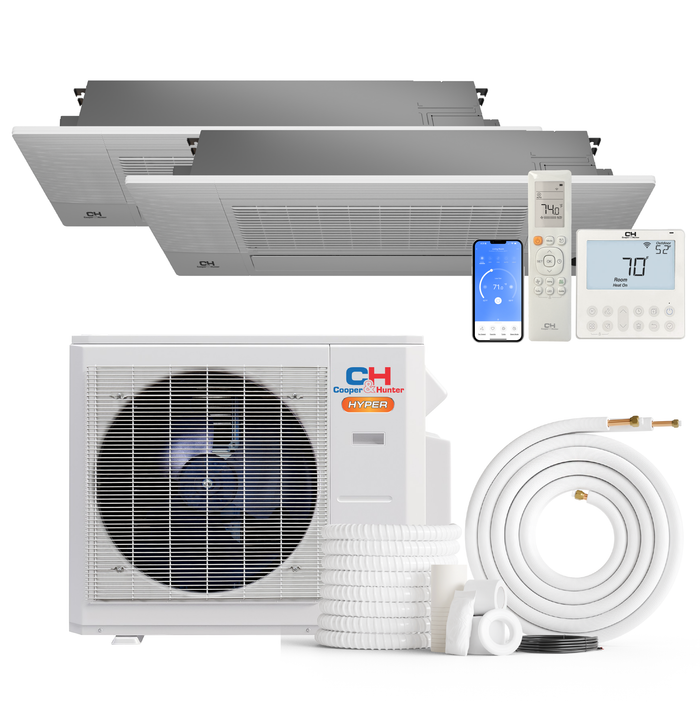
For homeowners looking for an architectural, high-end look, flush-mount ceiling cassettes are an increasingly popular alternative to traditional wall units. These systems install directly inside your ceiling joists, leaving only a clean, flat grille visible that blends in perfectly with your ceiling. If you are remodeling a multi-room property, you can check out versatile 2-Zone 1-Way Ceiling Cassette Systems, which are available across several tailored BTU capacities, including:
-
Compact 2-Zone 1-Way 15k–18k BTU Bundles.
-
Light-residential 2-Zone 1-Way 18k–24k BTU Bundles.
-
Versatile 2-Zone 1-Way 24k–30k BTU Bundles and 2-Zone 1-Way 30k–36k BTU Bundles.
-
High-output 2-Zone 1-Way 36k–48k BTU Bundles, 2-Zone 1-Way 48k–60k BTU Bundles, and maximum-scale 2-Zone 1-Way 60k–72k BTU Bundles.
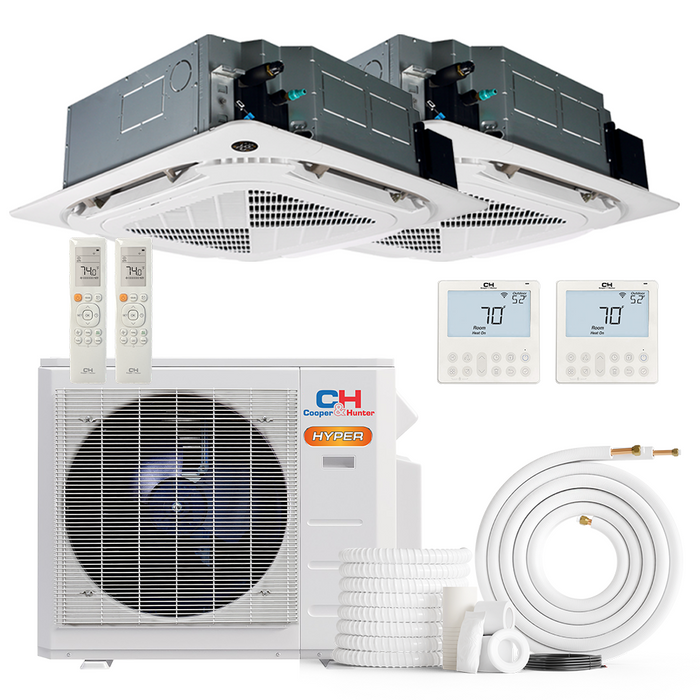
You can easily select your preferred brand for these multi-room projects by choosing specialized 2-Zone 1-Way ACiQ Bundles, precision-engineered 2-Zone 1-Way Cooper & Hunter Bundles, or highly dependable 2-Zone 1-Way MrCool Bundles. If you have a larger room layout that requires 360-degree, multi-directional airflow, you can look into our 2-Zone 4-Way Ceiling Cassette Collection, which offers identical, stepped capacities running from entry-level 15k–18k BTU multi-packs and 18k–24k BTU multi-packs up to mid-tier 24k–30k BTU multi-packs and 30k–36k BTU multi-packs. Large home renovations can utilize high-capacity configurations like 36k–48k BTU multi-packs, 48k–60k BTU multi-packs, and 60k–72k BTU multi-packs. These 4-way multi-zone setups can be selected from top industry names, with dedicated options for 2-Zone 4-Way ACiQ Systems, stylish 2-Zone 4-Way Bravo Systems, heavy-duty 2-Zone 4-Way Cooper & Hunter Systems, and smart 2-Zone 4-Way MrCool Systems.
MULTI-ZONE CASSETTE CAPACITY MATRIX
│
▼
• 3 Zones | 1-Way & 4-Way Kits (15k to 72k BTU)
• 4 Zones | 1-Way & 4-Way Kits (24k to 72k BTU)
• 5 Zones | 1-Way & 4-Way Kits (30k to 72k BTU)
• 6 Zones | 1-Way & 4-Way Kits (36k to 72k BTU)
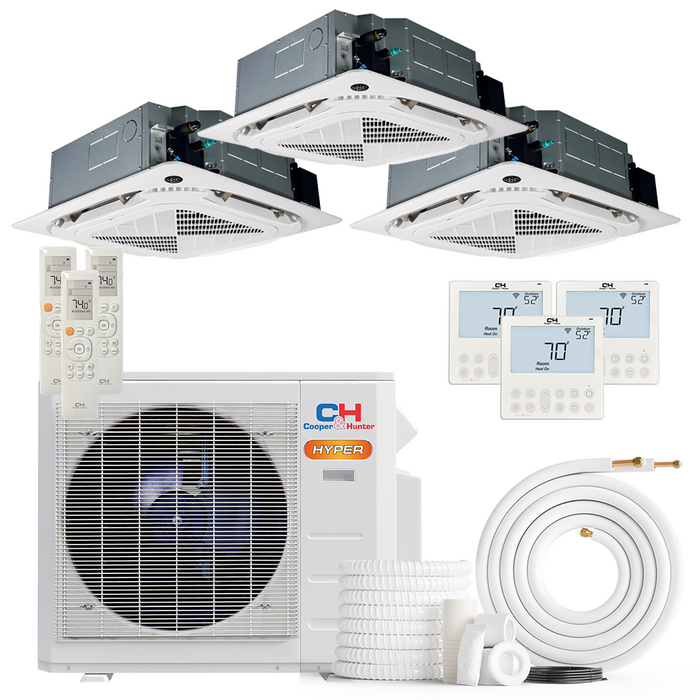
As your multi-room cooling needs scale up, our inventory scales right along with them, providing tailored configurations for homes of any size. For three-room layouts, you can explore our complete 3-Zone 1-Way Ceiling Cassette Lineup—featuring incremental capacities from compact 15k–18k BTU systems and 18k–24k BTU systems up to mid-range 24k–30k BTU systems and 30k–36k BTU systems. Larger three-zone properties can step up to high-output configurations like 36k–48k BTU systems, 48k–60k BTU systems, and maximum-scale 60k–72k BTU systems. You can easily customize these packages by selecting dedicated lines like 3-Zone 1-Way ACiQ Systems, 3-Zone 1-Way Cooper & Hunter Systems, or 3-Zone 1-Way MrCool Systems.
If you prefer 360-degree airflow for your three-room project, you can opt for the 3-Zone 4-Way Ceiling Cassette Alternative, which offers identical stepped capacities starting from small 15k–18k BTU setups and 18k–24k BTU setups up to medium-capacity 24k–30k BTU setups and 30k–36k BTU setups. Larger residential spaces can utilize heavy-duty options like 36k–48k BTU setups, 48k–60k BTU setups, and high-output 60k–72k BTU setups. These four-way directional systems are fully available across our premier manufacturing partners, allowing you to select from 3-Zone 4-Way ACiQ Equipment, 3-Zone 4-Way Bravo Equipment, 3-Zone 4-Way Cooper & Hunter Equipment, or 3-Zone 4-Way MrCool Equipment.
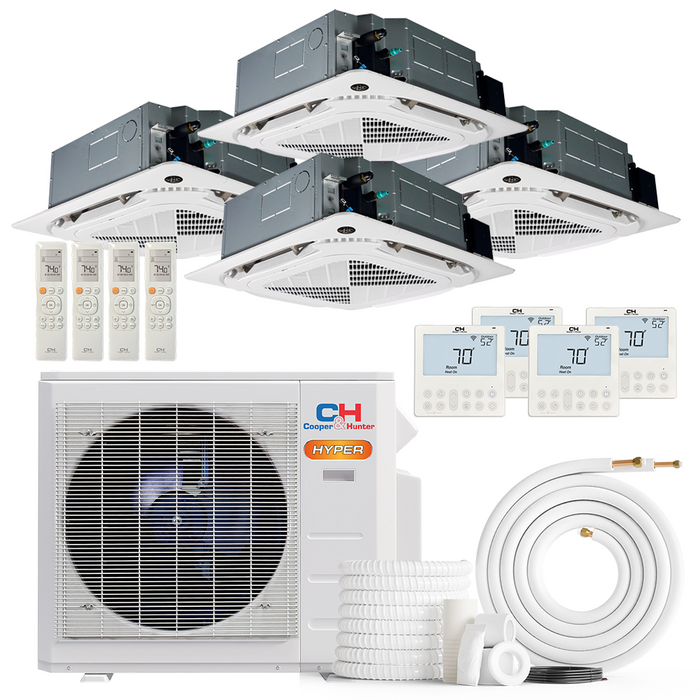
For larger floor plans, you can expand your design by exploring our extensive multi-zone cassette options. Four-room projects can look into our 4-Zone 1-Way Ceiling Cassette Inventory—which begins at 24k–30k BTU kits and 30k–36k BTU kits before moving into high-output residential configurations like 36k–48k BTU kits, 48k–60k BTU kits, and 60k–72k BTU kits. You can select your preferred manufacturer by picking from 4-Zone 1-Way ACiQ Systems, 4-Zone 1-Way Cooper & Hunter Systems, or 4-Zone 1-Way MrCool Systems. If you prefer a 4-way discharge style, you can check out the 4-Zone 4-Way Ceiling Cassette Alternative, which mirrors these identical capacities across 24k–30k BTU bundles, 30k–36k BTU bundles, 36k–48k BTU bundles, 48k–60k BTU bundles, and high-power 60k–72k BTU bundles, with full brand support across 4-Zone 4-Way ACiQ Hardware, 4-Zone 4-Way Bravo Hardware, 4-Zone 4-Way Cooper & Hunter Hardware, and 4-Zone 4-Way MrCool Hardware.
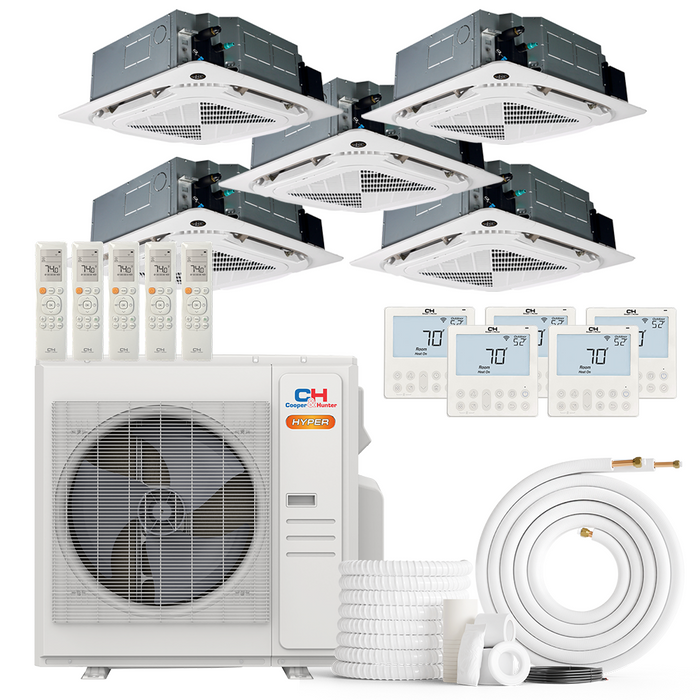
Five-room properties can achieve independent climate zones by browsing our premium 5-Zone 1-Way Ceiling Cassette Kits—with capacities starting at 30k–36k BTU variations and stepping up through 36k–48k BTU variations, 48k–60k BTU variations, and maximum-scale 60k–72k BTU variations. These extensive systems can be selected from trusted names like 5-Zone 1-Way ACiQ Options, 5-Zone 1-Way Cooper & Hunter Options, or 5-Zone 1-Way MrCool Options. If your five-room layout benefits from multi-directional airflow, you can easily pivot to our 5-Zone 4-Way Ceiling Cassette Collection, which offers identical, stepped capacities across 30k–36k BTU setups, 36k–48k BTU setups, 48k–60k BTU setups, and high-output 60k–72k BTU setups. These premium 4-way systems are fully supported by top-tier brand lines like 5-Zone 4-Way ACiQ Equipment, 5-Zone 4-Way Bravo Equipment, 5-Zone 4-Way Cooper & Hunter Equipment, and 5-Zone 4-Way MrCool Equipment.
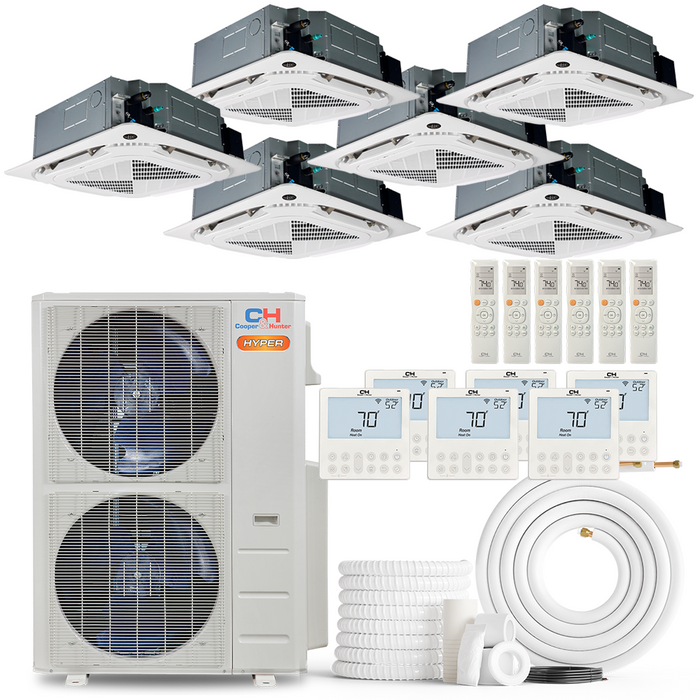
For massive homes or light commercial properties requiring a six-room layout, you can browse our top-of-the-line 6-Zone 1-Way Ceiling Cassette Systems—which begin at 36k–48k BTU options before scaling up to high-capacity residential setups like 48k–60k BTU options and maximum-power 60k–72k BTU options. You can select your preferred equipment line from 6-Zone 1-Way ACiQ Kits, 6-Zone 1-Way Cooper & Hunter Kits, or 6-Zone 1-Way MrCool Kits. If you prefer 4-way air distribution for your six-room design, you can choose the 6-Zone 4-Way Ceiling Cassette Alternative, which mirrors these identical capacities across 36k–48k BTU bundles, 48k–60k BTU bundles, and heavy-duty 60k–72k BTU bundles, with full brand coverage for 6-Zone 4-Way ACiQ Hardware, 6-Zone 4-Way Cooper & Hunter Hardware, and 6-Zone 4-Way MrCool Hardware.
COMMERCIAL CASSETTE BUNDLES SUMMARY
│
▼
• Ductless Multi-Zone 4-Way Ceiling Cassette Systems
• Brands Available: ACiQ, Bravo, Cooper & Hunter
Property owners can easily browse our entire commercial-grade inventory by checking out the main Ductless Multi-Zone Four-Way Ceiling Cassette Systems Catalog. This main collection makes it incredibly easy to compare top brands side-by-side, allowing you to quickly find the perfect fit from curated options like Multi-Zone ACiQ Cassettes, Multi-Zone Bravo Cassettes, or Multi-Zone Cooper & Hunter Cassettes.
If your project is focused on cooling a single large space rather than multiple rooms, you can easily find high-performance single-room solutions in our catalog as well. For example, you can browse our premium Single-Zone Four-Way Ceiling Cassette Line, which features targeted capacities built to handle rooms of any size:
-
Small-space 5k–9k BTU configurations.
-
Light-residential 9k–12k BTU configurations.
-
Heavy-duty residential 36k–48k BTU configurations and 48k–60k BTU configurations.
You can easily select your preferred brand for these single-room installations by choosing from trusted names like Single-Zone 4-Way ACiQ Units, Single-Zone 4-Way Cooper & Hunter Units, Single-Zone 4-Way Daikin Units, or Single-Zone 4-Way MrCool Units. If a long, narrow room layout would benefit more from a directional, single-direction air path, you can explore our complete Single-Zone One-Way Ceiling Cassette Catalog. This line features identical stepped capacities running from entry-level 5k–9k BTU options and 9k–12k BTU options up to medium-sized 12k–15k BTU options, 15k–18k BTU options, and high-output 18k–24k BTU options. You can easily purchase these single-directional systems from your favorite manufacturers, with dedicated listings available for Single-Zone 1-Way ACiQ Hardware, Single-Zone 1-Way Cooper & Hunter Hardware, and Single-Zone 1-Way MrCool Hardware.
Regional Realities: How Climate Impacts Your Decision
The choice to repair an aging R410A system or replace it entirely is heavily influenced by your local climate and regional electricity costs. Property owners living in areas with brutal, extended summer heatwaves face a very different financial reality than those in milder climates. In these hot regions, an air conditioner isn't a luxury item you run occasionally; it is vital home equipment that operates almost constantly for months out of the year. If you are dealing with high local utility rates alongside intense summer heat, keeping an old, low-efficiency system running means you are stuck paying incredibly high power bills month after month.
REGIONAL CLIMATE STRATEGY
│
▼
[ HOT & HUMID METROS ] • Constant system operational loads | • High risk of downtime | • Rapid payback on upgrades
│
▼
[ VARIABLE/TEMPERATE METROS ] • Shorter cooling seasons | • Longer transition periods | • Balanced repair thresholds
For instance, homeowners managing properties in major Texas metropolitan areas face massive cooling demands that can put an enormous amount of stress on older mechanical systems. If you are trying to keep your home comfortable during a long Texas summer, you can explore highly efficient, local replacement inventory by checking out our dedicated regional pages for Austin, TX Mini Splits, Dallas, TX Mini Splits, or San Antonio, TX Mini Splits. Upgrading to a modern, high-SEER2 system in these high-demand climates delivers immediate financial relief, helping you quickly offset your upfront installation costs through substantial, month-over-month savings on your energy bills.
Property owners in California face a different set of climate challenges, where mild coastal weather often contrasts with scorching inland temperatures, and local electricity rates are among the highest in the nation. If you are trying to balance high utility costs with reliable summer cooling, you can browse optimized replacement systems tailored for your area by visiting our localized pages for Los Angeles, CA Mini Splits, San Diego, CA Mini Splits, San Jose, CA Mini Splits, San Francisco, CA Mini Splits, or Fresno, CA Mini Splits. In these regions, upgrading to an eco-friendly system isn't just about avoiding expensive legacy refrigerant repairs—it is a smart, long-term financial strategy designed to permanently lower your home's monthly energy consumption.
Meanwhile, homeowners in the Midwest, Northeast, and Pacific Northwest experience shorter, intense summer humidity spikes followed by freezing winter conditions. In these climates, your mini split needs to double as a primary or supplemental heating source during the winter months, making year-round operational reliability absolutely critical. If you are looking for a high-performance heat pump system built to handle extreme seasonal temperature swings, you can explore top-rated regional inventory by checking out our dedicated local selection pages:
-
Midwest Regions: Explore optimized systems via Chicago, IL Mini Splits or Aurora, IL Mini Splits.
-
Northeast Corridors: Find cold-climate heat pumps via New York City, NY Mini Splits, Buffalo, NY Mini Splits, Boston, MA Mini Splits, or Worcester, MA Mini Splits.
-
Pacific Northwest: Browse efficient climate solutions via Seattle, WA Mini Splits or Portland, OR Mini Splits.
-
Southern Comfort: Access high-capacity humidity control systems via Miami, FL Mini Splits.
Investing in a modern, next-generation heat pump ensures your home stays perfectly comfortable through freezing winter nights and sweltering summer heatwaves alike, all while avoiding the financial risks of an obsolete system.
Conclusion & Call to Action (CTA)
When your legacy R-410A system breaks down in the middle of a major heatwave, making a quick decision can feel incredibly stressful. However, looking at the situation through a clear financial lens helps cut through the confusion. If your current equipment is relatively new and only requires a simple, inexpensive electrical repair, patching it up is usually the most practical choice. But if you are dealing with a major refrigerant leak on an older system that is out of warranty, paying a premium for a dwindling supply of obsolete gas is a risky financial gamble.
YOUR NEXT COMFORT STEPS
│
▼
1. EVALUATE: Get a professional technician diagnosis.
2. COMPARE: Measure repair costs against an efficiency upgrade.
3. UPGRADE: Choose a modern system to lock in long-term savings.
Choosing to upgrade your home's cooling equipment protects you from unpredictable future repair costs and puts you in complete control of your indoor comfort. Modern systems deliver immediate financial benefits by lowering your monthly energy bills, running with whisper-quiet performance, and giving you the long-term protection of a comprehensive new manufacturer's warranty. Instead of spending your hard-earned money to keep old, obsolete technology running, an upgrade allows you to invest in the long-term value, efficiency, and comfort of your property.
You don't have to suffer through a hot summer trying to figure out complex HVAC setups on your own. We invite you to explore our massive selection of next-generation, high-efficiency equipment by visiting the main online showroom at HVAC Supplies. If you need personalized guidance, help calculating your home's exact BTU requirements, or assistance picking out the perfect system for your layout, reach out today! Our dedicated indoor comfort specialists are always available to help you find the right system for your home, helping you make a smooth, stress-free upgrade to reliable, modern cooling.
Ready to step up to next-generation cooling efficiency and slash your utility expenses? Discover our premier selection of high-performance climate systems today.