






















The Coastal Summer Killer: Why Microchannel Coils Fail in High Humidity and How to Protect Them
Share
HVAC SUPPLIES
Protecting Your High-Efficiency HVAC Investment: Microchannel Coil Vulnerabilities
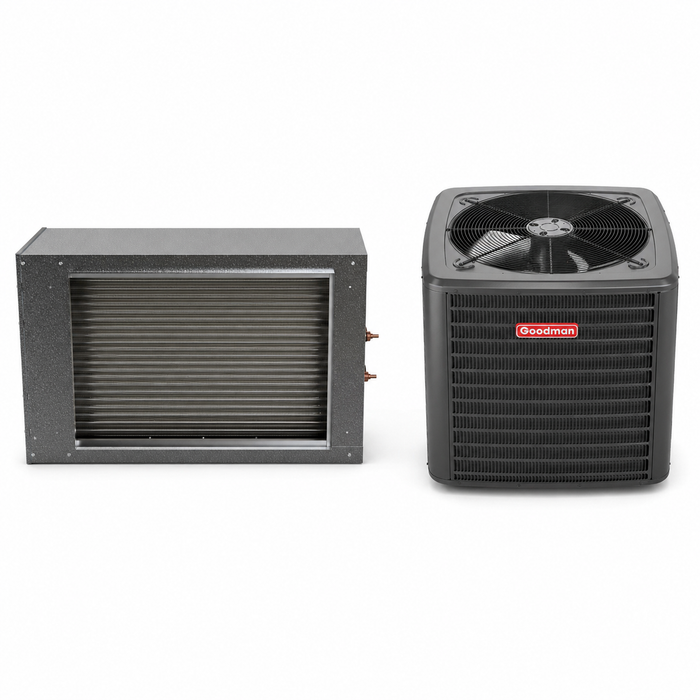
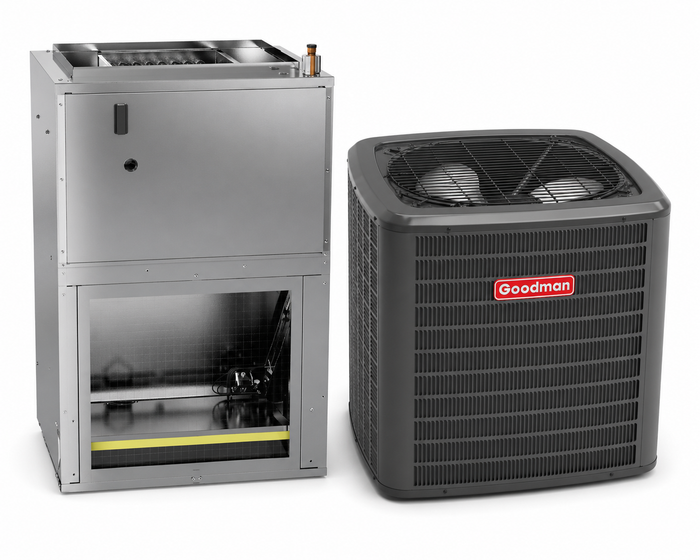
The transition to high-efficiency heating, ventilation, and air conditioning equipment represents one of the most significant engineering leaps in modern building management. Property owners and mechanical contractors regularly invest in cutting-edge systems to lower utility expenses, downsize equipment footprints, and satisfy increasingly stringent environmental mandates. At the center of this efficiency revolution is the microchannel coil, an advanced heat exchanger design that has largely replaced traditional copper-tube, aluminum-fin assemblies across millions of installations.
While these components offer unparalleled thermal performance under ideal conditions, real-world deployment has exposed an Achilles' heel. When placed in challenging environments characterized by elevated moisture, salt spray, or industrial airborne pollutants, these high-tech components are vulnerable to rapid degradation. For property managers, contractors, and homeowners, understanding the relationship between modern heat exchanger metallurgy and environmental stress is vital to avoiding premature system failures.
Understanding the Microchannel Shift: Efficiency vs. Vulnerability
To appreciate why modern cooling systems struggle in certain geographic regions, it is first necessary to examine the engineering behind microchannel architecture. Conventional heat exchangers rely on a heavy network of round copper tubes threaded through a series of stamped aluminum fins. While reliable, this design requires a massive volume of refrigerant to operate effectively and demands significant physical space within the outdoor condenser chassis.
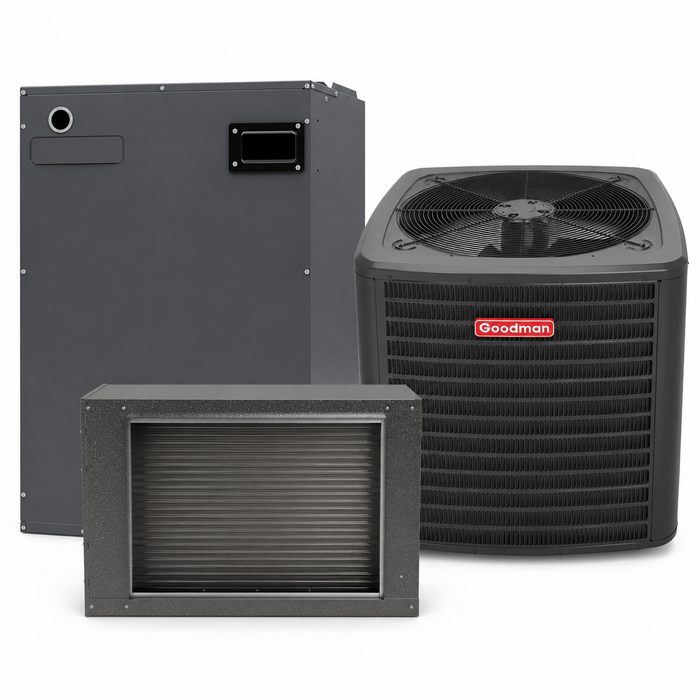
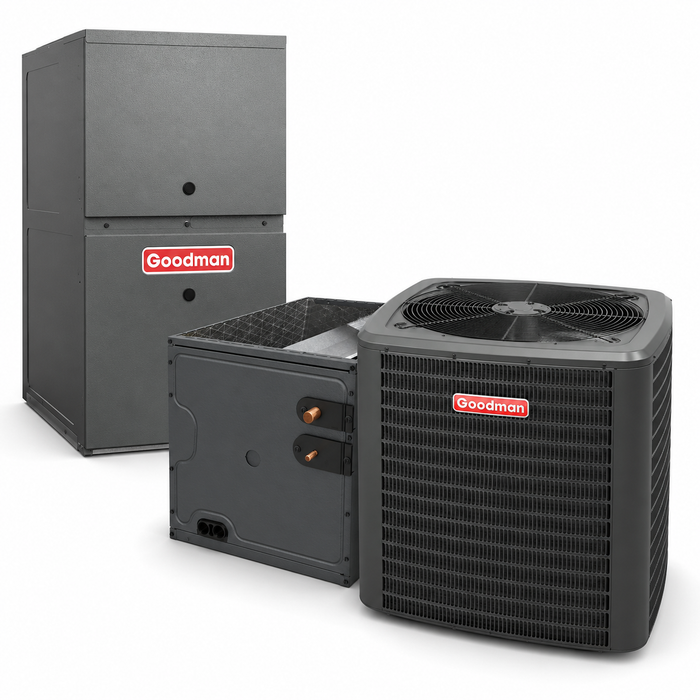
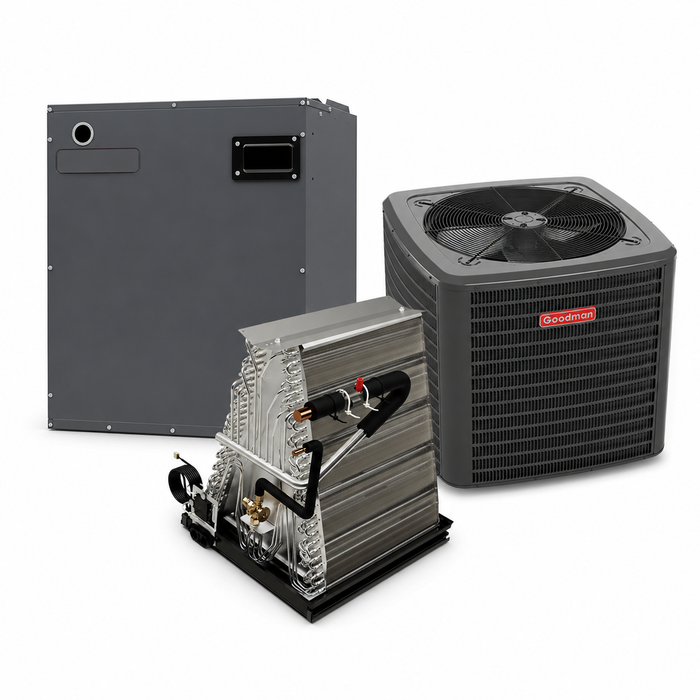
Microchannel heat exchangers alter this configuration by utilizing flat, multi-port aluminum tubes brazed to angled, repeating aluminum fins. This configuration maximizes the surface area available for heat transfer while dramatically lowering the internal volume of the component. The result is a highly compact heat exchanger that delivers exceptional thermal efficiency while slashing the system’s total refrigerant charge by up to 40 percent.
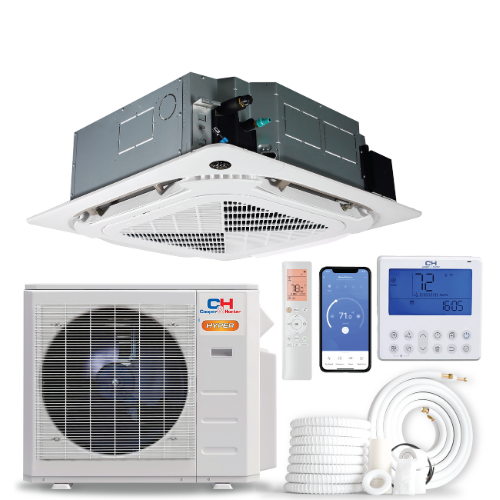
This design transformation has allowed manufacturers to engineer smaller, lighter residential and light commercial equipment without sacrificing cooling capacity. These advancements are common across modern ducted shop all platforms, highly compact ceiling cassettes, and premium residential installations. However, compressing the physical space between fins and introducing ultra-thin aluminum walls changes how the equipment interacts with its physical environment.
The tightly packed structure that makes microchannel systems efficient also makes them prone to debris accumulation and moisture retention. In areas plagued by sticky atmospheric conditions, the very features designed to optimize heat exchange can inadvertently accelerate mechanical failure.
The Science of Microchannel Coil Corrosion in High Humidity
The primary threat to these advanced heat exchangers in humid or coastal zones is a sophisticated chemical process known as galvanic corrosion. By definition, galvanic corrosion occurs when two dissimilar metals come into electrical contact in the presence of an electrolyte. In traditional HVAC systems, the interface between copper tubes and aluminum fins creates a natural galvanic couple. Because aluminum is the more active, anodic metal in that pairing, it naturally sacrifices itself over time, leading to fin degradation while the copper tubes carrying the refrigerant remain intact.
Microchannel coils were initially marketed as a definitive solution to this specific issue because they feature an all-aluminum construction. By manufacturing the tubes, fins, and manifolds from a single material family, engineers aimed to eliminate the dissimilar metal pairings responsible for traditional galvanic breakdown. While this engineering logic holds up in dry, clean environments, real-world field operations tell a different story.
When a microchannel coil is exposed to sustained high humidity, moisture forms a continuous liquid film across the tightly packed fin packs. If this moisture absorbs salt particles from a marine coastline, sulfur dioxide from industrial emissions, or even common household chemical vapors, the water transforms into a highly conductive electrolyte.
Once a conductive electrolyte blankets the aluminum surface, microchannel coil corrosion in high humidity takes on a localized form known as pitting corrosion. Aluminum alloys are naturally protected by a microscopic, self-passivating oxide layer that shields the underlying metal from environmental oxygen. However, chloride ions from sea spray or acidic moisture from humid urban environments can chemically attack and breach this microscopic barrier.
Because the aluminum fins and the multi-port tubes are manufactured from slightly different aluminum alloys to optimize the brazing process during manufacturing, a micro-galvanic cell is established right at the joint interfaces. This chemical reaction drives deep, microscopic pits into the exceptionally thin walls of the refrigerant tubes. Unlike older copper-tube systems where corrosion merely caused the external fins to flake off, pitting corrosion in a microchannel assembly directly punctures the ultra-thin aluminum walls, resulting in catastrophic refrigerant leaks that are nearly impossible to patch or repair in the field.
The Economics of Premature Coil Failure
When an outdoor heat exchanger falls victim to environmental corrosion, the financial consequences extend far beyond a standard service charge. Because microchannel tubes feature incredibly thin walls and a complex parallel flow design, localized leaks cannot be easily brazed or repaired like traditional thick-walled copper piping. A single microscopic pit usually dictates a total replacement of the outdoor coil assembly.
During peak summer cooling months, a sudden system lockout leaves occupants stranded in unsafe interior conditions, making a fast resolution critical. If the damaged asset is a central commercial unit or part of a comprehensive commercial HVAC infrastructure, the logistical complications escalate immediately. Cranes must be rented to access rooftops, industrial teams must be dispatched, and the business can face severe operational downtime.
Even in smaller residential installations, replacing an outdoor coil involves recovering the remaining eco-friendly refrigerant, cutting out the failed component, welding in a new factory part, running comprehensive vacuum tests, and charging the system with expensive virgin refrigerant. The combined cost of specialized labor, material logistics, and replacement parts can easily approach the cost of installing a completely new outdoor condensing unit.
Furthermore, operating an HVAC system with a partially corroded or heavily fouled heat exchanger destroys its seasonal energy efficiency ratio (SEER). As corrosion blankets the aluminum fins, it creates an insulative layer that restricts the system's ability to reject heat. The compressor is forced to run longer cycles at elevated temperatures, consuming significantly more electricity and accelerating the wear on vital internal components like motors fans.
Geographic Risk Factors: Mapping the Threat
While high humidity acts as the underlying catalyst for accelerated oxidation, specific geographic regions face compounding atmospheric threats that amplify the risk of microchannel failure. Coastal zones are widely recognized as the most punishing environments for any mechanical equipment. Marine aerosols carry microscopic salt crystals miles inland, where they settle into the tight recesses of condenser fin packs.
During the hot summer months, the combination of high ambient temperatures, relentless coastal humidity, and airborne chlorides creates an incredibly aggressive corrosive environment. Property owners managing equipment in coastal areas require highly specialized cooling configurations, such as marine-grade mini splits or robust mobile home air conditioners built specifically to handle demanding outdoor conditions.
However, the threat of environmental corrosion is not confined strictly to ocean coastlines. Heavily industrialized urban areas generate significant volumes of sulfur dioxide, nitrogen oxides, and airborne particulate matter from manufacturing plants and heavy vehicular traffic. When these industrial byproducts mix with high relative humidity, they form localized acid rain conditions that chemically strip away the protective aluminum oxide layer on microchannel surfaces.
Agricultural zones introduce yet another hidden hazard: airborne ammonia compounds from fertilizers and livestock waste. Ammonia is aggressively corrosive to copper and aluminum alloys alike. This makes standard residential systems highly vulnerable when deployed near agricultural operations, highlighting the clear need for routine inspections and specialized preventative maintenance strategies.
Comprehensive Protection Strategies for Humid Climates
Protecting your climate control investment from environmental corrosion requires a multi-layered defense strategy that combines advanced material coatings with structured, non-destructive maintenance protocols. Attempting to run a standard, unprotected aluminum heat exchanger in a high-corrosion zone without active mitigation is a direct path to premature component failure.
MULTI-LAYER COIL DEFENSE MATRIX
│
▼
[ LAYER 1: FACTORY COATINGS ] ──► Epoxy/E-Coat barrier shield
│
▼
[ LAYER 2: MOUNTING & ISOLATION ] ──► Brackets, stands, and pads
│
▼
[ LAYER 3: REGULAR MAINTENANCE ] ──► Low-pressure neutral rinses
Advanced Engineered Anti-Corrosion Coatings
The single most effective barrier against chemical pitting is the application of a dedicated, thin-film anti-corrosion coating. These specialized polymers—typically formulated from high-grade epoxy, polyurethane, or silane-based chemistries—are engineered to encapsulate the entire aluminum structure without forming an insulative blanket that compromises thermal performance.
Factory-applied electro-deposition (E-coat) processes submerge the entire heat exchanger in a chemical bath, utilizing an electrical charge to draw the protective polymer deep into the tightest microscopic crevices of the multi-port channels. For existing field installations, premium spray-applied aftermarket coatings can be meticulously applied by certified technicians to provide a robust barrier against salt spray, industrial acids, and persistent moisture accumulation.
Precision Maintenance and Rinsing Protocols
While protective coatings provide an exceptional baseline shield, they must be supported by regular, non-destructive cleaning routines to prevent the buildup of corrosive particulates. Aluminum microchannel designs cannot be cleaned using the aggressive, acid-based foaming chemicals traditionally used on heavy copper-and-aluminum tube systems. These harsh acid washes chemically strip away the protective aluminum oxide layer, inadvertently accelerating the pitting process.
Instead, microchannel components should be cleaned using neutral-pH biodegradable detergents and low-pressure water rinses. Technicians must spray water perfectly parallel to the aluminum fins to avoid bending the ultra-thin metal surfaces, which can restrict vital airflow. In high-risk coastal zones, establishing a monthly low-pressure fresh-water rinse schedule is an excellent way to flush out salt crystals before they can bond to the metal surfaces and initiate galvanic cells.
Structural Isolation and Elevated Placements
Corrosion mitigation also involves optimizing how and where the outdoor condensing unit is physically installed. Placing a high-efficiency system directly on the ground exposes it to high moisture levels from soil, lawn irrigation runoff, and corrosive fertilizers. Elevating the equipment using heavy-duty condenser platforms ensures proper drainage and protects vulnerable lower manifolds from standing water.
Furthermore, installing protective covers or windbreaks can block prevailing coastal winds, significantly reducing the volume of salt spray or industrial dust driven deep into the heat exchanger core.
Navigating Component Replacement and Equipment Sourcing
When a microchannel coil has suffered deep pitting corrosion and a replacement is inevitable, sourcing the exact matching component is critical to restoring system balance. Because modern variable-speed compressors and expansion valves are calibrated to precise internal volumes, installing an incorrect or incompatible heat exchanger can trigger immediate system errors, oil-return failures, and premature compressor burnouts.
Contractors looking to restore damaged systems can browse the comprehensive catalog at hvacsupplies.com to locate the exact OEM or direct-replacement ac coil systems required to bring equipment back online safely.
For complex commercial projects or unique coastal installations where choosing the correct metallurgy or coating standard is paramount, consulting an expert is highly recommended. Reaching out directly through the hvacsupplies.com contact page allows mechanical contractors and property engineers to interface directly with technical product specialists. These specialists can verify equipment specifications, cross-reference part numbers, and arrange for advanced factory-coated replacement options designed to withstand harsh marine environments.
Selecting Corrosion-Resistant Systems for Coastal Replacements
If an existing cooling asset has experienced repeated failures due to localized atmospheric conditions, investing in a complete system replacement engineered for environmental durability is often the most cost-effective long-term move. Modern manufacturers have responded to coastal challenges by creating product lines with built-in corrosion defenses, such as gold-fin epoxy coatings or heavy-duty galvanized structural cabinets.
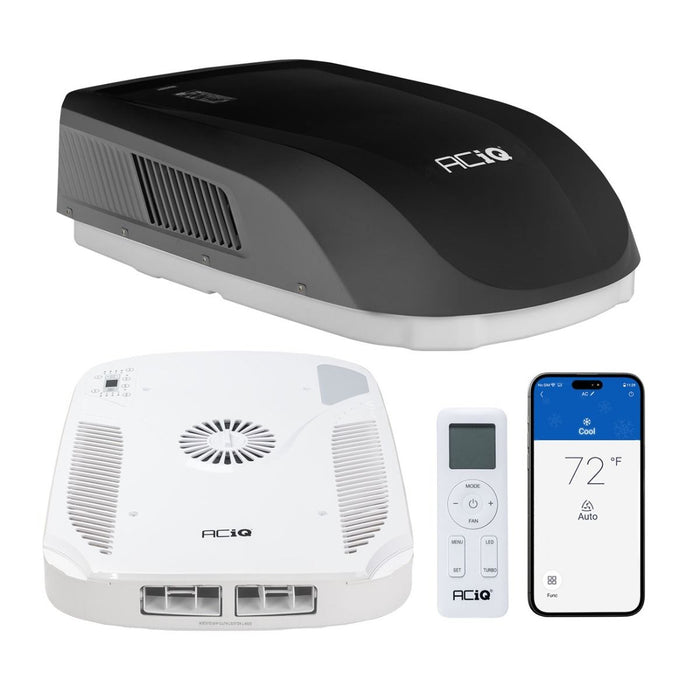
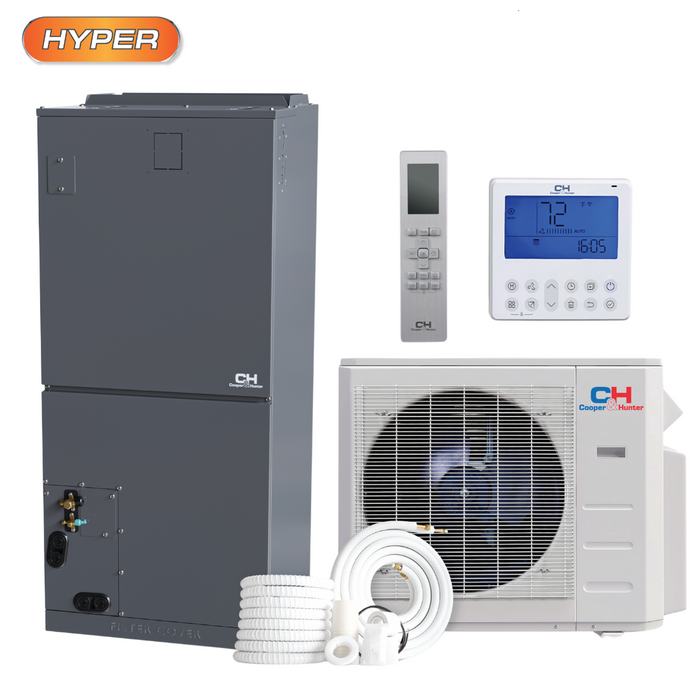
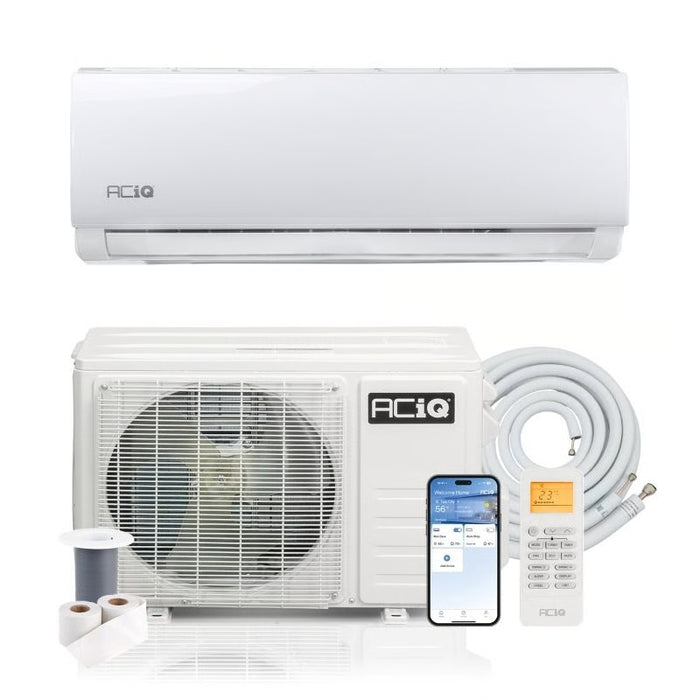
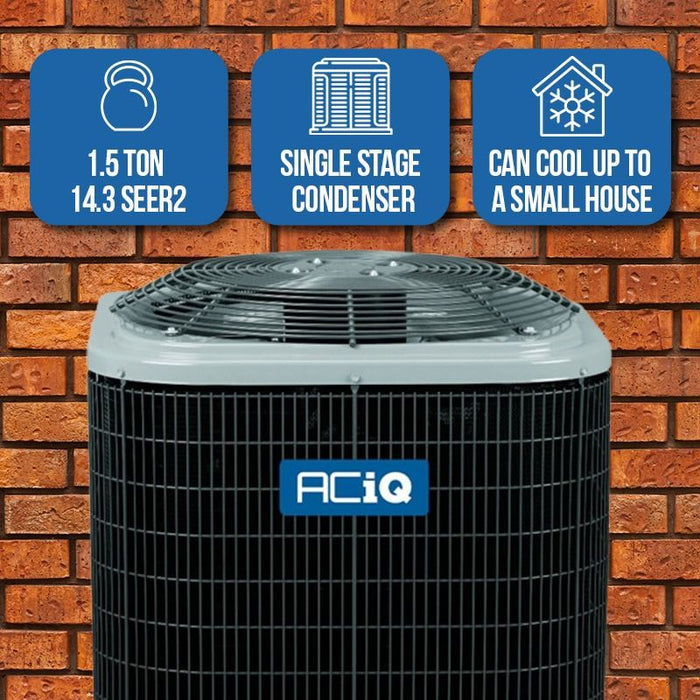
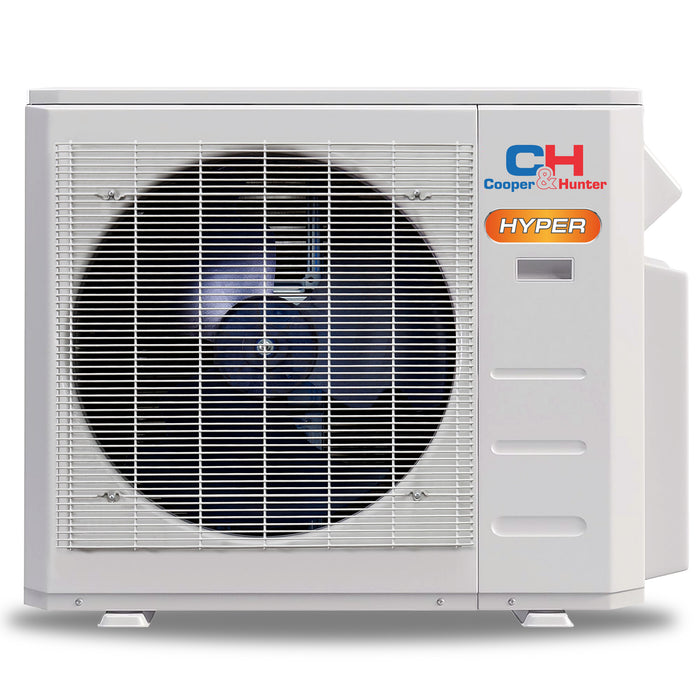
For residential and light commercial property managers looking to upgrade to robust, highly reliable cooling equipment, exploring the aciq collection provides access to systems designed with enhanced component protection. Similarly, the cooper hunter product line offers exceptional durability and high thermal efficiency, making it well-suited for regions experiencing demanding summer weather conditions.
If your specific floor plan or building architecture requires a flexible, ductless layout to optimize zoning efficiency without running heavy ductwork through unconditioned spaces, navigating the specialized mrcool brand reveals advanced multi-zone systems engineered to endure demanding environments.
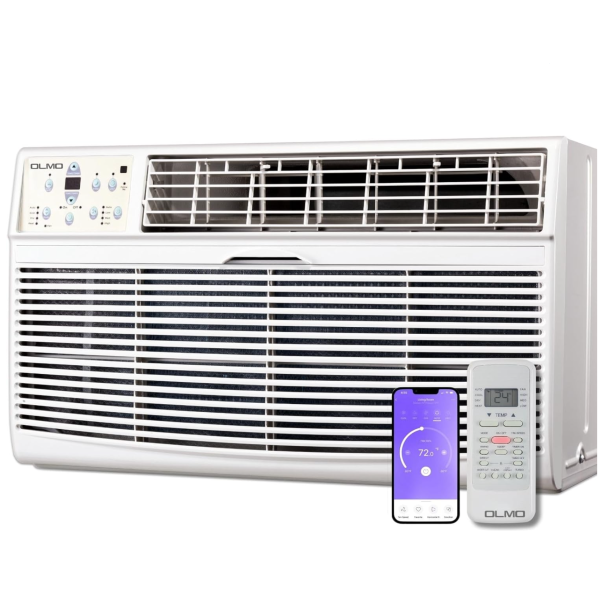
For projects requiring specialized multi-room zoning configurations, checking the multi-zone systems and specialized olmo equipment lines ensures you find an ideal balance of thermal performance, component longevity, and built-in environmental defense.
Regional Vulnerability Analysis for Coastal and Urban Hubs
Atmospheric threats vary significantly across major North American metropolitan regions, meaning an HVAC system that operates flawlessly in an arid climate can face rapid failure when deployed in a high-humidity zone. Understanding these regional differences allows contractors to tailor their equipment selections and protection packages to specific local challenges.
Deep South and Gulf Coast Microclimates
The Gulf Coast region presents some of the most punishing environmental conditions for microchannel heat exchangers. Cities like miami fl combine relentless summer heat with extremely high relative humidity and continuous salt-laden sea breezes. In this microclimate, condensation forms on heat exchanger coils early in the morning and rarely dries completely, creating a perpetual baseline for galvanic activity.
Moving slightly inland into Texas, major metro areas like houston/dallas tx, austin tx, and san antonio tx experience intense summer heatwaves that strain local power grids while subjecting equipment to chemical exposure from expanding industrial facilities and urban vehicle emissions.
Southern and Central California Coastlines
The Pacific coast presents a distinct set of environmental challenges driven by heavy marine fog layers and coastal salt spray. Coastal hubs such as san diego ca, los angeles ca, san jose ca, and san francisco ca frequently deal with cool morning fog that carries fine ocean salts deep into urban valleys. As the fog burns off in the afternoon, it leaves behind concentrated salt crusts inside the tightly packed fins of outdoor condensers.
Further inland in locations like fresno ca, marine salt decreases, but agricultural chemical runoff and dust particulates create a high-alkaline environment that is equally damaging to unprotected aluminum components.
Pacific Northwest Marine Zones
Further up the coast, cities like portland or and seattle wa combine consistent coastal moisture with dense forest particulate matter. While temperatures are generally milder than in the Deep South, the prolonged damp season means that outdoor heat exchangers remain wet for months at a time, allowing organic matter and industrial pollutants to form a persistent, corrosive film across the aluminum surfaces.
Northeast and Mid-Atlantic Industrial Corridors
The eastern seaboard faces a combination of marine salt spray and dense industrial pollution. High-density urban centers like new york city ny, boston ma, buffalo ny, and worcester ma experience hot, humid summers mixed with acidic air pollution from regional manufacturing and heavy traffic. This environment quickly breaks down basic aluminum oxide coatings, making proactive coil protection and routine neutral rinsing an absolute necessity for commercial and residential systems alike.
Midwestern Industrial and Agricultural Basins
Inland industrial centers like chicago il and nearby manufacturing hubs such as aurora il run high-efficiency cooling equipment under conditions of high seasonal humidity and heavy concentrations of airborne chemical byproducts. In these areas, combinations of sulfur dioxide, winter road-salt dust carried by spring winds, and urban smog create a highly reactive chemical mix that can initiate rapid pitting corrosion in unprotected microchannel coils.
Proactive Mechanical Support and Hardware Solutions
Successfully mitigating the risk of microchannel coil corrosion requires utilizing premium structural support hardware and accessories designed to survive high-humidity environments. Simply purchasing a high-grade condensing unit or air handler is only part of the solution; the entire physical installation must be engineered to prevent moisture accumulation and isolate the equipment from potential corrosive contact.
Structural Isolation and Foundation Hardware
When mounting an outdoor condenser, utilizing corrosion-resistant structural supports is critical to ensuring long-term operational success. Placing an advanced high-efficiency condenser or heat pump unit directly onto a standard concrete pad can allow grass clippings, dirt, and moisture to build up around the base of the lower manifold, creating a hotspot for pitting corrosion.
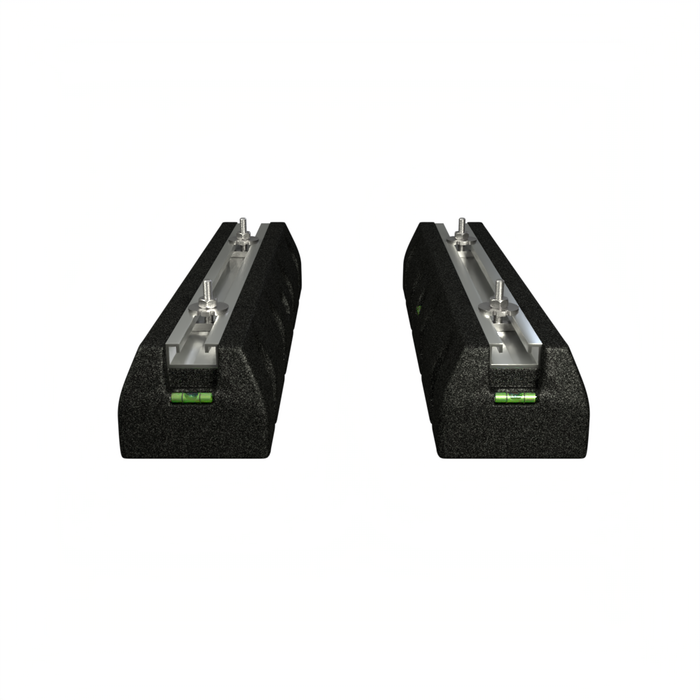
Contractors can source heavy-duty, weather-resistant support gear from the brackets stands pads collection to elevate the unit off the ground. Elevating the unit ensures rapid water drainage, prevents standing puddle contact during intense summer storms, and facilitates proper airflow underneath the equipment chassis.
Managing a successful installation or field swap-out also requires matching high-quality auxiliary components to the new equipment. Inferior copper piping connections, low-grade steel mounting fasteners, or poorly sealed electrical whips can introduce additional dissimilar-metal contacts that trigger localized galvanic circuits near the main aluminum manifold.
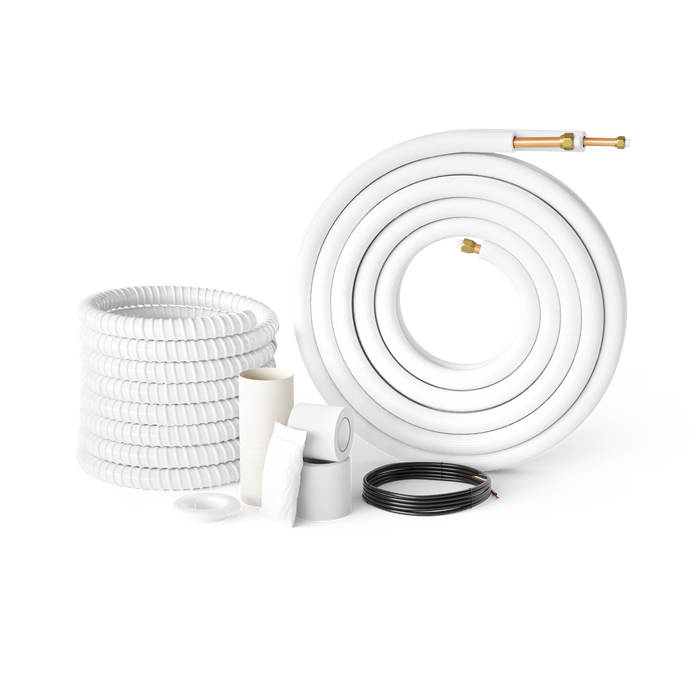
Sourcing comprehensive installation support gear from the accessories kits or the installation kits collections provides technicians with access to professionally matched linesets, electrical disconnects, and isolation accessories required to establish a completely secure installation baseline.
CORROSION-RESISTANT SITE LAYOUT
│
▼
[ Condenser Unit ] ──► All-aluminum microchannel core
│
▼
[ Line Covers ] ──► Line covers guards protection
│
▼
[ Elevating Stand ] ──► Brackets stands pads elevation
Lineset Protection and External Barriers
The copper piping extending from the indoor evaporator out to the condensing unit must be completely shielded from ambient atmospheric humidity and salt spray. Exposed, uninsulated linesets can sweat profusely during hot summer months, allowing mineral-laden condensation to drip onto the aluminum casing of the condenser.
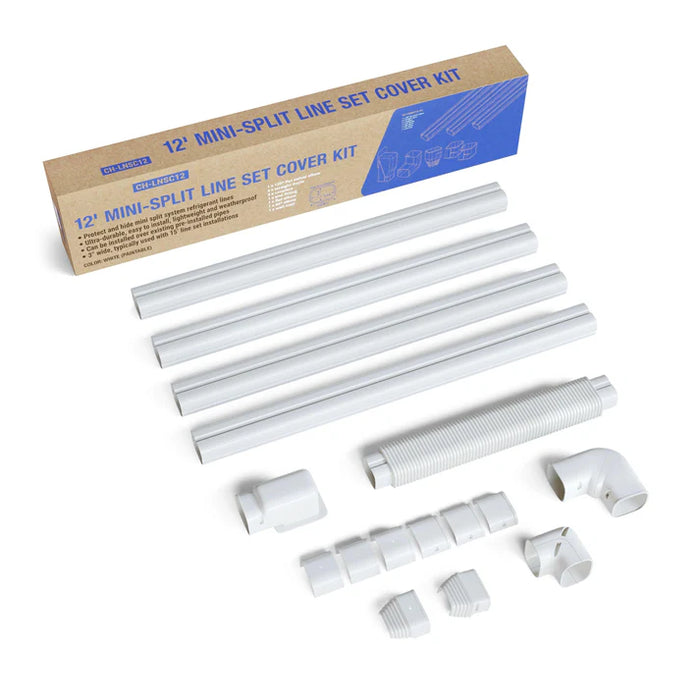
Utilizing premium structural enclosures from the line covers guards line protects copper linesets, control wiring, and insulation blocks from ultraviolet degradation, physical impact, and driving coastal winds.
Tailoring Solutions Across Diverse Equipment Platforms
Modern mechanical configurations vary greatly depending on property style, space constraints, and localized cooling requirements. Whether managing a single-family home, a multi-family commercial complex, or a manufactured housing structure, tailoring your corrosion defense to the specific equipment platform is critical to extending system lifespan.
Central Split and Packaged Systems
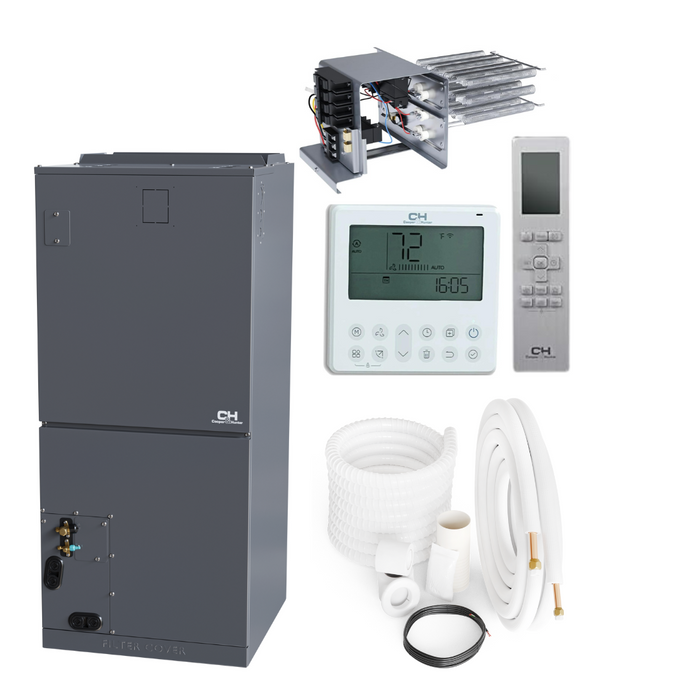
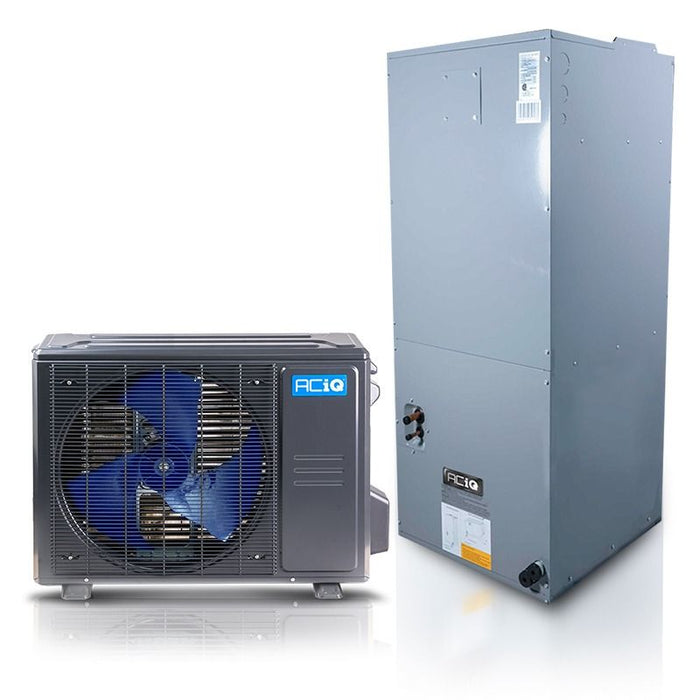
For standard residential installations utilizing traditional layouts, maintaining clear, unrestricted airflow through the outdoor heat exchanger is the most effective way to prevent moisture retention. Sourcing high-grade indoor air moving gear from the central air handlers collection ensures that the indoor evaporator coil operates at peak efficiency, preventing premature system freezing that can overload the outdoor condenser.
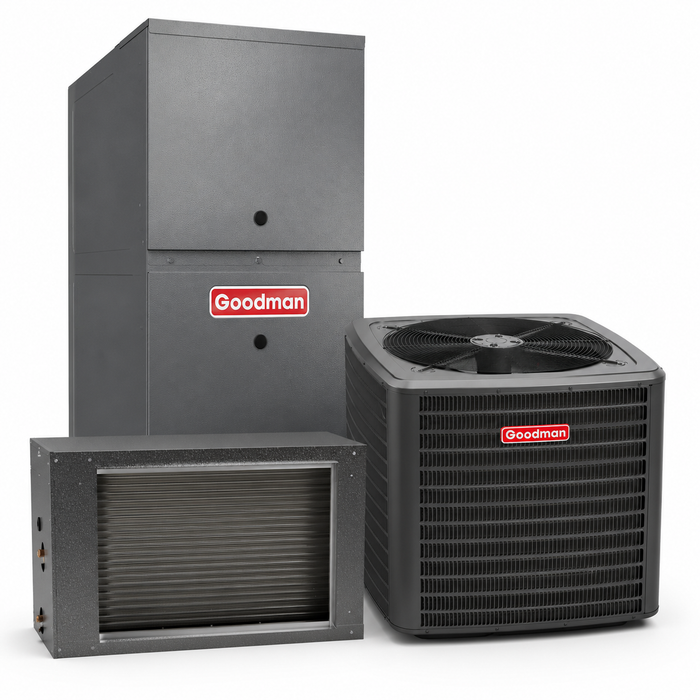
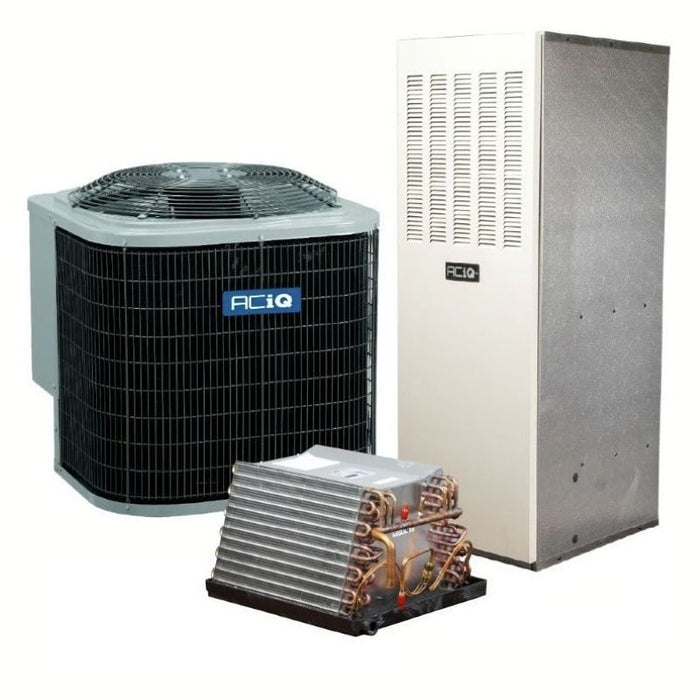
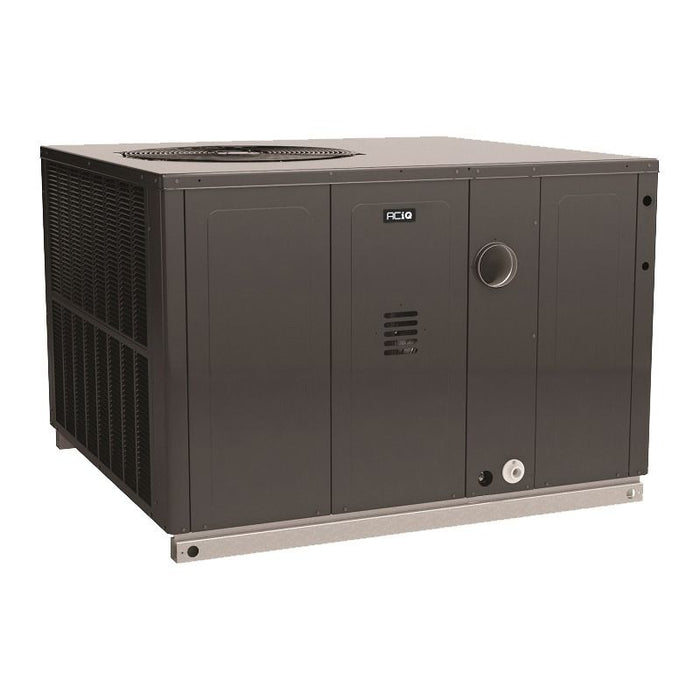
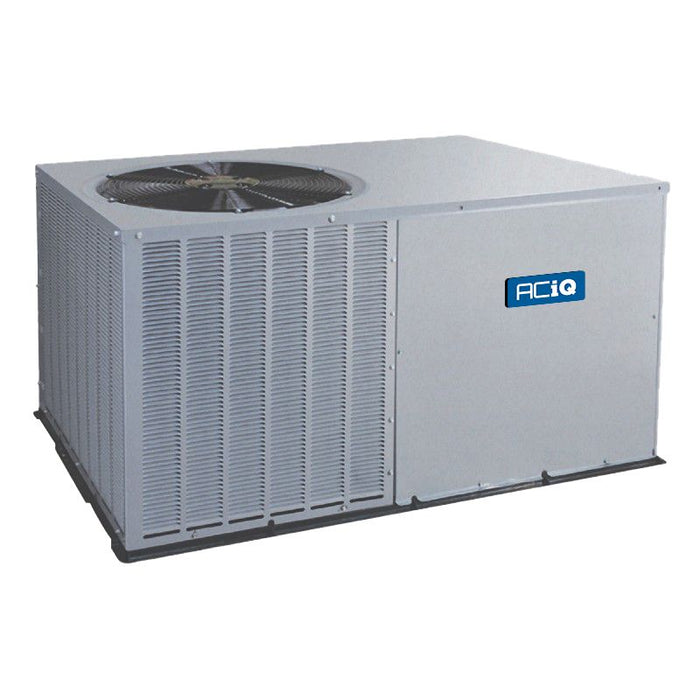
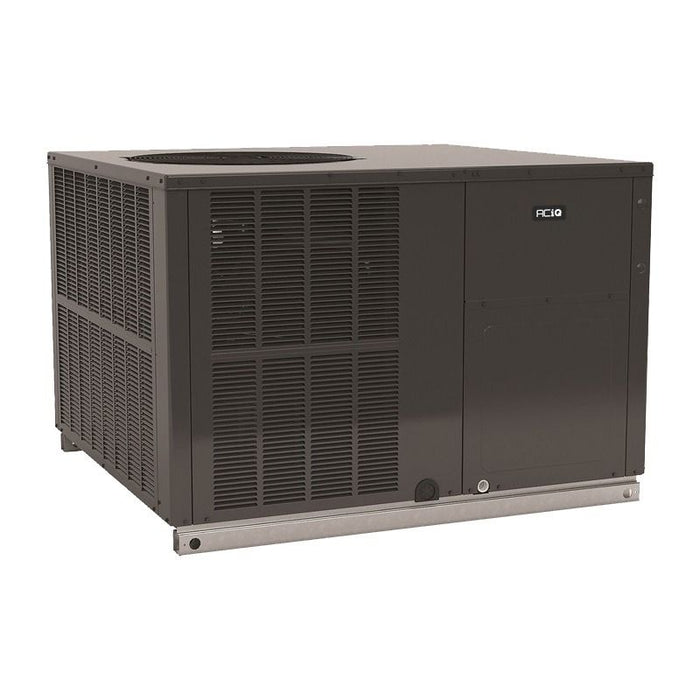
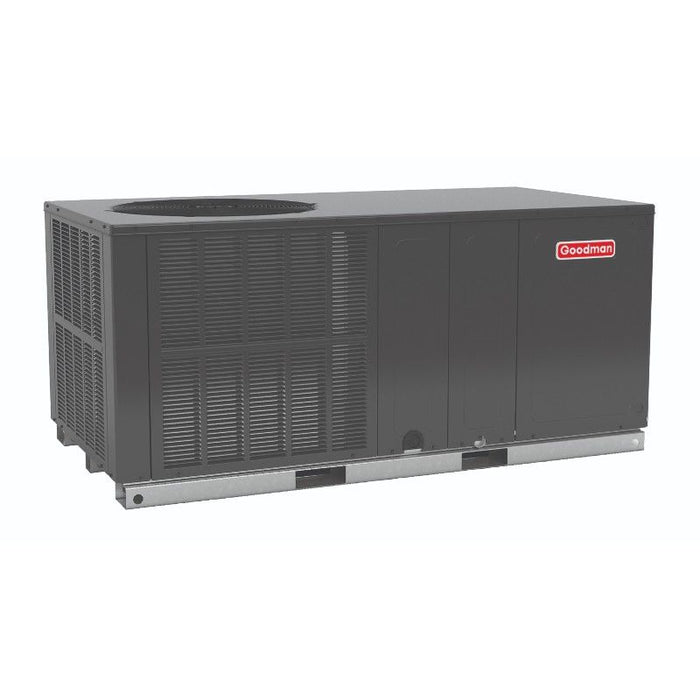
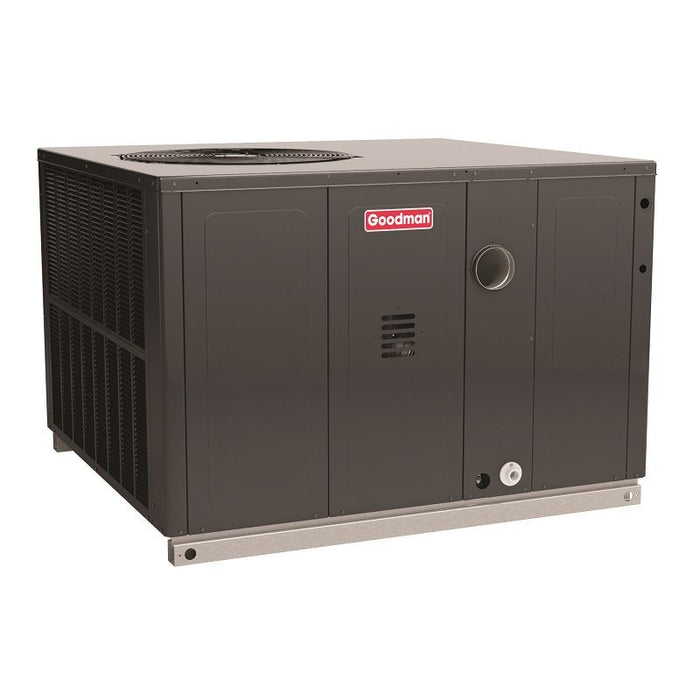
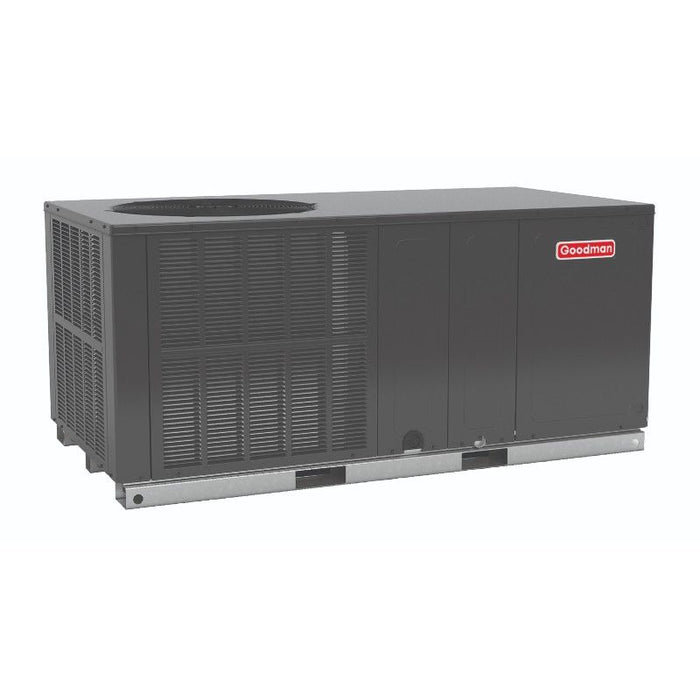
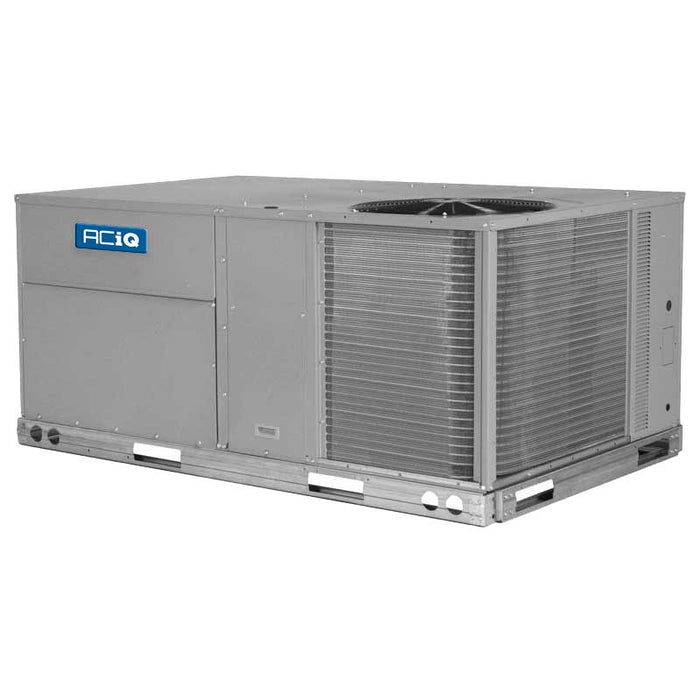
If your property utilizes an all-in-one footprint commonly found in light commercial designs, selecting a rugged system from the packaged units line or the high-capacity commercial packaged units collection ensures the entire mechanical setup is built to handle heavy commercial duty cycles.
Ductless Mini-Splits and Multi-Zone Configurations
Properties that require targeted zone control often utilize advanced multi-split arrays. Sourcing compact systems through the ductless mini-splits and light commercial mini-splits catalogs provides access to high-efficiency equipment with small footprints.
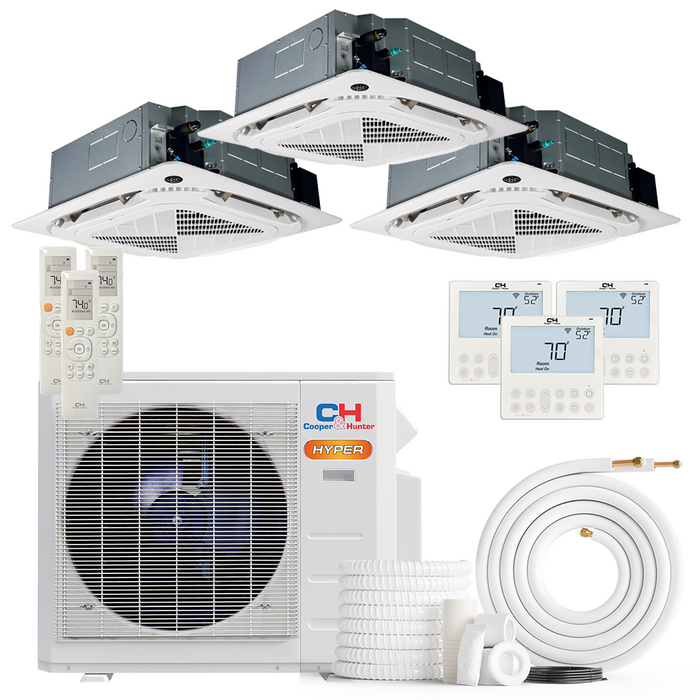
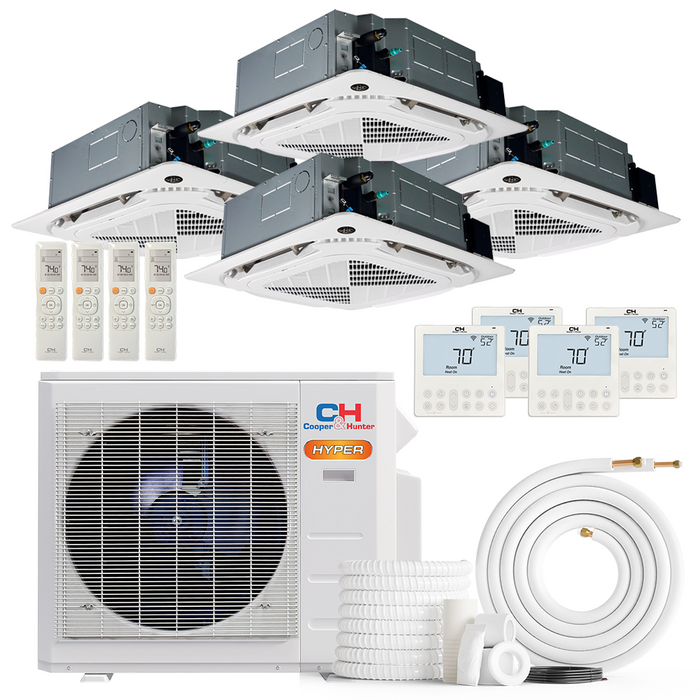
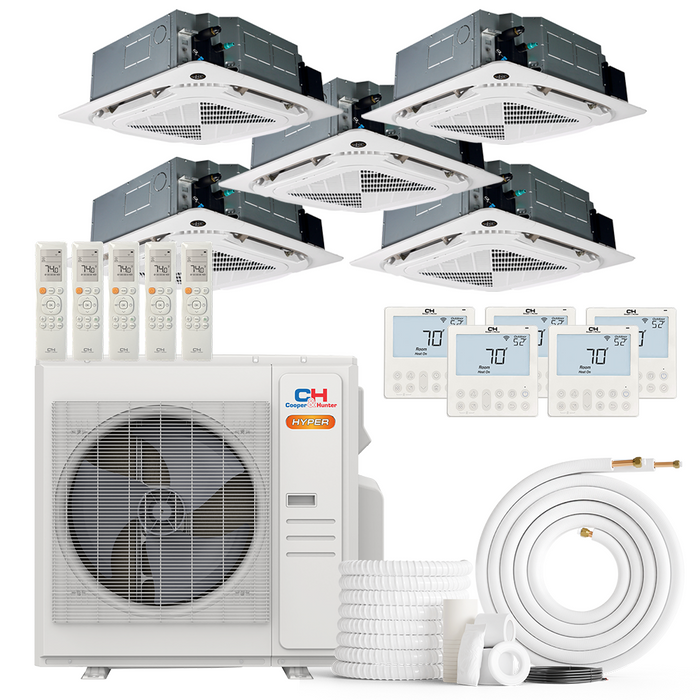
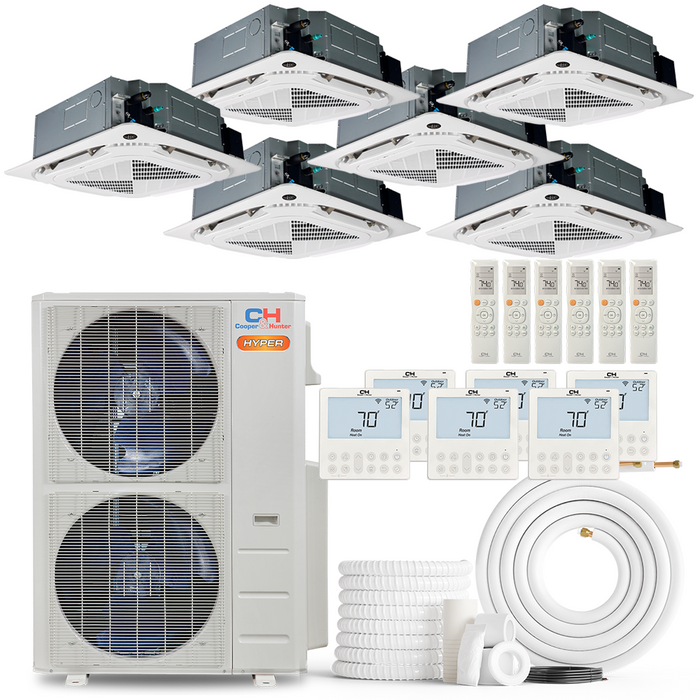
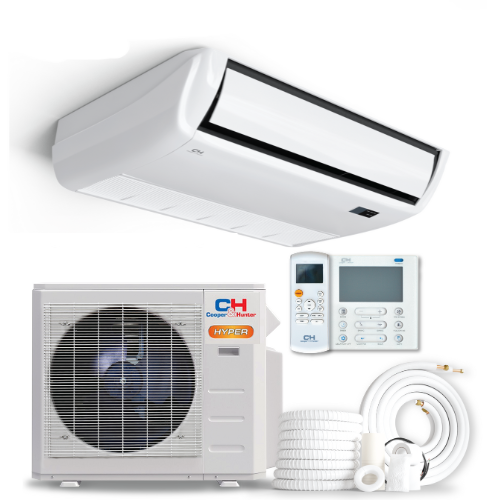
Whether configuring a premium 6 zone wall mounts network for a multi-family building, opting for discrete single zone one way ceiling cassettes, or setting up high-capacity multi zone ceiling cassettes, ensuring these outdoor inverter condensers receive protective anti-corrosion coatings is essential for coastal longevity.
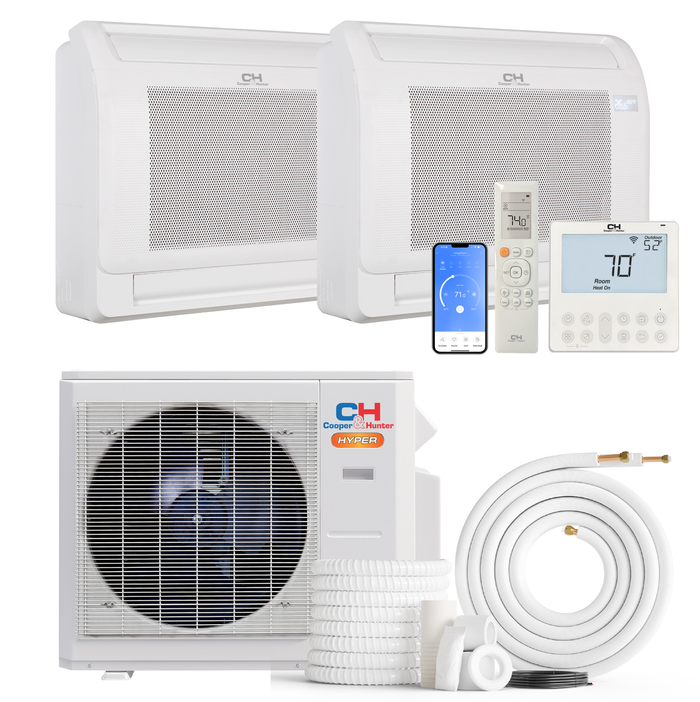
Furthermore, optimizing specific room styles with options like a mini floor console or a versatile ductless multi zone universal floor ceiling ufc units array provides flexible indoor airflow options while keeping your outdoor multi-channel components running efficiently.
Specialized Manufactured Housing Equipment
Manufactured housing and mobile homes require specialized mechanical configurations engineered to interface safely with narrow duct designs and specific electrical footprints. Standard residential cooling components cannot simply be dropped into a manufactured home without risking major airflow restrictions and electrical safety code violations.
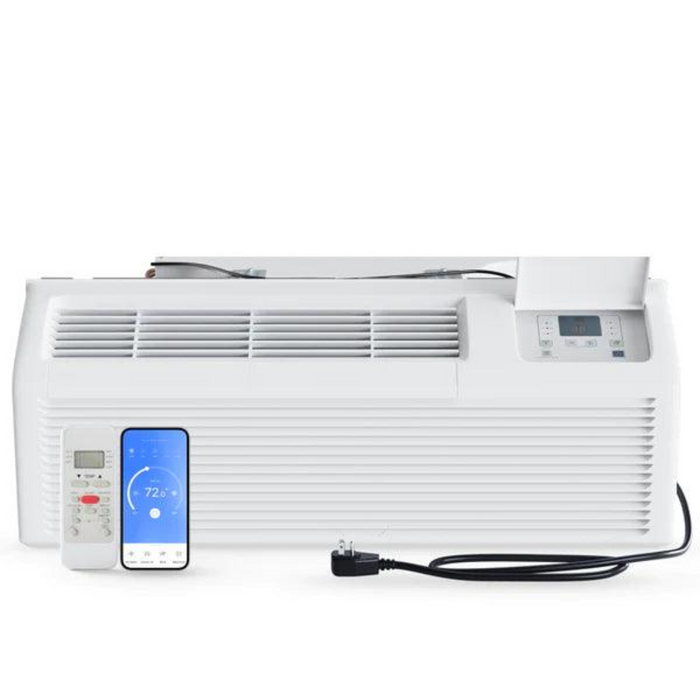
Property owners and maintenance managers working in this niche can explore the dedicated mobile home store page to locate certified equipment designed for these applications. Sourcing from specialized collections like mobile home air conditioners or mobile home air handler components guarantees seamless mechanical compatibility.
For comprehensive retrofits or complete change-outs during a remodel, selecting unified systems from the mobile home complete systems or mobile home ac furnace systems catalogs ensures that every component is engineered to perform reliably under high-efficiency standards.
Protecting Your High-Efficiency HVAC Investment
Microchannel heat exchangers represent an exceptional engineering achievement, delivering high thermal efficiency, smaller physical profiles, and eco-friendly low-refrigerant charges. However, operating these advanced systems in environments characterized by high humidity, coastal salt air, or industrial pollutants requires an active protection strategy. Leaving an unprotected aluminum microchannel coil exposed to severe atmospheric conditions is a direct path to premature galvanic pitting and costly component failure.
By implementing advanced factory or aftermarket anti-corrosion coatings, adhering to strict neutral-pH cleaning protocols, and elevating equipment using premium structural hardware, you can safeguard your cooling assets against environmental degradation. Whether you are conducting a single coil swap on an active residential system or executing a multi-unit commercial upgrade across a major urban facility, taking proactive steps ensures your high-efficiency system delivers reliable comfort for years to come.
Are you ready to safeguard your home and upgrade your cooling system's environmental protection infrastructure? Explore the extensive collection of professional-grade components by visiting the HVAC Supplies Marketplace today.