























The "Check Engine" Light for Your Refrigerant: Why A2L Mitigation Sensors Need Summer Calibration
Share
HVAC SUPPLIES
Safety & Technical Guide
A2L Mitigation Sensor Calibration
The cooling and heating industry is undergoing one of its most significant environmental and structural transitions in decades. With federal and regional phase-downs targeting high-global-warming-potential (GWP) hydrofluorocarbons (HFCs) like R-410A, a new class of chemistry has taken center stage across North America. These next-generation refrigerants, primarily R-32 and R-454B, belong to the A2L classification, meaning they are characterized as mildly flammable. While they deliver exceptional thermodynamic efficiency and significantly reduced environmental impact, their presence introduces new mechanical frameworks and stringent safety standards to regular residential and commercial installations.
To ensure safety in domestic and workspace environments, modern equipment incorporates highly sophisticated detection mechanisms known as A2L mitigation systems. These devices function essentially as a highly reactive "Check Engine" light for your physical refrigerant loops. These advanced monitoring components are engineered to watch continuously for leaks within the indoor coil assembly and mechanical ducting paths. If the concentration of a escaping gas approaches a set fraction of the lower flammability limit, the monitoring network instantly takes action by shutting down the compressor and engaging indoor fans to safely dilute the concentration.
However, as countless property owners are discovering during peak seasonal shifts, these precise safety instruments are heavily influenced by ambient atmospheric conditions. High indoor humidity, intense seasonal heat, and localized air stagnation can significantly affect operational baselines. Ensuring these systems operate reliably requires understanding the critical role of timely A2L Mitigation Sensor Calibration, preventing costly false lockouts, and ensuring uninterrupted indoor climate control when regional temperatures climb.
Technical Baseline: Decoding A2L Fluids and the Mitigation Matrix
Understanding the importance of seasonal sensor tuning requires examining the mechanical behavior of A2L refrigerants. Unlike legacy options, these newer compounds can ignite if exposed to an open flame or high-energy spark under specific conditions, though they have a low burning velocity and require a high concentration to sustain combustion. To manage these characteristics safely, industry safety standards like ASHRAE 15 and UL 60335-2-40 mandate built-in safety systems for residential and commercial split systems.
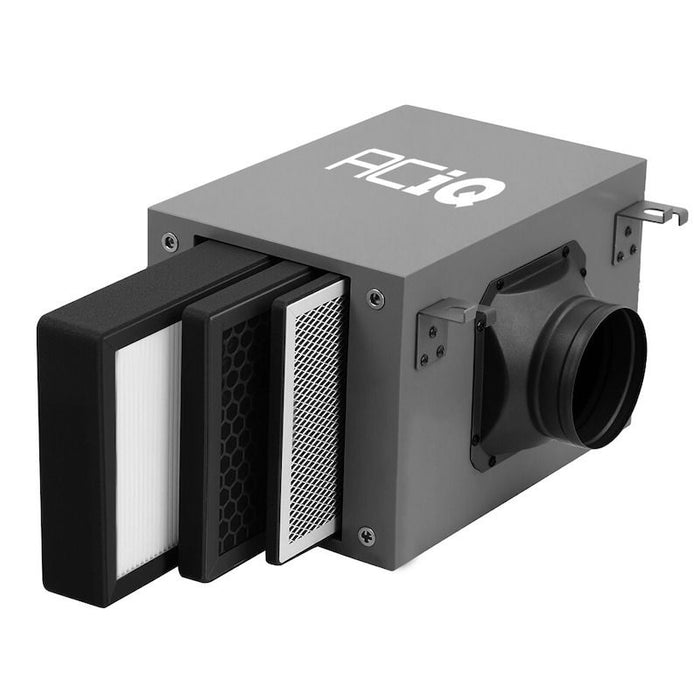
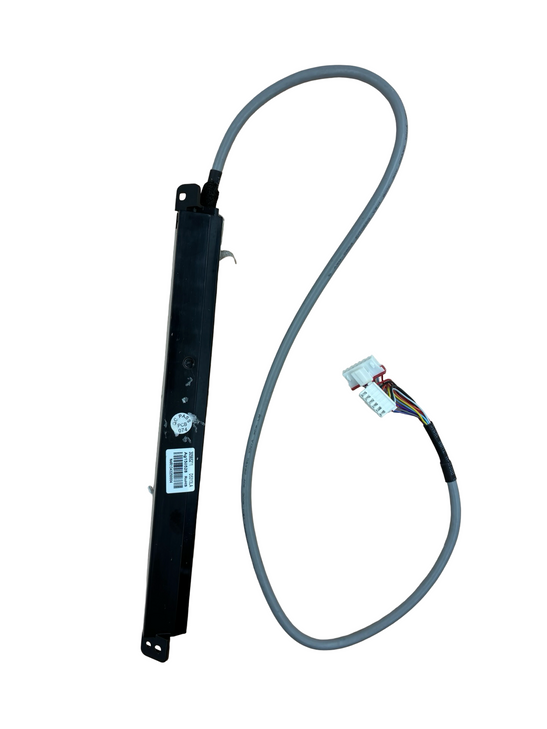
A modern A2L mitigation assembly is an integrated safety system. It features a highly sensitive gas detection sensor positioned directly inside the cabinet of indoor equipment, such as air handlers or packaged units. These sensors generally utilize non-dispersive infrared (NDIR) spectroscopic optics or metal-oxide semiconductor (MOS) technology to continuously measure the chemical composition of the surrounding air stream. The detector communicates directly with a specialized local mitigation control interface, which is tied into the main equipment control boards.
The A2L Safety Mitigation Loop
1
[ Sensor Array ] — Monitors Internal Air for Gaseous Spikes
2
[ Control Board ] — Analyzes Volumetric Concentration Levels
3
[ Safety Relay ] — Shuts Down Compressor / Activates Fans
When an indoor sensor detects a localized leak, it acts instantly. The moment chemical concentrations hit a critical threshold, the safety relay opens. This breaks the 24-volt thermostat signal to the outdoor condenser, shutting down the compressor to stop the flow of refrigerant. Simultaneously, the system energizes the indoor circulation blower at maximum speed—even if the thermostat is set to "Off"—to safely disperse the escaping gas throughout the living space. This rapid response prevents the gas from pooling in high concentrations around structural bases or floor levels.
The Hidden Catalyst: How Intense Summer Humidity Distorts Sensor Accuracy
As we move through the peak cooling season, these sensitive safety systems encounter harsh environmental conditions. The primary challenge to their accuracy is the high humidity and heavy indoor moisture common during hot weather. Because these gas detection systems measure very small changes in air composition, they are highly sensitive to shifts in ambient moisture levels.
In an NDIR-based detection sensor, a tiny internal light source shines infrared energy across a small gas chamber onto a tuned optical detector. The sensor calculates gas concentrations based on how much infrared light is absorbed at a specific wavelength. However, water vapor also absorbs infrared light at overlapping spectral frequencies. When indoor spaces experience heavy humidity spikes, the high volume of water vapor can distort these optical readings, causing the sensor to misinterpret heavy moisture as an active refrigerant leak.
Humidity Distortion Mechanism (NDIR)
[ IR Light Source ] → [ Heavy Moisture / Vapor ] → [ Sensor ]
- Result: Overlapping absorption wavelengths fool optical array
- Action: False alarm initiates system-wide component lockout
For systems that use metal-oxide semiconductor (MOS) sensors, high humidity can alter the baseline electrical resistance of the sensor element. When the air is saturated with water vapor, the sensor's baseline changes, which can lead to false alarms and trigger system lockouts even when the refrigerant lines are completely intact. This leaves property owners without cooling during the hottest days of the year due to an environmental false alarm.
Managing False Lockouts and System Restoration Protocol
When a sensitive mitigation device experiences environmental drift or a moisture-induced error, it initiates a total system lockout that cannot be resolved by simply cycling the thermostat or flipping a standard breaker. Because this is a life-safety mechanism, the equipment is designed to remain disabled until a technician inspects the installation and clears the safety fault.
For property managers and HVAC contractors dealing with unexpected lockouts or checking system integrity, having access to an accurate parts distributor is vital. When a sensor fails or suffers unrecoverable calibration drift, you can find direct replacement components at hvacsupplies.com. Sourcing certified replacement sensors, specialized wiring links, and interface tools from their comprehensive inventory helps technicians restore proper safety metrics quickly.
For advanced commercial buildings, industrial zones, or complex multi-split residential projects with specific calibration requirements, consulting with product experts is highly recommended. Reaching out through the hvacsupplies.com contact page connects field engineers and homeowners directly with technical specialists. These professionals can provide factory calibration data, verify sensor compatibility, and recommend the right field equipment to keep your system compliant with regional safety standards.
Regional Climate Profiles and Atmospheric Stress Factors
The need for seasonal calibration and sensor maintenance varies significantly based on regional weather patterns across North America. Different climates subject indoor and outdoor components to unique levels of heat and humidity, which directly affects sensor performance.
High-Humidity Zones & Coastal Heat Belts
The coastal Southeast experiences some of the most challenging summer conditions in the country. In subtropical areas like miami fl, high outdoor humidity creates a heavy latent cooling load for air conditioners. When indoor spaces see rapid humidity shifts—such as when doors are opened or during a sudden summer storm—uncalibrated sensors are at a much higher risk for false lockouts.
Further west, across major metropolitan centers in Texas like dallas tx, austin tx, and san antonio tx, intense summer heat forces systems to run long, demanding cycles. The combination of high indoor temperatures and fluctuating humidity can cause uncalibrated sensors to drift from their original factory baselines, leading to unexpected shutdowns when cooling is needed most.
The West Coast: Thermal & Particle Stresses
Along the Pacific coast, conditions are quite different but present their own challenges. In major California markets like san diego ca, los angeles ca, san jose ca, and san-francisco ca, low average humidity reduces moisture-related errors, but wide temperature swings between hot afternoons and cool coastal nights can cause thermal expansion and contraction in sensor housings.
In warmer inland valleys like fresno ca, fine dust and agricultural airborne particles can settle on sensor optics over time, blocking light paths and leading to false readings or sensor failures if the equipment isn't regularly cleaned and calibrated.
The Pacific Northwest: Seasonal Transitions
In regions like portland or and seattle wa, mild summers mean systems run less frequently. However, the sudden transition from damp spring weather to hot summer days can trap moisture inside tight mechanical closets, confusing sensors that haven't adapted to the fast change in environmental baselines.
Northeast & Midwest: Enclosures & Sudden Waves
In dense northeastern cities like new york city ny, boston ma, buffalo ny, and worcester ma, older multi-family buildings often feature tight, unventilated mechanical utility rooms. These spaces trap heat and moisture, creating stagnant air conditions that cause sensitive detection electronics to drift and register false faults.
In major interior hubs like chicago il and surrounding areas like aurora il, summers are often marked by sudden waves of high humidity from the Great Lakes. This rapid influx of moisture can overwhelm uncalibrated sensors, making seasonal calibration a critical part of regular springtime system maintenance.
Proactive Mechanical Layout and Hardware Integration
Preventing sensor drift and false lockouts requires more than just adjusting electrical baselines; it also depends on high-quality physical installation practices. A system that is poorly positioned, improperly isolated, or exposed to excessive vibration will experience premature safety failures regardless of how often it is calibrated.
Structural Stability and Vibration Isolation
Vibration is a common but overlooked cause of sensor drift. If an indoor air handler or evaporator coil vibrates excessively during operation, that constant movement can loosen delicate internal components, disrupt optical alignments in NDIR sensors, or damage circuit board connections.
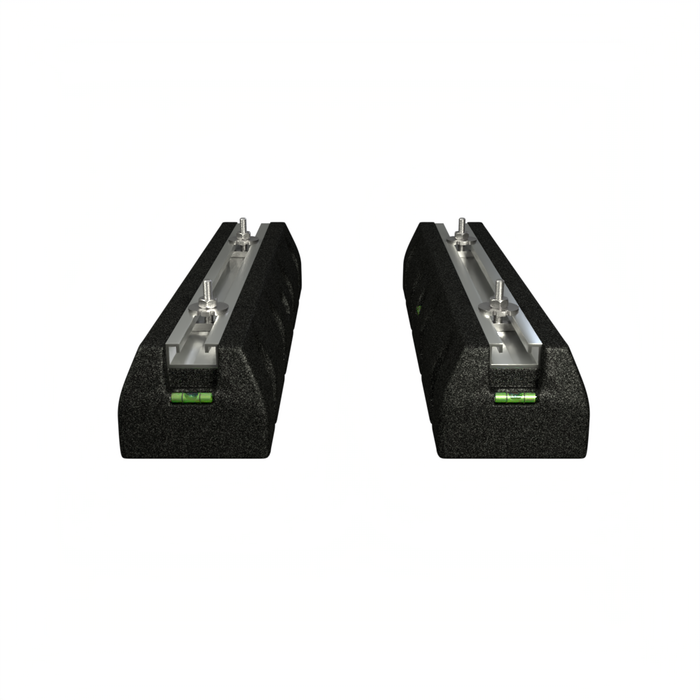
Contractors can address this by choosing premium vibration-isolation pads and mounting hardware from the brackets stands pads collection. Properly stabilizing the equipment minimizes mechanical chatter and keeps sensitive safety electronics secure.
Stabilized A2L Enclosure Layout
•
[ Air Handler Cabinet ] → Internal Gas Sensor Array
•
[ Heavy-Duty Lineset ] → Sealed Mechanical Couplings
•
[ Isolation Platform ] → Brackets Stands Pads Base
High-Quality Installation Components and Kits
Ensuring clean airflow around the sensor array is critical to preventing false alarms. Leaks or pressure issues near the sensor housing can create localized air pockets that hold moisture and cause false readings.
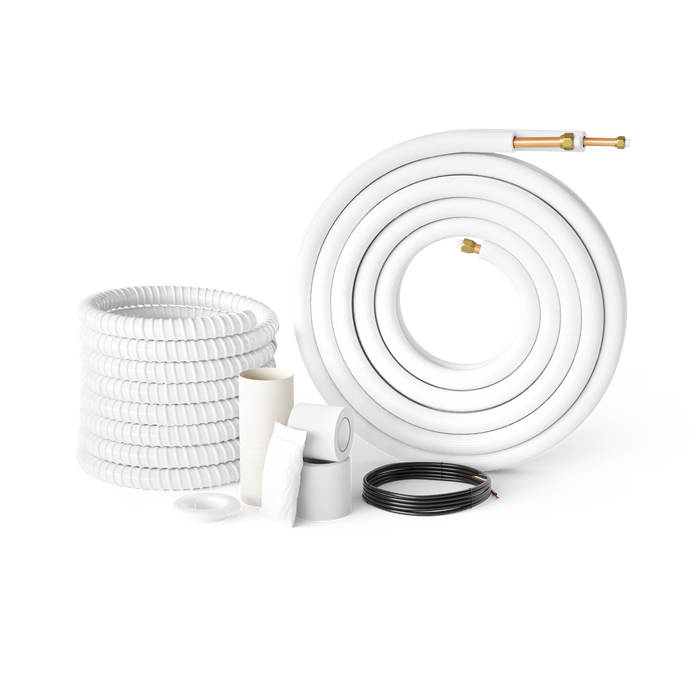
When completing a new system installation or replacing an indoor coil, technicians should use high-quality installation supplies from the accessories kits or the unified installation kits lines. Using premium sealants, durable tape, and proper line fittings ensures a tight, clean cabinet that protects sensitive internal sensors from outside air contamination.
Lineset Protection and Vapor Barriers
The refrigerant linesets that connect the outdoor condenser to the indoor evaporator must be completely sealed to prevent moisture from traveling along the line and entering the sensor housing. If condensation forms on bare copper lines inside the cabinet, it can drip directly onto the sensor module and damage the electronics.
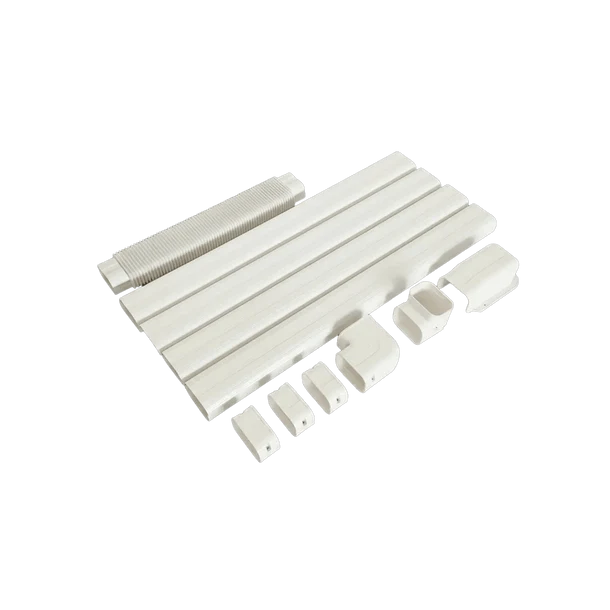
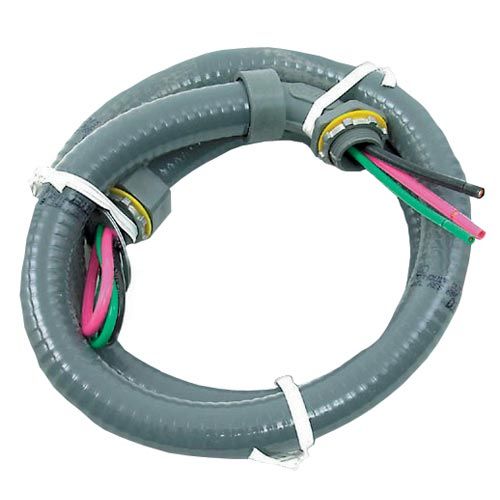
Using durable protective covers from the line covers guards collection keeps linesets insulated, manages condensation, and protects external communication wires from weathering and physical damage.
Choosing Reliable, Next-Generation Systems
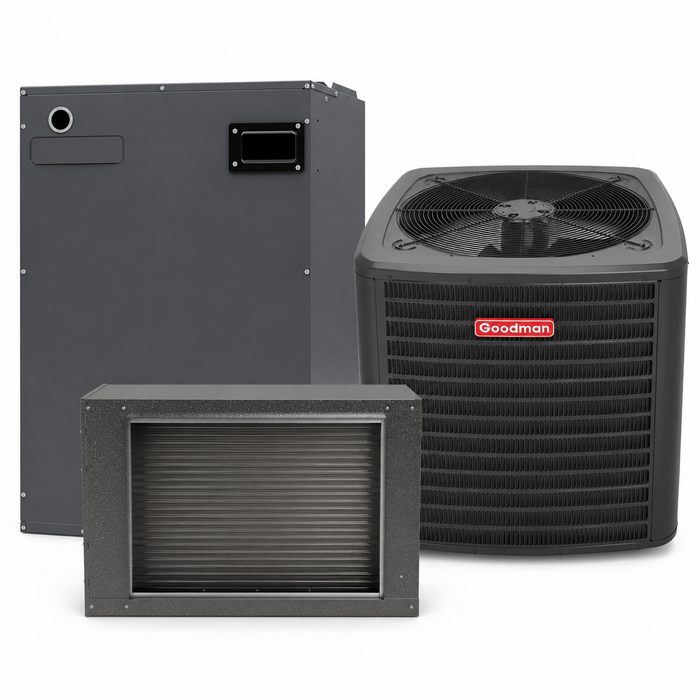
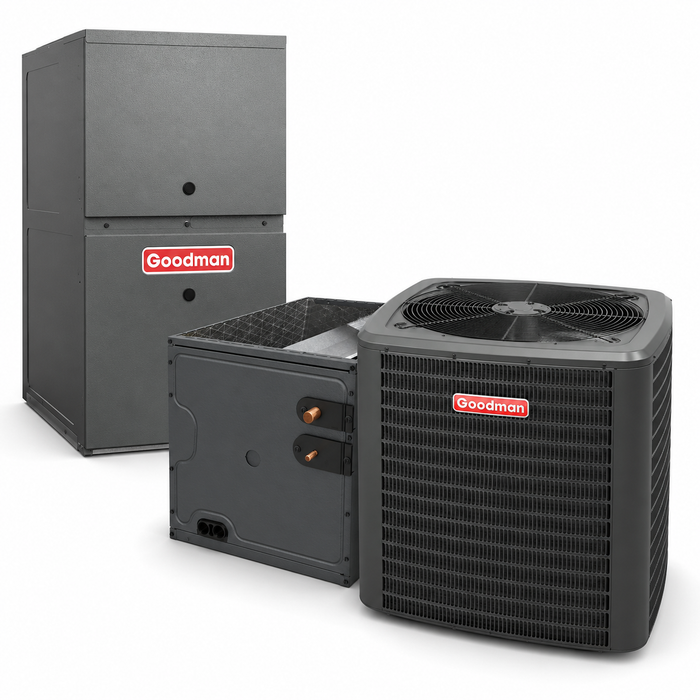
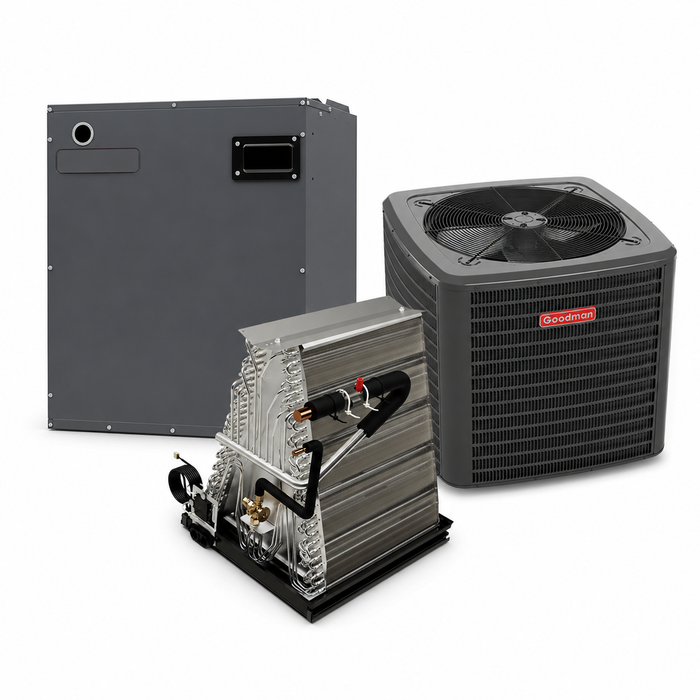
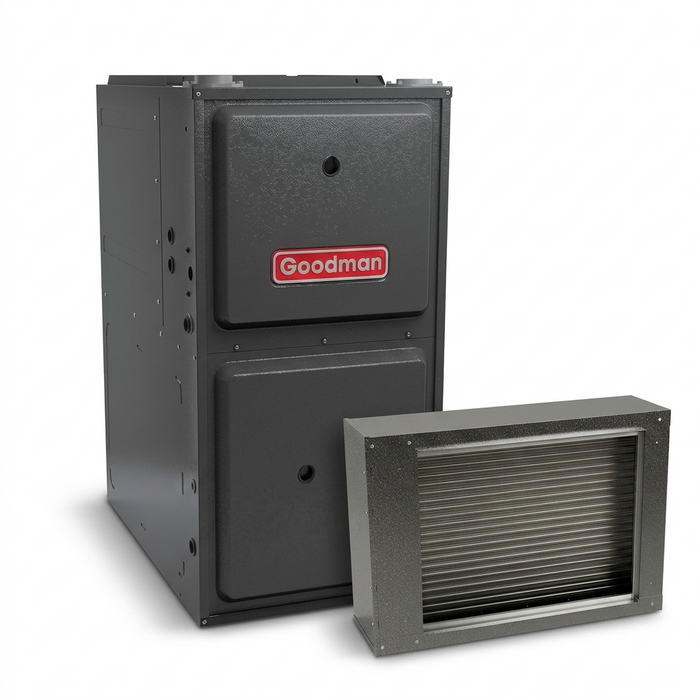
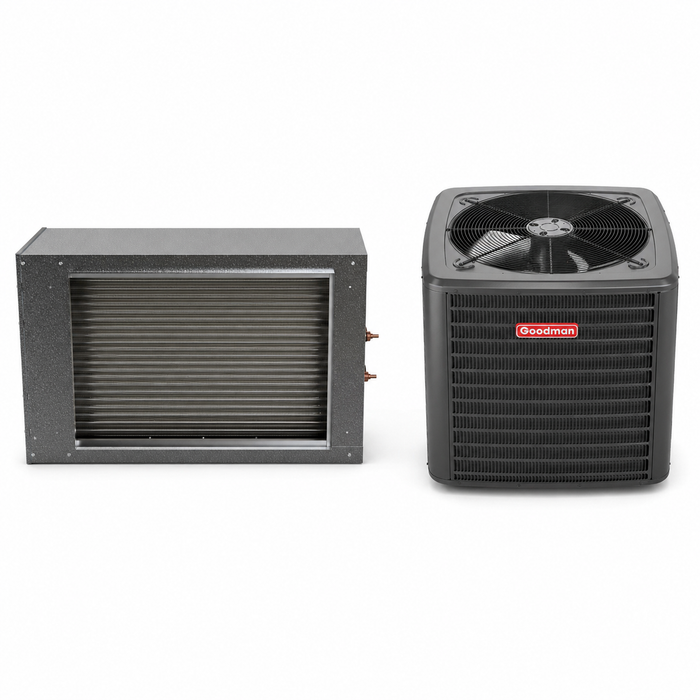
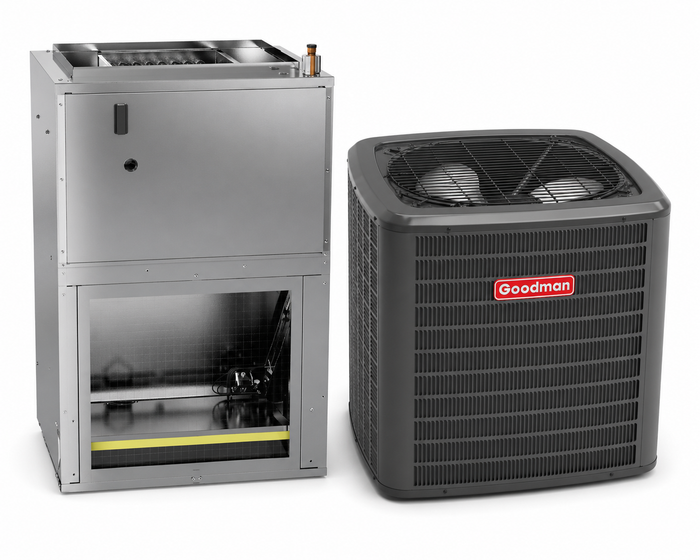
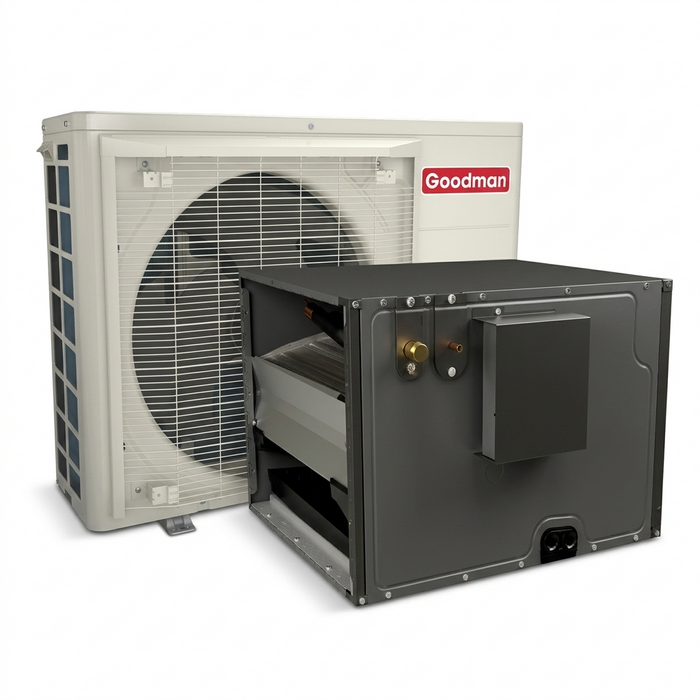
If an aging system uses outdated, discontinued refrigerants or suffers from ongoing safety and reliability issues, upgrading to a modern, factory-optimized system is often the most cost-effective long-term solution. The latest A2L-compliant systems feature advanced factory-calibrated sensors, improved moisture management, and smart control boards designed to minimize false alarms.
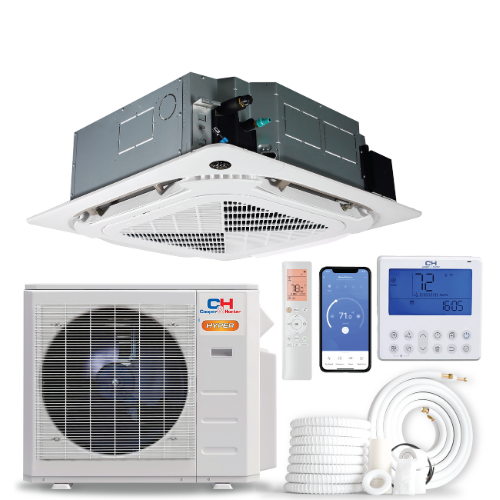
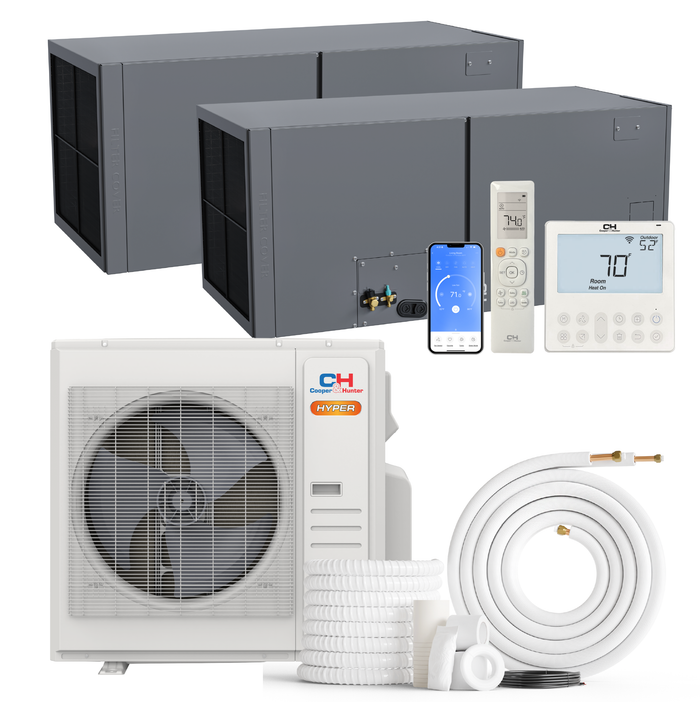
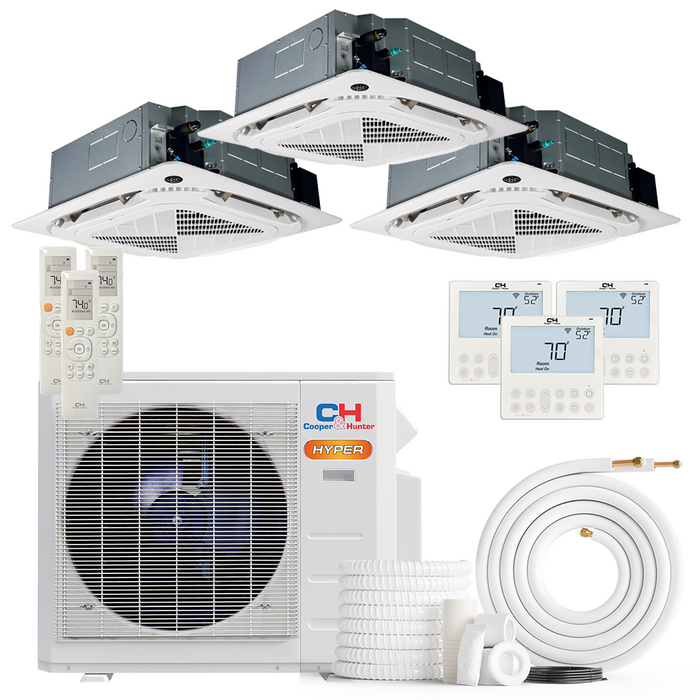
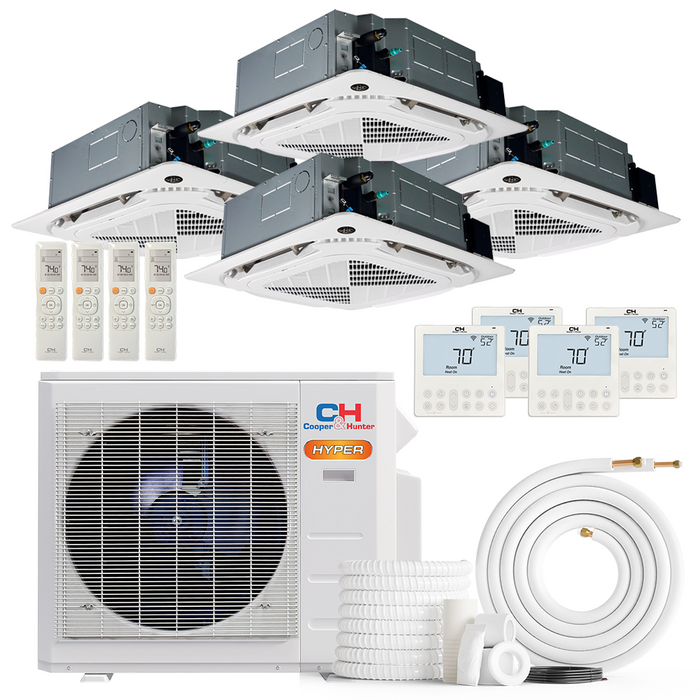
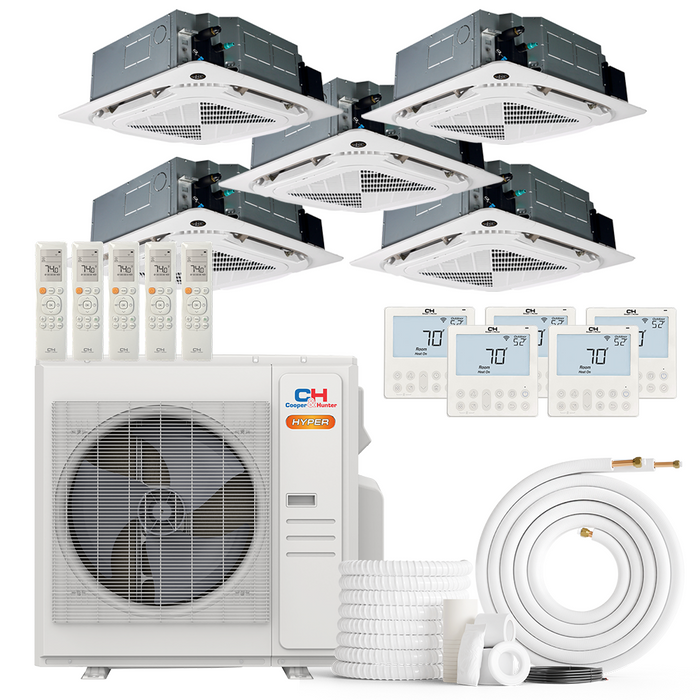
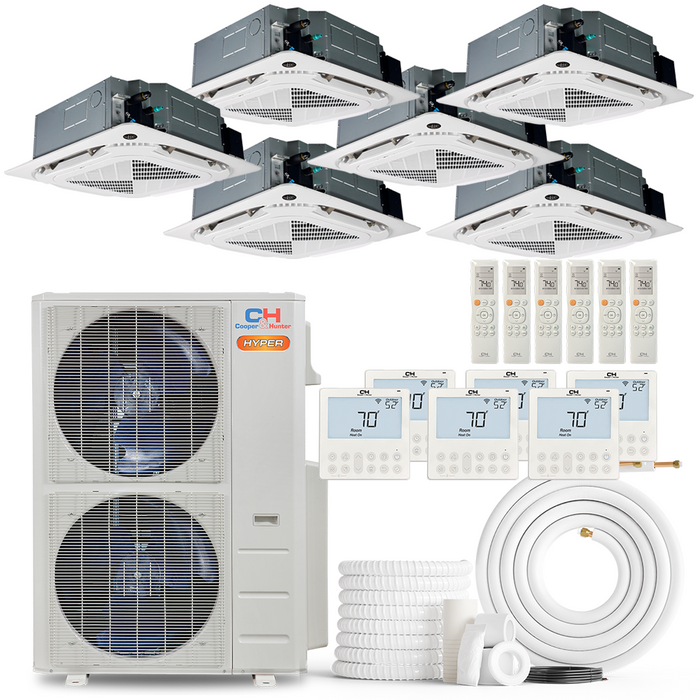
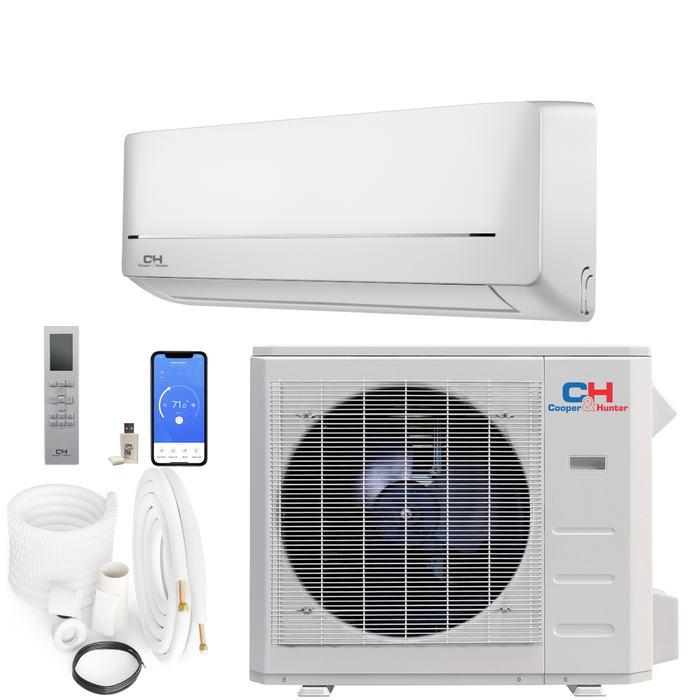
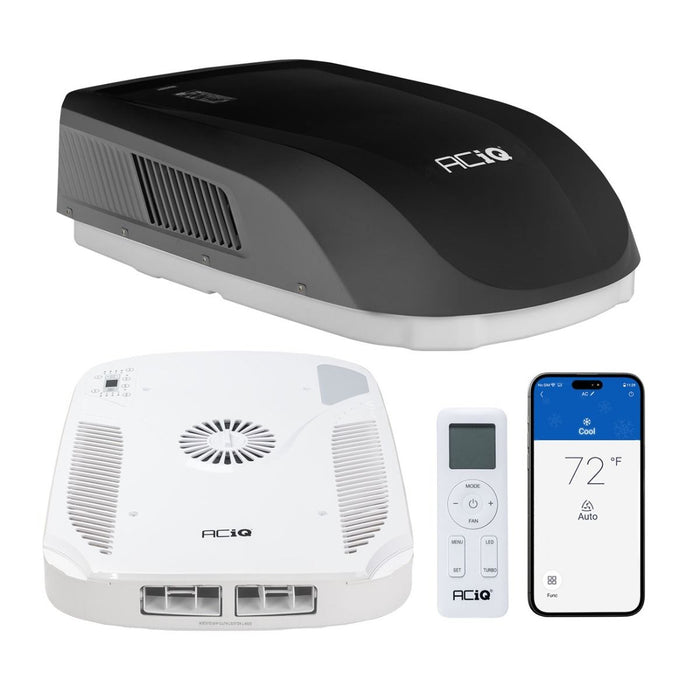
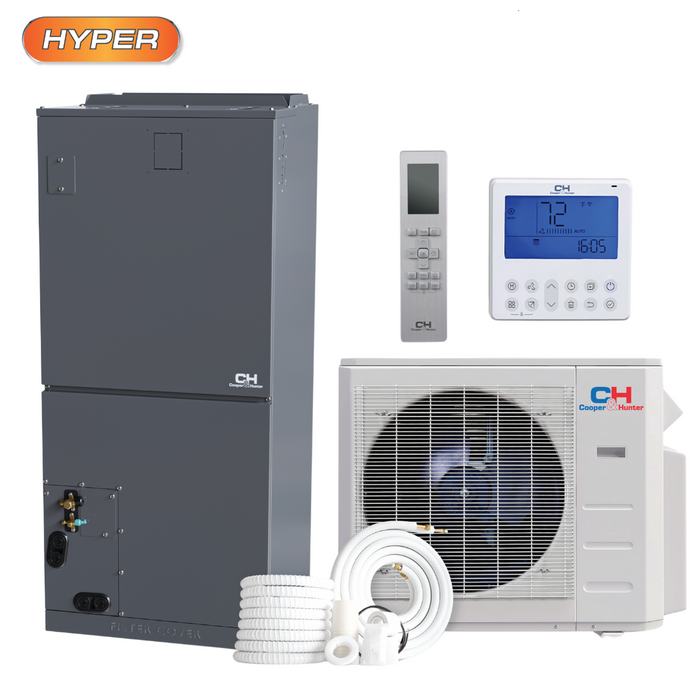
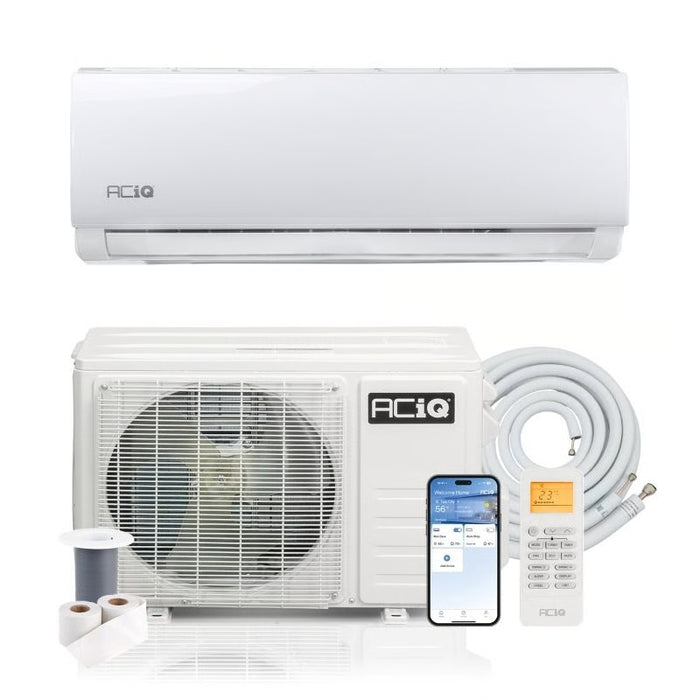
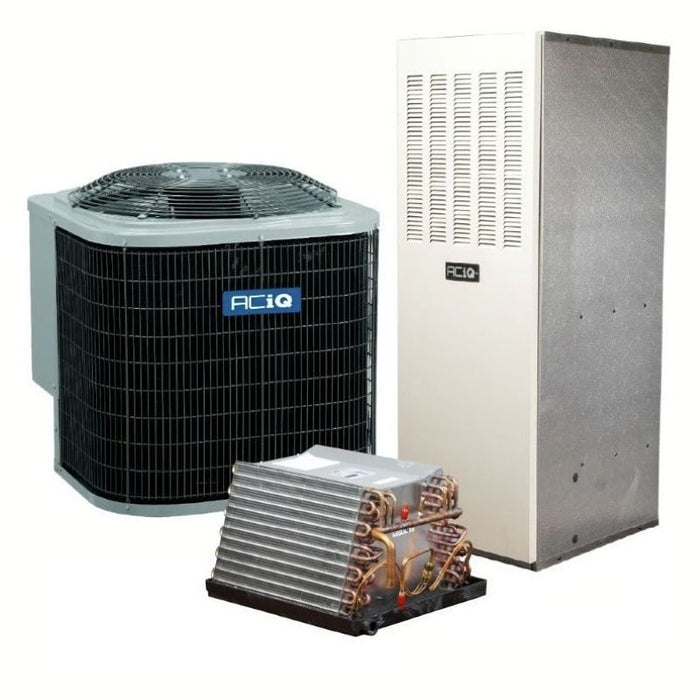
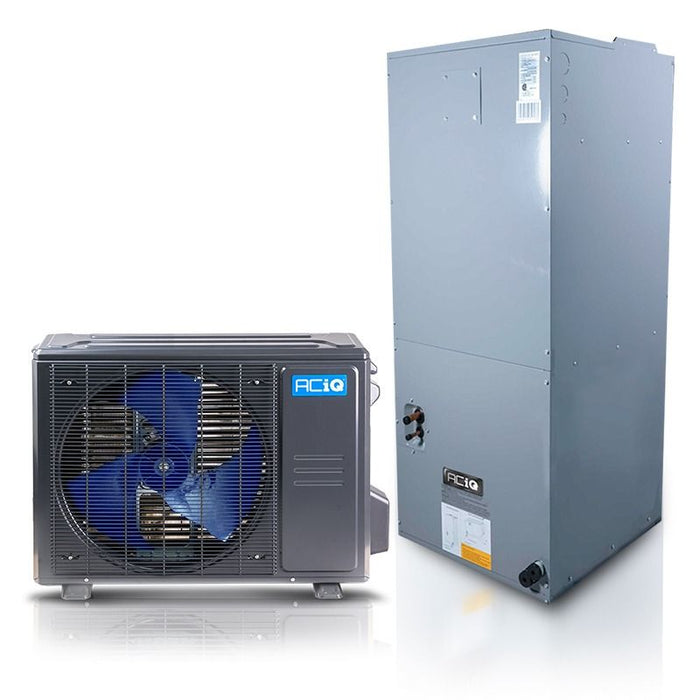
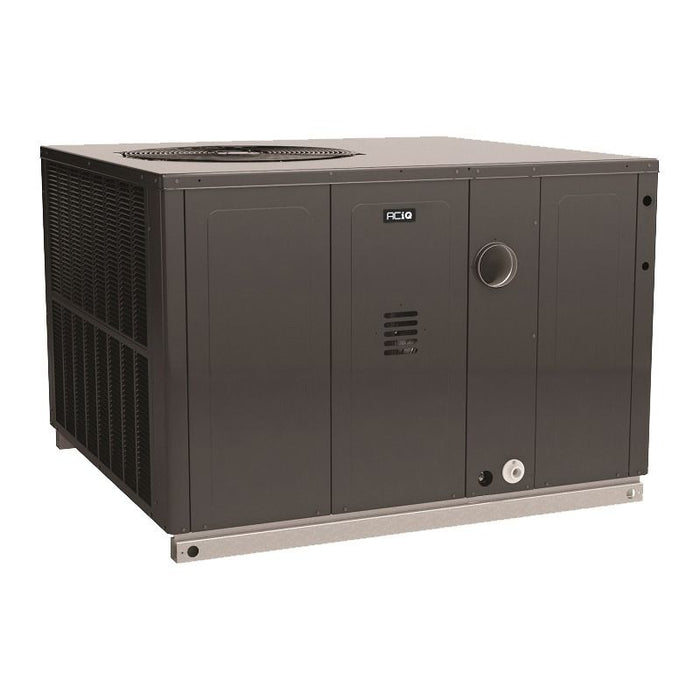
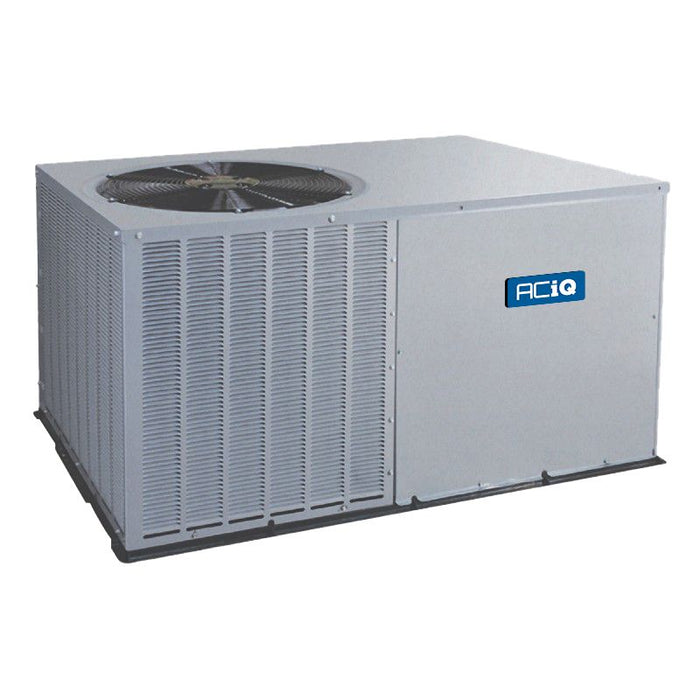
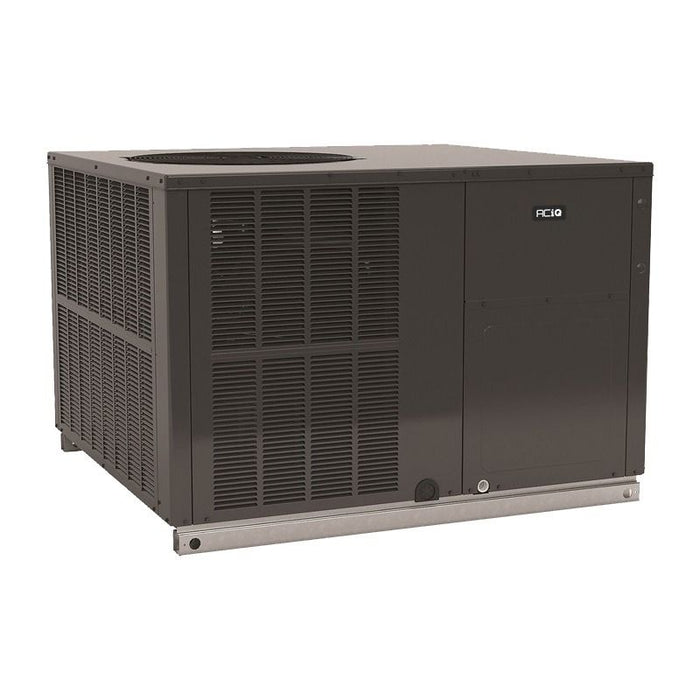
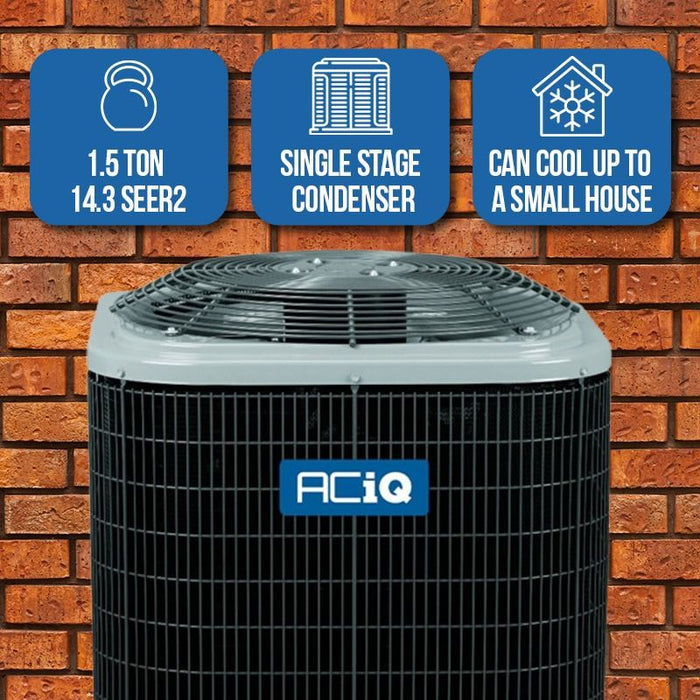
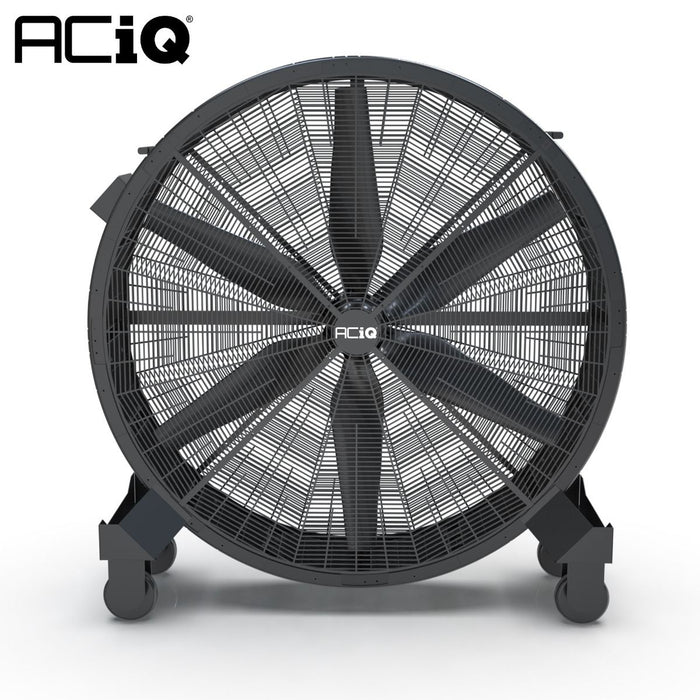
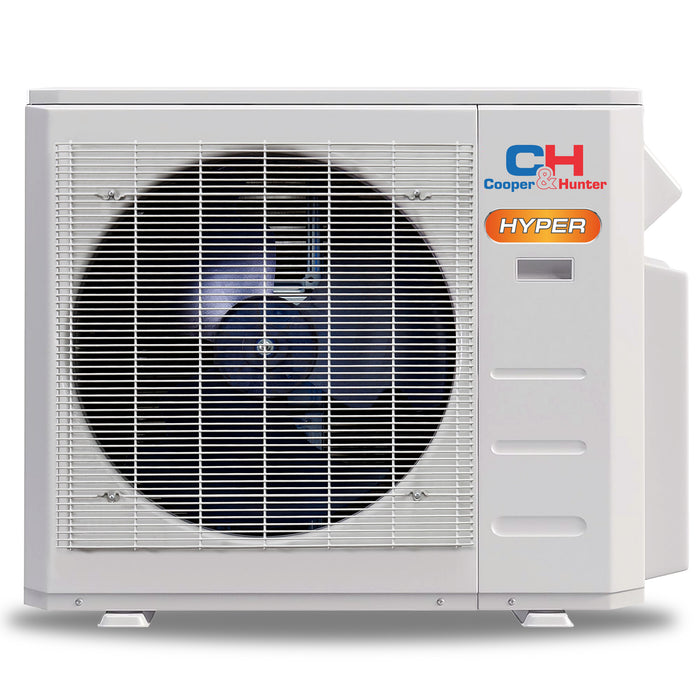
For residential upgrades or commercial projects, the aciq line offers a great selection of modern systems with robust built-in safety controls. Similarly, the cooper hunter catalog provides high-performance systems with advanced diagnostic features, making them an excellent choice for areas with challenging summer weather.
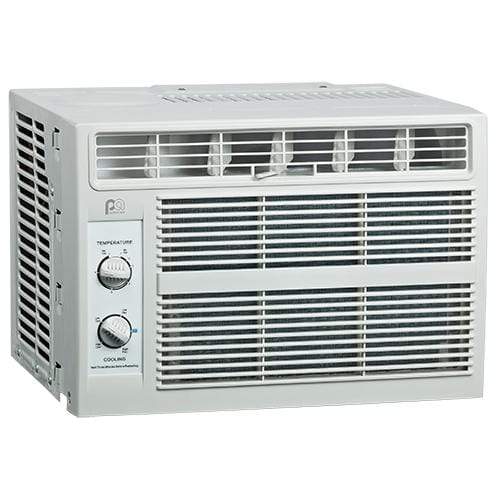
If your property layout makes traditional ductwork impractical, exploring ductless options from mrcool can reveal versatile multi-zone configurations. These systems feature factory-integrated safety controls designed to optimize indoor comfort while managing A2L requirements across multiple rooms.
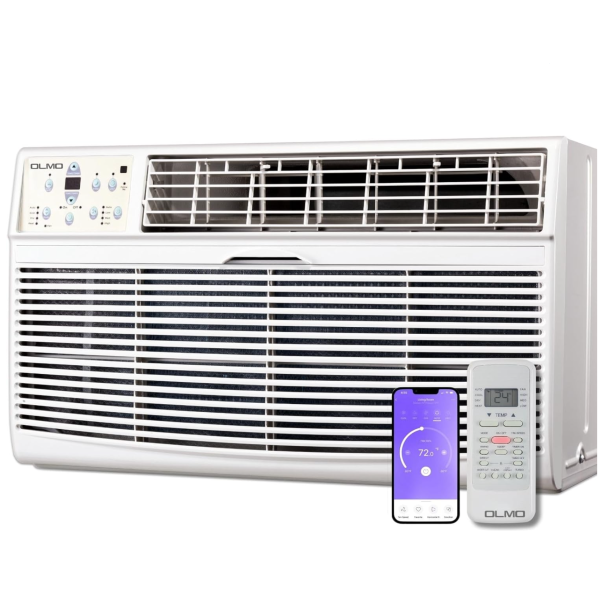
For complex commercial properties, multi-room offices, or large homes, checking out specialized multi-zone systems and the innovative olmo product lines allows you to find equipment that balances high-efficiency cooling with reliable, factory-tuned safety monitoring.
Tailoring Safety and Performance Across Diverse Equipment Types
The design of an A2L safety system varies significantly based on the style, size, and location of the equipment. Different indoor configurations require specific sensor placements and airflow management strategies to ensure proper leak detection.
Central Ducted and Commercial Split Systems
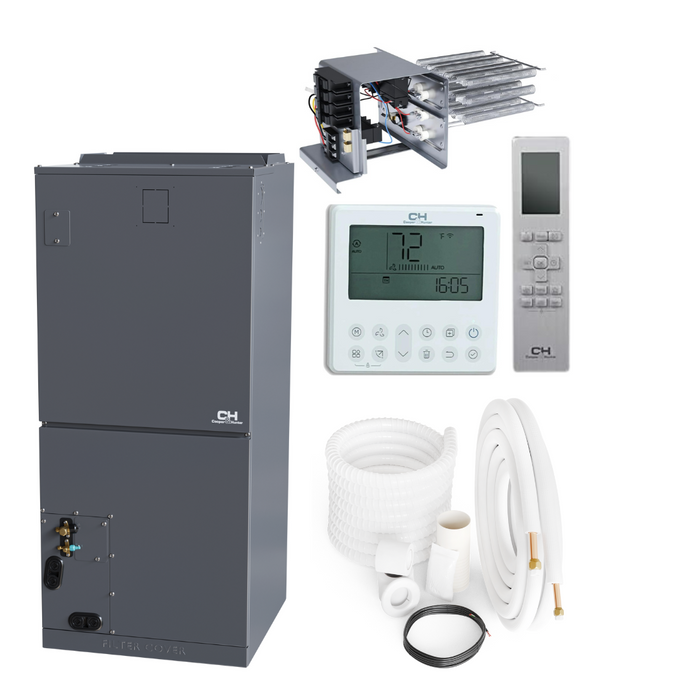
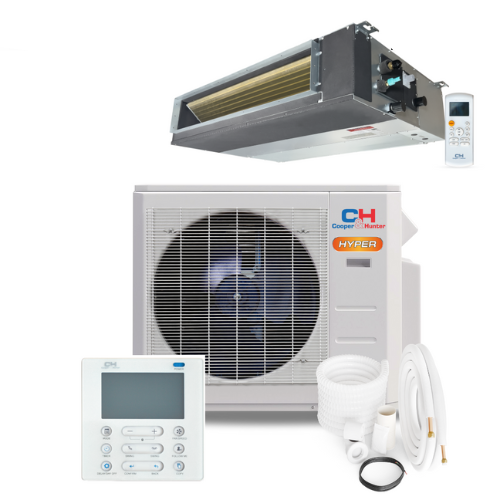
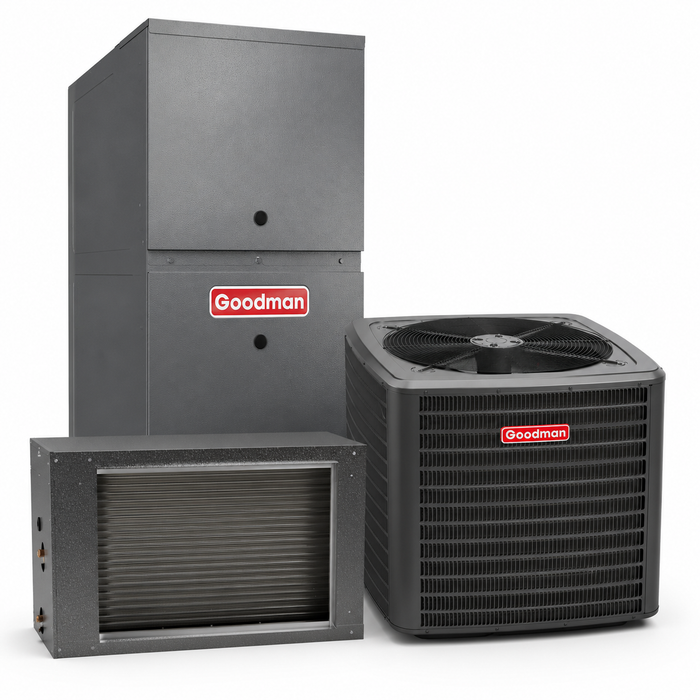
In traditional ducted homes, central indoor air handlers move a large volume of air through a main plenum. Sourcing high-efficiency equipment from the air handlers collection or exploring options in the general ducted store section ensures you find units with proper factory-integrated sensor housings.
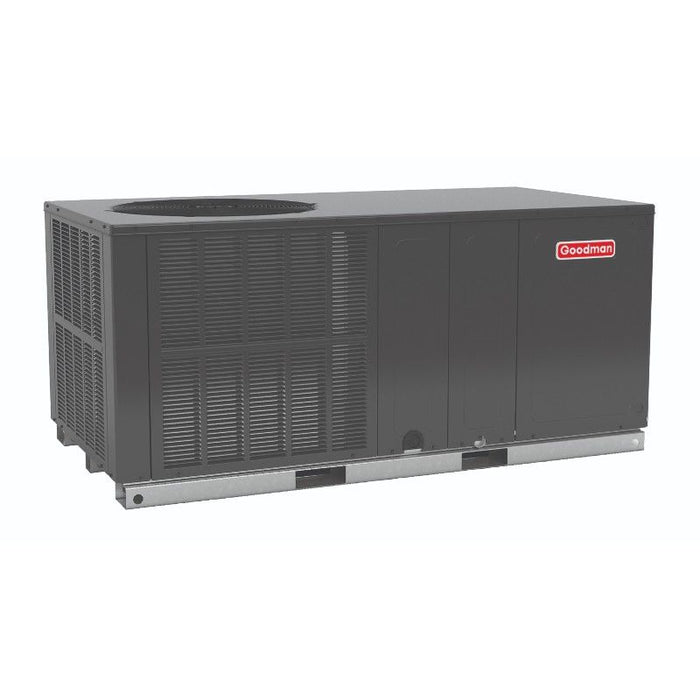
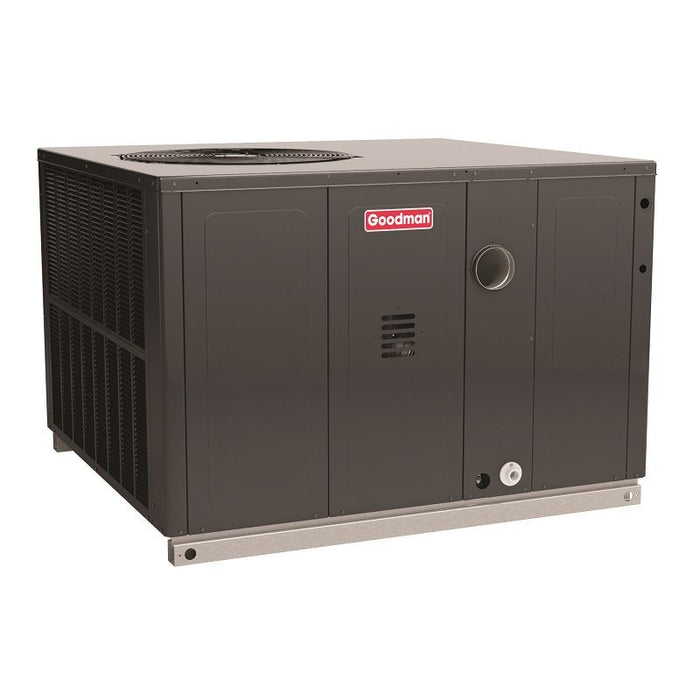
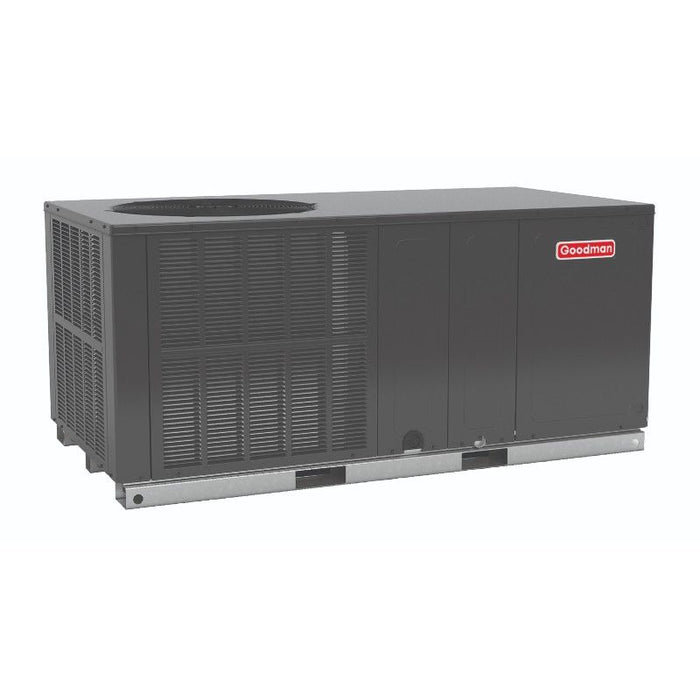
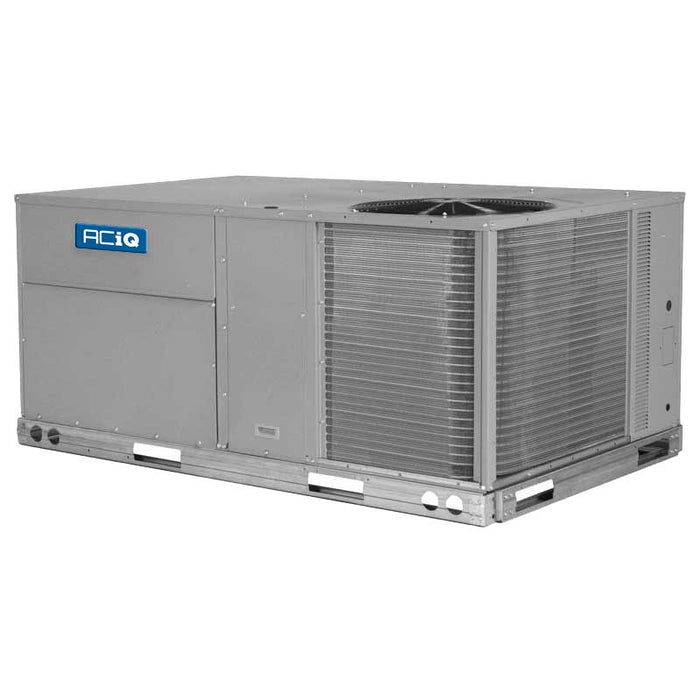
For commercial properties or large all-in-one installations, selecting systems from the packaged units line or the high-capacity commercial packaged units catalog provides durable equipment engineered with accessible service access for straightforward annual sensor maintenance.
Ductless Solutions and Zone-Specific Configurations
For properties that use ductless layouts to manage individual room comfort, safety sensors are integrated directly into each indoor zone unit. You can view these configurations by browsing the ductless mini-splits and light commercial mini-splits lines.
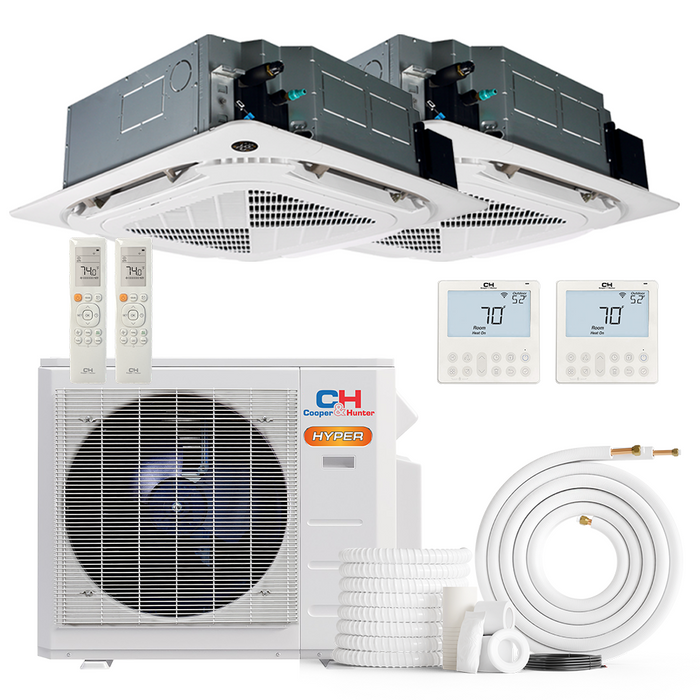
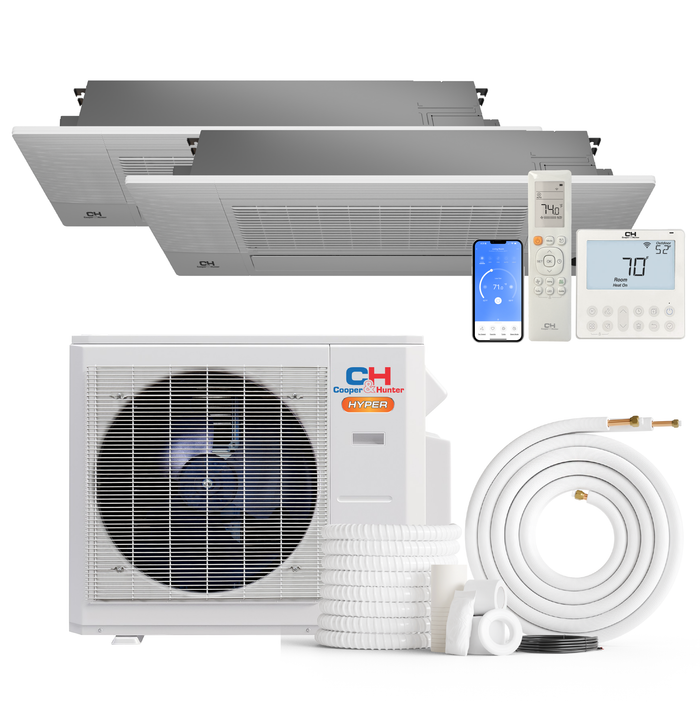
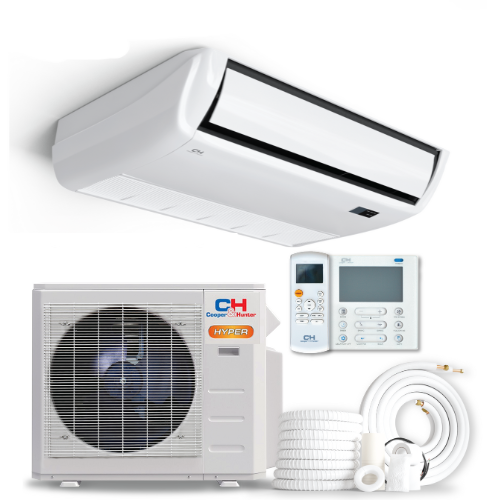
Whether you are setting up a large 6 zone wall mounts array for a multi-family building, installing discrete single zone one way ceiling cassettes, or using multi-zone ceiling cassettes in an office, each unit features independent safety sensors.
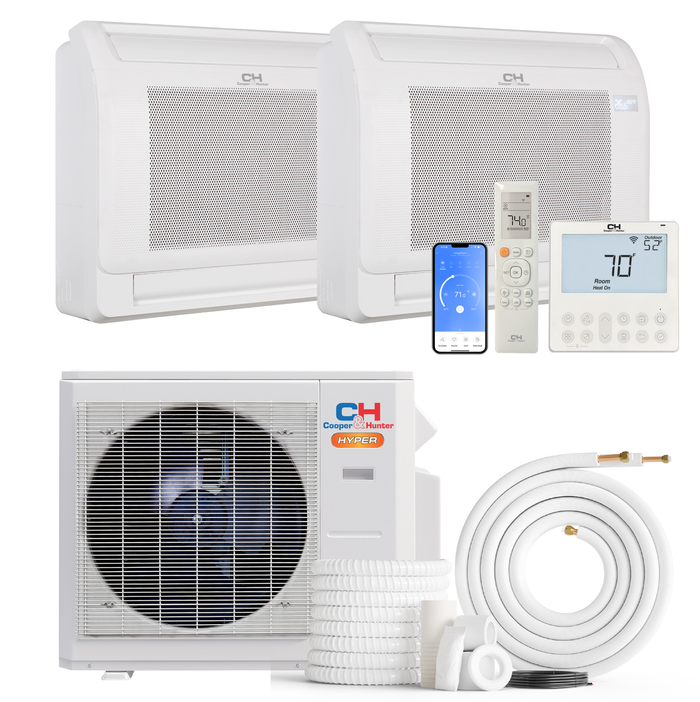
Similarly, low-profile options like a mini floor console or a versatile ductless multi zone universal floor ceiling ufc units setup give installers flexible placement choices while ensuring the built-in safety controls can accurately monitor the living space.
Manufactured and Mobile Housing Requirements
Manufactured housing and mobile homes have strict space and ventilation constraints, requiring specialized heating and cooling equipment. Standard residential systems cannot be installed in these homes without violating local building codes and safety standards.
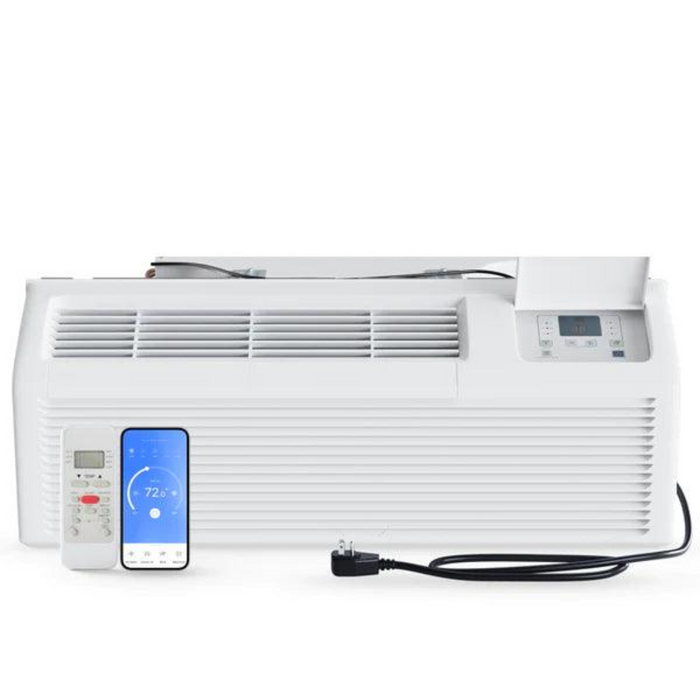
Property managers and homeowners can browse the mobile home section to find certified equipment built for these tight spaces. Sourcing from specialized collections like mobile home air conditioners or mobile home air handler components guarantees that both the airflow metrics and the A2L safety systems are optimized for manufactured housing layouts.
For full retrofits or system replacements, selecting from the mobile home complete systems or mobile home ac furnace systems catalogs ensures that every part of your heating and cooling system works together safely and complies with current environmental standards.
Proactive Sensor Maintenance: Long-Term Operational Security
As A2L-compliant systems become the industry standard, routine sensor maintenance and regular calibration must become a standard part of annual springtime HVAC service. Treating these sensitive electronic gas detectors with the same care as traditional electrical contacts or compressor oil levels prevents unexpected summer lockouts and ensures your system operates at peak performance.
Proactive Operational Security
Investing in a high-efficiency system provides excellent energy savings and reliable comfort, but keeping those advanced electronics protected from environmental drift is essential. Working with certified technicians, using high-quality installation hardware, and scheduling timely seasonal checkups allows you to keep your system's "Check Engine" light functioning perfectly, ensuring safe, reliable indoor cooling all summer long.