






















The 2026 Summer Shift: Why You Can’t ‘Drop-In’ R-32 or R-454B Into R-410A Systems
Share
HVAC SUPPLIES
Industry Alert 2026 🚨
The 2026 Summer Shift: Navigating the Refrigerant Transition
Why the "Compatibility Myth" is the most dangerous threat to your HVAC system this year.
For over two decades, the HVAC industry operated under a predictable standard. If you were a homeowner or a contractor looking for a reliable refrigerant, R-410A was the undisputed gold standard. It was the backbone of everything from high-efficiency multi-zone systems to rugged mobile home complete systems. However, as we move through the summer of 2026, that era has officially drawn to a close. The environmental transition toward low-GWP (Global Warming Potential) refrigerants is no longer a future regulation, it is the law of the land, affecting every AC condenser and heat pump air handler currently being manufactured.
As these new refrigerants, specifically R-32 and R-454B, become the primary options on the market, a dangerous question has begun to circulate among DIYers and budget-conscious property managers: "Can I just put the new, cheaper refrigerant into my old R-410A unit?" At HVACSupplies.com, we believe in empowering our customers with technical accuracy, and the answer to this question is a definitive and absolute "No." Attempting to "drop-in" these new substances into legacy hardware is not just a violation of manufacturer protocols; it is a recipe for catastrophic equipment failure and significant safety risks.
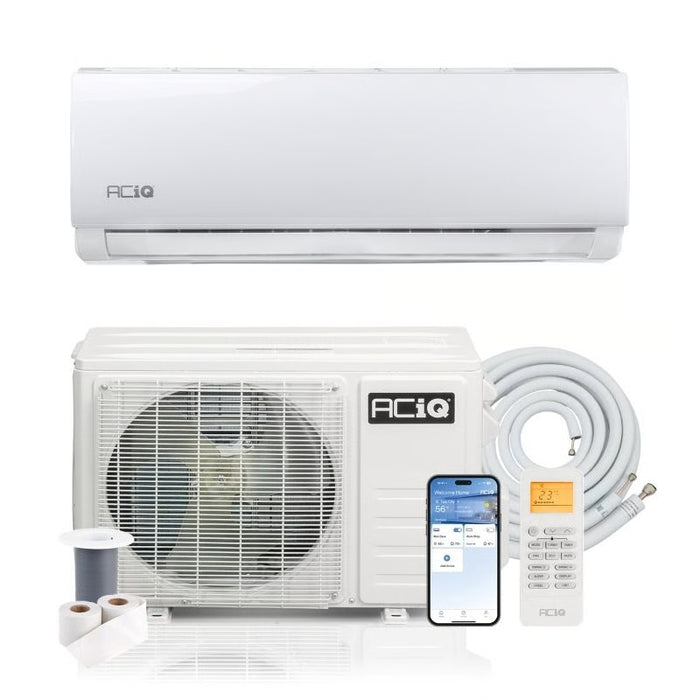
To understand why this is the case, we have to look at the "A2L" classification of these new gases. While R-410A was non-flammable, the new generation of refrigerants is classified as "mildly flammable." This shift necessitates a complete redesign of the electrical and mechanical systems within your HVAC unit. Whether you are maintaining a single-zone one-way ceiling cassette or a large packaged air conditioner, the internal components must be rated for this new chemical reality. If you have questions about your specific equipment, our parts finder tool can help you identify if your components are compatible with the latest standards.
Understanding A2L: What Makes R-32 and R-454B Different?
The primary driver behind this massive industry shift is the reduction of environmental impact. R-410A has a high GWP, meaning if it leaks into the atmosphere, it contributes significantly to the greenhouse effect. R-32 and R-454B are designed to perform the same cooling work with a fraction of that environmental footprint. However, the chemistry that allows for this efficiency introduces the A2L safety classification. This category indicates that while the gas is difficult to ignite and has a low flame speed, it is still technically flammable under very specific conditions.
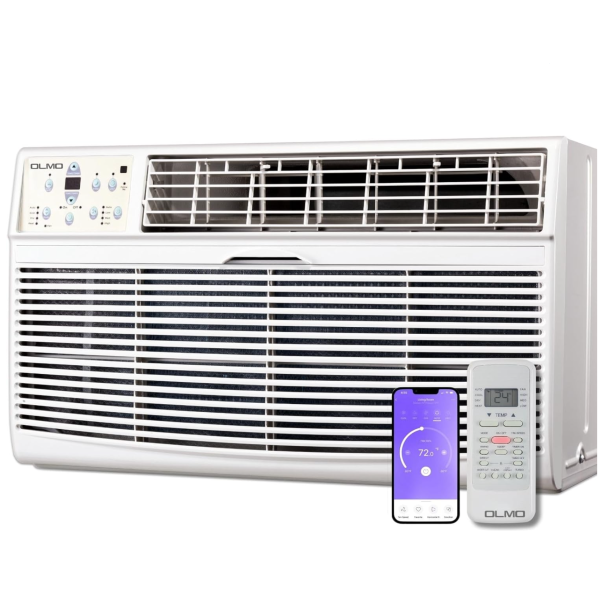
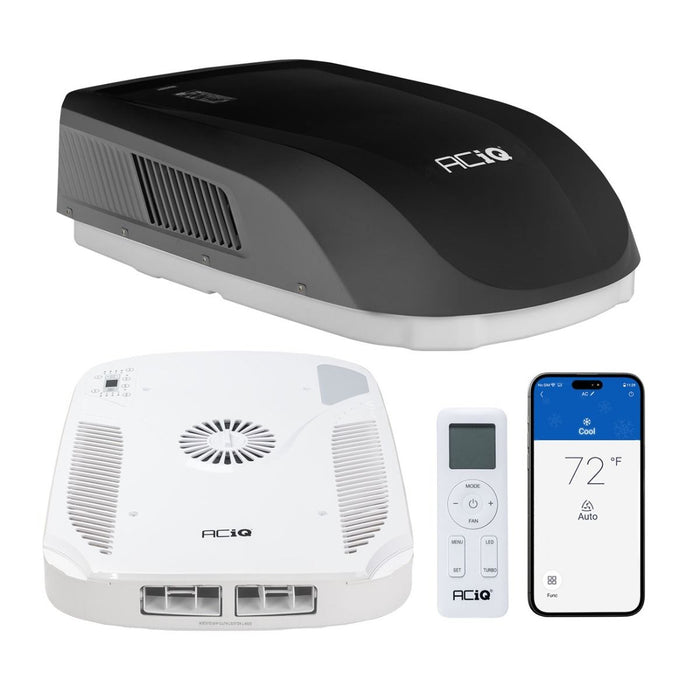
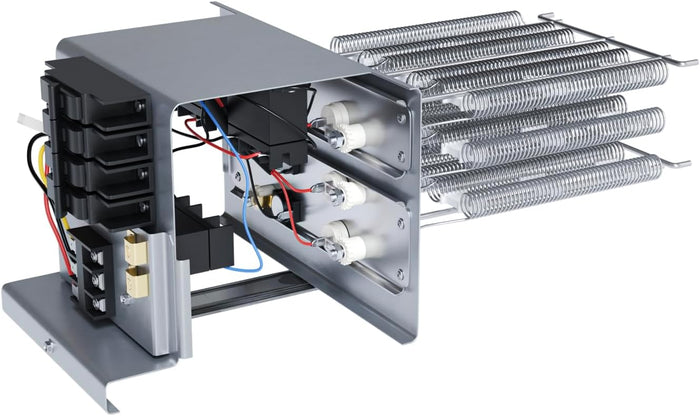
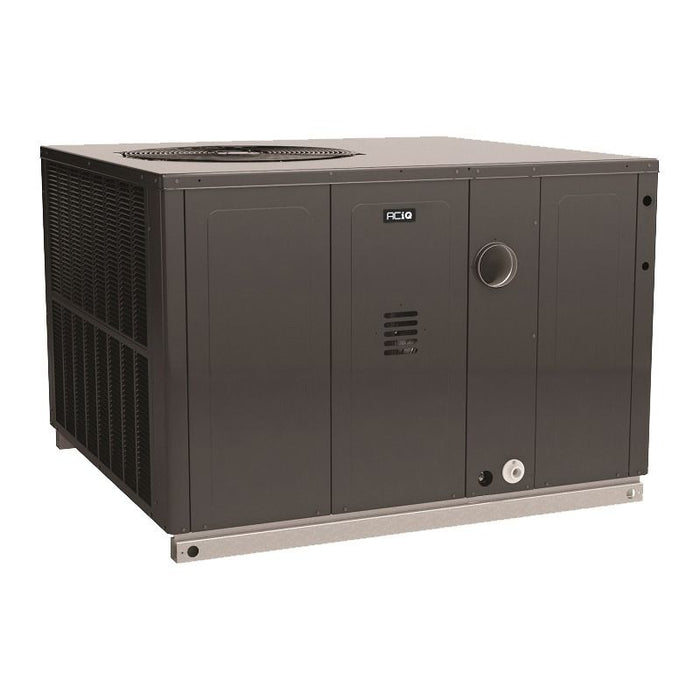
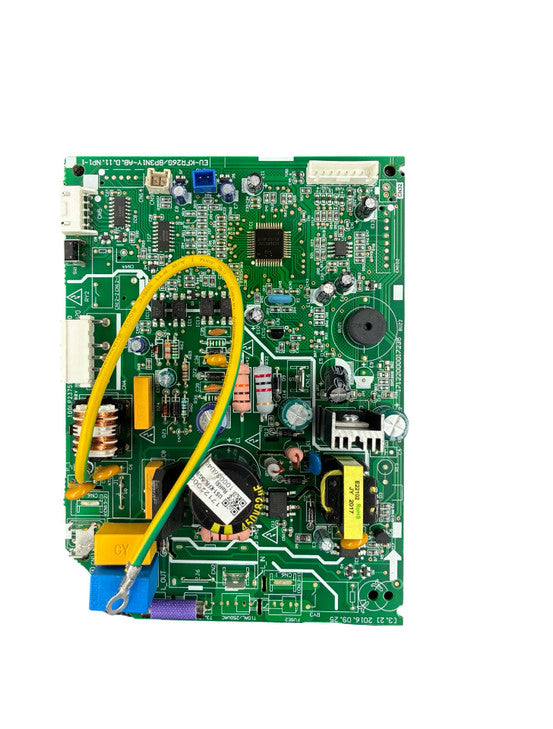
Because of this, modern units from brands like MrCool, ACIQ, and Olmo are built with specialized safety features. These include spark-proof contactors, sealed relays, and even leak detection sensors that automatically shut down the system if a concentration of refrigerant is detected. A legacy mobile home gas furnace or 2-zone wall mount from the R-410A era lacks these protections entirely, making a "drop-in" scenario a fire hazard.
Beyond the safety aspect, there are performance metrics to consider. R-32 is a single-component refrigerant, which is excellent for maintenance because it doesn't "fractionate" or change its composition if a leak occurs. R-454B, on the other hand, is a blend. While it is highly efficient for mobile home heat pump condensers, it has what is known as "temperature glide." This means the different chemicals in the blend evaporate at slightly different temperatures, requiring very specific charging techniques that differ from the old R-410A methods.
The Compatibility Myth: Why 'Drop-In' is a Dangerous Term
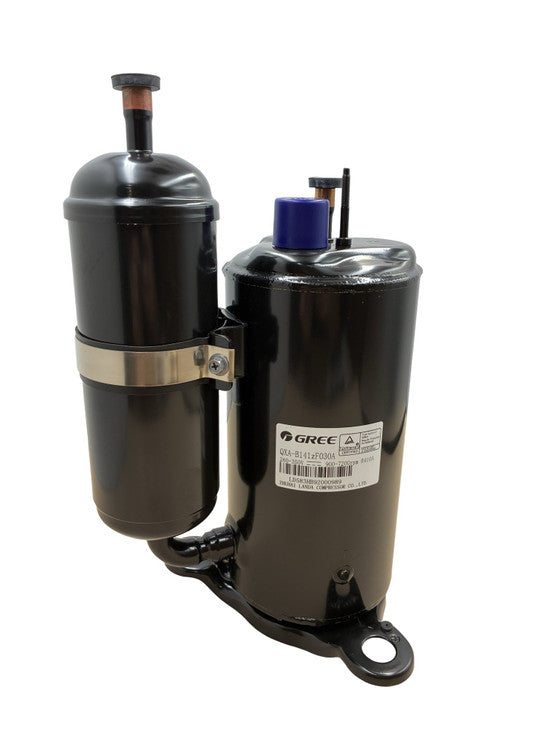
One of the most persistent myths in the HVAC world is that refrigerant is "just a gas" and that any compressor can pump any gas as long as the pressures are similar. This is fundamentally incorrect. The first and most immediate barrier to compatibility is the lubricant. Every heat pump condenser relies on Polyolester (POE) oil to keep the compressor running smoothly. However, the specific chemical formulation of the oil used in an A2L-ready packaged unit is designed to handle the moisture and solvency of R-32 or R-454B. If you mix these gases with the oil in a legacy R-410A system, the oil can break down into an acidic sludge that will seize the compressor in a matter of weeks.
The Problem with Slugging ⚠️
Pressure and flow rates also play a critical role. The Thermal Expansion Valve (TXV), which acts as the "brain" of your cooling cycle, is calibrated based on the mass flow rate of a specific refrigerant. R-32 operates at slightly higher pressures and has a different cooling capacity per pound than R-410A. If you put it into a system designed for mobile home furnaces, the TXV will not be able to meter the flow correctly.
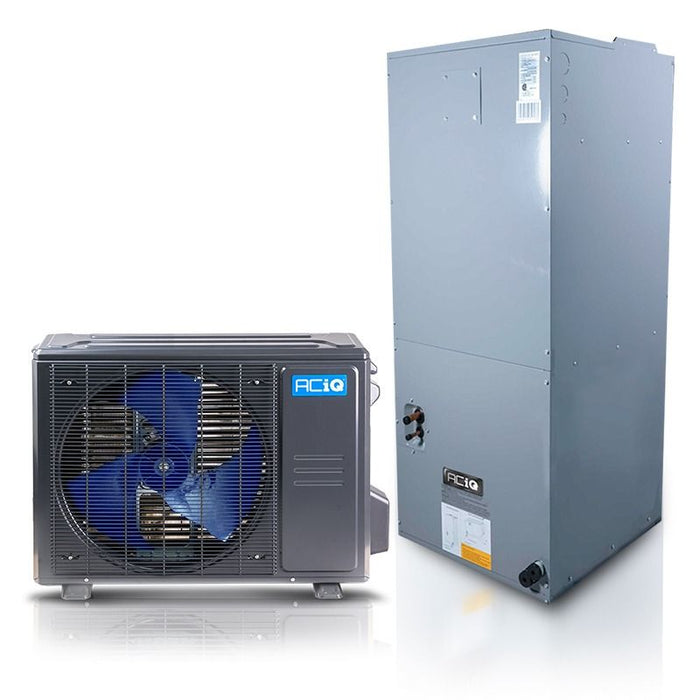
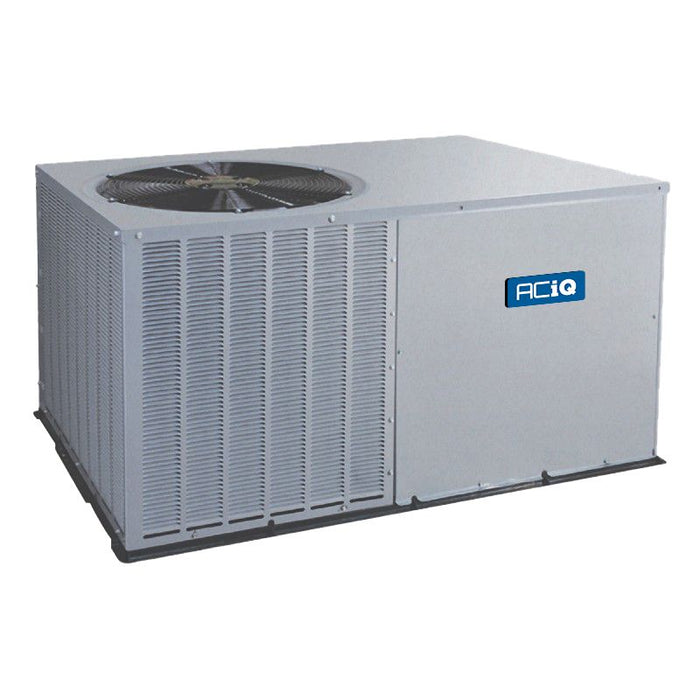
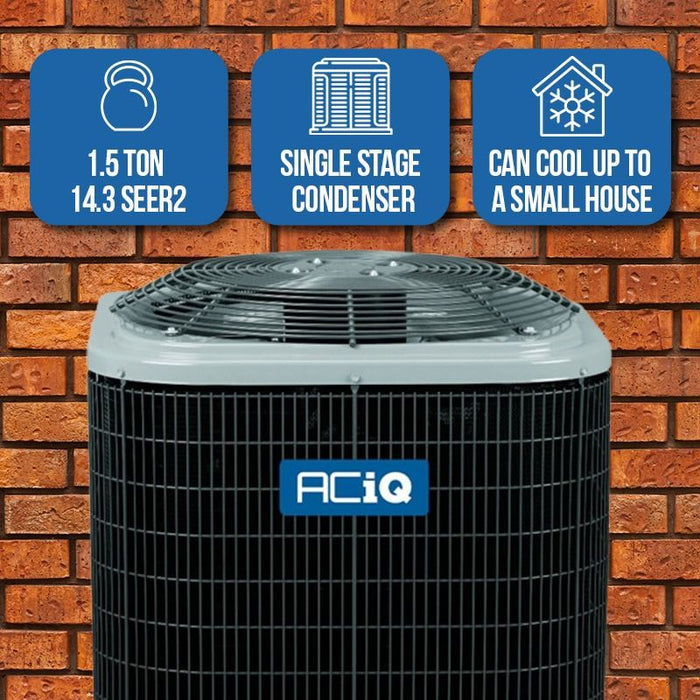
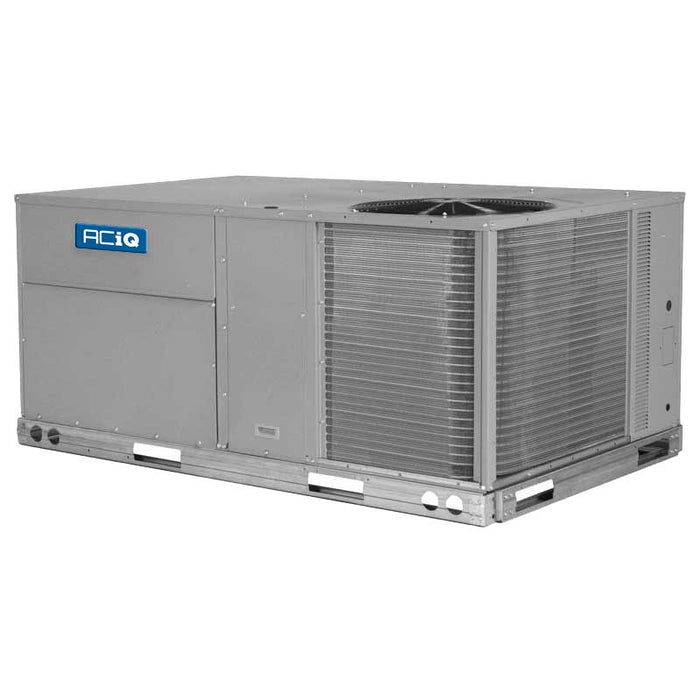
Furthermore, the seals and gaskets found in your evaporator coils and airflow and duct interface are made of elastomers that must be compatible with the refrigerant's chemistry. A gas that is compatible with an ACIQ packaged air conditioner might cause the seals in an older unit to swell, shrink, or crack. This leads to a vicious cycle: the "cheaper" refrigerant causes a leak, which eventually destroys the entire ac plus air handler setup.
The 2026 Cost Reality: Repair vs. Replace
We understand that the current economic climate makes a full system replacement feel like a daunting investment. However, as we progress through 2026, the financial math is shifting rapidly. Because the EPA has drastically cut the production of R-410A, the price of "legacy" refrigerant is skyrocketing. This is the definition of "throwing good money after bad."
Future-Proofing
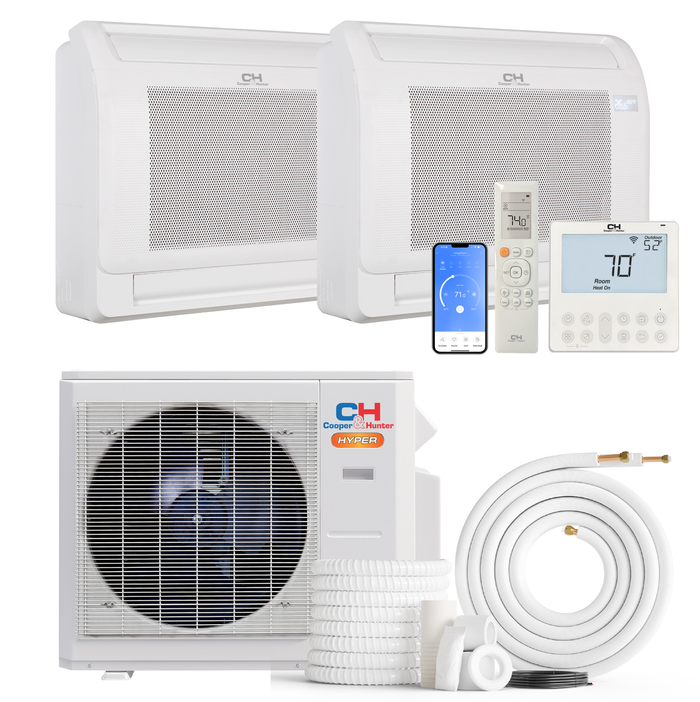
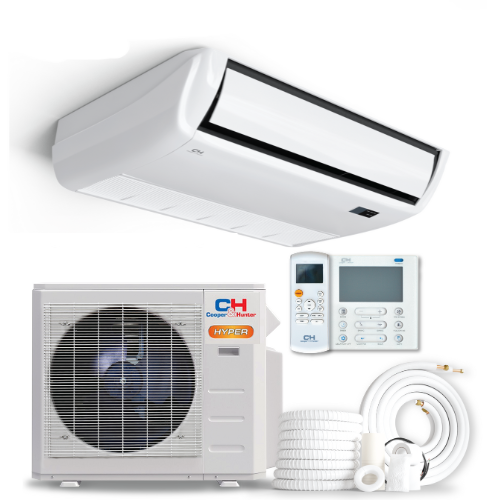
A new 3-zone mini split or a multi-zone universal floor-ceiling unit is built from the ground up to utilize these new refrigerants. These systems offer higher efficiency and clear ROI.
Mobile Home Safety
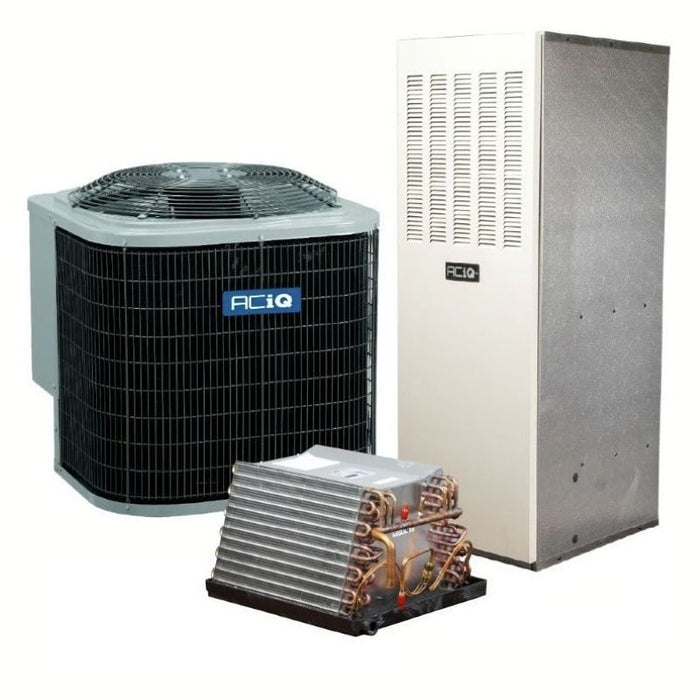
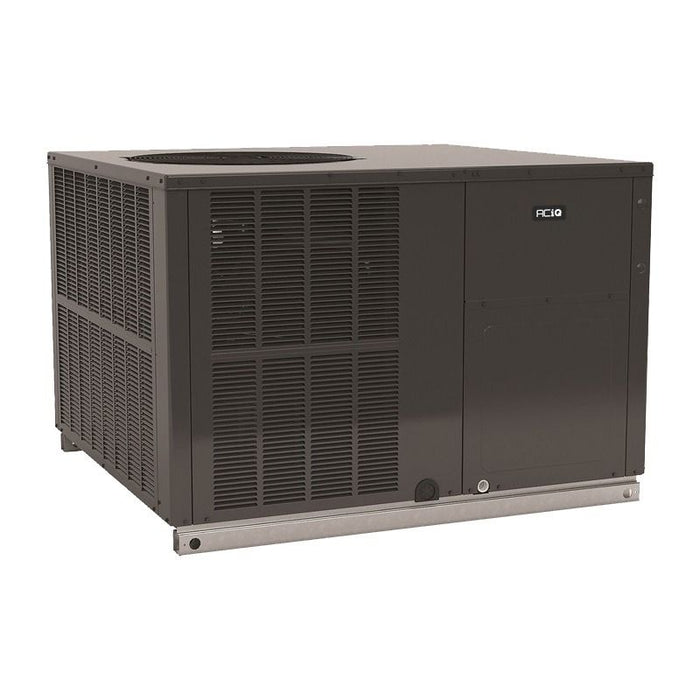
Our collections of mobile home packaged heat pump units ranging from 18k-24k BTU up to 60k-72k BTU are now phased into these standards.
Refrigerant Transition Quick Reference
| Feature | Legacy R-410A | New R-32 / R-454B |
|---|---|---|
| Safety Class | A1 (Non-Flammable) | A2L (Mildly Flammable) |
| GWP Level | High (2088) | Low (<750) |
| Compatibility | Standard Hardware | Specialized A2L Components |
| Recommended Brands | Legacy ACIQ | New MrCool / Olmo |
| Tooling Needs | Standard Gauges | A2L-Rated Spark-Proof Tools |
Contractor Corner: Essential Tools
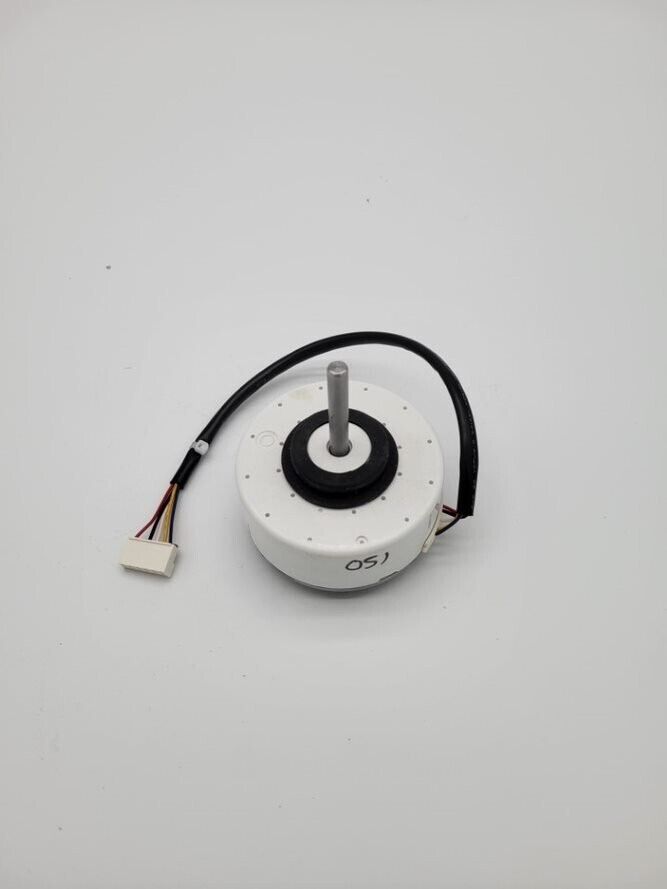
For our professional partners, you cannot use your old R-410A manifold gauges on an R-32 or R-454B system unless they are specifically rated for A2L gases. The recovery machines and vacuum pumps must also be "spark-proof" to comply with safety regulations. Browse our ac electrical accessories and motors and fans to ensure your truck stock is ready.
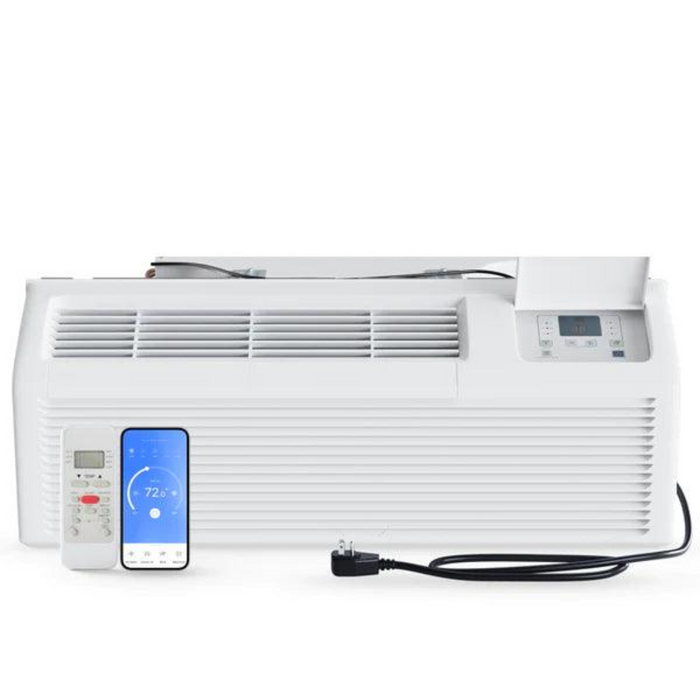
Whether you are looking at 9k-12k BTU or larger 15k-18k BTU PTAC units from Cooper and Hunter, the internal components have been updated for 2026.
Ready to future-proof your comfort?
Explore our multi-zone systems or contact us for a personalized recommendation. Check our 12k-15k BTU, 24k-30k BTU, or 72k-90k BTU collections.