























The 2026 HVAC Tax Deadline: How to Claim Your 25C Credits
Share
HVAC Supplies
Savings Guide
Claiming Your
25C Credits in 2026
The 2026 HVAC landscape represents a pivotal moment for homeowners looking to balance high-performance comfort with maximum financial savings.
While the initial wave of the Inflation Reduction Act (IRA) incentives saw a massive rush in previous years, the 2026 tax season introduces a new set of rules, technical requirements, and "Safe Harbor" provisions that every savvy consumer must understand. As we move deeper into this decade, the transition from simple tax credits to integrated state rebates is accelerating, making 2026 a "last chance" window for many to secure federal 25C benefits before the eligibility criteria tighten further.
At HVAC Supplies, we believe that transparency is the key to a successful home upgrade. Navigating federal tax law shouldn't require a law degree, which is why we’ve developed this "Very Easy" informational guide to help you claim your 25C tax credits in 2026 without the stress. From choosing the right Air Handlers to ensuring your installation meets the strict 2026 "Placed in Service" definitions, this guide covers everything you need to know to future-proof your home's climate control while keeping your hard-earned money in your pocket.
The State of the 25C Credit in 2026
If you feel like you’ve missed the boat on federal savings, there is good news: the 25C Energy Efficient Home Improvement Credit remains a powerful tool in 2026. However, the legislation's language has become unambiguous regarding deadlines. For a system to qualify for the 2026 tax year, it must be "placed in service", meaning fully installed and operational, by December 31, 2025, to qualify for the standard credit, or meet specific "Safe Harbor" rules if projects were initiated but not completed during the 2025 rush. The IRS has clarified that simply paying for equipment or signing a contract is no longer sufficient; the physical installation must be finalized to trigger eligibility.
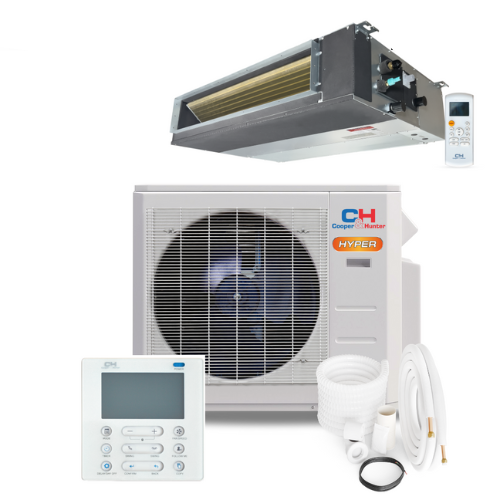
For many homeowners, the focus in 2026 is on the "Safe Harbor" pathway. This provision allows projects that began construction by early 2026 to potentially secure eligibility for the 30% credit, provided they meet strict "Physical Work" or "5% Cost" tests. This is particularly relevant for large-scale installations involving complex Ducted systems or comprehensive Commercial HVAC upgrades that may take several months to complete. By understanding these nuances, you can reassure yourself that significant savings are still on the table if you act decisively in early 2026.
What Qualifies in 2026? The Technical Checklist
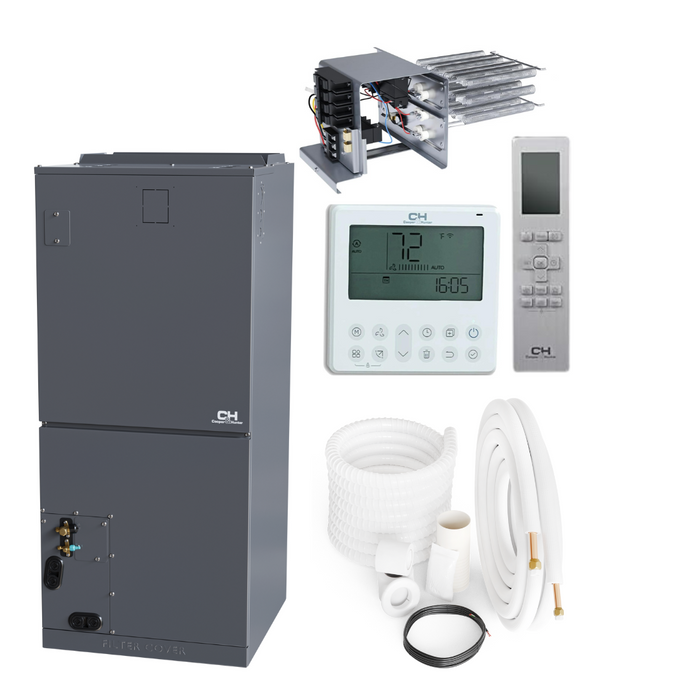
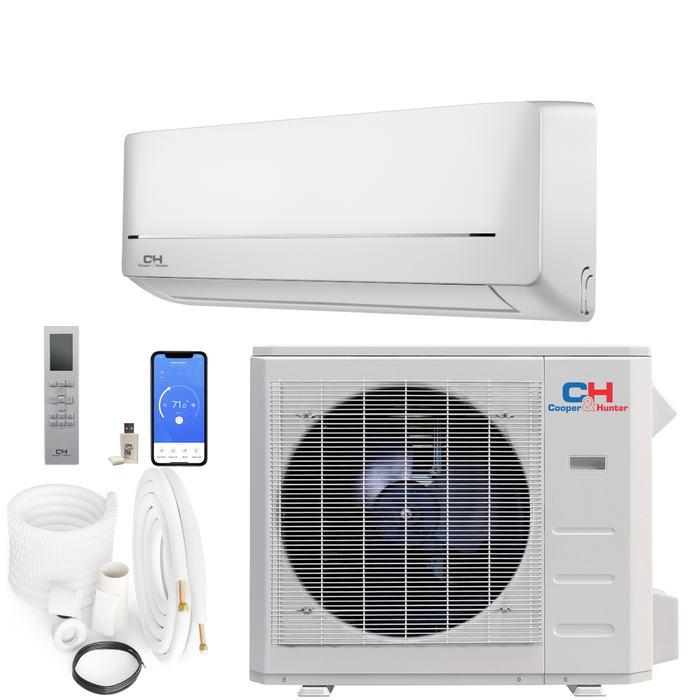
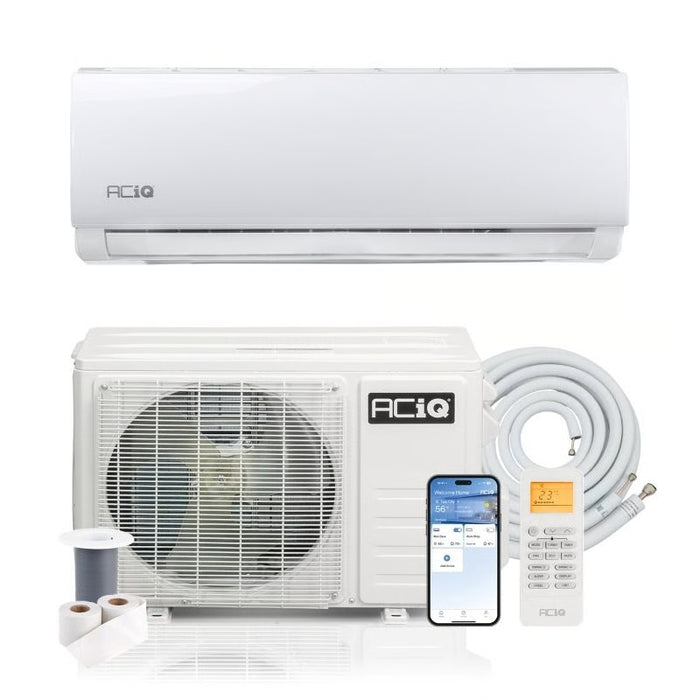
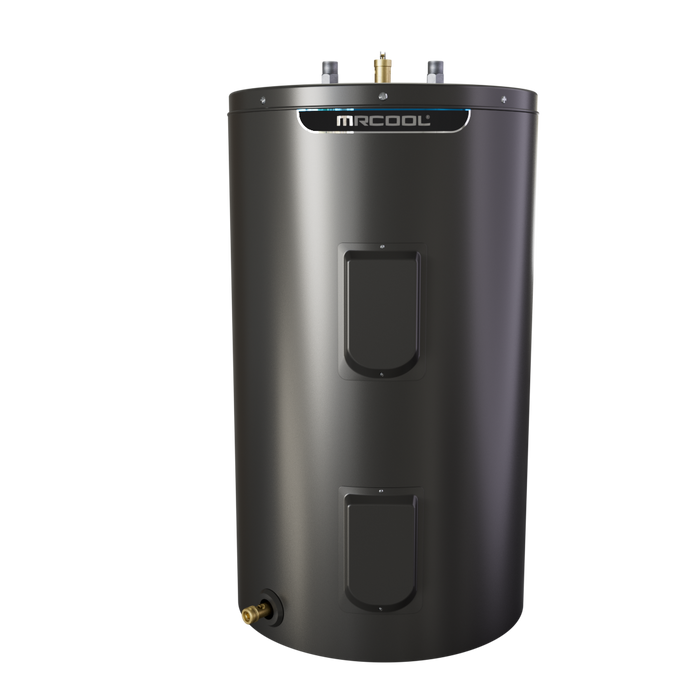
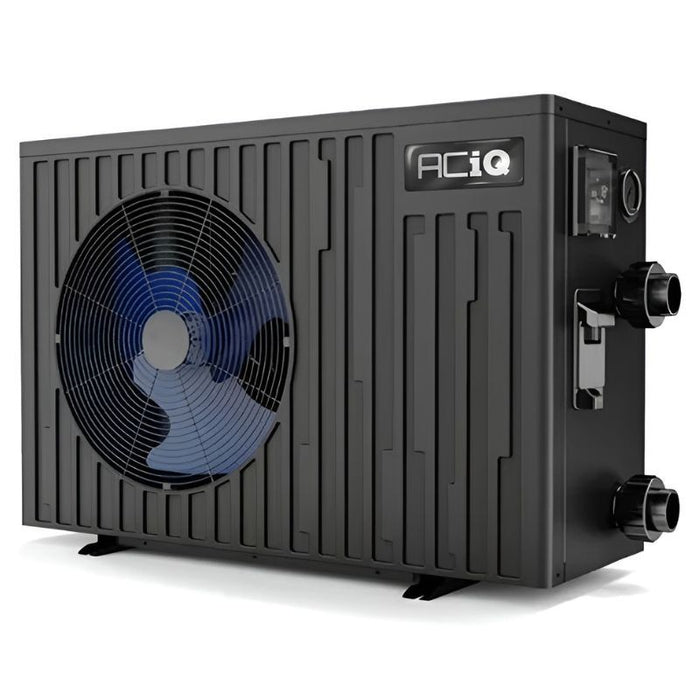
The 25C credit isn't a "one size fits all" incentive; it is meticulously tiered based on the type of equipment you install. The highest tier of savings is reserved for heat pump technology. In 2026, homeowners can claim a 30% tax credit, up to a maximum of $2,000 annually, for qualified electric or natural gas heat pumps and heat pump water heaters. This applies to both traditional Ductless Mini-Splits and high-efficiency ducted units that meet the highest efficiency tiers established by the Consortium for Energy Efficiency (CEE).
❄️
Cooling & Heating
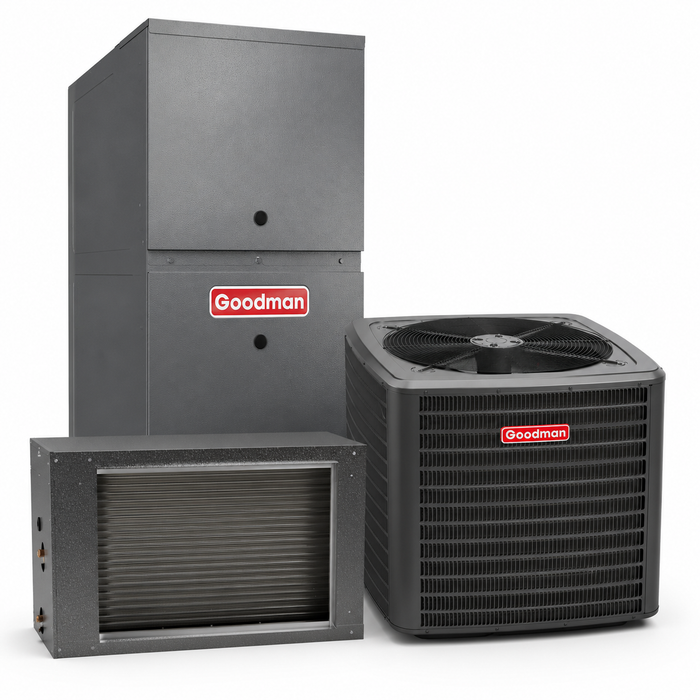
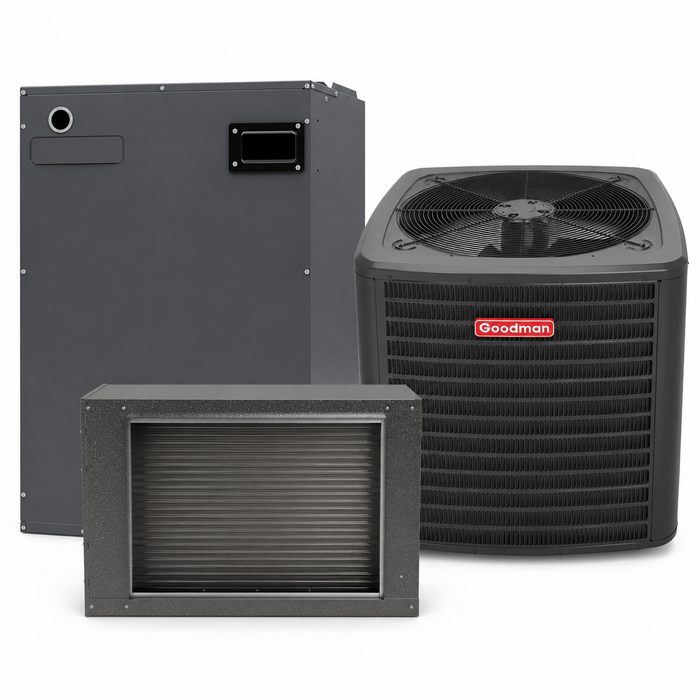
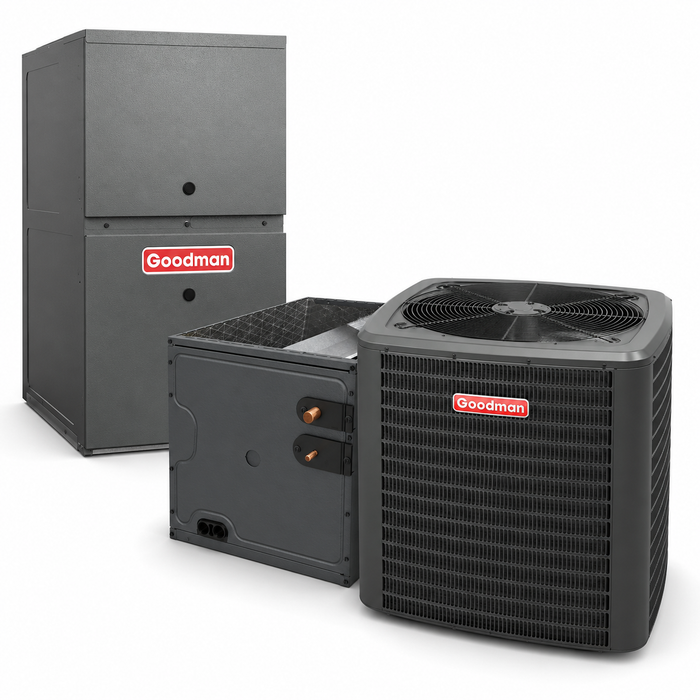
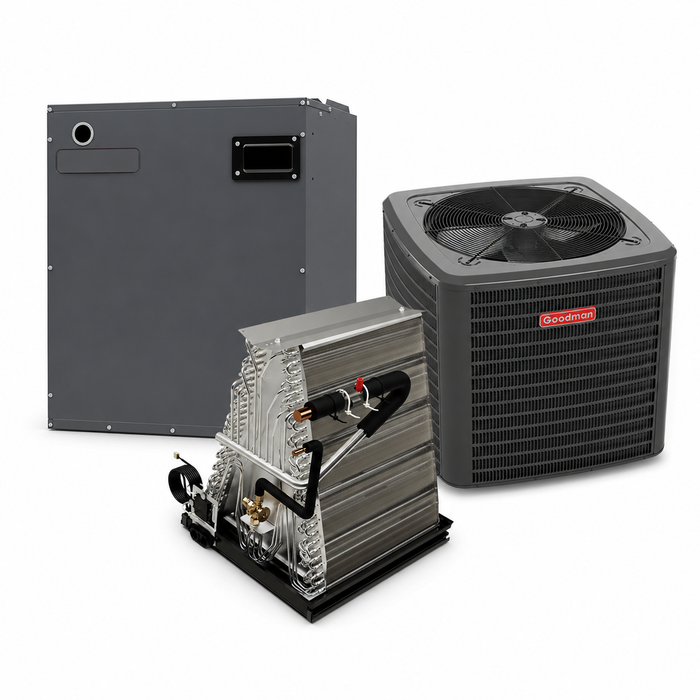
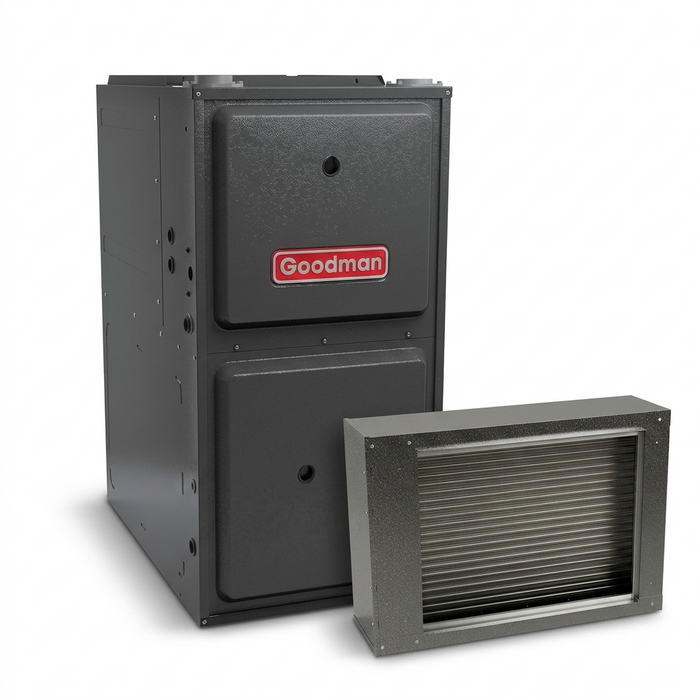
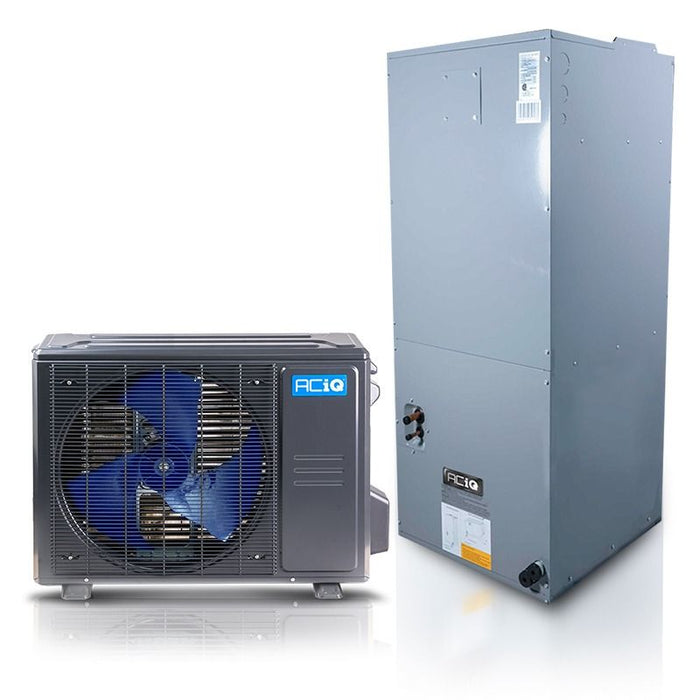
Central air conditioners and gas furnaces can qualify for a credit capped at $600 each, provided they meet high-efficiency standards like 97% AFUE for furnaces or specific SEER2 ratings.
⚡
Infrastructure
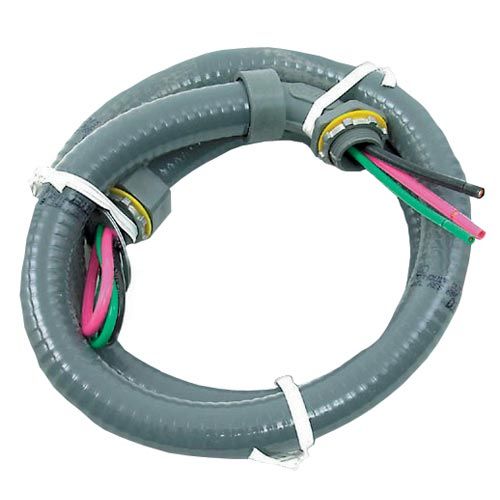
If your new system requires an electrical overhaul—such as a 200 Amp panel—you may be eligible for an additional $600 credit for the panelboard and Accessories & Kits.
The "Safe Harbor" Loophole: Why 2026 is Your Last Chance
As we look toward the end of 2026, the federal landscape is shifting toward state-administered rebates, such as the High-Efficiency Electric Home Rebate Act (HEEHRA) and the HOMES program. These state-level incentives are often income-dependent and can be significantly more complex to navigate than a straightforward federal tax credit. For many, the "Safe Harbor" loophole in 2026 represents the final opportunity to utilize the 25C credit before these state programs become the primary—and sometimes only—source of funding for HVAC projects.
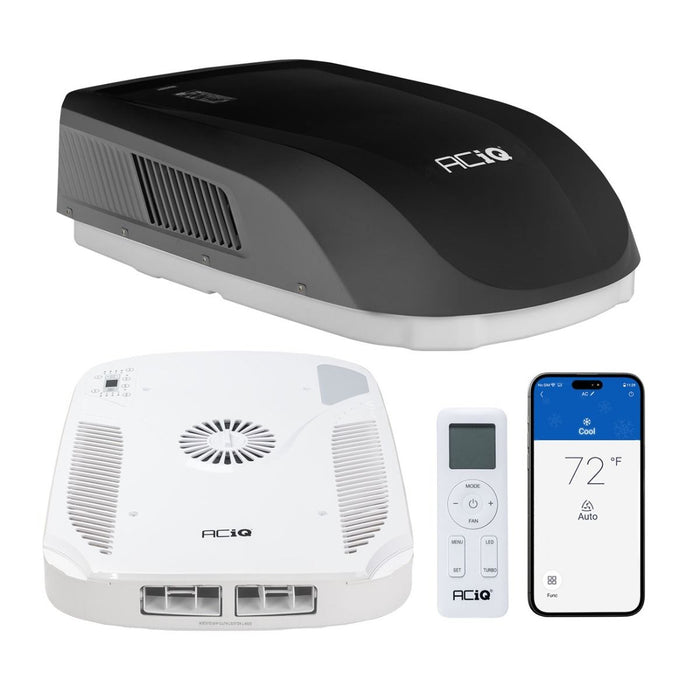
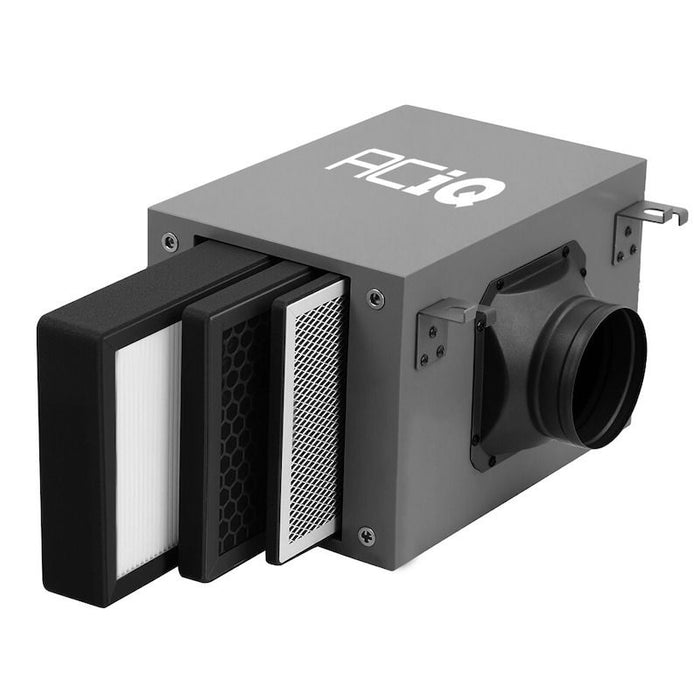
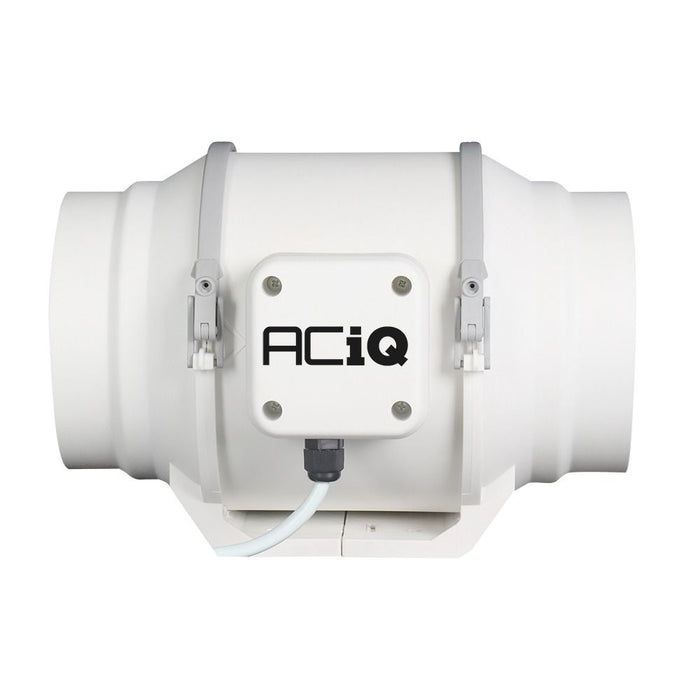
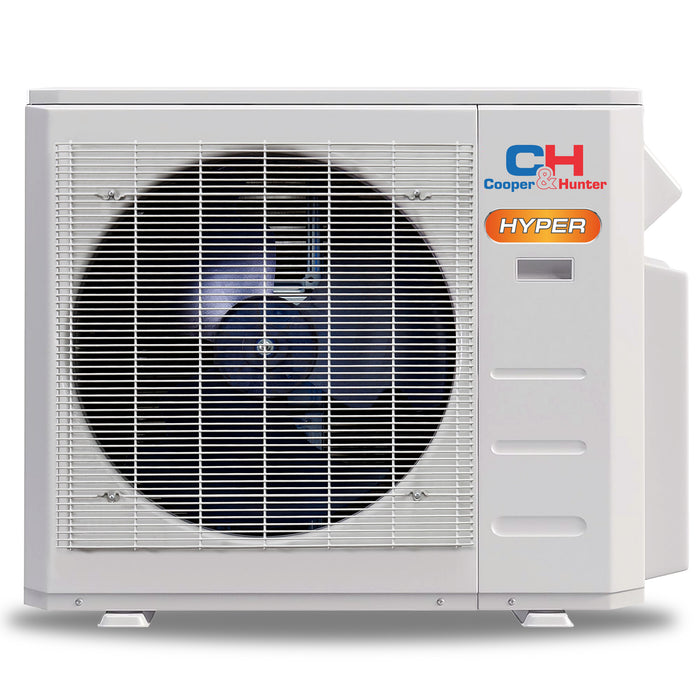
The logic behind claiming the tax credit in early 2026 is simple: it is often easier and more predictable than waiting for income-verified state rebates that may have limited funding pools. While HEEHRA can offer up to $8,000 for heat pumps for low-income households, the federal 25C credit is available to all taxpayers regardless of income, provided they have a tax liability to offset. This makes the 2026 transition period a critical "sweet spot" for middle-to-high-income homeowners to finalize their installations using ACIQ or Cooper & Hunter systems that are already "tax-ready".
How to Claim: A 3-Step "Very Easy" Guide
The process of claiming your credit should be the easiest part of your HVAC journey. By following these three steps, you can ensure your 2026 tax filing is accurate and maximized:
1. Verify the QPIN/QMID
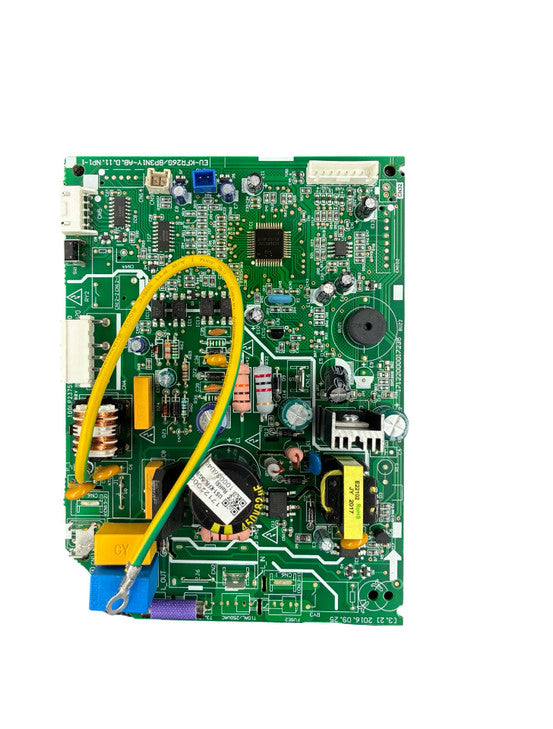
Starting in 2026, the IRS requires a unique 17-character Product Identification Number (QPIN) or a 4-digit Manufacturer Identification Number (QMID). Confirm that your chosen Control Boards carry these identifiers.
2. Save the Complete Receipt
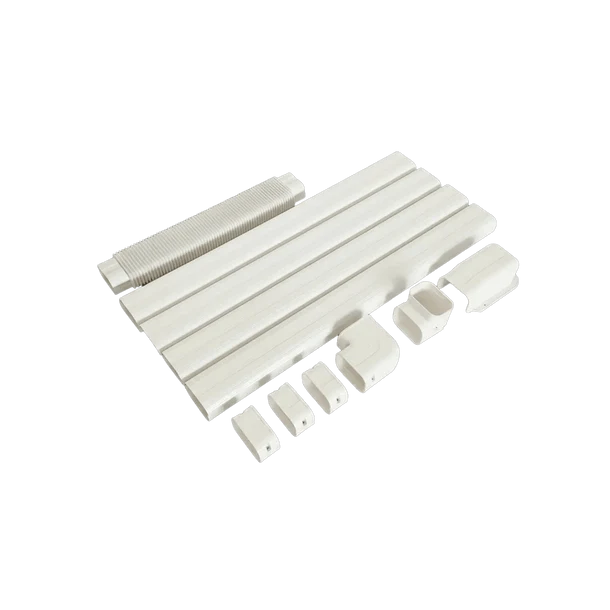
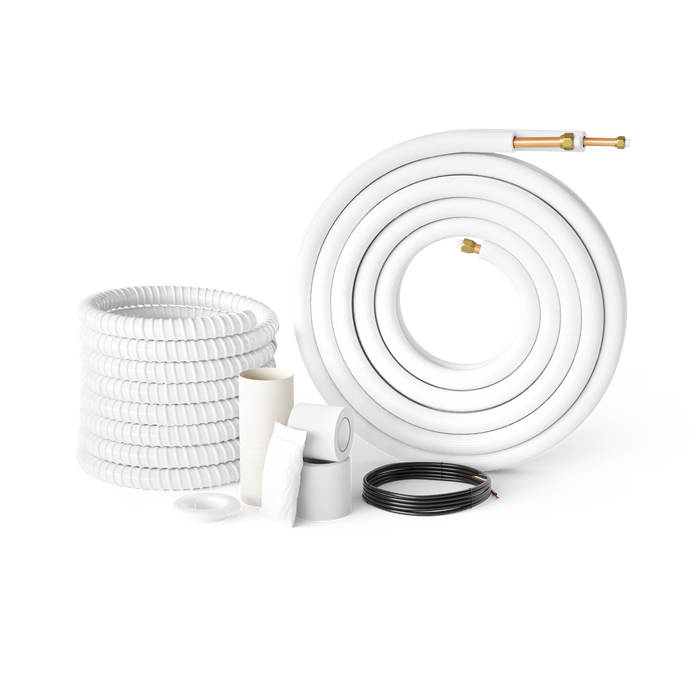
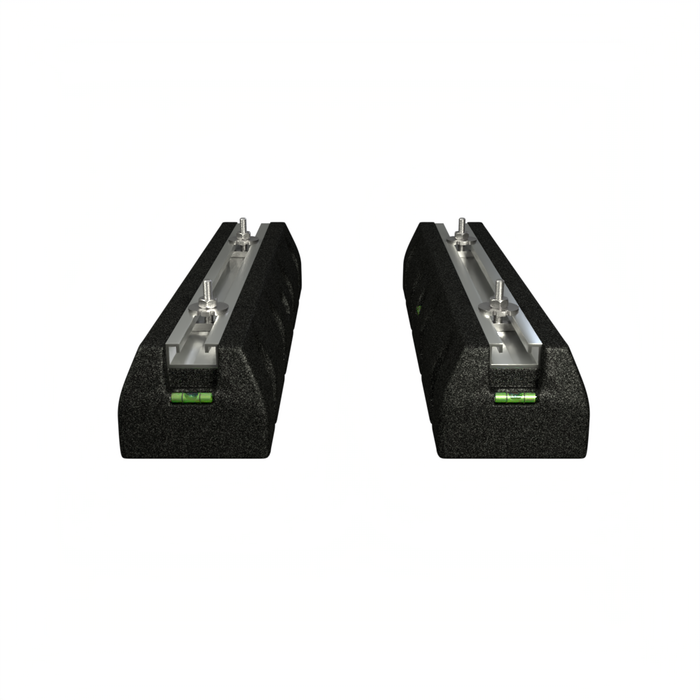
Eligibility is based on the total cost, including labor and Installation Kits. Keep records of Line Covers & Guards and Brackets, Stands, & Pads.
3. File IRS Form 5695
This is the primary form used to calculate your residential energy credits. Use the most current revision which separates efficiency improvements from property expenditures.
Recommended Systems for Maximum Savings
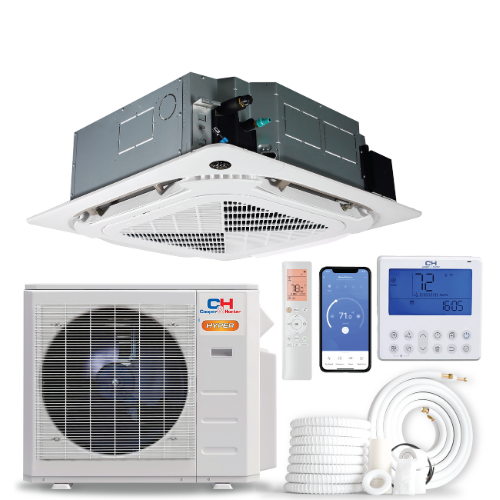
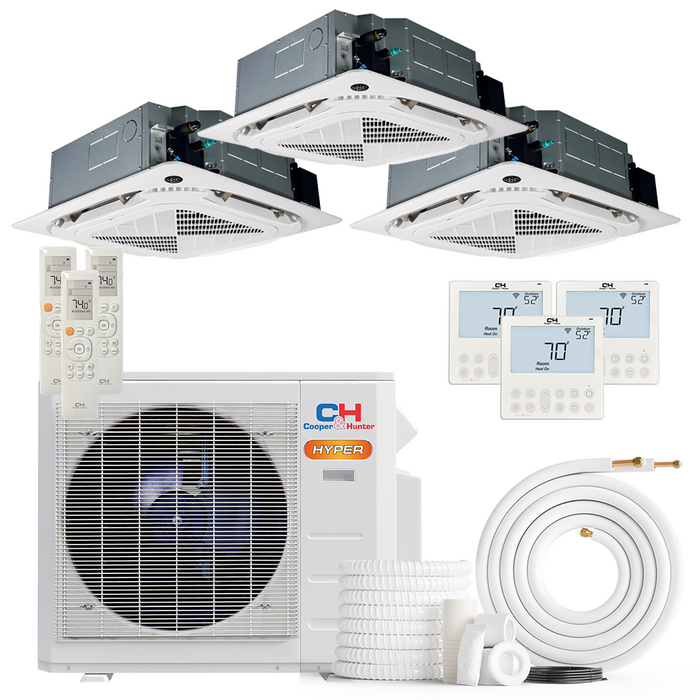
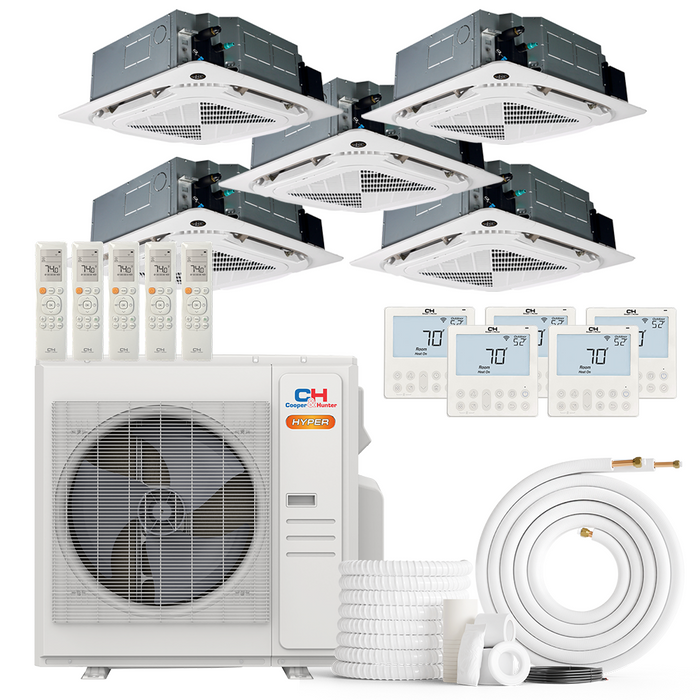
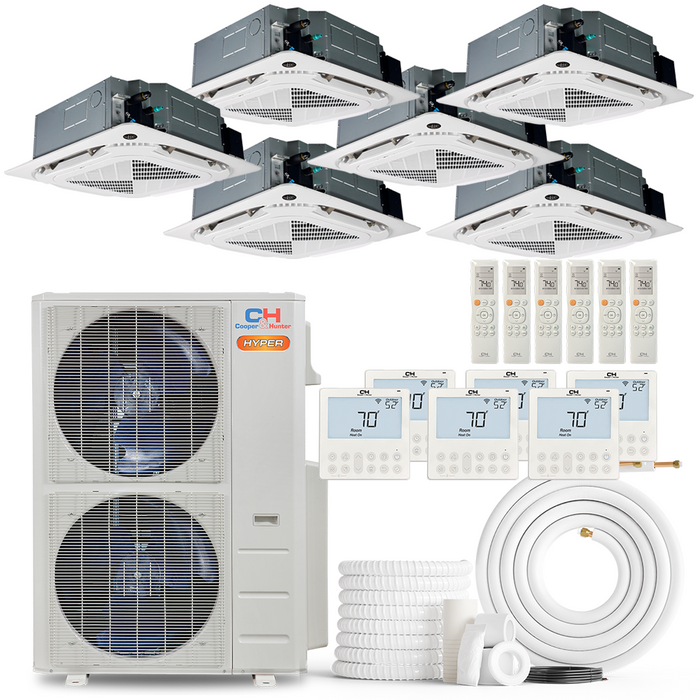
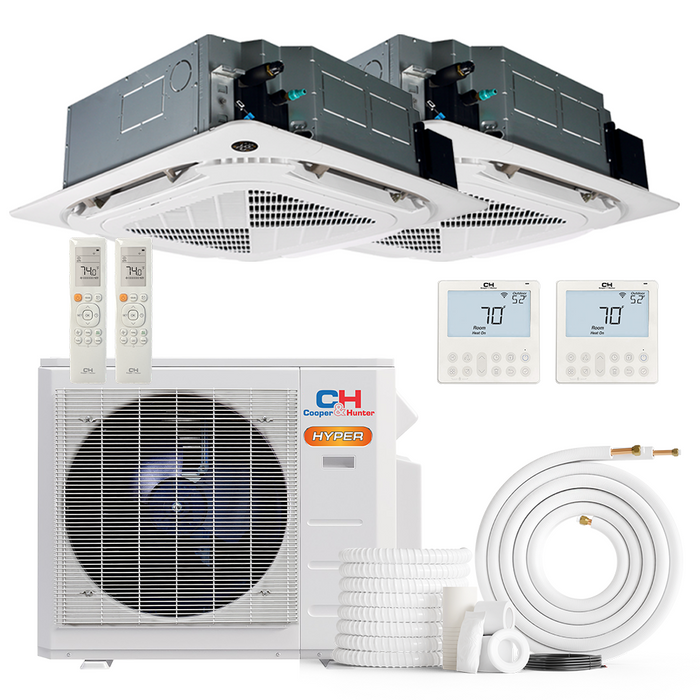
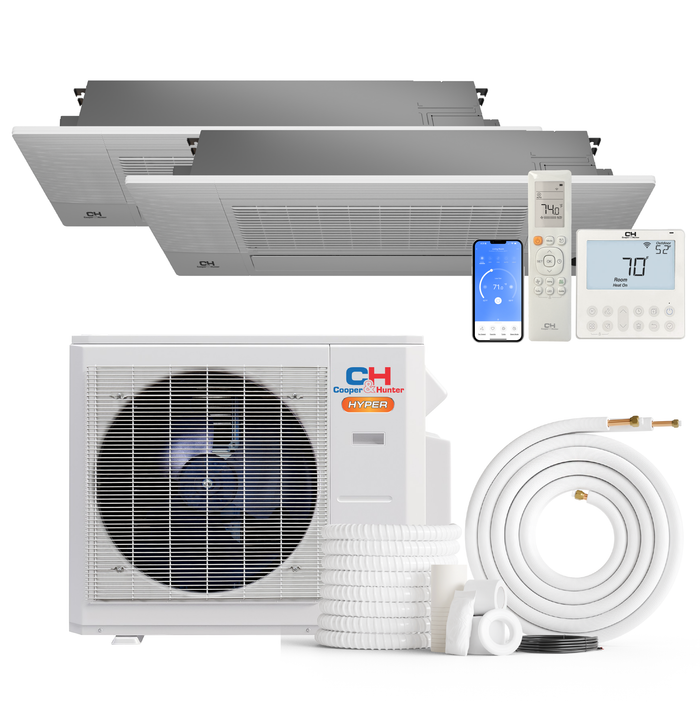
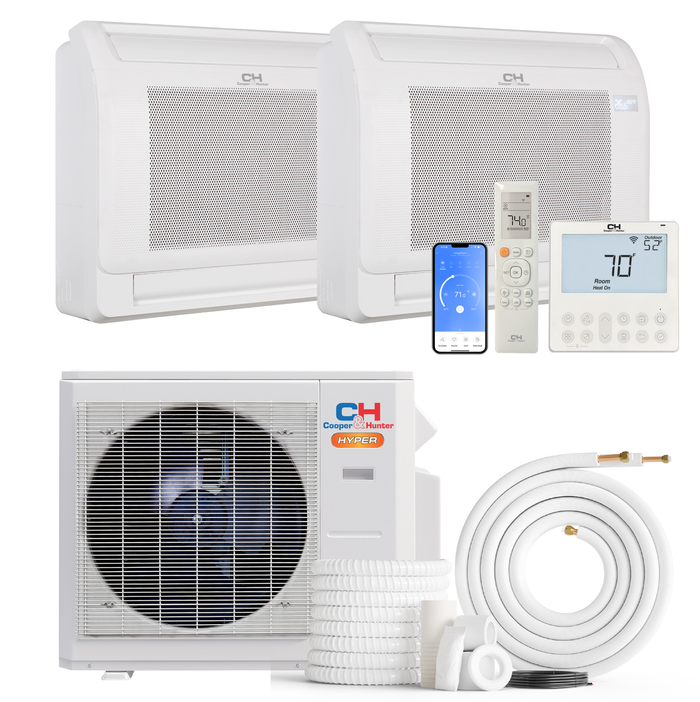
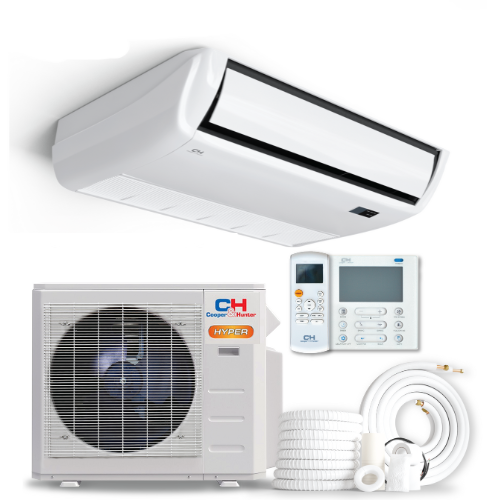
To get the most out of the 2026 incentives, we recommend focusing on systems that consistently hit the CEE's highest efficiency tiers. Brands like Bravo and Armbridge have pioneered units that balance cost with the extreme performance required for 25C eligibility. If you are retrofitting a specialized space, consider Ceiling Cassettes or Mini Floor Consoles, which offer flexible installation options while still meeting the rigorous federal heat pump standards.
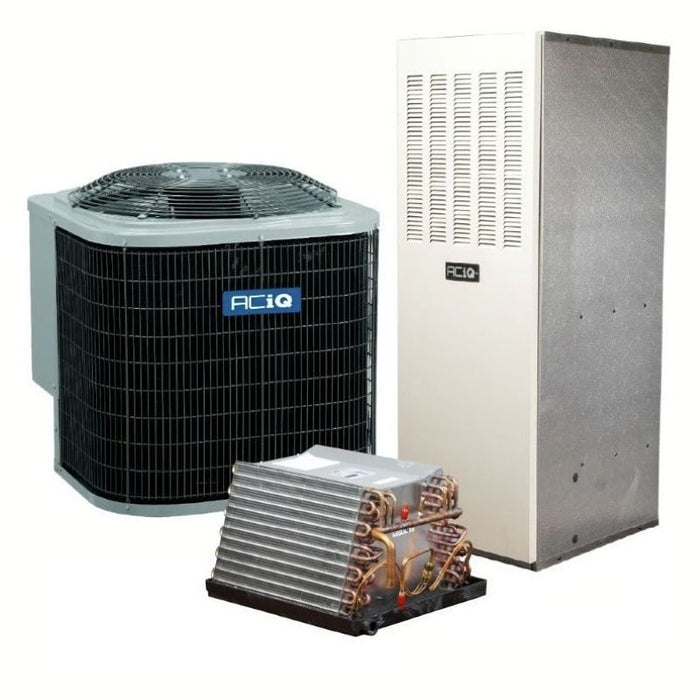
For those managing unique properties, such as those in the Mobile Home sector, the 25C credit still applies. Upgrading your Mobile Home AC Coil System or installing a high-efficiency Mobile Home AC Condenser can yield significant year-over-year energy savings alongside the immediate tax benefit. Even small business owners who use a portion of their home for work can benefit from the "20% rule," allowing them to claim a portion of their Commercial Packaged Units under residential credit rules if the property serves dual purposes.
Conclusion: Act Now to Secure Your 2026 Savings
The window of opportunity for the 25C tax credit in 2026 is firm but rewarding. By moving quickly to finalize your installation and selecting "Tax-Ready" equipment from our Ducted Shop All or specialized AC Coil Systems collections, you can secure thousands of dollars in federal support.
At HVAC Supplies, we are committed to helping you navigate this transition. Whether you are ready to buy or simply exploring your options for a future-proof home, our team is here to ensure your next upgrade is as efficient for your wallet as it is for your home. Explore our collections today and take the first step toward a more sustainable—and affordable—future.