

























The 2026 Contractor’s Essentials: Must-Have HVAC Supplies for Efficiency and Compliance
Share
HVAC SUPPLIES
2026 Industry Report
The Professional
Contractor Shift
Staying ahead of the 2026 shifts requires a reliable supply partner that understands the nuances of the current regulatory environment.
The landscape of the heating, ventilation, and air conditioning industry is undergoing one of its most significant transformations in decades. As we navigate through 2026, professional contractors are facing a dual challenge: meeting increasingly stringent environmental regulations while satisfying a market that demands smarter, more efficient climate control solutions. For the modern technician, the ability to pivot between traditional repairs and the installation of next-generation technology is no longer just an advantage—it is a requirement for survival in a competitive trade.
"Getting the right parts shouldn't be the hardest part of the job". This sentiment resonates deeply with professionals who have spent more time hunting for specialized components than actually performing service on-site. The shift toward electrification and the integration of smart building requirements has fundamentally changed the list of "essential" supplies that a contractor must have access to. From specialized sensors to high-efficiency heat pumps, the inventory required to service a 2026 building looks vastly different than it did just five years ago. Staying ahead of these shifts requires a reliable supply partner that understands the nuances of the current regulatory environment.
Core Equipment: High-Efficiency Systems
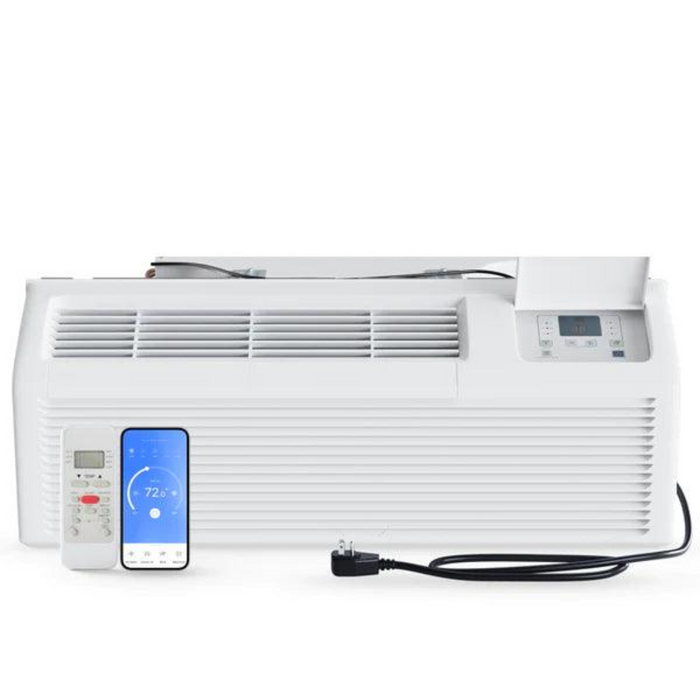
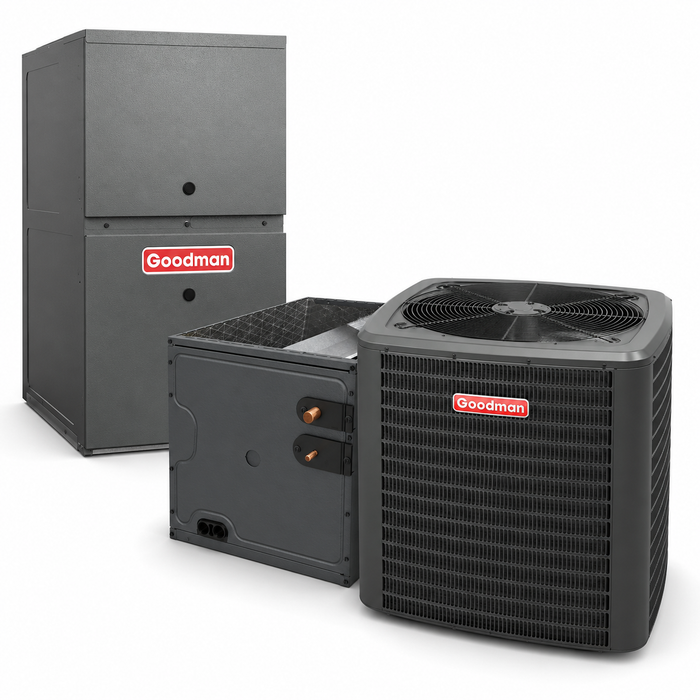
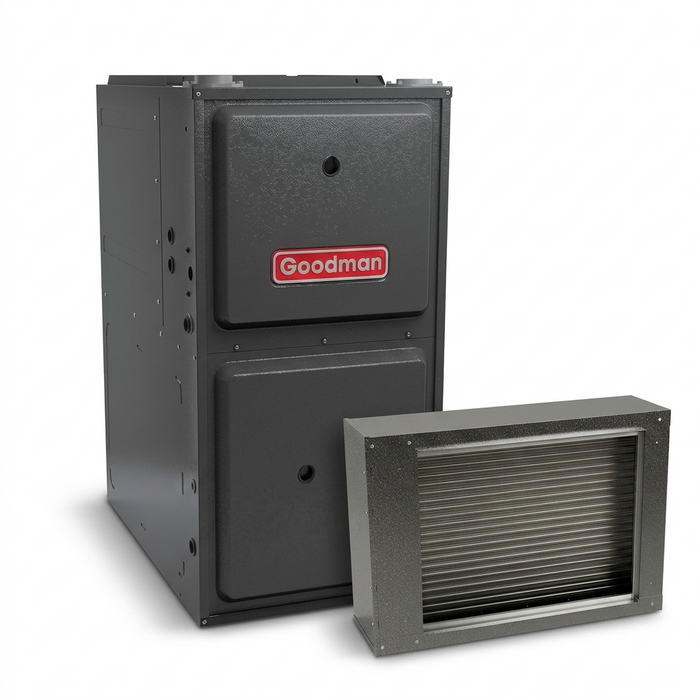
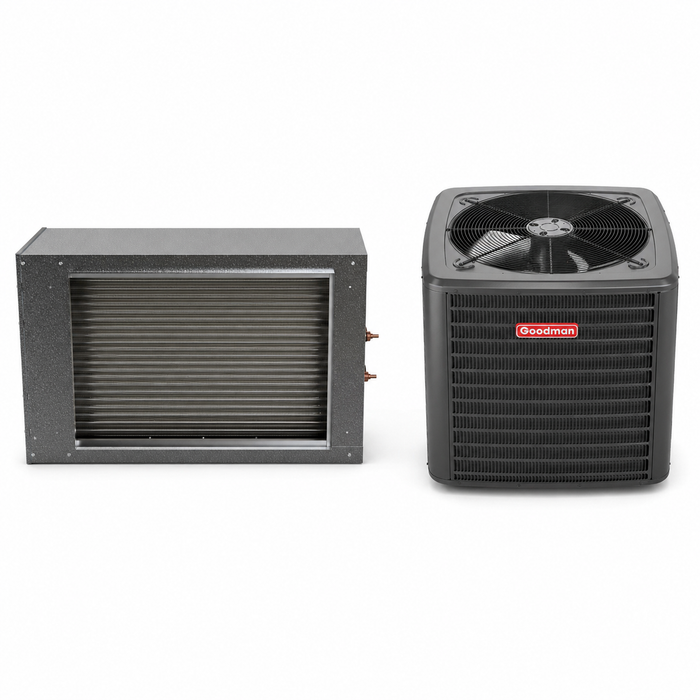
The backbone of residential and commercial comfort has moved decisively toward high-efficiency, localized climate control. For property managers and those overseeing multi-family housing or hospitality venues, PTAC units remain a critical focus. These self-contained heating and air conditioning systems are prized for their versatility and ease of replacement, but the 2026 models offer significant upgrades in energy recovery and noise reduction. Selecting the right PTAC unit involves balancing the immediate need for cooling with long-term energy savings that property owners now expect as a standard feature.
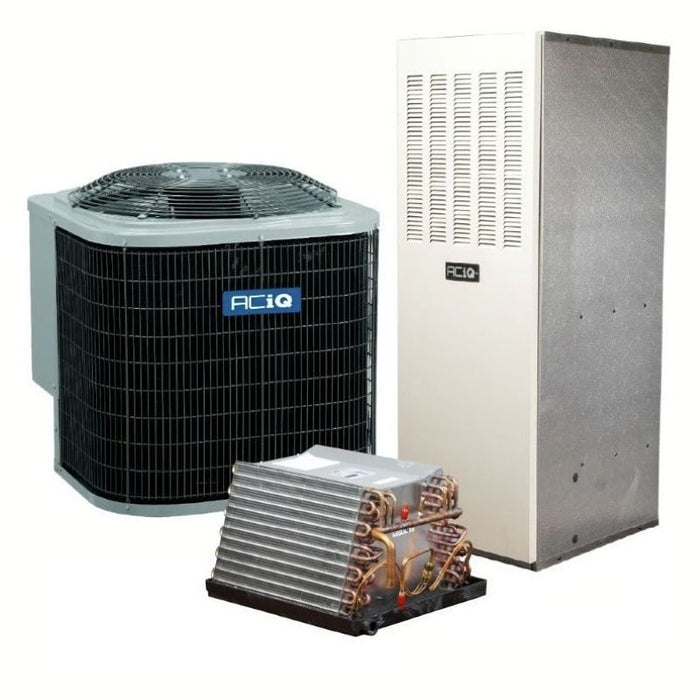
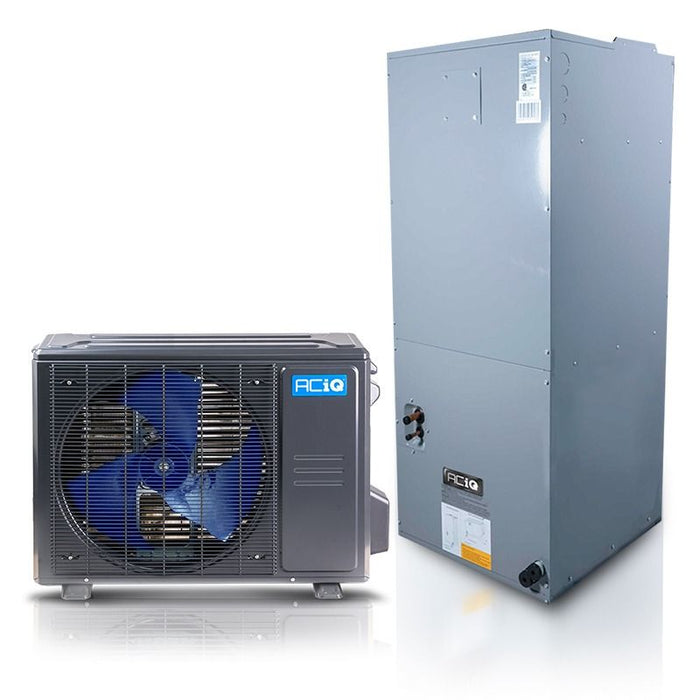
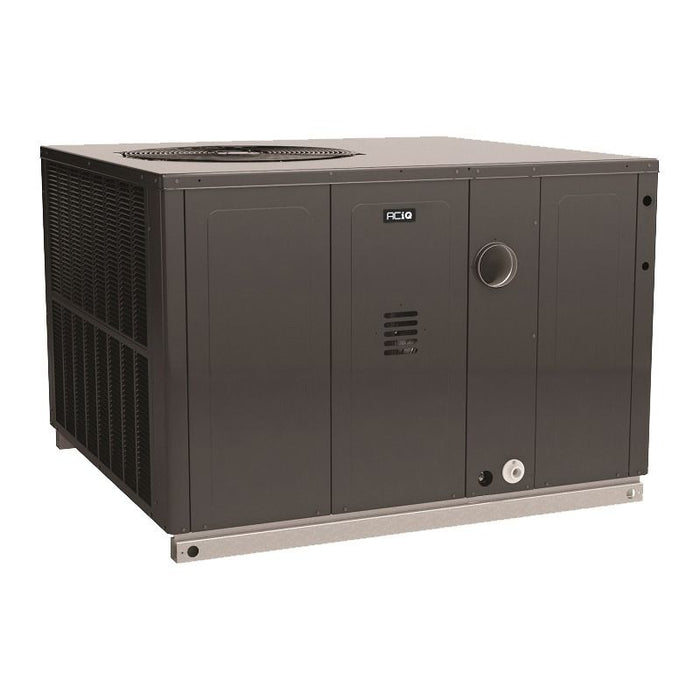
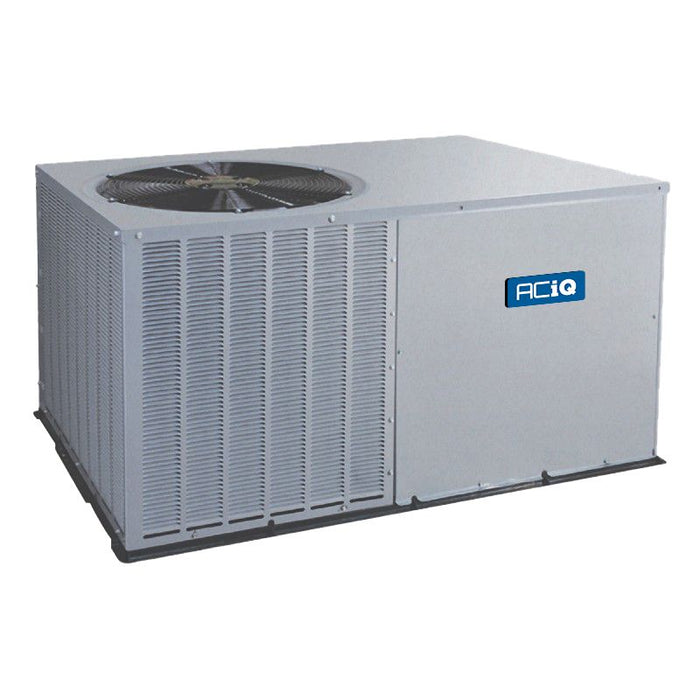
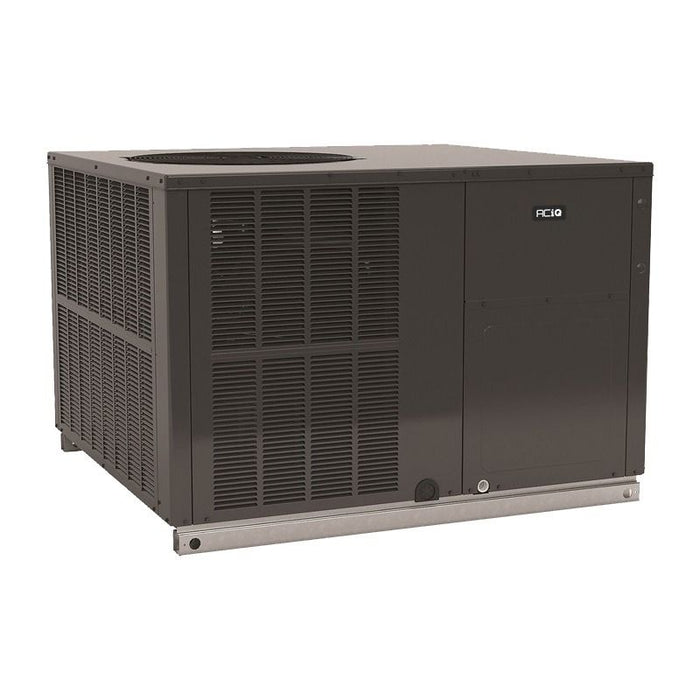
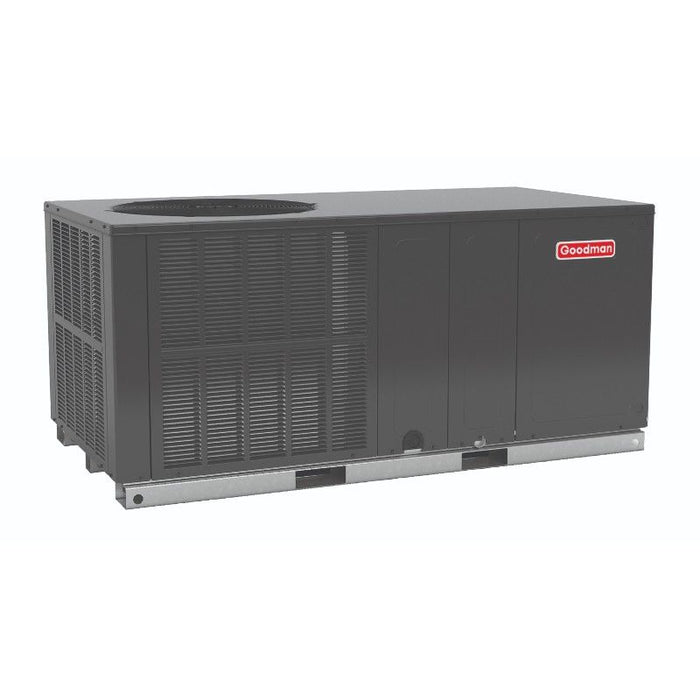
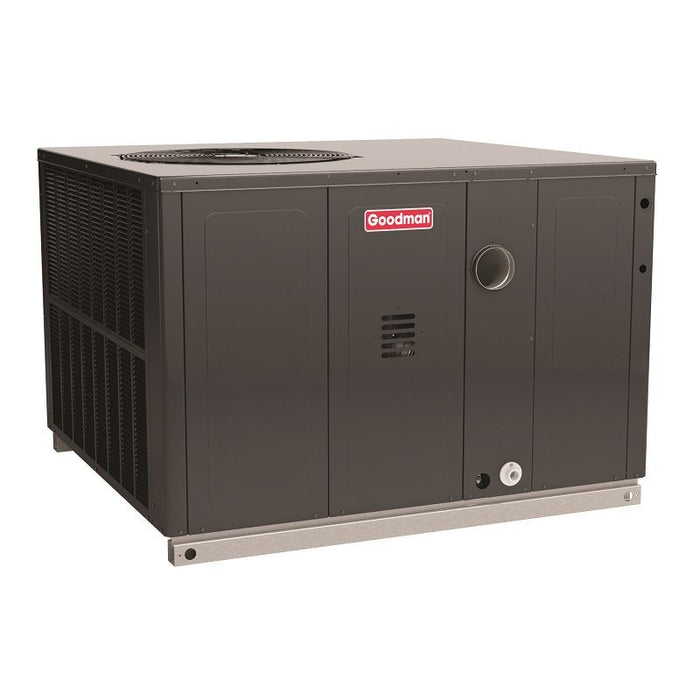
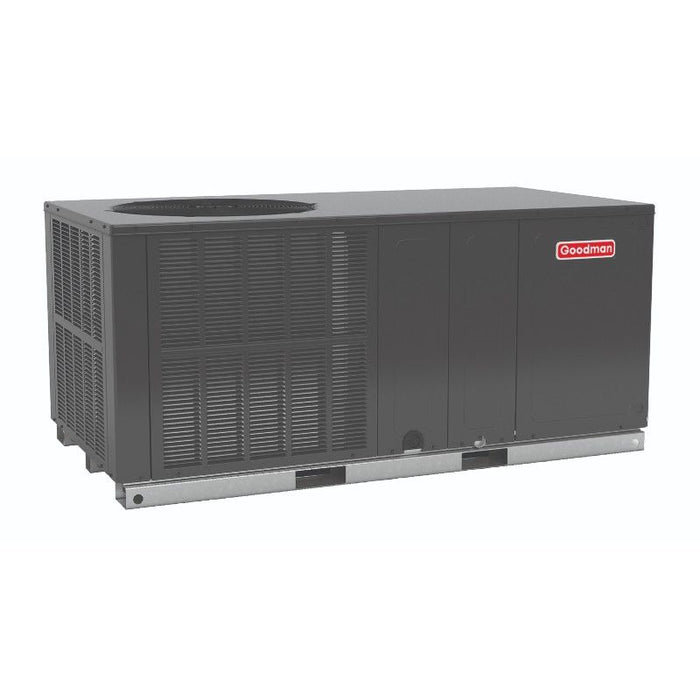
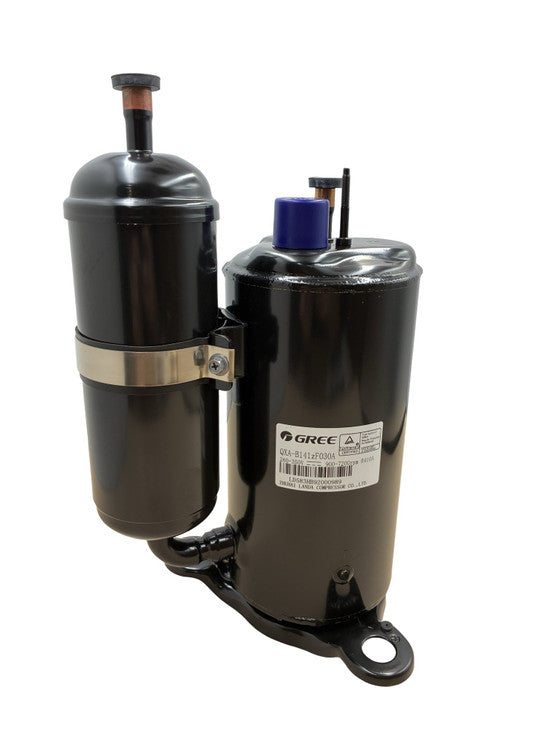
In the broader commercial sector, commercial packaged units serve as the heavy lifters for retail spaces, warehouses, and office complexes. These all-in-one systems consolidate the evaporator, condenser, and compressor into a single footprint, simplifying the installation process for contractors who are often working against tight project deadlines. As efficiency standards continue to climb, these units have evolved to include advanced variable-speed technology, allowing them to scale their output to match the specific load of the building at any given moment. This precision not only saves the end-user money but also reduces the wear and tear on the equipment itself.
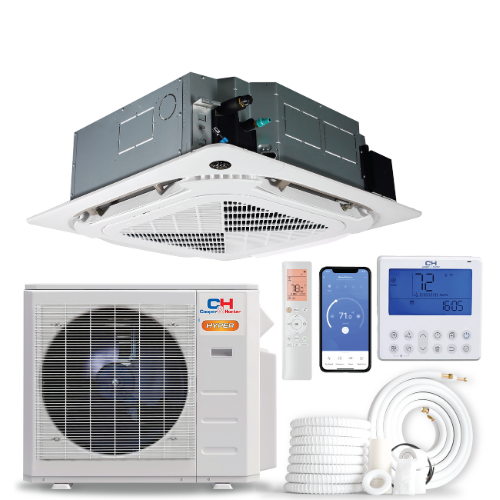
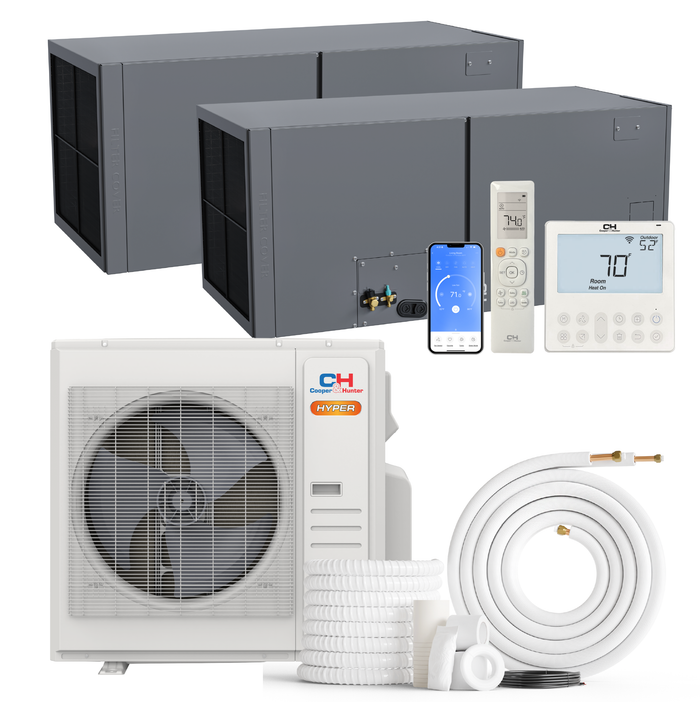
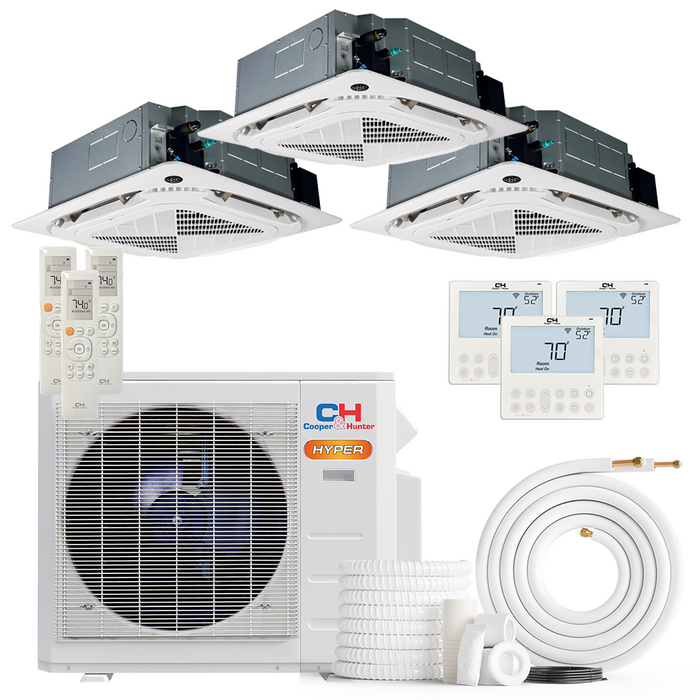
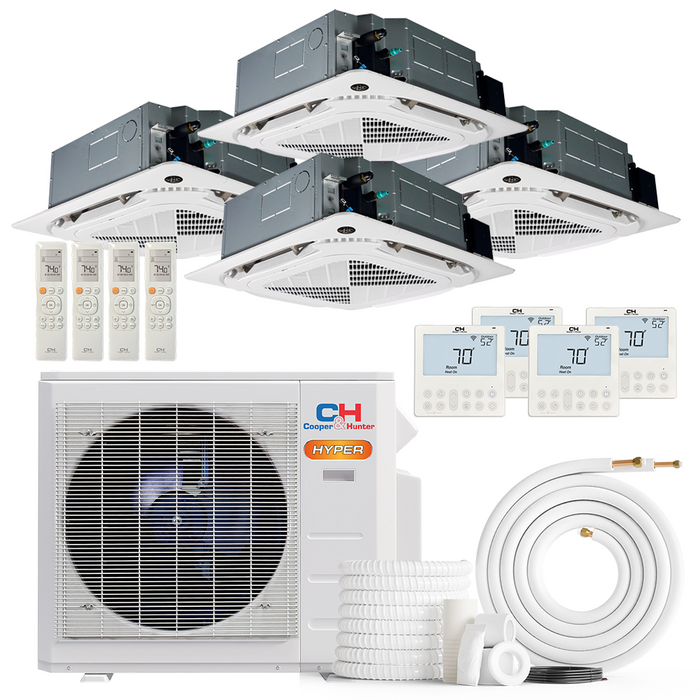
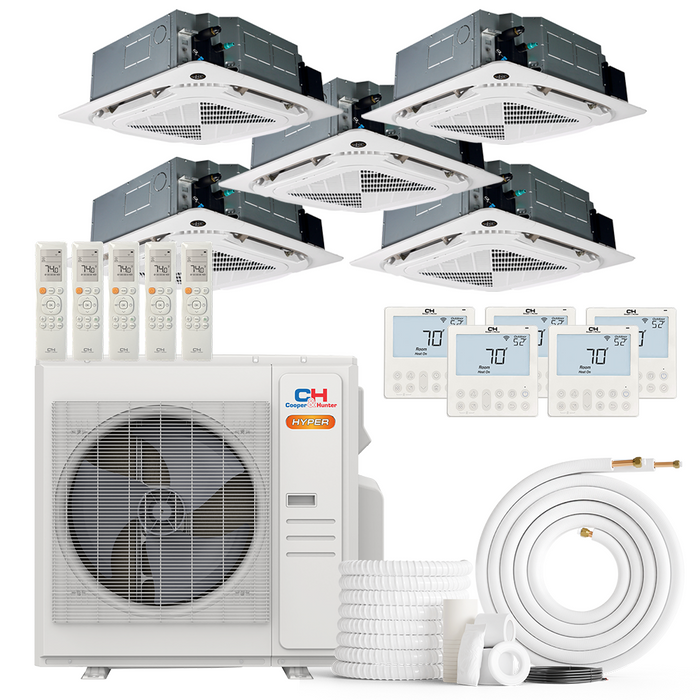
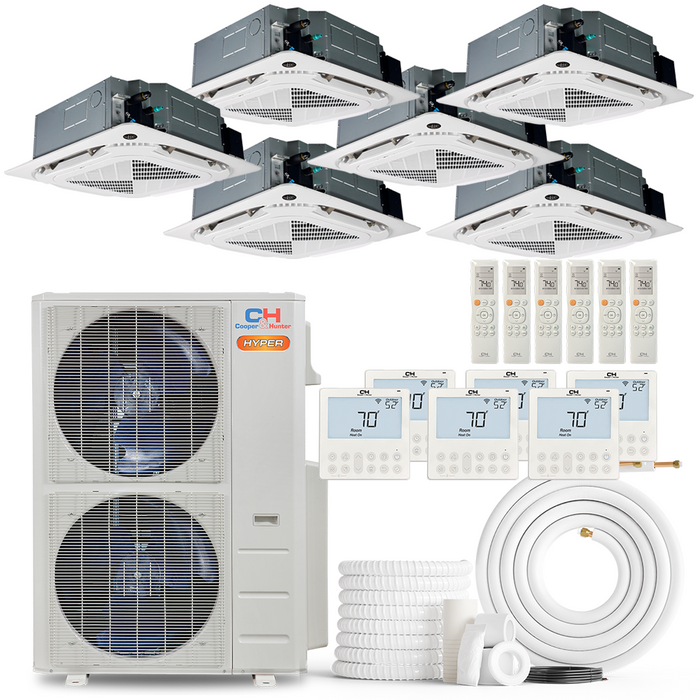
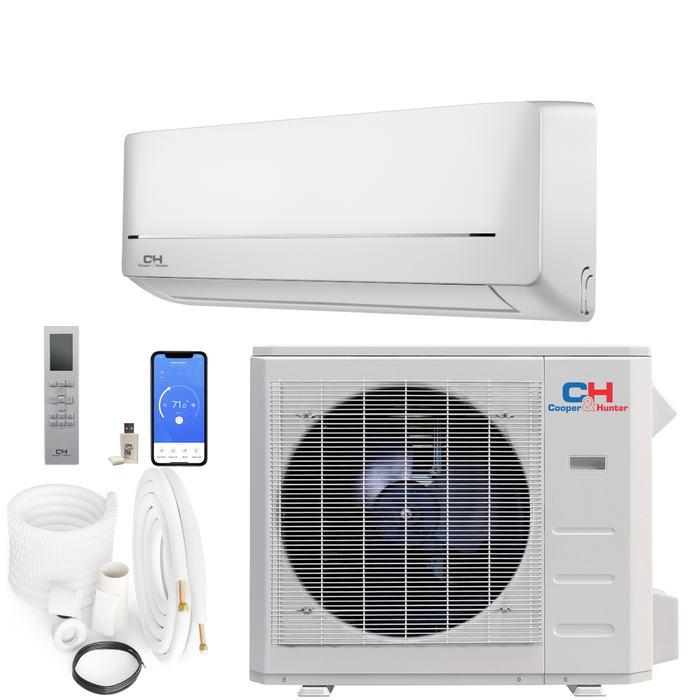
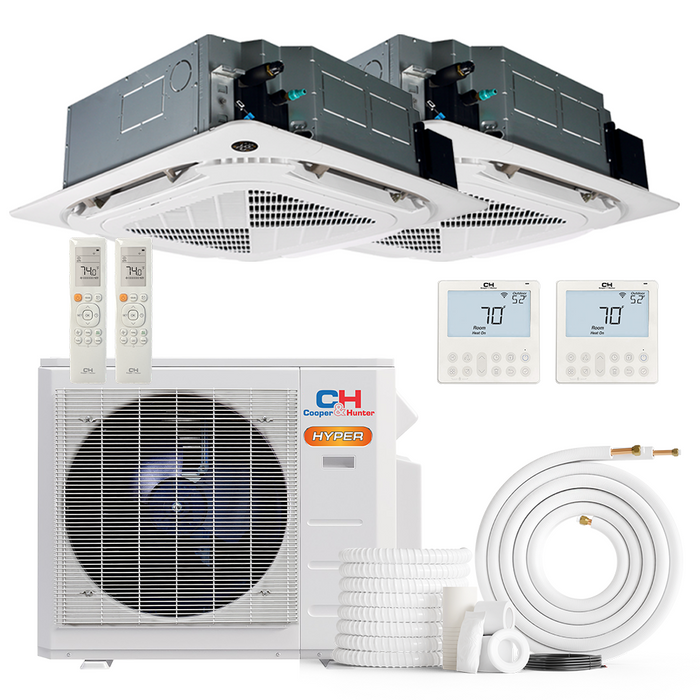
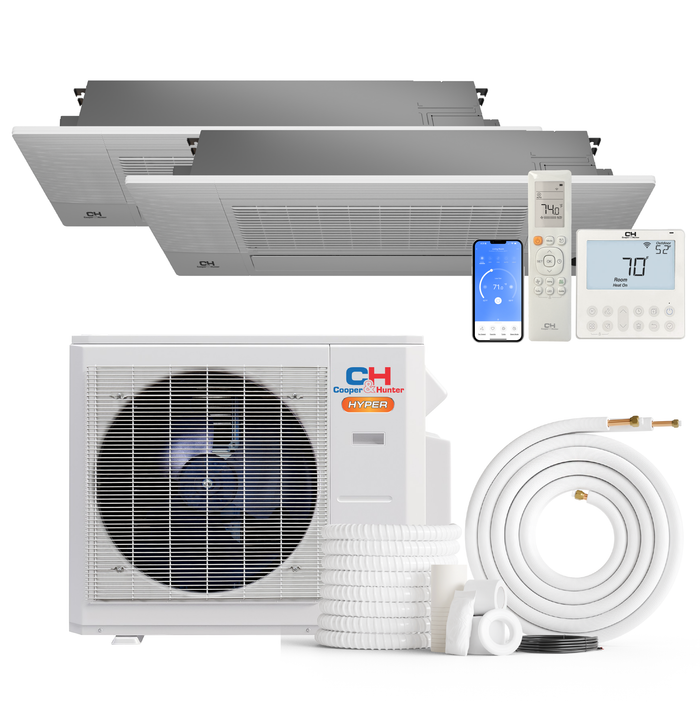
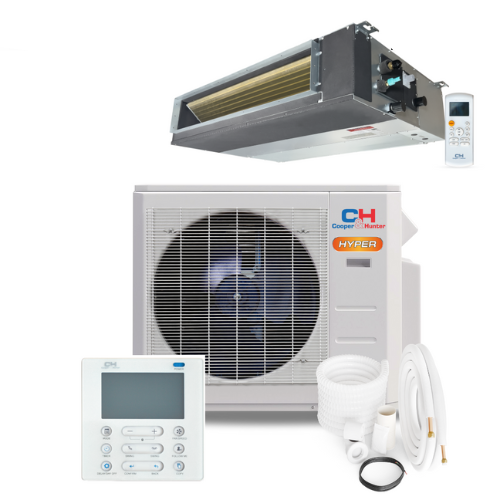
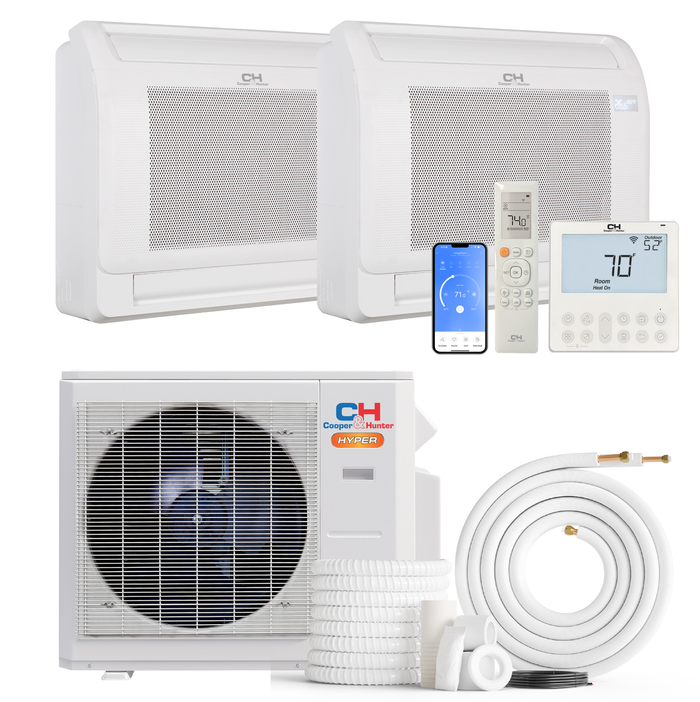
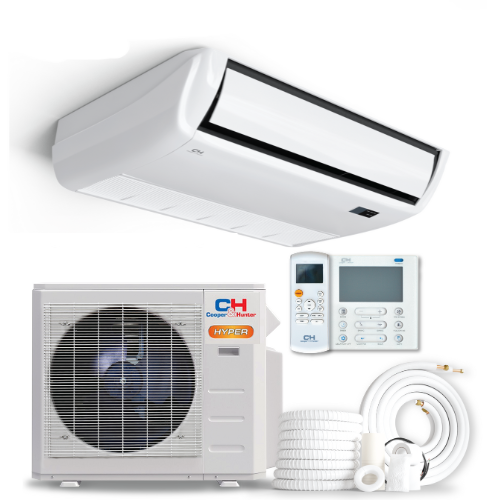
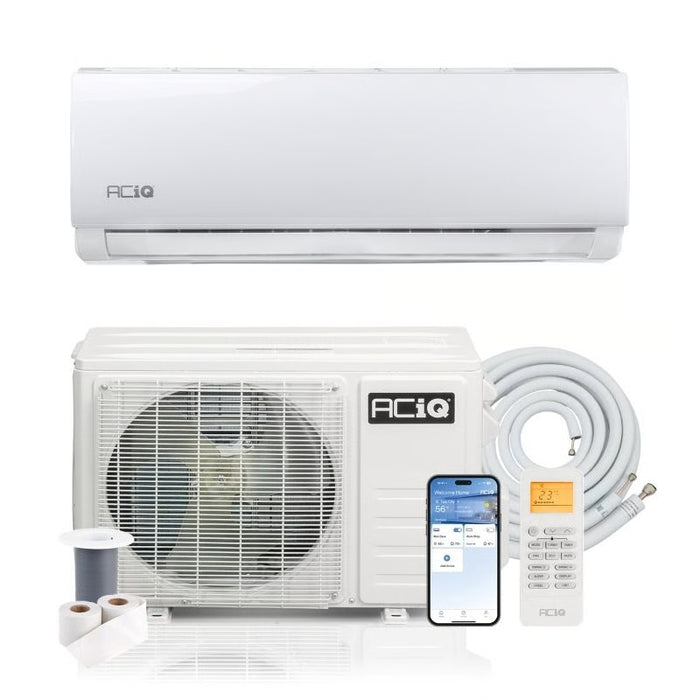
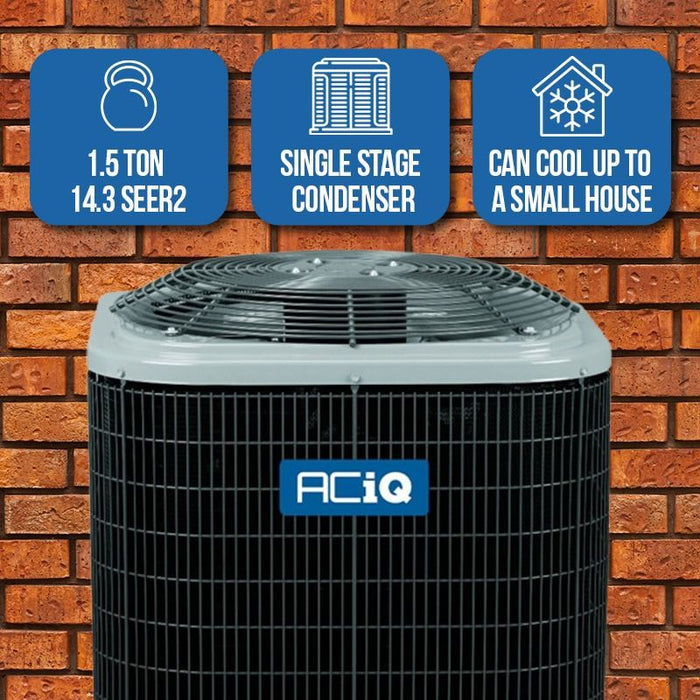
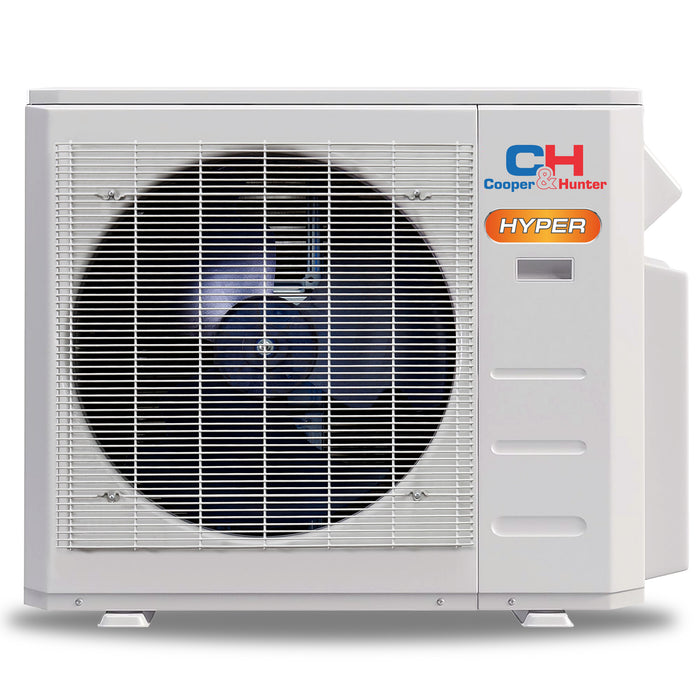
For projects requiring more surgical precision in climate control, light commercial mini-splits have emerged as the premier solution for 2026 commercial projects. Unlike traditional ducted systems, these units allow for independent temperature control in different zones of a building, which is ideal for modern office layouts or retrofitting older structures where ductwork is impractical. Contractors are increasingly turning to these systems because they offer high SEER2 ratings and are relatively simple to install when paired with the right professional tools. Their ability to provide both heating and cooling through heat pump technology aligns perfectly with the current push toward building electrification.
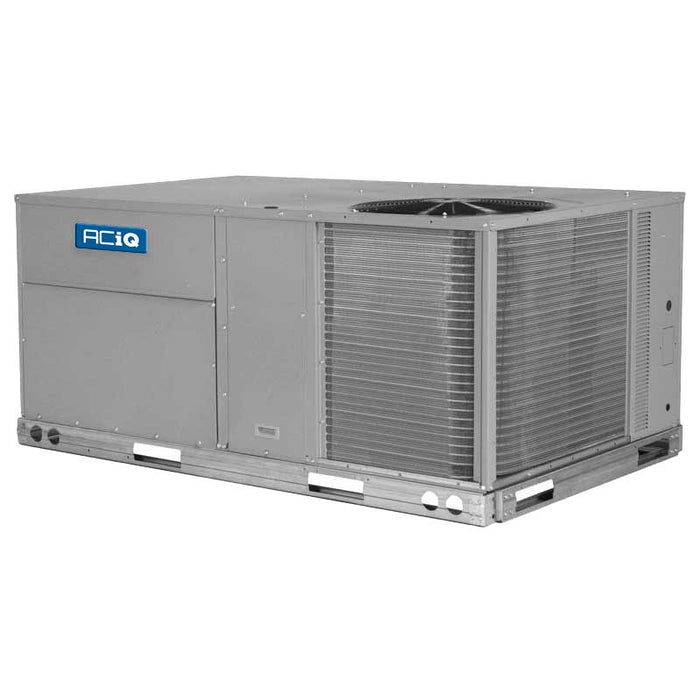
Furthermore, rooftop units (RTUs) continue to be the backbone of large-scale commercial HVAC infrastructure. These systems are designed to withstand the elements while providing massive volumes of conditioned air. In the current market, RTUs are being equipped with sophisticated economizers and advanced filtration systems to improve indoor air quality, a top priority for building occupants today. For the contractor, having a reliable source for high-quality RTUs means being able to bid on larger, more lucrative commercial contracts with the confidence that the equipment will perform as promised under peak load conditions.
The "First-Visit Fix": Essential Installation & Maintenance Parts
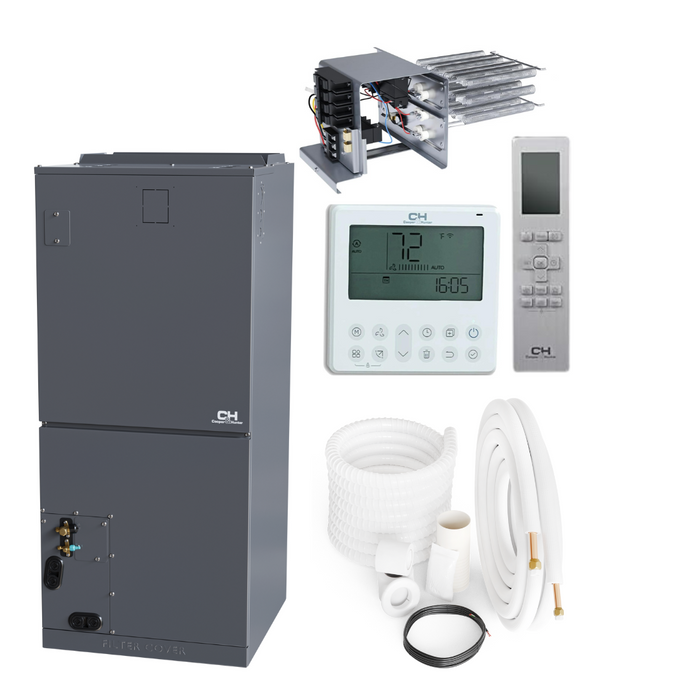
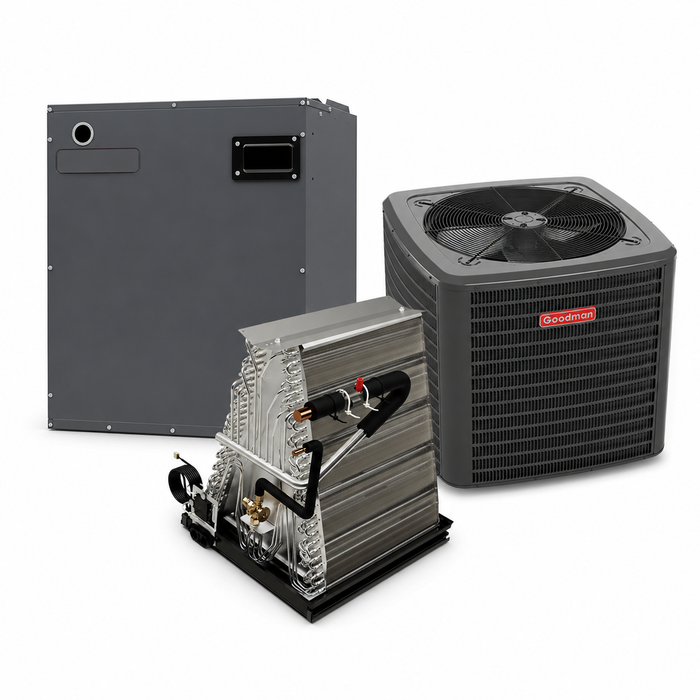
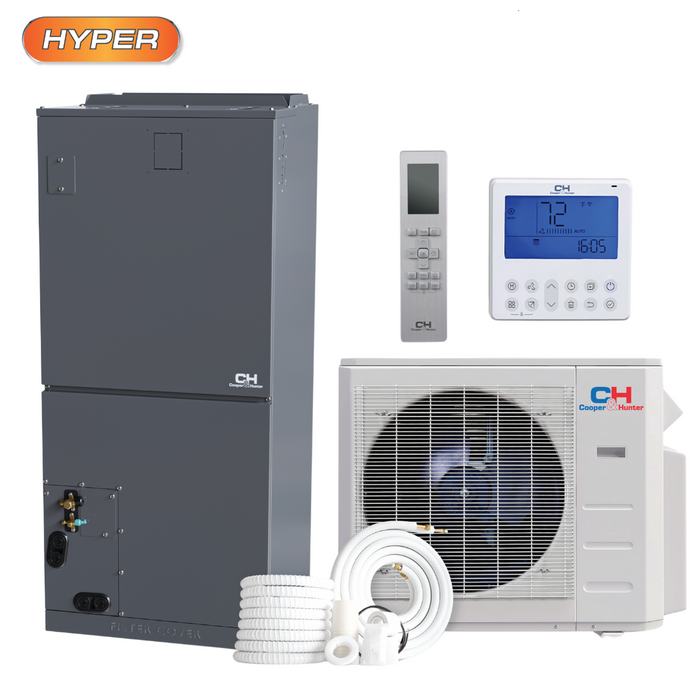
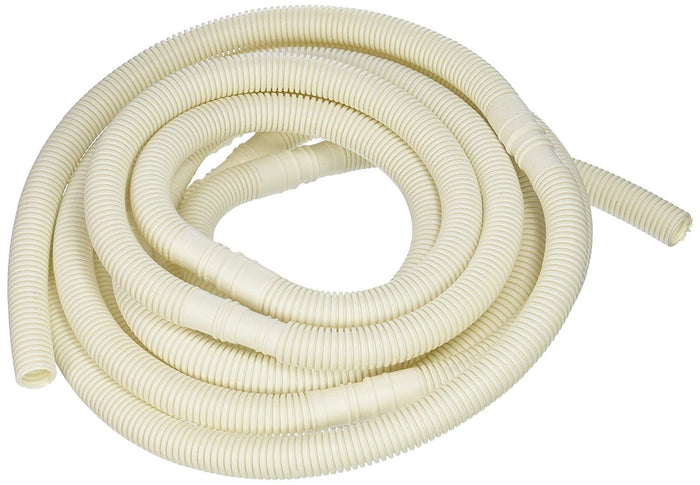
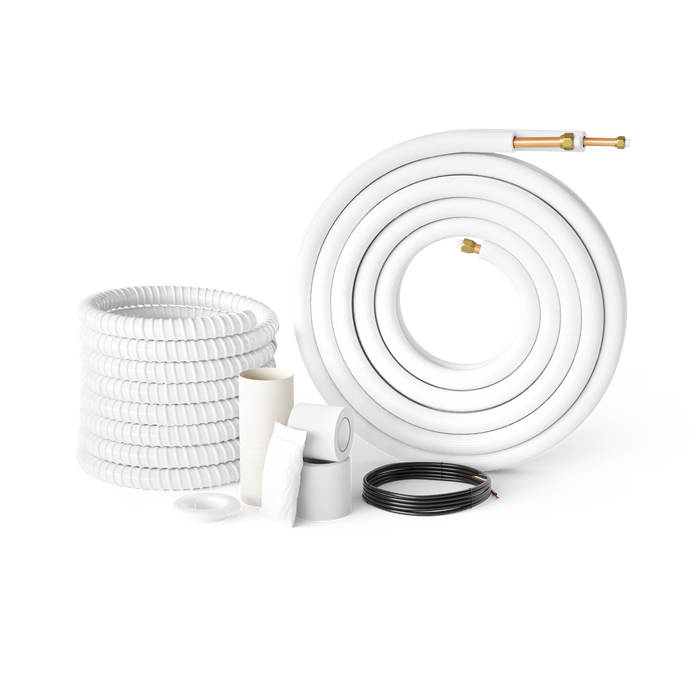
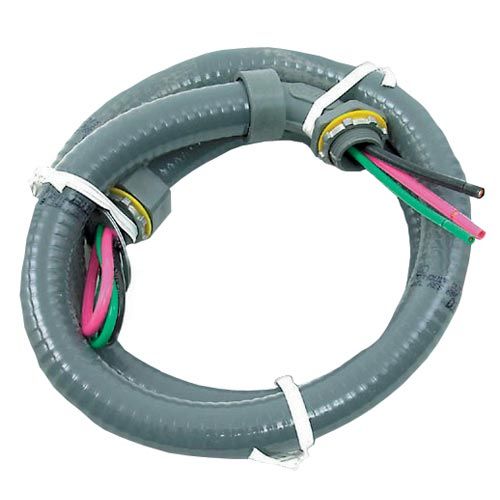
Efficiency in the HVAC world is not just about the equipment; it is also about the labor. One of the biggest drains on a contractor's profitability is the "callback" or the need for a second trip because a small but vital component was missing from the initial install. To ensure a "First-Visit Fix," savvy contractors are prioritizing comprehensive installation kits that contain everything needed for a seamless setup. These kits typically include the copper line sets, communication wires, and drainage hoses required to connect indoor and outdoor units, ensuring that no time is wasted hunting for individual fittings.
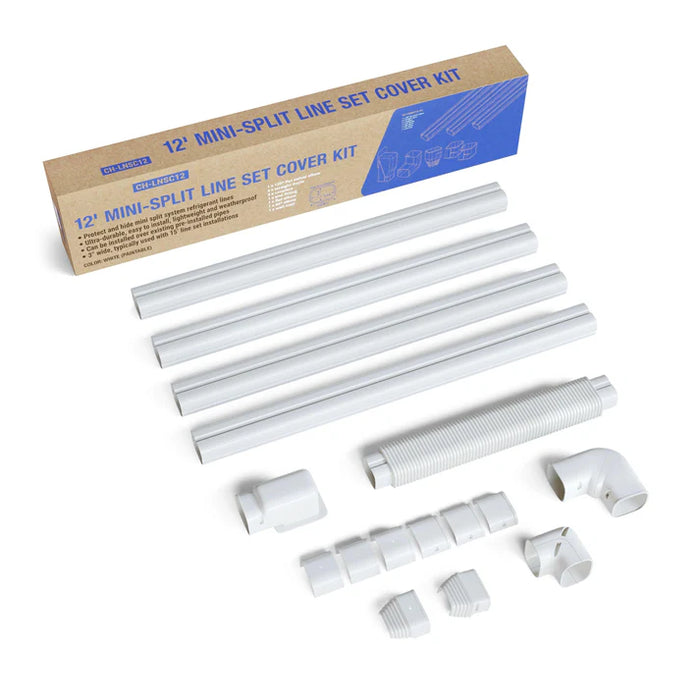
Beyond the internal components, the aesthetic and protective aspects of an installation are equally important. Using high-quality line covers and guards not only protects the refrigerant lines from UV damage and physical impact but also provides a professional, finished look that homeowners and business owners appreciate. A clean installation is often the best marketing a contractor can have, and these guards are an essential part of that presentation. They signal to the client that the technician cares about the longevity and appearance of the system, not just its immediate functionality.
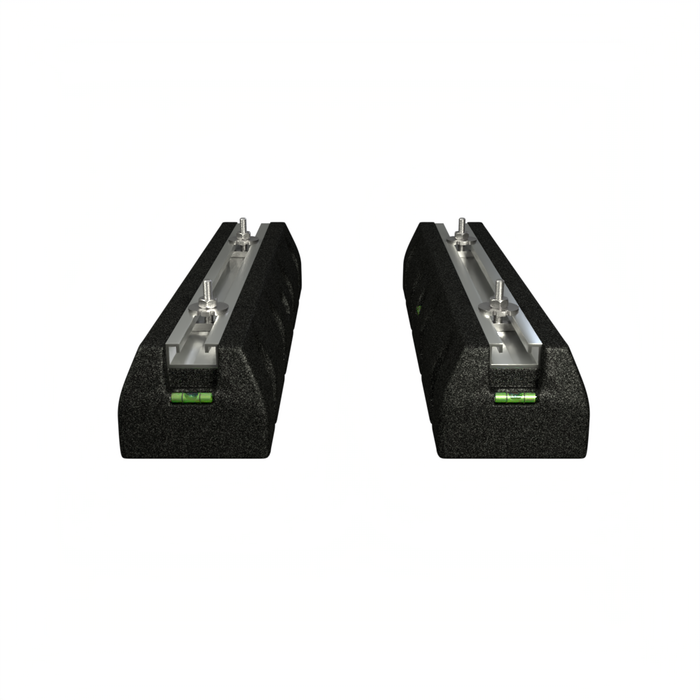
The structural integrity of the system is another area where contractors cannot afford to cut corners. Brackets, stands, and pads are the foundation upon which every successful installation is built. Whether it is an elevated wall bracket for a mini-split to keep it clear of snow or a heavy-duty condenser pad to prevent vibration and ground sinking, these supplies are vital for the long-term health of the unit. Properly supporting the equipment reduces mechanical stress and prevents oil traps in the refrigerant lines, ensuring that the system operates at peak efficiency for its entire service life.
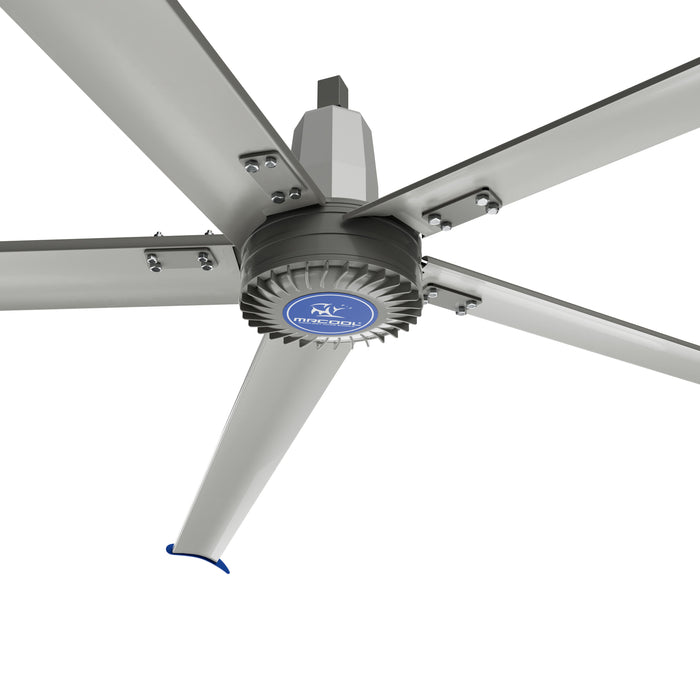
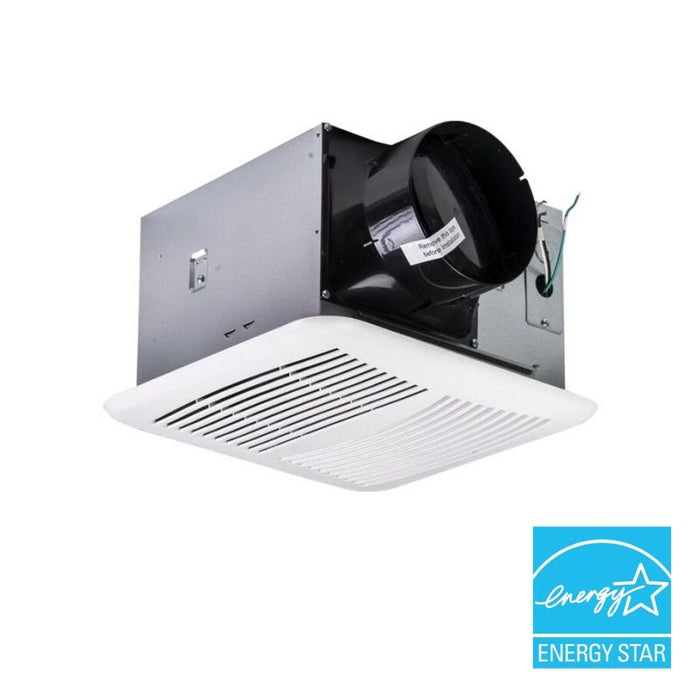
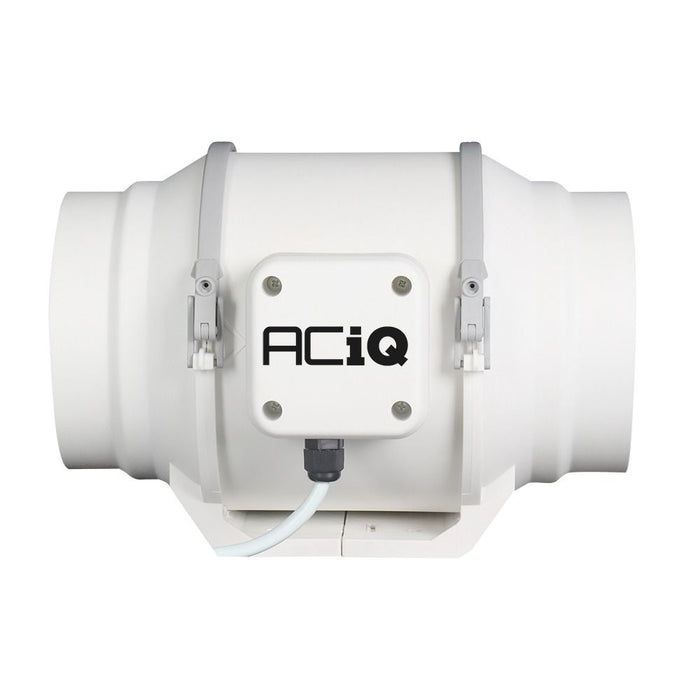
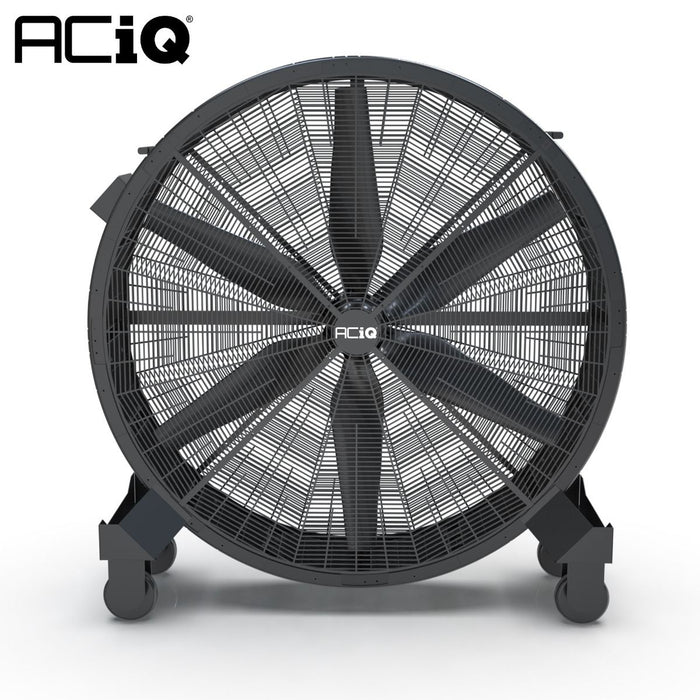
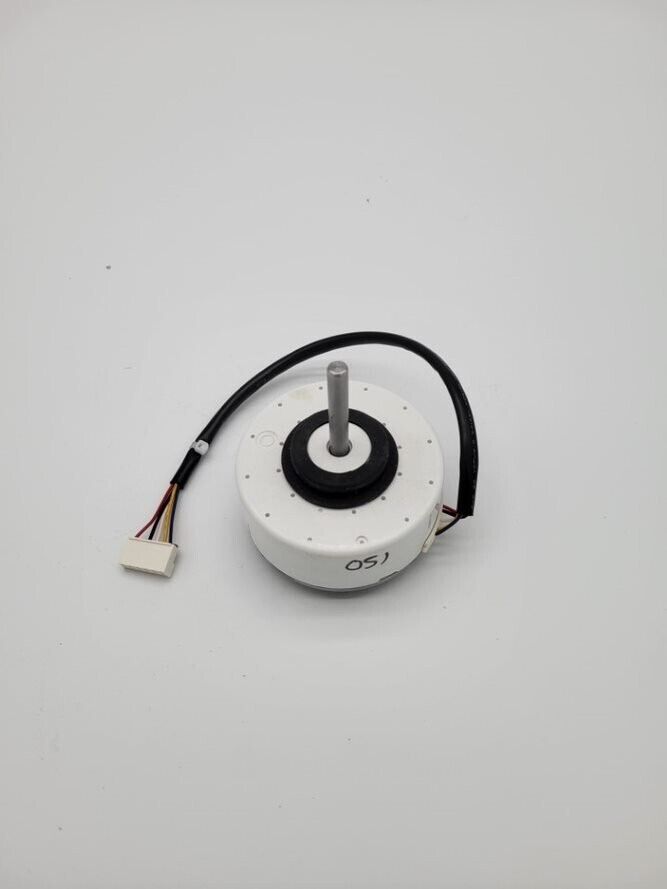
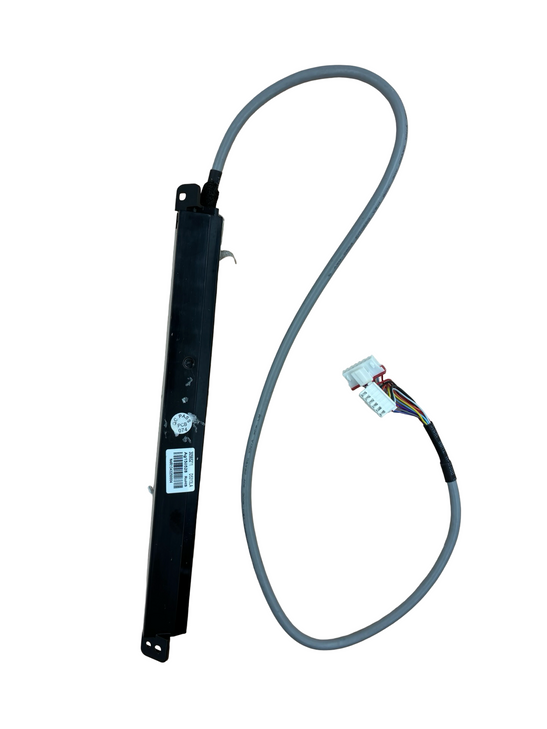
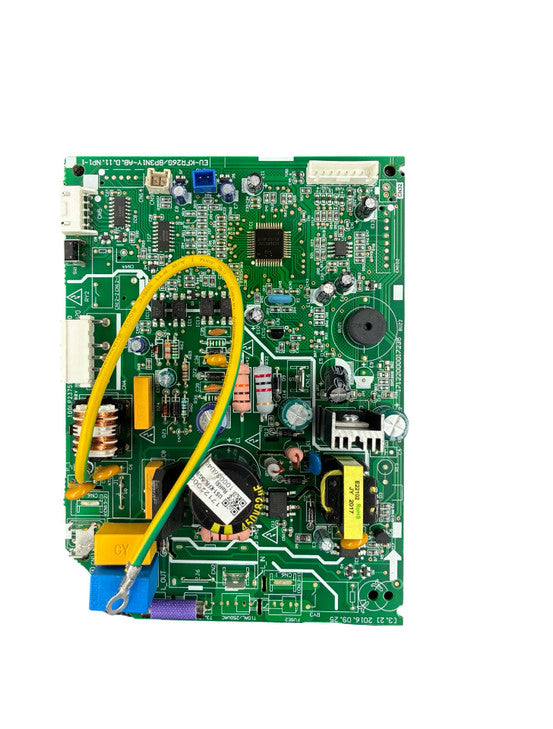
Maintenance and specialized electrical components also play a huge role in modern system performance. Items like reactors and high-performance fans are often overlooked until a failure occurs, but having these "van stock" items readily available can be the difference between a satisfied customer and a lost lead. Reactors help protect sensitive inverter boards from power surges and electrical noise, which is increasingly common in modern smart buildings. Similarly, replacing a worn-out fan motor with a high-efficiency version can restore airflow and system performance instantly, preventing the compressor from overheating and failing prematurely.
Navigating the Refrigerant Transition
Perhaps the most daunting task for HVAC contractors in 2026 is managing the ongoing transition in refrigerant technology. The industry has moved decisively away from R-410A, a long-time standard that is being phased out due to its high Global Warming Potential (GWP). In its place, the market is adopting low-GWP alternatives such as R-454B and R-32. This transition requires more than just new canisters of gas; it requires updated tools, new safety protocols, and a deep understanding of how these mildly flammable (A2L) refrigerants behave under different pressure and temperature conditions.
Educating your team and your customers on this transition is vital. Contractors must be prepared to explain why a newer system might require different maintenance procedures or why certain legacy parts are becoming more expensive and harder to find. This shift is not just a regulatory hurdle; it is an opportunity to sell newer, more efficient equipment that is designed specifically for these modern refrigerants. By positioning yourself as an expert in the R-410A phase-out, you become a trusted advisor to your clients rather than just a service provider.
HVAC Supplies is committed to being your primary source for these compatible parts and providing the expert support needed to navigate these technical changes. We understand that the transition to A2L refrigerants involves a learning curve, and we are here to ensure you have the equipment and information required to perform your job safely and effectively. Whether you are looking for compatible manifolds, leak detectors designed for A2L gases, or the latest heat pump models that utilize these eco-friendly refrigerants, we have the inventory to keep your business moving forward.
Your Partner in Professional Growth
In summary, the year 2026 represents a turning point for the HVAC industry. We have discussed the critical importance of high-efficiency equipment, from PTAC units to rooftop units. We have highlighted how essential "van stock" items like installation kits, brackets, and fans can revolutionize your workflow by enabling a first-visit fix and protecting your reputation for quality work.
Success in this new era of HVAC requires more than just technical skill; it requires a partnership with a supplier that is as dedicated to your growth as you are. At HVAC Supplies, we don't just sell parts—we provide the tools for your professional evolution.
Don't let the industry's changes catch you off guard.
Contact us today