























Spring Rain or System Strain? Why a Frozen Evaporator Coil Happens in Humid Weather
Share
HVAC SUPPLIES
Maintenance Alert ❄️
The Springtime Frost Paradox
Why your evaporator coil is freezing in the warm weather and how to fix it fast.
As the winter frost fades and the vibrant colors of spring begin to emerge, most homeowners transition their focus from heating to cooling. It is the time of year when we welcome the gentle spring rain and the rising humidity that signals the approach of summer. However, this transition period can be taxing on your air conditioning system. One of the most perplexing sights a homeowner can encounter on a warm, humid afternoon is a layer of ice encasing their indoor AC unit. While frost is a common sight in the dead of winter, seeing a frozen evaporator coil during the spring is a significant red flag that indicates your system is under immense strain.
This "Springtime Frost Paradox" is more than just a visual curiosity; it is a mechanical cry for help. When humidity levels rise, your air conditioner has to work twice as hard—not just to lower the temperature, but to remove moisture from the air. If the delicate balance of pressure, airflow, and temperature is disrupted, that moisture stops being drained away and starts turning into a block of ice. Understanding why this happens and how to address it is essential for anyone looking to maintain a comfortable home environment. At HVAC Supplies, we believe that an informed homeowner is a prepared one, and identifying these early warning signs can save you from a total system breakdown during the sweltering months ahead.
The Physics of the Freeze: How It Happens
To understand why a coil freezes, one must first understand the fundamental cooling process occurring inside your home. The evaporator coil is the heart of the indoor heat exchange process. As warm, humid air from your living space is pulled across the chilled fins of the coil, the refrigerant flowing through the copper tubing absorbs the heat. This process relies on a specific physical reaction: as the refrigerant absorbs heat, it changes from a cold liquid to a gas. Under normal operating conditions, the surface of the coil remains cold—usually around 40 to 50 degrees Fahrenheit—which is just cold enough to cause moisture in the air to condense into liquid water and drip into a primary drain pan.
The trouble begins when the temperature of the coil drops below the freezing point of 32 degrees Fahrenheit. This drop is typically caused by a disruption in the balance between the heat being absorbed and the refrigerant's ability to carry it away. If there isn't enough warm air passing over the coil to "feed" it heat, the refrigerant stays too cold, and the temperature of the metal fins plummets. In humid spring weather, the air is saturated with moisture. When this moisture hits a sub-freezing coil, it doesn't just condense; it flash-freezes. Layer by layer, this ice builds up, creating an insulating barrier that prevents any further heat absorption, eventually leading to a solid block of ice that chokes the entire system.
Common Culprits: Why Your Coil is Freezing Right Now
The most frequent cause of a frozen evaporator coil is restricted airflow. Your air conditioner requires a constant, high-volume stream of warm indoor air to keep the coil temperature above freezing. The primary gatekeeper of this airflow is your air filter. Over the winter and early spring, filters can become clogged with dust, pet dander, and pollen. A dirty filter acts like a wall, preventing air from reaching the evaporator coils. Without enough air to transfer heat, the coil temperature drops, and the freeze begins. Beyond the filter, airflow can also be choked by closed or blocked return vents. It is a common misconception that closing vents in unused rooms saves energy; in reality, it increases pressure within the ductwork and reduces the air volume passing over the coil, which can trigger a freeze-up.
"Another critical factor involves the refrigerant levels within the system. Many believe that refrigerant is 'used up' like gasoline in a car, but it is actually a closed-loop system. If refrigerant levels are low, it is almost certainly due to a leak. When refrigerant levels drop, the remaining liquid expands more than it should, which causes it to become much colder than intended."
This "super-cooling" effect brings the coil surface temperature well below freezing very quickly. If you have a heat pump condenser or a standard outdoor unit that hasn't been serviced in a while, a small pinhole leak in the copper lines could be the silent culprit behind your icy indoor unit.
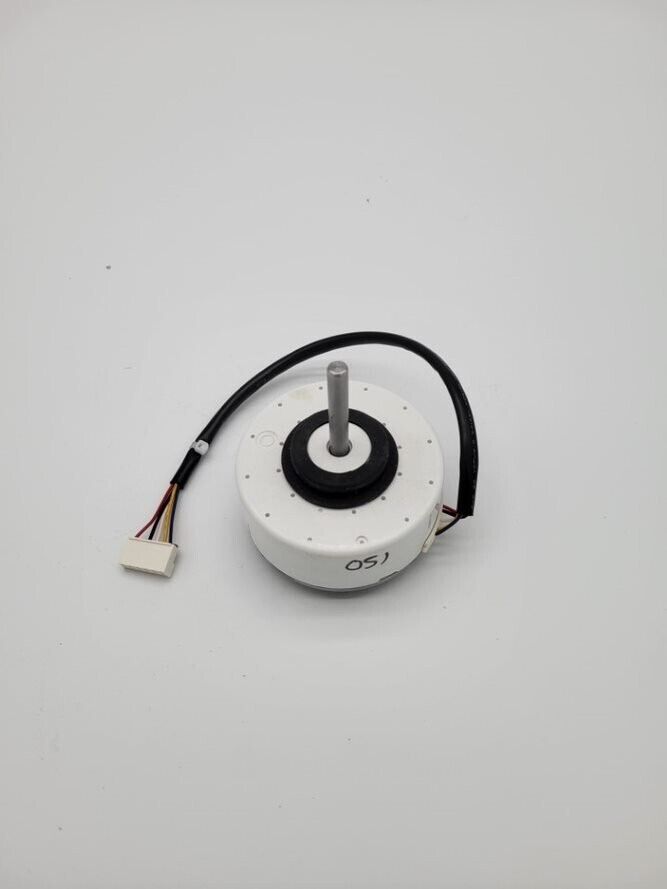
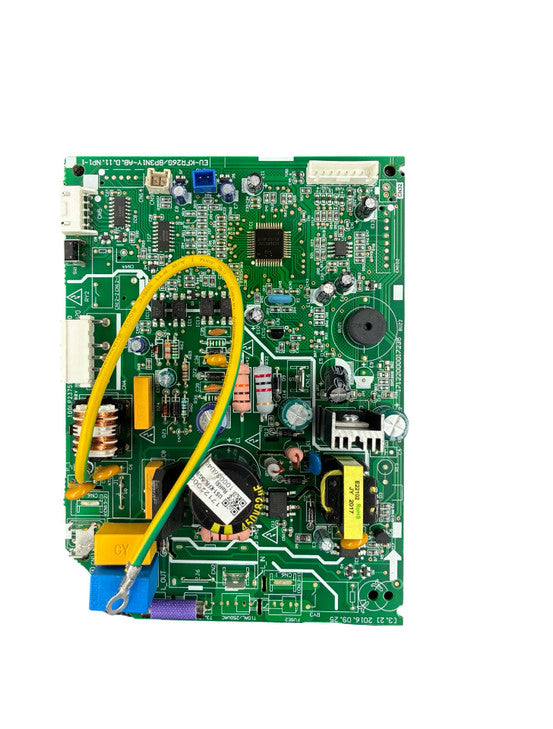
Mechanical failures within the indoor unit itself can also lead to a frozen state. The blower motor is responsible for pushing air across the coil. If the motor is failing, or if the motors and fans are weighed down by dirt and debris, the airflow velocity will drop significantly. Furthermore, components like control boards can malfunction, causing the compressor to run even when the fan is off, leading to a rapid and severe ice build-up. For those using specialized systems like mobile home furnaces or gas furnaces, ensuring the blower is matched to the cooling capacity of the coil is vital for preventing these seasonal headaches.
Immediate Action: What to Do When You See Ice
Step 1: Shut Down
Shut the system down completely at the thermostat. Continuing to run the compressor can cause 'slugging,' leading to permanent and expensive compressor failure.
Step 2: Fan Only
Switch your thermostat’s fan setting from "Auto" to "On." This keeps the indoor fans running to speed up the thawing process.
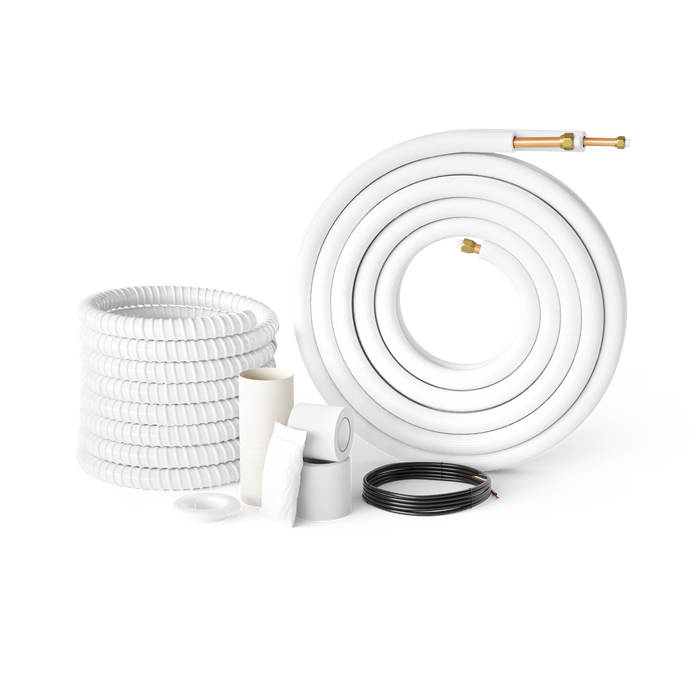
Be prepared for a significant amount of water. As the ice melts, the volume of water may exceed the capacity of your accessories and kits or the primary drain pan. It is wise to place towels around the base of the indoor unit to prevent water damage to your flooring or drywall.
While the system is thawing, take the opportunity to inspect your filtration. If the filter is dark, grey, or covered in a thick layer of dust, replace it immediately. You can find high-quality replacements and mini-split accessories to keep your airflow pristine. If the ice returns shortly after the system has thawed and the filter has been changed, you likely have a more serious issue, such as a refrigerant leak or a mechanical failure, and you should contact our technical team for professional guidance on the next steps.
Solutions & Replacements: Restoring Your System’s Health
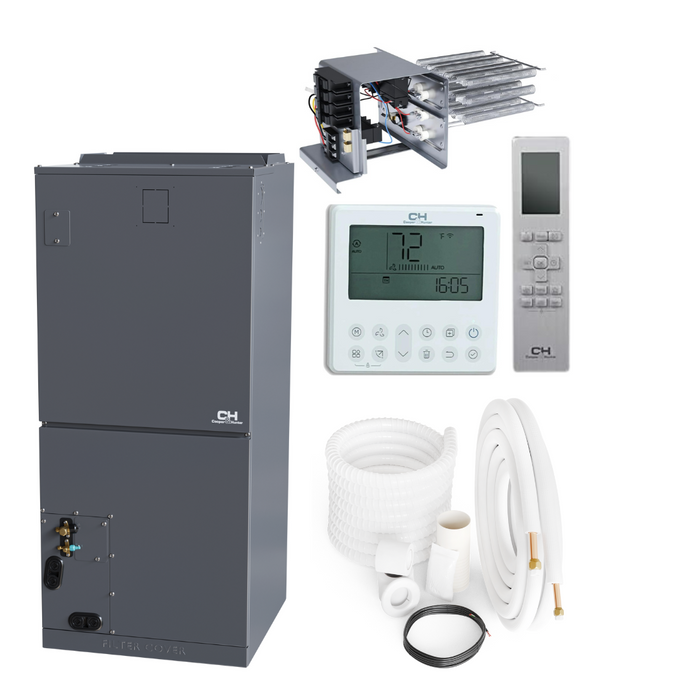
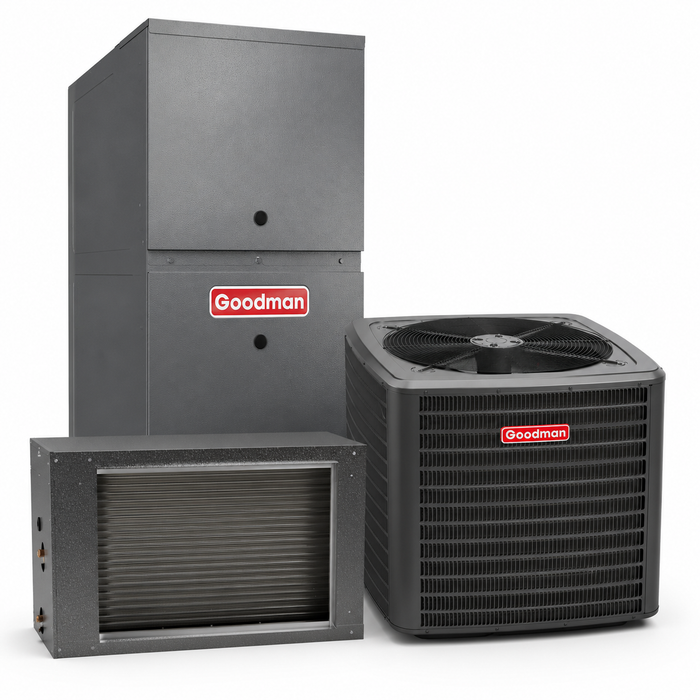
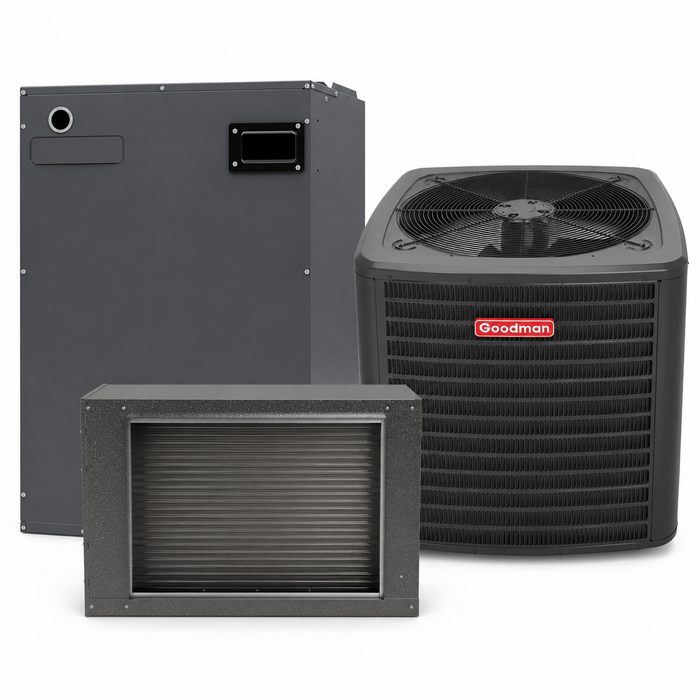
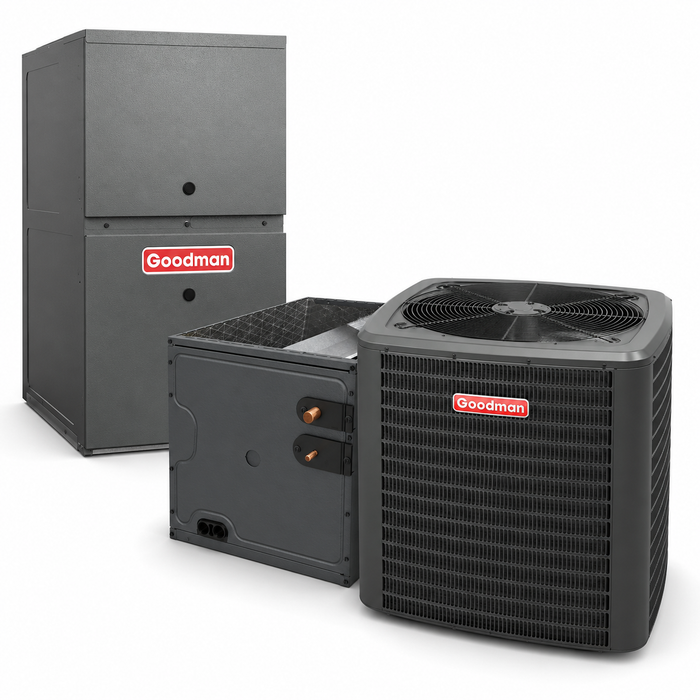
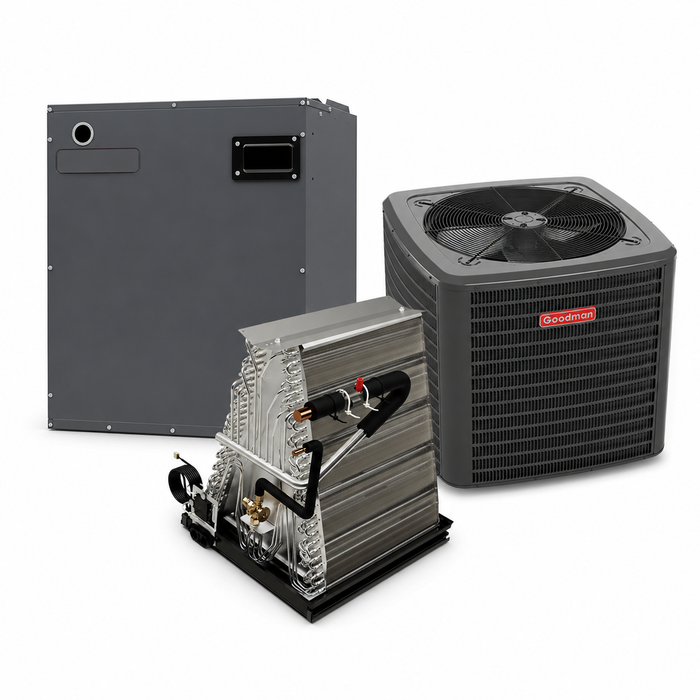
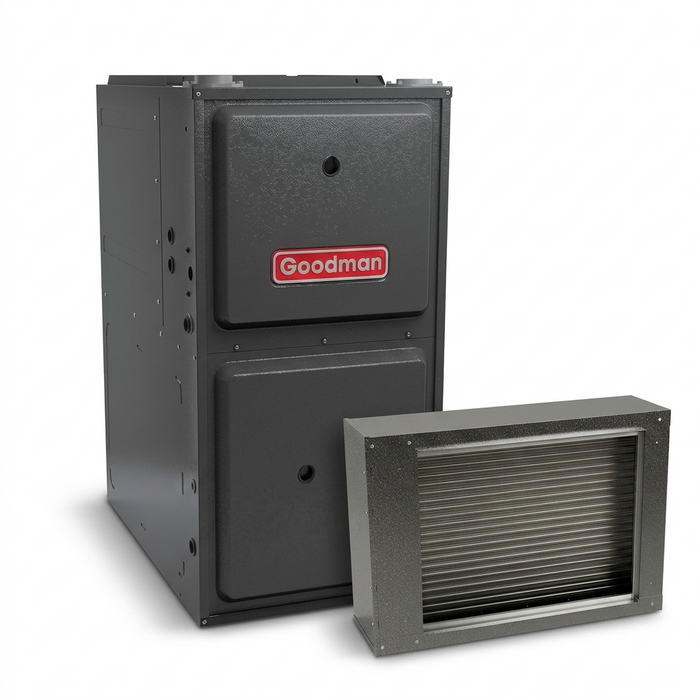
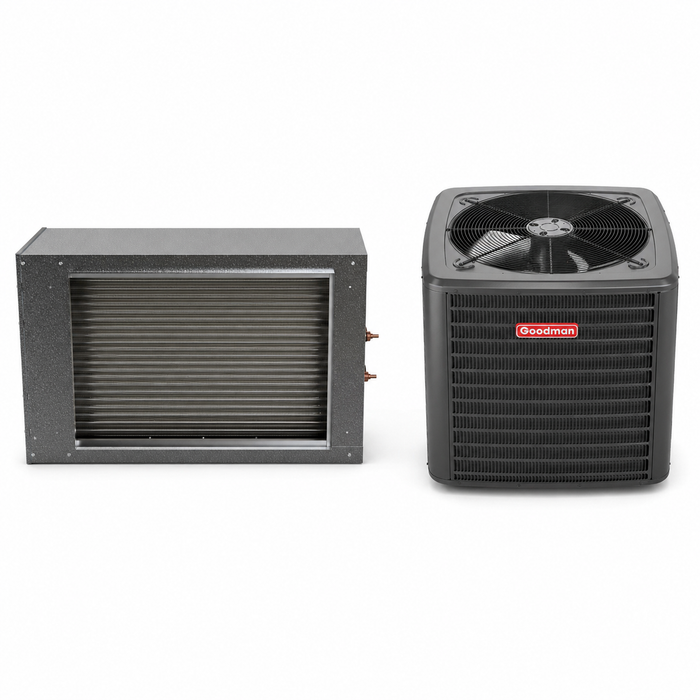
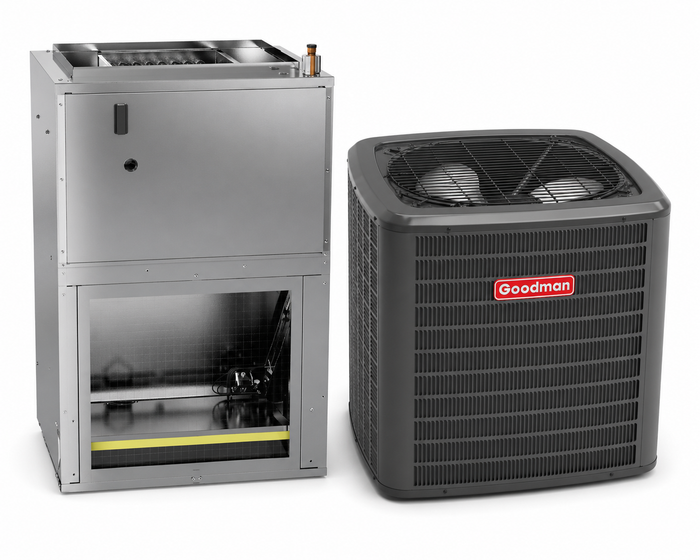
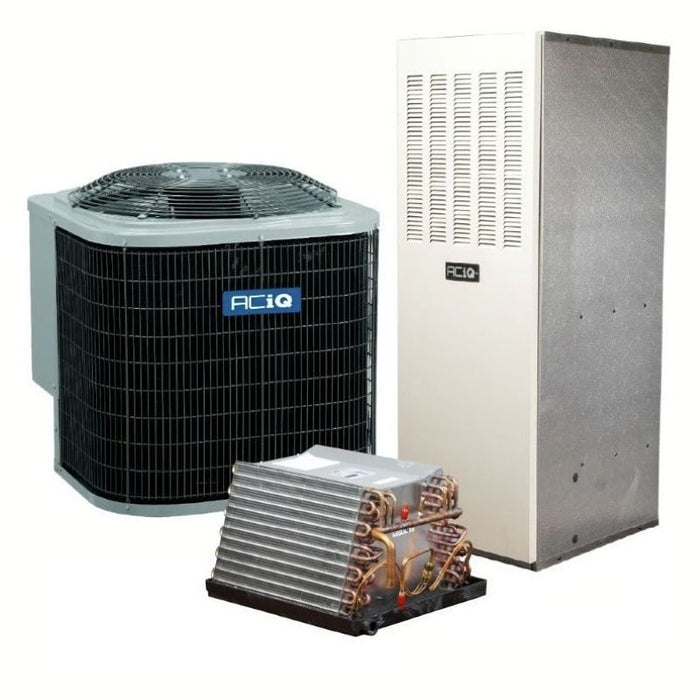
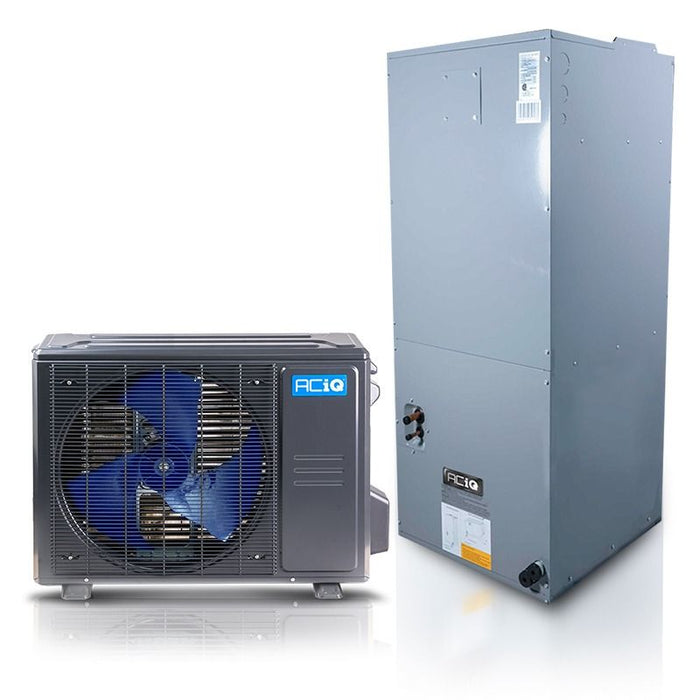
If your system is frequently freezing despite regular maintenance, it may be a sign that your components are reaching the end of their functional lifespan. For traditional split systems, we offer a comprehensive range of AC and coil systems designed to provide efficient heat exchange. If you are dealing with a mismatched or aging setup, upgrading to a modern heat pump and coil or a furnace and coil combination can ensure that your pressures and temperatures remain within the ideal operating range, even during the most humid spring days.
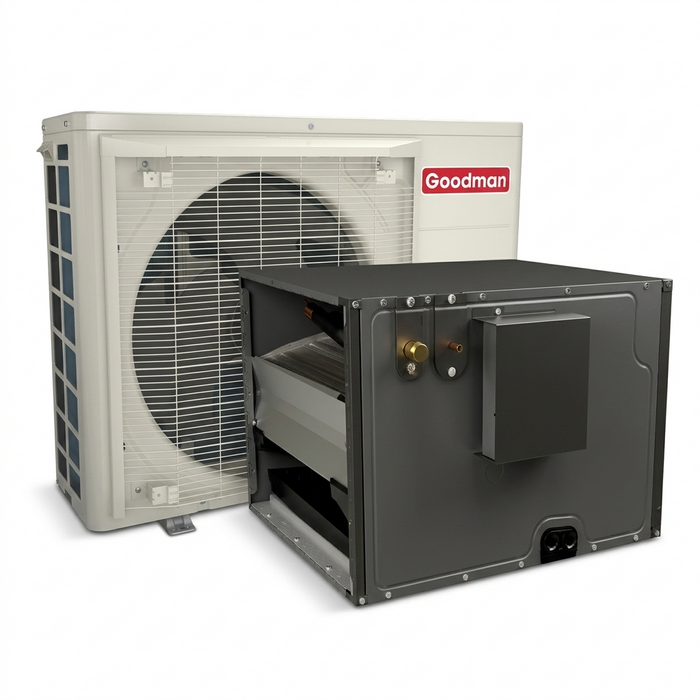
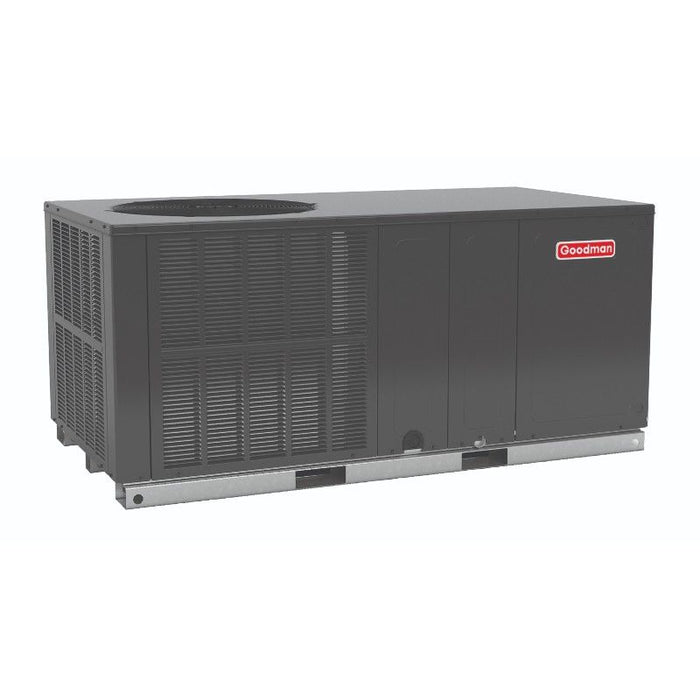
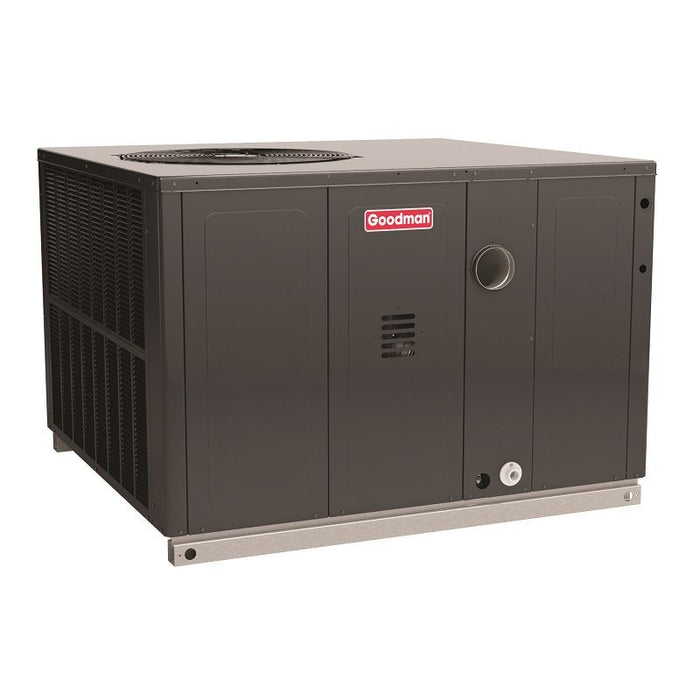
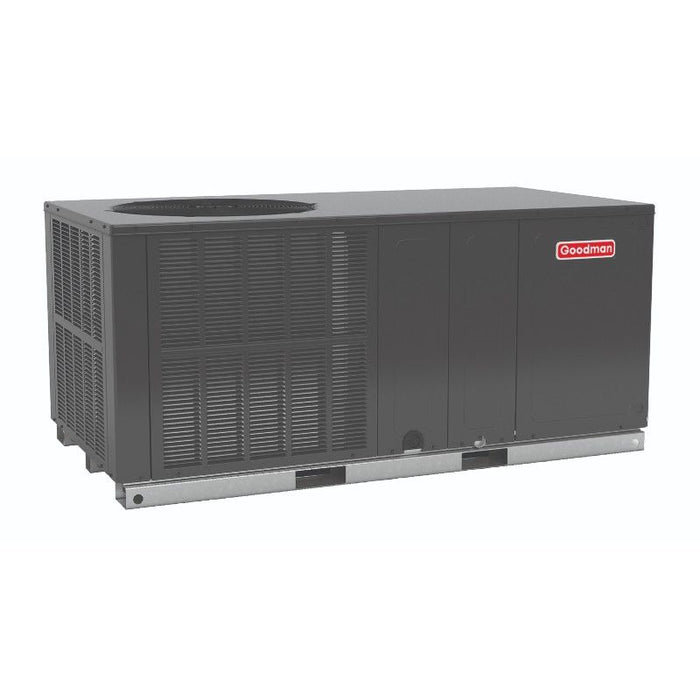
For those living in manufactured housing, specialized equipment is required to handle the unique ductwork and space constraints. We carry an extensive selection of mobile home components and mobile home accessories. If your current setup is failing, consider our mobile home AC and coil systems or mobile home packaged heat pump units. These systems are engineered specifically for the static pressure requirements of mobile homes, which is a major factor in preventing evaporator freeze-ups.
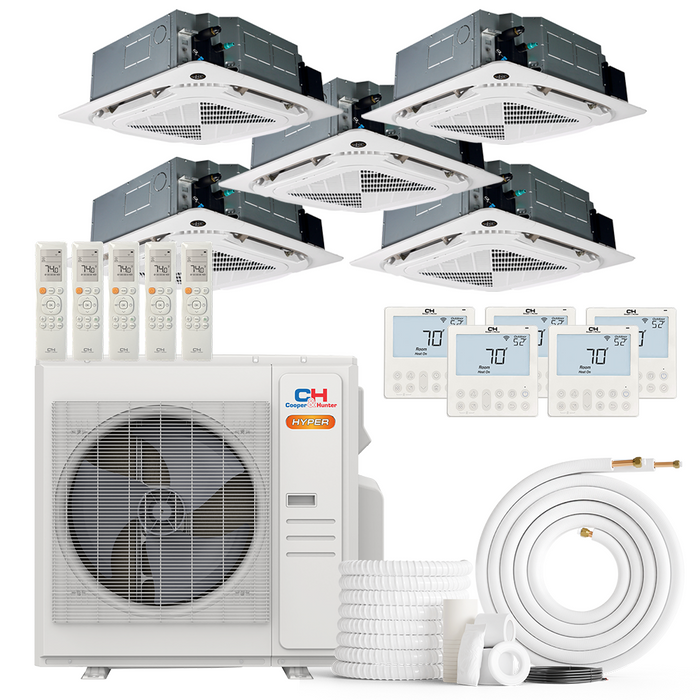
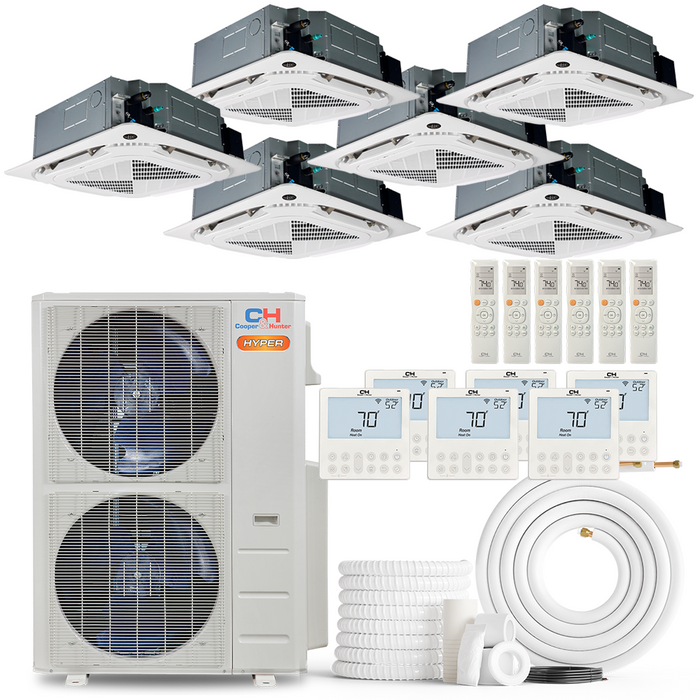
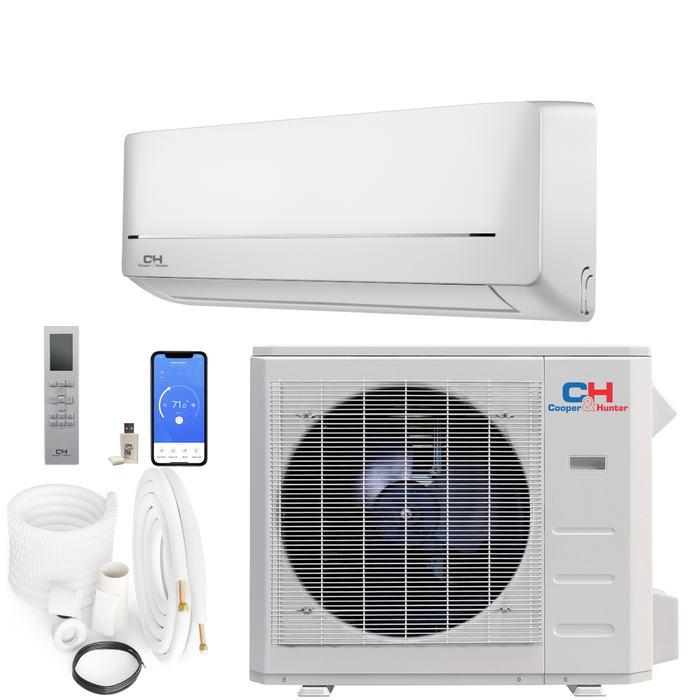
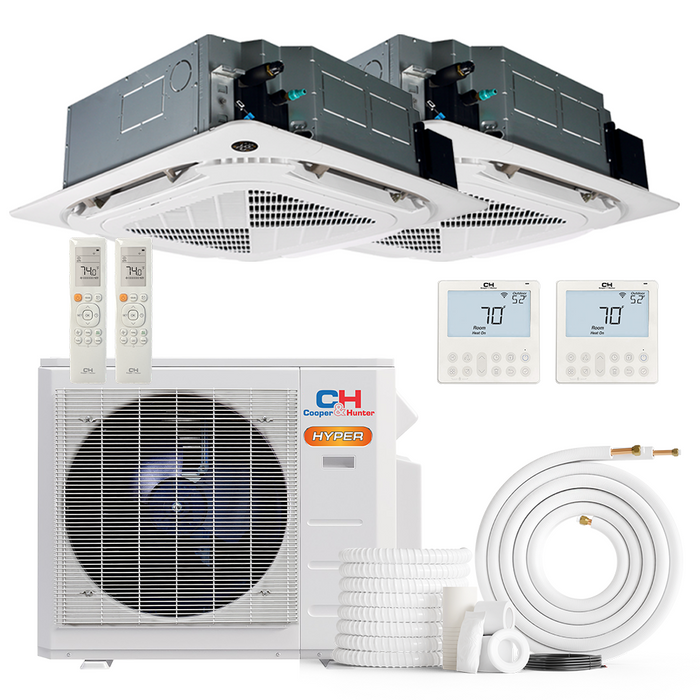
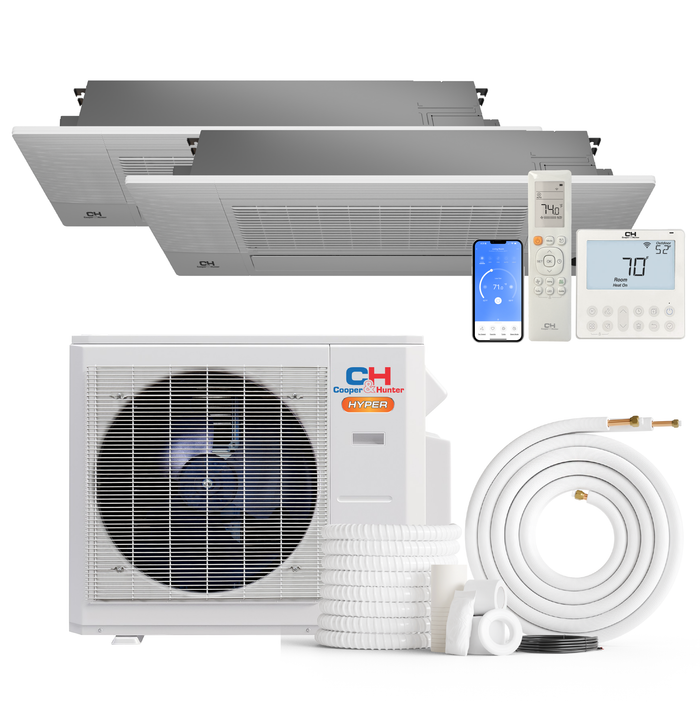
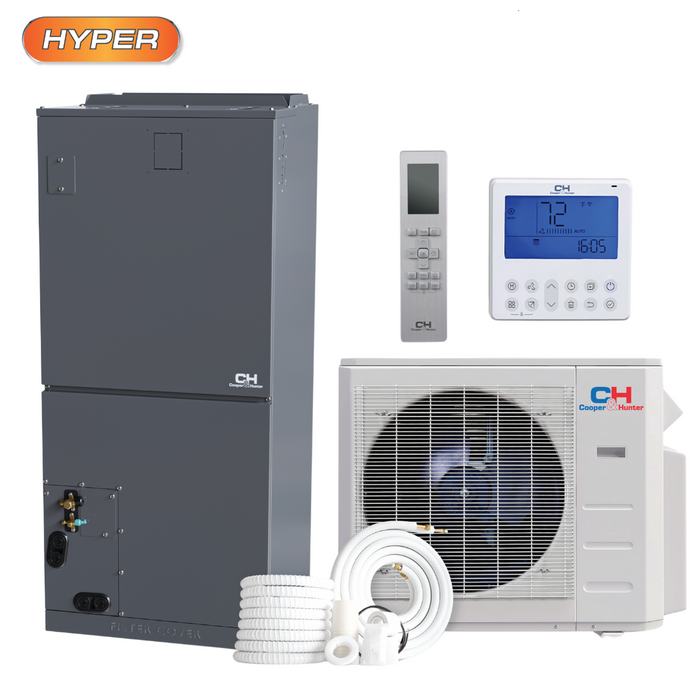
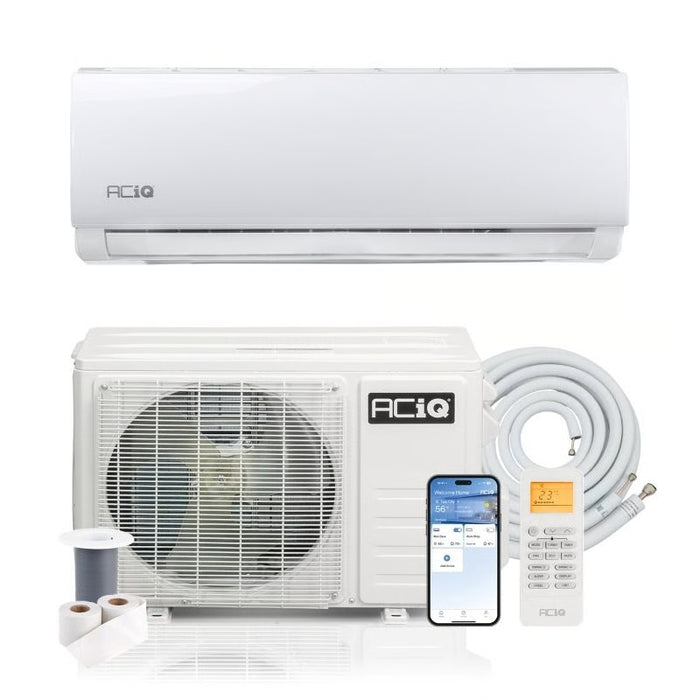
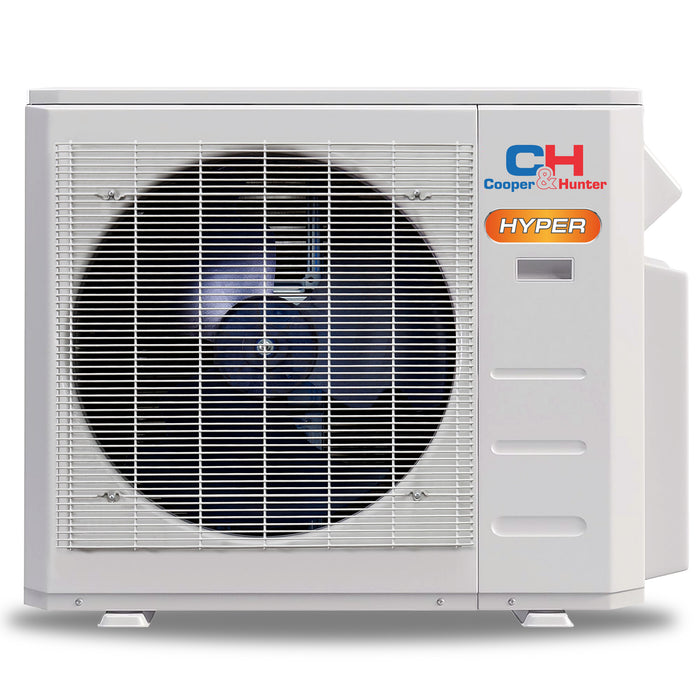
In modern homes, ductless technology has become a popular solution for zoned cooling. However, even these advanced systems are not immune to physics. Whether you are using wall mount units, four-way ceiling cassette units, or one-way ceiling cassette units, maintaining clean filters and proper refrigerant charges is essential. If you are looking to expand your current setup, our ductless multi-zone components include everything from hyper heat outdoor units to universal floor ceiling units, allowing for a tailored cooling experience that minimizes the risk of system-wide strain.
Deep Dive into Specialized Systems
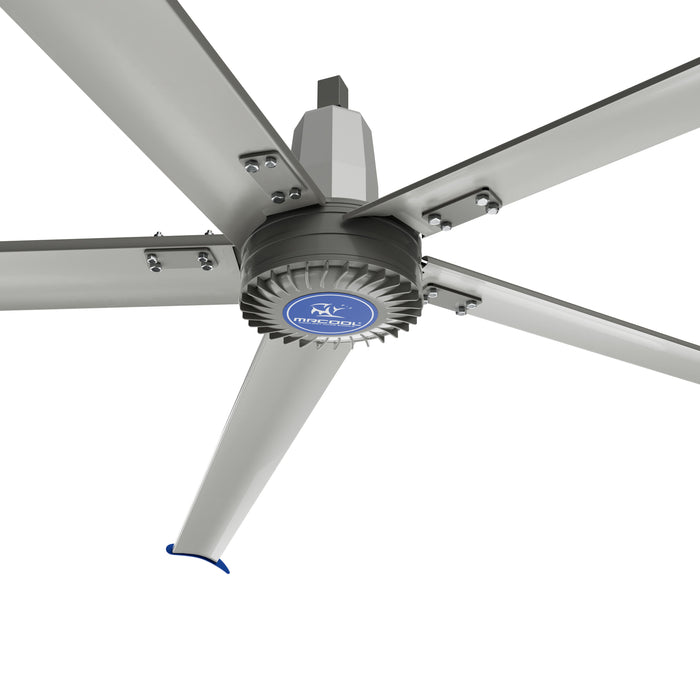
It is important to recognize that different types of HVAC systems have different vulnerabilities when it comes to frozen coils. For instance, commercial HVAC and light commercial mini-splits often deal with much higher volumes of air and moisture. In these environments, the use of HVLS fans can help improve air distribution, but the core issue remains the evaporator. Commercial packaged units and rooftop solutions are equally susceptible if not maintained properly.