























Preventing Summer Ceiling Leaks: Troubleshooting and Upgrading Your Mini Split Condensate Pump
Share
HVAC SUPPLIES
Condensate Drainage Guide
Managing Mini-Split Condensate: Preventing Summer Drainage Emergencies
The arrival of peak summer brings a heavy reliance on home climate control systems. As temperatures and outdoor humidity levels rise, a mini-split system works continuously to keep your living spaces cool and dry. While most homeowners focus on the pleasant drop in indoor temperature, a critical and largely invisible process occurs right behind the plastic louvers of the indoor air handler. As warm, humid air passes over the freezing evaporator coils, moisture rapidly condenses out of the air. This process removes gallons of water daily from your indoor environment, which must be collected and safely routed out of your home.
When a ductless indoor unit is mounted on an exterior wall, removing this water is straightforward. A simple gravity drain line can be routed through the wall directly to the outside. However, architectural constraints frequently require indoor units to be installed on internal walls, over structural beams, or in basements where a downward slope to the outside is impossible. In these specific layouts, a small but vital mechanical component known as a mini split condensate pump is integrated into your system. This component collects the draining water and pumps it upward or across a distance through flexible tubing to reach a proper drainage point.
Because these components are hidden from view within the indoor casing or lineset decorative molding, they are often forgotten until something goes wrong. A failure during a hot, humid week can quickly escalate from a minor nuisance into a household emergency. When a pump fails, the water overflowing from the internal drain pan has nowhere to go but down, soaking your interior drywall, ruining paint, and threatening structural ceilings. Understanding how these drainage systems function, diagnosing early signs of trouble, and knowing where to source premium replacements from HVAC Supplies can save you from costly emergency home repairs.
Anatomy of a Leak: Why Condensate Pumps Fail
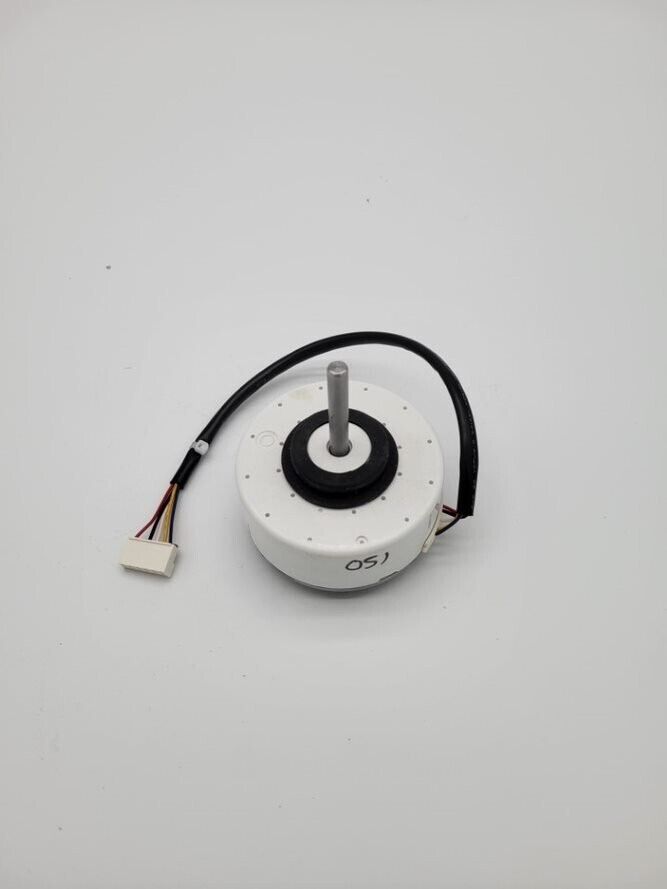
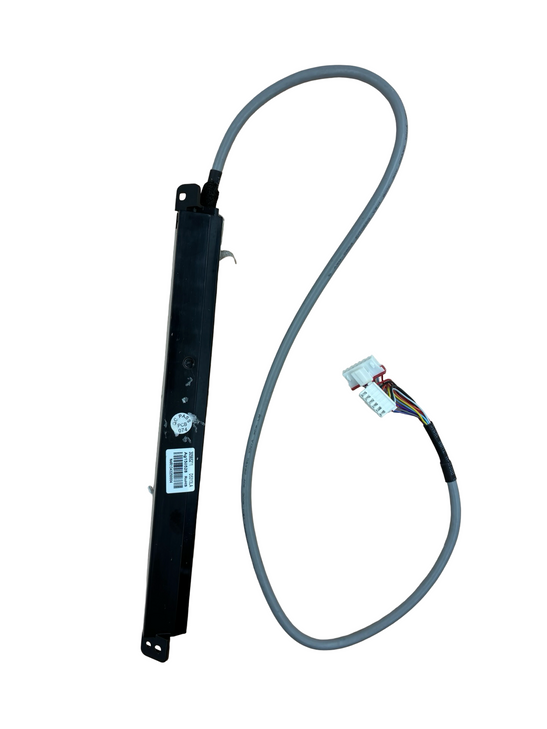
To effectively troubleshoot your system, it helps to understand the mechanical and environmental factors that impact these compact drainage assemblies. A mini-split drainage setup consists of two primary parts: a detection reservoir containing a floating mechanism and the actual motorized pump. As water drains from the cooling coils into the reservoir, the water level rises and lifts an internal float. Once this float reaches a specific height, it closes an electrical circuit that signals the pump motor to activate and clear the chamber.
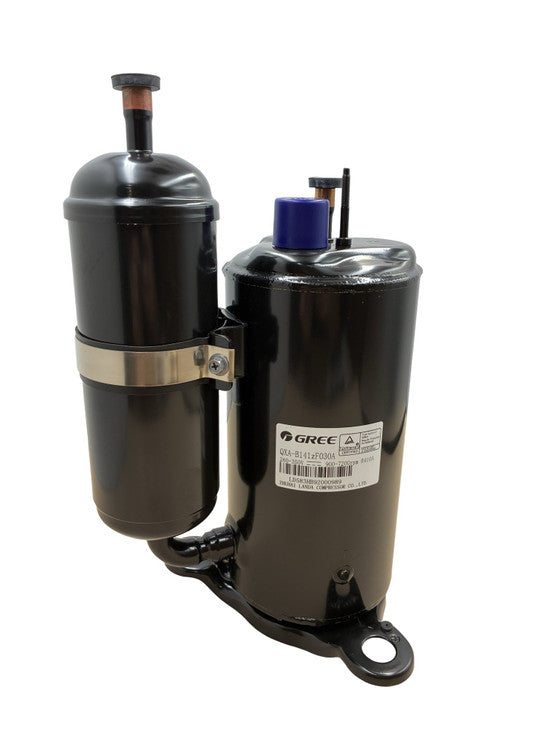
Because these components are engineered to fit within narrow modern casings, their internal tolerances are exceptionally tight. The primary cause of pump failure is mechanical wear from seasonal operation. Over months of continuous running, the small internal valves, check mechanisms, and motor seals gradually wear down, reducing the pump's lifting capacity or causing the motor to seize entirely. If your system is several years old and begins making a clicking or grinding noise, the mechanical assembly may be reaching the end of its reliable operational life.
COMMON PATHWAYS TO PUMP FAILURE
│
▼
[ Mechanical Wear ] ──► Seized Motor ──► Silent Overflow
│
▼
[ Bio-Sludge / Algae ] ──► Stuck Float Switch ──► Continuous Leakage
│
▼
[ Electrical Fault ] ──► No Power Signal ──► Immediate Drain Flood
Beyond standard wear and tear, the environment inside a dark, damp cooling reservoir creates ideal conditions for biological growth. Dust, pollen, and pet dander pass through air filtration screens and settle on wet evaporator surfaces, eventually washing down into the pump reservoir. This mixture of water and household dust forms a thick slime or bio-sludge. This accumulation can coat the mechanical float, weighting it down so it cannot rise to activate the motor, or pinning it in an open position so the pump runs dry until it burns out.
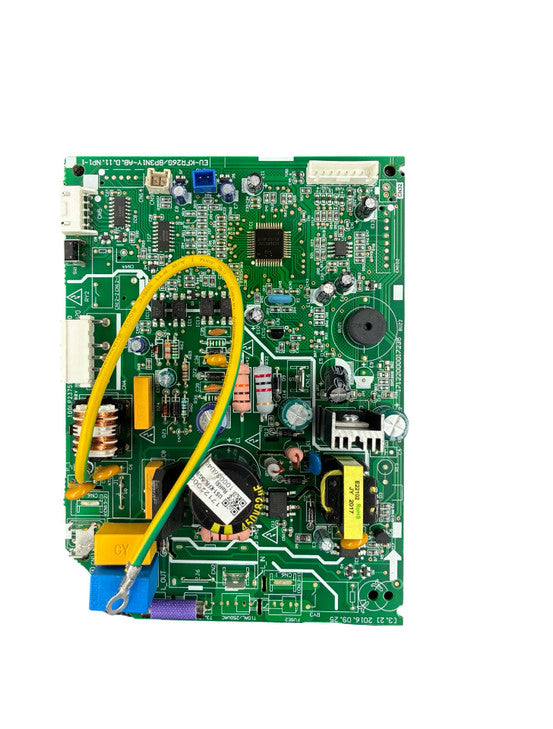
Electrical control disruptions are another common point of failure. Because these systems are wired directly into the main control circuit of the indoor air handler, any sudden voltage spike or loose connection can disable the drainage motor. Many modern pumps feature a secondary safety overflow switch designed to cut power to the entire air conditioning unit if the water level rises too high. However, if this safety circuit was incorrectly wired during installation, the indoor unit will continue to generate condensation even after the pump stops working, leading to a major ceiling leak.
Step-by-Step DIY Troubleshooting Protocol
If you discover water pooling beneath your indoor unit or notice discoloration along a ceiling seam, acting quickly can help minimize damage to your home. Before calling a professional contractor, you can perform a basic diagnostic check to see if the issue is a simple physical blockage or a complete mechanical failure. Always begin by shutting off power to the entire HVAC system at your main electrical service panel or outdoor disconnect switch to ensure safety while inspecting internal electrical connections.
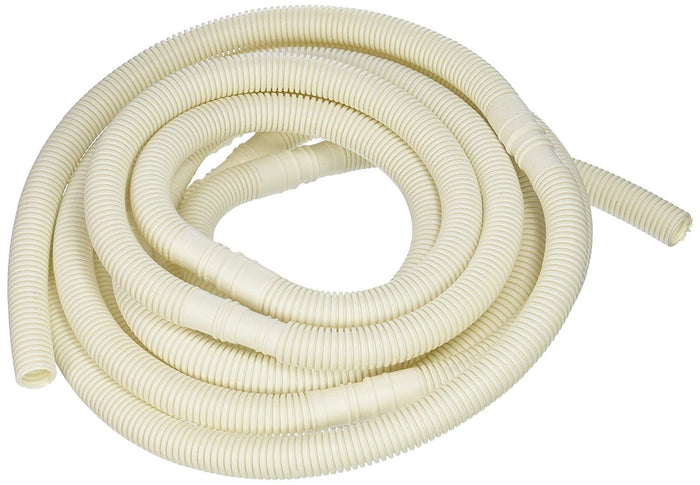
Once the system is safely powered down, carefully remove the outer plastic shroud of the indoor air handler to access the primary drain pan and the pump reservoir. Look closely for any obvious signs of standing water or overflow paths along the back of the chassis. Locate the small clear or opaque plastic lineset tubing that routes out from the discharge side of the pump. If you notice large air bubbles or dark sludge inside the line, a stubborn physical blockage is likely preventing water from moving through the tube.
DIY DIAGNOSTIC FLOW
│
▼
[ STEP 1: SAFETY DISCONNECT ] ──► Disconnect main system breaker power.
│
▼
[ STEP 2: VISUAL OVERVIEW ] ──► Remove plastic cover; check lines for sludge.
│
▼
[ STEP 3: RESERVOIR FLOAT TEST ] ──► Add clean water manually to check switch action.
│
▼
[ STEP 4: LINE PURGE ] ──► Flush discharge tubes with a wet-dry vacuum.
To test the operation of the float mechanism, manually add a cup of clean water directly into the cooling coil drain pan and watch it flow into the pump reservoir. Restore power briefly to observe the system's response. If the water level rises but the pump remains silent, the internal float may be stuck by slime or the motor windings may have failed. If you hear the motor hum but the water level does not drop, the pump is likely struggling against an airlock or a blocked discharge line.
To clear a suspected line blockage, disconnect the flexible discharge tubing from the pump outlet and attach it to a standard household wet-dry vacuum cleaner. Using a vacuum to clear the line can safely dislodge built-up algae and slime without damaging the delicate check valves inside the pump housing. Flush the line with a mixture of warm water and mild dish soap to clear out any remaining debris, ensuring the line remains completely open for the rest of the summer season.
When to Replace: Choosing the Right Parts & System Upgrades
When a condensate pump suffers an internal motor failure or a broken float assembly, replacing the worn component is usually the most practical and cost-effective solution. Attempting to repair tiny internal micro-switches or worn plastic impellers can be difficult and often leads to repeated failures. Sourcing a dependable replacement through specialized online channels gives you access to commercial-grade hardware designed to operate quietly and reliably.
When browsing for replacement parts, matching the performance specs of your existing unit is key. You need a pump with adequate lift capacity (vertical head) to easily move water from your indoor unit to its exterior discharge point. Exploring the comprehensive catalog of specialized mini splits accessories or searching the general parts and accessories section at HVAC Supplies helps you find high-quality components designed to integrate smoothly with your existing system layout.
System Replacement Architecture
| Current Infrastructure | Target System Option |
|---|---|
| Ductless Zoning Overhaul | [6 zone wall mount aciq] System |
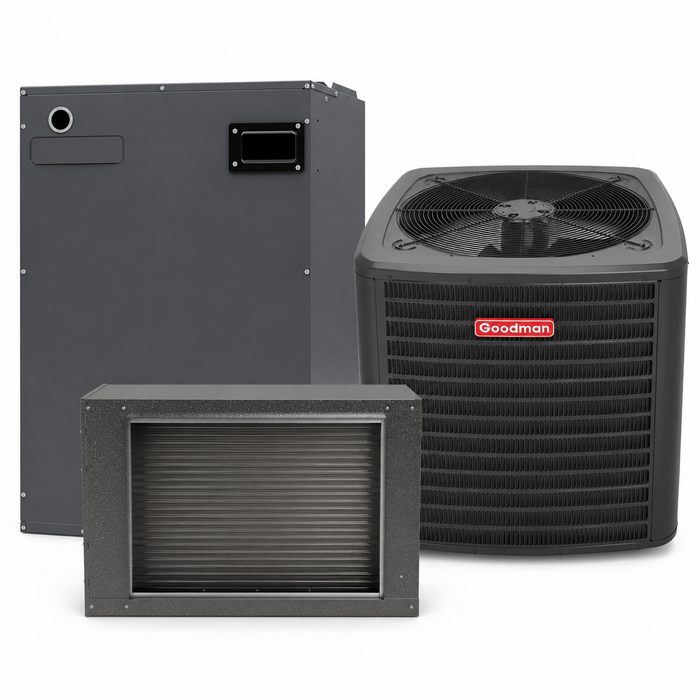
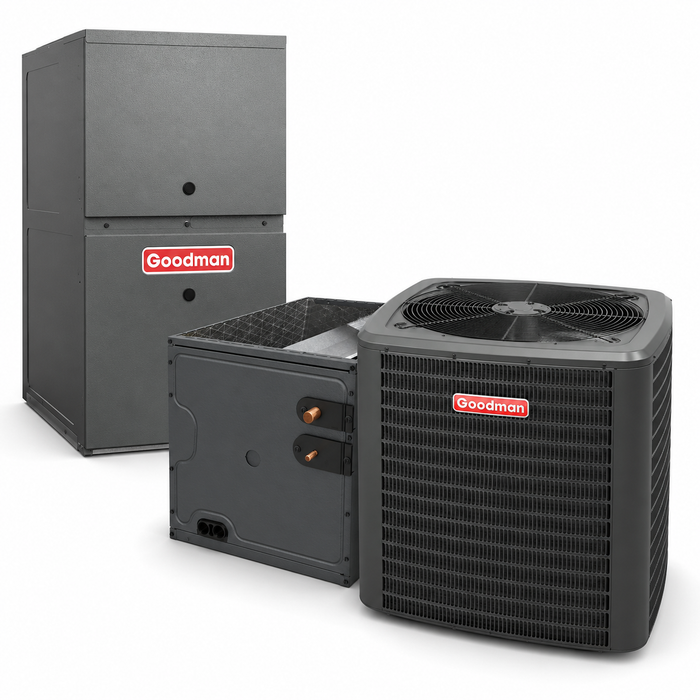
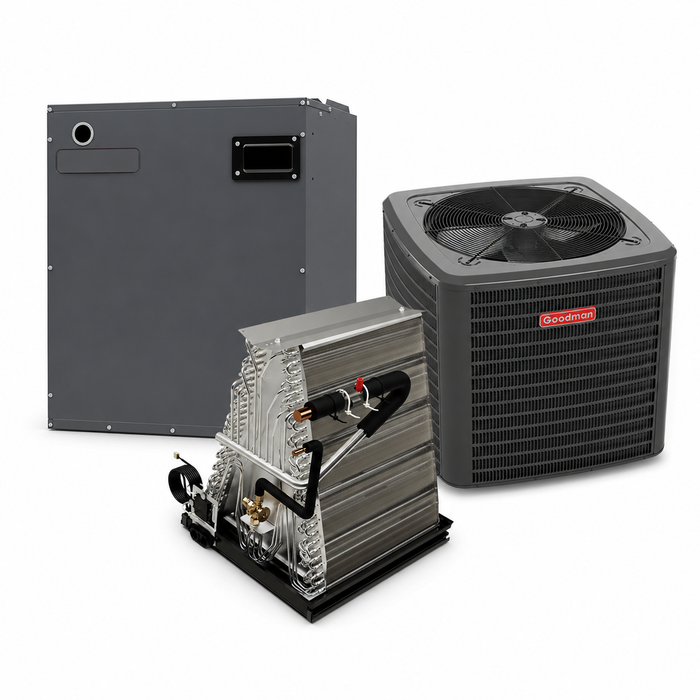
| Standard Residential Update | [ac plus coil] Matching Set |
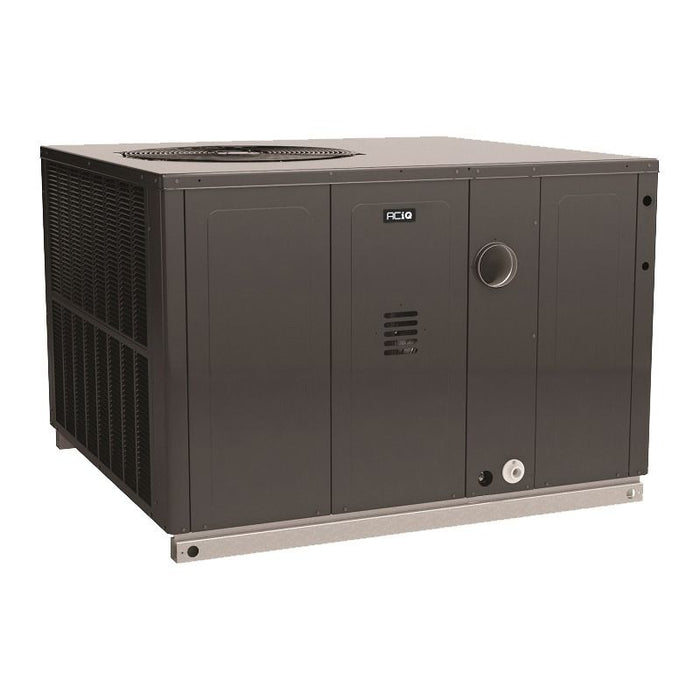
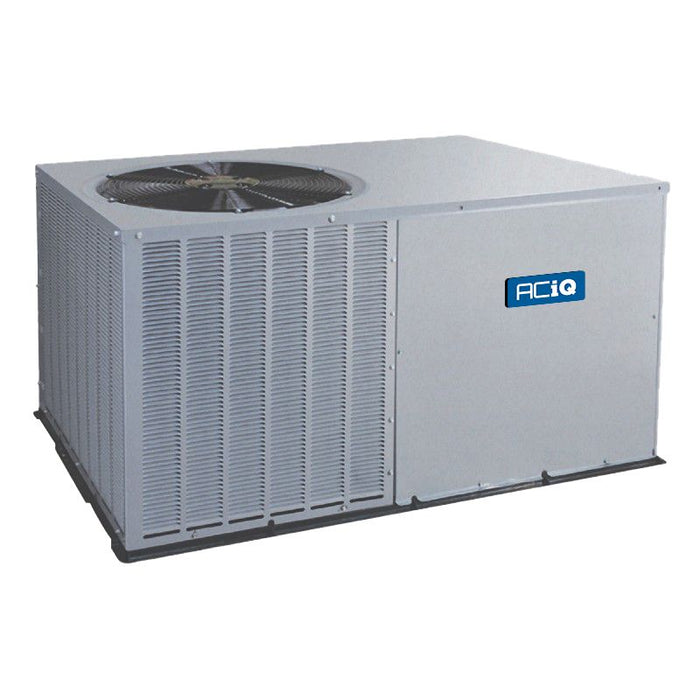
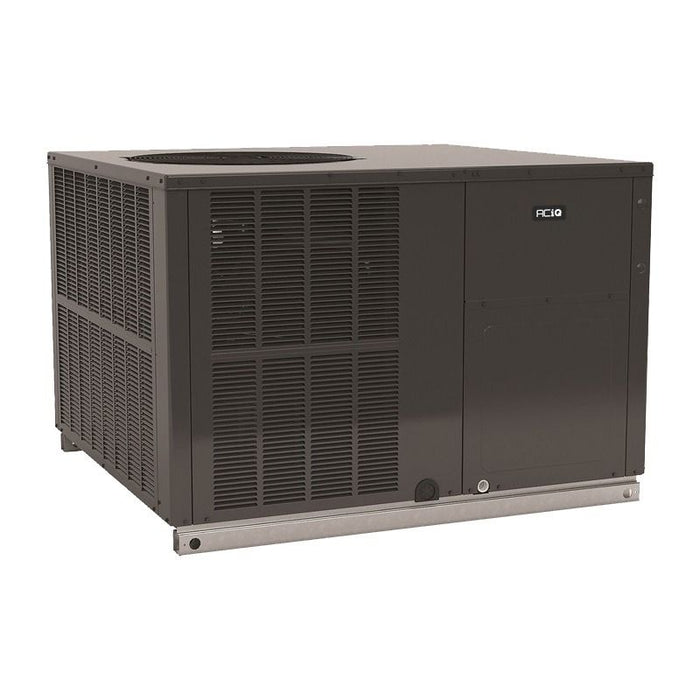
| Manufactured Structural Plan | [mobile home ac and coil systems] |
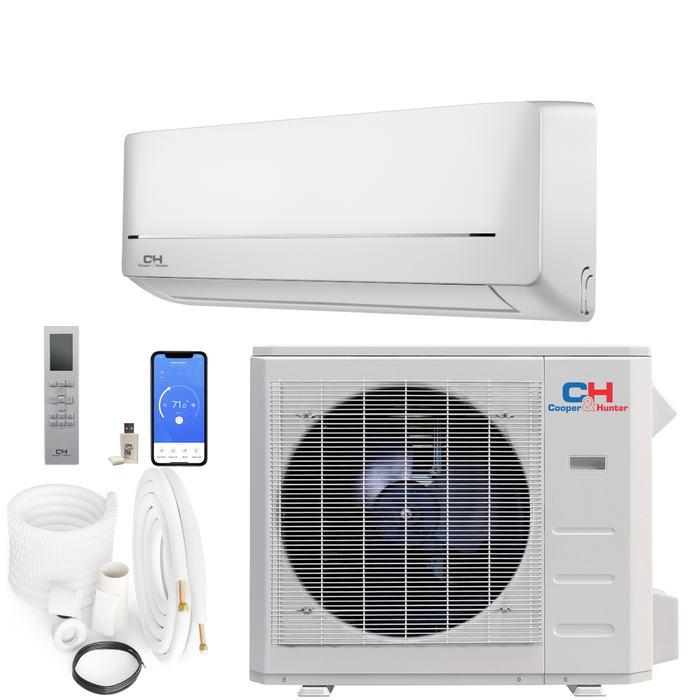
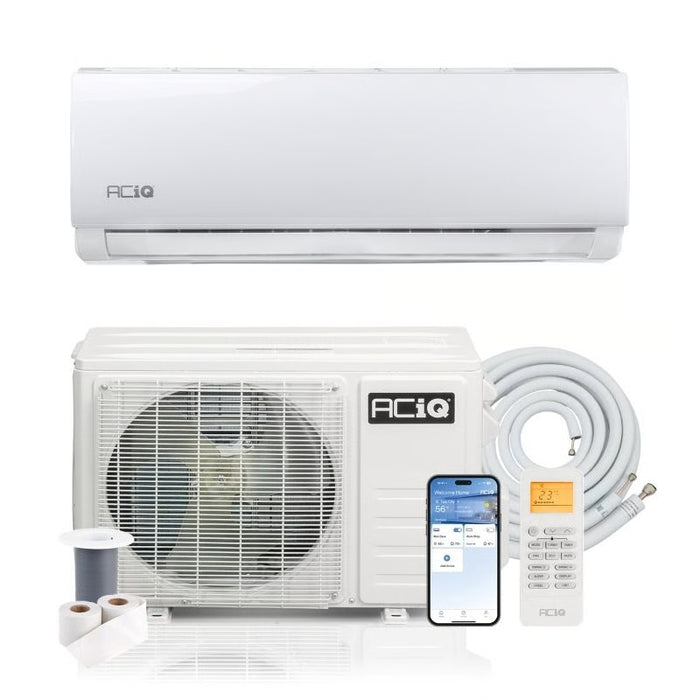
If your drainage issues are part of a larger pattern of system failures with an older, inefficient air conditioner, a complete equipment upgrade may be your best path forward. For larger homes or multi-room layout adjustments, installing a comprehensive multi-zone setup provides reliable climate control and modern drainage configuration. Choosing a comprehensive 6 zone wall mount system allows you to manage temperatures across six different rooms independently. You can select from various capacity ranges to suit your property, including 6 zone wall mount 36k-48k, 6 zone wall mount 48k-60k, or 6 zone wall mount 60k-72k configurations.
Investing in a premium brand ensures excellent long-term reliability and efficient operation. Choosing a smart inverter-driven 6 zone wall mount aciq system gives you access to advanced diagnostic features and durable internal components. Homeowners looking for easy installation can look to a 6 zone wall mount mrcool setup, while those prioritizing rugged construction can opt for a 6 zone wall mount cooper and hunter system to keep their home comfortable through changing seasonal conditions.
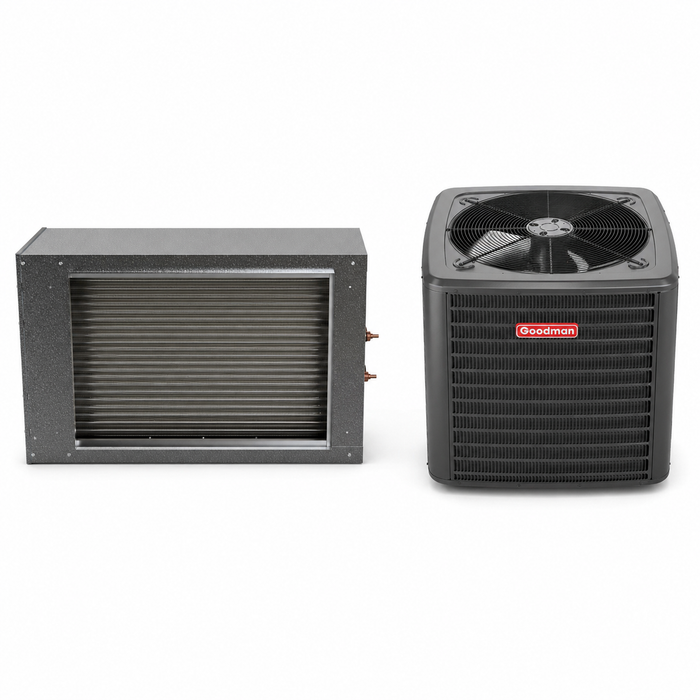
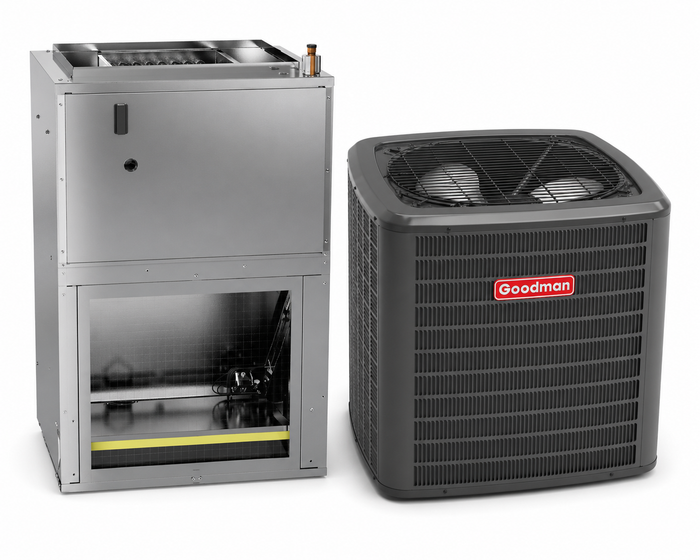
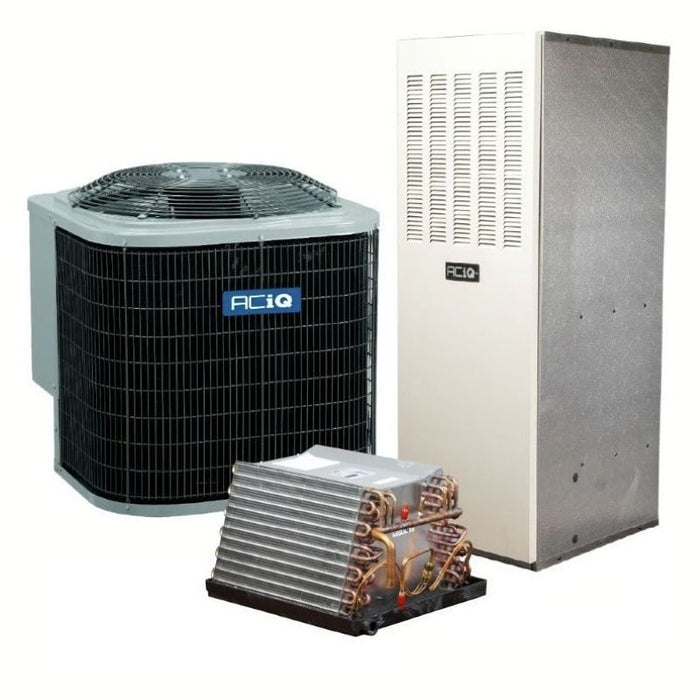
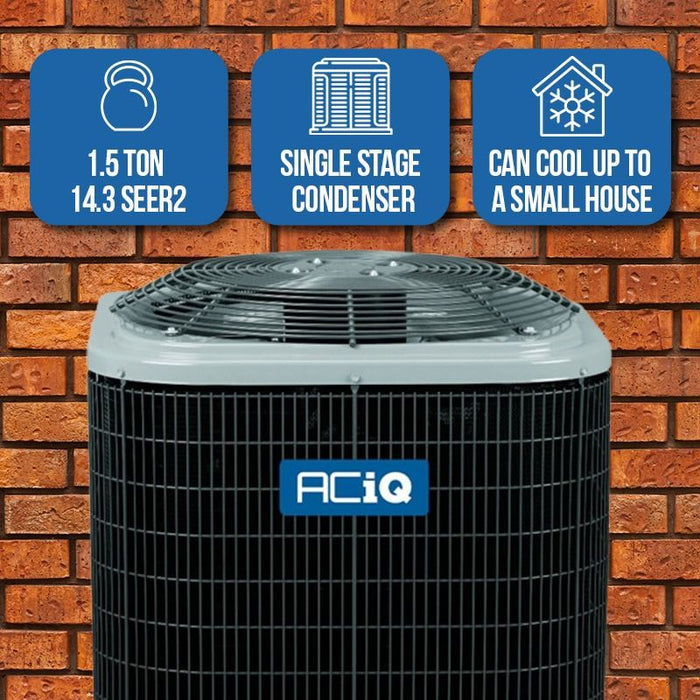
For homes with traditional, functional ductwork networks already in place, upgrading your central air conditioning components can significantly boost efficiency. You can explore a matching ac plus coil combination to ensure your entire system operates at its rated efficiency. These ducted matching systems are available across multiple residential capacity tiers, including:
ac plus coil 15k-18k
Efficient small space central cooling setup.
ac plus coil 18k-24k
Balanced ducted configuration for medium rooms.
ac plus coil 24k-30k
Consistent temperature control for residential homes.
ac plus coil 30k-36k
Optimized energy efficiency for larger floor plans.
ac plus coil 36k-48k
Robust output capacities for whole-home cooling.
ac plus coil 48k-60k
Heavy-duty domestic HVAC performance package.
ac plus coil 60k-72k
Maximum ducted comfort for premium residential builds.
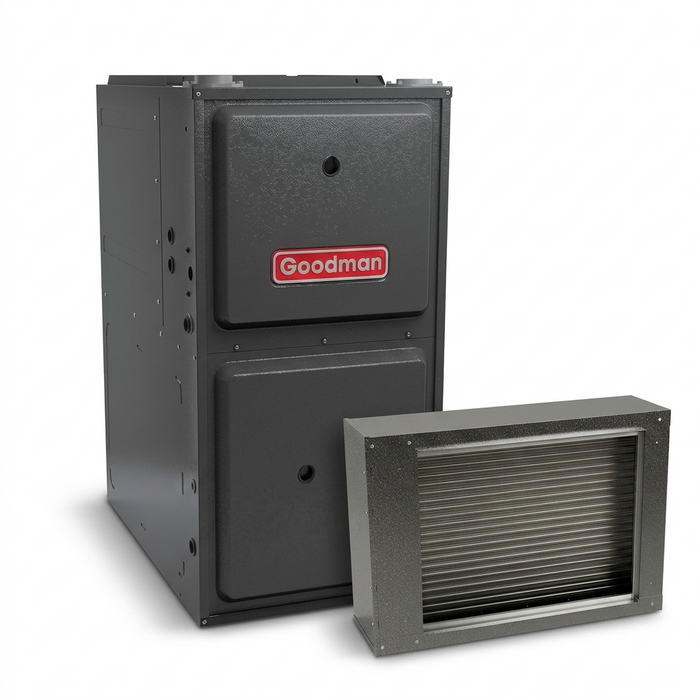
To achieve top-tier performance from your ducted configuration, selecting a premium ac plus coil aciq assembly ensures your system features durable coil designs and excellent thermal exchange properties. If your modifications include updating indoor air flow handlers, integrating brand-specific evaporator coils aciq guarantees correct fitment and limits internal static pressure drop. For year-round climate needs, combining your cooling updates with a high-efficiency furnace plus coil aciq setup or an all-season eco-friendly heat pump plus coil aciq system ensures reliable performance through every season.
Regional Climate Profiles & Condensation Demands
The volume of condensation your cooling system generates depends heavily on your local climate. In the American Sun Belt, sustained humidity levels place an immense load on air conditioning drainage systems. Homeowners utilizing miami fl mini splits often see their systems extract multiple gallons of water daily from the air, making a reliable drainage configuration absolutely essential. Further west, systems sourced through austin tx mini splits, san antonio txmini-splits, and dallas tx mini splits face extreme summer heatwaves that demand continuous operation, making dependable components critical for avoiding unexpected leaks.
Regional Weather Stratification
| Regional Zone | Climate Challenge | Drainage Impact |
|---|---|---|
| Gulf Coast / Florida | Tropical Humidity | Maximum Fluid Volume |
| Texas / Southwest | Sustained Heatwaves | Continuous Operation |
| Midwest / Northeast | Wide Seasonal Swings | Variable Debris Load |
| Pacific Coast | Microclimate Shards | Variable Output Loads |
Along the Pacific Coast, varied microclimates introduce different cooling and drainage demands. Properties using los angeles ca mini splits or san diego ca mini splits often experience coastal humidity variations that require responsive drainage systems. In northern tech and agricultural hubs like san jose ca mini splits, san francisco ca mini splits, and fresno ca mini splits, older homes without pre-existing ductwork rely heavily on well-maintained mini-splits to provide efficient climate control. Even in the historically milder Pacific Northwest, hot summer spikes have made setups like portland or mini splits and seattle wa mini splits necessary additions for home comfort.
In the Midwest and Northeast, systems must handle both high summer humidity and freezing winter conditions. Industrial and lakefront regions around chicago il mini splits and aurora il mini splits experience wide seasonal temperature swings that accelerate wear on external lines and drainage accessories. Similarly, coastal humidity and harsh winter freeze cycles near boston ma mini splits and worcester ma mini splits require regular maintenance of external discharge tubing. Meanwhile, urban properties using buffalo ny mini splits and new york city ny mini splits rely on dependable condensate management to protect interior spaces and historic structures from water damage.
Flexible Architectural Configurations for Modern Homes
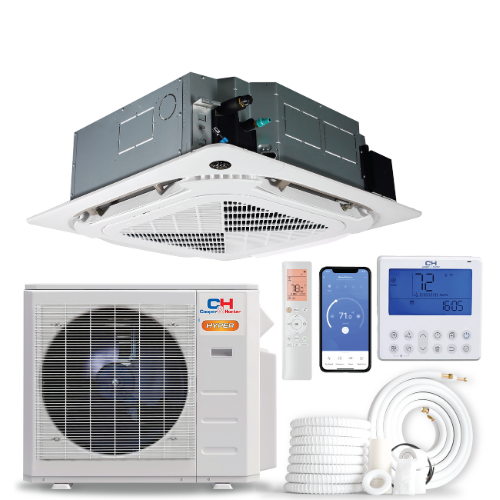
When upgrading your home's HVAC system, you aren't limited to traditional wall-mounted units. Modern layouts can incorporate a variety of specialized indoor designs to match your home's aesthetic and structural needs. For a clean, unobtrusive look, low-profile ceiling cassette units mount flush with your ceiling, directing conditioned air evenly across the room while keeping mechanical components out of sight.
INDOOR CASSETTE SELECTION MATRIX
│
▼
[ ONE-WAY DISCHARGE ]
Directional focus; ideal for hallways and narrow rooms.
++ [single zone one way]
++ [2 zone 1 way]
++ [3 zone 1 way]
[ FOUR-WAY DISCHARGE ]
Omni-directional flow; ideal for large open living spaces.
++ [single zone four way]
++ [2 zone 4 way]
++ [3 zone 4 way]
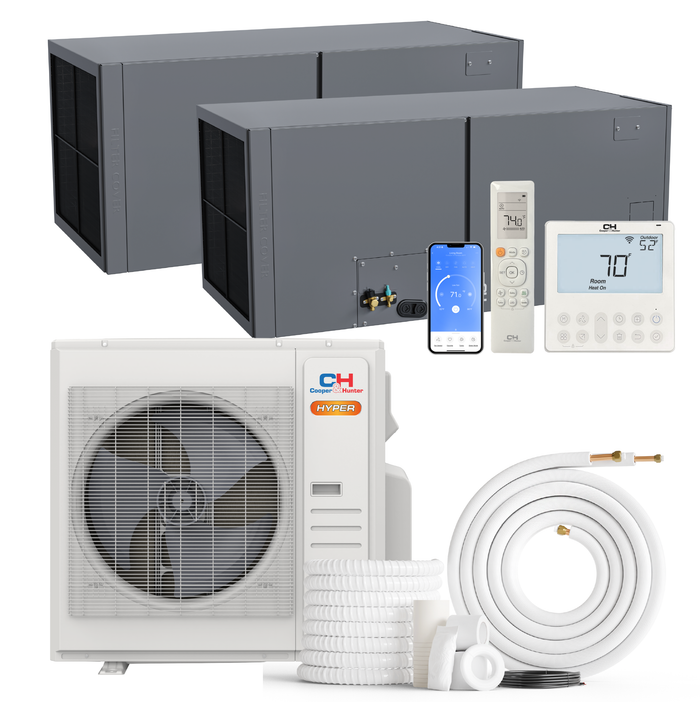
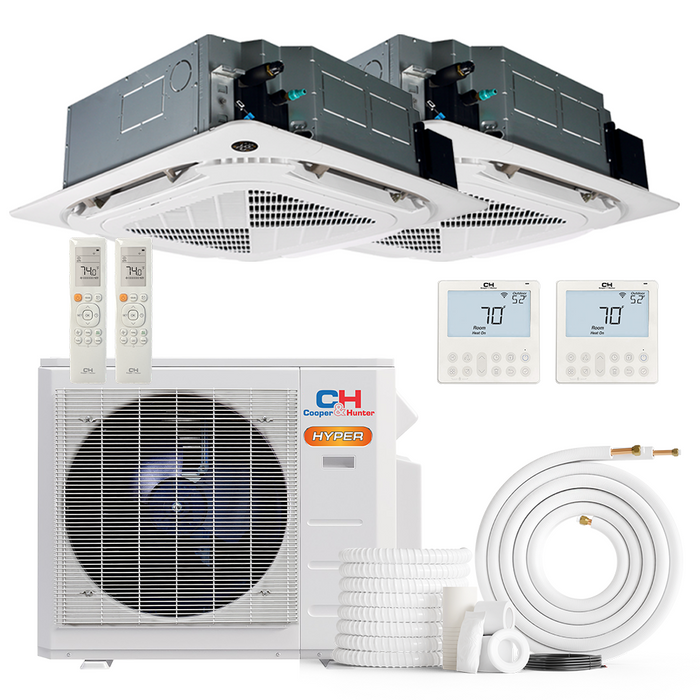
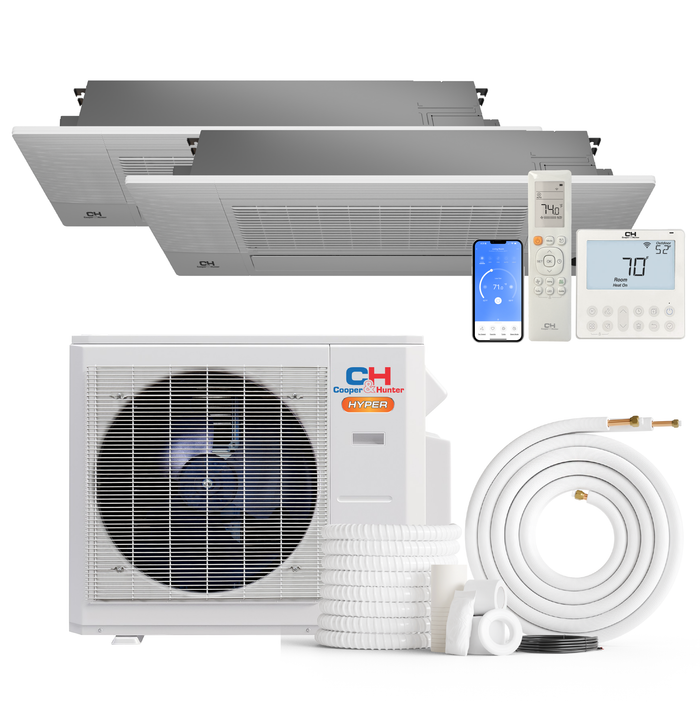
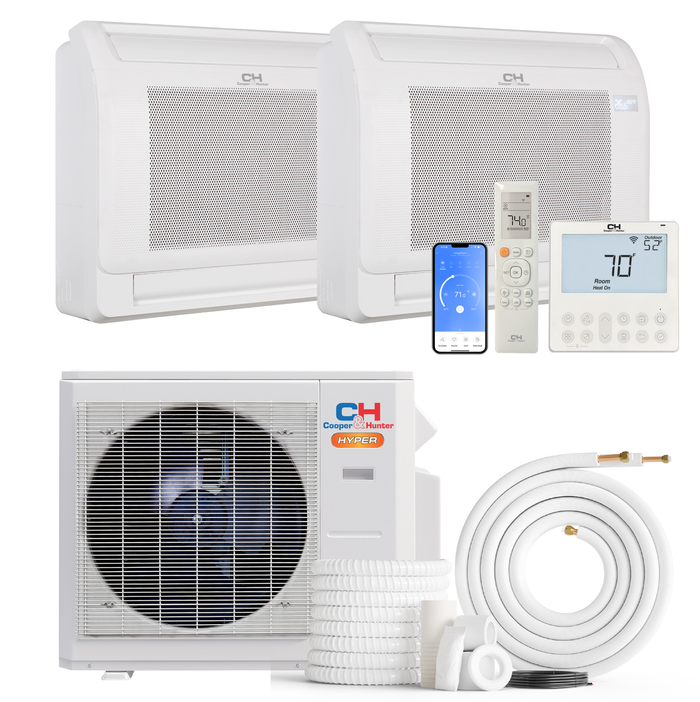
If you are planning an installation for a multi-room property, choosing a multi-zone ceiling cassette configuration allows you to maintain independent temperature controls while preserving your wall space. For two adjacent rooms, a 2 zone 1 way ceiling cassette setup offers clean, directional airflow. These configurations are available across a range of capacity sizes, including:
2-zone 1-way 15k-18k
Compact double cassette configuration.
2-zone 1-way 18k-24k
Balanced dual zone cooling layouts.
2-zone 1-way 24k-30k
Reliable performance across dual zones.
2-zone 1-way 30k-36k
Expanded thermal load balancing arrays.
2-zone 1-way 36k-48k
High output multi-room temperature setup.
2-zone 1-way 48k-60k
Heavy capacity structural zone systems.
2-zone 1-way 60k-72k
Maximum capacity twin zone cooling.
You can select your two-zone configuration from top manufacturer lines, such as a high-performing 2 zone 1 way ceiling cassette aciq set, a dependable 2 zone 1 way ceiling cassette mrcool combo, or a rugged 2 zone 1 way ceiling cassette cooper and hunter system. If your rooms require multi-directional airflow to prevent hot and cold spots, switching to a 2 zone 4 way ceiling cassette model distributes air in four directions simultaneously. These multi-directional setups are available across identical capacity ranges, from 2 zone 4 way ceiling cassette 15k-18k up to 2 zone 4 way ceiling cassette 60k-72k configurations. Homeowners can customize their installation using premium product lines like 2 zone 4 way ceiling cassette aciq, value-driven 2 zone 4 way ceiling cassette bravo equipment, or user-friendly options from 2 zone 4 way ceiling cassette mrcool and 2 zone 4 way ceiling cassette cooper and hunter.
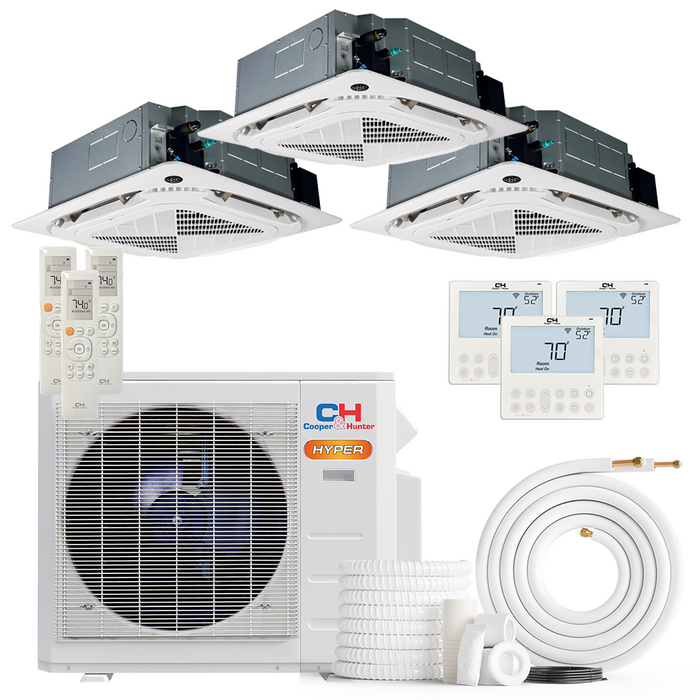
As your zoning needs grow to cover larger floor plans, ceiling cassette systems scale efficiently to maintain balanced comfort. For three-room layouts, you can choose between a directional 3 zone 1 way ceiling cassette framework or a multi-directional 3 zone 4 way ceiling cassette system. Both configurations offer capacity tiers extending from 3 zone 1 way ceiling cassette 15k-18k up to 3 zone 1 way ceiling cassette 60k-72k structures, as well as four-way models ranging from 3 zone 4 way ceiling cassette 15k-18k to 3 zone 4 way ceiling cassette 60k-72k systems. Sourcing parts from established hardware lines like 3 zone 1 way ceiling cassette aciq, 3 zone 1 way ceiling cassette mrcool, 3 zone 1 way ceiling cassette cooper and hunter, 3 zone 4 way ceiling cassette aciq, 3 zone 4 way ceiling cassette bravo, or 3 zone 4 way ceiling cassette mrcool ensures reliable multi-room performance.
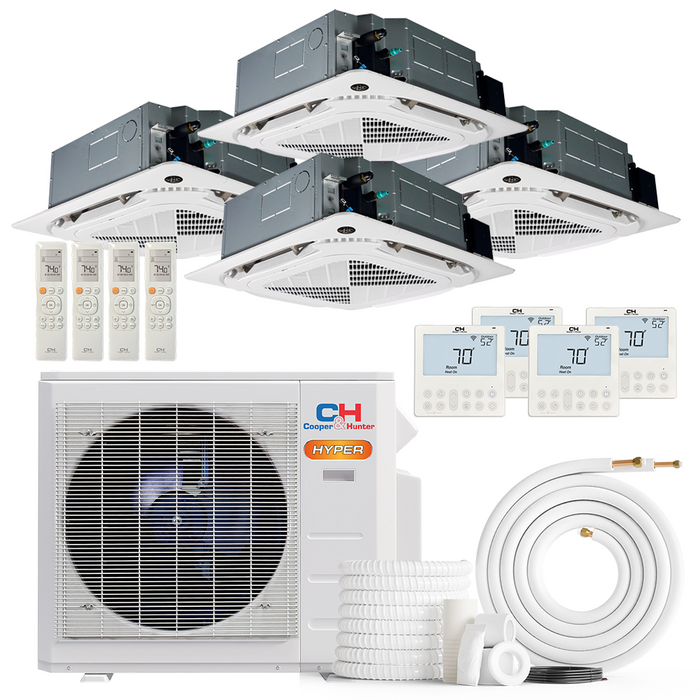
For larger residential or light commercial projects, high-capacity systems provide comprehensive zoning options. A 4 zone 1 way ceiling cassette system or a multi-directional 4 zone 4 way ceiling cassette configuration can manage comfort across four separate rooms. These robust setups offer capacities ranging from 4 zone 1 way ceiling cassette 24k-30k or 4 zone 4 way ceiling cassette 24k-30k up to high-output 4 zone 1 way ceiling cassette 60k-72k or 4 zone 4 way ceiling cassette 60k-72k models. Homeowners can select from durable equipment lines, including 4 zone 1 way ceiling cassette aciq, 4 zone 1 way ceiling cassette mrcool, 4 zone 1 way ceiling cassette cooper and hunter, 4 zone 4 way ceiling cassette aciq, 4 zone 4 way ceiling cassette bravo, 4 zone 4 way ceiling cassette mrcool, or 4 zone 4 way ceiling cassette cooper and hunter systems.
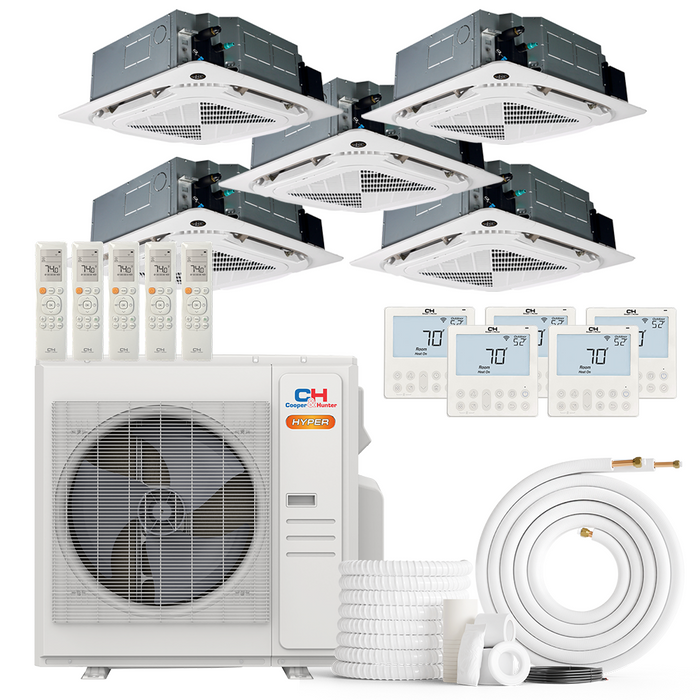
For extensive, whole-home renovations, five- and six-zone systems deliver maximum coverage. A 5 zone 1 way ceiling cassette setup or an omni-directional 5 zone 4 way ceiling cassette configuration easily keeps a large household cool and comfortable. These advanced setups feature output ranges from 5 zone 1 way ceiling cassette 30k-36k or 5 zone 4 way ceiling cassette 30k-36k up to maximum-capacity 5 zone 1 way ceiling cassette 60k-72k or 5 zone 4 way ceiling cassette 60k-72k models. You can choose from leading manufacturer selections like 5 zone 1 way ceiling cassette aciq, 5 zone 1 way ceiling cassette mrcool, 5 zone 1 way ceiling cassette cooper and hunter, 5 zone 4 way ceiling cassette aciq, 5 zone 4 way ceiling cassette bravo, or 5 zone 4 way ceiling cassette mrcool units.
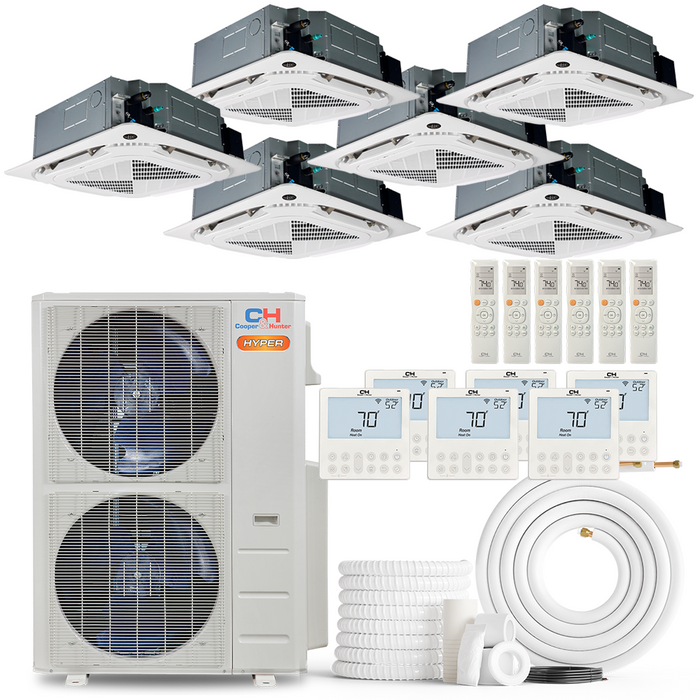
At the top tier of residential climate engineering, a comprehensive 6 zone 1 way ceiling cassette system or a multi-directional 6 zone 4 way ceiling cassette framework provides total climate control for complex floor plans. These systems are available in output spans from 6 zone 1 way ceiling cassette 36k-48k or 6 zone 4 way ceiling cassette 36k-48k up to robust 6 zone 1 way ceiling cassette 60k-72k or 6 zone 4 way ceiling cassette 60k-72k setups. Homeowners can select from high-efficiency product lines, including 6 zone 1 way ceiling cassette aciq, 6 zone 1 way ceiling cassette mrcool, 6 zone 1 way ceiling cassette cooper and hunter, 6 zone 4 way ceiling cassette aciq, 6 zone 4 way ceiling cassette mrcool, or 6 zone 4 way ceiling cassette cooper and hunter systems to ensure reliable, multi-room comfort.
Four-Way Ceiling Cassette Infrastructure
| Zoning Scale | Available Component Lines |
|---|---|
| Multi-Zone | [ductless multi-zone four way ceiling cassette units] |
| ACI-Q Brand | [ductless multi-zone four way ceiling cassette units aciq] |
| Bravo Line | [ductless multi-zone four way ceiling cassette units bravo] |
| Cooper Hunter | [ductless multi-zone four way ceiling cassette units cooper and hunter] |
If you are planning an extensive multi-room layout overhaul, choosing from a broad collection of ductless multi-zone four way ceiling cassette units gives you maximum design flexibility. Homeowners can select high-performing ductless multi-zone four way ceiling cassette units aciq models, value-driven ductless multi-zone four way ceiling cassette units bravo products, or premium ductless multi-zone four way ceiling cassette units cooper and hunter systems to build a reliable, custom climate network.
Targeted Single-Zone Solutions for Specific Rooms
Sometimes, a hot summer heatwave simply highlights a single room that your main central system struggles to cool, such as an addition, a sunroom, or a master bedroom. In these scenarios, a single-zone mini-split addition provides an efficient solution without requiring modifications to your existing ductwork. Choosing a single zone one way ceiling cassette system allows you to add targeted cooling while keeping the indoor unit flush with the ceiling. These single-room systems are available across multiple capacity tiers to match your space:
single zone 1-way 5k-9k
Targeted compact room solutions.
single zone 1-way 9k-12k
Optimized single room efficiency profiles.
single zone 1-way 12k-15k
Flexible mid-range output setups.
single zone 1-way 15k-18k
Broad space temperature balancing systems.
single zone 1-way 18k-24k
Heavy output single zone layouts.
You can select the perfect single-zone model for your room from trusted brands, including single zone one way ceiling cassette aciq, user-friendly single zone one way ceiling cassette mrcool setups, or dependable single zone one way ceiling cassette cooper and hunter systems. If the room's layout requires broader, multi-directional airflow, opting for a single zone four way ceiling cassette 5k-9k or a single zone four way ceiling cassette 9k-12k unit ensures even air distribution. For larger open spaces, capacities expand to include single zone four way ceiling cassette 36k-48k and high-output single zone four way ceiling cassette 48k-60k configurations. Homeowners can pick from top-tier equipment lines, such as single zone four way ceiling cassette aciq, single zone four way ceiling cassette mrcool, single zone four way ceiling cassette cooper and hunter, or premium single zone four way ceiling cassette daikin systems to achieve reliable, localized comfort.
Essential Installation Accessories and Specialized Systems
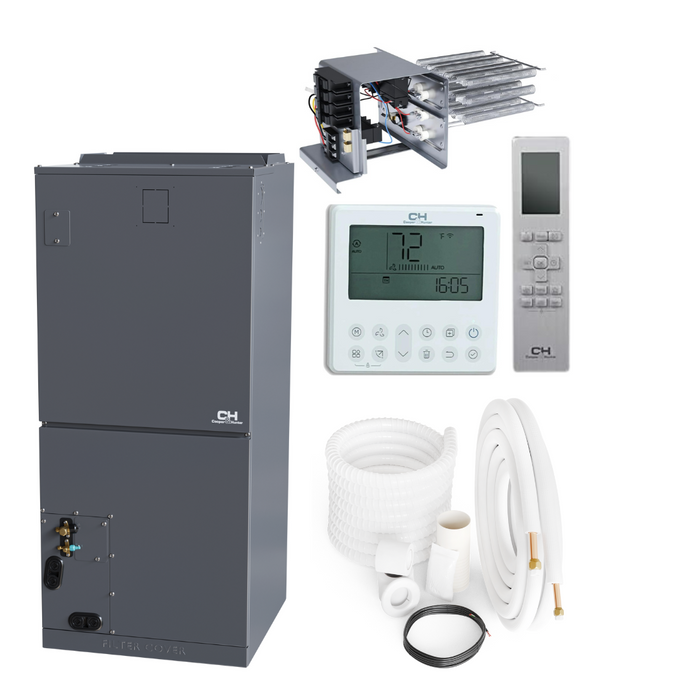
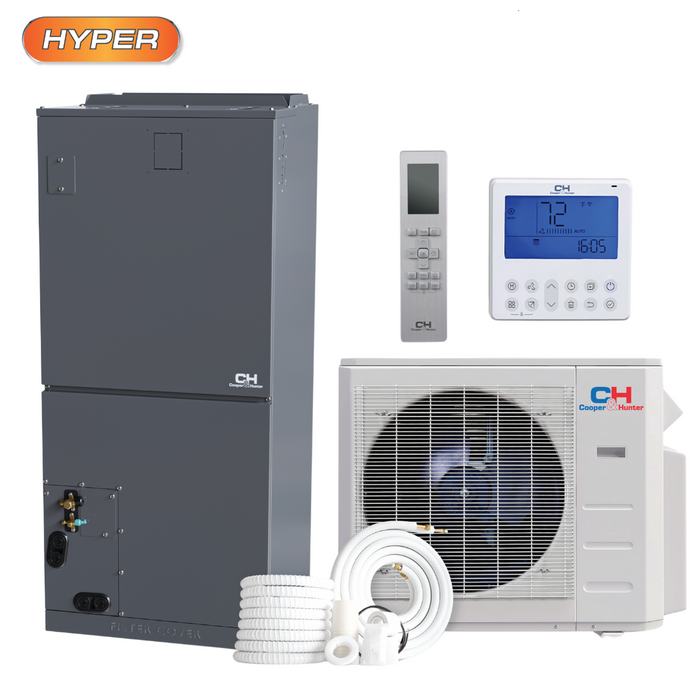
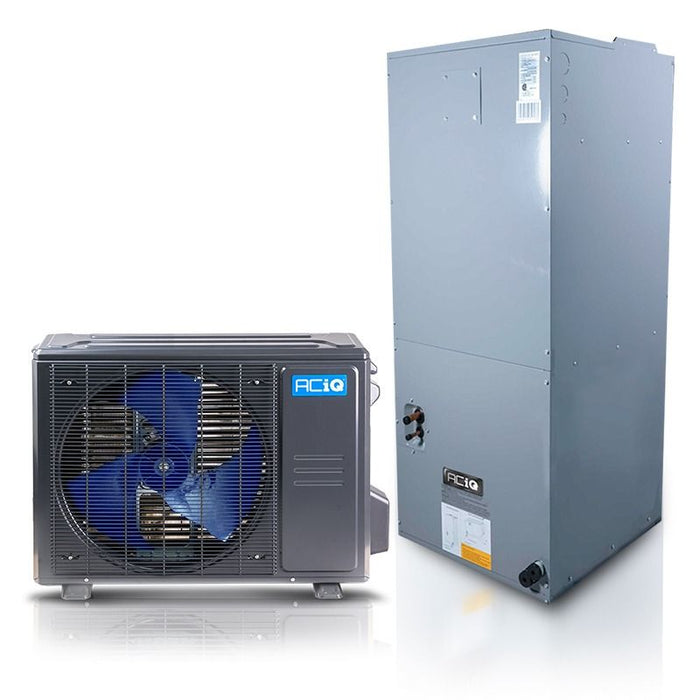
A successful HVAC installation or repair project requires more than just buying the primary indoor and outdoor units. To ensure long-term efficiency and protect your equipment warranty, your installation technician will need a variety of specialized components and support accessories. If you are updating an older central ducted system, replacing worn components with fresh air handlers prevents airflow restrictions and optimizes efficiency. You can select high-quality air handlers from established industry lines, including air handlers aciq, air handlers mrcool, or high-performance air handlers cooper and hunter models to keep air moving smoothly through your duct network.
System Accessory Integration Matrix
| Application Environment | Required Accessory Collection |
|---|---|
| Central Ducted Upgrades | [central ducted accessories] |
| Ductless Installation Projects | [mini splits_accessories] |
| Electrical Component Updates | [ac electrical accessories] |
| Manufactured Housing Setup | [mobile home accessories] |
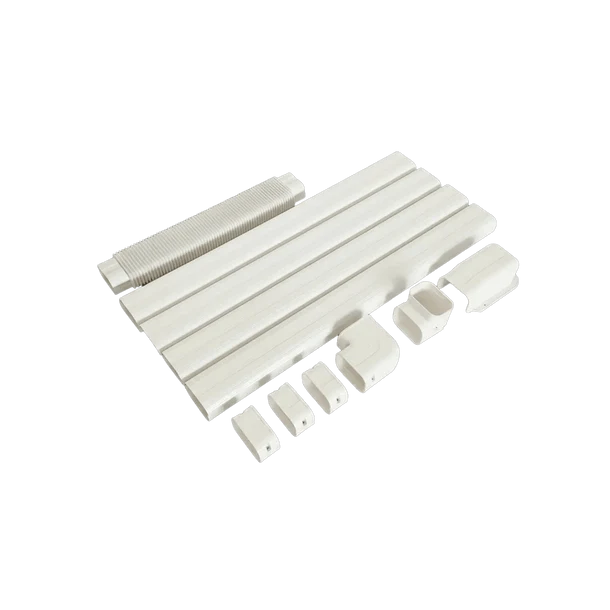
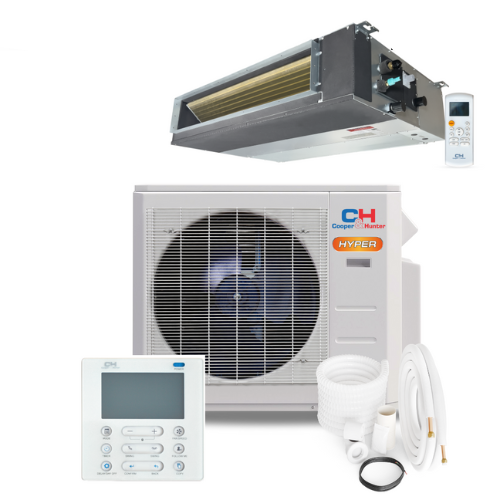
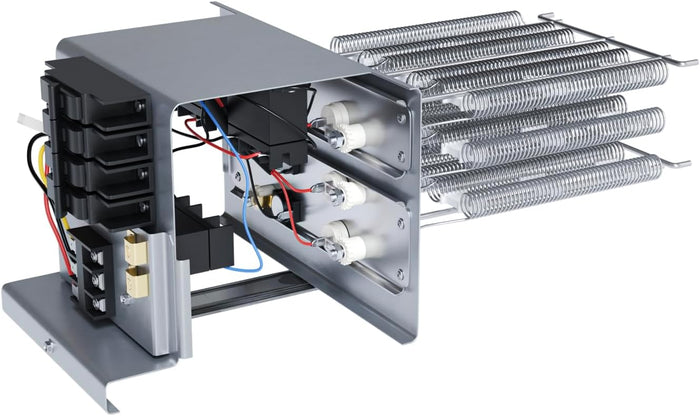
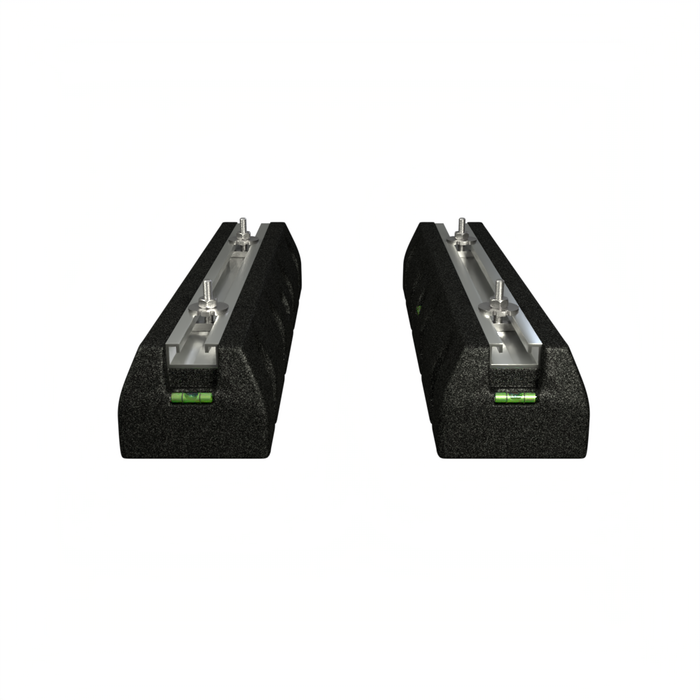
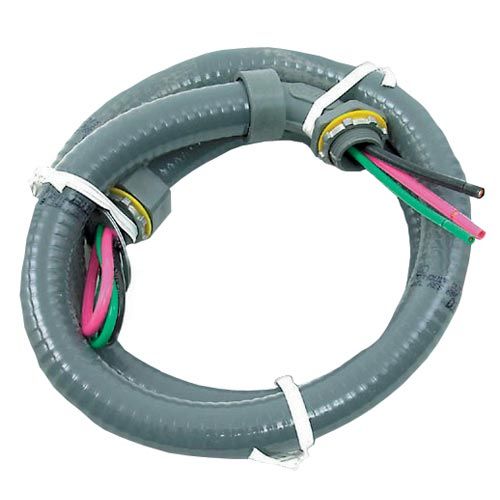
Using the correct support parts during installation helps protect your equipment from premature wear and environmental damage. When setting up a ducted system, incorporating the right central ducted accessories ensures your duct connections remain airtight and secure. For ductless mini-split projects, choosing proper mini splits accessories protects your refrigerant and drainage lines from outdoor elements. Additionally, upgrading your wiring with dedicated ac electrical accessories or improving indoor air filtration with air quality accessories helps maintain a clean, safe indoor environment. From specialized brackets found in package_units accessories to niche components in specialty units accessories, using dedicated parts makes a substantial difference in system longevity.
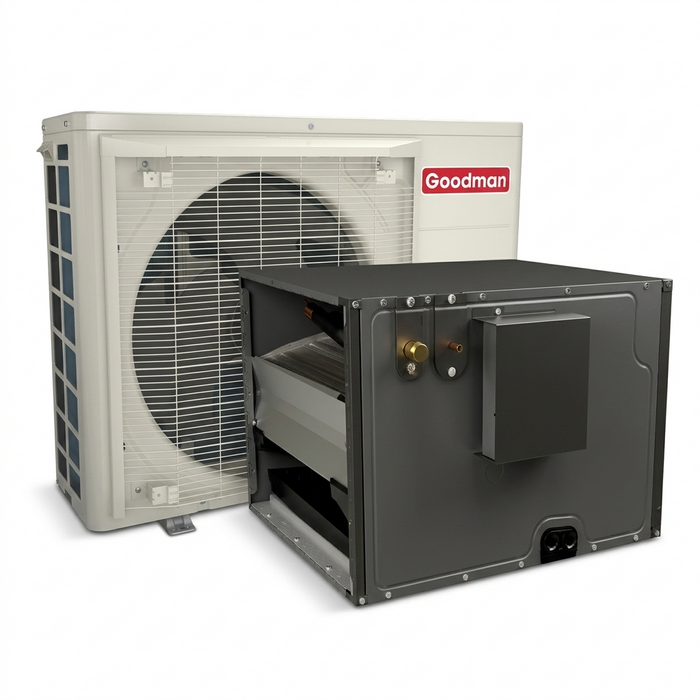
Specialty properties require tailored climate solutions that standard residential systems cannot accommodate. If you live in a manufactured home, installing a standard residential air conditioner can cause system errors due to mismatched static duct pressures. Instead, look for dedicated mobile home ac and coil systems designed specifically for these unique floor plans. These specialized mobile home systems are available across multiple residential capacity tiers, including:
mobile home 18k-24k
Perfect entry point mobile housing sets.
mobile home 24k-30k
Mid-sized manufactured home systems.
mobile home 30k-36k
Optimized thermal regulation packages.
mobile home 36k-48k
Heavy capacity structural temperature arrays.
mobile home 48k-60k
Robust domestic system outputs.
Choosing a pre-engineered mobile home ac and coil systems aciq setup ensures your equipment complies with federal HUD standards while delivering reliable summer cooling. Additionally, incorporating specialized mobile home accessories during the installation process helps secure your connections and keeps your manufactured home comfortable regardless of how high outdoor temperatures climb.
Conclusion
A faulty or clogged drainage system can turn summer cooling into an unexpected home maintenance headache. By performing basic diagnostic checks, you can quickly determine whether your system simply needs a thorough cleaning to clear out algae or a complete component replacement. Taking care of small drainage issues early helps protect your home from water damage and ensures your system continues to run smoothly through the hottest weeks of the year.
If your system needs a replacement component, an accessory update, or a complete hardware upgrade, sourcing your equipment through a dependable online channel saves time and ensures you receive high-quality parts. Explore the comprehensive online inventory of climate systems, brand name lines like aciq and armbridge, value-focused bravo equipment options, and specialized tools at HVAC Supplies. If you have questions about equipment sizing, component compatibility, or specific installation parts, connect with an experienced specialist who can help you keep your home comfortable all summer long!
Are you ready to resolve your drainage issues and upgrade your climate control systems? Browse the professional marketplace at HVAC Supplies to find exactly what you need.