























Preparing Your Air Handler for Fall: How to Select the Right Heat Kit for Winter Heating
Share
HVAC SUPPLIES
Heating Protection Guide
Autumn Air Handler Prep: Electric Heat Kit Sizing & Electrical Guide
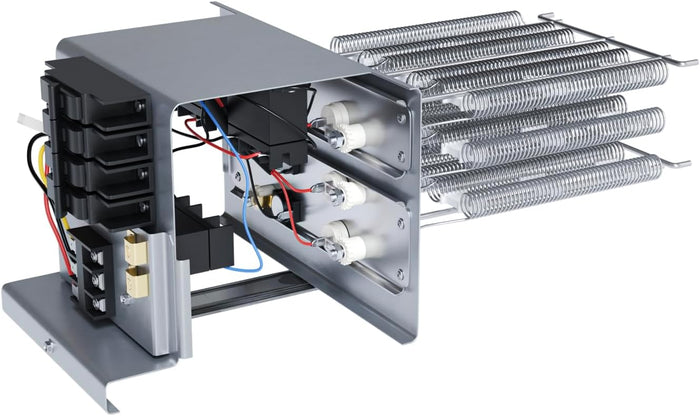
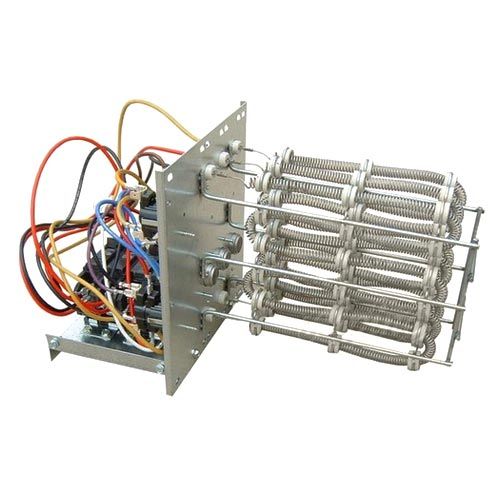
Transitioning into autumn requires preparing central air handling units for sub-zero freezes. While standard air-source heat pumps serve as highly efficient primary heating systems during mild weather, their thermodynamic heat output naturally declines as outdoor ambient air drops below freezing. To compensate for this seasonal capacity drop, central air handling units require an electric resistance heater kit, commonly referred to as a heat kit, installed directly inside the indoor air handler cabinet.
An electric heat kit serves two primary functions: providing auxiliary emergency heat during extreme freezes and supplying supplemental warmth during outdoor heat pump defrost cycles. When sub-freezing outdoor temperatures cause frost to accumulate on the outdoor condenser coil, the heat pump automatically initiates a reverse-cycle defrost to melt the ice. Without an operational heat kit, the indoor air handler would blow unheated, freezing air into living spaces during defrost cycles, rapidly lowering indoor ambient temperatures.
Installing or upgrading a heat kit during the autumn prep window eliminates cold-weather system lockouts, prevents frozen water pipes, and avoids emergency service calls during severe mid-winter cold fronts. This guide provides technicians, property managers, and DIY-capable property owners with the technical sizing parameters, electrical calculations, and compatibility rules required to select the ideal heat kit for winter heating.
kW Sizing Guidelines: Matching Heat Output to Home Requirements
Selecting the correct electric heat kit requires converting electrical kilowatts (kW) into thermal capacity measured in British Thermal Units per hour (BTU/hr). Electric resistance heating operates on a direct physical conversion where 1 kilowatt of electrical energy produces exactly 3,412 BTUs of heat per hour (1kW=3,412BTU/hr). Heat kits are engineered in standardized kilowatt capacity tiers: 5 kW (17,060 BTU/hr), 8 kW (27,296 BTU/hr), 10 kW (34,120 BTU/hr), 15 kW (51,180 BTU/hr), and 20 kW (68,240 BTU/hr).
Determining the appropriate kW size depends on home square footage, regional climate zone design temperatures, building insulation levels, and primary heat pump tonnage. A standard sizing guideline pairs 5 kW heat kits with smaller 1.5 to 2.0-ton air handlers, 10 kW kits with 2.5 to 3.0-ton systems, and 15 kW to 20 kW kits with 3.5 to 5.0-ton systems. In extreme cold-climate zones, heat load calculations must account for peak heat loss when the primary heat pump shuts off entirely.
Another critical engineering distinction is single-stage versus multi-stage (staged) heat kits. Single-stage electric heat kits (typically 5 kW to 10 kW) energize all heating coils simultaneously when commanded by the second-stage thermostat call. While simple and cost-effective, energizing large heating elements instantly creates massive electrical current spikes. Multi-stage heat kits (15 kW and 20 kW) utilize staggered time-delay relays or dual sequencers that energize heating elements in 5 kW or 10 kW increments spaced 15 to 30 seconds apart. Sequential staging prevents severe home electrical grid dips, eliminates flickering lights, and delivers smoother indoor temperature ramping during severe winter freezes.
HEAT KIT SIZING & ELECTRICAL MATRIX
| Heat Kit Size (kW) | Thermal Output (BTU/hr) | Minimum Circuit Breaker Size (240V) | Typical Air Handler Tonnage | Estimated Coverage Area (Sq. Ft.) |
|---|---|---|---|---|
| 5 kW | 17,060 BTU/hr | 30 Amp | 1.5 - 2.0 Ton | 600 - 1,000 sq. ft. |
| 8 kW | 27,296 BTU/hr | 45 Amp / 50 Amp | 2.0 - 2.5 Ton | 1,000 - 1,300 sq. ft. |
| 10 kW | 34,120 BTU/hr | 60 Amp | 2.5 - 3.0 Ton | 1,200 - 1,600 sq. ft. |
| 15 kW | 51,180 BTU/hr | Dual 30A / 60A (or 90A Single Point) | 3.5 - 4.0 Ton | 1,600 - 2,200 sq. ft. |
| 20 kW | 68,240 BTU/hr | Dual 60A / 60A (or 120A Single Point) | 4.0 - 5.0 Ton | 2,000 - 2,800+ sq. ft. |
Electrical Requirements: Breakers, Wire Gauge, and Panel Capacity
Integrating an electric resistance heat kit into an air handler introduces substantial electrical demand that requires strict adherence to the National Electrical Code (NEC). Calculating amperage draw on a standard 240V single-phase power supply follows Ohm's Law: Amps = Watts / Volts. For example, a 10,000-watt (10 kW) heat kit operating at 240 volts draws approximately 41.67 amperes (10,000/240=41.67Amps). Applying the NEC continuous load safety multiplier of 125% requires an electrical circuit rated for at least 52.08 amps (41.67*1.25=52.08Amps), necessitating a dedicated 60-amp circuit breaker.
Larger 15 kW and 20 kW heat kits draw between 62.5 and 83.3 amps, far exceeding the continuous load threshold of a single standard 60-amp circuit breaker. To handle this load safely, manufacturers build these high-capacity heat kits with dual-circuit breaker assemblies mounted directly on the heat kit control bracket. Alternatively, installers can use single-point power entry jumper kits that allow a single, heavy-gauge electrical feeder line from the main service panel to distribute power across both internal breakers inside the air handler cabinet.
Selecting the correct copper conductor wire gauge is vital to prevent overheating line insulation. A 60-amp circuit supplying a 10 kW heat kit requires a minimum 6 AWG copper conductor, while dual 60-amp feeds for a 20 kW kit require dual 6 AWG runs or a single 2 AWG feeder line. Before purchasing a high-kW heat kit, property owners must verify total electrical panel capacity. Standard residential homes require at least a 200-amp main electrical service panel to support a 15 kW or 20 kW electric heat kit alongside standard household appliances.
Plug-and-Play Compatibility & Mechanical Installation
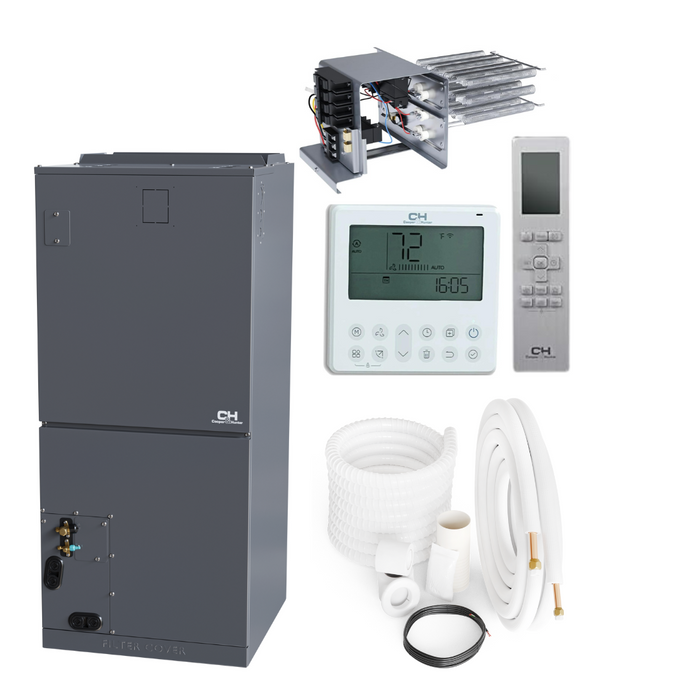
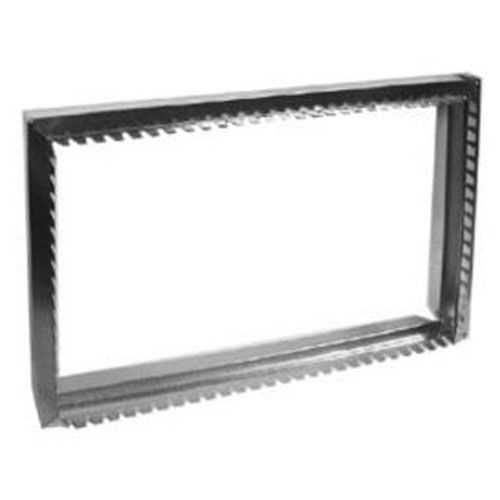
Modern central air handling units feature factory-engineered knockouts and standardized wiring harnesses designed for seamless, plug-and-play heat kit integration. Rather than assembling custom heating elements, installers remove the factory access panel on the air handler blower housing, slide the steel heat kit frame into the designated coil chamber, and secure the mounting plate with self-tapping sheet metal screws.
Connecting electrical controls is streamlined through factory quick-connect wiring harnesses. High-voltage power leads snap directly into the integrated circuit breaker block, while low-voltage thermostat signal wires plug into the air handler's main control board harness. Thermostat control wiring must map second-stage heat calls (W2) and emergency heat calls (E terminal) to the heat kit sequencer relays. This ensures the primary heat pump handles ambient heating down to its balance point, while the electric heat kit energizes automatically when second-stage heating or defrost mode is engaged.
Built-in safety controls protect the air handler from internal thermal damage. Commercial-grade heat kits incorporate primary automatic reset thermal limit switches and secondary high-temperature thermal cutoff fuses mounted adjacent to the Ni-Cr heating coils. If airflow through the air handler drops below safe thresholds due to a clogged filter or blower motor failure, the limit switch automatically breaks the electrical circuit, cutting power to the heating elements before cabinet metal or duct insulation degrades.
Central Split Systems, Air Handler Matching & Accessory Integration
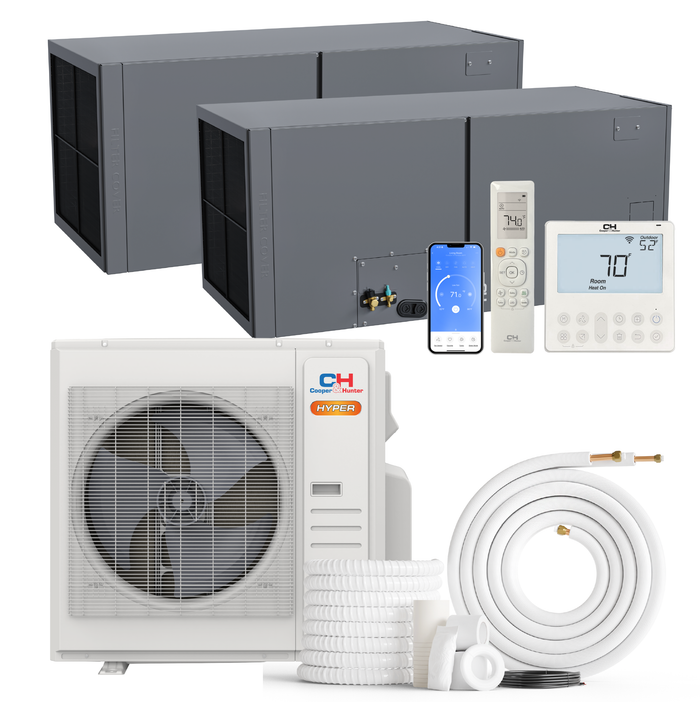
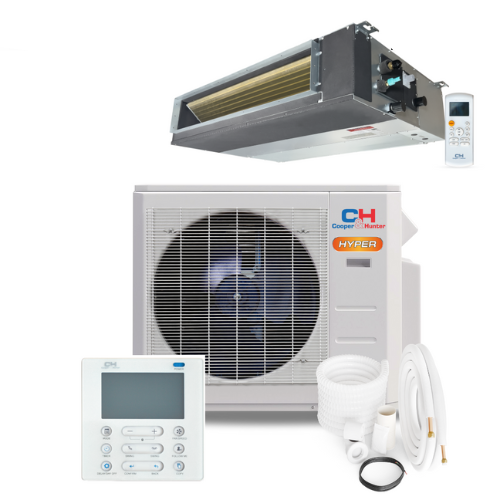
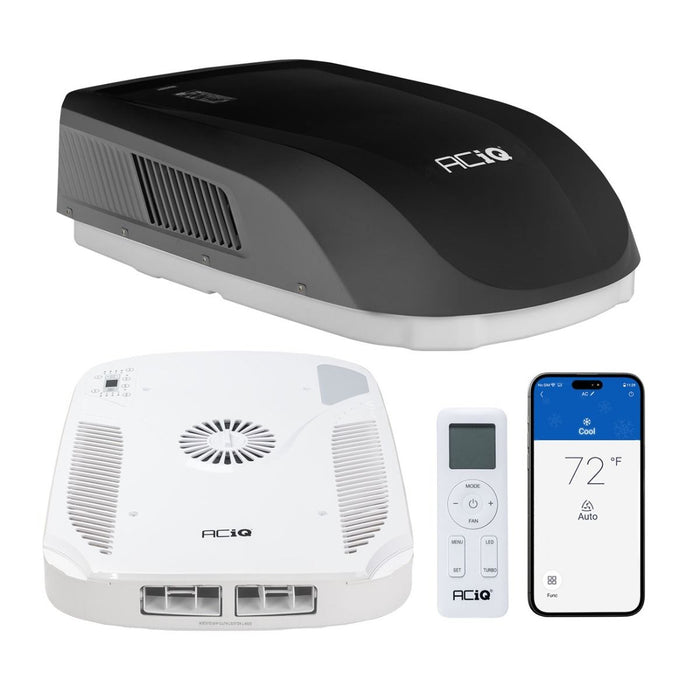
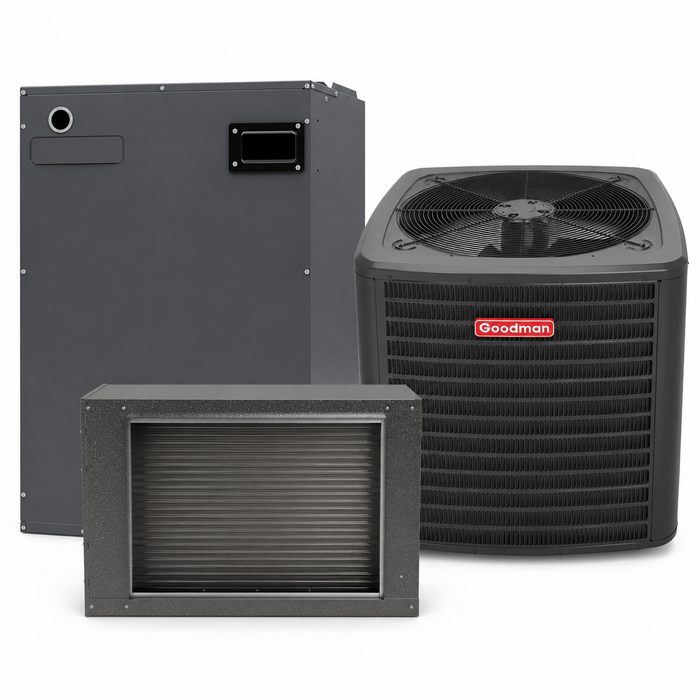
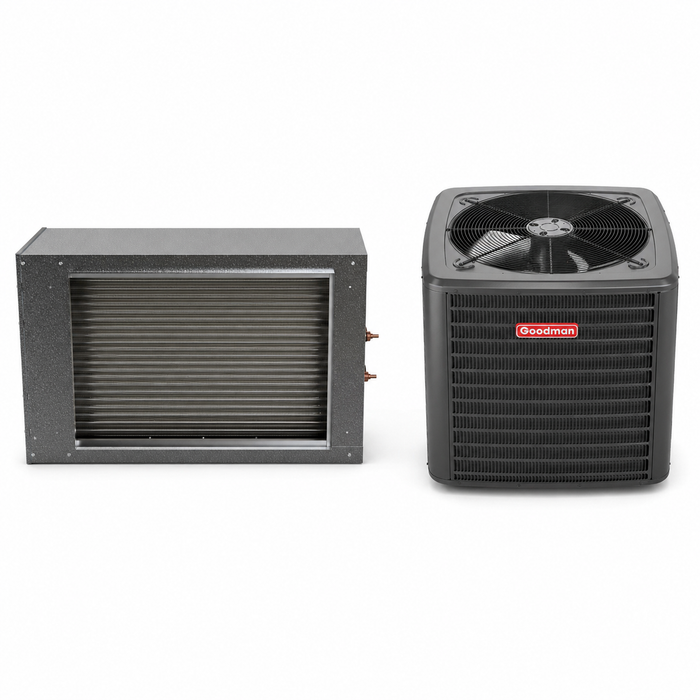
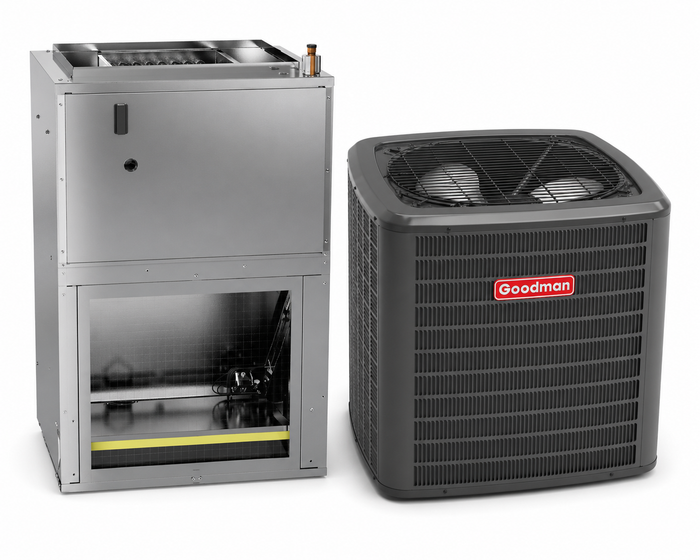
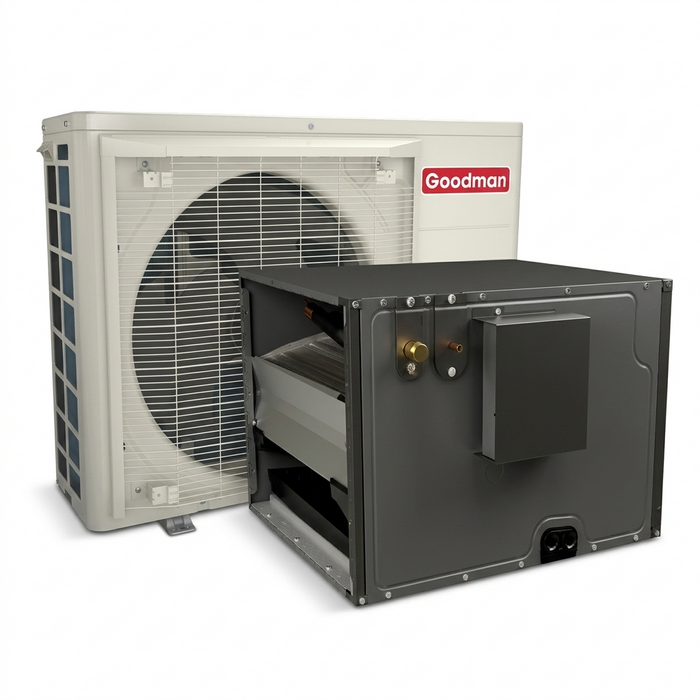
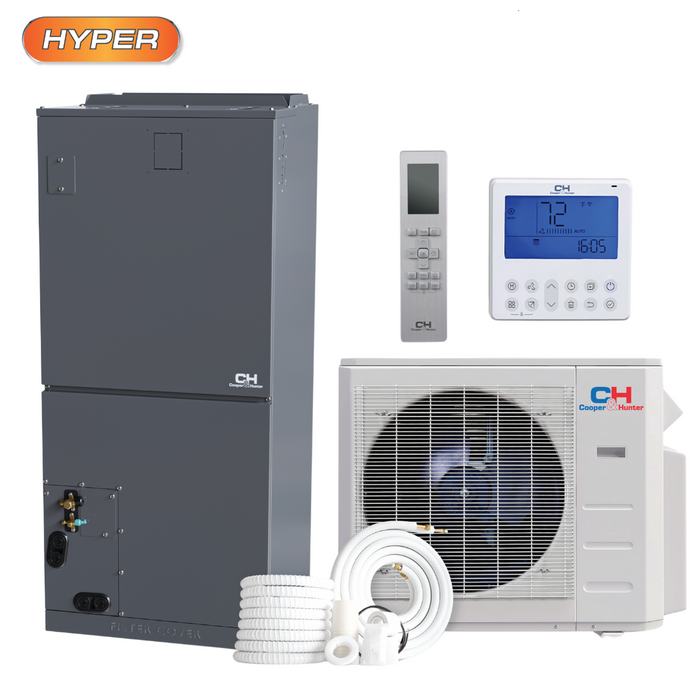
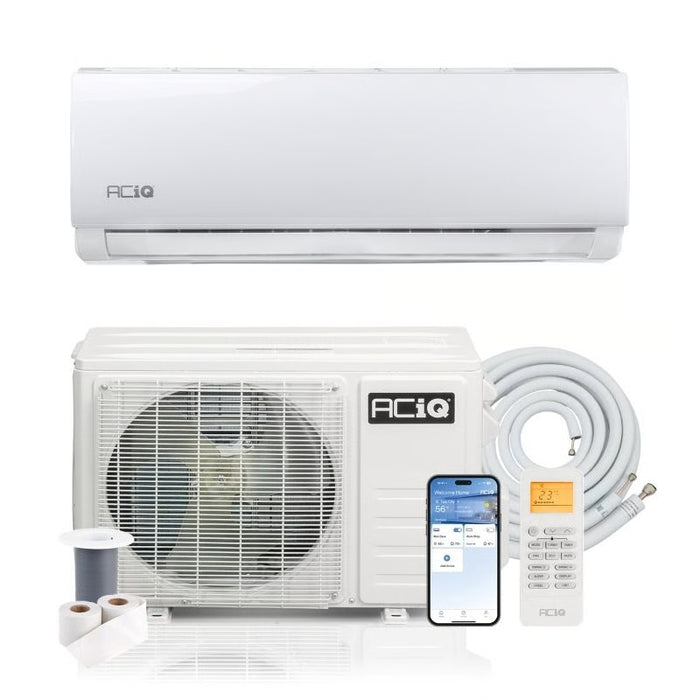
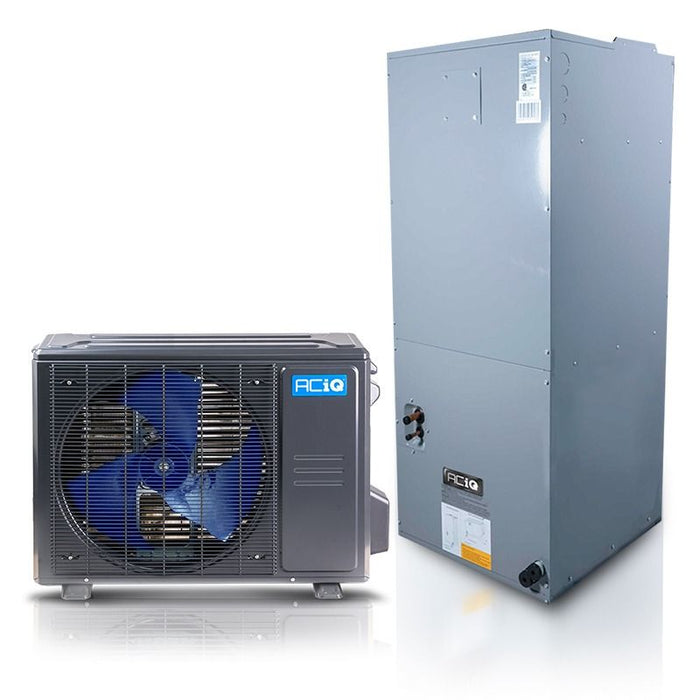
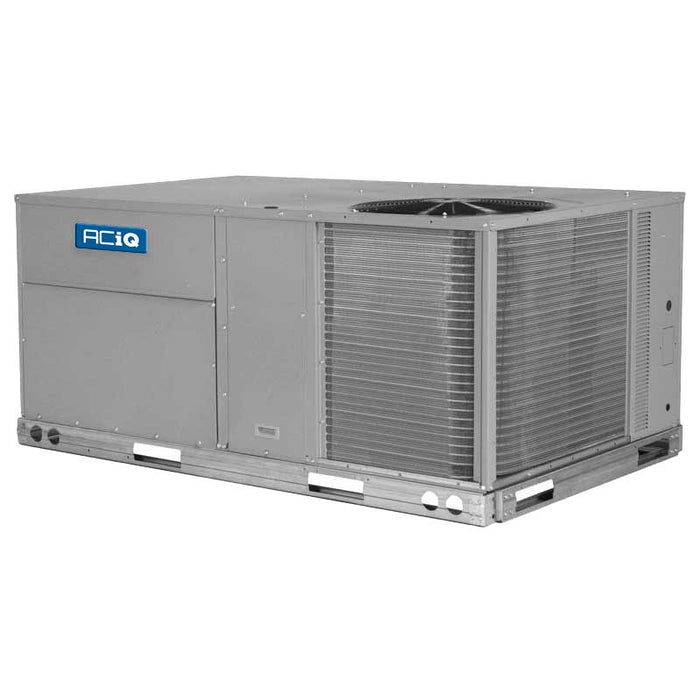
Integrating an electric heat kit requires choosing compatible, pro-grade air handling units and complete split system components. Property owners replacing or upgrading central ducted setups can explore complete air handling systems from broad air handlers catalogs. Sourcing matched equipment from leading manufacturer lines, such as ACiQ air handlers, Cooper & Hunter air handlers, and MRCOOL air handlers, ensures exact cabinet dimensions and harness compatibility for heat kit installation.
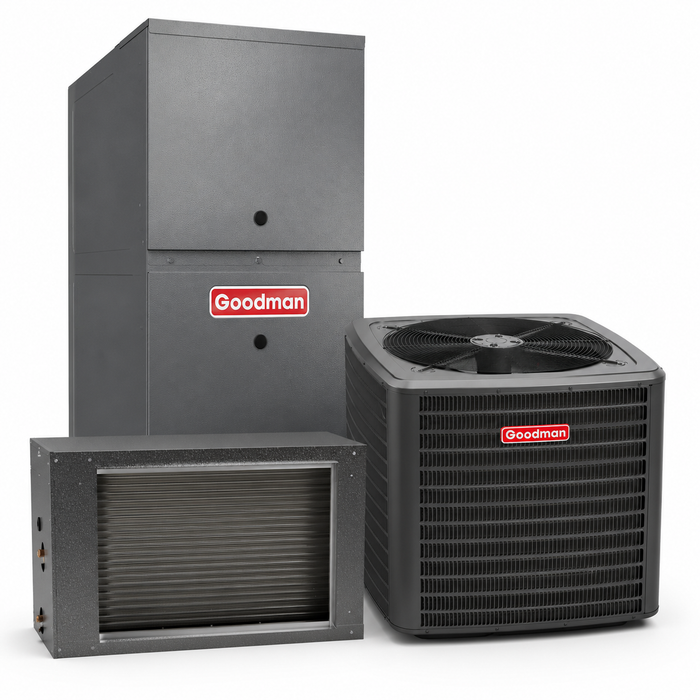
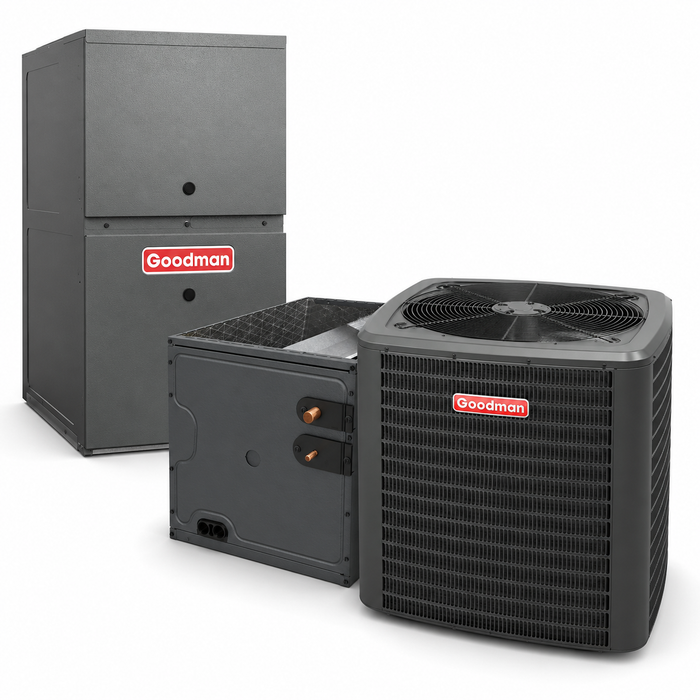
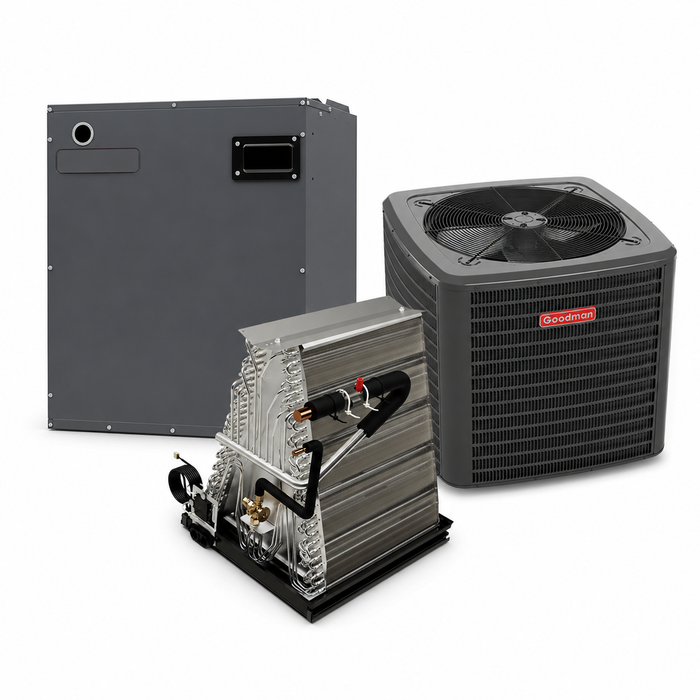
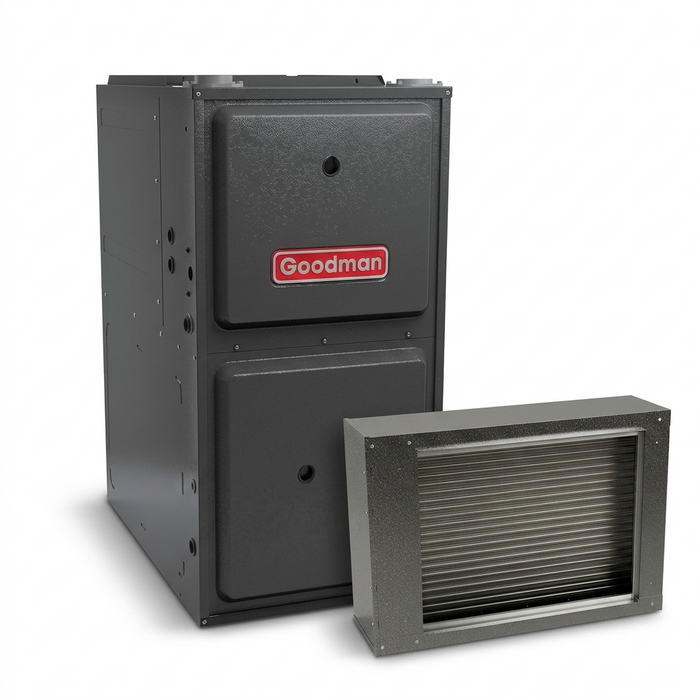
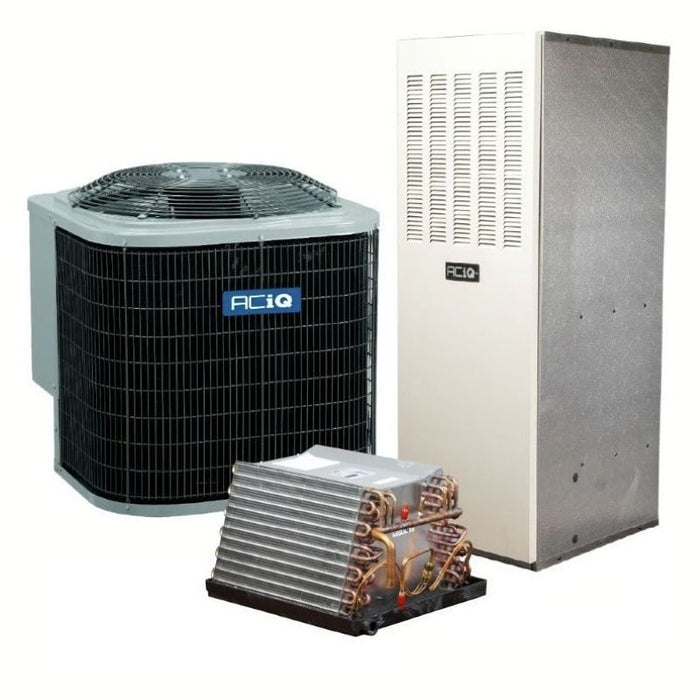
For complete ducted upgrades, property owners can pair central air handlers with split system condenser combinations. Complete matched split packages include central AC plus coil options across various capacity ranges: 15k–18k BTU, 18k–24k BTU, 24k–30k BTU, 30k–36k BTU, 36k–48k BTU, 48k–60k BTU, and 60k–72k BTU. Complete matched setups feature ACiQ AC plus coil equipment, cased ACiQ evaporator coils, dual-fuel ACiQ furnace plus coil combinations, and dedicated ACiQ heat pump plus coil systems.
Specialized residential layouts, such as manufactured housing, benefit from HUD-approved heating solutions. Property owners can browse specialized Mobile Home AC and Coil Systems in capacities including 18k–24k BTU, 24k–30k BTU, 30k–36k BTU, 36k–48k BTU, and 48k–60k BTU, featuring matched ACiQ mobile home AC and coil systems.
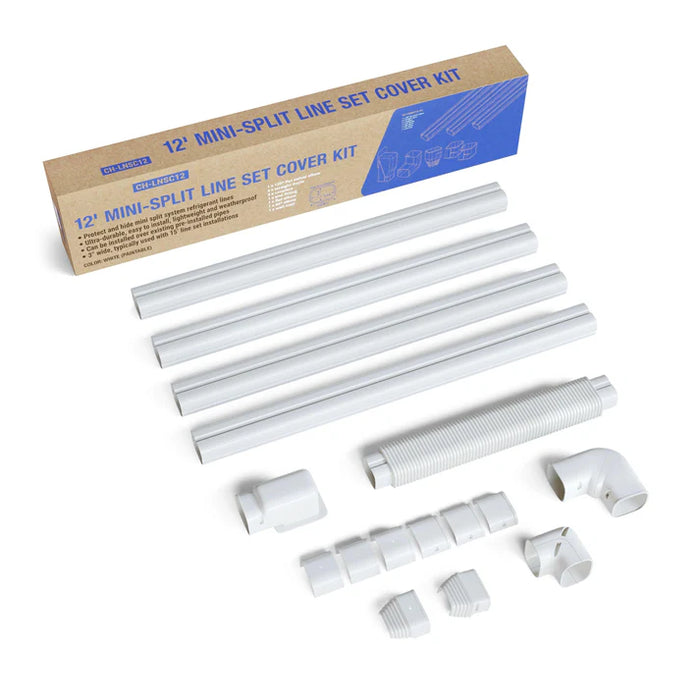
To support system retrofits, installers can source pro-grade accessories across specialized categories: general parts and accessories, dedicated AC electrical accessories, high-grade air quality accessories, engineered central ducted accessories, specialized mini splits accessories, manufactured mobile home accessories, package units accessories, and specialized specialty units accessories. Additional installation hardware includes decorative line set covers and mounting options from Armbridge, along with durable parts from Bravo and ACiQ.
Integrating Mini-Split Zoning & Regional Climate Specifications
While central air handlers equipped with electric heat kits supply whole-home heating, integrating localized mini-split zoning ensures maximum efficiency in additions, uninsulated rooms, or multi-story layouts.
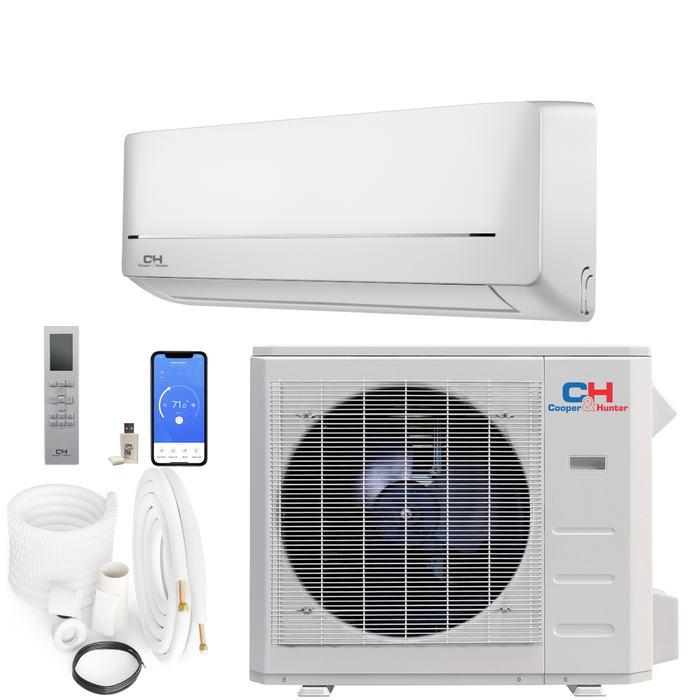
For large multi-room ductless additions, property managers can explore high-wall systems within the 6-Zone Wall Mount collection, offering capacity options 36k–48k BTU, 48k–60k BTU, and 60k–72k BTU. Leading wall-mount options include ACiQ 6-zone wall mounts, Cooper & Hunter 6-zone wall mounts, and MRCOOL 6-zone wall mounts.
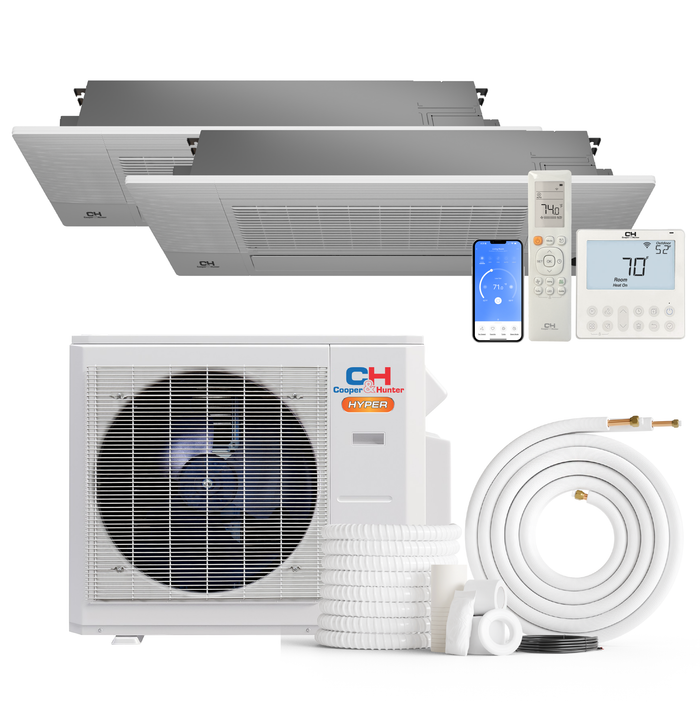
Recessed ceiling cassettes offer flush-mounted, space-saving air distribution. Single-zone 1-way options are available in the Single Zone 1-Way Ceiling Cassette collection across capacity tiers 5k–9k BTU, 9k–12k BTU, 12k–15k BTU, 15k–18k BTU, and 18k–24k BTU. Featured single-zone 1-way lines include ACiQ 1-way cassettes, Cooper & Hunter 1-way cassettes, and MRCOOL 1-way cassettes.
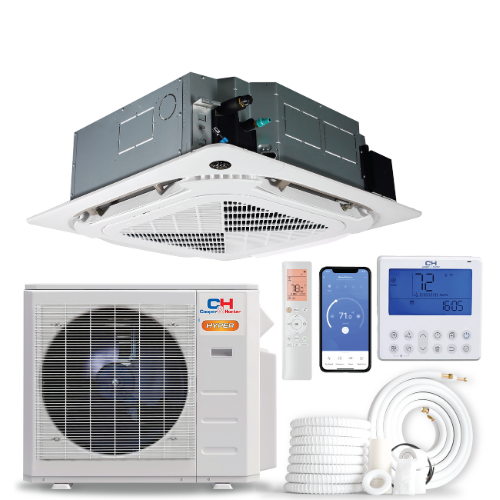
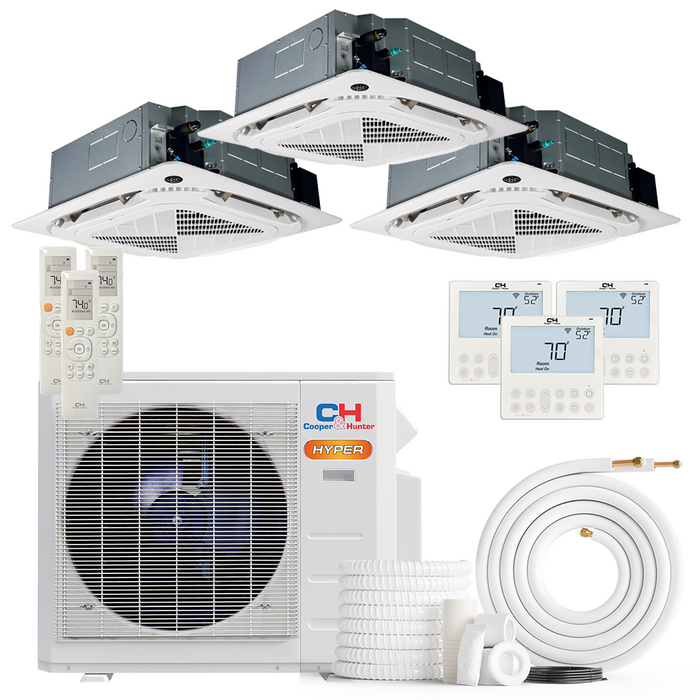
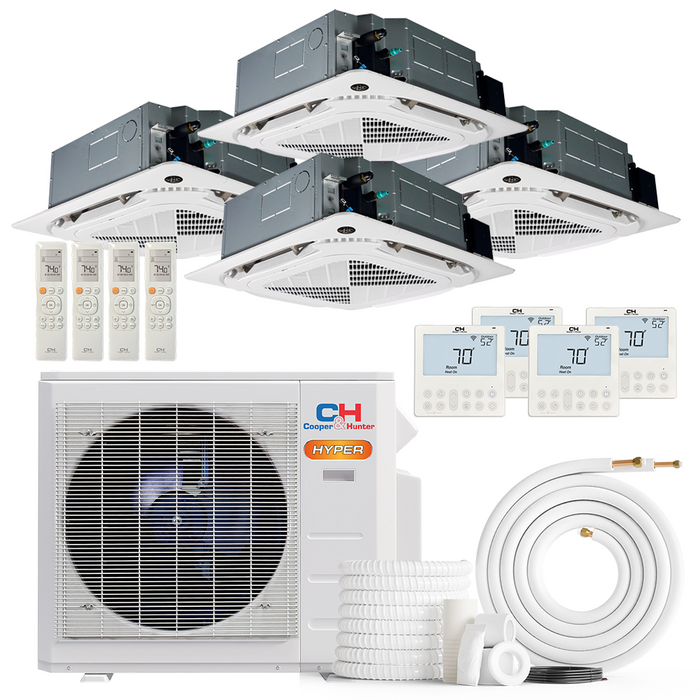
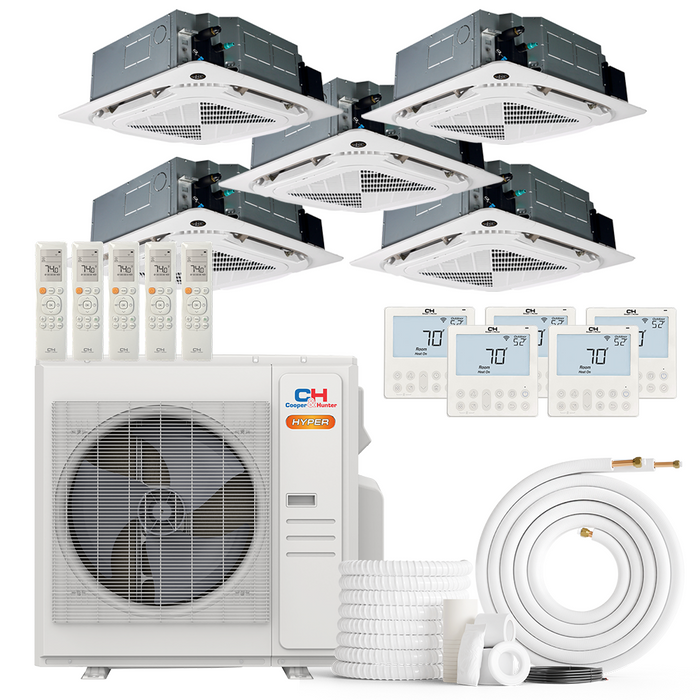
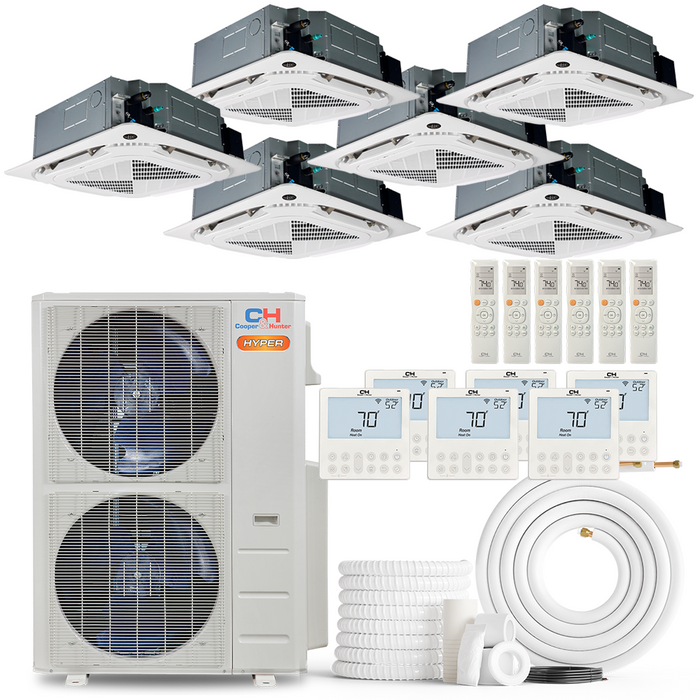
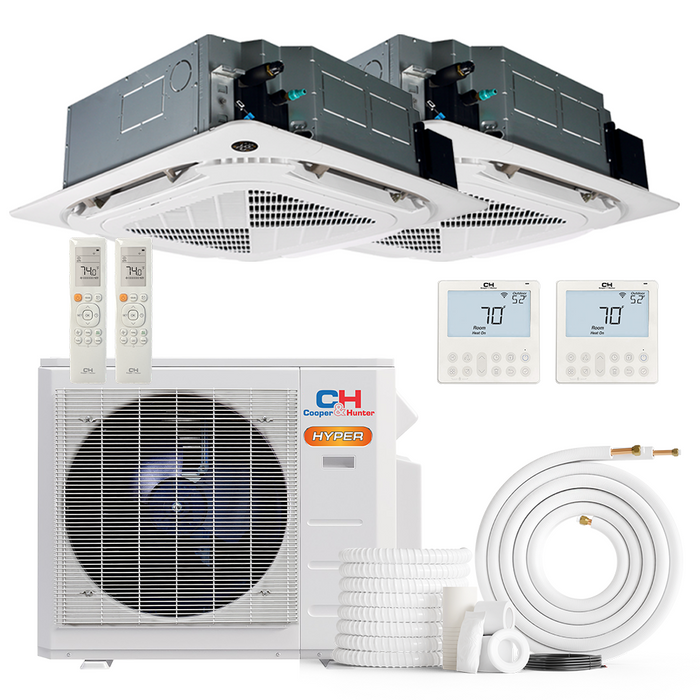
Single-zone 4-way cassettes cover open areas with 360-degree airflow in sizes 5k–9k BTU, 9k–12k BTU, 36k–48k BTU, and 48k–60k BTU. Brands feature ACiQ 4-way cassettes, Cooper & Hunter 4-way cassettes, Daikin 4-way cassettes, and MRCOOL 4-way cassettes.
Contractors and homeowners can consult localized climate support resources across major metropolitan markets to determine precise sizing and heat kit requirements:
Cold Climate & Northeast Belts
Review regional guidelines for Boston, MA mini-splits, Worcester, MA mini-splits, Buffalo, NY mini-splits, and New York City, NY mini-splits.
Midwest Severe Winters
Localized specs for extreme freezing conditions are detailed for Chicago, IL mini-splits and Aurora, IL mini-splits.
Pacific Northwest & Western Microclimates
Supplemental heating and defrost specifications cover Seattle, WA mini-splits, Portland, OR mini-splits, San Francisco, CA mini-splits, San Jose, CA mini-splits, Fresno, CA mini-splits, Los Angeles, CA mini-splits, and San Diego, CA mini-splits.
Southern & Southwestern Markets
Auxiliary heat guidelines for regional temperature drops cover Dallas, TX mini-splits, Austin, TX mini-splits, San Antonio, TX mini-splits, and Miami, FL mini-splits.
Pre-Winter Checklist & Troubleshooting Common Issues
Autumn Startup & Testing Sequence
Before freezing winter weather arrives, performing an autumn test run on the newly installed heat kit is essential. To verify operation, switch the thermostat mode to "Emergency Heat" or set the target heating temperature 5 degrees above ambient indoor temperature to force a second-stage (W2) call. Check the electrical panel to confirm circuit breakers do not trip upon initial current inrush, and measure supply air temperature at supply registers to confirm thermal rise.
During initial autumn startup, homeowners frequently report a temporary, faint burning odor coming from supply registers. This odor is completely normal and is caused by ambient dust particles burning off the bare nickel-chromium heating elements after sitting dormant through spring and summer. The smell typically dissipates within 15 to 30 minutes of continuous operation.
Verifying proper air handler blower CFM speed settings prevents high static pressure from tripping safety switches. Electric heat kits generate dense, concentrated thermal energy inside the blower housing that requires continuous airflow. If ductwork static pressure is too high or the blower motor speed is set too low, heat builds up rapidly inside the element chamber, tripping the primary automatic thermal limit switch. Technicians should inspect air filters, clean evaporator coils, and adjust blower motor speed taps to ensure adequate CFM airflow across the heating elements.
Preparing an air handler for fall by installing the correct electric heat kit ensures reliable backup warmth, protects primary heat pumps during winter defrost cycles, and prevents cold-weather downtime. By matching kilowatt capacity, verifying electrical breaker and wire gauge specs, and choosing compatible air handlers and accessories, property owners maintain absolute indoor comfort regardless of external weather conditions.
To browse pro-grade electric heat kits, central air handlers, split system packages, and electrical accessories, visit the main catalog at HVAC Supplies. Reach us out today for personalized technical assistance, equipment compatibility verification, or custom order sizing.
Ready to equip your heating system for winter performance? Explore our wide selection of heating kits, air handlers, and accessories today.