





























Pre-Winter Heating Overhaul: Choosing a High Efficiency Gas Furnace and Coil Split System
Share
HVAC SUPPLIES
Heating Guide
High-Efficiency Gas Furnace and Coil Split Systems
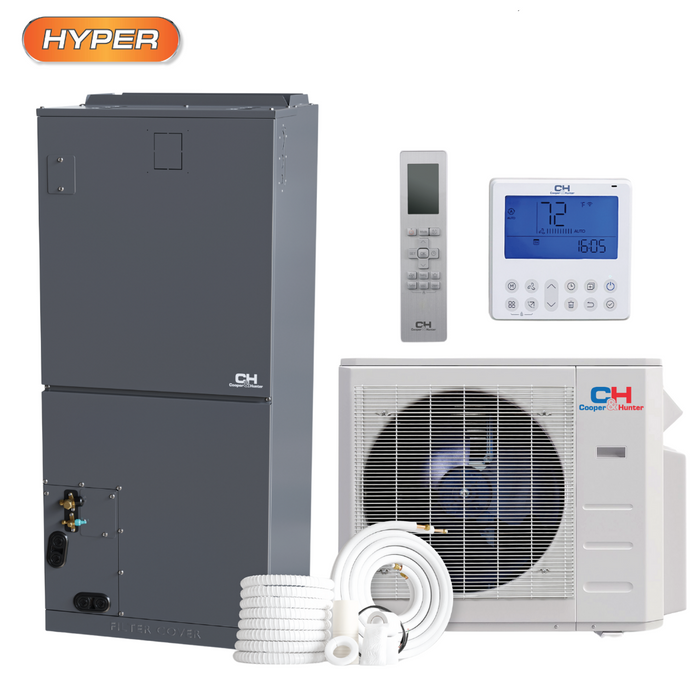
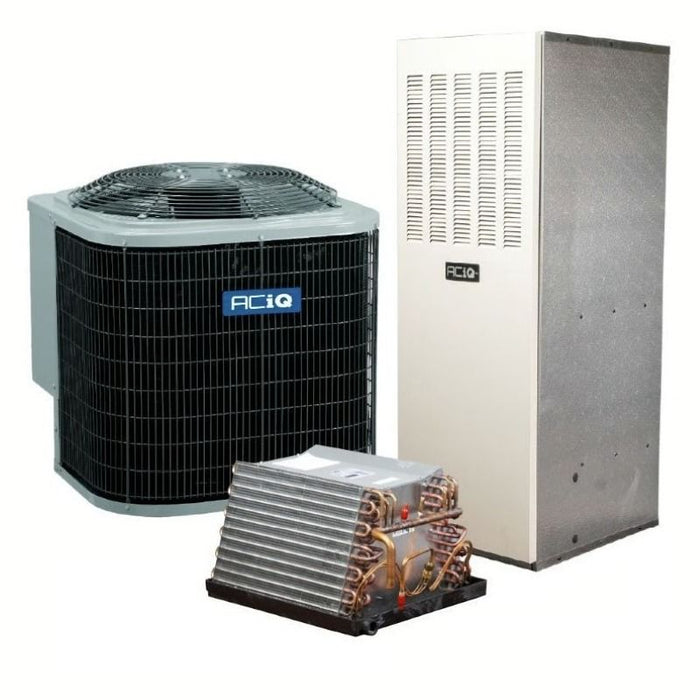
Relying on an aging, inefficient furnace during freezing winter weather is a risky gamble that often ends in skyrocketing gas bills, frequent component breakdowns, or sudden total system failure in sub-zero temperatures. Outdated standard-efficiency gas furnaces operating at 80% Annual Fuel Utilization Efficiency (AFUE) waste up to 20 cents of every fuel dollar straight up the exhaust flue. Furthermore, pairing an old furnace with a pitted, mismatched, or deteriorating indoor evaporator coil chokes system airflow, restricts thermal heat transfer, and drastically lowers seasonal operating efficiency. Investing in a complete high efficiency gas furnace and coil split system pre-winter overhaul transforms your home heating infrastructure by replacing worn-out components with a modern 96%+ AFUE condensing gas furnace and an optimized, low-GWP evaporator coil.
Upgrading to a factory-matched split furnace and coil bundle delivers immediate fuel savings, ensures steady indoor temperatures across freezing conditions, and eliminates the risk of mid-winter heating emergencies. For homeowners, property managers, and HVAC contractors seeking reliable heating inventory, exploring complete heating configurations at HVAC Supplies provides direct access to high-efficiency gas furnaces, evaporator coils, and complete split system bundles. Sourcing matched heating hardware before severe winter weather arrives ensures long-term system reliability and maximum energy savings throughout the cold season.
Understanding Modern AFUE Ratings & Fuel Savings
Annual Fuel Utilization Efficiency (AFUE) measures how efficiently a gas furnace converts natural gas or propane into usable heat energy over a standard heating season. Traditional standard-efficiency furnaces operate at roughly 80% AFUE, meaning only 80% of the gas burned produces indoor warmth, while the remaining 20% escapes as waste heat through the chimney vent. In contrast, high-efficiency gas furnaces achieve 96% to 98% AFUE by utilizing a secondary heat exchanger.
The secondary heat exchanger in a 96%+ AFUE condensing furnace extracts latent heat from combustion exhaust gases that would normally be vented outdoors. As the exhaust gases cool inside the secondary heat exchanger, moisture in the gas condenses into water, releasing additional thermal energy back into the home's circulating airstream. Because condensing furnaces extract so much heat from flue gases, the remaining exhaust is cool enough to vent safely through durable PVC pipe rather than expensive metal chimneys.
Converting from an old 80% AFUE furnace to a modern 96%+ AFUE gas furnace yields immediate utility bill reductions. For every $1,000 spent annually on heating fuel with an older system, upgrading to a 96%+ AFUE condensing furnace saves up to $160 to $200 per year in wasted fuel costs alone. Over the 15 to 20-year operational lifespan of a gas furnace, these cumulative fuel savings easily offset the initial equipment upgrade investment. Furthermore, pairing high-efficiency gas combustion with modern, low-GWP (Global Warming Potential) indoor coils drastically reduces home carbon emissions during heavy winter heating months.
Homeowners and installers evaluating localized heating and cooling needs across diverse regional weather zones can browse custom climate options, including San Diego, CA Mini Splits, Los Angeles, CA Mini Splits, Austin, TX Mini Splits, and Aurora, IL Mini Splits.
The Critical Role of Variable-Speed Blower Motors and Modulating Gas Valves
Modern high-efficiency gas furnaces deliver superior heating comfort not only through high AFUE ratings, but also through advanced air distribution and multi-stage gas valve technology. Understanding how these internal components function helps explain why a modern split furnace upgrade produces far more consistent warmth than legacy single-stage heating systems.
Single-Stage vs. Variable-Speed Air Distribution
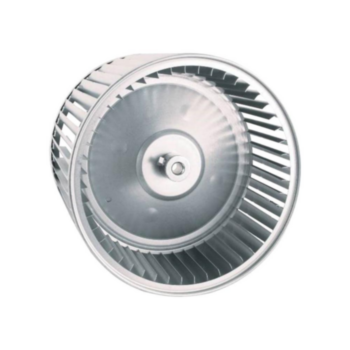
Older furnaces utilize standard single-speed blower motors that blast air into home ductwork at full capacity whenever heat is called for, resulting in noisy air blasts, noticeable temperature spikes, and cold drafts between heating cycles. High-efficiency 96%+ AFUE gas furnaces feature ECM (Electronically Commutated) variable-speed blower motors. Variable-speed ECM motors adjust fan speed dynamically based on system static pressure and real-time heating demand. By circulating air continuously at lower, quieter fan speeds, variable-speed blowers eliminate indoor cold spots, maintain balanced humidity, and consume up to 75% less electrical power than standard blower motors.
Two-Stage and Modulating Gas Valves
While standard single-stage furnaces operate at 100% full fire whenever the thermostat calls for heat, advanced condensing furnaces feature two-stage or fully modulating gas valves. A two-stage gas furnace operates on low stage (roughly 60% to 70% heating capacity) for approximately 80% of the winter, providing quiet, continuous, low-energy heating during mild days. When outdoor temperatures drop during severe freeze events, the furnace automatically ramps up to high stage to deliver maximum capacity. Modulating gas furnaces take efficiency a step further by adjusting heat output in precise 1% increments to match household heat loss perfectly.
Indoor Air Quality and Thermal Comfort
Continuous low-stage operation allows indoor air to pass through system air filters and air purification accessories more frequently, trapping airborne dust, pollen, and winter allergens. Maintaining constant low-velocity airflow also prevents heat stratification, ensuring that warm air is evenly distributed across every room rather than collecting near ceilings.
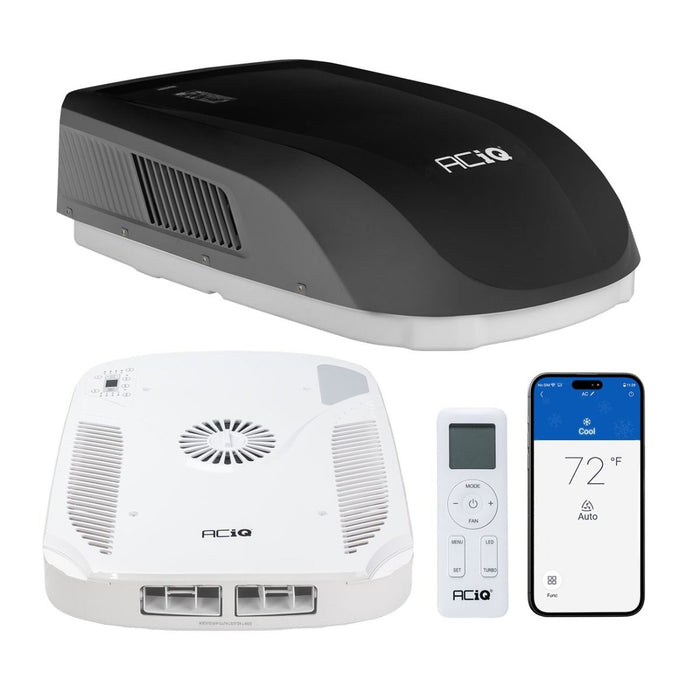
Pairing variable-speed furnace blowers with matched indoor coils creates a reliable foundation for total home air distribution. Explore matched air handling equipment and duct accessories across various brands, including Air Handlers, Air Handlers ACIQ, Air Handlers Cooper and Hunter, and Air Handlers MRCOOL.
Property owners across cold northern metros can explore high-efficiency heating solutions designed for sub-zero conditions, such as Boston, MA Mini Splits, Buffalo, NY Mini Splits, Chicago, IL Mini Splits, Miami, FL Mini Splits, and New York City, NY Mini Splits.
Why Coil Matching Matters: Pairing Furnaces with Low-GWP Evaporator Coils
When planning a furnace overhaul, many homeowners consider replacing only the furnace while leaving the existing indoor evaporator coil in place. However, leaving an old, dirty, or incorrectly sized evaporator coil connected to a new high-efficiency gas furnace compromises system performance, restricts airflow, and leads to premature equipment failure.
The Science of Matched Split Systems
A split furnace and coil system relies on a precise balance of static pressure, airflow CFM, and coil surface area. Installing a new 96%+ AFUE furnace underneath an aging, restricted evaporator coil increases internal static pressure, forcing the furnace variable-speed blower motor to work harder, consume excess electricity, and potentially trip high-limit safety switches. Factory-matched furnace and coil split bundles are engineered with matching cabinet widths, pressure drop profiles, and heat transfer capacities, ensuring optimal system airflow and maintaining full seasonal operating efficiency.
Low-GWP Refrigerant Transition and All-Aluminum Construction
Modern evaporator coils are engineered to support environmentally friendly, low-GWP refrigerants, complying with current environmental regulations and phase-out mandates. Legacy copper coils are highly susceptible to formicary corrosion—a chemical reaction between copper tubing, moisture, and household organic acids that creates microscopic pinhole refrigerant leaks over time. Modern high-efficiency evaporator coils feature all-aluminum tube and fin construction, eliminating formicary corrosion risks, reducing unit weight, and providing superior long-term refrigerant containment.
To support complete furnace and coil split system upgrades, explore dedicated evaporator coil collections grouped by tonnage capacity and refrigerant compatibility:
For property owners in western and southern regions balancing seasonal heating and cooling demands, explore regional options such as Portland, OR Mini Splits, San Antonio, TX Mini Splits, Seattle, WA Mini Splits, Worcester, MA Mini Splits, San Jose, CA Mini Splits, San Francisco, CA Mini Splits, Fresno, CA Mini Splits, and Dallas, TX Mini Splits.
System Sizing, Installation Best Practices & Pre-Winter Checklist
Proper installation and precise load calculations are essential to achieving the rated 96%+ AFUE efficiency and long-term reliability of a high-efficiency gas furnace and coil split system. Following industry-standard installation protocols protects your investment and ensures safe, trouble-free winter operation.
Manual J Load Calculations and Sizing
Never size a replacement gas furnace solely based on the BTU rating of the old system. Legacy systems were frequently oversized, leading to short cycling, temperature swings, and excessive wear on ignition components. Performing an ACCA Manual J load calculation determines exact heating requirements based on home square footage, wall insulation levels, window ratings, ceiling height, and regional climate design temperatures. Correctly matching furnace BTU output and coil tonnage ensures long, efficient heating cycles and balanced indoor temperatures.
PVC Venting and Condensate Drainage
Because 96%+ AFUE condensing furnaces extract heat until exhaust gases condense into water, flue gas must be vented horizontally or vertically through sealed Schedule 40 PVC, CPVC, or polypropylene pipe rather than standard B-vent metal chimneys. Vent pipes must maintain proper pitch back toward the furnace to allow flue condensate to drain correctly. Additionally, high-efficiency furnaces generate several gallons of acidic condensate daily during heavy winter heating. Condensate drain lines must be installed with proper traps and routed to a dedicated drain or condensate pump, with freeze protection installed for lines passing through unconditioned crawl spaces or attics.
Upgrade Your Home Heating Infrastructure Before Winter Sets In
Replacing an outdated, inefficient furnace with a high-efficiency 96%+ AFUE gas furnace and matched low-GWP evaporator coil split system is the single most effective way to guarantee winter heating comfort while driving down annual fuel costs. By combining secondary heat exchanger condensing technology, ECM variable-speed air distribution, and factory-matched evaporator coil sizing, a modern split heating overhaul delivers whisper-quiet, consistent warmth across every room in your home.
Do not wait for sub-zero winter temperatures to cause an unexpected furnace breakdown. Upgrade your central heating infrastructure before severe weather arrives. Browse our extensive e-commerce inventory of gas furnaces, indoor evaporator coils, split system bundles, and installation accessories at HVAC Supplies.
Contact us now and let us help you understand and choose the right BTU load calculations, coil matching, or system compatibility for your home and office. Invest in a high-efficiency gas furnace and coil split system today to secure reliable, low-cost heating all winter long.
Ready to secure your home heating infrastructure with a high-efficiency gas furnace and matched evaporator coil? Explore professional-grade heating bundles and accessories at the HVAC Supplies marketplace today.