























Microchannel vs. Copper Tube Evaporator Coils: Which Survives Humid Summer Climates Better?
Share
HVAC SUPPLIES
Heat Exchanger Engineering Guide
Microchannel Coils vs. Traditional Copper Tube Coils
When the sweltering heat of a humid summer settles over residential and commercial neighborhoods, reliable climate control transitions from a mere luxury to an absolute necessity. Homeowners and facility managers rely heavily on their heating, ventilation, and air conditioning systems to maintain comfortable indoor environments, stripping sticky, moisture-laden air out of living spaces. However, high-humidity environments place an extraordinary amount of physical stress on internal components, most notably the evaporator and condenser coils. When an HVAC system begins to struggle, ice over, or leak refrigerant, property owners are frequently forced to evaluate the underlying hardware of their units. Navigating these repairs often introduces a complex engineering debate: should you replace a failing assembly with a traditional copper tube and aluminum fin coil, or transition to a modern all-aluminum microchannel coil?
To make an informed decision that safeguards your investment, it helps to partner with trusted providers and explore comprehensive catalogs available through industry leaders like HVAC Supplies. High moisture regions experience unique environmental pressures that test the physical limits of air conditioning equipment. For instance, property owners managing properties in regions represented by Miami FL Mini-Splits, Austin TX Mini-Splits, and San Antonio TX Mini-Splits face relentless humidity that accelerates metal fatigue and corrosion. Understanding how different coil architectures handle thermal transfer, refrigerant containment, and environmental degradation is critical for preventing premature equipment failure. This article explores the engineering nuances of both coil types to help you choose the ideal replacement assembly for your specific regional climate.
Understanding the Contenders
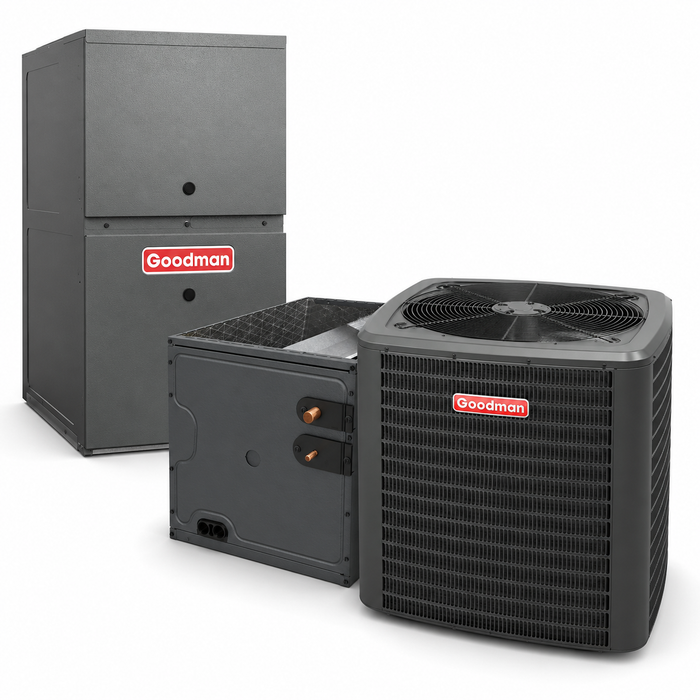
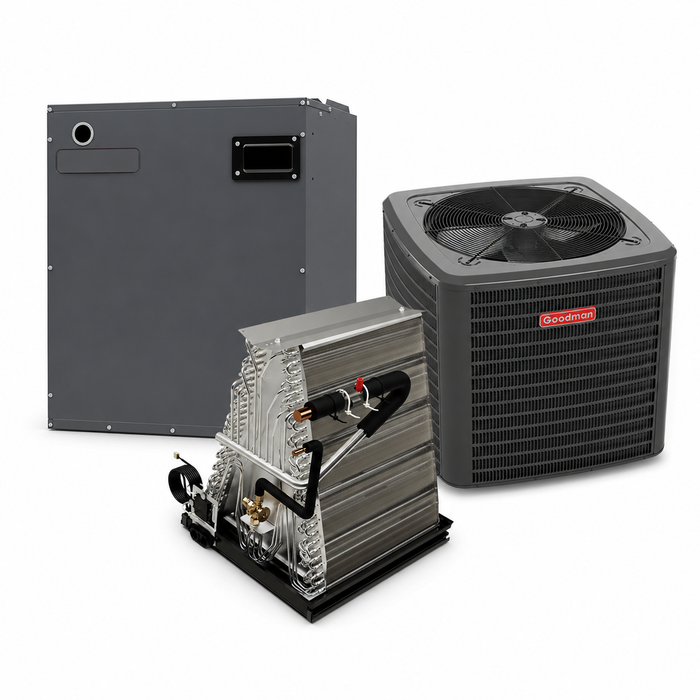
To truly appreciate the performance differences between microchannel coils and traditional copper tube systems, one must examine their structural composition and manufacturing pedigree. Traditional copper tube and aluminum fin coils have served as the baseline standard of the HVAC industry for decades. This conventional design features serpentine copper tubing through which refrigerant flows, surrounded by mechanically bonded aluminum fins designed to maximize surface area for heat dissipation and absorption. Copper has long been favored for its exceptional thermal conductivity, malleability, and ease of field repair, making it a familiar choice for generations of HVAC technicians. However, the dissimilar metal pairing of copper tubes and aluminum fins introduces distinct vulnerabilities, particularly when exposed to aggressive atmospheric conditions and continuous condensation cycles.
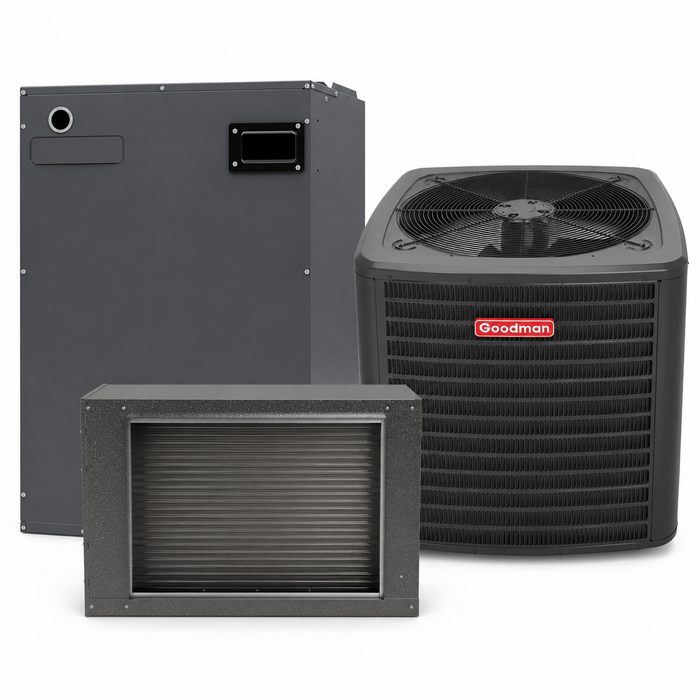
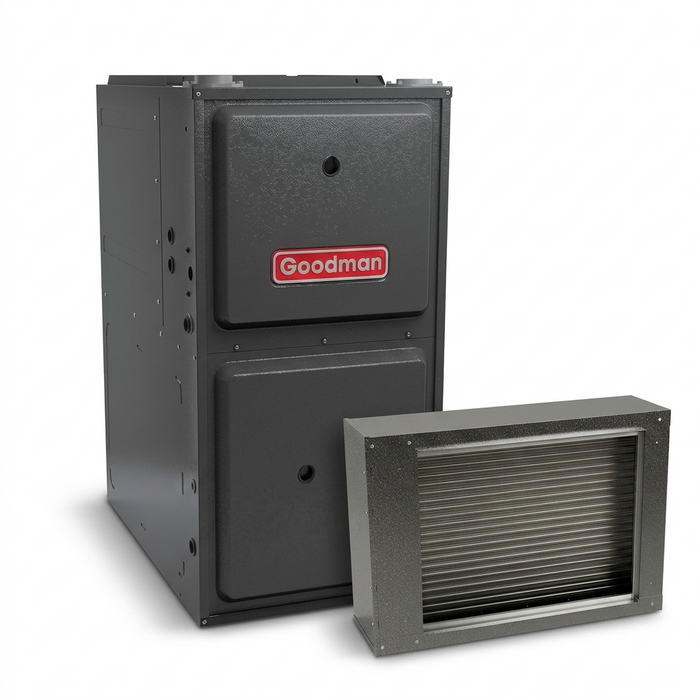
In contrast, all-aluminum microchannel coils represent a major leap forward in heat exchanger design and materials science. Instead of round copper pipes, a microchannel coil utilizes flat aluminum tubes containing multiple microscopic parallel channels through which the refrigerant passes. These flat tubes are integrated with louvered aluminum fins, creating a compact, brazed aluminum matrix. Because the entire assembly is constructed from aluminum alloys, the risk of galvanic corrosion between dissimilar metals is entirely eliminated. This modern design allows for a much thinner, lighter, and more compact coil profile without sacrificing structural integrity. Whether you are servicing central split systems, modular configurations, or upgrading air handling units found in collections such as Air Handlers, Air Handlers ACIQ, Air Handlers Cooper and Hunter, Air Handlers MRCOOL, Armbridge, Bravo, or general equipment lines like ACIQ Collections, evaluating these material differences is essential for long-term reliability.
Head-to-Head Comparison 1: Heat Transfer Efficiency
Heat transfer efficiency is the primary metric by which any HVAC coil is judged. The core purpose of an evaporator coil is to absorb heat from indoor air as the liquid refrigerant changes phase into a gas. In humid summer climates, the coil must perform a dual function: it must provide sensible cooling (lowering dry-bulb temperature) and latent cooling (removing moisture by condensing water vapor out of the air). Microchannel coils excel in thermal performance due to their unique geometry. The microscopic multi-port design of the flat aluminum tubes creates turbulent refrigerant flow and enhances the contact area between the refrigerant and the tube walls. Furthermore, the compact arrangement of the louvered aluminum fins optimizes airside heat transfer coefficients, allowing microchannel coils to achieve superior heat exchange efficiency in a significantly smaller physical footprint.
Traditional copper tube and aluminum fin coils offer reliable thermal conductivity, but their overall efficiency can degrade over time due to imperfect thermal bonding between the round tubes and the mechanical collar of the fins. While copper itself conducts heat exceptionally well, the mechanical expansion process used to bond copper tubes to aluminum fins can leave microscopic air gaps that impede optimal heat transfer. In muggy summer environments, where air density and moisture content fluctuate wildly, maintaining peak thermal efficiency is vital. Microchannel coils maintain consistent heat transfer rates across their lifespan, helping air conditioning systems manage heavy latent heat loads more effectively. This efficiency advantage is just as important in northern or coastal urban centers like New York City NY Mini-Splits, Chicago IL Mini-Splits, Aurora IL Mini-Splits, Boston MA Mini-Splits, Worcester MA Mini-Splits, and Buffalo NY Mini-Splits, where seasonal humidity spikes demand responsive, high-performance climate control.
Head-to-Head Comparison 2: Refrigerant Charge Size
Another critical distinction between microchannel coils and traditional copper tube configurations lies in the internal volume of the heat exchanger, which directly dictates the required refrigerant charge size. Because microchannel coils feature flat, multi-port extruded aluminum tubes with extremely narrow internal dimensions, their internal fluid volume is drastically lower than that of conventional round copper tube coils. This reduction in internal volume means that systems utilizing microchannel evaporator and condenser coils require a substantially smaller refrigerant charge to operate at peak efficiency. In an era of strict environmental regulations regarding hydrofluorocarbons (HFCs) and the ongoing transition toward eco-friendly refrigerants, minimizing total system refrigerant charge offers major operational and ecological benefits.
A smaller refrigerant charge not only reduces the environmental impact in the event of a minor leak but also optimizes operating pressures and lowers material costs associated with charging the system. However, this characteristic requires precise engineering during system design, as microchannel coils are less forgiving of improper refrigerant charging than their copper-tube counterparts. Technicians must exercise careful precision to ensure the system is neither undercharged nor overcharged. These advanced engineering considerations benefit residential and commercial installations across diverse geographic landscapes, from the Pacific Northwest and Mountain regions down to California and the South, including properties serviced by Seattle WA Mini-Splits, Portland OR Mini-Splits, San Francisco CA Mini-Splits, San Jose CA Mini-Splits, Fresno CA Mini-Splits, Los Angeles CA Mini-Splits, San Diego CA Mini-Splits, and Dallas TX Mini-Splits.
Head-to-Head Comparison 3: Corrosion Resistance & Durability
When evaluating HVAC components for humid summer climates, corrosion resistance and structural durability are arguably the most important decision-making factors. Traditional copper tube and aluminum fin coils are inherently susceptible to a destructive electrochemical process known as galvanic corrosion. Galvanic corrosion occurs when two dissimilar metals, in this case, copper tubing and aluminum fins, come into electrical contact in the presence of an electrolyte. In humid summer air, atmospheric moisture, airborne pollutants, salt spray in coastal zones, and organic acids combine to form a potent electrolyte solution on the wet surfaces of the evaporator coil. This triggers rapid deterioration at the joints where copper and aluminum meet, frequently resulting in microscopic pinhole leaks that allow expensive refrigerant to escape and render the HVAC system inoperable.
All-aluminum microchannel coils eliminate the root cause of galvanic corrosion by utilizing a single metal family throughout the entire heat exchanger structure. Because both the flat tubes, manifolds, and fins are constructed from specialized aluminum alloys, dissimilar metal interaction is completely absent. Furthermore, advanced manufacturing techniques often apply protective conversion coatings or zinc-infused layers to the aluminum matrix, dramatically enhancing resistance to harsh environmental elements, urban pollution, and aggressive coastal humidity. This high level of durability makes all-aluminum microchannel technology exceptionally well-suited for humid summer environments where condensation is constant and aggressive. Property owners seeking robust upgrades can explore specialized assemblies and matched components found within comprehensive product lineups such as AC Plus Coil, AC Plus Coil 15k 18k, AC Plus Coil 18k 24k, AC Plus Coil 24k 30k, AC Plus Coil 30k 36k, AC Plus Coil 36k 48k, AC Plus Coil 48k 60k, AC Plus Coil 60k 72k, AC Plus Coil ACIQ, Evaporator Coils ACIQ, Furnace Plus Coil ACIQ, and Heat Pump Plus Coil ACIQ.
Solving Common Coil Problems: Freezing and Leaks
Every HVAC technician and property owner understands the frustration associated with common coil failures, particularly during peak summer cooling seasons. Evaporator coil freeze-ups and stubborn refrigerant leaks account for the vast majority of emergency service calls. When humidity levels peak, air conditioning systems work overtime to condense moisture out of the indoor air. If airflow becomes restricted due to a dirty air filter, blocked return ducts, or a failing blower motor, the temperature of the evaporator coil can drop below freezing. The moisture condensing on the coil rapidly turns into a solid sheet of ice, completely insulating the heat exchanger, blocking airflow, and causing the entire climate control system to fail. Repeated freeze-thaw cycles place immense mechanical stress on tube walls and fin joints, often exacerbating existing micro-fractures.
When a coil develops a refrigerant leak due to formicary corrosion in copper tubes or physical fatigue, homeowners face a critical choice between attempting a field repair or investing in a total component replacement. While professional technicians can sometimes locate and braze a leak on a traditional copper coil, patching old, oxidized metal in a humid environment is often a temporary fix that leads to recurring failures. Replacing the compromised assembly with a modern, durable coil ensures long-term system reliability. For specialized living spaces, mobile home owners can find tailored solutions by exploring Mobile Home AC and Coil Systems, including Mobile Home AC and Coil Systems 18k 24k, Mobile Home AC and Coil Systems 24k 30k, Mobile Home AC and Coil Systems 30k 36k, Mobile Home AC and Coil Systems 36k 48k, Mobile Home AC and Coil Systems 48k 60k, and Mobile Home AC and Coil Systems ACIQ. Furthermore, successful repairs and installations often require supporting hardware found across categories such as AC Electrical Accessories, Air Quality Accessories, Central Ducted Accessories, Mini Splits Accessories, Mobile Home Accessories, Package Units Accessories, Parts and Accessories, and Specialty Units Accessories.
Finding the Right Replacement Coil or System
Selecting the correct replacement coil or complete HVAC system requires careful attention to equipment sizing, ductwork compatibility, refrigerant type, and architectural configuration. Whether you are maintaining a traditional central ducted setup or upgrading to a flexible multi-zone ductless architecture, matching your equipment specifications to your building's exact cooling load is paramount. For larger residential or commercial applications demanding zone-controlled comfort, multi-zone wall mount systems provide exceptional efficiency and precise temperature regulation. Property managers can examine various capacity ranges and manufacturer options by exploring collections such as 6 Zone Wall Mount, 6 Zone Wall Mount 36k 48k, 6 Zone Wall Mount 48k 60k, 6 Zone Wall Mount 60k 72k, 6 Zone Wall Mount ACIQ, 6 Zone Wall Mount Cooper and Hunter, and 6 Zone Wall Mount MRCOOL.
Conclusion
When all factors are weighed, the debate between microchannel coils and traditional copper tube aluminum fin coils comes down to understanding your local climate demands and long-term maintenance goals. While traditional copper coils offer familiarity and ease of repair, all-aluminum microchannel coils provide undeniable advantages in high-humidity summer environments through superior corrosion resistance, optimized heat transfer efficiency, and reduced refrigerant charge requirements. Choosing the right replacement coil or system ensures that your climate control infrastructure will endure punishing moisture loads without suffering from premature leaks or efficiency degradation.
If you are currently facing a frozen coil, stubborn refrigerant leak, or simply want to upgrade your home or commercial heating and cooling performance, taking prompt action is essential. Contact us now to speak with industry experts, or browse the complete inventory of professional-grade replacement coils, accessories, and complete systems at HVAC Supplies today.
Are you ready to upgrade your cooling system and secure premium replacement coils or matched accessories? Explore the extensive collection of professional-grade equipment by visiting the HVAC Supplies Marketplace today.