






















High Ambient Temperatures vs Low-GWP Refrigerants: What Your Manifold Gauges Must Handle
Share
HVAC SUPPLIES
Summer Efficiency Guide
Rooftop Realities: Low-GWP Refrigerants & High Ambient Demands
Picture a grueling, real-world scenario that every service technician knows too well: a peak afternoon service call on an unshaded, blistering commercial rooftop. The sun beats down directly onto the reflective roofing material, creating an environment where temperatures easily exceed the standard ambient readings taken at ground level. As you carry your tool bag across the hot asphalt, the metal equipment chassis of the condensing units feels hot enough to burn unprotected skin. This intense thermal environment forces the commercial cooling hardware to work against extreme atmospheric resistance, altering baseline refrigeration cycle dynamics before you even connect your diagnostics.
The science of high ambient heat reveals a direct, unforgiving relationship between extreme outdoor temperatures and the internal physics of an HVAC system. When soaring ambient heat compromises the condenser coil's ability to reject heat into the surrounding atmosphere, condensing pressures spike dramatically within the high side of the system. This pressure increase forces the compressor to work against a much higher compression ratio, leading to significantly longer equipment run times and increased power consumption. As the refrigerant approaches its critical temperature limit, subcooling values drop, and the expansion device struggles to maintain a stable flow rate, triggering erratic system readings that complicate the diagnostic process.
The contractor's physical discomfort—sweat dripping into your safety glasses, blinding glare off the aluminum fins, and the radiating heat from the fan exhaust—perfectly mirrors the severe stress the HVAC system and your diagnostic tools are undergoing. In this high-stakes environment, a modern twist complicates the job: working with newer, low-GWP (Global Warming Potential) refrigerants means the old rules and legacy tools don't cut it anymore. Technicians cannot simply rely on historical pressure charts or the familiar physical responses of older chemical compounds when servicing advanced architectural setups across regional heating and cooling zones.
The Low-GWP Reality: Tighter Tolerances under Summer Stress
The widespread transition to eco-friendly HVAC systems requires a deeper look at the chemical behavior of alternative refrigerants. Modern low-GWP alternatives and zeotropic or near-azeotropic blends behave differently than legacy gases under extreme heat. Many of these alternative fluids are engineered with unique pressure-temperature relationships designed to maximize thermodynamic efficiency while minimizing environmental impact. However, these optimized chemical structures operate within incredibly tight pressure tolerances. While older generations of single-compound refrigerants offered a wider margin of error during field charging, modern chemical mixtures leave no room for guesswork.
Attempting to "just eyeball it" based on historical analog gauge approximations or general pressure trends is a major risk for system performance. Because low-GWP blends are highly sensitive to mass flow variations and volume changes, even a minor pressure deviation can disrupt the calculated glide and sensible heat transfer across the heat exchangers. During a mild spring day, a slight error in pressure measurement might go unnoticed, but summer conditions amplify these inaccuracies exponentially. When ambient temperatures climb, the localized pressure variations inside a liquid line or suction line become highly volatile, turning a small gauge reading error into a significant operational risk.
This summer amplification leads directly to critical system failures, including severe overcharging, undercharging, or immediate high-pressure system lockouts. An overcharged low-GWP system subjected to blazing outdoor heat will rapidly exceed its upper pressure threshold, forcing high-pressure safety switches to trip and shutting down the compressor entirely. Conversely, an undercharged state reduces mass flow, causing the compressor to overheat due to insufficient cooling return gas. For contractors working on specialized residential and commercial retrofits across high-demand areas like the Miami, FL mini-splits or Dallas, TX mini-splits markets, achieving flawless precision during peak summer load testing is the only way to ensure seasonal reliability.
How Extreme Heat Sabotages Standard Manifold Gauges
Standard manifold gauges face a significant hidden enemy on hot rooftops: calibration drift. When an analog or poorly insulated digital gauge sits under direct, baking sunlight, the extreme heat causes its internal metallic components, Bourdon tubes, and sensitive electronic transducers to physically expand. This thermal expansion introduces significant calibration errors, manifesting as "ghost" pressure spikes or depressed readings that do not reflect the actual state of the refrigerant loop. A technician relying on an uncalibrated tool under these conditions is reacting to tool distortion rather than true system performance.
Beyond internal calibration errors, intense environmental heat accelerates material fatigue across the entire gauge assembly. High ambient temperatures and constant UV exposure weaken the specialized rubber or synthetic compounds used in standard charging hoses, degrading internal gaskets, seals, and O-rings. Over time, this thermal stress causes the materials to harden, crack, or lose their elasticity, creating micro-leaks at critical connection points and altering the hose's burst pressure threshold. When a hose or internal manifold seal degrades under high pressure, it introduces ambient moisture or air into the testing loop, compromising both the accuracy of the reading and the purity of the system.
The ultimate consequence of tool failure on a hot day is the high cost of misdiagnosis. When ambient heat causes internal components to shift and hoses to soften, the manifold gauge actively misleads the technician. For instance, a false high-pressure reading caused by calibration drift might lead a technician to mistakenly reclaim refrigerant from a perfectly balanced system, assuming it is overcharged. This incorrect action lowers the system's capacity, spikes compressor temperatures, and guarantees costly callbacks or catastrophic equipment failure, resulting in lost revenue and damaged client trust.
Shifting from "Features" to Survival: What Your Gauge Actually Needs
To survive extreme summer conditions and the demanding performance curves of modern eco-friendly equipment, high durability must be viewed as an absolute necessity rather than a premium feature upgrade. Technicians need instrumentation engineered specifically to withstand physical distortion when subjected to intense heat and pressure. Investing in professional-grade equipment ensures that your tools remain highly accurate when you need them most, protecting your reputation and your bottom line.
When evaluating a manifold gauge for low-GWP applications, look for three non-negotiable structural elements:
High-Pressure Ratings
Modern eco-friendly blends can exhibit sharp, rapid pressure increases as temperatures climb. A manifold set built with exceptionally high working and burst pressure ratings provides an essential safety and accuracy guarantee against unpredictable low-GWP pressure spikes. This robust design prevents internal manifold block cracking and ensures the tool handles high-pressure testing cycles safely without losing structural integrity over time.
Thermal Resilience
True thermal resilience requires premium construction materials, such as heavy-duty forged brass or anodized aluminum manifold blocks, paired with advanced heat-resistant charging hoses. These specialized materials reject ambient temperature interference, ensuring that internal valves, seals, and sensors maintain their exact physical dimensions even when exposed to high temperatures. This prevents calibration drift and keeps the tool perfectly accurate throughout a demanding day of service.
Display Stability
A steady display is critical when analyzing volatile system pressures under direct, blinding sunlight. Whether you prefer premium high-contrast analog dials with temperature-compensated movements or high-end digital manifolds with ruggedized, UV-shielded LCD screens, display stability ensures you can read critical metrics clearly without dealing with flickering digits, faded screens, or fluttering needles. This clarity allows you to calculate superheat and subcooling values accurately on the first try.
Precision Infrastructure Across Varied Regional Climates
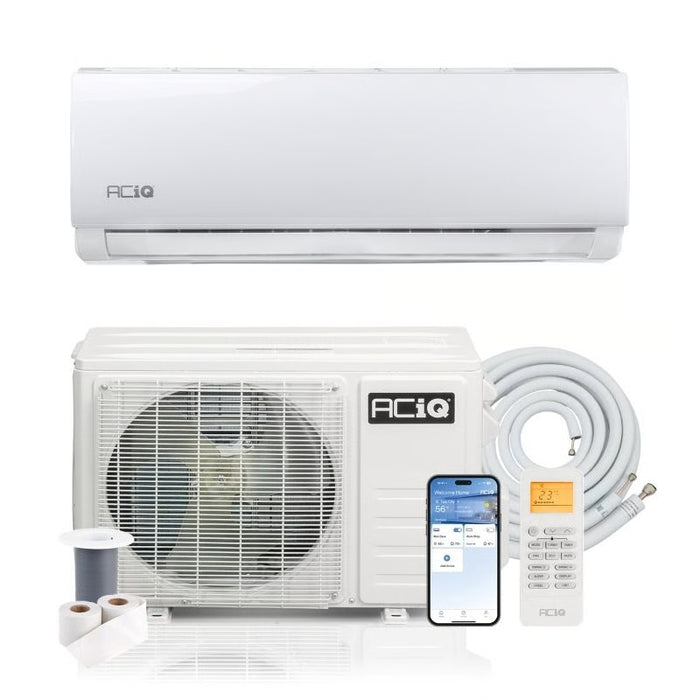
The need for high-precision instrumentation spans all types of equipment and geographic locations. Across major metropolitan areas, diverse building architectures demand highly versatile heating and cooling solutions. For instance, dense urban residential zones rely heavily on compact multi-zone equipment to maximize comfort within limited footprints. Technicians managing complex installations in these areas frequently utilize specialized equipment from our comprehensive collections, including 6 zone wall mount systems, 6 zone wall mount 36k 48k systems, 6 zone wall mount 48k 60k configurations, and 6 zone wall mount 60k 72k high-capacity setups. These multi-zone platforms require highly accurate pressure balancing during commissioning, especially when charging long line sets under fluctuating outdoor temperatures.
Similarly, regional climate profiles dictate the exact type of hardware required to maintain indoor air quality and temperature control. Technicians operating in traditional, cold-weather regions require ultra-reliable systems that transition seamlessly between intense summer cooling and deep winter heating. You can explore our dedicated regional product lines to see how specific configurations are optimized for distinct metropolitan environments across the Northeast and Midwest:
Boston, MA mini-splits Buffalo, NY mini-splits New York City, NY mini-splits Chicago, IL mini-splits Aurora, IL mini-splits Worcester, MA mini-splits
Whether handling a compact dual-zone setup or a massive multi-split array in these cities, a technician's manifold gauges must provide pinpoint accuracy to guarantee the system meets its rated seasonal efficiency metrics.
Meanwhile, the West Coast features its own unique microclimates and strict environmental standards, driving rapid adoption of low-GWP technologies. From the damp mornings of the Pacific Northwest to the baking valley heat of Central California, field tools must adapt to major environmental shifts over the course of a single workday. This geographic diversity is reflected in our localized service and product offerings, which support technicians working with modern inverter hardware across these key Western markets:
Seattle, WA mini-splits Portland, OR mini-splits San Francisco, CA mini-splits San Jose, CA mini-splits Fresno, CA mini-splits
In Fresno's dry heat or San Francisco's salty air, a standard gauge can degrade rapidly. Using a thermally stable, low-GWP-rated manifold set is the only way to ensure your readings are accurate and your diagnostic conclusions are sound.
! Eliminating the Gauge Variable
When troubleshooting an erratic system on a hot day, it is easy to assume that a fluctuating expansion valve or a failing compressor is causing the problem. However, experienced technicians know that troubleshooting must always begin by verifying the accuracy of their own tools. Before condemning a thermal expansion valve (TXV), an inverter compressor, or an expensive circuit board based on unstable readings, perform a quick and simple field test: The Shade Test.
[Erratic System Readings]
│
▼
[Perform The Shade Test] —> Move/shade gauges for a few minutes
│
├─►
Readings Stabilize? ──► Tool Calibration Drift (Gauge Error)
└─►
Readings Stay Unstable? ──► True System Issue (TXV, Compressor, etc.)
Physically move or shade your manifold gauges from direct sunlight for a few minutes. This simple practice lets the manifold block and internal sensors cool down and drop back toward normal ambient temperatures, reducing the thermal stress on the internal transducers or Bourdon tubes. If your pressure readings stabilize or shift significantly once the tool is shaded, you are dealing with tool calibration drift rather than a true system malfunction. Positioning this check as a standard workflow habit builds immediate credibility with other field technicians, demonstrating an understanding of how tools behave under extreme environmental conditions. Mastering this step prevents diagnostic errors, protects your professional credibility, and saves hours of unnecessary troubleshooting on a scorching rooftop.
Heavy-Duty Commercial Architecture and Large-Scale Deployments
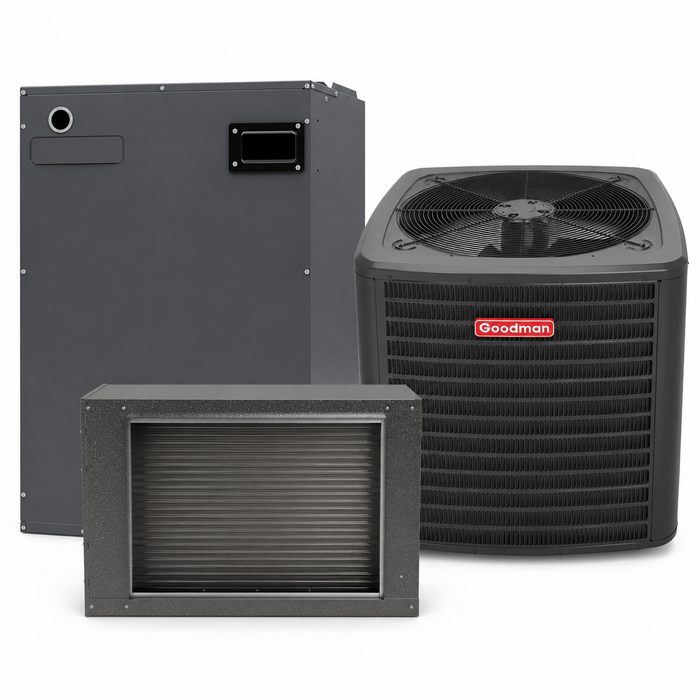
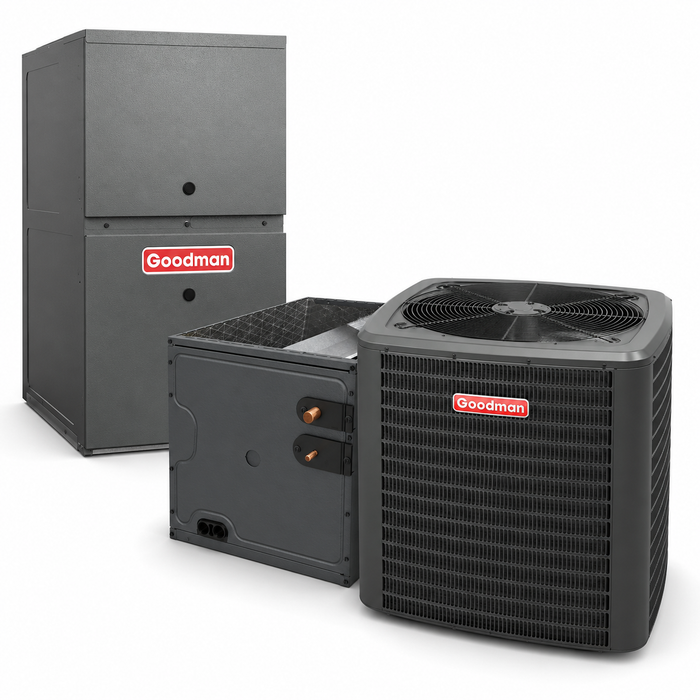
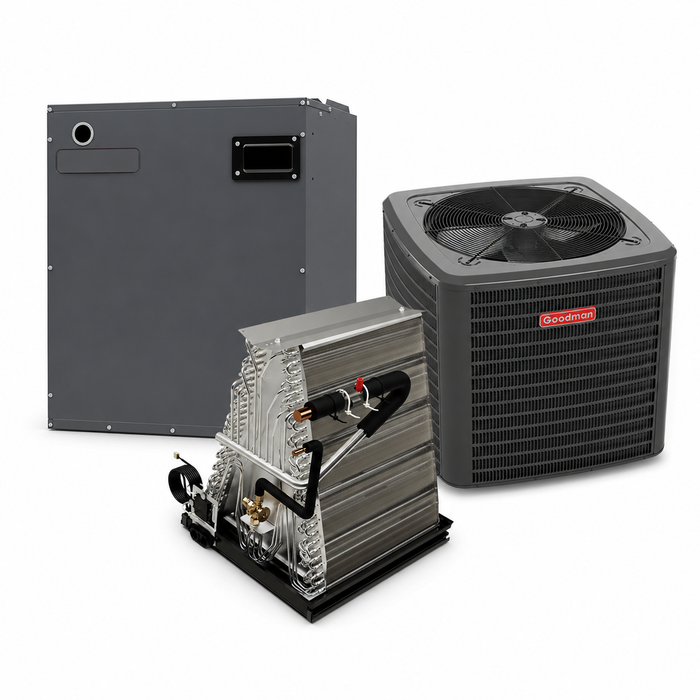
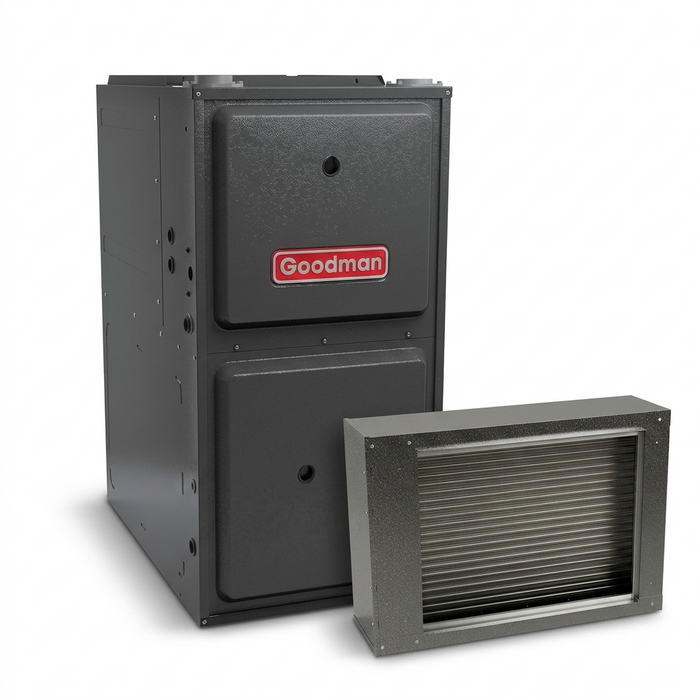
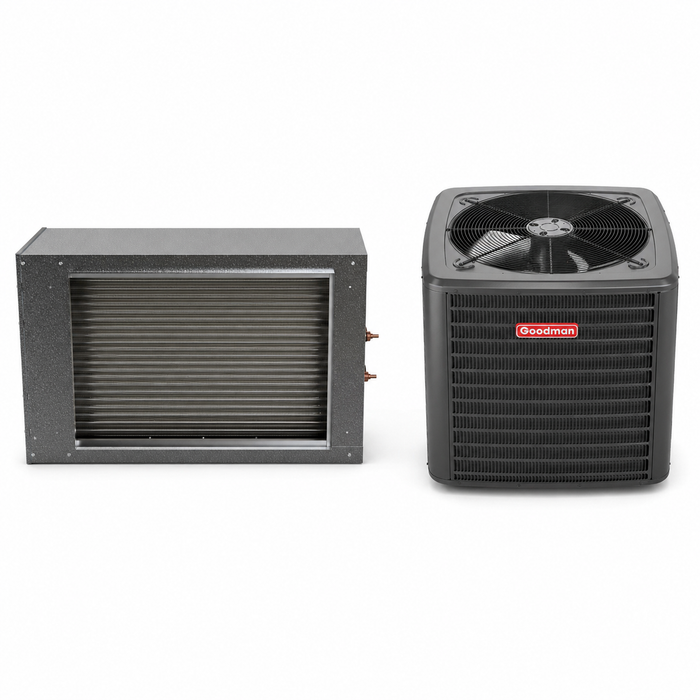
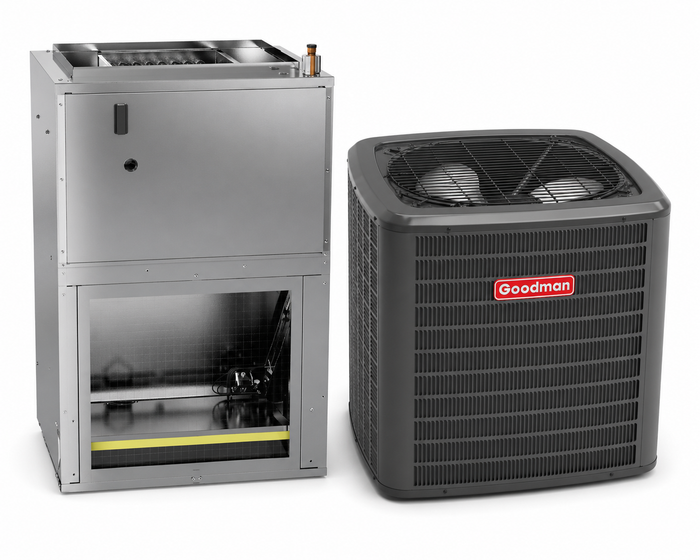
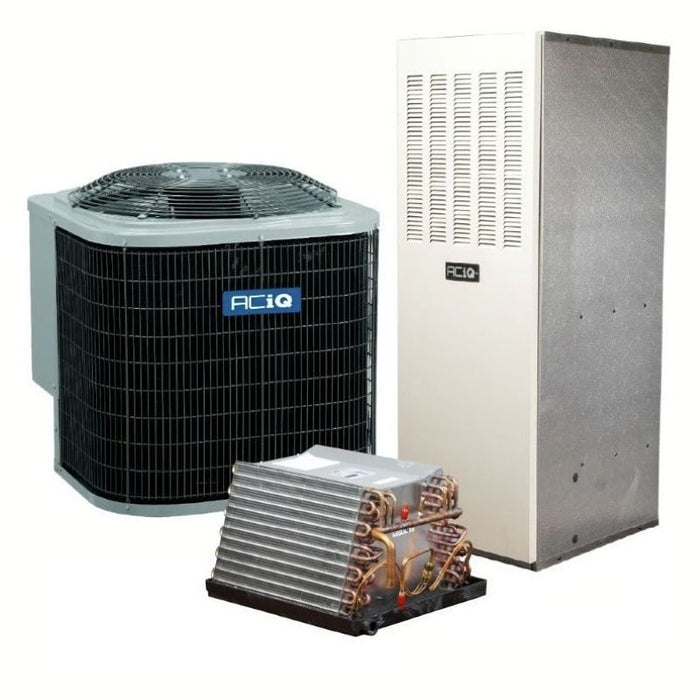
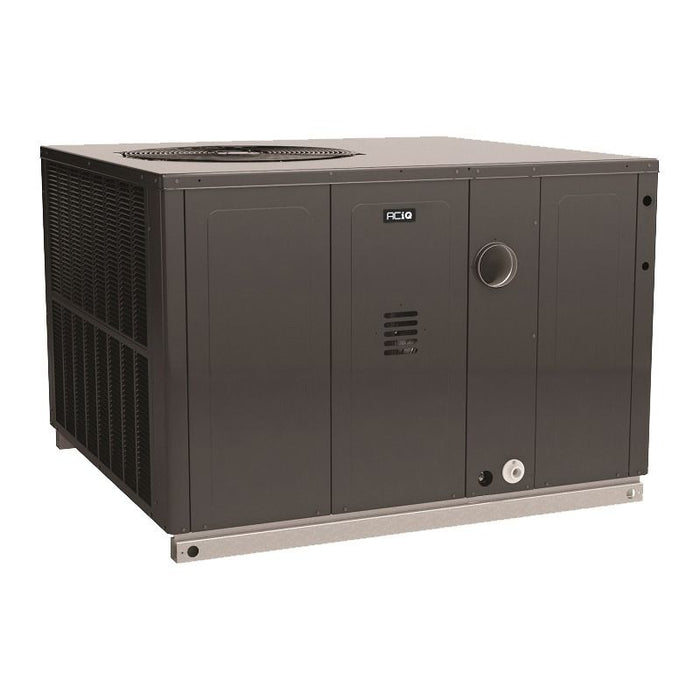
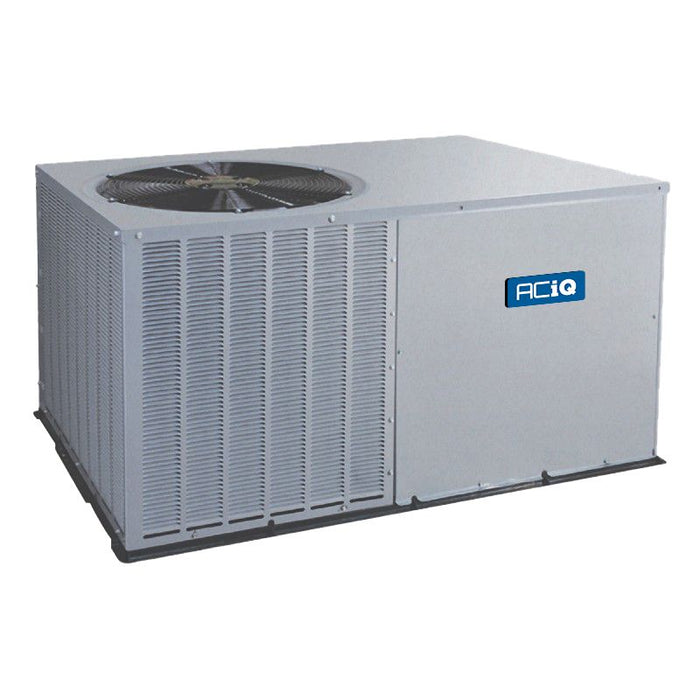
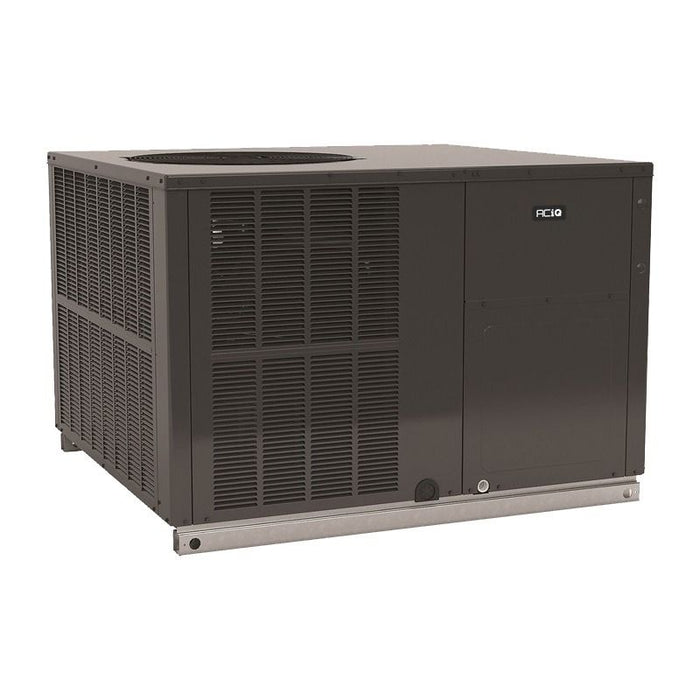
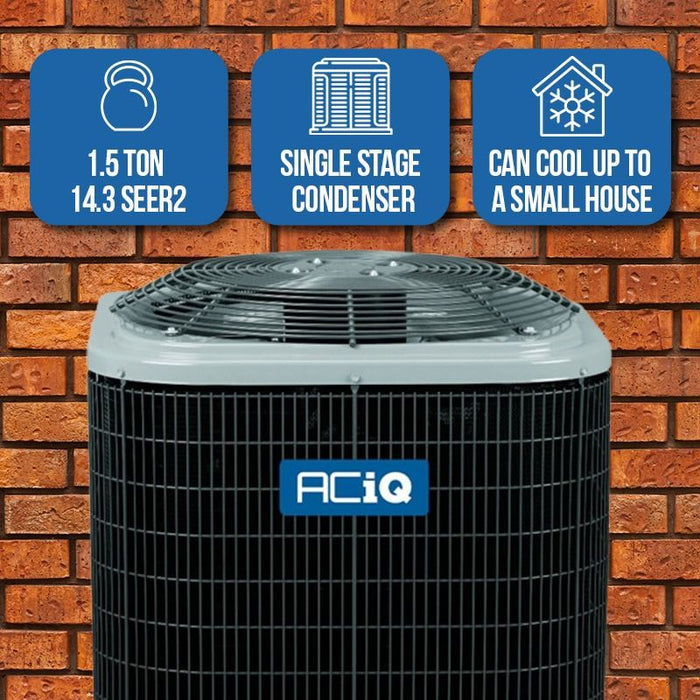
Beyond ductless mini-split systems, high ambient summer temperatures put significant stress on heavy central ducted systems, central packaged equipment, and large split system evaporators. When matching a central ducted condenser with its corresponding indoor cooling coil, technicians must closely monitor subcooling and superheat metrics to prevent liquid slugging back to the compressor under high load conditions. This balance is especially critical when dealing with large residential configurations or light commercial installations, which rely on robust central components from our specialized ducted collections: ac plus coil systems, evaporator coils aciq, furnace plus coil aciq, and heat pump plus coil aciq configurations.
To accommodate varying building layouts, these setups are engineered across a wide range of specific capacities to match distinct airflow and heat load requirements:
ac plus coil 15k 18k ac plus coil 18k 24k ac plus coil 24k 30k ac plus coil 30k 36k ac plus coil 36k 48k ac plus coil 48k 60k ac plus coil 60k 72k ac plus coil aciq
When analyzing a system operating with a newer alternative refrigerant, even a tiny reading error from an uncalibrated manifold gauge can lead a technician to miscalculate the system charge. This error can cause poor indoor humidity control, increased energy use, or premature compressor failure.
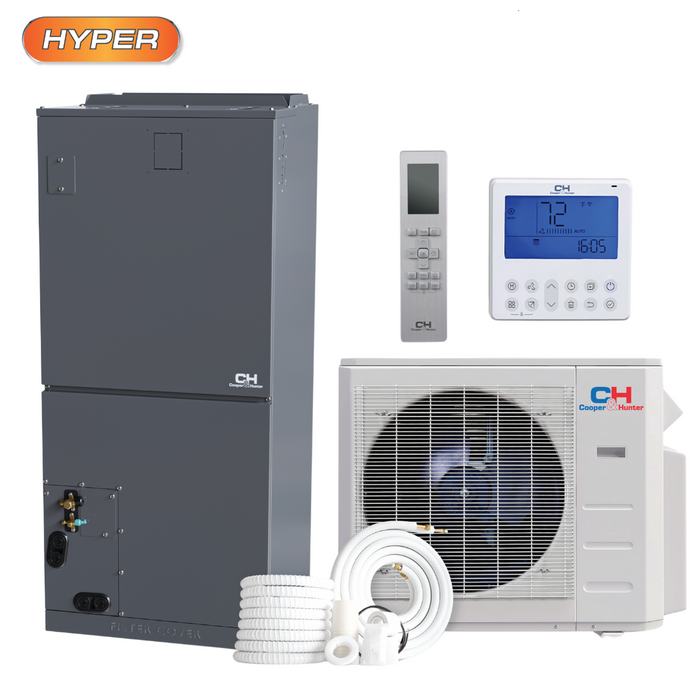
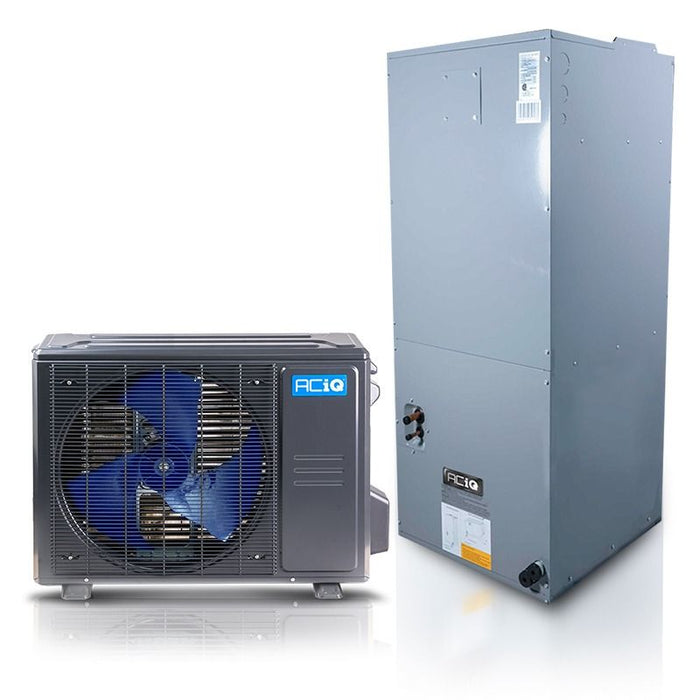
Similarly, multi-ton commercial installations utilize large-scale central air handlers to distribute air efficiently through complex duct networks. Servicing these heavy-duty systems requires an accurate understanding of total system pressures, especially during extreme summer heatwaves. Technicians can find high-performance central solutions from our comprehensive air handler lines: air handlers, air handlers aciq, air handlers cooper and hunter, and air handlers mrcool units. Whether working with brands like aciq, armbridge, or bravo, maintaining accurate diagnostic records under extreme weather is essential to keeping these commercial systems running reliably.
Specialized Mobile Home and Accessory Applications
The need for highly precise low-GWP tools extends to specialized sectors, including manufactured housing and mobile home communities. Mobile home split systems operate under unique airflow constraints, meaning even slight variations in refrigerant charge can quickly lead to an iced evaporator coil or a tripped high-pressure switch. Technicians working in this sector rely on our dedicated mobile home systems to deliver efficient cooling within these unique structural spaces: mobile home ac and coil systems and mobile home ac and coil systems aciq systems.
These specialized systems are designed in precise, space-saving capacities to ensure proper cooling across different home layouts:
Servicing these systems during a heatwave requires exceptionally accurate low-GWP manifold gauges. Because mobile home systems have smaller duct profiles and lower air volumes, there is very little room for error when adjusting the refrigerant charge.
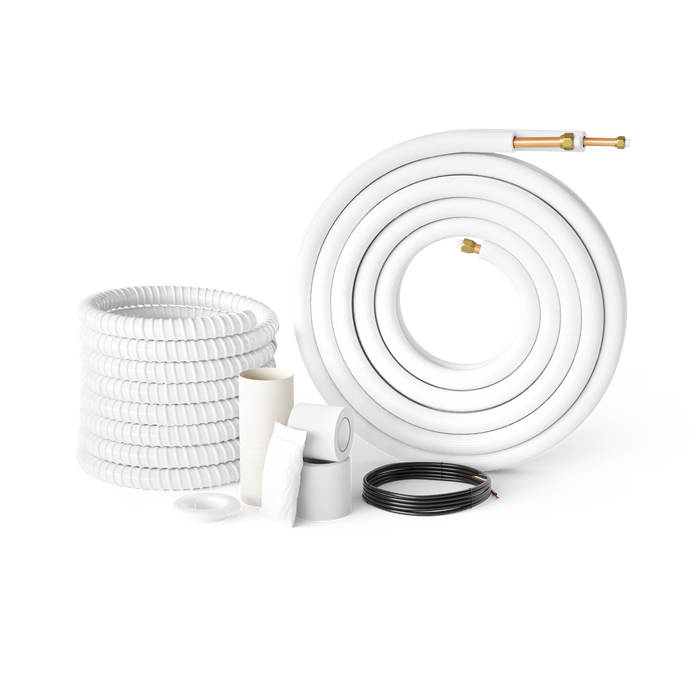
To complete an installation or repair successfully, technicians must also ensure every secondary component and field accessory is rated for the specific pressures of modern eco-friendly refrigerants. Using outdated installation accessories can create weak links in the system, leading to dangerous leaks or premature failures under high thermal stress. You can find high-quality components for any job profile across our specialized accessory lines:
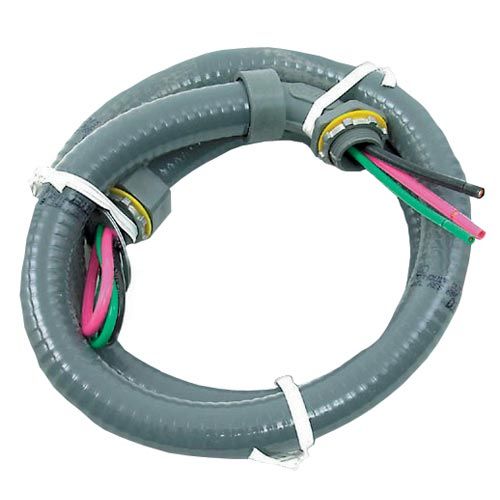
ac electrical accessories air quality accessories central ducted accessories mini splits accessories mobile home accessories package units accessories parts and accessories specialty-units accessories
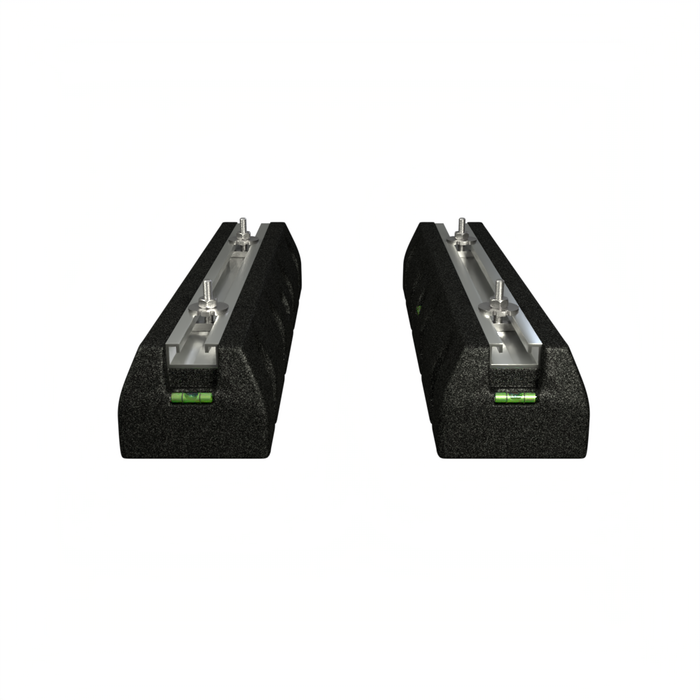
Ensuring every accessory, from a whip or disconnect to a condenser pad, is rated for the job ensures your entire installation can handle the intense demands of the summer cooling season.
Conclusion: Summer Exposes Your Tools
Brutal summer weather does not just put your customer's HVAC equipment through an intense stress test, it forces a serious reckoning for the tools in your work truck. When ambient heat rises, the tight tolerances of modern low-GWP refrigerants require absolute precision. Relying on outdated, worn-out manifold gauges on a scorching rooftop is a major risk that can easily lead to inaccurate readings, component misdiagnoses, and costly callbacks.
Upgrading to highly reliable, low-GWP-compatible manifold gauges is not a luxury purchase; it is a baseline necessity for surviving the modern summer cooling season. As environmental regulations continue to shift the industry toward new chemical technologies, the accuracy of your diagnostic tools determines the quality and profitability of your work. Do not wait for a false pressure reading to cost you time and money on a demanding service call. Take a close look at your current manifold gauges today, replace worn equipment with tools built for modern pressures, and ensure your team is fully prepared to handle high-heat troubleshooting with absolute confidence.
For more information on premium system setups, high-performance parts, or expert technical support, visit our homepage at HVAC Supplies or reach out directly through our contact page to connect with a dedicated equipment specialist today.
Connect with a Specialist