























Autumn HVAC Upgrades: Why Dual Fuel Heat Pump and Gas Furnace Packages Save Money All Winter
Share
HVAC SUPPLIES
Hybrid Heating & Seasonal Efficiency Guide
Dual Fuel Heat Pump and Gas Furnace Package Solutions
As summer fades and autumn weather rolls in, homeowners and commercial building operators face the challenge of managing erratic shoulder-season temperatures. Fall weather is notoriously unpredictable: mild, sunlit afternoons that require subtle cooling or minimal heating can instantly give way to freezing nighttime temperatures demanding significant heating capacity. Relying on legacy single-fuel heating infrastructure during this transitional period often leads to high energy bills and poor indoor comfort. Running a high-BTU gas furnace during mild 50°F autumn weather results in short-cycling, fuel waste, and unnecessary mechanical wear. Conversely, depending solely on a standard electric heat pump when severe cold fronts arrive can trigger inefficient electric auxiliary heat strips that drive electric bills sky-high.
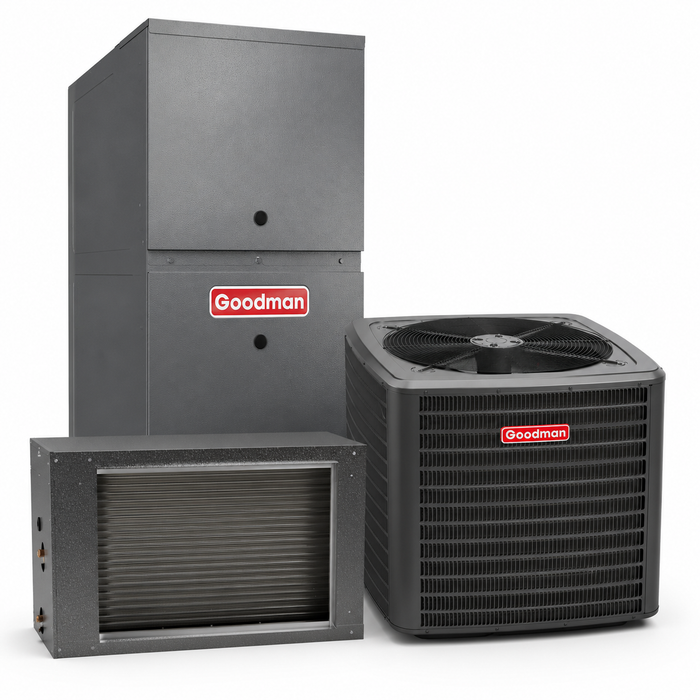
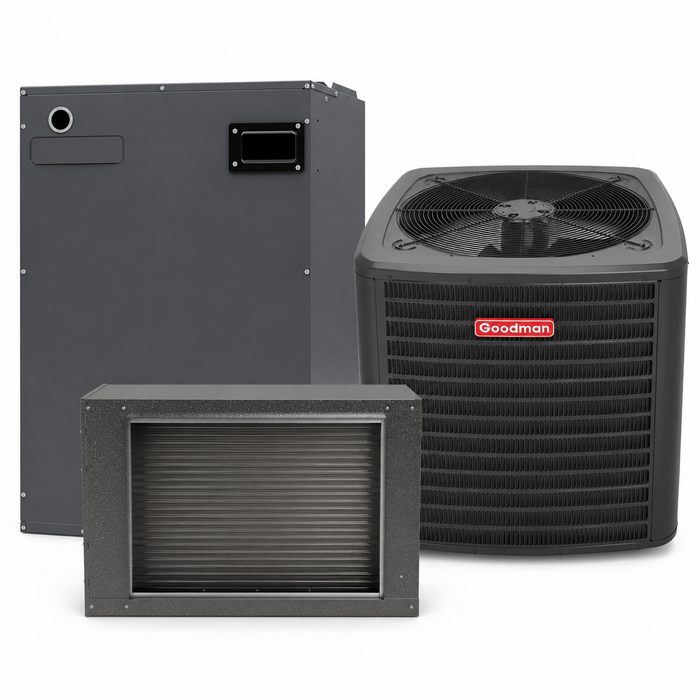
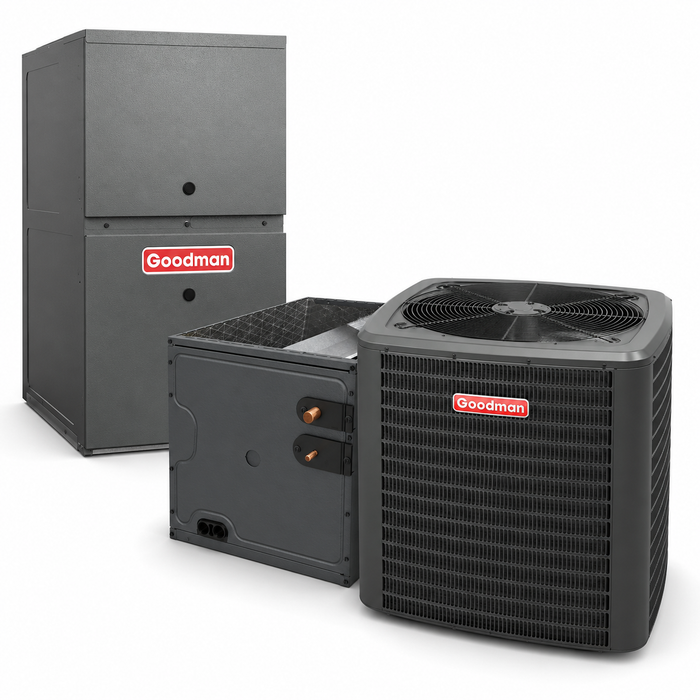
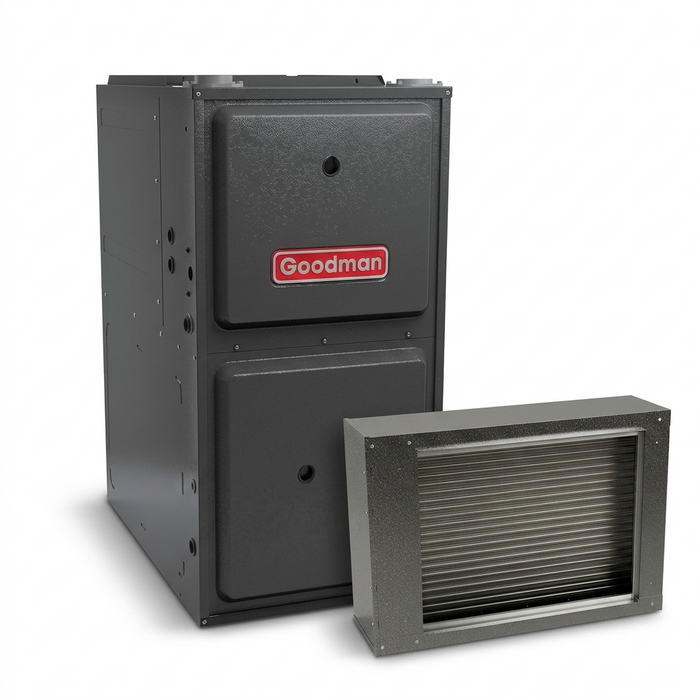
To address these seasonal efficiency gaps, HVAC engineers developed the hybrid heating concept: the dual fuel heat pump and gas furnace package. By combining an electric heat pump with a high-efficiency gas furnace, dual fuel systems deliver a dynamic heating solution that adapts seamlessly to daily outdoor temperature swings. The electric heat pump manages mild-to-moderate heating needs at high operational efficiency, while the gas furnace automatically takes over when ambient temperatures plummet into deep freezing ranges.
Upgrading to a dual-fuel system during the autumn, winter or fall season offers distinct tactical advantages. Autumn represents the optimal installation window before mid-winter freeze spikes trigger contractor emergency backlogs and long wait times. Property managers and homeowners who replace aging, inefficient heating units in the fall protect their properties against unexpected winter breakdowns while locking in maximum fuel savings from day one. Leading distribution platforms like HVAC Supplies supply contractors and property owners with high-efficiency hybrid heating solutions, packaged units, and pro-grade accessories designed to master unpredictable seasonal weather.
How Hybrid Technology Works: The Smart Balance of Electric & Gas
The primary advantage of a dual fuel heat pump and gas furnace system lies in thermodynamic adaptability. Standard heating systems operate on a single fuel source regardless of outdoor weather conditions. A standalone natural gas or propane furnace burns fossil fuels at a constant rate whether the outside temperature is 55°F or -5°F. While gas furnaces excel at delivering rapid, high-temperature heat output during severe freezes, using them during mild autumn days wastes valuable fuel because the building's heat loss rate is minimal.
In contrast, electric heat pumps operate by transferring thermal energy from outside air into the home rather than generating heat through combustion. At mild outdoor temperatures (above 40°F), a modern inverter-driven heat pump achieves a Coefficient of Performance (COP) of 3.5 to 4.0, delivering up to four times more thermal energy than the electrical power it consumes. This makes electric heat pump operation substantially cheaper than burning gas during fall and early winter months. However, as outdoor ambient temperatures fall below freezing, the availability of latent heat in the outside air drops, causing standard heat pumps to lose heating capacity and operating efficiency.
HYBRID HEATING BALANCE POINT OPERATION
│
▼
[ Mild Weather (> 40°F) ] ──► Electric Heat Pump Mode (COP 3.5 - 4.0)
│
▼
[ Economic Balance Point (35°F - 40°F) ] ──► Smart Thermostat Transition
│
▼
[ Deep Freeze (< 35°F) ] ──► Gas Furnace Mode (High Thermal Output)
A dual fuel system solves this performance curve decline by utilizing an intelligent "economic balance point". A specialized dual-fuel outdoor temperature sensor constantly feeds real-time ambient weather data to a smart thermostat. When outdoor temperatures remain above the pre-programmed balance point, typically between 35°F and 40°F depending on local utility rates, the system operates exclusively in electric heat pump mode to maximize energy savings. The moment outdoor temperatures drop below the balance point, the thermostat seamlessly disengages the heat pump and ignites the high-efficiency gas furnace.
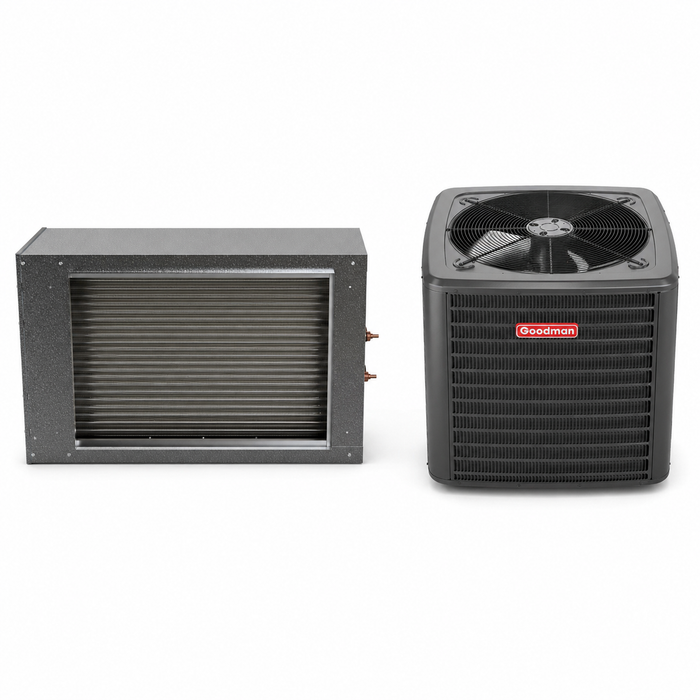
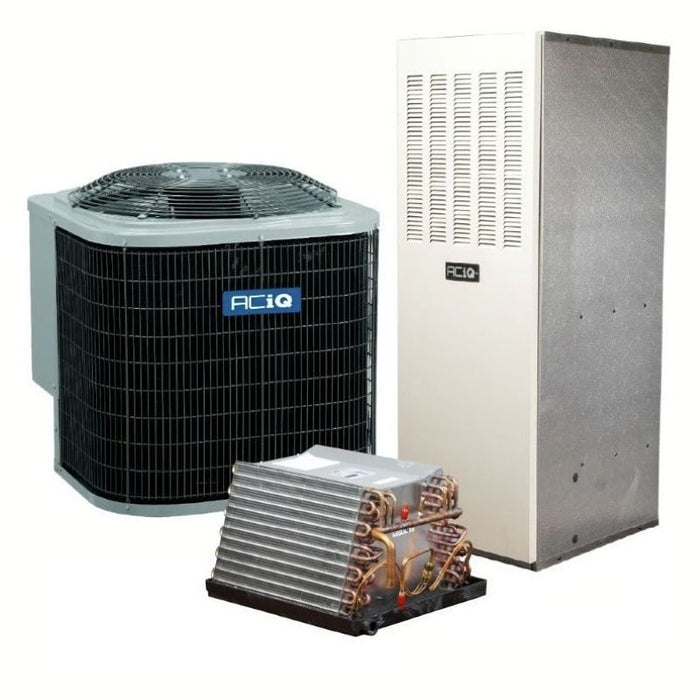
By eliminating the need for energy-draining electric resistance backup heat strips, hybrid systems ensure that heating performance never compromises monthly operating budgets. Property owners can configure these setups as packaged outdoor systems or as ducted split combinations. For split retrofits, homeowners can combine high-efficiency ACiQ furnace plus coil assemblies with advanced ACiQ heat pump plus coil systems.
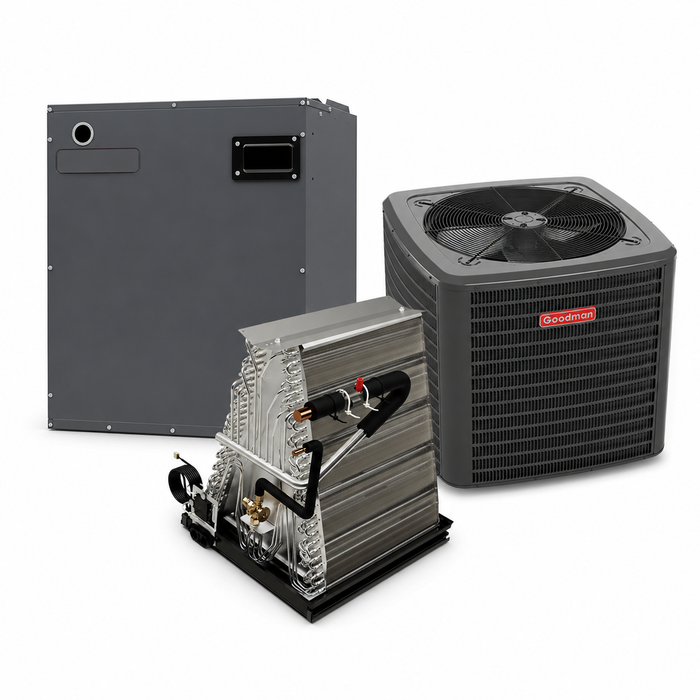
Building owners upgrading central ducted cooling and heating can select complete split matched packages from central AC plus coil lineups across various tonnage capacities, including 15k–18k BTU, 18k–24k BTU, 24k–30k BTU, 30k–36k BTU, 36k–48k BTU, 48k–60k BTU, and 60k–72k BTU options. Sourcing matched equipment options like ACiQ AC plus coil systems alongside pro-grade ACiQ evaporator coils guarantees proper airflow velocity and optimal heat transfer throughout winter operations.
Sizing & Decision Matrix: Finding the Right Package
Selecting the ideal dual fuel system requires evaluating both heating and cooling efficiency metrics alongside home design requirements. Heat pump performance is measured by Seasonal Energy Efficiency Ratio 2 (SEER2) for summer cooling and Heating Seasonal Performance Factor 2 (HSP2) for electric heating. Furnace performance is measured by Annual Fuel Utilization Efficiency (AFUE), which dictates what percentage of burned gas is converted into usable indoor heat versus wasted through flue exhaust. Modern dual fuel packages combine 16 to 18+ SEER2 heat pumps with 80% to 96%+ AFUE gas furnaces, delivering high seasonal efficiency across both heating modes.
Packaged Dual Fuel Systems
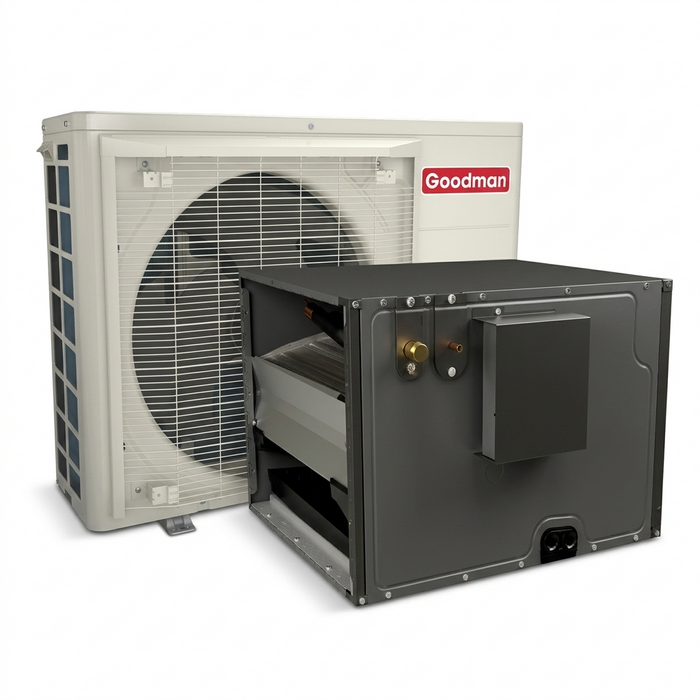
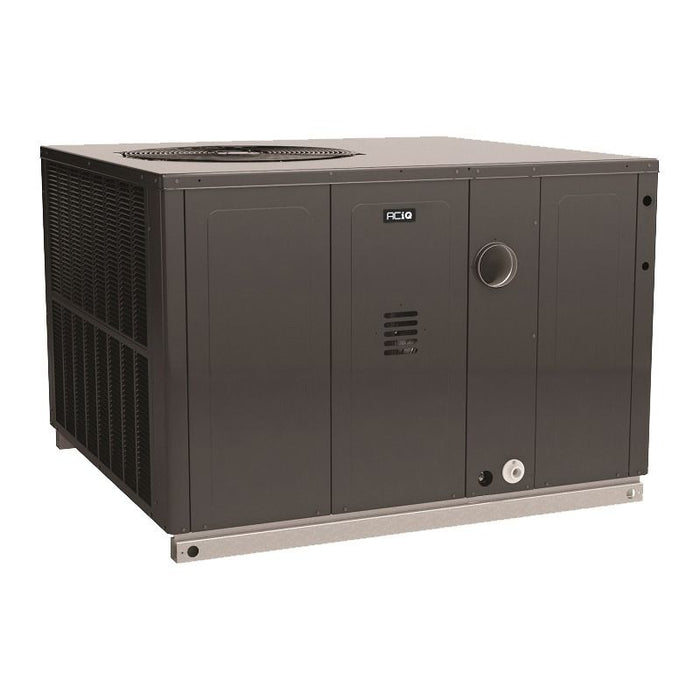
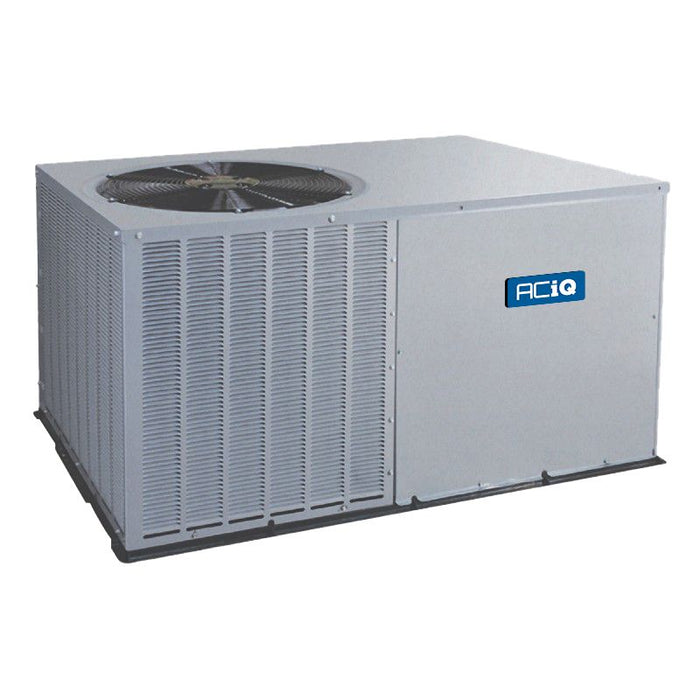
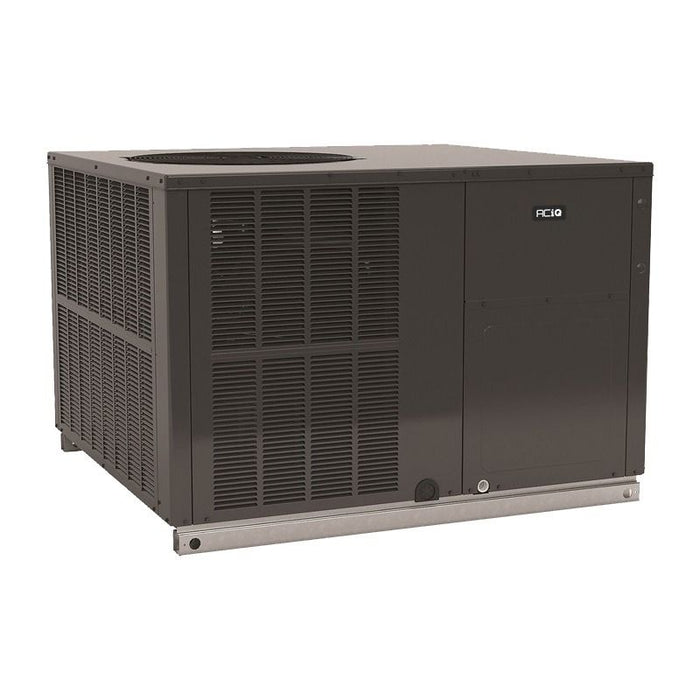
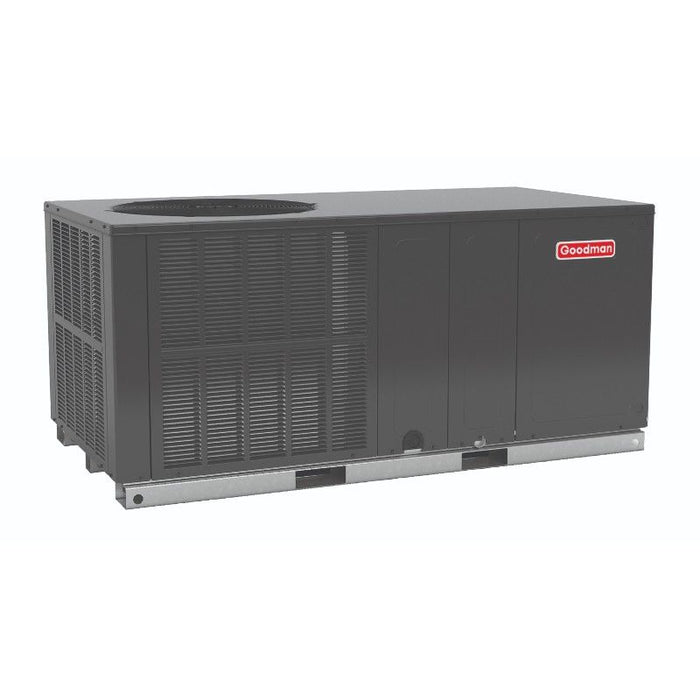
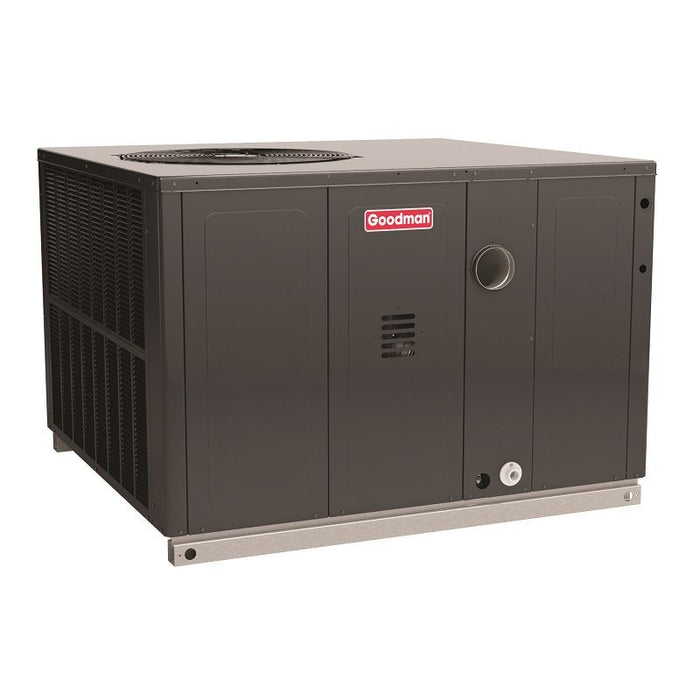
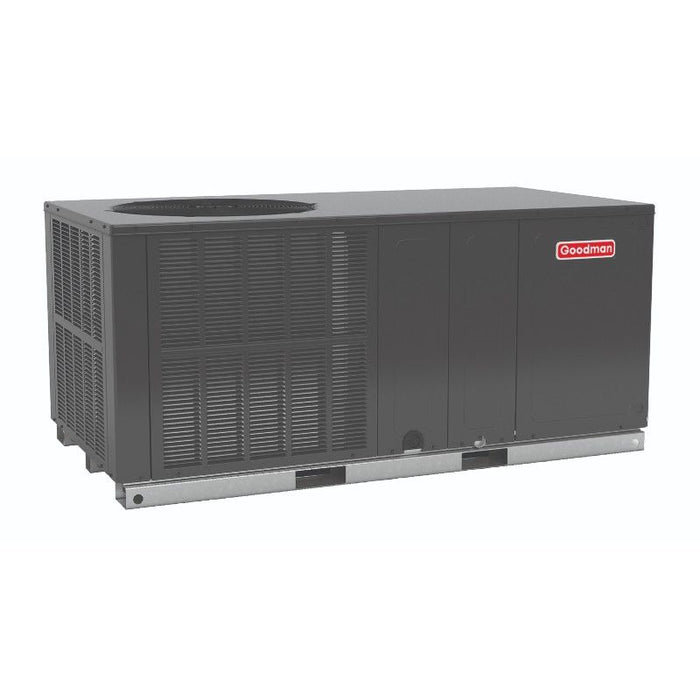
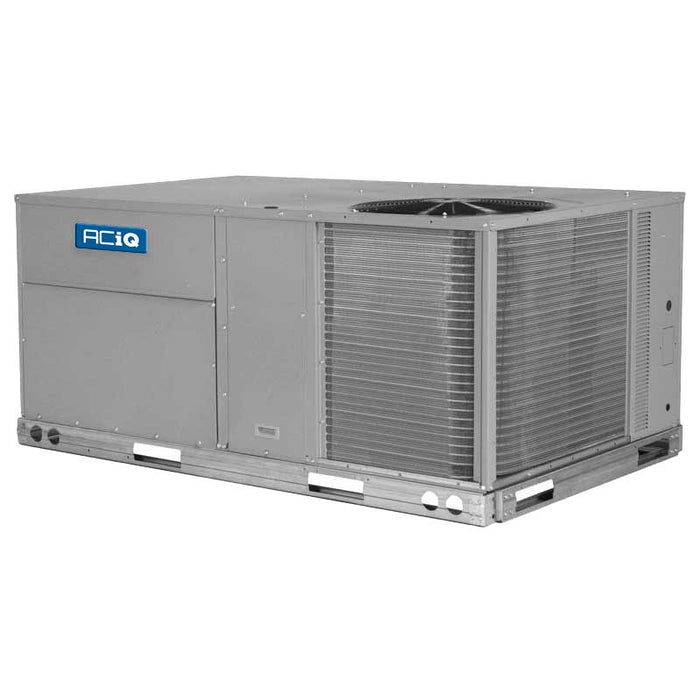
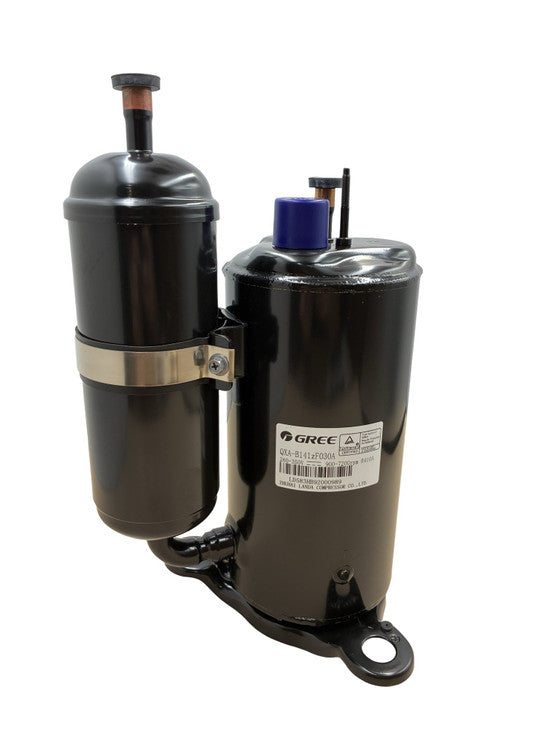
Property owners must choose between an all-in-one outdoor packaged unit or a ducted split system. Packaged dual fuel units contain the compressor, outdoor heat pump coil, gas burner assembly, and heat exchanger inside a single weather-resistant cabinet installed outdoors. Packaged systems are ideal for homes constructed on crawlspaces, slab foundations, or commercial buildings with limited indoor mechanical closet space.
Ducted Split Configurations
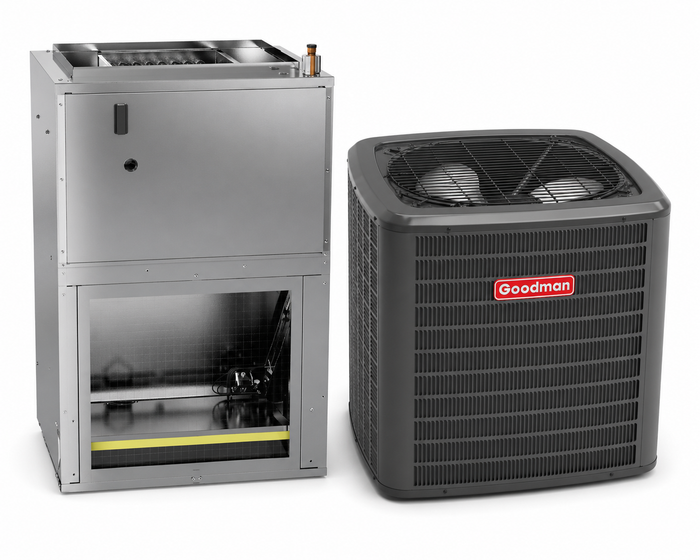
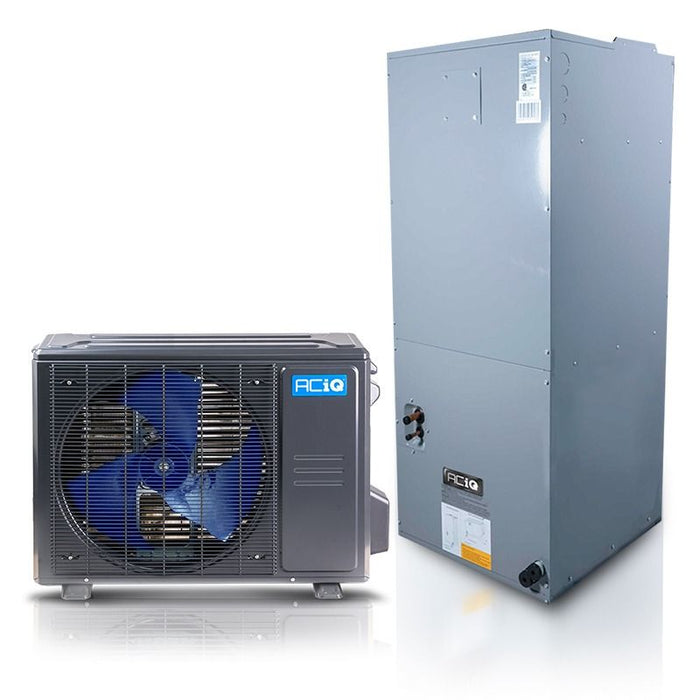
Ducted split systems separate the outdoor heat pump condenser from the indoor furnace and cased evaporator coil, making them the preferred retrofit for homes with existing basement or attic utility rooms. Proper equipment sizing is critical. An oversized furnace will short-cycle, causing rapid temperature fluctuations and excessive fuel consumption, while an undersized heat pump stage will fail to cover mild autumn heating loads, forcing early furnace ignition. Contractors must conduct a comprehensive Manual J heat load calculation to determine exact BTU requirements based on insulation levels, window square footage, and local winter design temperatures.
Specialized residential applications, such as manufactured or mobile homes, require equipment engineered specifically for high static pressure ductwork. Property managers can explore HUD-compliant heating and cooling options within the Mobile Home AC and Coil Systems collection, available across capacity brackets like 18k–24k BTU, 24k–30k BTU, 30k–36k BTU, 36k–48k BTU, and 48k–60k BTU. Options like matched ACiQ mobile home AC and coil systems provide reliable climate control tailored to manufactured home specifications.
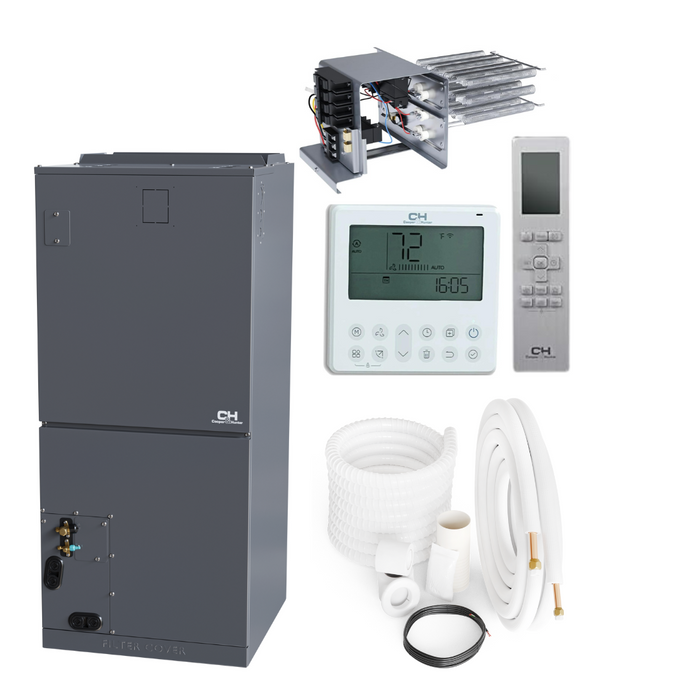
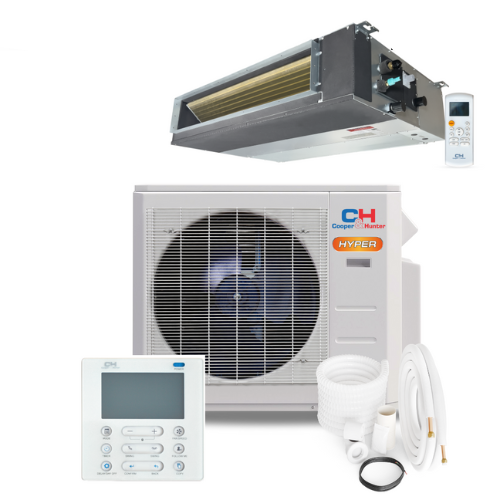
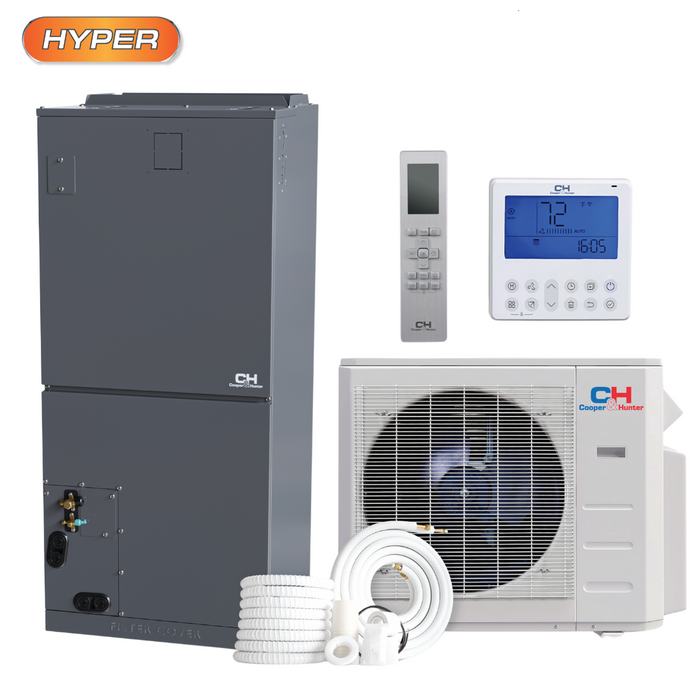
Indoor air distribution is equally vital when retrofitting central ducted systems. High-efficiency blower motors in central air handlers ensure consistent CFM delivery across heat pump and furnace operating modes. Contractors can select high-performance replacement units from recognized brand collections, including ACiQ air handlers, Cooper & Hunter air handlers, and MRCOOL air handlers.
Integrating Supplemental Zoning with Inverter Mini Splits
While central dual fuel systems provide efficient heating across primary living areas, many multi-story homes, room additions, or uninsulated basements feature localized cold spots that central ductwork cannot adequately warm. Integrating supplemental mini-split zoning alongside a central dual fuel system creates the ultimate whole-home winter comfort strategy.
Multi-Zone Wall Mounted Arrays
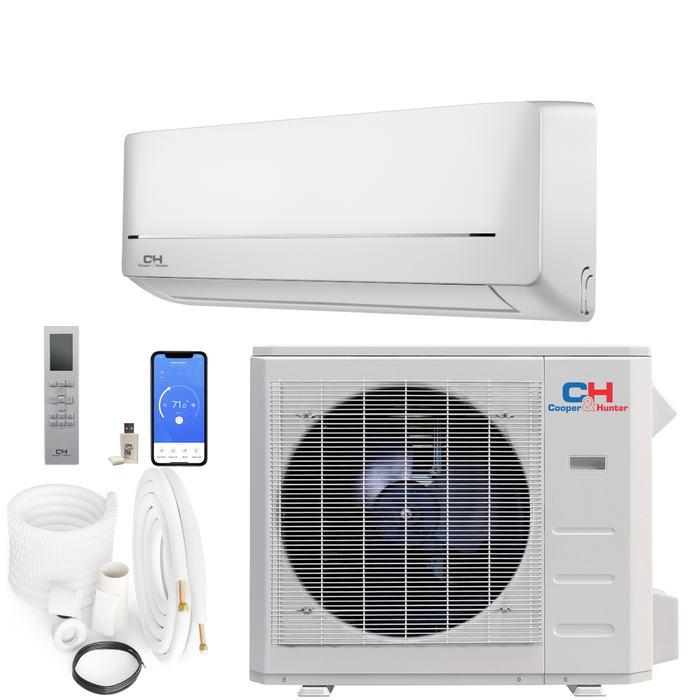
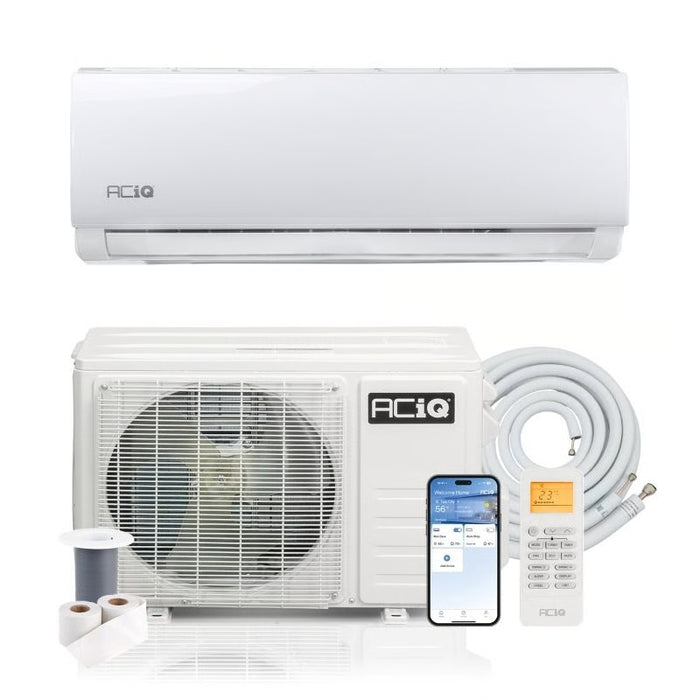
High-wall ductless mini-split systems offer precise room-by-room heating without requiring additional ductwork expansion. For large multi-room additions or whole-home ductless retrofits, property owners can browse the 6-Zone Wall Mount collection, offering capacity tiers including 36k–48k BTU, 48k–60k BTU, and 60k–72k BTU.
Homeowners can select top-tier brands like ACiQ 6-zone wall mounts, Cooper & Hunter 6-zone wall mounts, and MRCOOL 6-zone wall mounts.
Single-Zone 1-Way Ceiling Cassettes
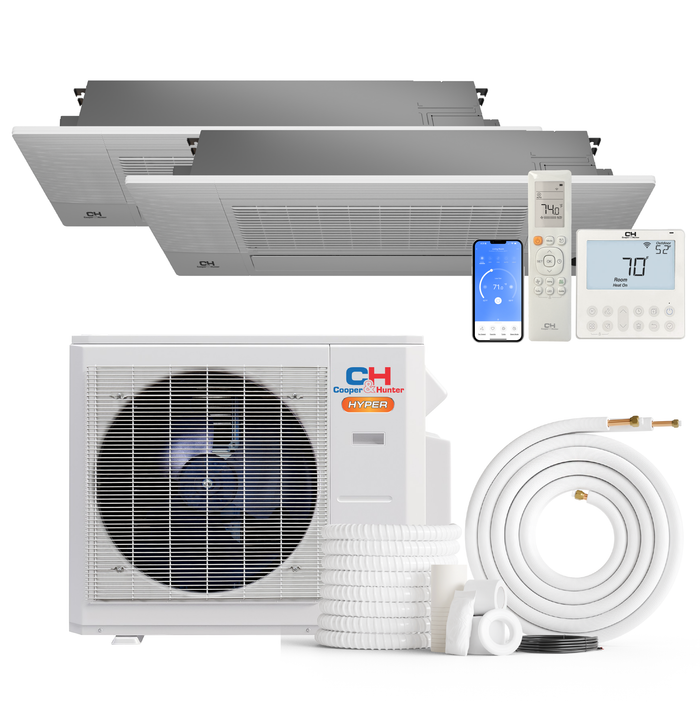
For spaces requiring architectural integration, recessed ceiling cassettes deliver 360-degree heat distribution flush with the ceiling grid. Single-zone ceiling cassette additions can be selected from the Single Zone 1-Way Ceiling Cassette catalog across sizing tiers 5k–9k BTU, 9k–12k BTU, 12k–15k BTU, 15k–18k BTU, and 18k–24k BTU.
Leading single-zone 1-way configurations feature ACiQ 1-way cassettes, Cooper & Hunter 1-way cassettes, and MRCOOL 1-way cassettes.
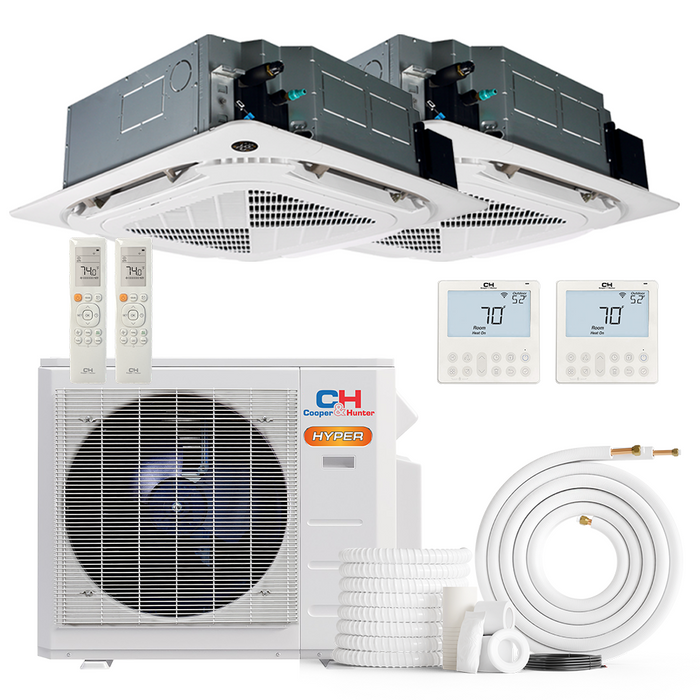
Single-zone 4-way ceiling cassettes provide wide-angle heat coverage across capacity options including 5k–9k BTU, 9k–12k BTU, 36k–48k BTU, and 48k–60k BTU. Featured manufacturers include ACiQ 4-way cassettes, Cooper & Hunter 4-way cassettes, Daikin 4-way cassettes, and MRCOOL 4-way cassettes.
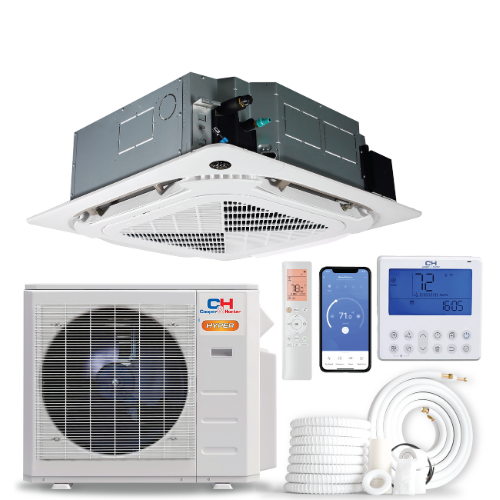
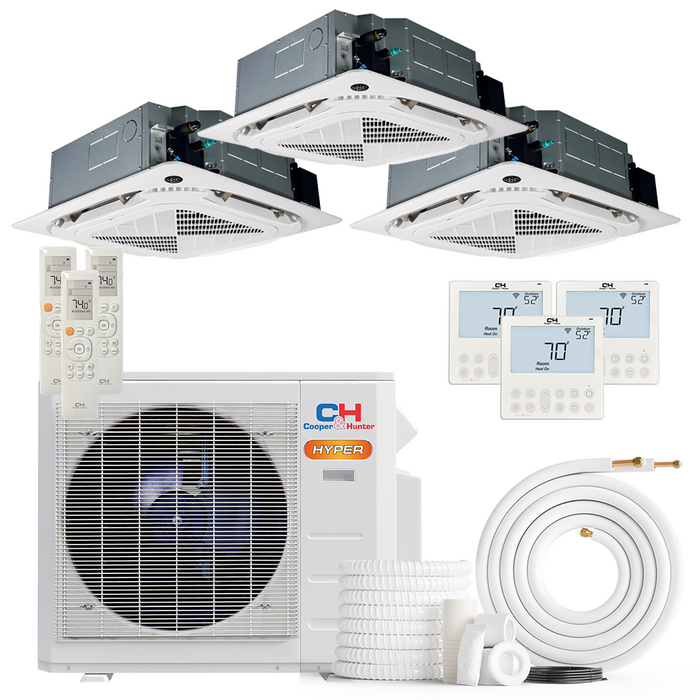
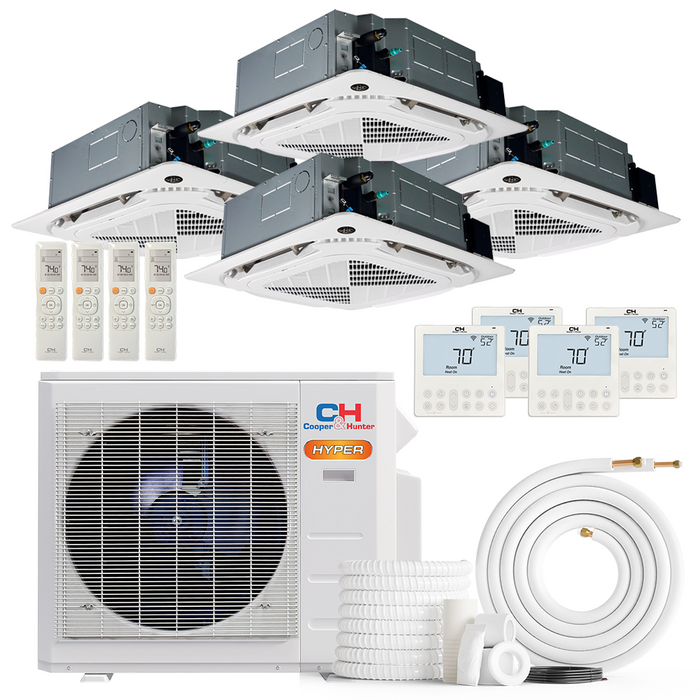
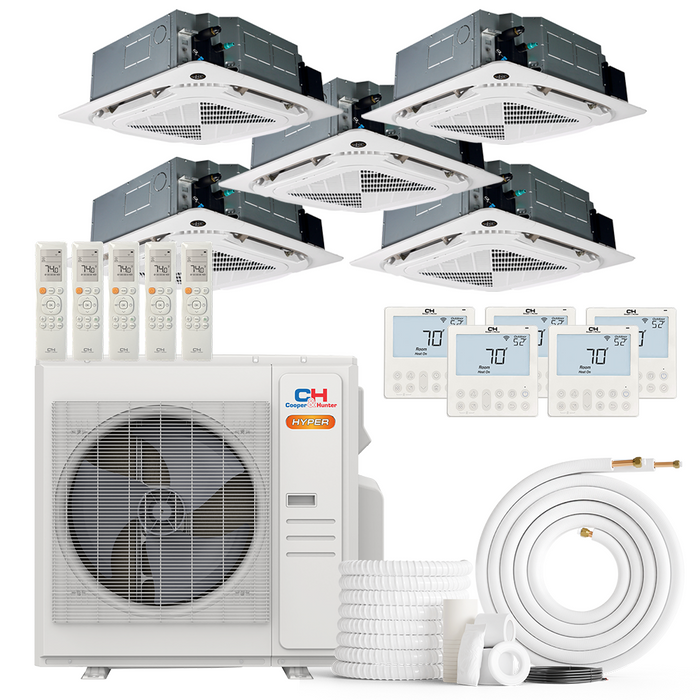
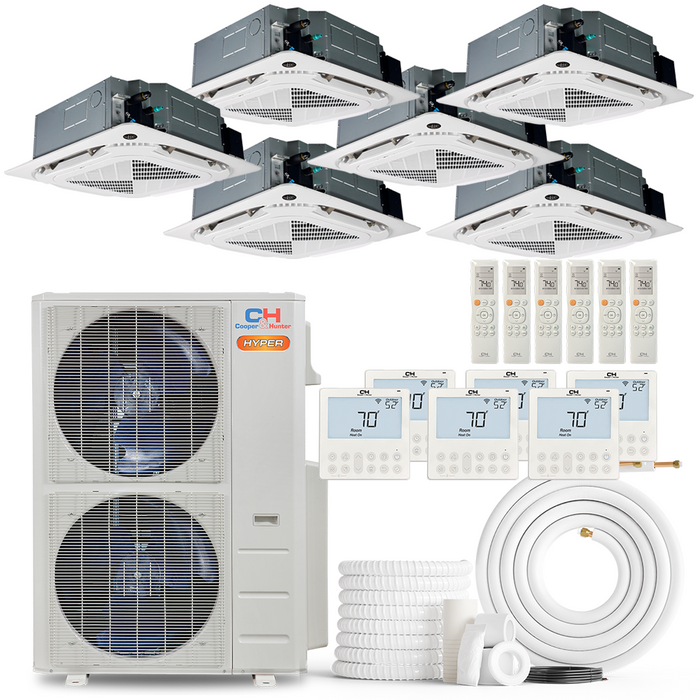
Multi-room ductless zoning can also be achieved using multi-zone ceiling cassette systems. General multi-zone options fall under Ductless Multi-Zone 4-Way Ceiling Cassettes, featuring matched configurations from ACiQ, Bravo, and Cooper & Hunter.
Financial ROI: Operational Savings, Rebates, & Regional Sizing
Upgrading to a dual fuel heat pump and gas furnace package delivers immediate financial returns by optimizing seasonal energy consumption. Because electric heat pumps handle 60% to 80% of total annual heating operating hours during mild autumn and early spring months, natural gas or propane usage drops dramatically. Homeowners transitioning from legacy single-stage furnaces to hybrid heat pumps typically realize annual heating cost reductions between 30% and 50%, allowing the system upgrade to pay for itself over its operating lifespan.
Financial payback is further accelerated by federal tax incentives and localized utility rebates. Under the Inflation Reduction Act (IRA) Section 25C Energy Efficient Home Improvement Credit, qualified dual fuel heat pump installations qualify for federal tax credits covering up to 30% of total project costs (capped at $2,000 annually). Additionally, regional gas and electric utilities offer stacked dual-fuel equipment rebates ranging from $500 to $1,800 to encourage homeowners to offset grid demand during severe winter freezes.
Regional climate variations play a significant role in determining optimal balance points and sizing configurations. Property owners and contractors can consult region-specific support resources to verify localized equipment guidelines:
Northeast & Midwest Cold Belts
- Massachusetts: Regional efficiency requirements and rebate programs are detailed for Boston, MA mini-splits and Worcester, MA mini-splits.
- New York: Cold-climate dual fuel and heat pump recommendations are outlined via Buffalo, NY mini-splits and urban space-saving solutions via New York City, NY mini-splits.
- Illinois Freeze Zones: Localized specs for severe Midwestern temperature swings cover Chicago, IL mini-splits and Aurora, IL mini-splits.
Pacific Northwest & California Markets
- Pacific Northwest: High-efficiency heat pump and hybrid furnace guidance is detailed for Seattle, WA mini-splits and Portland, OR mini-splits.
- Northern & Central California: Inverter heating and hybrid cooling setups cover Bay Area and Central Valley climates via San Francisco, CA mini-splits, San Jose, CA mini-splits, and Fresno, CA mini-splits.
- Southern California: Year-round climate control guides are detailed for Los Angeles, CA mini-splits and San Diego, CA mini-splits.
Texas & Southern Transitional Climates
- Texas: Heating balance point configurations for unpredictable Texas cold fronts are outlined for Dallas, TX mini-splits, Austin, TX mini-splits, and San Antonio, TX mini-splits.
- Florida: High-efficiency heat pump and auxiliary heating support can be reviewed via Miami, FL mini-splits.
Installation, Accessories & Winterization Essentials
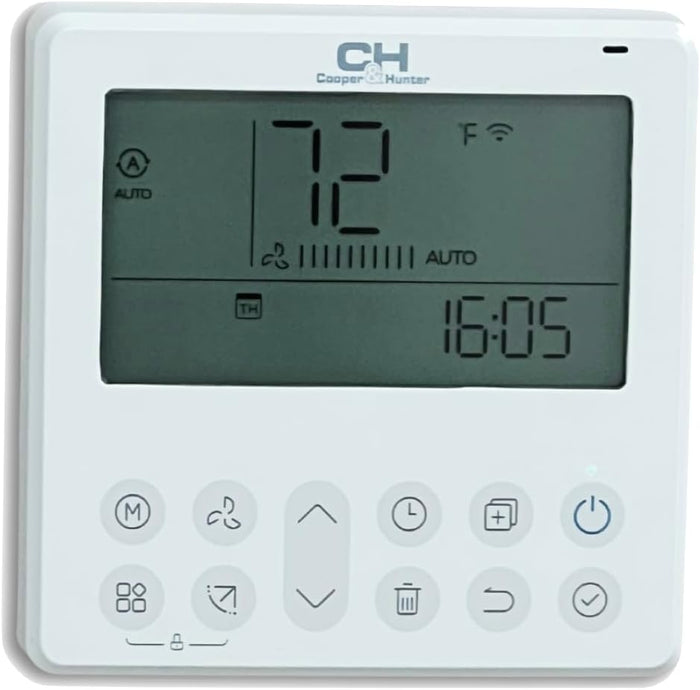
Ensuring optimal performance from a dual fuel heat pump and gas furnace package requires precise installation, correct control wiring, and pro-grade accessories. The key to seamless dual-fuel operation is the thermostat interface. The system must be paired with a smart, multi-stage thermostat capable of controlling both the outdoor heat pump reversing valve and the indoor gas furnace gas valve. Installing an outdoor ambient temperature sensor ensures that fuel switching occurs precisely at the calculated economic balance point.
In addition to control wiring, contractors must verify that ductwork static pressure meets equipment specifications. Heat pumps require higher CFM airflow rates than gas furnaces to transfer heat effectively across the indoor coil. Installing high-efficiency filtration and verifying supply/return duct sizing prevents high static pressure from causing premature compressor wear or heat exchanger overheating.
Pro-Grade Sourcing & Accessory Integration
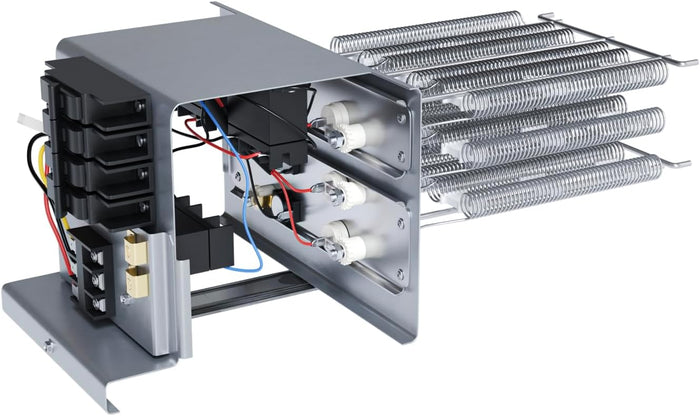
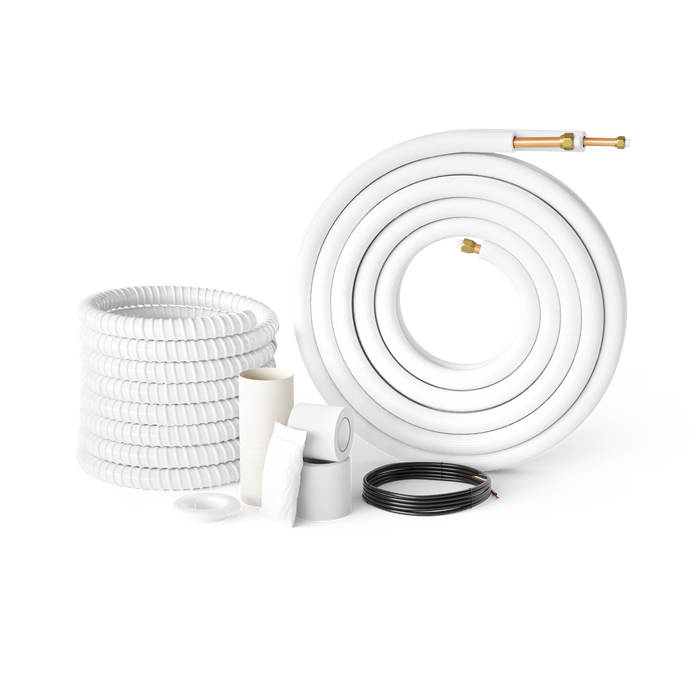
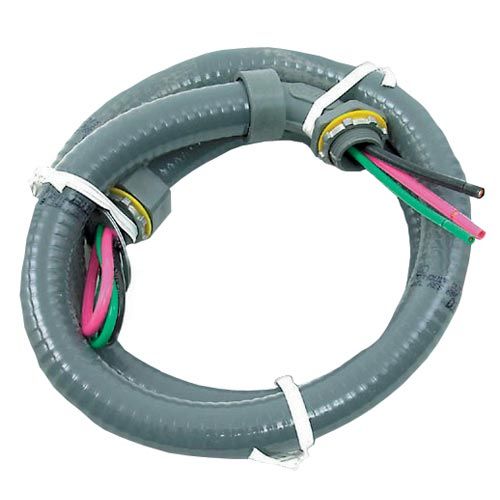
To support complete system retrofits, contractors can source pro-grade accessories across specialized categories, including general parts and accessories, dedicated AC electrical accessories, high-grade air quality accessories, engineered central ducted accessories, specialized mini splits accessories, manufactured mobile home accessories, package units accessories, and specialized specialty units accessories.
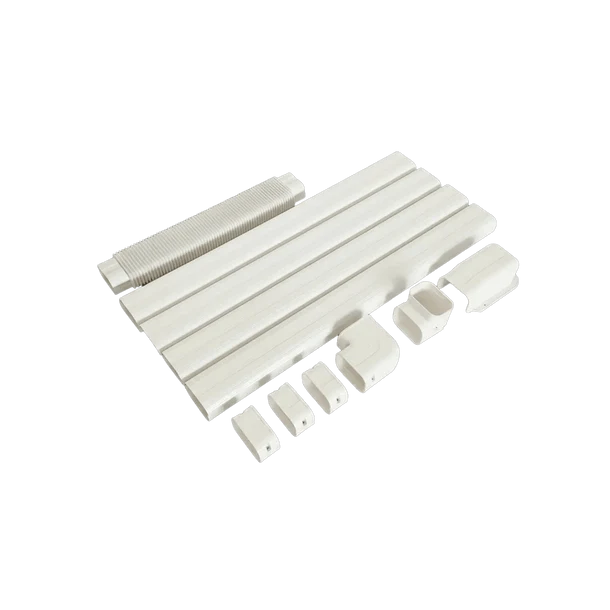
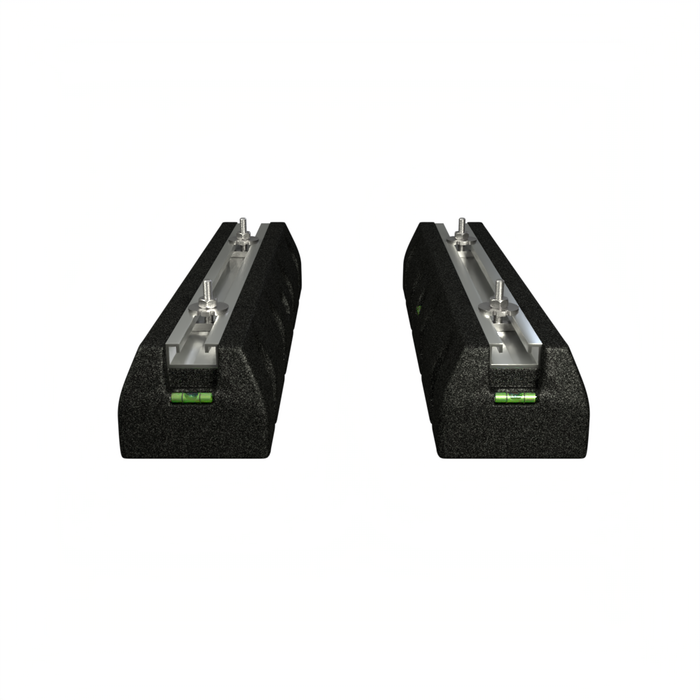
Installers can also utilize premium decorative line covers and mounting brackets from Armbridge, alongside durable components from Bravo and ACiQ.
Conclusion
Upgrading to a dual fuel heat pump and gas furnace package during the fall shoulder season provides the ultimate defense against erratic weather, volatile fuel costs, and mid-winter system failures. By automatically alternating between high-efficiency electric heat pump operation during mild autumn weather and powerful gas furnace output during severe freezes, hybrid systems deliver ideal indoor comfort while slashing annual heating bills by up to 50%. Combined with IRA federal tax credits and local utility rebates, an autumn dual-fuel upgrade offers unmatched operational financial returns.
To explore top-rated dual fuel packages, heat pump split systems, multi-zone ceiling cassettes, and pro-grade installation accessories, browse the complete inventory at HVAC Supplies. Contact us now for expert equipment selection.