

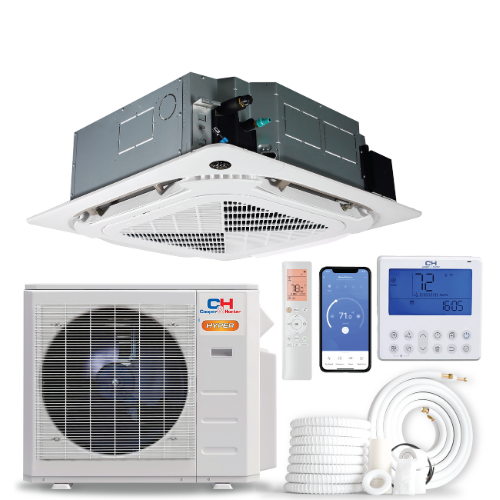
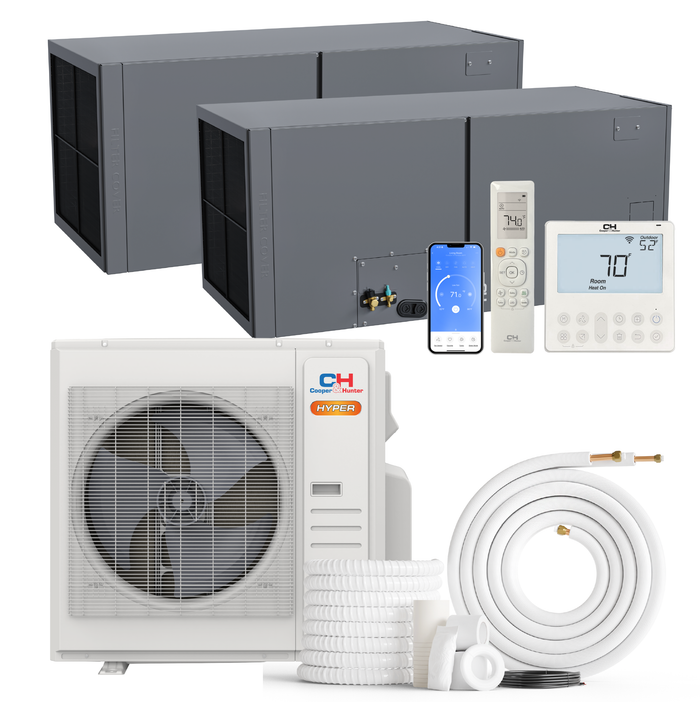
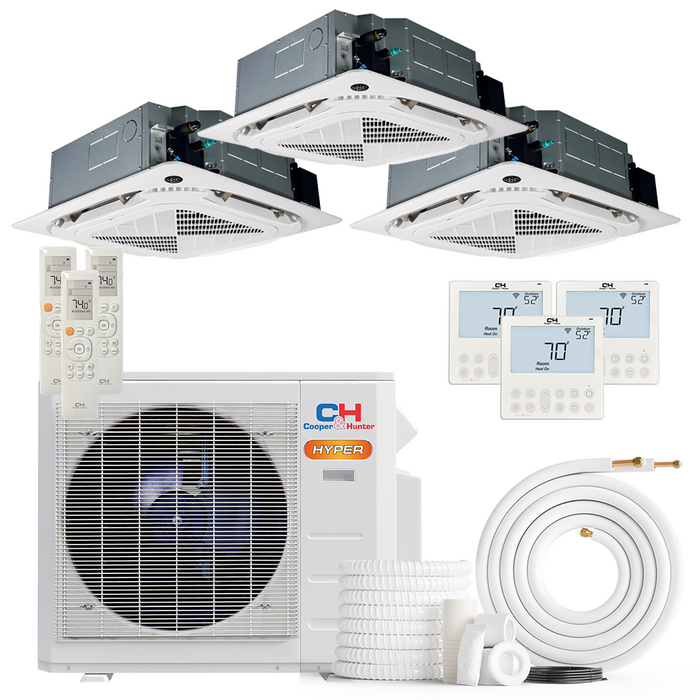
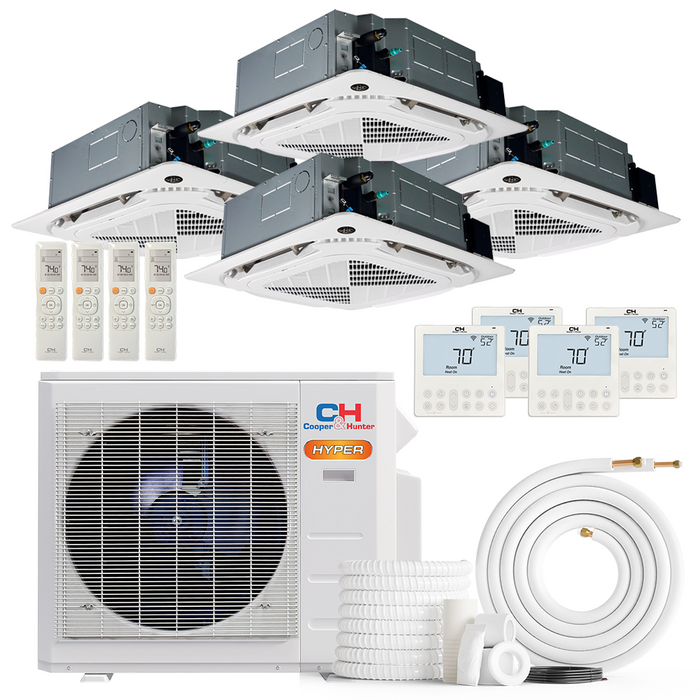
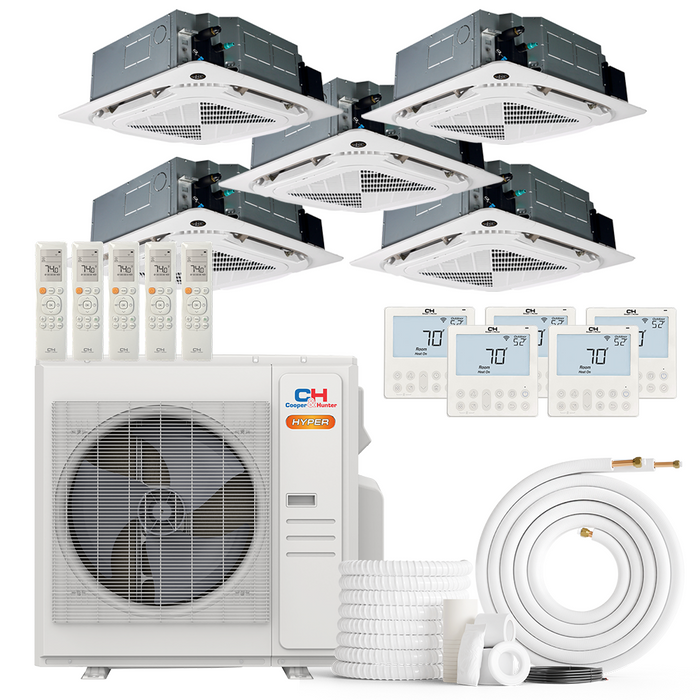
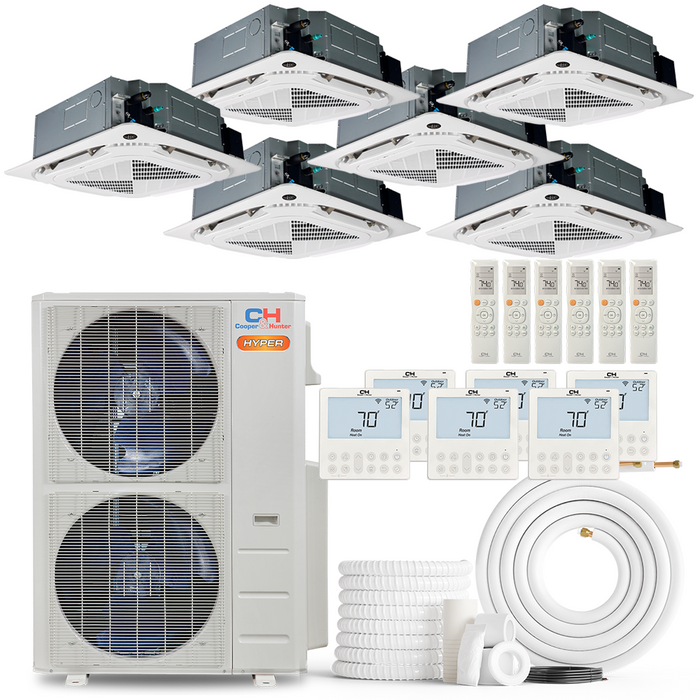
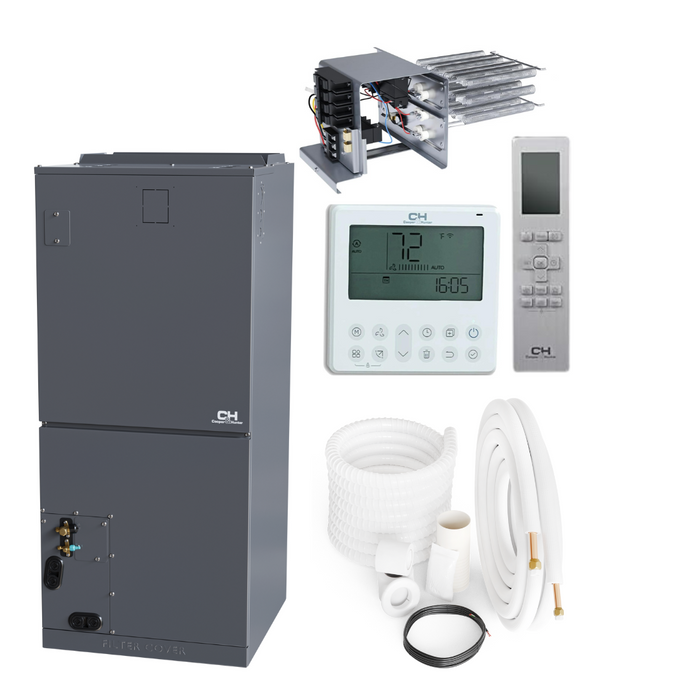
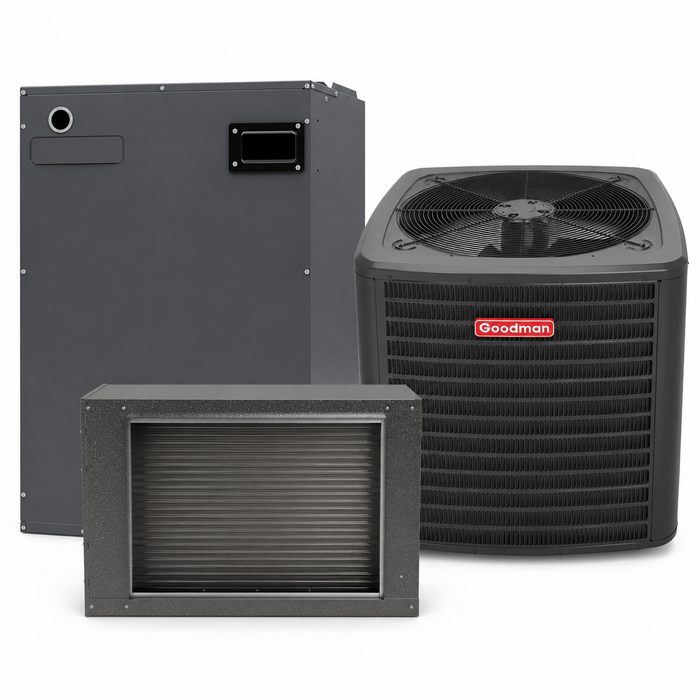
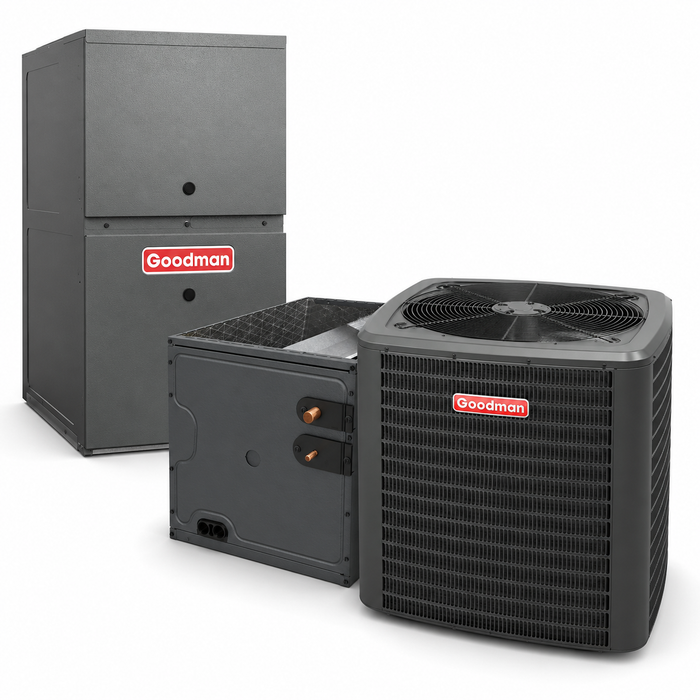
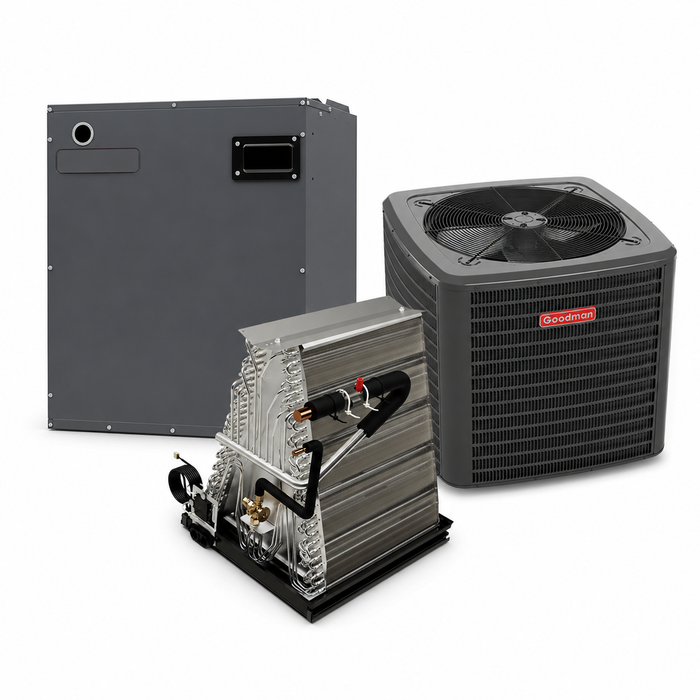
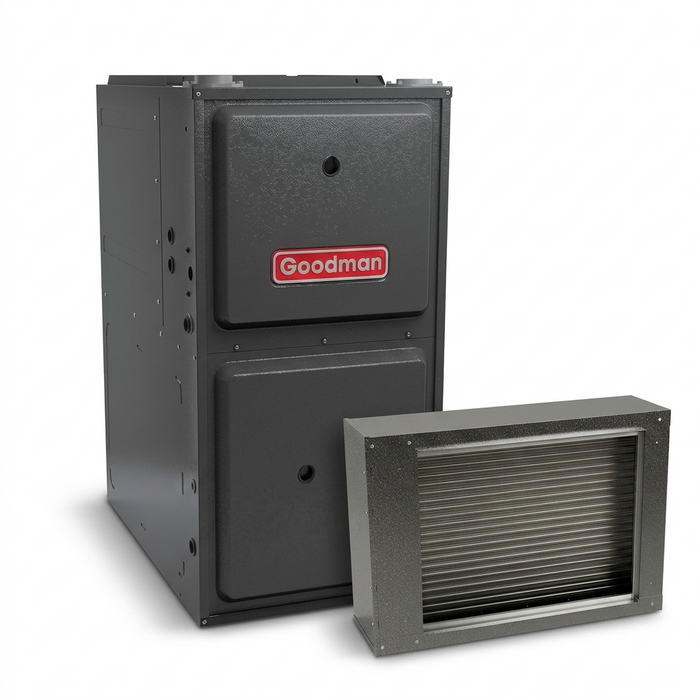






















A Complete Guide to Modern HVAC Installation and Maintenance by HVAC Supplies
Share
HVAC SUPPLIES
Maintenance Authority 🛠️
The Comprehensive Guide to HVAC Repair and Maintenance
Expert insights from HVAC Supplies on protecting your investment and ensuring peak performance. ❄️🔥
Maintaining a home’s climate control system is a continuous process that extends far beyond the initial installation. While modern heating, ventilation, and air conditioning systems are engineered for durability, they are high-precision machines that require regular attention to operate at peak efficiency. Neglecting these systems can lead to a cascade of mechanical failures, reduced air quality, and skyrocketing energy bills. At HVAC Supplies, we believe that providing homeowners and contractors with the right technical knowledge, and the right parts is the key to ensuring long-term comfort and system reliability. ✨
"The lifespan of an HVAC system is largely determined by the quality of its maintenance. While some units may struggle to reach the ten-year mark due to environmental stress and neglect, a well-maintained system can easily provide reliable service for 25 years or more." ⏳
The difference often lies in the small details: the cleanliness of the filters, the stability of the electrical connections, and the physical protection of the refrigerant lines. This guide is designed to serve as an authoritative resource for diagnosing common issues and performing the essential maintenance required to protect your investment. Proactive system care is fundamentally about understanding the cost of neglect. Minor issues such as slight vibrations, a buildup of dust, or small electrical surges may seem inconsequential in the short term. However, over months and years, these factors turn into catastrophic failures. ⚠️
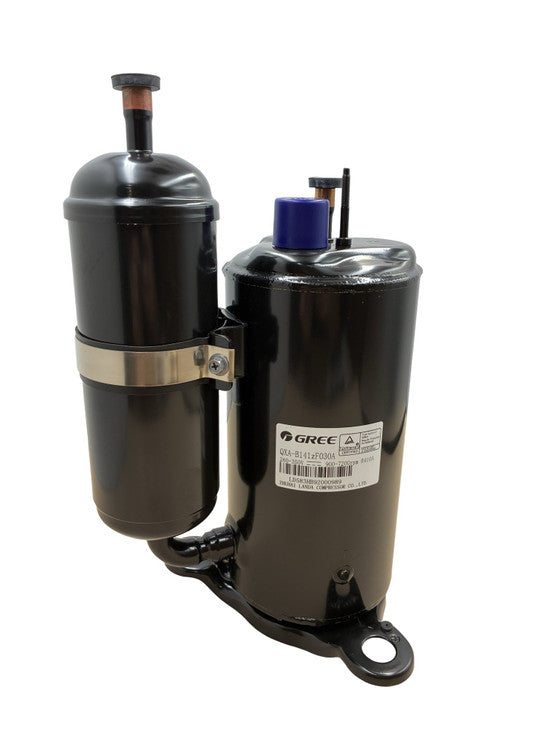
A vibrating compressor can eventually fracture a copper line; a dusty coil can cause a motor to overheat and burn out; a loose electrical connection can melt a terminal block. By addressing these factors early with high-quality mini split accessories, you avoid the massive expense of a full system replacement. Safety is paramount when discussing HVAC repair. While many maintenance tasks are well within the reach of a dedicated DIY enthusiast, it is crucial to recognize when a problem requires professional intervention. Handling high-voltage electrical components and pressurized refrigerant requires specific tools and training. 🛡️ This guide will clarify the distinction between routine upkeep and complex repairs. For those ready to begin, the HVAC Supplies catalog offers a comprehensive inventory of OEM and universal replacement parts to get your system back in peak condition.
Seasonal Readiness Checklist 📅
Spring/Summer Prep ☀️
- Clean outdoor condenser coils of winter debris.
- Check condensate drain lines for algae clogs.
- Test thermostat cooling cycles before the first heatwave.
- Clear 2 feet of space around the outdoor unit.
Fall/Winter Prep ❄️
- Inspect heat exchanger for cracks or rust.
- Test emergency heat strips (Aux Heat).
- Lubricate blower motor bearings if applicable.
- Check flue pipes for bird nests or obstructions.
Troubleshooting the "Non-Starter": Power and Electrical Repairs
One of the most common issues homeowners face is a system that simply refuses to turn on. Before assuming the compressor has failed, it is essential to perform a systematic check of the power path. The first stop should always be the local disconnect. Inspecting the Armbridge 60 Amp Fusible Disconnect Box ensures that the fuses are intact and that the internal switch hasn't been compromised by heat or moisture. If the fuses are blown, it may indicate a deeper surge issue, but often, a simple replacement of the fuse or the box itself restores power. ⚡
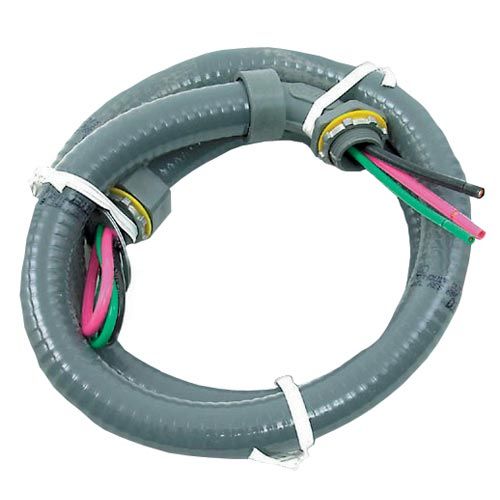
Electrical failures frequently occur at the point of connection between the house and the outdoor unit. The environment is harsh, and over time, conduit can crack and wires can fray. Replacing worn-out Armbridge AC Whips is a common maintenance task that prevents voltage drops and potential shorts. Furthermore, inspecting the internal wiring of the unit for loose connections at the Midea Terminal Block Subassembly or the Terminal Board Subassembly can prevent terminal "pitting" and localized overheating. 🔌
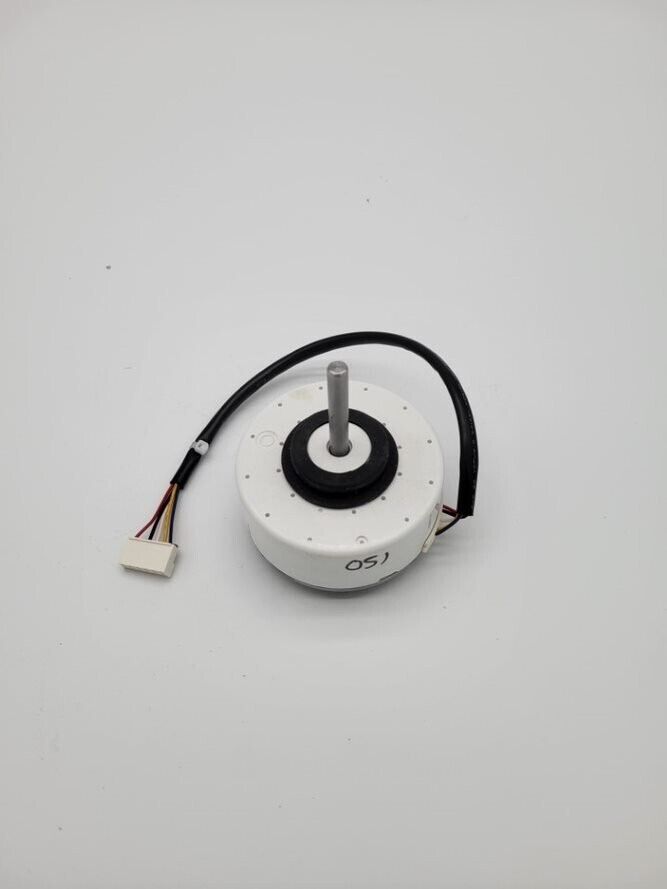
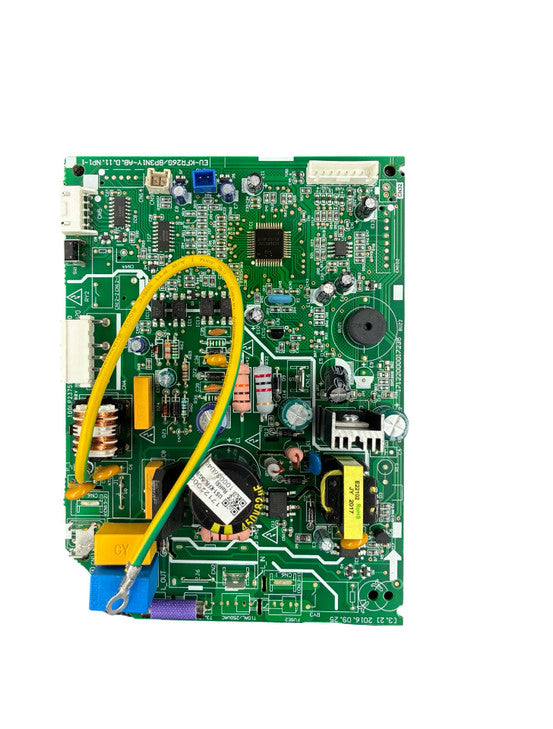
When the power is present but the unit fails to communicate or modulate correctly, the issue often lies within the internal control boards. Modern inverter systems rely on sophisticated electronics to manage compressor speeds and fan timings. Identifying a faulty Midea Main Control Board or an Inverter Control Board requires checking for burnt capacitors or error codes on the diagnostic display. We carry a wide array of specific boards, such as the Midea Interface Board and the Inverter Control Board 17122000030569, to ensure your system’s "brain" is functioning perfectly. 🧠
For a deeper dive into the wires, fuses, and conduits that keep your system energized, you can browse our full AC Electrical Accessories collection. Keeping these components in top shape is the most effective way to prevent the sensitive electronics in your condenser from being damaged by unstable power delivery.
The Anatomy of HVAC Efficiency 📊
| Component | Role in Efficiency | Maintenance Interval |
|---|---|---|
| Air Filter | Maintains static pressure & coil cleanliness | 1–3 Months |
| Evaporator Coil | Facilitates heat absorption from indoor air | Annual Cleaning |
| Capacitor | Provides startup torque for motors | Inspect Annually |
| Condenser Fan | Expels heat to the outdoor environment | Clean Semi-Annually |
Optimizing Airflow and Air Quality Maintenance
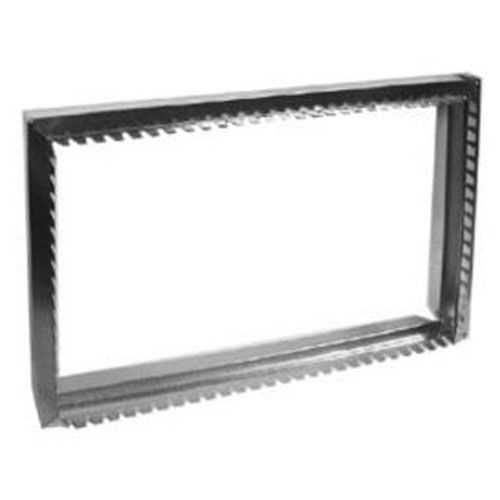
Airflow is the lifeblood of any HVAC system. If air cannot move freely through the evaporator and condenser coils, the system must work significantly harder to move heat, leading to increased energy consumption and mechanical strain. The most basic, yet most important, routine is the filter check. A clogged filter restricts airflow, which can cause the evaporator coil to freeze and the blower motor to overheat. Utilizing a high-quality Filter Rack 20 x 25 x 1 ensures that your filtration is both effective and easy to service. 🌬️
Beyond the filter, the integrity of the blower and the ductwork determines how efficiently conditioned air reaches your living spaces. Leaks in the supply side mean you are cooling your attic or crawlspace instead of your bedroom. Sealing leaks in the Knockdown Supply Plenum or the larger 20 x 20 x 36 Supply Plenum is essential for maintaining the correct static pressure. Proper airflow management also involves the return side, where a Furnace Return Air Box with Filter Rack can provide a centralized point for air cleaning. 🏠
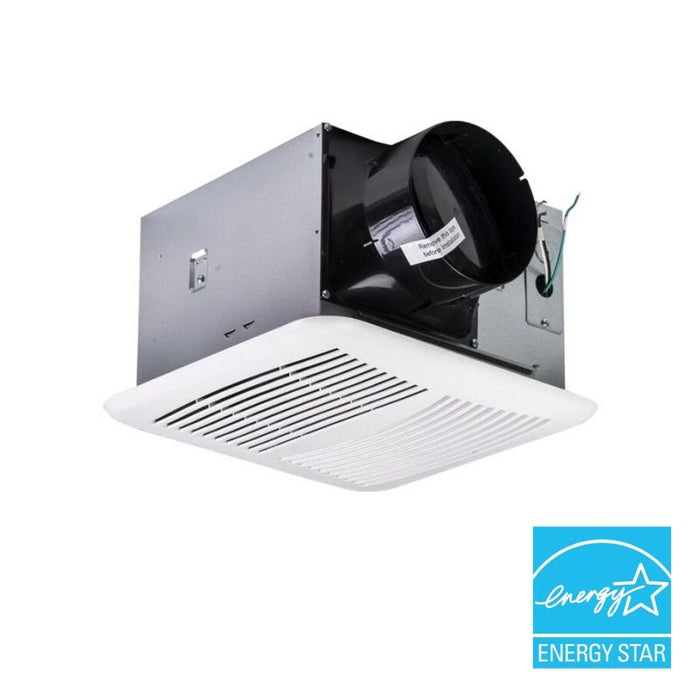
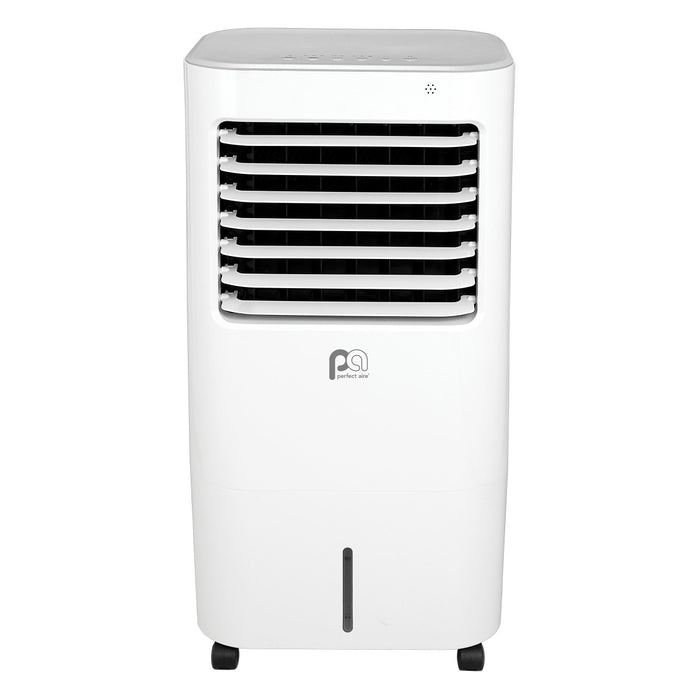
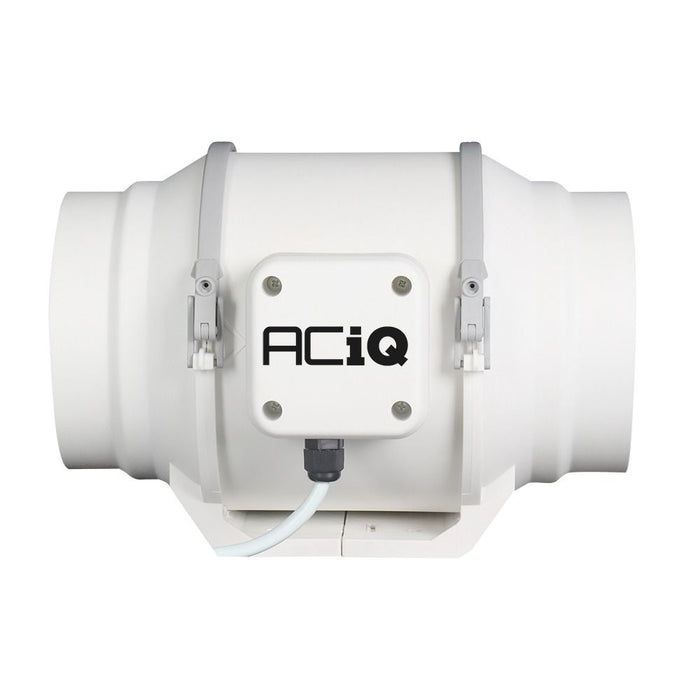
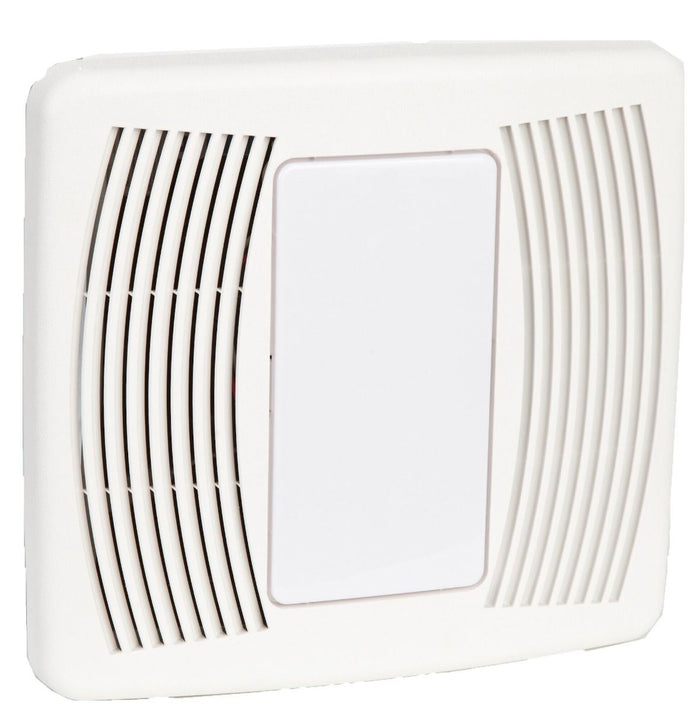
Exhaust and ventilation care are equally critical for maintaining healthy indoor air. Bathroom and kitchen exhaust fans must be clear of obstructions to effectively remove moisture and odors. Cleaning ACiQ Motion Sensor Grilles and checking portable unit Window Exhaust Kits ensures that these secondary systems are not placing an unnecessary load on your primary AC. For homes using evaporative cooling, replacing the Perfect Aire Replacement Evaporative Cooler Filter is a seasonal necessity to prevent mold and musty smells. 🛁
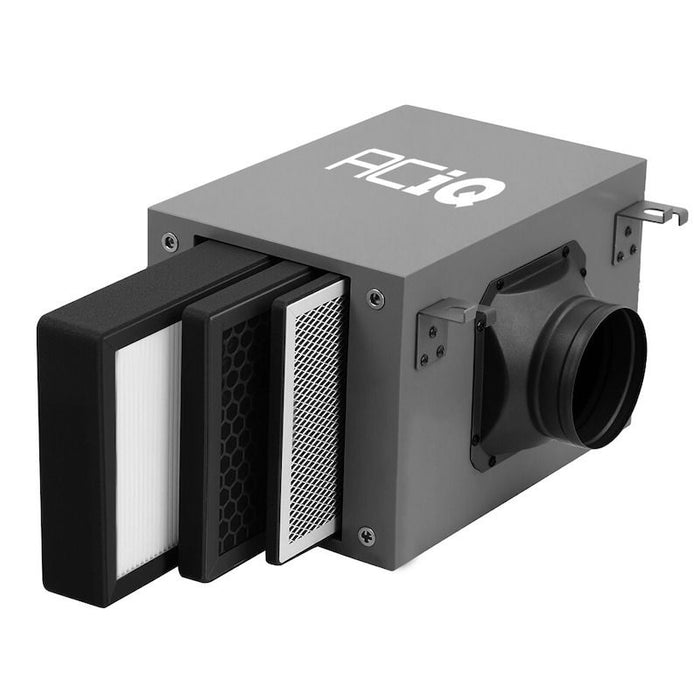
Maintaining high air quality is a holistic endeavor. From the Air Quality Accessories that filter the air to the Downflow Furnace Installation Kit that ensures proper furnace positioning, every component plays a role. By focusing on airflow, you not only improve your comfort but also extend the life of your blower motor and compressor by reducing their operational load. 🍃
Refrigerant Evolution: R410A vs. R454B 🧪
As we progress through 2026, the industry is undergoing a massive shift in refrigerant standards. Understanding what's in your lines is vital for future maintenance.
The R410A Era
The standard for the last two decades. Reliable but being phased out due to high Global Warming Potential (GWP). Parts are widely available but refrigerant costs are rising.
The R454B Future
The new eco-friendly standard. Requires specific tools and "A2L" rated components. It offers superior heat transfer efficiency and lower environmental impact. 🌍
Refrigerant Line and Exterior Maintenance
The refrigerant lines, often referred to as the "circulatory system" of the AC, are responsible for the actual heat transfer process. These copper lines are under high pressure and are susceptible to both mechanical damage and environmental corrosion. Regular inspection of the line sets is required to look for kinks, oil spots (which indicate a leak), or insulation that has rotted away. Exposed copper lines lose efficiency and are prone to condensation, which can lead to water damage inside walls. 💧
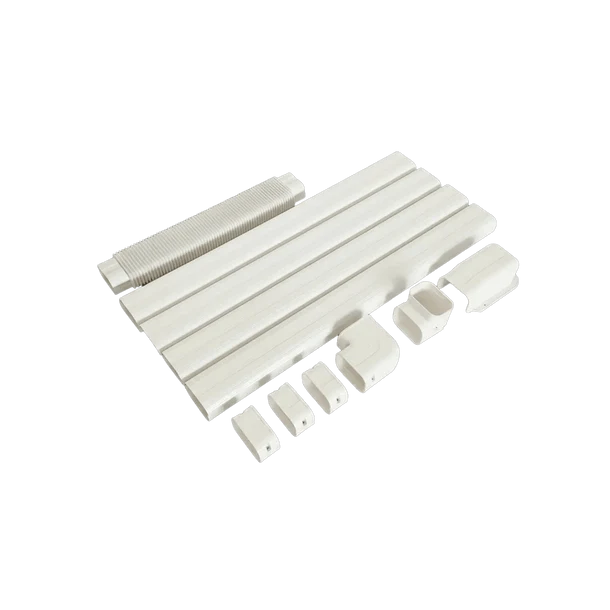
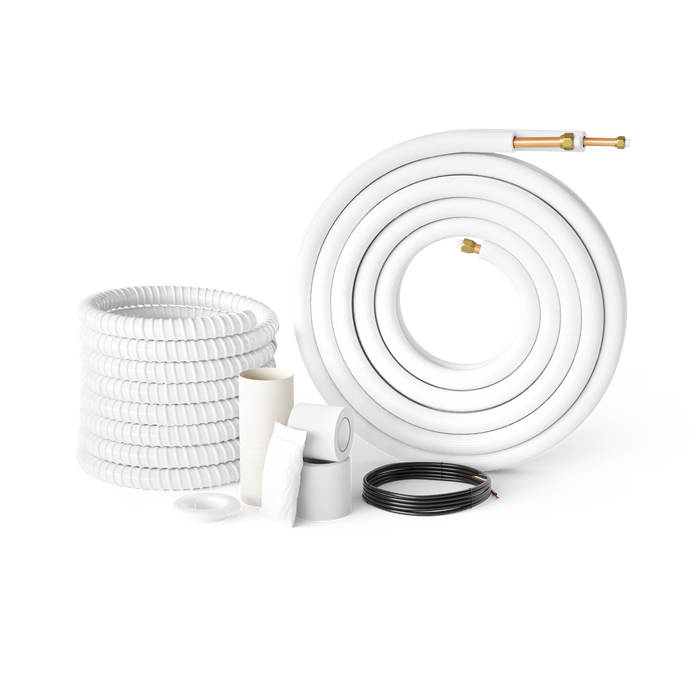
Protecting these lines from the elements is a simple but highly effective maintenance step. Installing MrCool LineGuard Kits or Cooper&Hunter PVC Decorative Line Sets provides a hard barrier against UV rays, which degrade insulation, and animal interference. For shorter runs, Armbridge 6ft PVC Decorative Covers or the 13ft PVC Cover Kit offer a professional look while significantly extending the life of the line set’s thermal barrier. 🛡️
In cases where a leak is detected and the line set must be replaced, upgrading to high-quality ACiQ Insulated Line Sets or specialized Perfect Aire Line Sets with Condenser Couplers ensures a more durable connection for the future. For those utilizing the latest refrigerants, the MrCool DIY Line Set R-454B and the No-Vac Line Set R454B VersaPro offer pre-charged convenience that reduces the risk of contamination during a repair. 🧊
Proper refrigerant management is not just about the copper; it's about the entire installation kit. Whether you are using Cooper&Hunter Installation Kits for Mini Splits or Armbridge Installation Kits, the quality of the flare and the seal is what prevents refrigerant loss. You can explore our full Line Covers Collection to find the right aesthetic and protective solution for your specific home layout.
The Technician's Toolkit 🧰
If you are moving beyond simple filter changes, these tools are non-negotiable for safe and accurate repair:
📟
Multimeter
For testing capacitors and control board voltage.
🌡️
Manifold Gauges
To monitor system pressures and superheat.
🔦
Leak Detector
Electronic sniffing for micro-leaks in flares.
Vibration Control and Structural Integrity
Vibration is the silent enemy of mechanical systems. A unit that shakes excessively during operation is doing more than just making noise; it is placing constant stress on every internal weld, flare nut, and electrical terminal. Over time, these micro-vibrations lead to refrigerant leaks and electrical shorts that can be difficult to diagnose. The solution to the "noisy unit" problem is often found in structural stabilization. 🔇
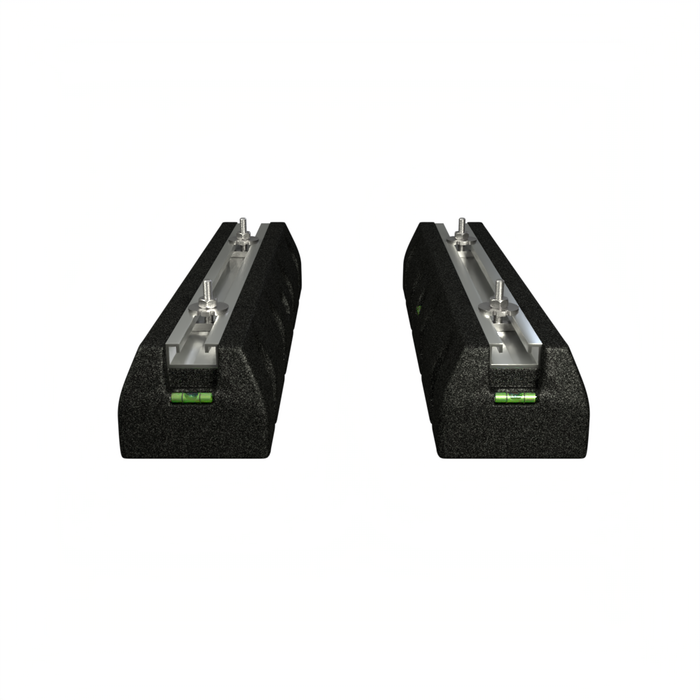
If your outdoor unit has begun to lean or sink, it is time for a stabilization upgrade. Replacing an old, cracked concrete pad with a durable E-Lite Equipment Pad or the Perfect Aire EcoPad provides a level surface that distributes the unit's weight evenly. To further isolate the mechanical hum, adding Rubber Cork Anti-Vibration Pads or Armbridge Rubber Feet between the unit and its mount can significantly reduce the decibel level inside the home. 🤫
Elevation is another key factor in efficiency and longevity, especially in climates prone to snow or heavy rain. Using 6-inch Heat Pump Risers or MrCool Condenser Risers keeps the unit clear of ground-level moisture, mud, and debris. This elevation allows for better drainage and prevents the bottom of the condenser from rusting. For wall-mounted systems, ensuring the Armbridge Wall Bracket or Mini Split Compressor Bracket is securely fastened to the structure prevents the unit from shifting over time. 🏗️
Structural integrity also applies to how the unit is secured during high-wind events. Using a Heavy Duty Mini Split Ground Stand or a Perfect Aire Mini Split Outdoor Condenser Stand provides a much more stable base than a simple pad in areas with soft soil. For a complete list of support options, you can view our full Mounting Pads, Risers, and Supports section.
Electrical Safety: What to Know 🧨
HVAC systems handle high voltages (typically 208V-240V). Always follow the **Triple Lock Protocol**:
- Disconnect the Pull-Out: Physically remove the fuse block from the outdoor disconnect box.
- Verify with Meter: Use a multimeter to confirm zero volts at the unit's terminal block.
- Capacitor Discharge: Use a resistor tool to bleed residual charge from large capacitors before touching terminals.
When in doubt, call a licensed electrician or HVAC technician! 📞
Advanced Repairs: Boards, Displays, and Heat Kits
As HVAC systems become more technologically advanced, the repairs move from purely mechanical to digital. Modern condensers and air handlers are essentially computers that control high-voltage motors. When a system fails to heat or cool properly despite having power and airflow, the diagnostic process must look at the digital interface and control logic. 💻
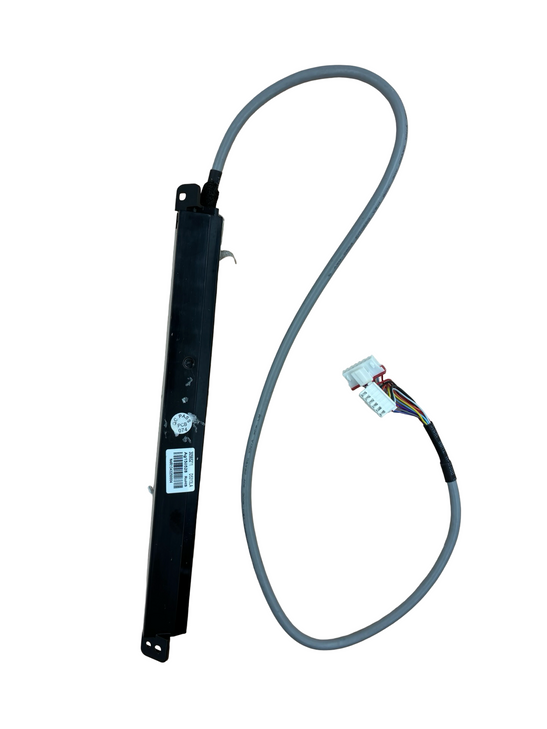
One of the first signs of trouble is an unresponsive or cracked display. Replacing a faulty Midea Display Board Subassembly or the Midea Display Box Subassembly is essential because these boards often provide the error codes needed for further troubleshooting. Without a working display, you are "flying blind." We also carry specific harnesses, such as the Midea Display Board Harness, to ensure the connection between the display and the main board is secure. 📊
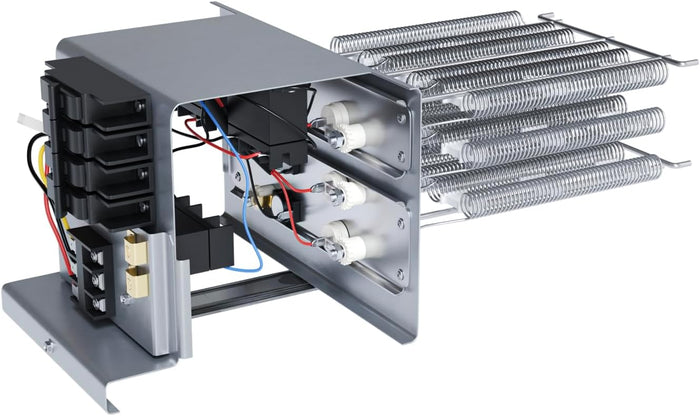
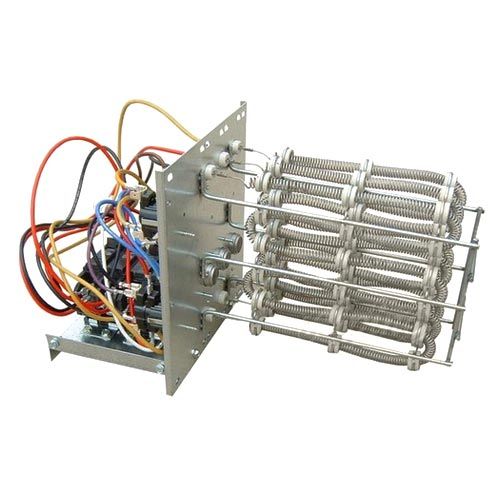
Heating component failures often require specific auxiliary kits. If your heat pump is struggling in extreme cold, troubleshooting the auxiliary heat system is the next step. This may involve replacing a Midea Aux Heat Control Board or even upgrading the entire heat kit. For package units, we offer the ACiQ 10kW Electric Heat Kit, the MrCool 20kW Heat Kit, and specialized Universal DC Inverter Heat Kits. 🔥
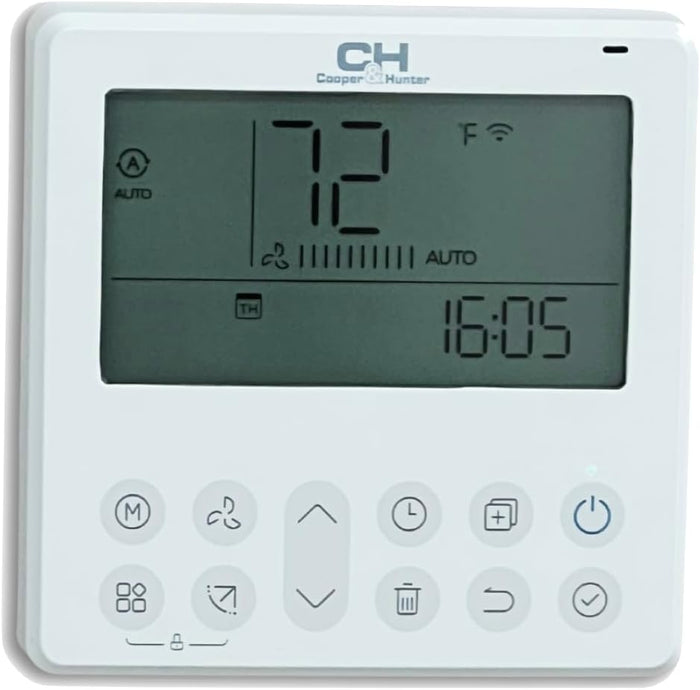
Thermostat calibration and replacement is the final piece of the digital puzzle. A faulty wall unit can cause the system to cycle incorrectly or fail to recognize temperature changes. Replacing a worn controller with a Cooper&Hunter Wired Wall Thermostat Controller or a Replacement Wired Thermostat restores the communication link between you and your machine. 🌡️
Identifying Noises: A Diagnostic Guide 🔊
Clicking 🖱️
Usually electrical. Often a relay or contactor trying to engage but failing due to low voltage or a faulty coil.
Squealing 🐹
Indicates a belt slipping or a blower motor bearing reaching the end of its life. Needs immediate lubrication or replacement.
Hissing 🐍
Signifies a refrigerant leak or an internal valve failure. If you smell something sweet or oily, shut the system down.
Maintaining Specialized Systems (PTAC, Mobile Homes, & Package Units)
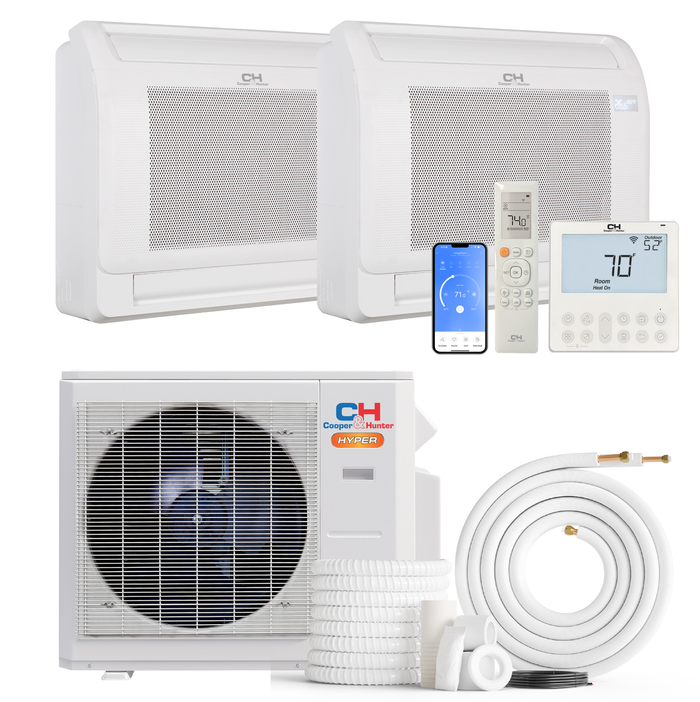
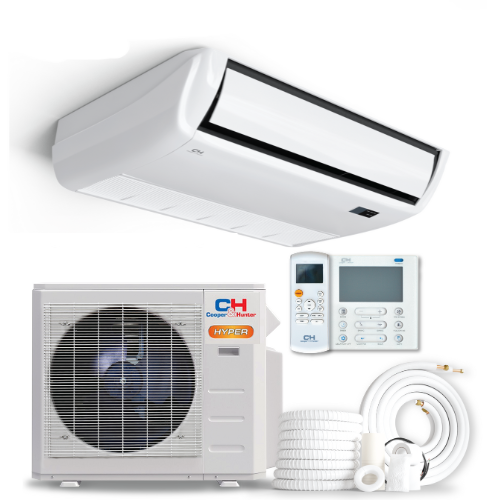
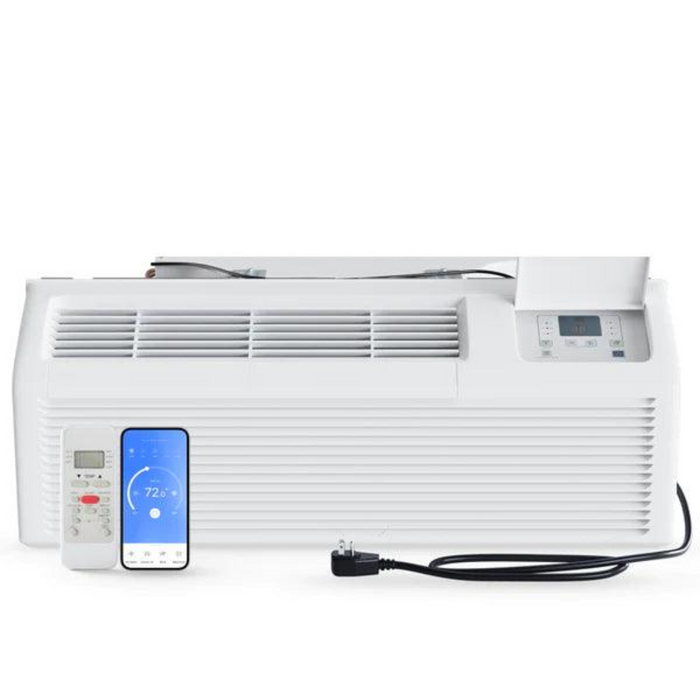
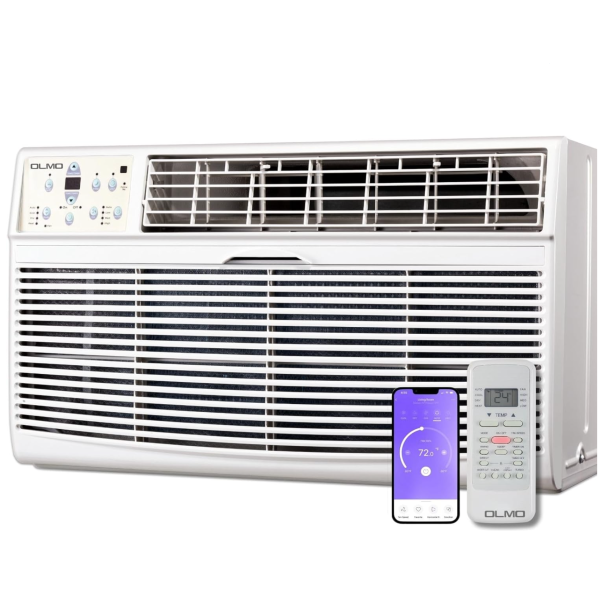
Not all homes are cooled by standard mini-splits or central air systems. Specialty systems such as PTACs (Packaged Terminal Air Conditioners), mobile home units, and commercial package units require specific maintenance protocols and unique parts. Ensuring these systems last requires a tailored approach to their specific vulnerabilities. 🏨
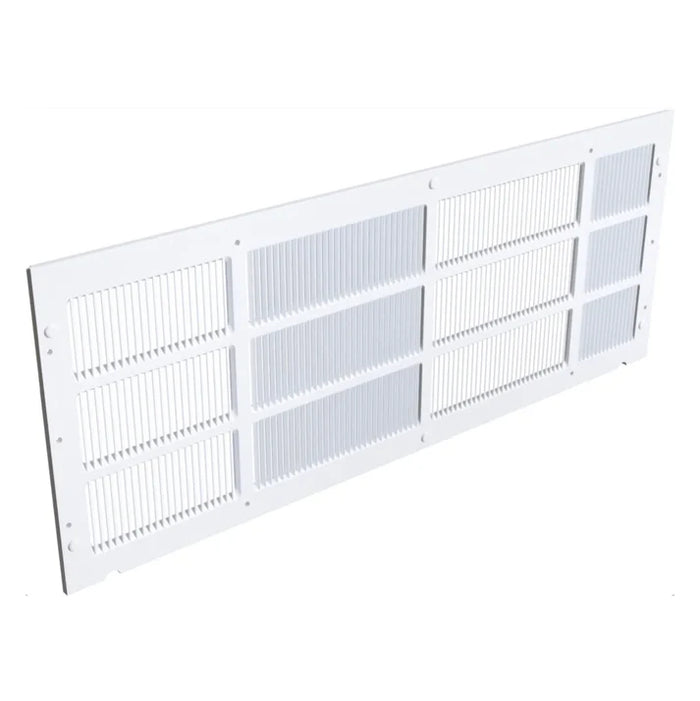
PTAC longevity is heavily dependent on the cleanliness of the exterior components. The Cooper&Hunter Exterior PTAC Grille is designed to protect the condenser from debris, but it must be kept clear of leaves and dust to prevent the unit from overheating. Furthermore, ensuring the ACiQ Universal Wall Sleeve is properly pitched and the drain kit is not clogged prevents water from backing up into the room. For those needing a new wall controller, the ACiQ Wireless PTAC Thermostat with Receiver offers a modern, reliable upgrade. 📡
Mobile home systems face unique venting challenges. Using the correct Mobile Home Accessories is not just about performance; it’s about meeting strict HUD codes for safety and efficiency. This includes using proper Concentric Vent Kits or Side Wall Direct Vent Kits to ensure that combustion gases are safely removed from the living space. 🚐
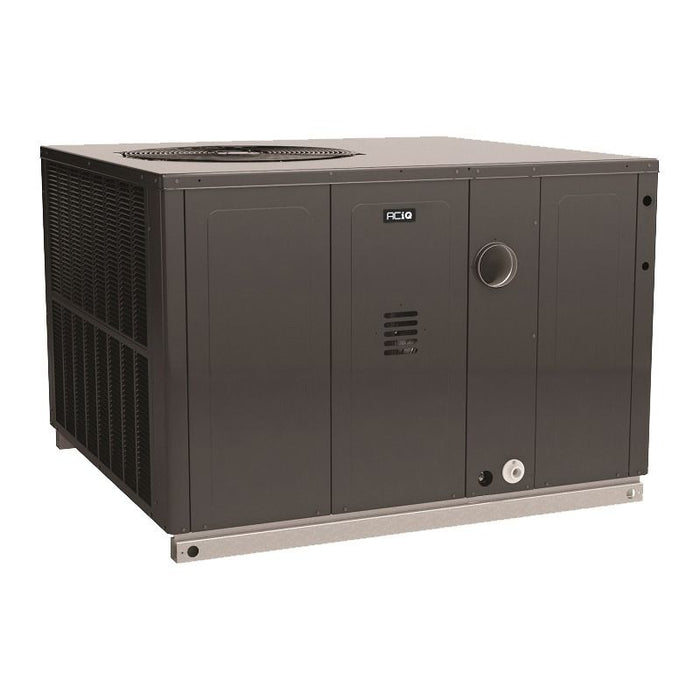
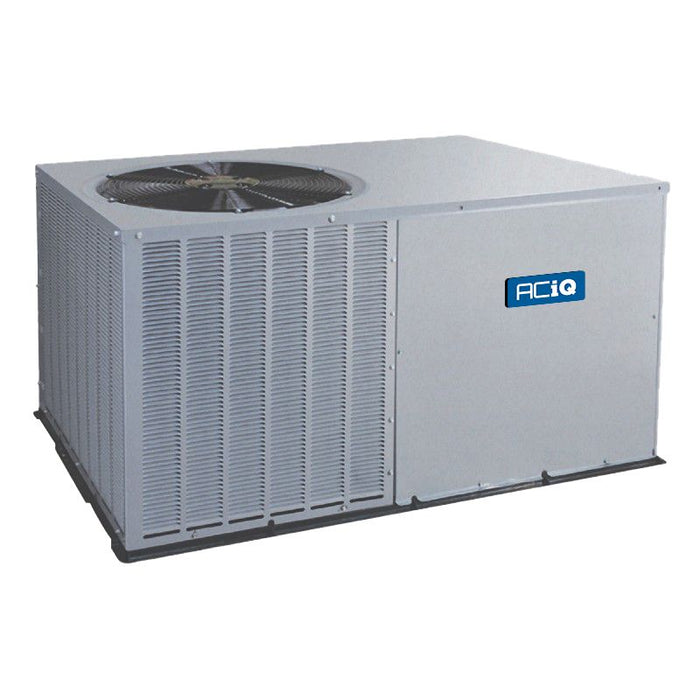
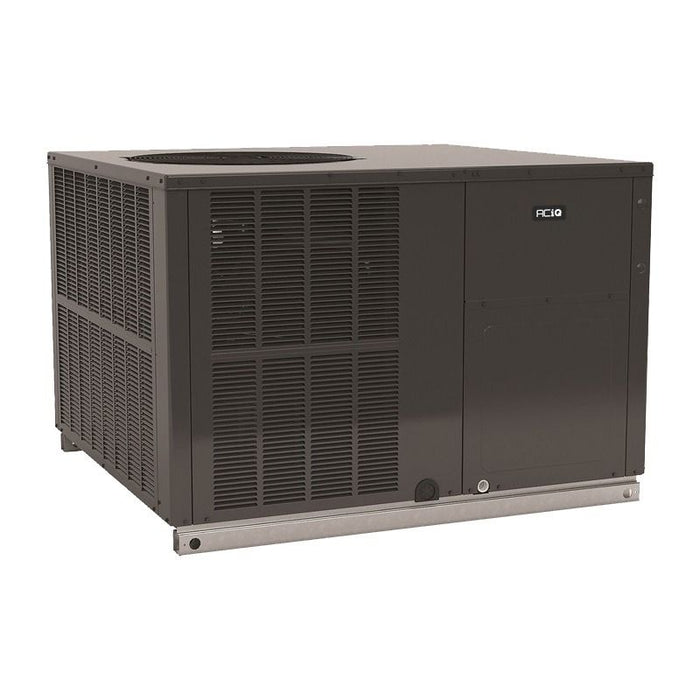
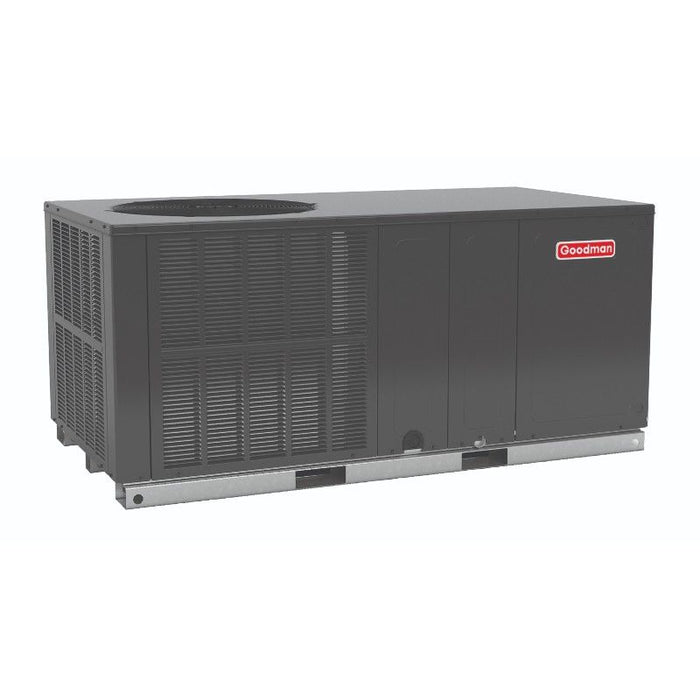
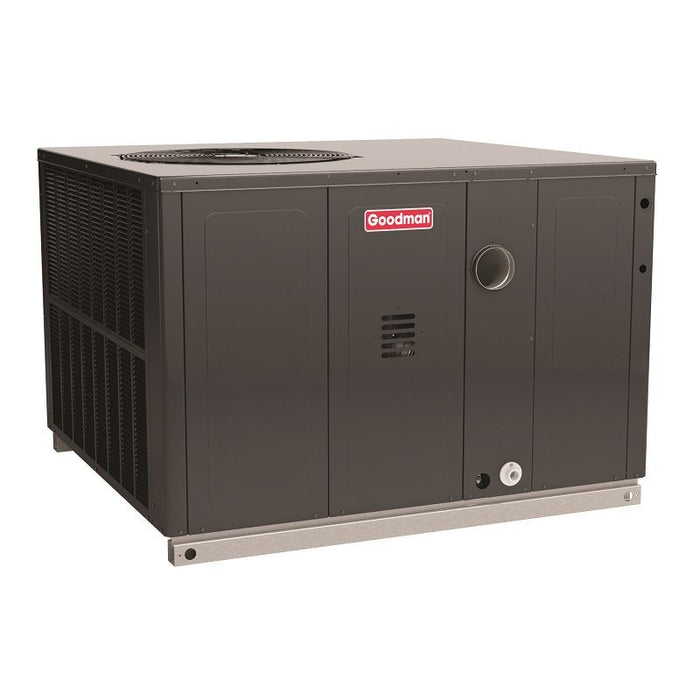
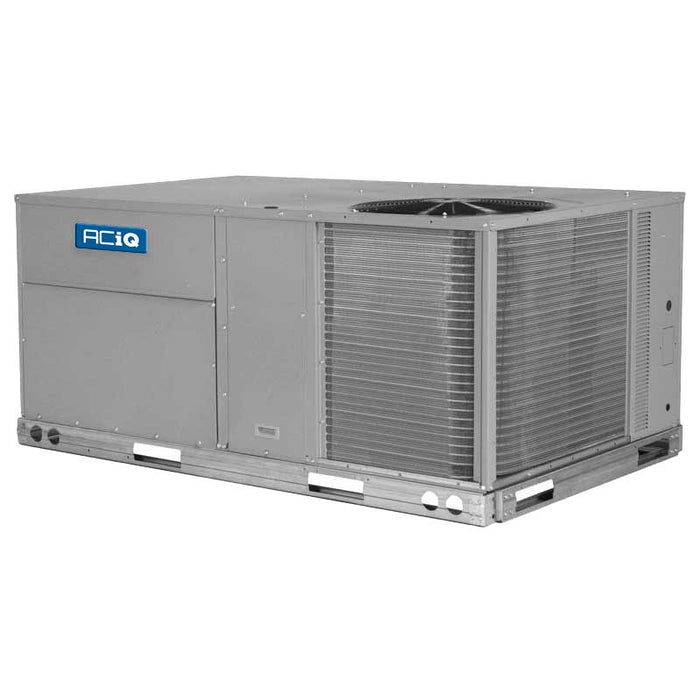
Package units, often found on rooftops or on large ground pads, require heavy-duty maintenance parts. Installing an ACiQ Standard Economizer can drastically reduce mechanical wear by using cool outdoor air for "free cooling" during mild weather. If the base of the unit is compromised, replacing the ACiQ Roof Curb ensures the unit remains level and watertight. You can discover a wide range of solutions for these systems in our Specialty Units & Accessories and Package Units Accessories collections. 🏗️
The Humidity Factor: More Than Just Temp 💧
Air conditioning is as much about dehumidification as it is about cooling. If your system is running but the house feels "clammy," consider these maintenance steps:
- Check Blower Speed: If the blower is too fast, air doesn't stay on the coil long enough to condense moisture.
- Clean the P-Trap: A clogged condensate trap can cause water to sit in the pan, re-humidifying the air.
- Verify Oversizing: A unit that is too large for the space will "short cycle," cooling the air too quickly to remove moisture.
Conclusion: Your Maintenance Checklist
A successful maintenance strategy is built on a mixture of monthly observations and annual deep-dives. While the homeowner can manage filter changes and debris removal, annual inspections of electrical components like the Midea Main Control Board and refrigerant pressures should be handled by those with the proper diagnostic tools. The bottom line is simple: investing $100 in high-quality maintenance parts and accessories today can save you $5,000 in full system replacement costs tomorrow. 💰
Whether you are performing a simple repair on a mini split or managing a large-scale package unit overhaul, having a reliable partner for parts is essential. If you are struggling to identify a specific component or need technical guidance on which Midea Interface Board or Reactor matches your unit, do not hesitate to reach out. Our team of experts is ready to assist you through our Contact Page, ensuring that your home remains comfortable and your HVAC system remains efficient for decades to come. ✅🤝
Don't Wait for a Breakdown! 🔧
Grab your maintenance supplies today and keep your system running at 100% efficiency.